Identifying the subtle messages your body sends can transform your daily energy and long-term wellness. A balanced digestive system acts as the foundation for nutrient absorption, immune defense, and emotional stability; however, modern stressors and processed diets often disrupt this delicate ecosystem. When you know exactly what symptoms point to an internal imbalance, you can intervene early and restore equilibrium before minor discomforts evolve into chronic conditions. Digestive health impacts everything from healthy aging to cognitive function, yet many people dismiss crucial warning signs as normal aspects of getting older. By decoding these nine specific physical cues, you gain the practical insight needed to optimize your nutrition, adjust your daily habits, and reclaim your vitality.
The Science Snapshot: How Your Microbiome Operates
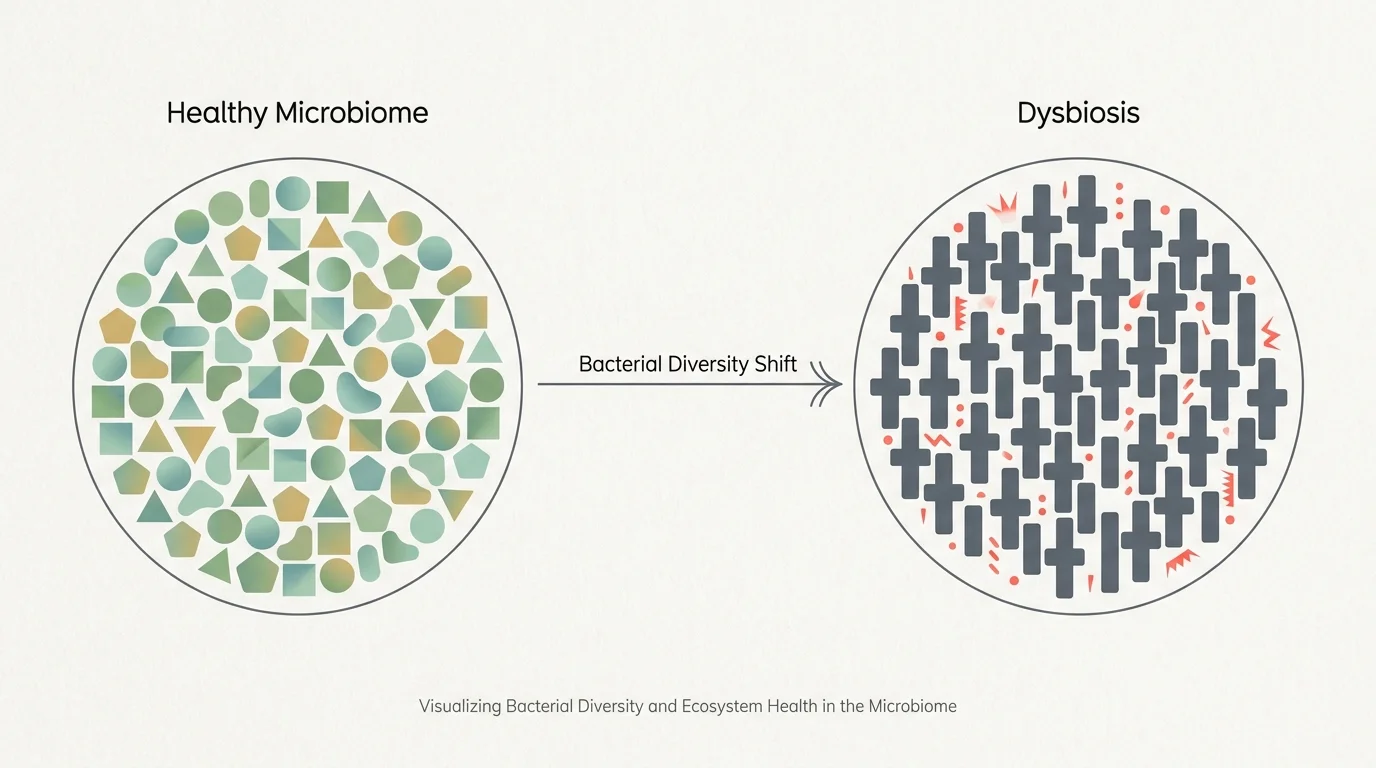
Your digestive tract houses trillions of microscopic organisms, including bacteria, viruses, and fungi. These microbes collectively form your gut microbiome—a complex internal ecosystem that functions almost like an entirely separate organ. A robust microbiome regulates your digestion, synthesizes essential vitamins, and produces short-chain fatty acids that protect your intestinal lining from damage. When harmful bacteria overpower the beneficial strains, you experience a state known as dysbiosis. Current clinical gastroenterology research demonstrates that dysbiosis drives systemic inflammation, which can cascade into various chronic diseases. Understanding this microscopic world empowers you to make informed dietary choices that feed the beneficial bacteria, allowing them to crowd out the harmful microbes and support your overall biological functions.

9 Physical Warning Signs of an Imbalanced Gut
1. Persistent Digestive Discomfort
Frequent gas, bloating, constipation, and diarrhea represent the most direct indicators that your digestive tract is struggling. When you lack the proper diversity of healthy bacteria to break down the foods you eat, opportunistic microbes ferment the undigested carbohydrates. This abnormal fermentation process produces excessive gas, which stretches the intestinal walls and causes painful bloating. Chronic diarrhea or constipation often points to a lack of dietary fiber or an overgrowth of bacteria in the small intestine, both of which require targeted nutritional interventions to resolve.
2. Unintentional Weight Fluctuations
Gaining or losing weight without making intentional changes to your diet or exercise routine frequently originates in the gut. An imbalanced microbiome can impair your body’s ability to absorb essential nutrients, regulate blood sugar, and store fat efficiently. Some harmful bacterial strains extract excessive calories from your food, leading to unexpected weight gain; conversely, conditions like small intestinal bacterial overgrowth can trigger malabsorption and sudden weight loss. Addressing these shifts requires focusing on digestive efficiency rather than simple calorie counting.
3. Sleep Disturbances and Constant Fatigue
If you toss and turn at night or wake up feeling exhausted, your intestinal health might be the culprit. Your gut produces approximately 90 percent of your body’s serotonin, a crucial neurotransmitter that directly influences both mood and sleep patterns. Serotonin acts as a chemical precursor to melatonin, the hormone responsible for regulating your circadian rhythm. When intestinal inflammation disrupts serotonin production, your sleep architecture inevitably suffers, leaving you trapped in a frustrating cycle of daytime fatigue and nighttime restlessness.
4. Skin Irritation and Chronic Conditions
The appearance of your skin often mirrors the health of your digestive tract. The gut-skin axis connects intestinal inflammation to dermatological issues like eczema, rosacea, acne, and unexplained rashes. When poor dietary choices weaken your intestinal barrier, certain proteins and toxins escape into your bloodstream—a condition commonly referred to as leaky gut. Your immune system reacts to these foreign particles by triggering an inflammatory response, which frequently manifests as red, irritated, or breakout-prone skin.
5. New and Unexplained Food Intolerances
Unlike food allergies, which involve an immediate and severe immune response, food intolerances often develop gradually when your microbiome deteriorates. You might suddenly notice that dairy, gluten, or certain fermentable carbohydrates cause severe cramping and nausea, even though you tolerated them perfectly for years. This occurs because you lack the specific microbial enzymes required to fully digest these complex compounds. Restoring your beneficial bacteria can often improve your tolerance and allow you to reintroduce these nutrient-dense foods safely over time.
6. Intense Sugar Cravings
Beneficial and harmful microbes compete for survival, and they manipulate your behavior to acquire their preferred fuel sources. Yeast species and pathogenic bacteria thrive on refined sugars and simple carbohydrates; to ensure their own survival, they release chemical messengers that travel along the vagus nerve to your brain, actively triggering intense cravings for sweets. When you consistently experience an uncontrollable urge for sugary snacks, you are likely feeling the demands of an imbalanced microbial population rather than a simple lack of willpower.
7. Mood Shifts and Increased Anxiety
The vagus nerve serves as a direct communication superhighway between your digestive tract and your brain. When harmful bacteria produce inflammatory byproducts, these chemicals travel this neural pathway and alter your central nervous system’s function. Individuals with persistent intestinal distress frequently report higher rates of anxiety, depression, and brain fog. Healing the intestinal lining reduces this neuroinflammation, often resulting in stabilized moods and clearer cognitive function within a matter of weeks.
8. Autoimmune Flare-Ups
Because approximately 70 percent of your immune system resides in your digestive tract, systemic health relies heavily on a stable microbial environment. When dysbiosis occurs, the resulting inflammation can confuse your immune cells, causing them to mistakenly attack healthy tissue. This biological confusion frequently exacerbates autoimmune conditions such as rheumatoid arthritis, lupus, and Hashimoto’s thyroiditis. Supporting healthy digestion provides your immune system with the precise environment it needs to regulate itself and reduce autoimmune severity.
9. Frequent Illness and Poor Immune Function
If you catch every cold that circulates through your office, your microbiome may lack the strength to defend you. Beneficial bacteria actively train your immune cells to distinguish between harmless dietary proteins and dangerous pathogens. They also maintain the acidic environment necessary to destroy incoming viruses and harmful bacteria. When your microbial defenses drop, your susceptibility to common infections rises dramatically, making consistent nutritional support essential for immune resilience.
Strategy Pillars: How to Restore Gut Health
Nutrient Focus: Feeding Your Flora
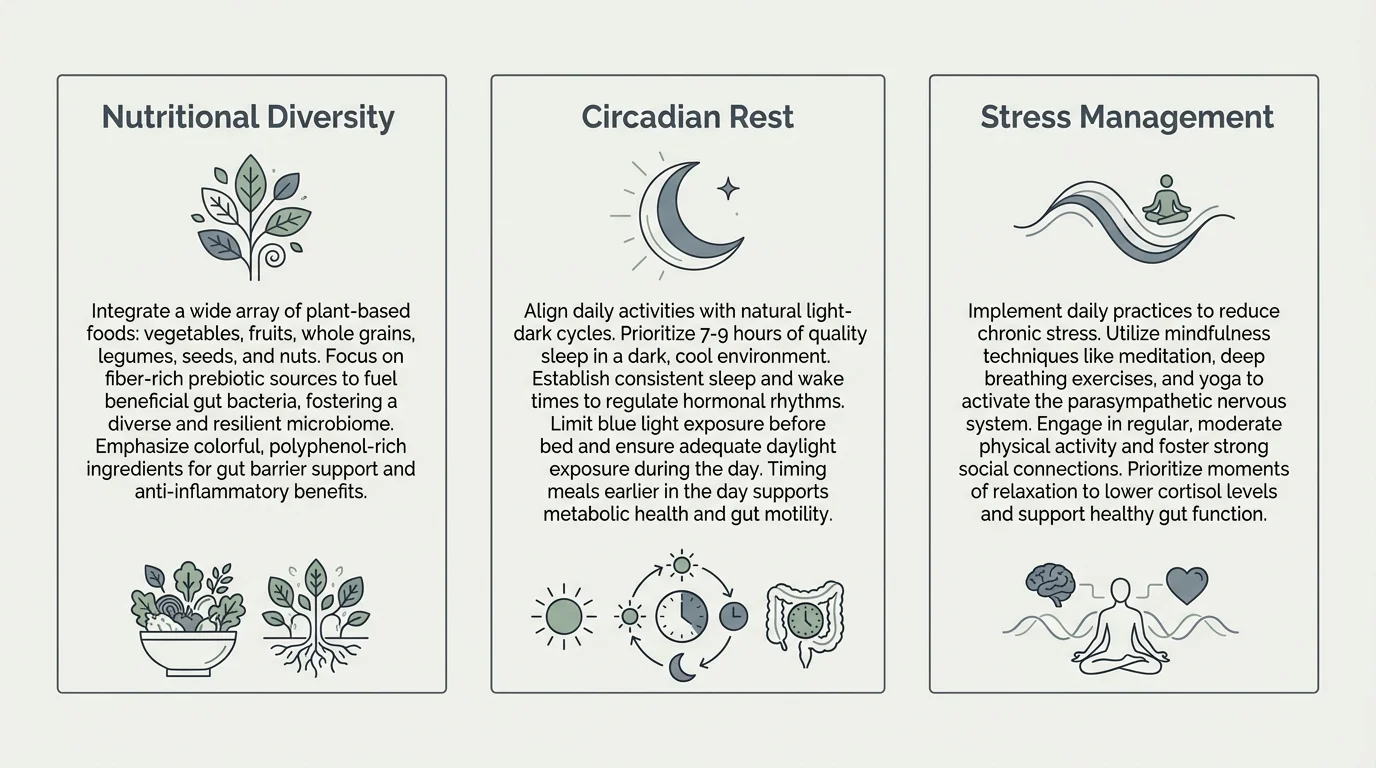
The most effective way to reshape your microbiome is by strategically feeding the beneficial microbes. Prioritize a high intake of dietary fiber, targeting 25 to 30 grams daily from whole food sources. Incorporate prebiotic foods—which serve as fertilizer for good bacteria—such as garlic, onions, asparagus, green bananas, and jicama. Pair these prebiotics with probiotic-rich fermented foods that introduce live, active cultures into your system. Budget-friendly options like unpasteurized sauerkraut, plain kefir, unsweetened yogurt, and homemade bone broth deliver powerful doses of healing compounds. By combining prebiotics and probiotics, you create a synergistic environment where healthy bacteria can aggressively colonize and thrive.
Meal Planning: Structured Nourishment
Consistency in how and when you eat significantly influences your digestive efficiency. Adopt the 30-plants-a-week strategy to maximize microbial diversity; count every different fruit, vegetable, whole grain, nut, seed, and herb you consume. Culturally diverse ingredients like teff, plantains, bok choy, and black lentils all contribute uniquely to this weekly goal. Furthermore, structure your meals to provide adequate fasting windows. Avoid grazing constantly throughout the day, and aim to finish your final meal at least three hours before bedtime. This structural discipline allows your migrating motor complex—the digestive system’s internal cleaning crew—to sweep residual food and bacteria out of your stomach and small intestine.
Habit Formation: Lifestyle Adjustments
What happens outside your kitchen matters just as much as what happens on your plate. Chronic stress physically alters gut motility and decreases the secretion of essential digestive enzymes. Counteract this by establishing deliberate, calming habits before you eat. Take five deep diaphragmatic breaths before picking up your fork to shift your nervous system out of its stressful fight-or-flight state. Additionally, practice thorough mastication; chew each bite 20 to 30 times until the food becomes liquid. This mechanical breakdown reduces the workload on your stomach and ensures optimal nutrient extraction once the food reaches your intestines.

Expert and Lived Voices on Gut Restoration
Clinical dietitians and functional medicine physicians routinely observe remarkable transformations when patients prioritize their digestive ecosystem. Experts often note that while clients initially seek help for bloating or irregular bowel movements, their earliest reported victories are usually systemic—their brain fog lifts, their joint pain subsides, and their midday energy crashes disappear. Community members share similar lived experiences. Many individuals report that simply swapping their afternoon processed snack for a handful of raw almonds and a small portion of kimchi fundamentally changed their digestion within a single month. These stories highlight that you do not need complex, restrictive protocols to see results; consistent, small additions of whole foods drive the most sustainable physiological changes.

Safety, Personalization, and When to Consult a Clinician
While increasing your fiber intake is essential for healthy aging, adding it too rapidly can backfire, causing severe cramping and explosive bloating. Increase your plant intake gradually, adding just a few grams of fiber every couple of days, and dramatically increase your water consumption to help move the bulk through your system. If you suffer from irritable bowel syndrome, certain healthy foods—specifically those high in fermentable oligosaccharides, disaccharides, monosaccharides, and polyols—might temporarily worsen your symptoms. Always listen to your individual tolerance levels and modify your choices accordingly. Most importantly, recognize the clinical red flags. If you experience unintentional weight loss, chronic vomiting, severe abdominal pain, difficulty swallowing, or blood in your stool, bypass dietary changes and consult a gastroenterologist immediately to rule out serious medical conditions.
Frequently Asked Questions
How long does it take to improve gut health?
Your microbiome is highly responsive to dietary changes. Research shows that populations of specific bacteria can shift within just 48 to 72 hours of altering your macronutrient intake. However, repairing a damaged intestinal lining and resolving systemic inflammation takes significantly longer. Most individuals experience noticeable symptom relief within two to four weeks of consistent nutritional therapy, while deep structural healing and long-term immune modulation generally require three to six months of dedicated effort.
Are probiotic supplements necessary for everyone?
Probiotic supplements are not universally required for digestive wellness. A diverse diet rich in whole plant foods and naturally fermented products provides ample beneficial bacteria and the fiber needed to sustain them. Supplements prove most beneficial during specific acute situations, such as recovering from a course of broad-spectrum antibiotics or managing infectious diarrhea. If you choose to supplement, look for strains clinically studied for your specific symptoms, rather than assuming a higher colony-forming unit count automatically guarantees superior results.
Can drinking water impact digestion?
Proper hydration is absolutely critical for digestive function. Water helps break down food, allowing your body to absorb nutrients efficiently. More importantly, water combines with dietary fiber to create soft, easily passable stools, preventing painful constipation. Furthermore, adequate hydration maintains the mucosal lining of your intestines, which acts as a physical barrier against harmful pathogens. Aim to drink the majority of your water between meals rather than gulping large quantities while eating, which can dilute your natural stomach acid.
Does fasting help the gut microbiome?
Incorporating periods of digestive rest profoundly benefits your intestinal tract. When you abstain from eating for 12 to 14 hours overnight, you activate essential gut motility pathways that physically sweep stagnant food particles and excess bacteria downward into the large intestine. This sweeping action prevents bacterial overgrowth in the upper digestive tract. You do not need extreme fasting protocols to achieve this; a simple overnight fast that aligns with your natural circadian rhythm provides more than enough time for cellular repair and microbial balance.
Take Action Today
Transforming your internal health does not require a complete lifestyle overhaul by tomorrow morning. Small, strategic additions create massive compounding benefits over time. Identify one area of your routine that feels manageable to change right now. Within the next 24 hours, commit to adding just one extra serving of fiber to a meal—whether that means tossing a handful of spinach into your morning eggs, substituting a processed side dish for roasted root vegetables, or snacking on a crisp apple. Your microbiome thrives on consistency, and taking this single proactive step today sets the foundation for decades of digestive resilience and vibrant health.