
Navigating the bread aisle empowers you to transform a simple sandwich into a powerhouse of dietary fiber, sustained energy, and essential nutrients. You can quickly identify the healthiest loaves and bypass the heavily processed options by mastering a few basic label-reading strategies. Modern grocery shelves often overwhelm shoppers with deceptive marketing, disguising refined grains and hidden sugars behind rustic packaging. By looking past the front label and analyzing the ingredient list, you seize control of your daily nutrition. Choosing authentic whole grain products bolsters your digestive health and stabilizes your blood sugar. Your daily slice of toast holds immense potential to support your long-term health goals when you know exactly what to look for.

The Science Behind the Slice
Understanding the fundamental anatomy of a grain illuminates exactly why nutrition experts consistently champion whole foods over their refined counterparts. A complete, intact grain consists of three distinct layers. The outermost layer, known as the bran, delivers a robust dose of dietary fiber, B vitamins, and essential trace minerals. Deep inside lies the germ, the reproductive core of the seed, which houses powerful antioxidants, vitamin E, and healthy fats. The endosperm forms the largest portion of the grain, functioning primarily as a starchy energy reserve intended to nourish the young plant.
Modern commercial milling techniques systematically dismantle this nutritional powerhouse. To extend shelf life and create a softer texture, manufacturers forcefully strip away the bran and the germ, leaving only the rapid-digesting endosperm. This refining process effectively removes the structural components that naturally slow digestion, resulting in a product that your body converts to glucose almost instantly. Eating refined flour forces your pancreas to pump out elevated levels of insulin to manage the sudden influx of sugar in your bloodstream, a cycle that can eventually contribute to insulin resistance.
A robust body of clinical research highlights that regular whole grain consumption actively reduces the risk of cardiovascular disease, type 2 diabetes, and certain forms of cancer. When you consume the grain in its entirety, the complex matrix of fiber, vitamins, and phytochemicals works synergistically within your body. The soluble fiber forms a gel-like substance in your digestive tract to sweep away excess cholesterol, while the insoluble fiber adds vital bulk to your diet to ensure healthy gastrointestinal motility.
Defining the Healthiest Loaves on the Shelf
When searching for the healthiest options, one hundred percent whole wheat bread stands as the gold standard for daily consumption. The absolute first ingredient printed on the package must read “whole wheat flour” or “whole grain flour.” These loaves retain the complete nutritional profile of the wheat berry, delivering sustained energy that prevents the mid-afternoon fatigue often associated with simple carbohydrates. Meeting daily dietary fiber recommendations remains a challenge for the majority of adults; integrating genuine whole wheat bread provides an effortless and delicious solution.
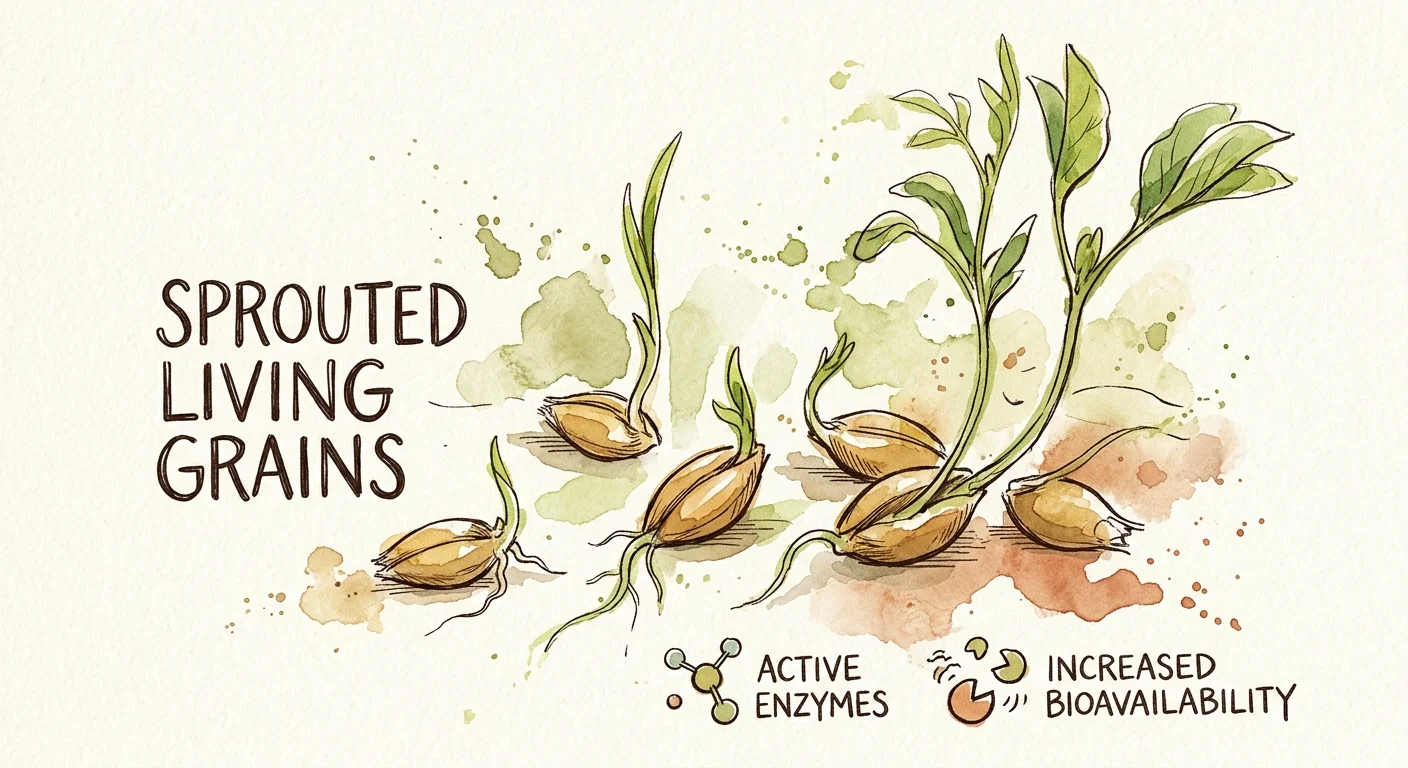
Sprouted grain breads elevate the nutritional baseline even further. The manufacturing process involves soaking whole grains in water until they begin to sprout a tiny new plant, a biological transition that fundamentally alters the chemical composition of the seed. Sprouting neutralizes phytic acid—a naturally occurring antinutrient that binds to minerals like iron, zinc, and calcium in your digestive tract. By breaking down the phytic acid, sprouted grain breads dramatically increase the bioavailability of these essential micronutrients, allowing your body to absorb them with remarkable efficiency. Furthermore, the sprouting process consumes some of the grain’s inherent starches, slightly increasing the protein concentration per slice.
Traditional sourdough bread offers another exceptional choice, provided you select a loaf crafted through a genuine fermentation process rather than one simply flavored with sour additives. Authentic sourdough relies on a symbiotic culture of wild yeast and lactobacilli bacteria. During the long fermentation period, these beneficial microbes essentially pre-digest the starches and proteins present in the flour. This bacterial action creates organic acids that physically slow down the rate at which your stomach empties, resulting in a significantly lower glycemic index compared to standard yeast breads. The fermentation process also degrades certain complex carbohydrates that frequently trigger bloating, making true sourdough a gentle option for your digestive system.

Identifying the Unhealthiest Loaves on the Shelf
Standard white commercial bread represents the most common nutritional pitfall in the bakery aisle. Stripped of all inherent fiber, healthy fats, and trace minerals, white bread offers little more than empty calories. To compensate for the severe nutritional deficit caused by the milling process, manufacturers “enrich” the flour by synthetically adding back a handful of isolated B vitamins and iron. However, this artificial enrichment cannot replicate the complex, synergistic health benefits provided by the intact grain. Consuming white bread spikes your blood sugar rapidly, leaving you hungry again shortly after your meal.
The “multigrain” label frequently serves as one of the most deceptive marketing tactics in the food industry. Multigrain simply indicates that the bakery utilized more than one type of grain in the recipe; it guarantees absolutely nothing about the refinement level of those grains. Many prominent multigrain loaves feature bleached, enriched white flour as their primary ingredient, heavily dusted with a few token oat flakes or sesame seeds on the crust to project an illusion of health. Unless the label explicitly states “100 percent whole grain,” that hearty-looking brown loaf might just be white bread disguised with a dose of caramel coloring.
Sweet breads, including popular variations like cinnamon raisin, honey wheat, and Hawaiian sweet rolls, sneak a startling amount of added sugar into a savory meal format. Some of these products contain four to five grams of added sugar per single slice. If you build a sandwich using two slices, you inadvertently consume the sugar equivalent of a decadent dessert before even factoring in your chosen fillings. High-fructose corn syrup, cane juice, and brown sugar frequently dominate the ingredient lists of these loaves, contributing to systemic inflammation and disrupting your metabolic health.

Strategy Pillar 1: Nutrient-Focused Grocery Shopping
Transforming your grocery shopping habits requires you to ignore the flashy health claims printed on the front of the packaging and immediately inspect the nutrition facts panel and ingredient list on the back. The ingredient list operates by weight, meaning the most abundant components appear first. You must look for the word “whole” preceding the name of the grain at the very top of the list. If you spot terms like “enriched wheat flour,” “unbleached wheat flour,” or “wheat flour,” you are holding a refined product.
Next, direct your attention to the dietary fiber content. A truly nutritious loaf of bread should provide a minimum of three grams of dietary fiber per slice. This fiber metric serves as a reliable indicator of the bread’s overall quality and minimal processing. Simultaneously, you must monitor the added sugar content, keeping it strictly under two grams per slice. Manufacturers add sugar to bread to accelerate the yeast fermentation process and artificially enhance the flavor profile, but this unnecessary sweetness compromises your nutritional goals.
Finally, carefully evaluate the sodium levels. Bread remains one of the top contributors to sodium intake in the modern diet, not necessarily because a single slice is overwhelmingly salty, but because people consume it in such high volumes. A single slice can easily harbor 200 milligrams of sodium. By selecting a brand that keeps sodium below 150 milligrams per slice, you easily adhere to established daily sodium limits to protect cardiovascular health and maintain healthy blood pressure levels.

Strategy Pillar 2: Meal Planning with Better Bread
Bread rarely functions as a standalone meal; it acts as an edible vehicle for other ingredients. You can maximize the nutritional impact of your meals by actively pairing your whole grain bread with high-quality proteins and heart-healthy fats. The physiological combination of complex carbohydrates, protein, and dietary fat slows the overall digestion process, resulting in a gentle, sustained release of glucose into your bloodstream. This macronutrient synergy effectively eliminates the sharp blood sugar spikes and subsequent crashes that drive afternoon sugar cravings.
Instead of relying on sugary jams or highly processed deli meats, experiment with nutrient-dense toppings. Top a toasted slice of sprouted grain bread with deeply mashed avocado, a generous sprinkle of hemp seeds, and a soft-poached egg to secure an optimal balance of omega-3 fatty acids, complete protein, and complex carbohydrates. For a plant-based alternative, generously spread hummus over a sturdy slice of sourdough and layer it with crisp cucumbers, shredded carrots, and peppery arugula. These intentional meal planning choices transform an ordinary sandwich into a profoundly satisfying, health-promoting meal.

Strategy Pillar 3: Habit Formation for Sustainable Choices
Dietary shifts succeed when you implement them gradually, allowing your palate and your digestive system the necessary time to adjust. If you currently consume white bread exclusively, jumping immediately to a dense, seed-heavy sprouted loaf might feel texturally jarring. You can bridge this gap by starting with “white whole wheat” bread. White whole wheat relies on a specific, lighter-colored strain of wheat that tastes significantly milder and features a softer texture than traditional red wheat, yet it retains the exact same whole-grain nutritional profile.
You can also utilize the 50/50 method during your transition period. When preparing a sandwich, use one slice of your familiar refined bread alongside one slice of high-quality whole grain bread. Over the course of a few weeks, your taste buds will naturally acclimate to the nuttier, more robust flavor profile of the whole grains. Furthermore, always toast your whole grain bread; the application of heat fundamentally transforms the molecular structure of the crust, yielding a satisfying crunch that makes denser loaves significantly more enjoyable to eat.

Expert and Lived Perspectives
Clinical dietitians and metabolic health experts consistently stress that carbohydrates are not the inherent enemy of a healthy lifestyle; the true issue lies in the severe overconsumption of highly refined, nutrient-void flours. Across the globe, traditional cultures have relied on diverse whole grain breads as foundational staples for centuries without suffering from modern metabolic epidemics. The dense, dark rye breads of Scandinavia, the fermented teff injera of Ethiopia, and the whole wheat chapati of India all demonstrate the remarkable versatility and enduring health benefits of minimally processed grains.
Many individuals who report feeling lethargic after eating commercial bread discover that their symptoms diminish dramatically when they switch to traditionally fermented sourdough or sprouted grain varieties. This lived experience aligns perfectly with the biological science of fermentation and sprouting, which actively breaks down the specific proteins and complex sugars that frequently burden the human digestive tract. Recognizing that not all bread acts identically within the human body empowers you to find a loaf that genuinely supports your unique physiology.
Safety, Allergies, and Personalization
While whole grain wheat offers tremendous health benefits for the general population, specific medical conditions require stringent avoidance. Individuals properly diagnosed with celiac disease require complete, lifelong elimination of gluten—a structural protein found naturally in wheat, barley, and rye. For these individuals, consuming even microscopic amounts of gluten triggers a severe autoimmune reaction that aggressively damages the delicate lining of the small intestine, leading to profound nutrient malabsorption.
Non-celiac gluten sensitivity and wheat allergies also necessitate personalized dietary modifications. Additionally, individuals navigating Irritable Bowel Syndrome frequently struggle to digest fructans, a specific type of fermentable carbohydrate highly concentrated in standard wheat products. Interestingly, the traditional sourdough fermentation process significantly degrades these fructans. Consequently, many individuals with mild irritable bowel symptoms find they can comfortably digest authentic, slow-fermented sourdough, even though they must strictly avoid standard commercial whole wheat. Always consult with a registered dietitian or a gastroenterologist before permanently eliminating major food groups from your daily routine.
Frequently Asked Questions
Is multigrain bread always healthy?
No, multigrain bread simply implies that the recipe includes more than one type of grain. Manufacturers frequently use refined white flour as the primary ingredient and simply sprinkle in tiny amounts of oats, barley, or millet to justify the label. To ensure you are making a healthy choice, you must verify that the first ingredient listed is a 100 percent whole grain, regardless of how many different grains the bread contains.
Does freezing bread change its nutritional value?
Freezing your bread actually enhances its nutritional profile through a fascinating chemical process. When you freeze and subsequently toast a slice of bread, the starchy molecules physically reorganize themselves into a compound known as resistant starch. Resistant starch actively resists digestion in your small intestine; instead, it travels intact to your colon, where it ferments and serves as a vital prebiotic food source for your beneficial gut bacteria. This process also significantly lowers the glycemic impact of the bread.
Are gluten-free breads healthier than regular wheat bread?
Gluten-free bread is an absolute medical necessity for individuals with celiac disease or severe gluten intolerance, but it is not inherently healthier for the general public. Commercial gluten-free breads frequently rely on highly refined rice flour, tapioca starch, and potato starch to replicate the elastic texture of gluten. These refined starches often contain less dietary fiber and protein than traditional whole wheat bread, and they can cause rapid spikes in blood sugar.
How many slices of bread should you eat per day?
The optimal amount of bread depends entirely on your individual energy requirements, metabolic health, and overall daily carbohydrate intake from other sources. A highly active endurance athlete might easily utilize the carbohydrates from several slices of bread to fuel intensive training sessions, whereas a sedentary individual might benefit from limiting their intake to one or two slices per day. Focus primarily on the quality of the bread and pair it intelligently with healthy fats and proteins.
Your Next Action Step
Armed with this comprehensive understanding of grain anatomy, processing methods, and label reading, you possess the exact tools needed to optimize your daily nutrition. Sometime in the next twenty-four hours, walk into your kitchen and carefully read the ingredient list on your current loaf of bread. If the first ingredient lacks the word “whole,” or if the sugar content exceeds two grams per slice, make a conscious commitment to upgrade your choice during your next grocery run. By simply swapping a refined loaf for a robust sprouted grain or authentic sourdough, you take a powerful, actionable step toward a healthier, more vibrant life.