As you cross into your sixties and beyond, cellular wear and tear naturally accelerates, but targeted nutrition directly intervenes to slow this biological clock. Anti-aging foods for seniors supply concentrated doses of antioxidants, essential fatty acids, and specific amino acids that protect your brain, preserve muscle mass, and rejuvenate your skin. Integrating longevity food choices into your daily routine reduces chronic inflammation—the primary driver of age-related cognitive decline and cardiovascular disease. By prioritizing a healthy skin diet and nutrient-dense meals, you can actively maintain your vitality, mobility, and independence. This clinical guide outlines the precise dietary strategies and nine specific ingredients that nutritionists rely on to optimize your health span and defend against physiological aging.
The Physiology Behind Dietary Aging Defense
Aging is not merely a passage of time; it is a complex biological process characterized by cellular senescence, shortening telomeres, and accumulated oxidative stress. Every time your cells convert oxygen and food into energy, they produce free radicals as a byproduct. In your younger years, your body easily neutralizes these unstable molecules. As you age, this defense system weakens, allowing free radicals to damage proteins, lipids, and DNA. This persistent damage triggers chronic, low-grade inflammation throughout your body, a phenomenon clinicians frequently refer to as “inflammaging.”
Your daily dietary choices either fuel this inflammatory fire or extinguish it. Consuming highly processed sugars and oxidized trans fats accelerates cellular degradation, driving conditions like sarcopenia, osteopenia, and vascular stiffness. Conversely, whole foods rich in phytochemicals act as metabolic modulators. They signal your cells to repair damaged DNA, clear out metabolic waste through a process called autophagy, and upregulate your natural antioxidant enzyme production. By adopting clinical guidelines for healthy aging, you provide your body with the exact raw materials required to rebuild resilient tissues and maintain hormonal balance well into your later decades.
9 Anti-Aging Foods to Anchor Your Daily Nutrition
Nutritionists recommend building your meals around whole, unrefined ingredients that deliver maximum nutritional density per calorie. The following nine foods provide robust defenses against physiological aging and form the foundation of a longevity-focused diet.
Wild-Caught Salmon for Cognitive Preservation
Your brain consists of nearly sixty percent fat, making high-quality dietary lipids critical for preserving cognitive function as you age. Wild-caught salmon delivers an exceptional concentration of eicosapentaenoic acid and docosahexaenoic acid, the specific omega-3 fatty acids required to rebuild cellular membranes and reduce neurological inflammation. Nutritionist tips 60+ heavily emphasize these marine fats because they actively combat the shrinking of brain volume associated with memory loss. Furthermore, wild salmon contains astaxanthin, a potent antioxidant that neutralizes free radicals before they damage your tissues. Aim for two four-ounce servings of wild-caught salmon each week. You can easily bake a fillet with a squeeze of fresh lemon, or flake cooked salmon over a large lunchtime salad for a highly bioavailable dose of premium protein.
Blueberries for Neurological Defense
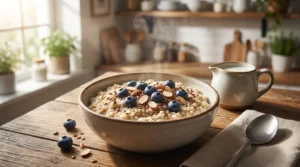
Often referred to as brain berries, blueberries possess an extraordinary concentration of anthocyanins, the dark blue pigments responsible for their vibrant color. These specific flavonoids possess the unique ability to cross the blood-brain barrier, locating and neutralizing oxidative stress directly within the memory centers of the brain. Regular consumption improves neural signaling and delays age-related cognitive decline. Beyond brain health, the vitamin C content in blueberries supports collagen synthesis, making them essential foods slow aging and protect dermal elasticity. Incorporate a half-cup of fresh or wild frozen blueberries into your daily routine by stirring them into plain Greek yogurt or morning oatmeal.
Walnuts for Vascular Integrity
Walnuts stand out among nuts due to their extraordinarily high content of alpha-linolenic acid, a plant-based omega-3 fatty acid. This compound relaxes blood vessels, lowers resting blood pressure, and reduces arterial plaque accumulation. Additionally, the unique polyphenols found in walnuts convert into urolithins within your gut microbiome. Urolithins directly stimulate mitochondrial renewal, helping your aging cells produce energy more efficiently. Eating just one ounce of walnuts per day—about fourteen halves—provides these profound cardiovascular and cellular benefits. Keep a small jar of raw, unsalted walnuts on your kitchen counter to sprinkle over roasted vegetables or mix into a handful of dried fruit for an afternoon energy lift.
Dark Leafy Greens for Cellular Protection
Spinach, kale, Swiss chard, and collard greens represent the most nutrient-dense foods on the planet. They boast massive quantities of lutein and zeaxanthin, two specific antioxidants that accumulate in the retina to defend against age-related macular degeneration. Furthermore, the folate found in leafy greens drives DNA methylation, a critical process that ensures your genes express themselves correctly as you age. The CDC frequently highlights dark greens in their preventative nutritional strategies for older adults due to their high vitamin K content, which directs calcium into your bones rather than your arteries. Aim for two cups of raw greens or one cup of cooked greens daily.
Avocados for Dermal Elasticity
To cultivate a healthy skin diet seniors must prioritize monounsaturated fats, and avocados serve as the premier source. As you age, your skin naturally loses its subcutaneous fat layer and its ability to retain moisture, leading to deep wrinkles and fragility. The oleic acid in avocados fortifies the epidermal barrier, locking in hydration and protecting against ultraviolet radiation damage from the inside out. Avocados also deliver a substantial dose of vitamin E, which repairs oxidative damage to skin cells. Consume one-third to one-half of an avocado daily. Mash it onto a slice of whole-grain sourdough bread or blend it into a morning smoothie for a creamy texture.
Extra Virgin Olive Oil for Systemic Inflammation Relief
Extra virgin olive oil functions as liquid gold for the aging body. It contains oleocanthal, a phenolic compound that inhibits the same inflammatory enzymes targeted by over-the-counter pain medications like ibuprofen. By lowering systemic inflammation, you protect your joints from the degradation of osteoarthritis and shield your cardiovascular system from endothelial dysfunction. Nutritionists strongly advise replacing heavily processed seed oils and saturated animal fats with high-quality extra virgin olive oil. Drizzle one to two tablespoons daily over cooked vegetables, use it as a base for homemade salad dressings, or use it for low-heat sautéing to preserve its delicate polyphenol profile.
Cooked Tomatoes for Prostate and Cellular Health
Tomatoes harbor a powerful antioxidant called lycopene, which specifically targets free radicals that threaten cellular integrity. Unlike many heat-sensitive nutrients, lycopene becomes significantly more bioavailable to your body when heated and combined with a healthy fat. For older men, a high intake of dietary lycopene strongly correlates with preserved prostate health and a lower risk of cellular mutations. For all seniors, lycopene acts as an internal sunscreen, reinforcing the skin’s defense against photoaging. Simmer fresh tomatoes with olive oil and garlic to create a rich sauce for whole-grain pasta, or enjoy a warming bowl of tomato soup twice a week.
Greek Yogurt and Kefir for Microbiome Maintenance
As you pass your sixtieth birthday, the diversity of your gut microbiome naturally decreases, a shift that weakens your immune system and impairs nutrient absorption. Fermented dairy products like Greek yogurt and kefir introduce billions of beneficial probiotic bacteria directly into your digestive tract. These microbes optimize digestion, produce anti-inflammatory short-chain fatty acids, and regulate the gut-brain axis. Moreover, traditional Greek yogurt supplies a dense concentration of highly bioavailable whey protein, which you need to combat sarcopenia and maintain functional muscle mass. Choose unsweetened, plain varieties and consume six to eight ounces daily, adding your own fresh fruit to avoid refined sugars.
Green Tea for Metabolic Rejuvenation
While not a food in the traditional sense, green tea contains epigallocatechin gallate, a catechin that exerts profound anti-aging effects on human physiology. This specific compound activates longevity pathways in your cells, mimicking the life-extending benefits of caloric restriction without requiring you to skip meals. Regular green tea consumption enhances insulin sensitivity, keeping your blood sugar stable and protecting your tissues from the stiffening effects of advanced glycation end-products. Swap out your afternoon cup of coffee for a freshly steeped cup of green tea. Aim for two to three cups daily, drinking it at least an hour away from iron-rich meals to avoid inhibiting mineral absorption.
Integrating Lifestyle Synergies for Healthy Aging
Your body processes nutrients more efficiently when you pair your diet with complementary lifestyle habits. Movement physically drives nutrients into your tissues. Engaging in resistance training twice a week makes your muscles highly sensitive to the protein and carbohydrates you consume, ensuring those macronutrients build muscle fibers rather than storing as visceral fat. Cardiovascular exercise increases blood flow, delivering the antioxidants from your diet directly to your skin and brain capillaries.
Sleep acts as your primary period of cellular repair. During deep sleep, your brain activates the glymphatic system, flushing out metabolic waste products accumulated during the day. Failing to secure seven to eight hours of quality sleep neutralizes the cognitive benefits of an antioxidant-rich diet. Furthermore, managing chronic stress through deep breathing or community engagement lowers cortisol levels. Elevated cortisol actively breaks down collagen in your skin and shrinks the memory centers of your brain. By aligning your diet, movement, and recovery, you amplify your global perspectives on health span and vitality.
Monitoring Biomarkers and Medication Safety Protocols
Because whole foods exert potent biological effects, you must monitor how your new dietary patterns interact with your specific physiology and any prescribed medications. For example, suddenly increasing your intake of dark leafy greens floods your system with vitamin K, which directly counteracts blood-thinning medications like Warfarin. If you take blood thinners, you do not need to avoid greens; instead, you must maintain a highly consistent daily intake so your physician can calibrate your medication dosage accurately.
Similarly, certain compounds in grapefruit and pomegranate block the digestive enzymes responsible for metabolizing statins and blood pressure medications, potentially leading to dangerous drug accumulations in your bloodstream. Always consult food and drug interactions resources when altering your diet. Request comprehensive annual blood panels from your primary care provider to verify that your dietary changes are working. Ask your doctor to check your high-sensitivity C-reactive protein to measure systemic inflammation, your hemoglobin A1c for metabolic health, and your vitamin B12 and D levels, as seniors naturally lose the stomach acid and skin synthesis capabilities required to maintain these crucial nutrients.
Frequently Asked Questions About Senior Nutrition
How can I manage an anti-aging diet while dining at restaurants?
Restaurant meals frequently harbor hidden sodium, refined sugars, and highly oxidized cooking oils. Take control of your order by requesting your seafood or poultry grilled rather than fried. Ask your server to substitute heavy cream sauces with a side of extra virgin olive oil and fresh lemon wedges. Swap out the standard side of french fries or white rice for a double portion of steamed vegetables. By making these simple modifications, you keep your meal aligned with longevity principles without sacrificing your social life.
Are fresh anti-aging foods too expensive for a fixed retirement budget?
You absolutely do not need to purchase expensive, out-of-season fresh produce to achieve a longevity diet. Frozen fruits and vegetables are flash-frozen at the peak of ripeness, locking in their antioxidant profiles at a fraction of the cost of fresh equivalents. Canned wild salmon and canned sardines offer the exact same omega-3 fatty acids and protein as fresh fillets but remain shelf-stable and highly affordable. Buying staple items like walnuts, oats, and extra virgin olive oil in bulk also drastically reduces your weekly grocery expenditure.
Should I rely on dietary supplements instead of whole foods?
Nutritionists champion a food-first approach because nutrients operate synergistically within the complex matrix of a whole food. An isolated vitamin C pill cannot replicate the combined benefits of fiber, water, and thousands of unidentified phytonutrients found in a whole blueberry. However, targeted supplementation remains necessary for specific age-related vulnerabilities. Due to declining stomach acid, many seniors require a high-quality B12 supplement to protect nerve function. Discuss your specific micronutrient gaps with your doctor or review registered dietitian recommendations to determine which targeted supplements complement your diet.
How do I adapt these clinical guidelines to my traditional cultural cuisine?
Anti-aging nutrition represents a biological template, not a rigid menu. You can seamlessly apply these principles to any cultural cuisine globally. If wild salmon is not native to your food culture, substitute it with locally available fatty fish like mackerel or herring. Replace standard dark greens with culturally relevant alternatives like bok choy, amaranth leaves, or bitter melon. Swap Mediterranean kefir for traditional fermented foods like kimchi, miso, or unsweetened lassi. The goal involves maximizing colorful vegetables, healthy fats, and clean proteins using the flavors and spices that bring you joy.
Next Steps for Your Longevity Journey
You wield tremendous power over how your body ages. Start by selecting just one of the nine foods detailed in this guide and intentionally incorporating it into your routine this week. Notice how your energy stabilizes and your joint stiffness improves. Bring this list to your next medical appointment and discuss your nutritional goals with your primary care team. By taking ownership of your plate today, you actively engineer a resilient, vibrant, and independent tomorrow.