
Keeping your blood sugar stable protects your energy levels, sharpens your focus, and lowers your risk of chronic metabolic conditions. You can achieve this steady state by strategically adding specific, delicious foods to your daily meals rather than restricting everything you love. When your glucose levels spike and crash throughout the day, you experience sudden fatigue and intense cravings that make healthy eating feel impossible. Fortunately, decades of nutritional research show that balancing your plate with fiber-rich plants, quality proteins, and healthy fats completely changes how your body absorbs carbohydrates. By understanding which everyday ingredients naturally slow digestion and improve insulin sensitivity, you can take immediate control of your metabolic health without sacrificing flavor.
The Science of Stable Blood Sugar
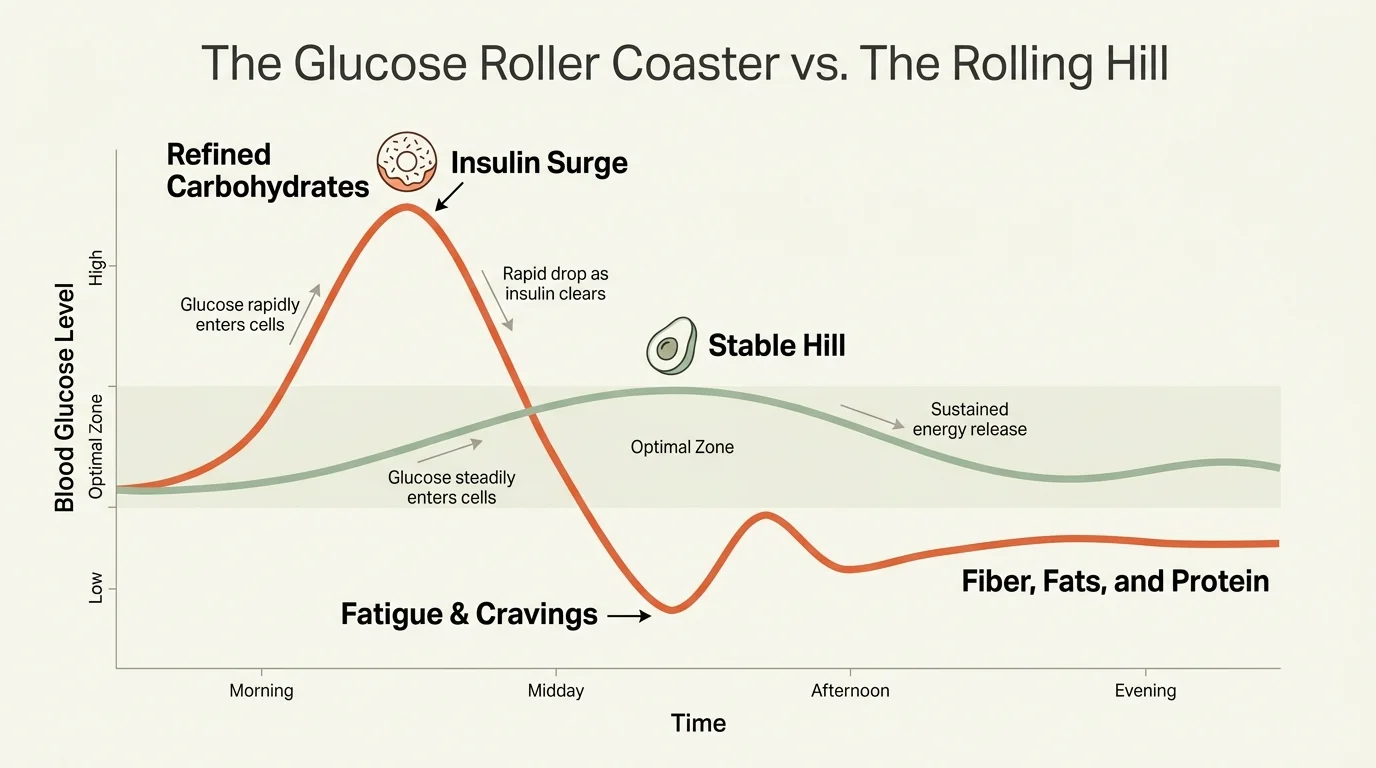
When you consume carbohydrates, your digestive system diligently breaks them down into glucose, which then enters your bloodstream to provide cellular fuel. Your pancreas responds by releasing insulin—a powerful hormone that acts as a key to unlock your cells and allow that glucose to enter. When you eat large amounts of fast-digesting, refined carbohydrates by themselves, glucose floods your bloodstream at an overwhelming speed. This rapid influx causes a massive insulin surge followed by a steep drop in blood sugar, leaving you feeling lethargic, irritable, and suddenly hungry again.
Over time, these chronic spikes and crashes exhaust your body; they can lead to insulin resistance, a state where your cells stop responding efficiently to insulin’s vital signal. According to national health statistics regarding metabolic conditions, tens of millions of adults operate in a state of compromised glucose tolerance without ever realizing it. By deliberately choosing foods rich in dietary fiber, healthy fats, and high-quality protein, you effectively slow down the entire digestive process. This strategic approach creates a gentle, rolling hill of glucose rather than a steep, dangerous roller coaster, ultimately preserving your daily energy and protecting your long-term metabolic health.
10 Everyday Foods for Glucose Balance

1. Chia Seeds
Chia seeds act as tiny metabolic sponges in your digestive tract. When exposed to liquid, they form a thick gel due to their incredibly high soluble fiber content. This viscous gel physically slows down the rate at which digestive enzymes break down carbohydrates and release sugar into your bloodstream. Adding just two tablespoons of chia seeds to your morning routine provides nearly ten grams of dietary fiber. You can easily stir them into oatmeal or soak them in almond milk overnight for a rich, pudding-like texture that keeps you full and stable for hours.

2. Old-Fashioned Oats
While oats are primarily a carbohydrate source, they contain a unique, highly beneficial soluble fiber called beta-glucan. Studies examining dietary fiber demonstrate that beta-glucan significantly improves insulin sensitivity and reduces post-meal glucose spikes. You must choose minimally processed options like steel-cut or traditional rolled oats rather than instant oatmeal packets, which often contain hidden sugars and digest entirely too quickly. Preparing your oats with a scoop of protein powder or a handful of chopped nuts adds complementary macronutrients that further blunt any potential blood sugar fluctuations.

3. Leafy Greens
Spinach, kale, Swiss chard, and collard greens provide maximum nutritional volume with a negligible impact on your blood sugar. These vibrant vegetables are packed with magnesium, a crucial mineral that directly supports insulin receptor function. When your magnesium levels remain adequate, your body requires less insulin to transport glucose out of your blood and into your cells. Because leafy greens are so incredibly low in digestible carbohydrates, you can eat them in abundance. Sauté a massive handful of spinach into your morning eggs or build your lunch around a robust kale salad to increase your micronutrient intake safely.
4. Lentils
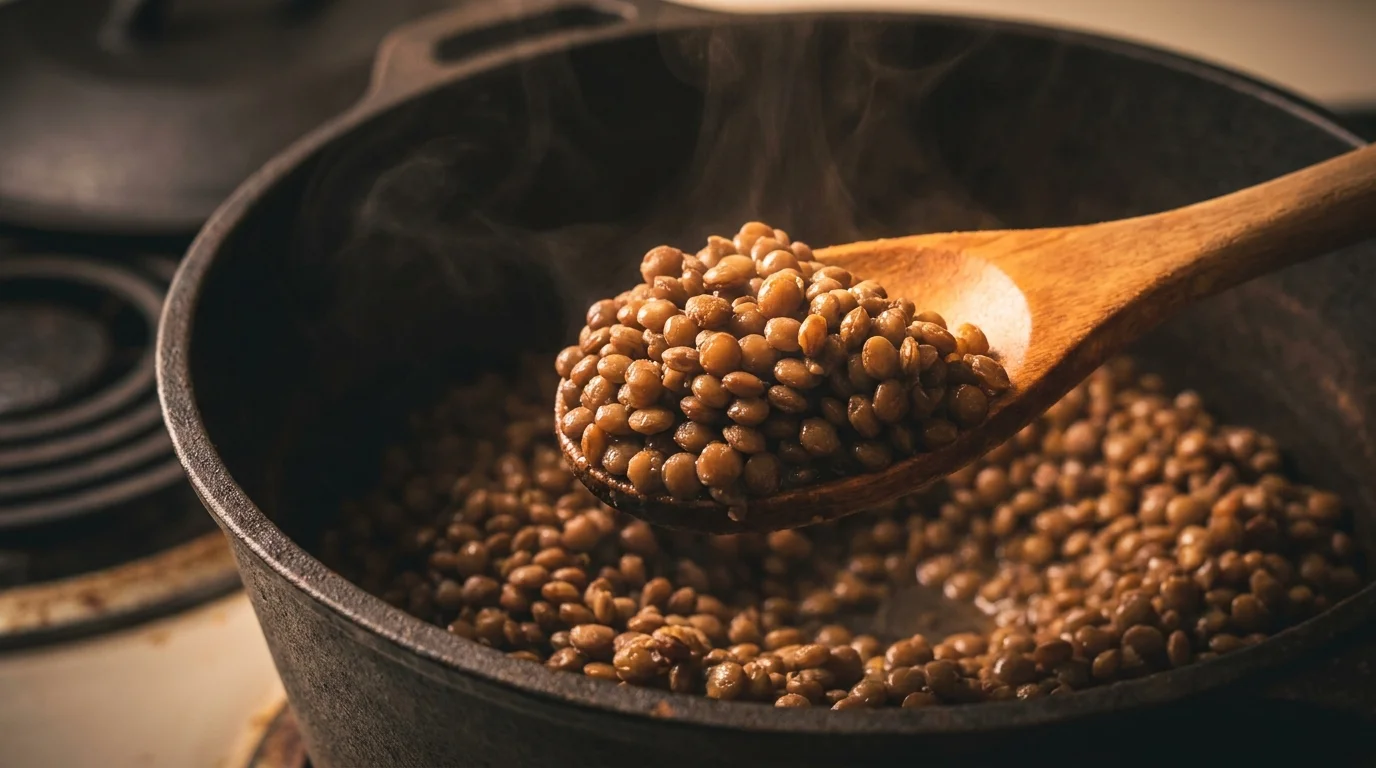
Lentils offer an exceptional balance of complex carbohydrates, plant-based protein, and a special compound known as resistant starch. Unlike regular carbohydrates, resistant starch bypasses digestion in your small intestine and ferments in your colon. This natural fermentation process produces short-chain fatty acids that improve your cellular response to insulin. The specific protein and fiber combination in lentils creates a slow, steady release of energy. You can toss cooked lentils into savory soups, mix them into ground meat dishes, or marinate them in extra virgin olive oil and vinegar for a refreshing, blood-sugar-friendly side dish.
5. Avocados
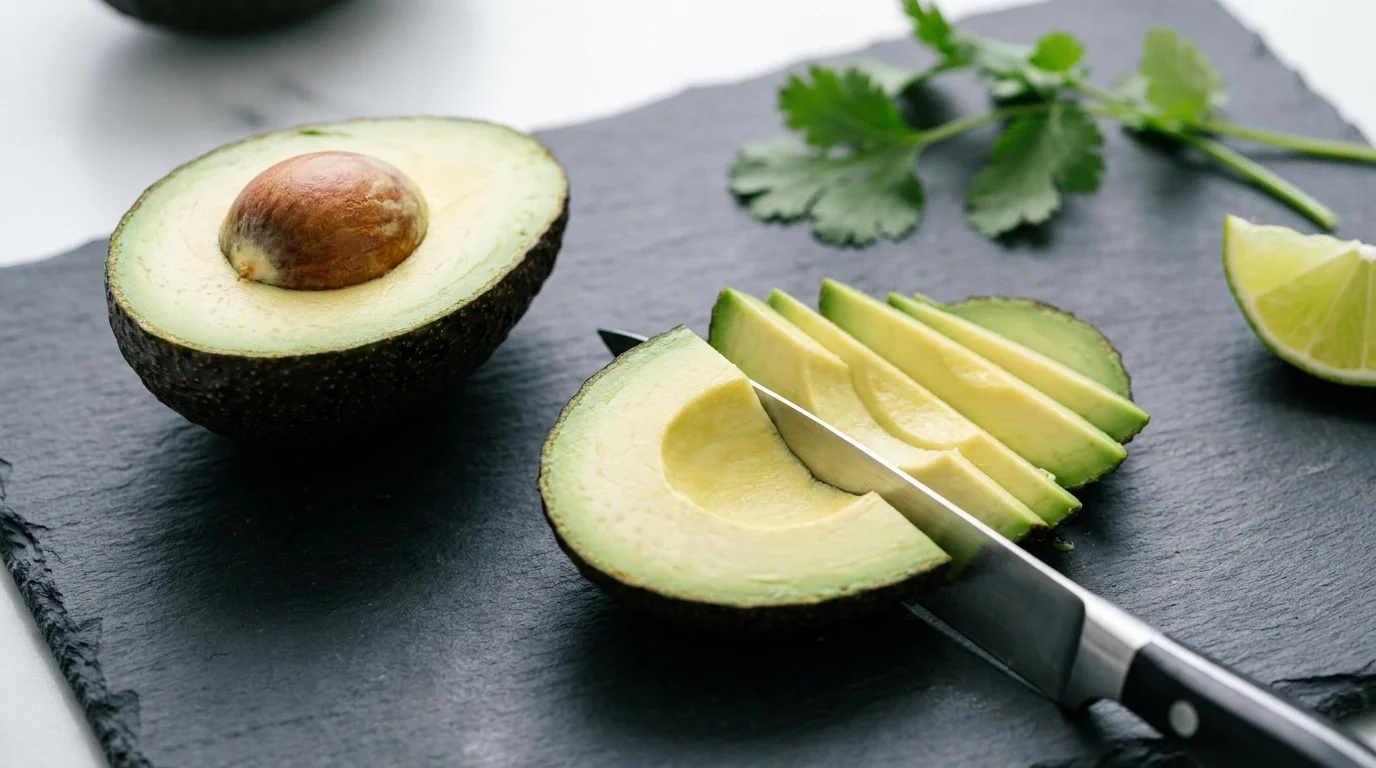
Healthy fats play a crucial role in blood sugar management because they simply do not trigger an insulin response. Avocados are rich in monounsaturated fats and dietary fiber; this exact combination drastically slows gastric emptying. When you digest your food more slowly, any carbohydrates eaten during that same meal enter your bloodstream at a highly controlled, manageable rate. Slicing half an avocado onto your morning toast or blending it into a daily protein shake provides a creamy texture while ensuring your blood sugar remains flat and stable throughout your busiest hours.

6. Blueberries
Many people mistakenly believe they must avoid all fruit to maintain healthy glucose levels, but blueberries proudly prove this theory wrong. These vibrant fruits are loaded with anthocyanins—powerful antioxidants responsible for their deep blue color. Research indicates that anthocyanins help inhibit certain digestive enzymes, effectively slowing down the absorption of dietary sugars. Furthermore, the high fiber content of blueberries naturally buffers their inherent sugar content. A handful of fresh or frozen blueberries mixed into unsweetened Greek yogurt provides a satisfyingly sweet treat that actively supports your metabolic health rather than derailing it.
7. Walnuts
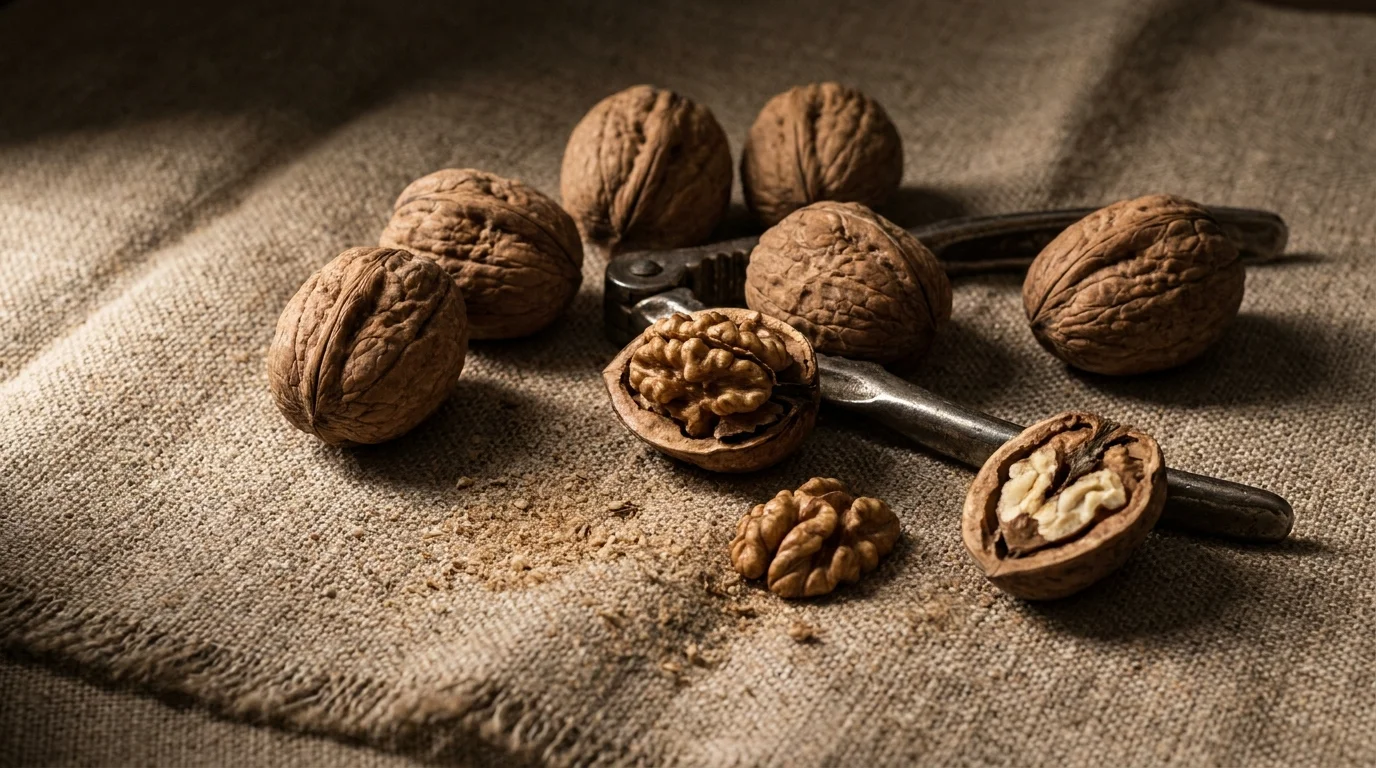
Nuts remain a cornerstone of metabolic health, and walnuts stand out due to their exceptionally high concentration of plant-based omega-3 fatty acids. These anti-inflammatory fats help reduce cellular inflammation, which serves as a major underlying driver of insulin resistance. Walnuts also provide a solid dose of protein and fiber, making them the ultimate portable snack for preventing afternoon energy crashes. You can keep a small container of raw or dry-roasted walnuts at your desk to satisfy crunch cravings, or crush them over roasted vegetables to add texture and metabolic benefits to your evening meal.

8. Plain Greek Yogurt
Fermented dairy products like plain Greek yogurt offer a powerful dual advantage for glucose control. First, the traditional straining process removes much of the liquid whey, resulting in a dense product that triggers satiety hormones and slows digestion. Second, the live probiotic cultures found in yogurt support a healthy gut microbiome, which researchers increasingly link to improved, long-term glucose regulation. You must ensure you choose the plain, unflavored variety, as fruit-on-the-bottom options typically hide refined syrups that completely negate these wonderful health benefits.

9. Broccoli
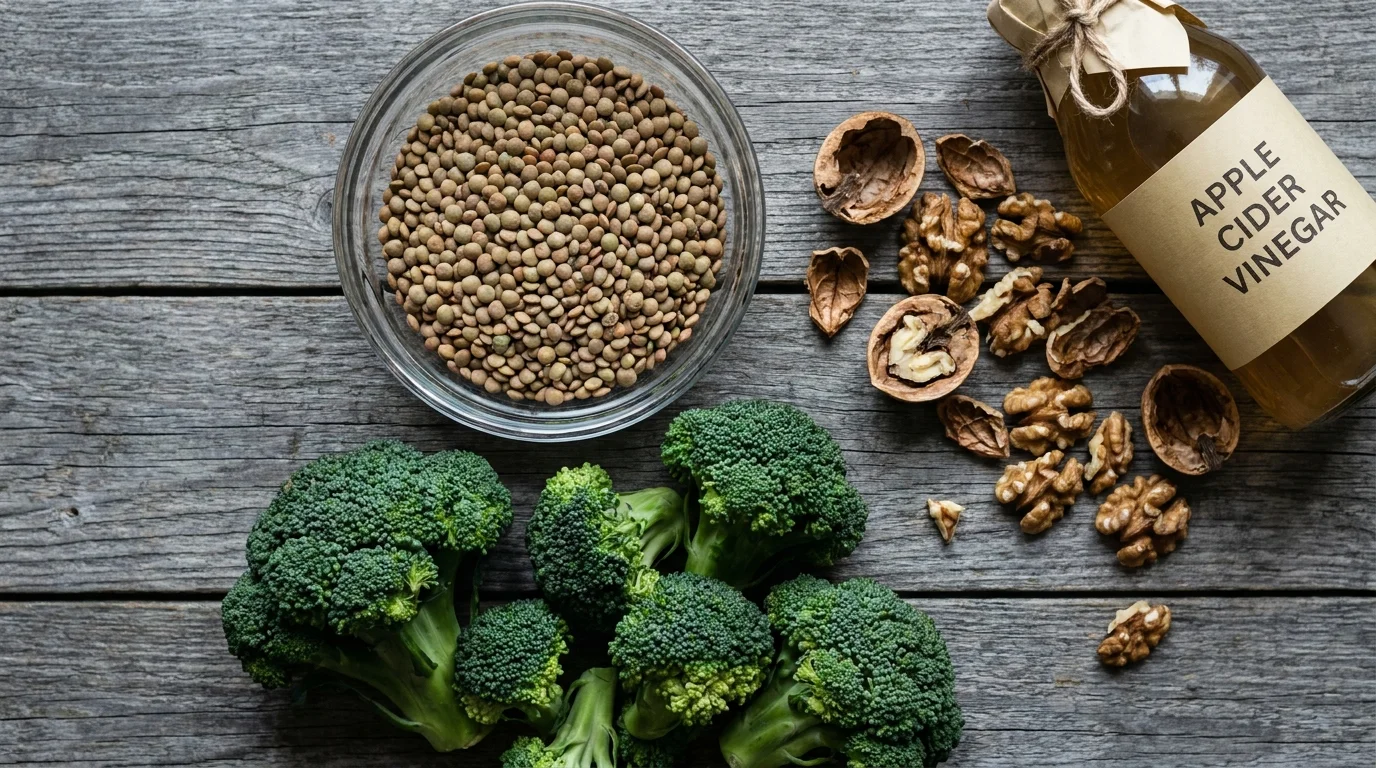
Cruciferous vegetables like broccoli contain a fascinating compound called sulforaphane, which activates specific, protective antioxidant pathways in your body. When you chew or chop raw broccoli, a chemical reaction produces this compound, which has been shown to reduce fasting blood sugar levels and improve overall markers of metabolic health. Broccoli is also incredibly high in fiber and exceptionally low in calories, making it a perfect plate-filler. To maximize the sulforaphane content, you should lightly steam your broccoli for just a few minutes rather than boiling it heavily, preserving both its vibrant color and its chemical properties.

10. Apple Cider Vinegar
While certainly not a food you would eat by the bowlful, apple cider vinegar serves as a potent functional ingredient. The active component, acetic acid, slows the rate at which your stomach empties and temporarily inhibits the specific enzymes that digest starches. Mixing one tablespoon of apple cider vinegar into a tall glass of water and drinking it shortly before a carbohydrate-heavy meal can significantly reduce the resulting glucose spike. You can also easily incorporate this tart ingredient into homemade salad dressings, combining it with olive oil and Dijon mustard for a flavorful, glucose-lowering addition to your daily greens.
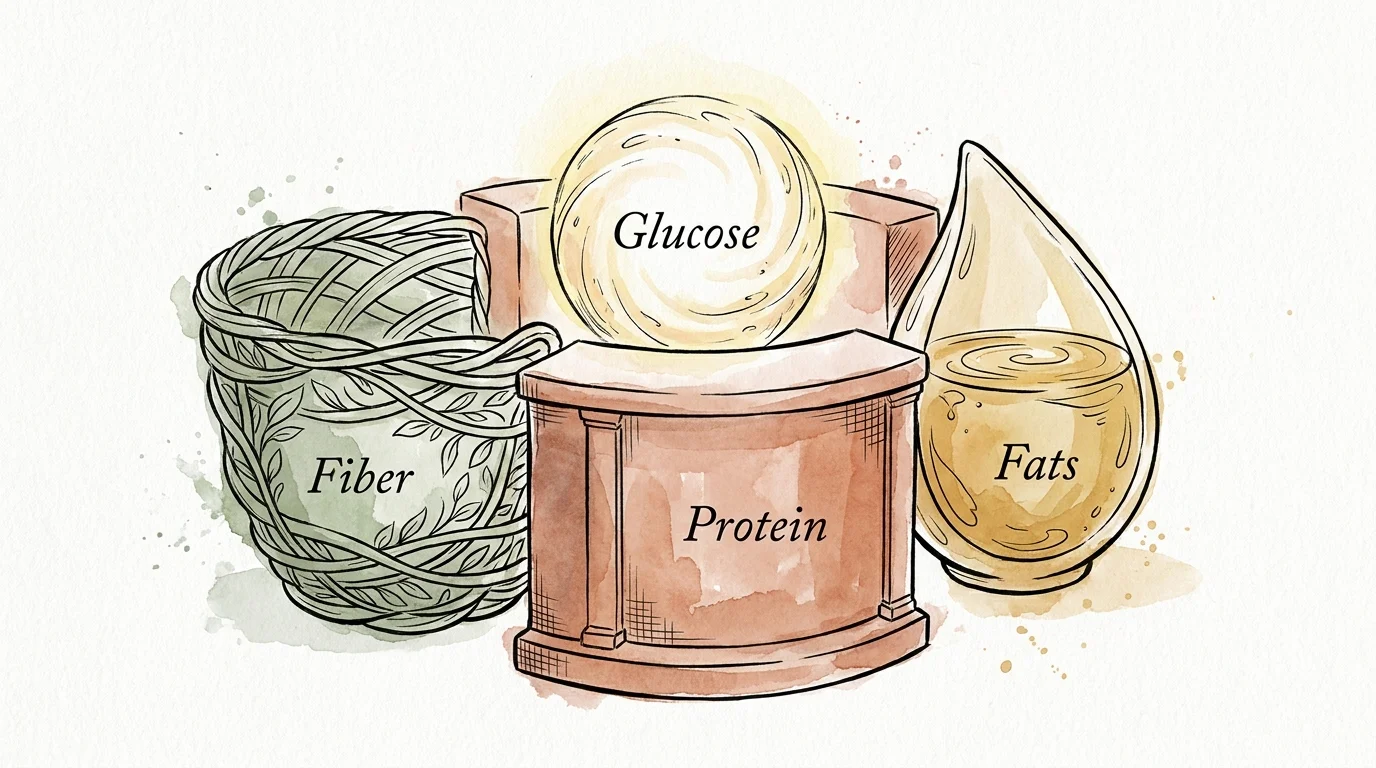
Strategy Pillars for Lasting Glucose Control
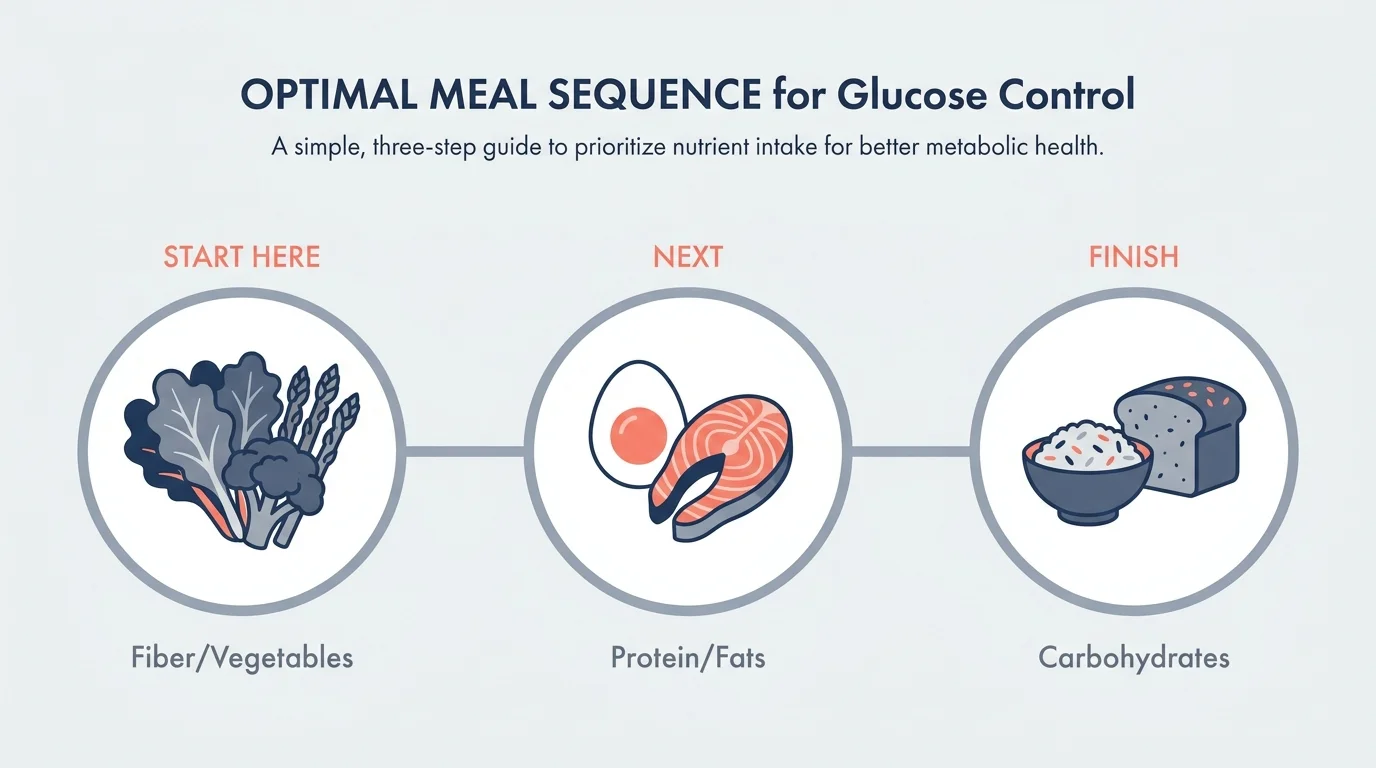
Smart Meal Sequencing
What you eat certainly matters, but the specific order in which you consume your food plays a profoundly important role in your metabolic stability. Clinical research on meal sequencing reveals that consuming vegetables and proteins before touching starchy carbohydrates can reduce post-meal glucose spikes by up to seventy percent. When fiber and protein hit your digestive tract first, they create a physical, protective barrier that slows the subsequent absorption of sugars. You can practice this easily by starting your dinner with a side salad or eating your chicken before digging into your potatoes.
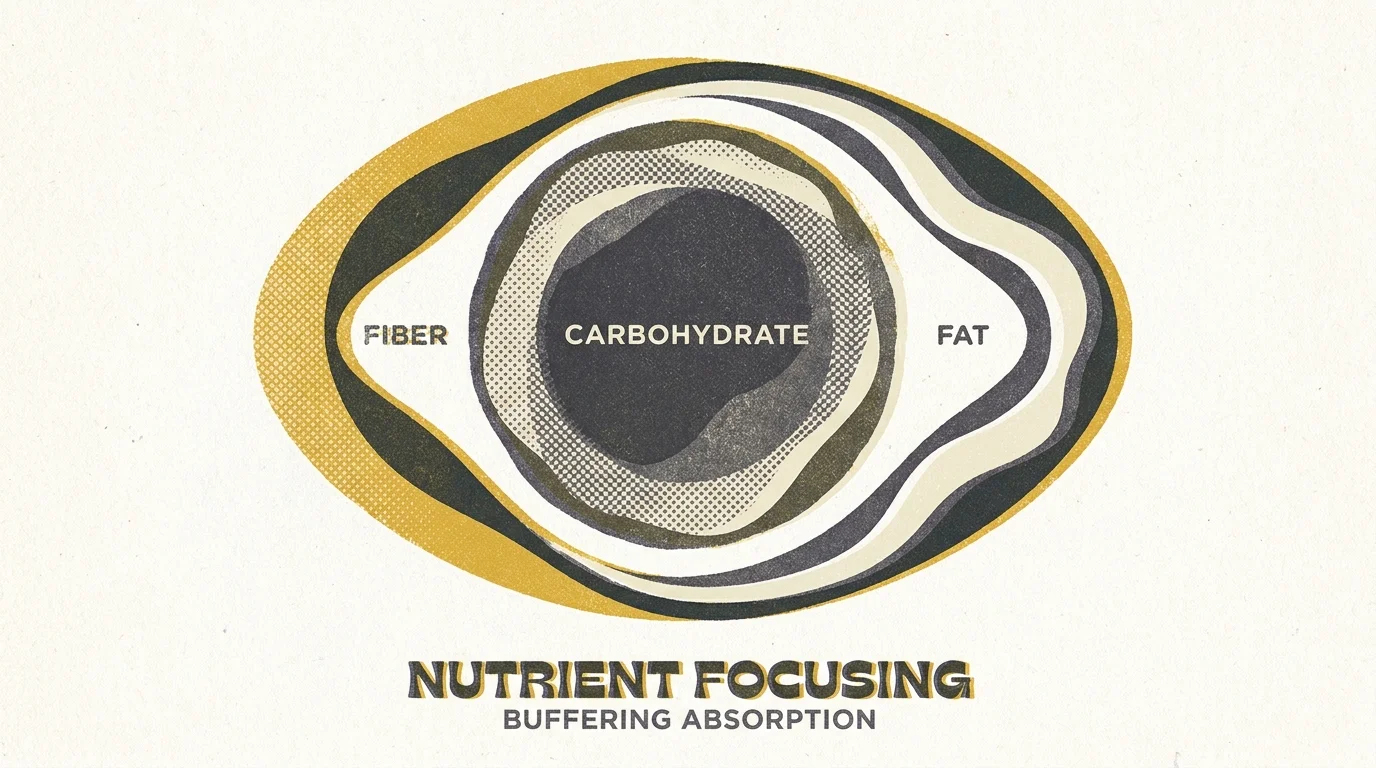
Nutrient Focusing
Instead of obsessing over what to remove from your daily diet, shift your mindset and focus on what you can thoughtfully add. Every single time you prepare a meal or grab a quick snack, you should ask yourself where your protein, fiber, and healthy fats are coming from. If you plan to eat an apple, pair it with two tablespoons of natural almond butter. If you want a slice of warm sourdough bread, top it with a fried egg and sliced avocado. This simple pairing strategy ensures that carbohydrates are never digested in isolation, completely changing your metabolic response.

The Power of Movement
Your skeletal muscles are the absolute largest consumers of glucose in your body. When you contract your muscles through physical activity, they naturally pull sugar out of your bloodstream to use for immediate energy—completely bypassing the need for insulin. Establishing a reliable habit of taking a brisk, ten-minute walk immediately after your largest meal of the day acts as a natural pressure valve for your blood sugar. You absolutely do not need an intense, exhausting gym session to see results; simple, consistent movement makes a dramatic difference in how your body handles dietary carbohydrates.

Voices from the Field
Registered dietitians and endocrinologists routinely emphasize that strict, deprivation-based diets inevitably fail in the long term. Clinical professionals consistently note that patients who simply tweak their existing meals achieve far better adherence and emotional well-being than those who attempt to eliminate entire food groups overnight. For instance, many individuals report that they finally broke free from their debilitating afternoon energy slumps simply by swapping their naked morning bagel for a vegetable-packed egg scramble and half a piece of whole-grain toast.
These lived experiences highlight an essential truth: achieving lasting metabolic balance is rarely about striving for absolute dietary perfection. Instead, it is about creating sustainable, enjoyable daily rhythms that gently support your underlying biology. Practitioners often see the greatest success when patients view food as a powerful tool for healing rather than a constant source of anxiety. By focusing on addition rather than restriction—adding a handful of spinach here or a spoonful of chia seeds there—you build a resilient metabolism that handles the occasional indulgence without throwing your entire system completely out of balance.

Safety, Contraindications, and Personalization
While these ten everyday foods are generally safe and highly beneficial for the vast majority of the population, nutritional science is inherently individualized. If you currently take exogenous insulin or prescription oral hypoglycemic medications, dramatically increasing your dietary fiber intake or altering your carbohydrate consumption can quickly lead to unexpected low blood sugar events, medically known as hypoglycemia. You must work closely with your primary care physician or endocrinologist to appropriately adjust your medication dosages as your diet inevitably improves.
Additionally, individuals diagnosed with chronic kidney disease often need to strictly monitor their daily potassium intake; this means high-potassium powerhouses like avocados and dark leafy greens require careful, professional moderation. If you are not accustomed to eating large amounts of fiber, you should introduce foods like lentils and chia seeds very gradually. Increasing your fiber intake too rapidly can cause severe gastrointestinal bloating and unwanted discomfort. Always remember to drink plenty of water to help your digestive tract process the extra roughage efficiently. For the absolute safest results, consult the clinical guidelines for individualized nutritional therapy and collaborate directly with a registered dietitian when making significant dietary shifts.
Frequently Asked Questions
Do I need to cut out fruit completely?
You absolutely do not need to eliminate fruit to achieve stable blood sugar. Whole fruits contain essential vitamins, minerals, and natural fiber that effectively buffer the digestion of their inherent sugars. The key is to monitor your portion sizes carefully and always pair your fruit with a robust source of protein or healthy fat, such as eating an apple with a handful of almonds.
Does intermittent fasting help with glucose balance?
For many individuals, restricting their daily eating window can improve insulin sensitivity by giving the digestive system a much-needed, prolonged rest. However, fasting is certainly not a magic solution. If you break your fast with a massive, carbohydrate-heavy meal devoid of fiber, you will still experience a significant glucose spike. The actual quality of your food during your eating window remains the most important factor.
Are artificial sweeteners safe for blood sugar?
While most non-nutritive sweeteners do not directly raise blood sugar in the short term, emerging research suggests that some may negatively impact your delicate gut microbiome over time, which can indirectly affect insulin resistance. You are generally better off using these products sparingly as a temporary transition tool away from refined sugar, gradually training your palate to appreciate natural sweetness.
How long does it take to see improvements in my glucose readings?
Because blood sugar is a highly dynamic metric, you can see visible changes in your post-meal glucose spikes immediately after implementing these pairing strategies. A meal thoughtfully paired with healthy fats and fiber will yield a flatter glucose curve that very same day. However, it typically takes three to six months of consistent dietary changes to see significant reductions in your hemoglobin A1C.
Your Next Steps
Transforming your metabolic health does not require a complete kitchen overhaul by tomorrow morning; rather, small, strategic additions compound over time to create massive shifts in your daily energy levels and internal chemistry. Choose just one single food from this list—perhaps keeping a visible jar of chia seeds on your counter or committing to a side of leafy greens at dinner—and incorporate it into your routine within the next twenty-four hours. By taking this one actionable step today, you begin building the sturdy foundation for lifelong glucose balance and vibrant, sustainable health.