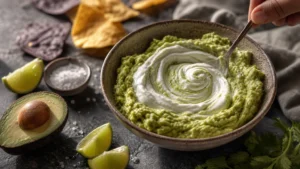
Upgrading your homemade guacamole with a spoonful of plain Greek yogurt instantly boosts its protein content while creating a remarkably creamy, oxidation-resistant avocado dip. You get the rich, satisfying texture of traditional Mexican food recipes alongside enhanced nutritional benefits that support sustained energy and gut health. While avocados already provide excellent heart-healthy fats, adding this secret guacamole ingredient stretches your budget, reduces rapid browning, and delivers essential probiotics. Dietitians utilize this simple strategy to balance flavors and improve the macronutrient profile of everyday meals. Whether you pair it with whole-grain chips or spread it over a morning slice of sourdough, this single culinary adjustment transforms a standard side dish into a functional, nutrient-dense powerhouse.
The Science Behind the Perfect Avocado Dip
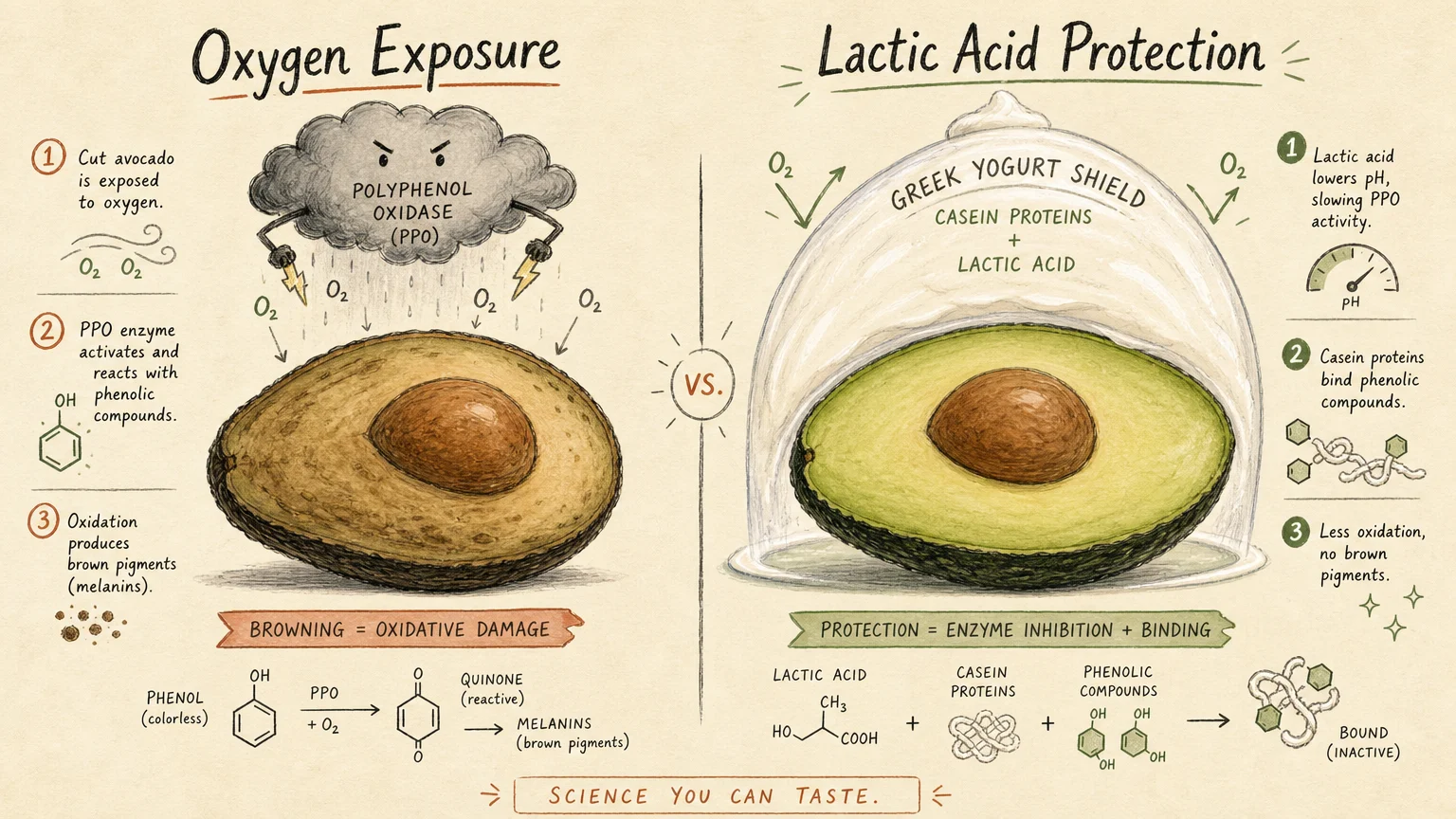
When you slice into a fresh avocado, you instantly expose its fragile cellular structure to ambient oxygen. This environmental exposure activates an enzyme known as polyphenol oxidase, which initiates a rapid chemical chain reaction that transforms the vibrant green phenolic compounds into muddy brown melanins. To combat this unappealing enzymatic oxidation, home cooks traditionally squeeze heavy amounts of lime or lemon juice over the mashed fruit; the citric acid effectively lowers the surface pH and delays the browning process. However, relying solely on excessive citrus often renders the final texture excessively watery and overpowers the delicate, nutty flavor of the avocado. By introducing a measured scoop of plain, thick Greek yogurt, you achieve those exact same pH-lowering benefits through lactic acid without compromising the structural integrity of the dish. The robust casein proteins found in the yogurt physically bind with the natural monounsaturated fats inherent in the avocado, creating a highly stable, luxurious emulsion that holds its appetizing green color significantly longer in the refrigerator.
Furthermore, this straightforward addition dramatically alters the foundational macronutrient profile of your snack. Avocados excel at delivering oleic acid—a profoundly beneficial monounsaturated fatty acid—alongside vital dietary fiber and potassium, but they inherently lack substantial, bioavailable protein. A standard traditional serving provides negligible amounts of the essential amino acids required for daily muscle repair, hormonal balance, and sustained satiety. By simply stirring in a quarter cup of plain Greek yogurt, you infuse the dip with a potent dose of complete protein. This targeted combination of healthy fats, robust fiber, and high-quality protein creates an optimal digestive environment within the stomach. It effectively slows gastric emptying and prevents the rapid, uncomfortable blood sugar spikes often associated with eating carbohydrate-heavy snacks. You can examine comprehensive data detailing the impact of dietary protein on blood glucose to understand exactly how pairing these specific macronutrients keeps your cognitive energy levels steady and prevents a mid-afternoon crash.
The microbiome also deeply benefits from this specific culinary adjustment. High-quality plain Greek yogurt contains live active cultures—most notably beneficial strains of Lactobacillus and Bifidobacterium—which actively support a highly diverse, resilient gut microbiome. When you consistently consume these potent probiotics alongside the natural prebiotic fiber inherently present in avocados, raw onions, and fresh jalapeños, you create a powerful synbiotic effect within your digestive tract. The fibrous, prebiotic components act as a direct, fermentable fuel source for the beneficial bacteria introduced by the yogurt. This biochemical interaction allows those healthy microbes to thrive, multiply, and subsequently produce vital short-chain fatty acids like butyrate, which actively reduce systemic inflammation and reinforce the delicate cellular integrity of your intestinal lining.
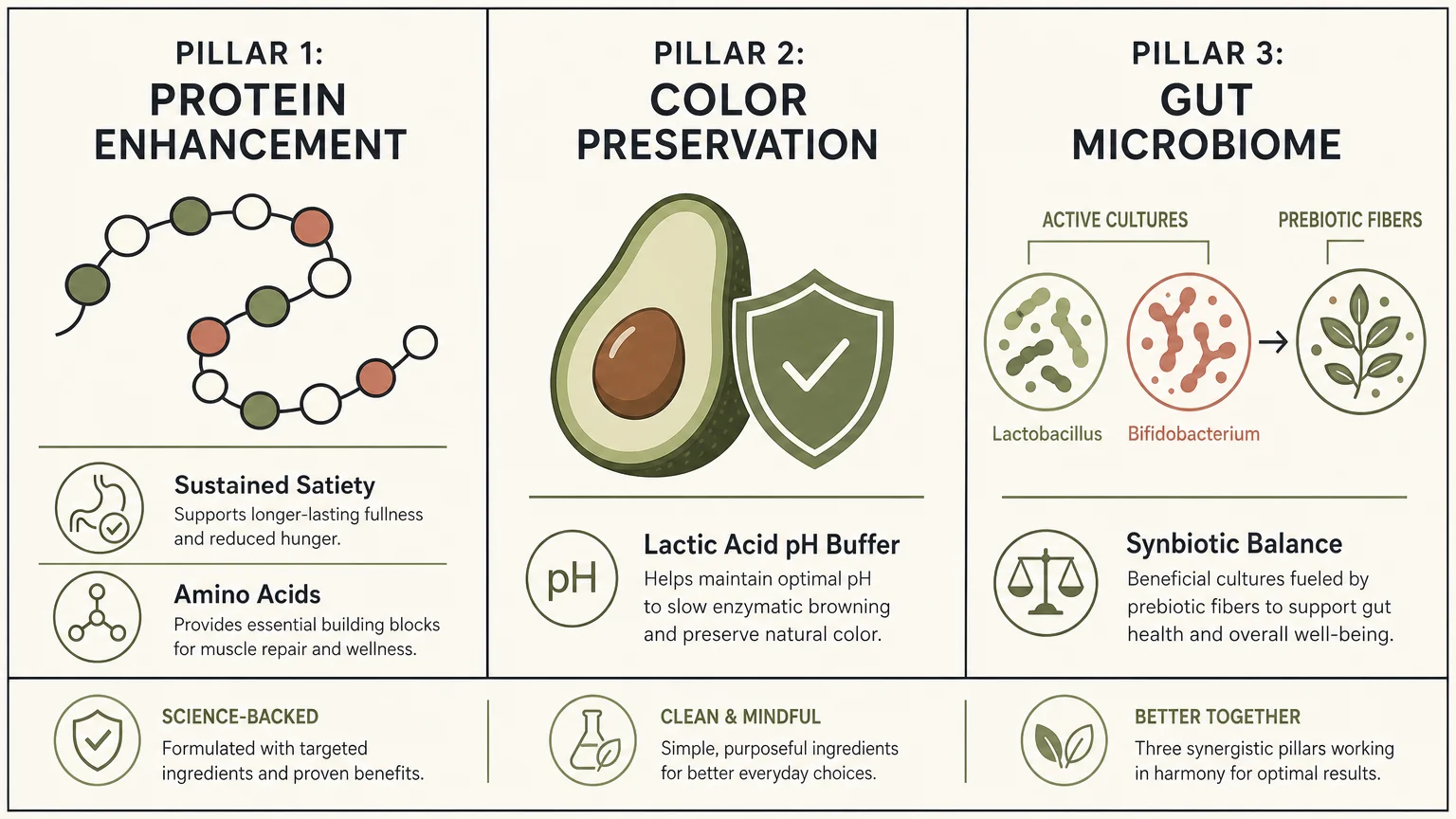
Three Strategy Pillars for Elevating Your Homemade Guacamole
Nutrient Focus: Balancing Macros for Maximum Satiety
Balancing your macronutrients represents the most effective method for transforming a casual appetizer into a functionally satiating meal component. Nutrition experts often refer to this concept as the protein leverage hypothesis, which suggests that the human body will instinctively continue to drive physiological hunger signals until its foundational protein needs are adequately met. If you consume a bowl of traditional homemade guacamole exclusively with plain tortilla chips, your body processes the simple carbohydrates and fats relatively quickly, leaving you vulnerable to severe cravings shortly after eating. Integrating Greek yogurt alters this metabolic equation entirely. The newly added protein initiates the timely release of crucial satiety hormones, effectively signaling to your brain that you are full, nourished, and satisfied.
Additionally, you can easily utilize this creamy, nutrient-dense dip to dramatically increase your daily vegetable intake. National health reports consistently highlight profoundly inadequate adult fruit and vegetable consumption across the country, noting that convenience often dictates our rapid dietary choices. By keeping a fresh batch of this upgraded dip readily available in your kitchen, you make it significantly easier to consume raw carrots, crisp radishes, and sliced bell peppers instead of relying exclusively on highly processed, packaged snack foods. You can also explore expert guidance on optimizing dietary fats to ensure you select the highest quality oils and dairy products for your specific metabolic goals.
Meal Planning: Batch Preparation and Oxidation Prevention
Utilizing strategic batch preparation with this specific recipe directly combats the common frustrations associated with purchasing expensive, highly perishable produce. Avocados consistently rank among the more costly items in a standard household grocery budget, making it incredibly frustrating when half a prepared batch turns brown and ends up tossed in the compost bin. The protective lactic acid buffer provided by the yogurt significantly extends the viable culinary lifespan of the dip, empowering you to prepare a much larger quantity on Sunday afternoon and confidently consume it through Wednesday evening without any noticeable decline in quality or aesthetic appeal.
To successfully maximize this potent preservative effect, you must practice proper physical storage techniques. Transfer the freshly mixed avocado dip into a clean, airtight glass container and press a piece of plastic wrap—or a reusable silicone food seal—directly onto the surface of the mixture before tightly securing the lid. This essential physical barrier completely blocks ambient oxygen from entering the environment, while the yogurt internally manages the destructive enzymatic activity. You essentially double the total volume of your dip using a highly affordable, nutrient-dense kitchen staple, drastically cutting your overall grocery ingredient costs while guaranteeing a fresh, visually vibrant product for several consecutive days.
Habit Formation: Incorporating Your Dip Beyond the Chip
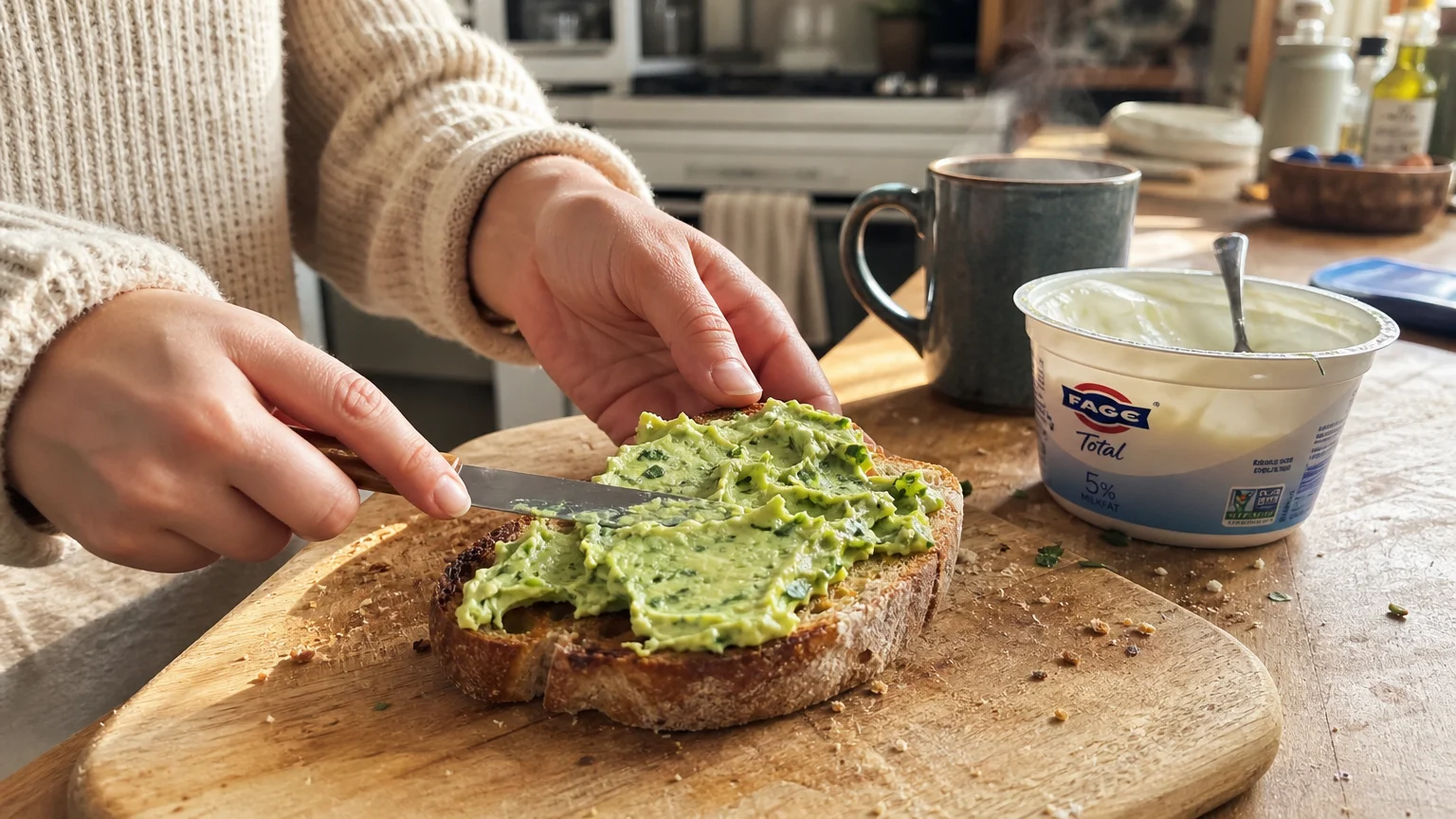
Cultivating long-term nutritional success requires moving away from viewing this recipe strictly as an indulgent party food and instead fully embracing it as an everyday, versatile condiment. Behavioral science tells us that the easiest way to build a new, sustainable dietary habit is to explicitly attach it to an existing daily routine—a psychological technique widely known as habit stacking. If you already eat scrambled eggs or a vegetable omelet every single morning, you can seamlessly add a dollop of this protein-rich avocado dip to your plate instead of reaching for a processed, high-sodium hot sauce or a heavy serving of melted cheese.
Furthermore, you can easily thin the thick mixture out with a splash of filtered water and a teaspoon of raw apple cider vinegar to create a phenomenal, heart-healthy salad dressing that completely eliminates your household need for store-bought, refined-oil alternatives. By consistently placing the prepared, airtight container at eye level directly in your refrigerator, you establish a powerful, daily visual cue that effortlessly prompts you to incorporate essential healthy fats and living probiotics into meals you are already regularly consuming.
Expert Insights and Lived Experiences
Clinical dietitians consistently recommend this exact culinary adjustment for patients attempting to stabilize their metabolic health without sacrificing the dynamic flavors they genuinely love and crave. When successfully addressing chronic disease management or long-term weight stability, daily food choices must remain deeply enjoyable; restrictive diets inevitably fail because they strip the essential pleasure away from cultural traditions and family gatherings. By thoughtfully integrating a spoonful of Greek yogurt into authentic Mexican food recipes, you effectively honor the foundational flavor profiles—the sharp, acidic bite of raw white onion, the bright, lingering heat of fresh jalapeño, and the earthy, citrusy depth of chopped cilantro—while simultaneously modernizing the dish to meet specific, measurable clinical goals.
Many healthcare professionals note that their patients experience markedly improved daily digestion and significantly less afternoon bloating when they actively replace heavy, highly processed commercial sour creams with this probiotic-rich alternative. Culinary experts and executive chefs also greatly appreciate the structural benefits provided by this secret guacamole ingredient; the thick yogurt provides a silken, homogenous texture that binds perfectly with coarser, chunkier ingredients like diced tomatoes and minced garlic. You simply do not have to choose between executing a scientifically optimized, health-focused meal plan and experiencing the deep, comforting satisfaction of your absolute favorite culinary traditions.
Safety, Personalization, and Dietary Adaptations
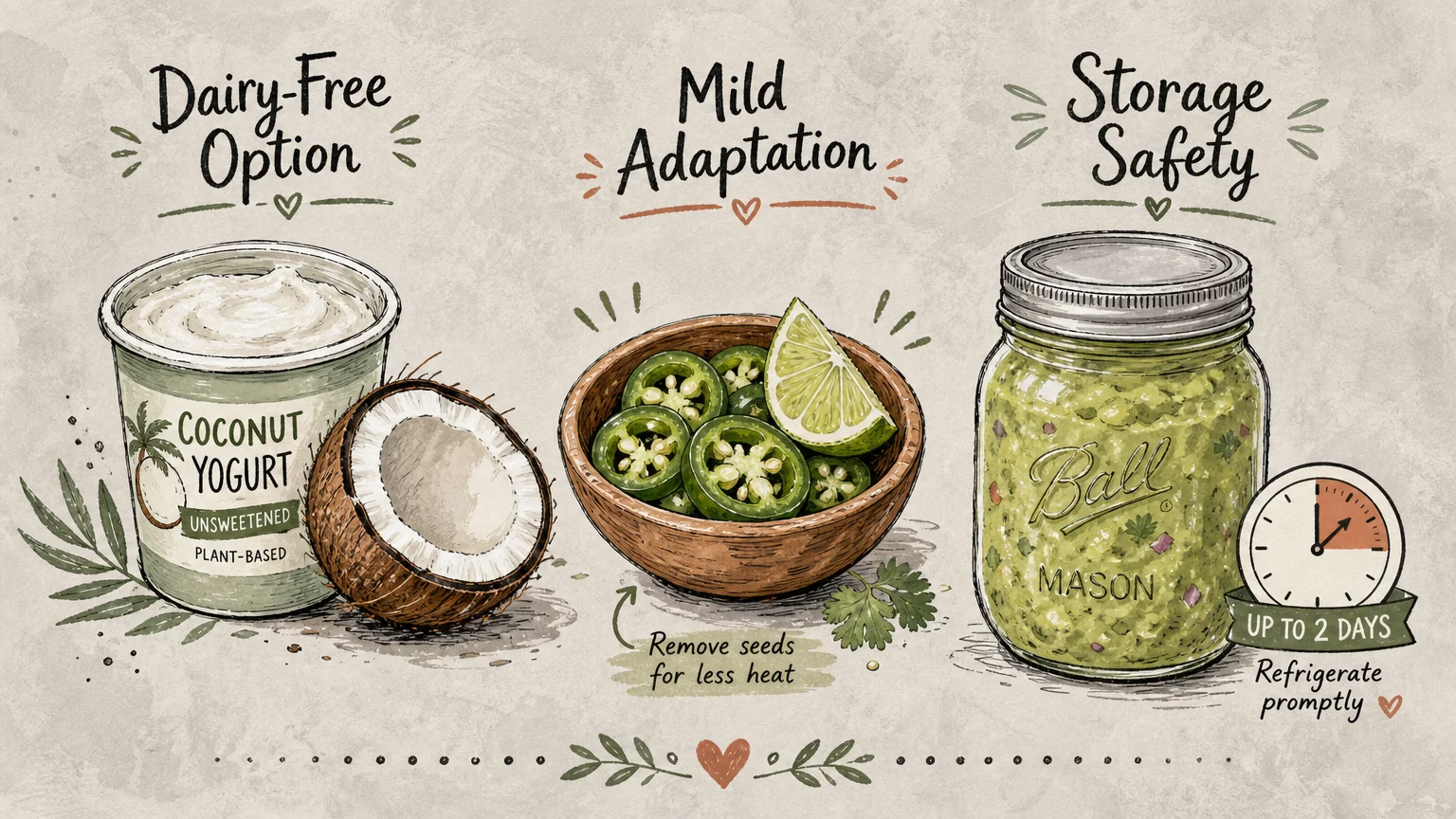
While this targeted nutritional strategy offers profound, measurable benefits for the general population, you must always carefully personalize dietary advice to accommodate your specific physiological needs and immune responses. If you navigate a medically diagnosed dairy allergy or experience severe lactose intolerance, utilizing traditional cow-milk yogurt will undoubtedly trigger uncomfortable and potentially dangerous inflammatory reactions. Fortunately, you can easily replicate the exact creamy texture and vital acidic properties by thoughtfully substituting an unsweetened, plain soy yogurt or a carefully blended block of organic silken tofu. These specific plant-based alternatives deliver comparable protein densities and provide excellent structural integrity without introducing problematic whey or casein proteins into your digestive system.
Individuals actively managing specific functional gut disorders must also exercise appropriate clinical caution when dramatically increasing their daily avocado intake. Avocados naturally contain significant amounts of sorbitol, a specific type of sugar alcohol that can rapidly ferment in the lower intestine and trigger severe distress for those sensitive to highly fermentable carbohydrates. If you are currently managing irritable bowel syndrome, you may need to strictly limit your serving size to exactly one-eighth of a whole avocado per sitting to completely avoid painful bloating and abdominal cramping. Furthermore, traditional culinary additions like raw garlic and raw white onion introduce high concentrations of fructans, which consistently act as potent triggers for digestive discomfort. You can completely bypass this specific issue by gently infusing your cooking oil with whole, crushed garlic cloves before safely discarding the fibrous solids, ensuring you fully capture the robust, savory flavor without inadvertently consuming the fermentable compounds.
Frequently Asked Questions About the Secret Guacamole Ingredient
Does adding Greek yogurt change the traditional flavor of homemade guacamole?
The addition introduces a very subtle, pleasant tanginess that genuinely enhances the overall flavor profile without overpowering the primary, traditional ingredients. Because plain, unsweetened Greek yogurt inherently carries a neutral, slightly acidic taste, it closely mimics the bright, refreshing bite traditionally provided by heavy squeezes of fresh lime juice. The robust, beloved flavors of mashed avocado, chopped cilantro, minced garlic, and fresh jalapeño remain entirely at the forefront of your palate. You experience a much richer, silkier mouthfeel, but the foundational savory and earthy notes of the classic dish remain perfectly intact.
How long will this modified avocado dip last in the refrigerator before browning?
When carefully and properly stored, this intelligently modified recipe consistently maintains its vibrant green color and fresh flavor for two to three full days. The natural lactic acid present in the yogurt acts as a highly powerful biochemical buffer, significantly slowing down the specific enzymatic oxidation that causes standard mashed avocados to turn a muddy brown within a matter of hours. To achieve this maximum culinary lifespan, you must deliberately press a sheet of plastic wrap or a reusable silicone seal directly onto the surface of the dip to completely block ambient oxygen from reaching the delicate mixture.
Can I use low-fat or non-fat yogurt instead of full-fat varieties?
While you certainly can utilize low-fat or completely non-fat options to successfully reduce the overall caloric density of the dish, nutrition experts strongly recommend using full-fat varieties for the absolute best physiological and culinary results. The natural milk fats present in whole-milk yogurt provide a dramatically superior, luxurious mouthfeel that prevents the dip from becoming unpleasantly watery or chalky over time. More importantly, combining robust dietary fats is fundamentally essential for the proper physiological absorption of the fat-soluble vitamins—specifically vitamins A, D, E, and K—found abundantly in the avocados and any accompanying raw vegetable dippers.
What are the best dairy-free alternatives that still provide a creamy texture?
If you entirely eliminate dairy from your regular diet, you can still easily achieve the exact same structural and aesthetic benefits by carefully selecting the right plant-based alternatives. Unsweetened, plain cashew yogurt stands out as an exceptional, highly functional substitute due to its naturally high fat content and phenomenally smooth consistency. Alternatively, processing organic silken tofu in a blender with a small splash of apple cider vinegar provides an incredibly robust, protein-dense base that perfectly mimics the structural properties of traditional dairy. Both options ensure you successfully prevent rapid enzymatic browning while keeping the final product entirely vegan.
Elevate Your Next Meal Today
You now possess the essential nutritional knowledge and the vital biochemical understanding to completely transform your daily approach to this classic culinary staple. By simply walking into your kitchen and blending a single scoop of plain Greek yogurt into your freshly mashed avocados, you instantly upgrade your baseline macronutrient profile, actively protect your delicate digestive health, and dramatically extend the vibrant lifespan of your expensive food. Do not wait for a special holiday occasion or a large weekend gathering to test this highly effective strategy. Grab your fresh ingredients, prepare a small batch within the next twenty-four hours, and experience exactly how effortless it is to masterfully optimize your daily nutrition.