Your circulatory system functions as an intricate highway network delivering oxygen and vital nutrients to every cell in your body, so keeping those pathways clear directly improves your daily energy and long-term health. Cardiovascular disease remains a leading health concern globally, but decades of nutritional research prove that dietary interventions can strengthen endothelial function, reduce plaque buildup, and maintain optimal blood flow. By intentionally incorporating specific, evidence-based ingredients into your weekly routine, you can proactively defend your cardiovascular system against cellular damage and inflammation. The foods you choose provide the essential structural materials your body requires to repair blood vessels and modulate blood pressure naturally.
The Science Behind Artery Health
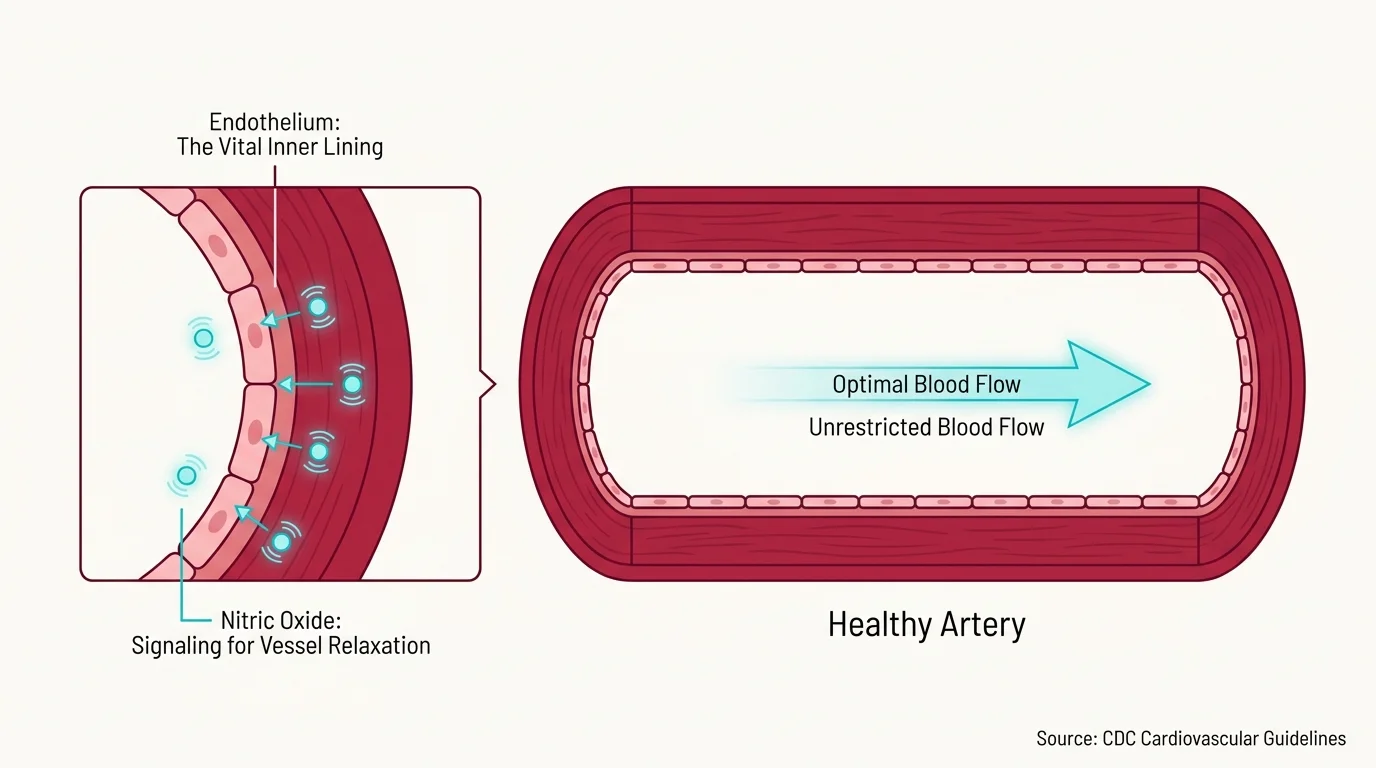
To understand how specific foods protect your cardiovascular system, you first need to examine the endothelium; this delicate, single-cell layer lines your entire vascular network. The endothelium regulates vascular tone, manages localized inflammation, and controls the passage of materials into and out of the bloodstream. When you consume a diet disproportionately high in refined sugars and artificial trans fats, oxidative stress and systemic inflammation damage these critical cells. Over time, this endothelial dysfunction allows circulating cholesterol to penetrate the arterial walls, creating hardened plaques that stiffen the arteries and restrict essential blood flow.
You can halt much of this progressive damage by supplying your body with the right molecular tools. Dietary interventions primarily work by increasing your body’s production of nitric oxide—a vital signaling molecule that tells your blood vessels to relax and dilate. Furthermore, plant-based antioxidants actively neutralize free radicals before they can injure the endothelial lining. According to physiological data published by the Centers for Disease Control and Prevention, proactive lifestyle and nutritional choices significantly mitigate the major risk factors associated with heart disease, making your daily food selections a potent form of preventive medicine.

Nutrient-Dense Foods That Promote Circulation
1. Cold-Water Fatty Fish
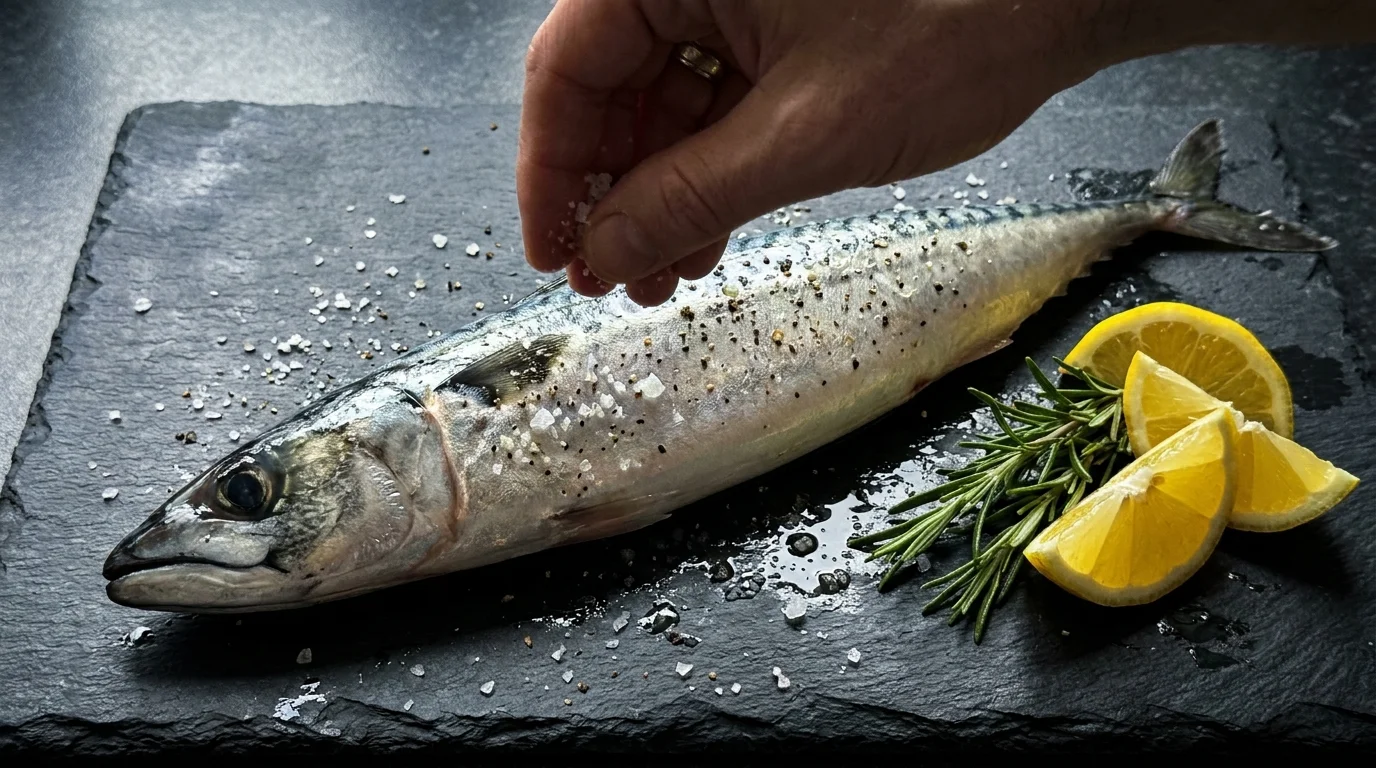
Fatty fish provide an unparalleled source of eicosapentaenoic acid and docosahexaenoic acid, two marine omega-three fatty acids renowned for their profound cardiovascular benefits. These distinct fats reduce the cellular production of inflammatory cytokines and lower triglyceride levels in your bloodstream, directly easing the metabolic burden on your arteries. Regular consumption of salmon, mackerel, sardines, or trout physically prevents the aggregation of blood platelets, which keeps your blood flowing smoothly and reduces the likelihood of hazardous clots. If you want to maximize these protective benefits, bake or grill your fish rather than frying it, as high-heat frying introduces detrimental oxidized fats and advanced glycation end-products.

2. Deeply Colored Berries
Blueberries, blackberries, and strawberries offer far more than natural sweetness; they deliver a concentrated, therapeutic dose of anthocyanins. These potent flavonoid compounds give berries their rich, dark hues and serve as fierce protectors of your arterial walls. Anthocyanins specifically combat the oxidation of low-density lipoproteins, a chemical process that makes cholesterol much more likely to stick to the inside of your blood vessels. Clinical research indicates that incorporating just one cup of mixed berries into your daily routine significantly improves arterial flexibility and reduces resting blood pressure. You can easily add these fruits to your morning oatmeal, blend them into a recovery smoothie, or enjoy them as a refreshing midday snack.
3. Dark Leafy Greens
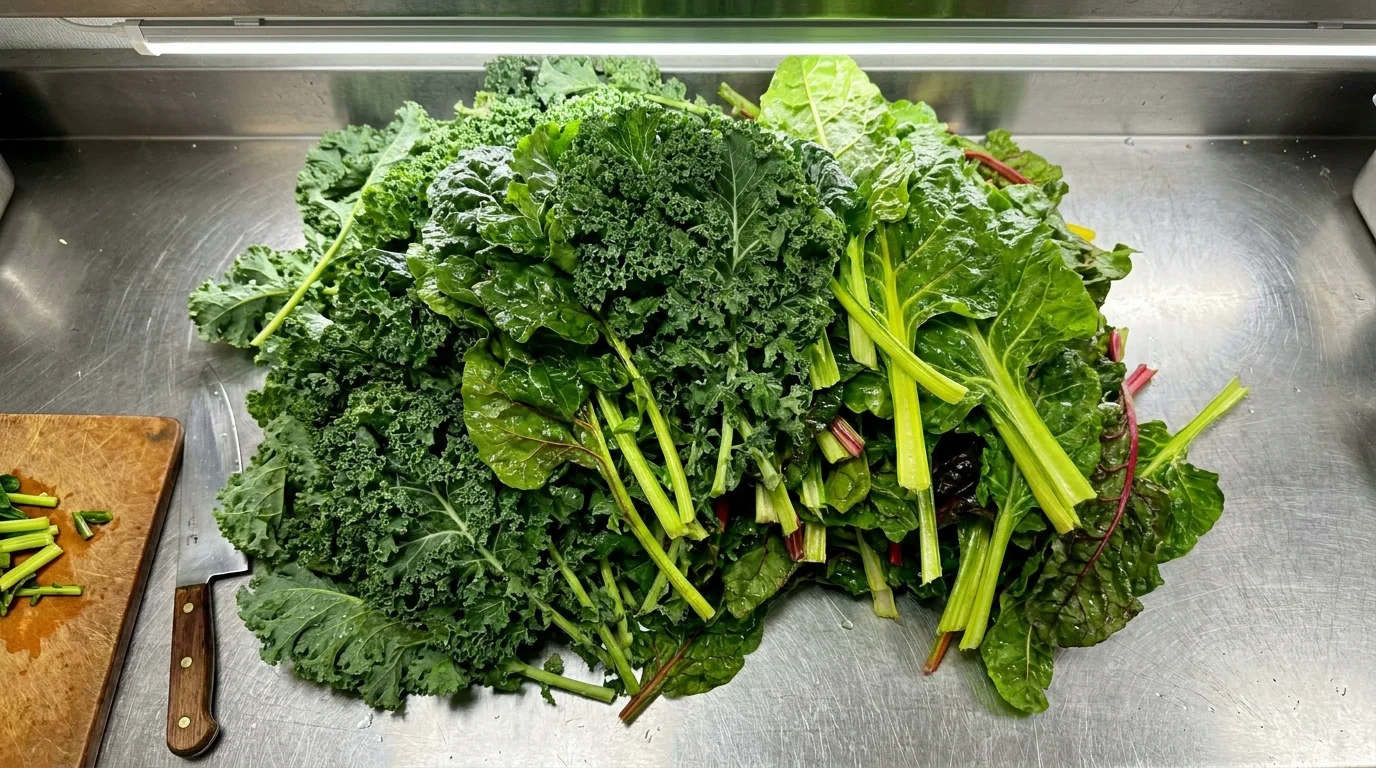
Spinach, kale, Swiss chard, and arugula act as highly effective natural vasodilators thanks to their exceptionally high concentration of dietary nitrates. When you chew and digest these leafy greens, the symbiotic bacteria in your mouth and enzymes in your body convert these nitrates into nitric oxide. This conversion process directly signals the smooth muscle cells surrounding your arteries to relax, effectively widening the vessels and lowering your blood pressure without pharmaceutical intervention. The National Heart, Lung, and Blood Institute frequently highlights the importance of incorporating varied green vegetables to support robust circulation. To enhance the absorption of the fat-soluble vitamins found in these greens, lightly toss them in extra virgin olive oil before eating.
4. Whole Oats and Barley
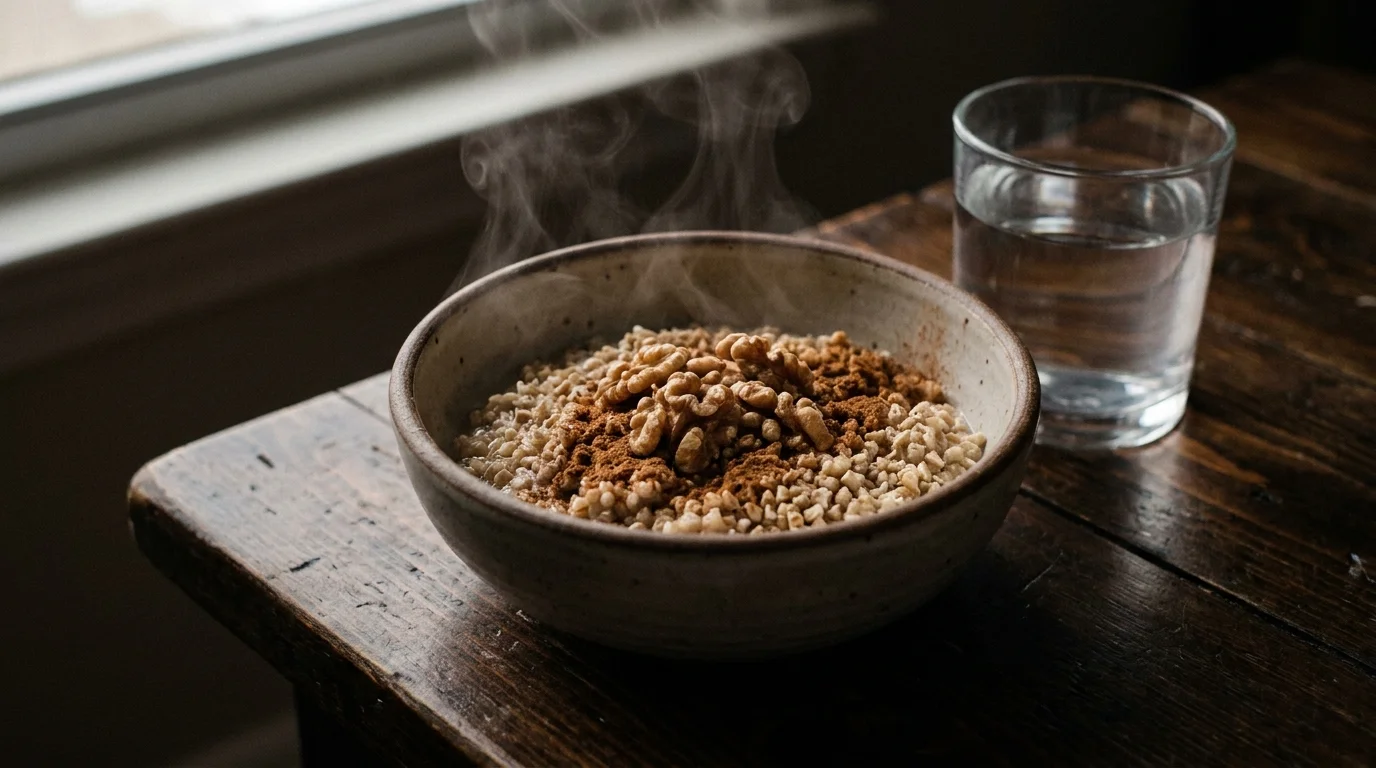
Your cardiovascular system thrives on consistent, healthy digestion, and whole grains like oats and barley deliver a unique type of viscous soluble fiber called beta-glucan. As beta-glucan travels through your digestive tract, it binds to cholesterol-rich bile acids and physically excretes them from your body. To replace the lost bile acids, your liver pulls circulating cholesterol out of your bloodstream, naturally lowering your total cholesterol levels. Maintaining lower circulating cholesterol severely limits the steady accumulation of arterial plaque. Choosing minimally processed steel-cut or rolled oats over highly refined instant oat packets ensures you receive the maximum concentration of this beneficial fiber alongside essential trace minerals.
5. Walnuts
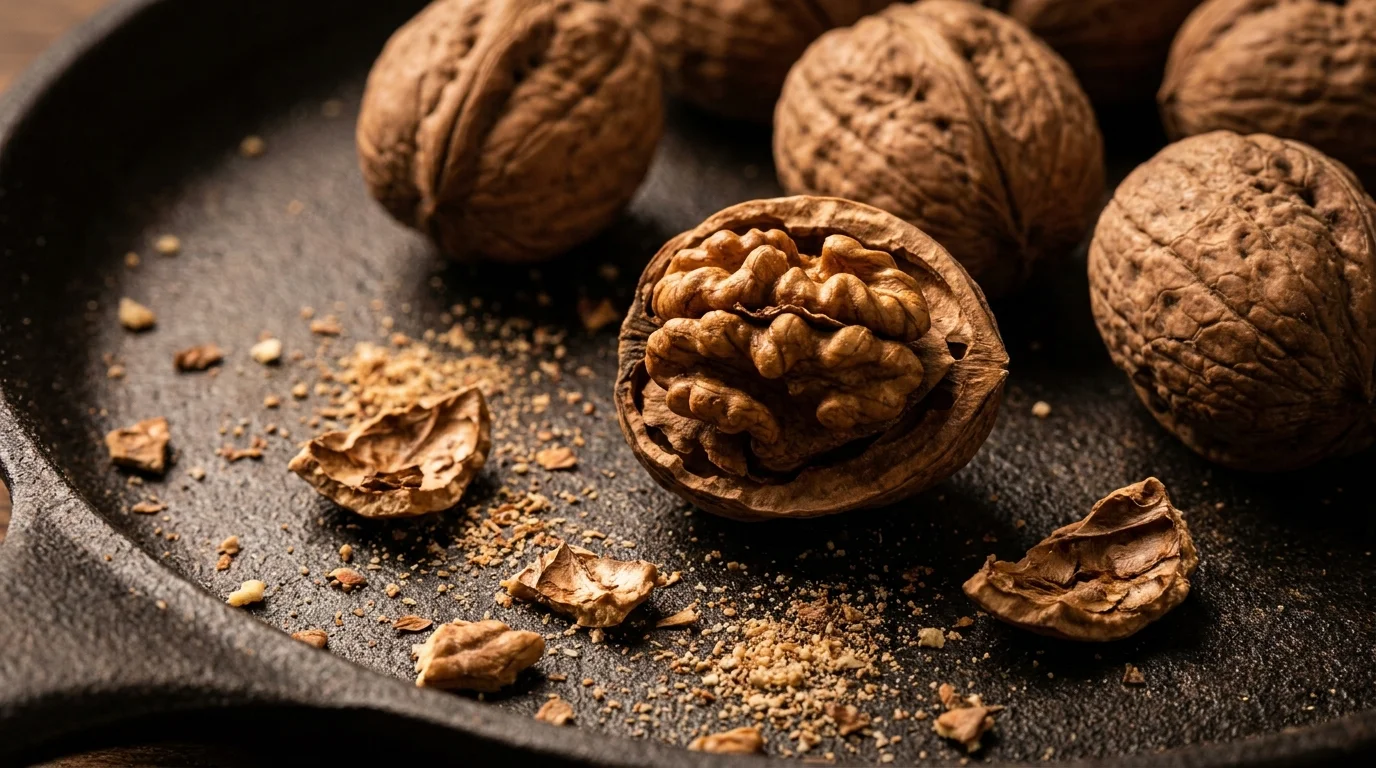
While all unsalted nuts provide excellent baseline nutrition, walnuts stand out for cardiovascular support because they contain unusually high amounts of alpha-linolenic acid, a powerful plant-based omega-three fatty acid. Walnuts also supply your body with L-arginine, an amino acid that serves as a direct, necessary building block for nitric oxide production. The synergistic effect of these nutrients improves vascular reactivity—the ability of your blood vessels to expand and contract efficiently in response to your body’s changing oxygen demands. Eating a small handful of walnuts daily provides enough healthy fats and protective polyphenols to significantly improve your endothelial function without disrupting your overall energy balance.

6. Citrus Fruits
Oranges, grapefruits, and lemons pack a powerful combination of vitamin C and specialized citrus flavonoids like hesperidin. Vitamin C plays a non-negotiable role in synthesizing collagen, the primary structural protein that gives your arteries their mechanical strength and elasticity. Without adequate collagen production, arterial walls become fragile and highly susceptible to microscopic tears. Meanwhile, citrus flavonoids actively reduce inflammatory markers in the bloodstream and help regulate vascular tone. Consuming whole citrus fruits provides the added benefit of pectin, a soluble fiber that further assists in cholesterol management. Always choose whole fruits over commercially processed juices to avoid steep spikes in blood sugar and to benefit from the intact natural fiber matrix.
7. Beans and Lentils
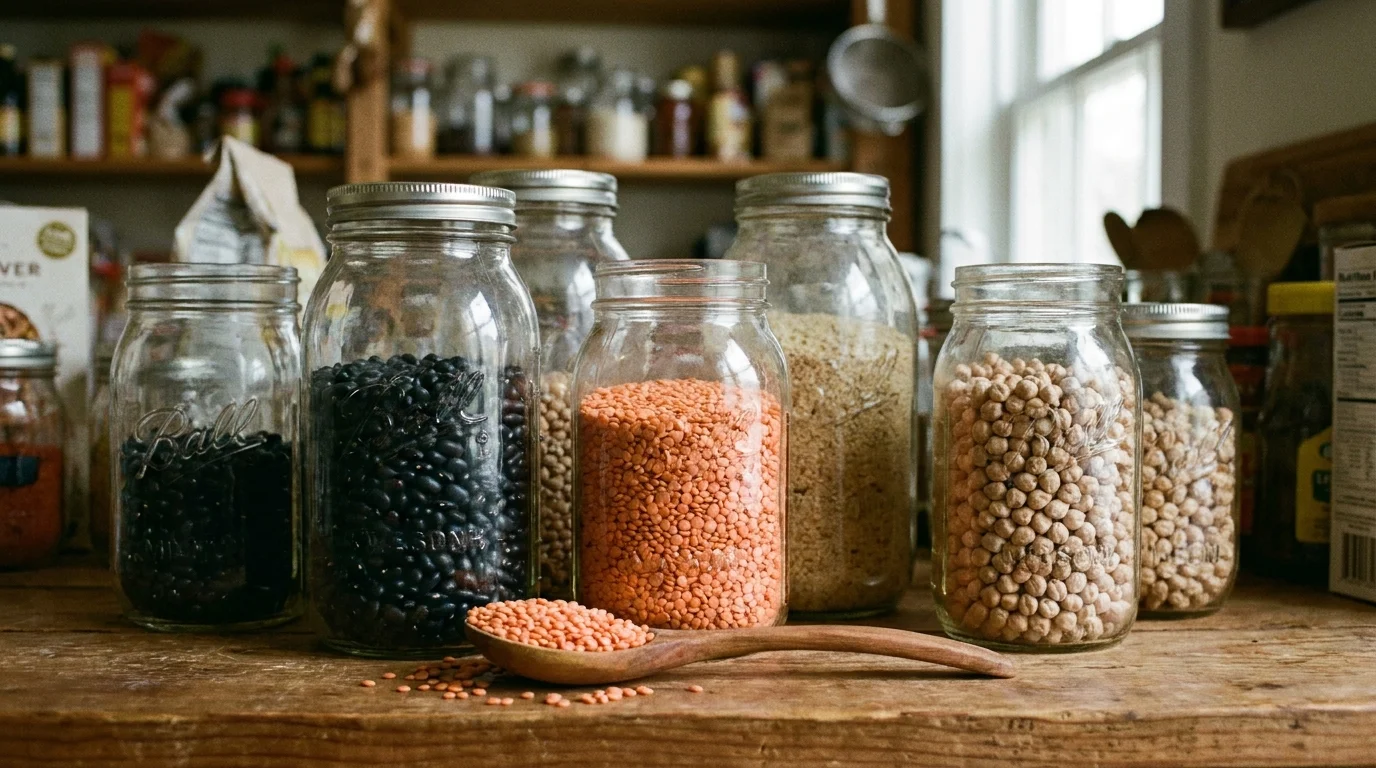
Legumes remain one of the most cost-effective, versatile, and thoroughly researched foods for supporting circulatory health. Beans and lentils deliver massive amounts of soluble fiber, lean plant-based protein, and essential minerals like potassium and magnesium. Potassium directly counteracts the blood pressure-raising effects of excessive dietary sodium by encouraging your kidneys to excrete excess salt through your urine. Magnesium helps regulate the cellular electrical signals that govern your heartbeat and vascular muscle contractions, ensuring steady, rhythmic blood flow. Swapping a portion of the red meat in your diet for legumes reduces your intake of saturated fat while simultaneously flooding your body with phytonutrients that protect the endothelial lining from damage.
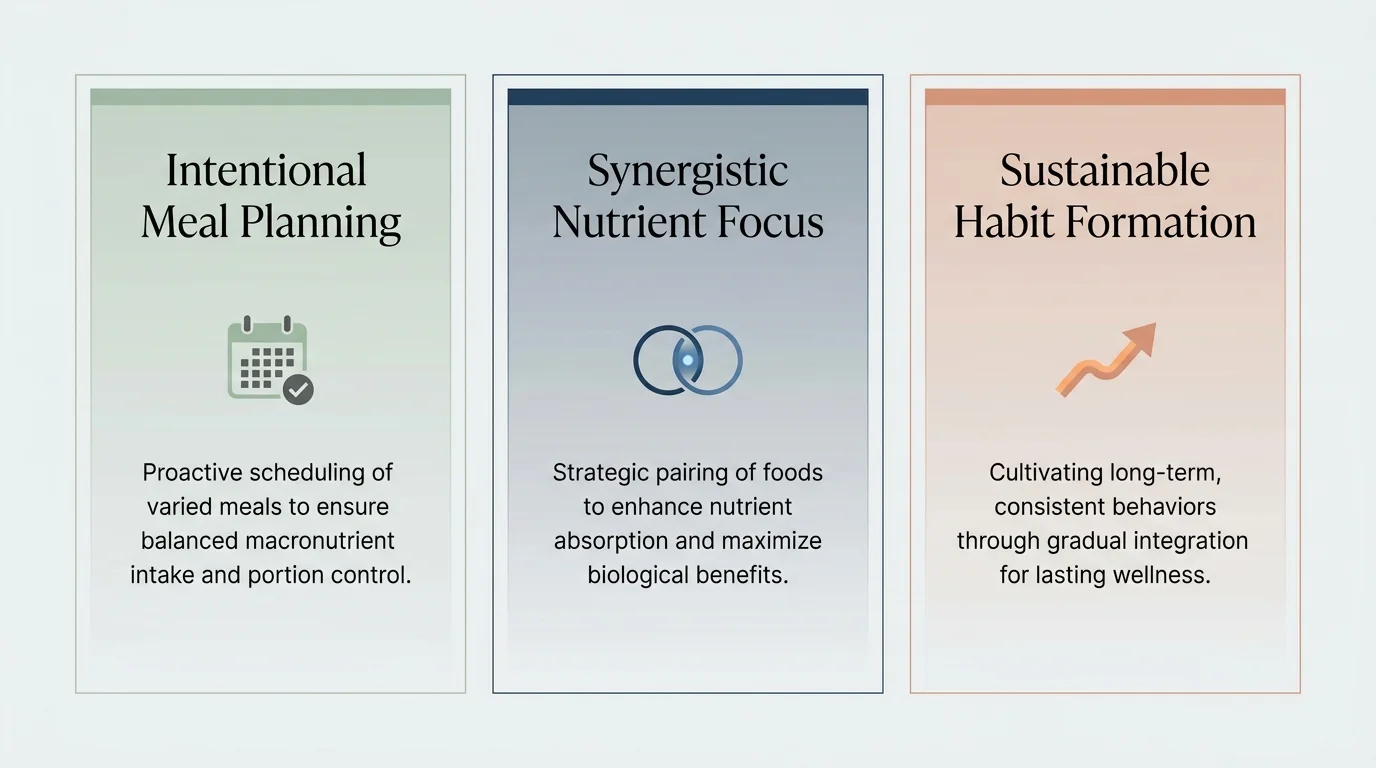
Three Strategic Pillars for Cardiovascular Nutrition

Intentional Meal Planning
Translating complex nutritional science into daily practice requires deliberate preparation and foresight. You do not need to overhaul your entire diet overnight; instead, focus strictly on adding protective foods to the meals you already enjoy. Batch-cooking a large pot of lentil soup or preparing nutrient-dense overnight oats on Sunday evening ensures you have heart-healthy options readily available during busy workdays. When you design your weekly grocery list, allocate a specific budget for fresh or frozen produce, relying on seasonal availability to keep your meals diverse and economically viable. Strategic planning actively minimizes your reliance on ultra-processed convenience foods, which heavily hide excessive sodium and trans fats that threaten your arterial flexibility.
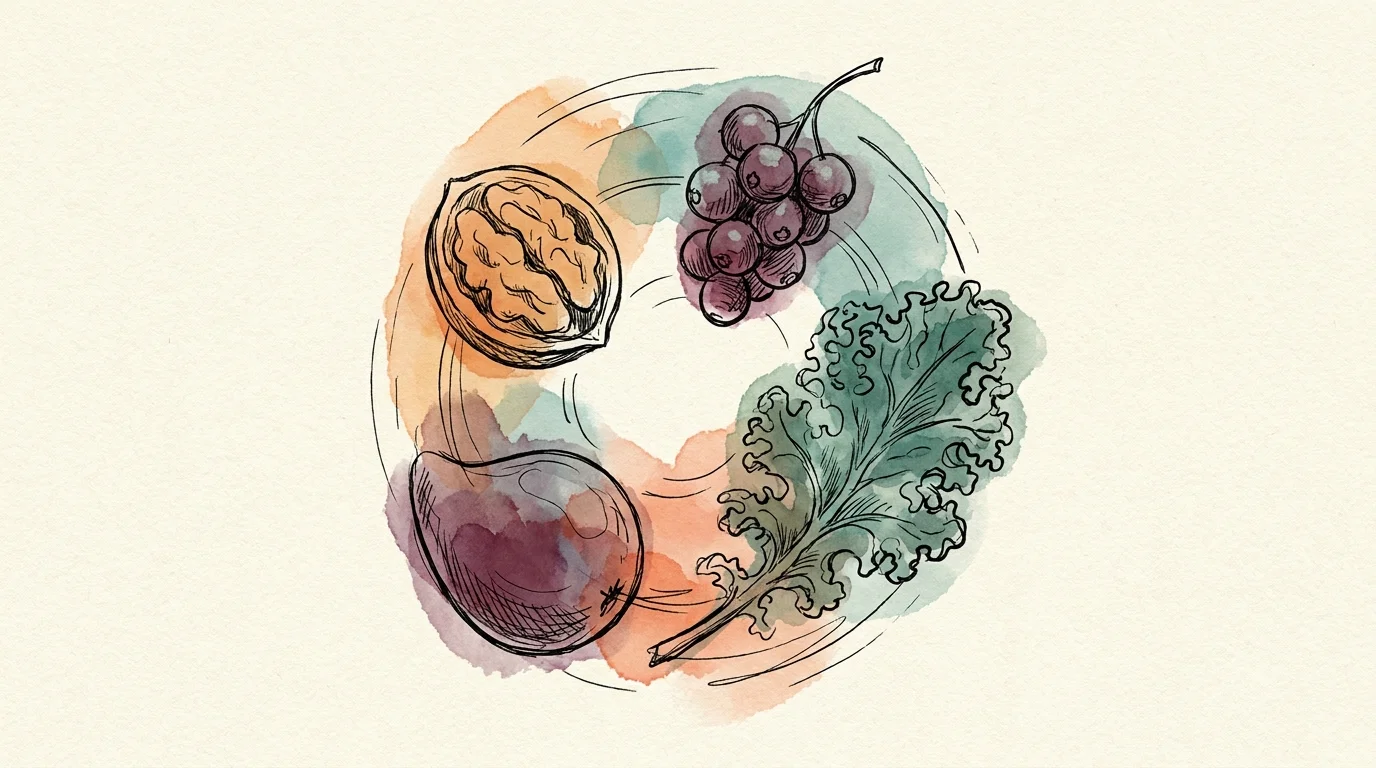
Synergistic Nutrient Focus
Nutrients do not operate in a vacuum; they interact in dynamic ways that either amplify or diminish their biological effects in your body. Pairing certain foods together maximizes their protective impact on your vascular system. For example, consuming vitamin C-rich citrus fruits alongside plant-based iron sources like spinach significantly increases the intestinal absorption of that iron. Similarly, enjoying your walnuts with a bowl of berries combines the cholesterol-lowering healthy fats with the oxidation-preventing anthocyanins, creating a comprehensive defense mechanism for your arteries. The Academy of Nutrition and Dietetics encourages focusing on holistic dietary patterns rather than hyper-fixating on single superfoods, as the collective power of a varied, nutrient-dense diet yields the most dramatic physiological improvements.

Sustainable Habit Formation
Long-term arterial health relies entirely on consistency rather than short-term, restrictive dietary cleanses. Build your nutritional habits through small, manageable adjustments that fit seamlessly into your existing lifestyle. If you currently eat fish rarely, commit to trying one new salmon or trout recipe every two weeks until you find preparations you genuinely look forward to eating. Modify your mindless snacking habits by replacing refined carbohydrate crackers with unsalted nuts or fresh fruit. By anchoring these new behaviors to established daily routines—such as eating a handful of walnuts while reviewing your morning emails—you bypass the need for constant willpower and naturally cultivate an environment that supports optimal blood flow.

Voices from the Nutrition Community
Clinical dietitians consistently emphasize the remarkable physiological resilience of the human vascular system when provided with the correct nutritional support. Leading cardiovascular nutritionists often note that patients who transition from highly processed diets to whole-food, plant-forward eating patterns frequently experience measurable, objective improvements in their blood pressure and lipid profiles within mere months. Community health advocates quickly point out that heart-healthy eating crosses all cultural boundaries; traditional diets worldwide utilize beans, dark greens, and whole grains as foundational ingredients. Whether you draw culinary inspiration from a Mediterranean tradition rich in olive oil and fish, or a Latin American pattern centered around black beans and vibrant vegetables, you can seamlessly adapt these arterial-supportive principles to honor your personal heritage and flavor preferences.

Navigating Safety and Personal Needs
While whole foods provide exceptional benefits, you must tailor these generalized recommendations to your unique physiological landscape and medical history. If your physician has prescribed a blood-thinning medication such as warfarin, sudden dietary increases in vitamin K—abundantly found in dark leafy greens—can directly interfere with your medication’s efficacy. You do not necessarily need to avoid greens, but you must maintain a highly consistent daily intake and coordinate closely with your doctor to manage your pharmacological dosage. Additionally, individuals with compromised kidney function need to monitor their potassium intake, which requires carefully portioning beans and citrus fruits. Always consult a registered dietitian or your primary care physician before making drastic dietary shifts, particularly if you manage chronic health conditions or severe food allergies related to nuts or fish. Professional guidance ensures your nutritional strategies remain both safe and highly effective. Detailed guidance on dietary interventions and specific medical conditions is thoroughly documented in peer-reviewed resources accessible through the National Library of Medicine.
Frequently Asked Questions
How long does it take for dietary changes to affect artery health?
Your vascular system responds surprisingly fast to nutritional modifications. While reducing significant, hardened arterial plaque takes years of sustained effort, your endothelial function—the ability of your blood vessels to dilate and manage blood flow—can measurably improve within just four to six weeks of adopting a nutrient-dense diet. Consistent consumption of soluble fiber, omega-three fats, and antioxidants creates immediate shifts in systemic inflammation and circulating lipid levels, setting the precise stage for long-term structural repair.
Can dietary supplements replace these protective foods?
Supplements cannot successfully replicate the complex biological matrix of vitamins, minerals, fiber, and phytochemicals found in whole foods. A vitamin pill isolates a single chemical compound, but an entire blueberry provides thousands of beneficial plant chemicals that work synergistically to protect your arteries. While high-quality omega-three or magnesium supplements can effectively fill specific nutritional gaps identified by your physician, they should function strictly as strategic additions to—never complete replacements for—a robust, varied diet.
Are frozen fruits and vegetables as effective as fresh ones?
Frozen produce delivers exceptional cardiovascular benefits and routinely contains higher nutrient levels than fresh, out-of-season alternatives. Farmers harvest fruits and vegetables destined for the freezer at their absolute peak ripeness and flash-freeze them immediately, successfully locking in delicate compounds like vitamin C and anthocyanins. Fresh produce, by contrast, may degrade nutritionally during long transit times in delivery trucks and prolonged storage on grocery store shelves. Utilizing frozen berries and greens remains a perfectly valid, budget-friendly strategy for supporting your blood vessels.
Does the cooking method impact the cardiovascular benefits of these foods?
The specific way you prepare your meals fundamentally alters their physiological impact. Boiling leafy greens for extended periods aggressively leaches vital water-soluble nutrients and beneficial nitrates into the cooking water, whereas light steaming or sauteing preserves these critical compounds. Deep-frying any food inevitably introduces advanced glycation end-products and trans fats that directly assault the endothelial lining. To maximize the structural support your food provides, consistently prioritize gentle cooking methods like baking, poaching, roasting, or enjoying raw ingredients when appropriate.
Your Next Step for Heart Health
Optimizing your cardiovascular system does not require rigid perfection; it requires purposeful, daily action. You possess the incredible agency to change the physical composition of your blood vessels with every single meal you consume. Rather than attempting an overwhelming dietary overhaul, choose just one of the seven foods discussed above to deliberately incorporate into your routine within the next twenty-four hours. Buy a bag of frozen berries for your morning meal, pack a small container of walnuts for your afternoon commute, or swap a refined grain for a hearty serving of whole oats. These small, deliberate choices actively accumulate over time, building an impenetrable physiological foundation for resilient arteries, robust daily energy, and lasting vascular vitality.