
Fueling your morning with a high-protein breakfast stabilizes your blood sugar, boosts your focus, and prevents mid-morning energy crashes. You can achieve these metabolic benefits without spending an hour in the kitchen by mastering simple three-ingredient egg meals. Recent dietary surveys indicate that over sixty percent of adults consume too little protein before noon, missing a crucial window for muscle repair and appetite regulation. By combining eggs with strategic, nutrient-dense pairings, you streamline your morning routine while securing essential amino acids. These minimalist recipes strip away the complexity of meal prep, proving that optimal nutrition requires only a few quality ingredients and less than ten minutes of your time to sustainably transform your daily energy levels.
The Science Behind a High-Protein Morning
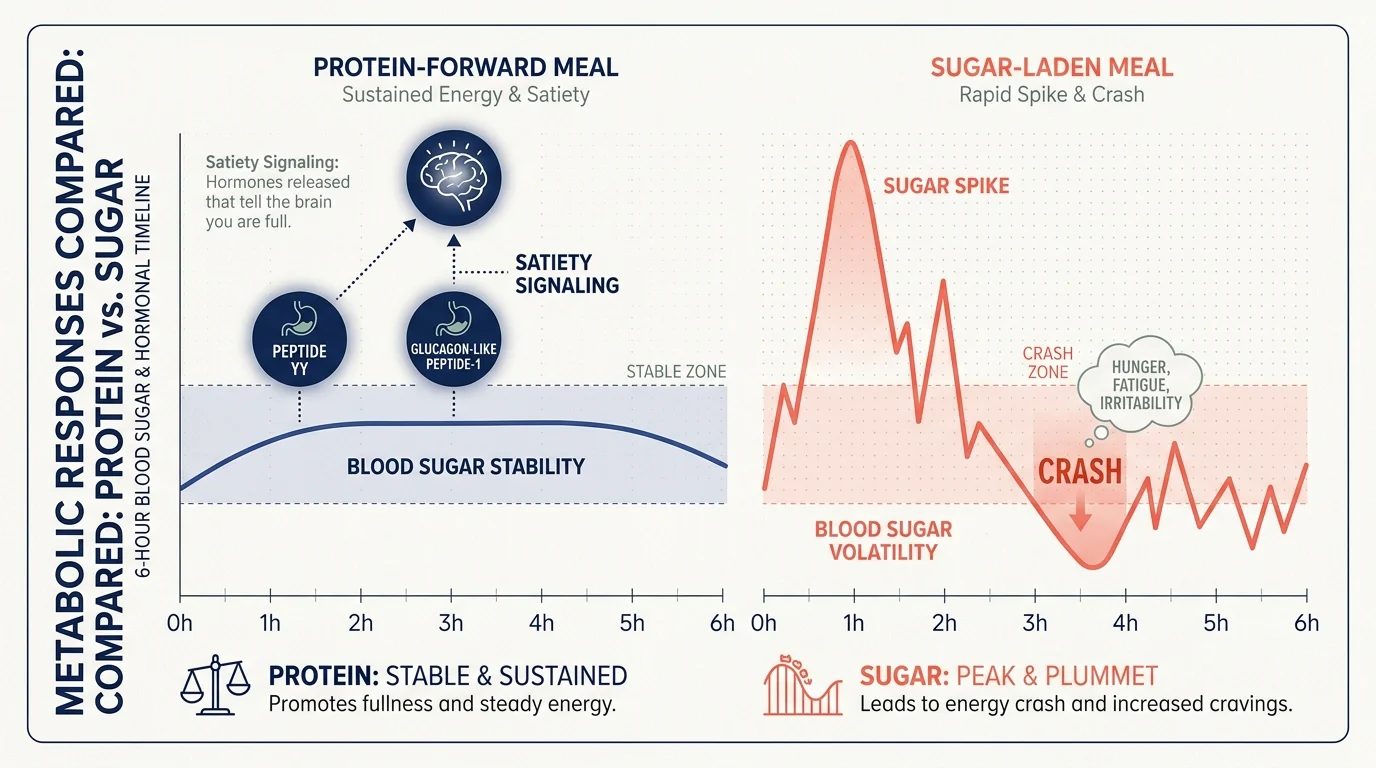
Starting your day with an adequate dose of protein fundamentally alters how your body processes energy and regulates hunger. When you consume protein-dense foods like eggs, your digestive system breaks them down into amino acids; these molecules then trigger the release of satiety hormones, including peptide YY and glucagon-like peptide-1. These hormones communicate directly with your brain to suppress appetite and reduce cravings for hyper-palatable, sugar-laden foods later in the afternoon. Eggs stand out as a premier breakfast choice because they provide a complete amino acid profile, meaning they contain every essential building block your body needs but cannot produce on its own.
Beyond managing your hunger, a protein-forward breakfast plays a vital role in muscle preservation and metabolic health. As we age, our bodies become less efficient at utilizing dietary protein, a phenomenon researchers refer to as anabolic resistance. Consuming a robust serving of protein early in the day actively combats this decline by maximizing muscle protein synthesis. You do not need to be a professional athlete to care about muscle mass; maintaining lean tissue protects your joints, improves your metabolic rate, and enhances your overall longevity. Reviewing the clinical trials on dietary protein reveals that distributing your intake evenly across all meals—rather than eating a massive steak at dinner—yields the best physiological outcomes.
Strategy Pillars for Minimalist Breakfasts
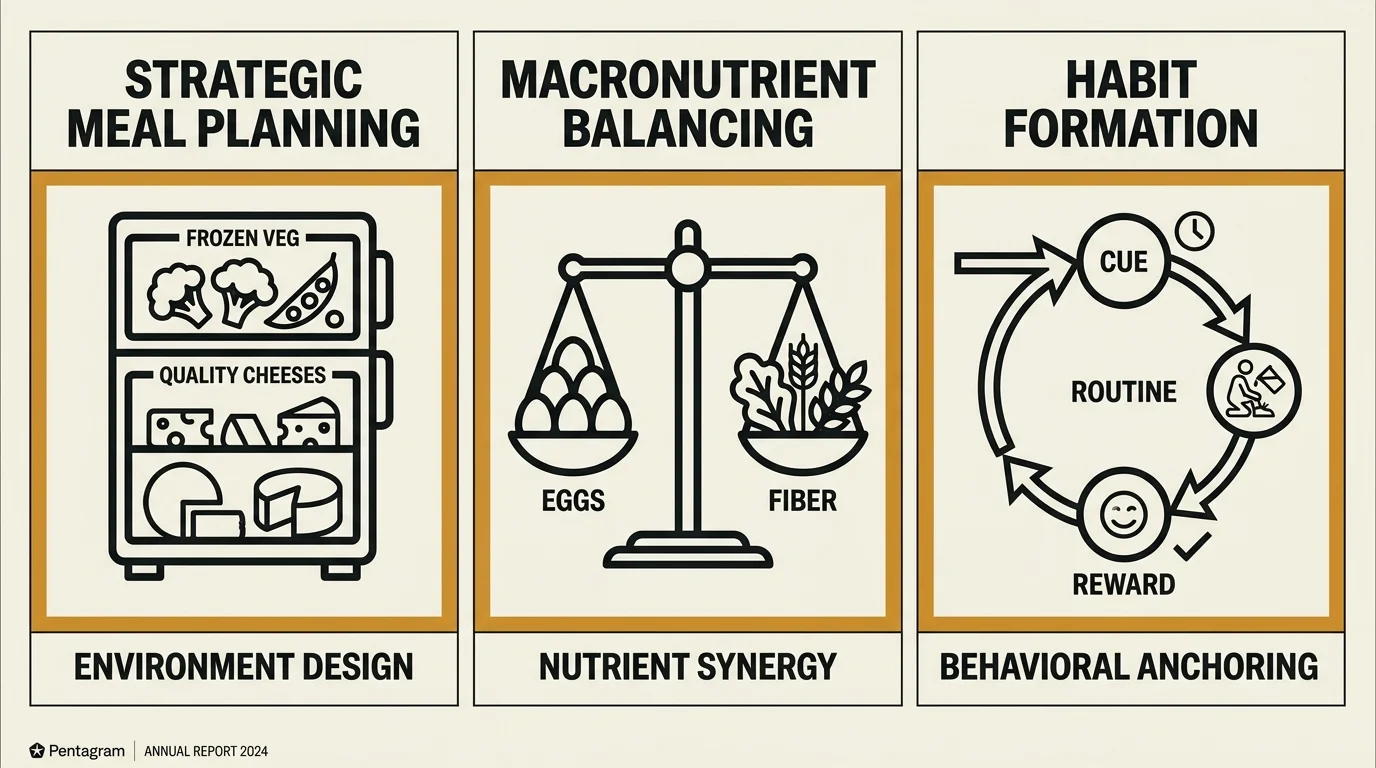
Transitioning to a healthier morning routine often fails because people attempt overly complicated recipes that demand too much time. You can overcome this barrier by implementing a minimalist framework based on three distinct strategy pillars. The first pillar revolves around strategic meal planning and environment design. By keeping a rotating stock of versatile, long-lasting ingredients—such as frozen vegetables, canned legumes, and quality cheeses—you eliminate the friction of deciding what to cook. When you only need to select three items from your refrigerator, the cognitive load of meal preparation plummets, allowing you to execute your breakfast plan even on your most stressful mornings.
The second pillar focuses on nutrient synergy and macronutrient balancing. A three-ingredient meal might seem too simple to be nutritionally complete, but purposeful pairings ensure you receive a broad spectrum of benefits. You want to combine the high-quality protein and fats found in eggs with a complementary ingredient that offers dietary fiber or complex carbohydrates. Fiber physically slows gastric emptying, which works alongside protein to keep your blood sugar curve gentle and steady. Exploring national nutrient databases demonstrates how rapidly the nutritional value of a dish multiplies when you pair eggs with ancient grains, dark leafy greens, or robust legumes.
The final pillar centers on habit formation through behavioral anchoring. You can seamlessly integrate your new cooking routine into your life by attaching it to an existing morning habit. If you brew coffee every morning, use the minutes the machine takes to drip your coffee to scramble your eggs and toss in your two supplementary ingredients. Behavioral scientists confirm that stacking a new, desired behavior onto an established daily action significantly increases your long-term success rate. Over time, this three-ingredient cooking process becomes an automatic reflex rather than a daily chore.

7 Protein-Packed Egg Breakfasts Using Only 3 Ingredients

1. The Classic Spinach and Feta Scramble
You can easily elevate a standard morning scramble by incorporating a handful of fresh spinach and crumbled feta cheese. Begin by whisking two large eggs in a small bowl while you heat a nonstick skillet over medium heat. Toss a generous handful of spinach into the pan; the greens will wilt down in less than a minute. Pour your whisked eggs directly over the wilted spinach and gently fold the mixture with a silicone spatula. Just before the eggs fully set, sprinkle in an ounce of feta cheese. The feta provides a salty, rich flavor profile alongside a modest boost in protein and calcium, while the spinach delivers essential micronutrients like iron and vitamin K. This effortless combination yields approximately sixteen grams of high-quality protein, keeping your morning energy steady and your palate highly satisfied.

2. Southwestern Black Beans and Salsa Eggs
Creating a morning meal inspired by southwestern cuisine requires only your eggs, canned black beans, and a high-quality chunky salsa. You begin by rinsing half a cup of black beans to remove excess sodium before heating them briefly in your skillet. Crack two whole eggs directly into the pan alongside the beans; cook them sunny-side up or scramble them together based on your textural preference. Once the eggs reach your desired level of doneness, transfer the mixture to your plate and generously top it with two tablespoons of salsa. The black beans contribute a formidable combination of plant-based protein and soluble fiber, which actively slows down digestion and promotes a steady release of glucose into your bloodstream. The salsa introduces vibrant acidity and a dose of lycopene without adding unnecessary calories or added sugars. Consuming this specific trio ensures you receive over twenty grams of protein and eight grams of dietary fiber.

3. Smoked Salmon and Dill Rolled Omelet
You can bring the luxury of a weekend brunch to a busy Tuesday by utilizing smoked salmon and fresh dill. Whisk two eggs until they become perfectly smooth and pour them into a lightly oiled, preheated skillet, allowing them to spread into a thin, even circle. As the egg sets, arrange a few thin slices of smoked salmon down the center and scatter fresh dill over the fish. Carefully roll the egg over the filling using your spatula, creating a delicate parcel. Smoked salmon delivers a robust serving of omega-3 fatty acids—specifically EPA and DHA—which actively reduce systemic inflammation and support cardiovascular health. The dill brightens the rich, savory profile of the fish and eggs, creating a sophisticated flavor balance. This elegant, three-ingredient dish provides around twenty-two grams of protein and keeps your brain sharp throughout the morning.

4. Cottage Cheese and Chive Protein Bowl
When your primary goal involves maximizing protein intake for muscle recovery, blending eggs with cottage cheese offers an unparalleled solution. Whisk two eggs together with a quarter cup of low-fat cottage cheese and a tablespoon of chopped fresh chives. Pour this mixture into a warm skillet and cook slowly over medium-low heat, stirring frequently. The cottage cheese melts into the eggs, creating an incredibly creamy, custardy texture that tastes far more indulgent than its nutritional profile suggests. Cottage cheese is rich in casein, a slow-digesting dairy protein that provides a sustained release of amino acids to your muscles over several hours. The chives cut through the richness with a mild, onion-like bite. This simple, fluffy scramble easily pushes your morning protein total past the twenty-five-gram mark, making it a perfect post-workout recovery meal.
5. Avocado and Whole Grain Toast with a Fried Egg
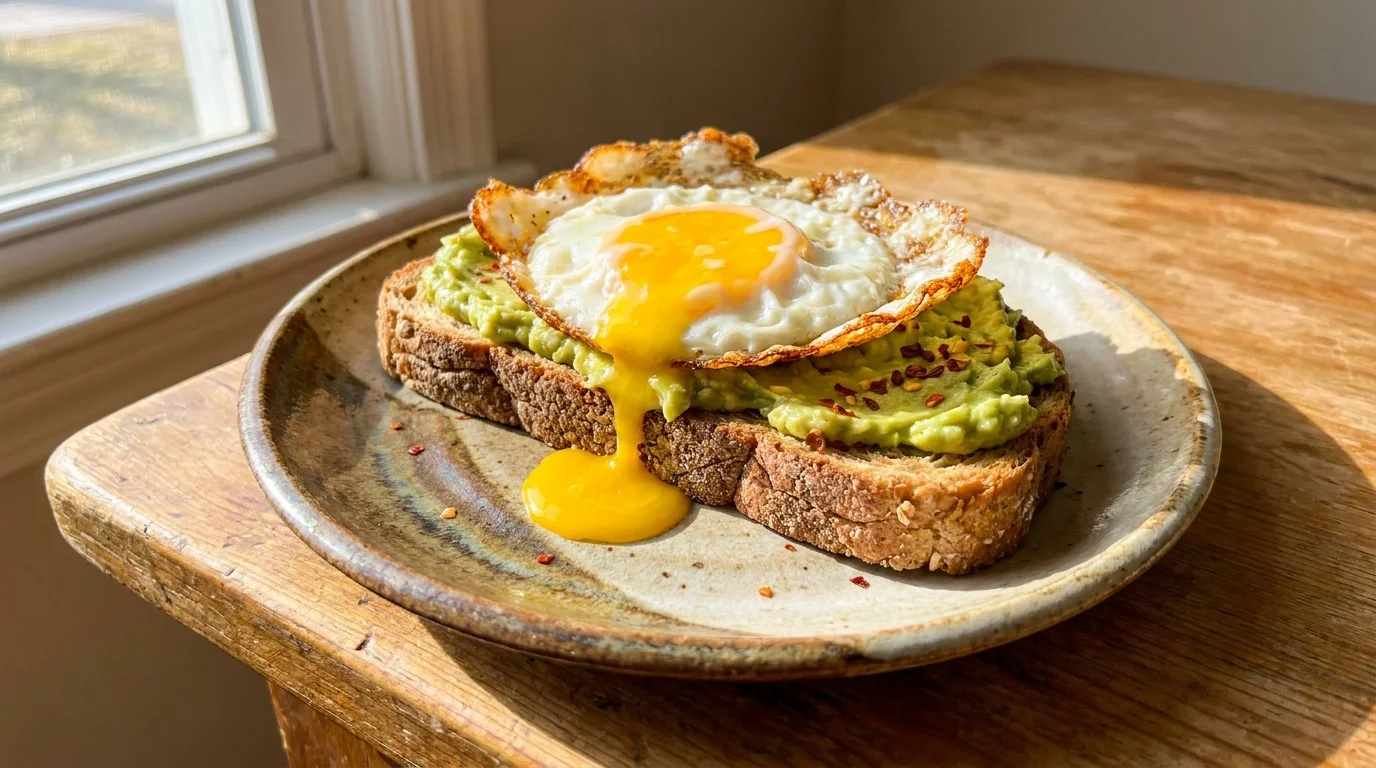
You can reinvent the trendy avocado toast by focusing strictly on the components that offer the highest nutritional return. Toast a thick slice of sprouted whole grain bread until it becomes rigid and crispy. Mash a quarter of a ripe avocado directly onto the warm toast, then top it with a freshly fried or poached egg. The sprouted grain bread offers complex carbohydrates and plant-based protein, while the avocado provides heart-healthy monounsaturated fats. When you cut into the egg, the golden yolk acts as a rich sauce that binds the earthy grains and creamy avocado together. This meal perfectly exemplifies macronutrient synergy; the carbohydrates supply immediate brain energy, the healthy fats provide long-term fuel, and the egg delivers the structural protein your body requires to repair tissues.

6. Turkey Sausage and Bell Pepper Hash
You can craft a highly satiating, meat-forward breakfast without relying on greasy, heavily processed pork products. Dice a single link of pre-cooked turkey sausage and half of a bright red bell pepper into bite-sized pieces. Sauté the sausage and peppers in your skillet until the peppers soften and the sausage edges turn golden brown and crispy. Crack two eggs directly over the hash, cover the skillet with a lid, and let the steam gently cook the eggs to your preferred doneness. Turkey sausage significantly reduces your intake of saturated fat while maintaining a high protein density. The red bell peppers provide an outstanding dose of vitamin C, which enhances your body’s ability to absorb iron. This hearty, vibrant dish delivers roughly twenty-four grams of protein and requires minimal cleanup.

7. Quinoa and Parmesan Baked Eggs
You can repurpose leftover grains from last night’s dinner to create an extraordinary morning bake. Place half a cup of cooked quinoa into a small, lightly greased ramekin or an oven-safe dish. Crack two eggs directly on top of the ancient grains and sprinkle a tablespoon of grated Parmesan cheese over the surface. Bake the ramekin in a preheated oven at 375 degrees Fahrenheit for about twelve to fifteen minutes, or until the egg whites set beautifully. Quinoa stands uniquely among plant foods as a complete protein, containing all nine essential amino acids, which seamlessly complements the biological value of the eggs. The Parmesan adds a deep, savory umami flavor that makes the dish feel deeply comforting. This baked breakfast provides around nineteen grams of protein and massive amounts of sustained energy.

Expert Insights and Community Voices
Clinical dietitians consistently emphasize the importance of breaking your overnight fast with foods that stabilize your physiological systems. Registered dietitians frequently point out that the biological value of egg protein remains a gold standard in human nutrition; your body utilizes the amino acids from eggs more efficiently than almost any other whole food source. When working with clients struggling with mid-day fatigue, nutrition experts often prescribe three-ingredient breakfasts to eliminate decision fatigue. Simplifying the meal guarantees compliance; patients stop skipping breakfast or relying on sugary pastries when they realize they can prepare a wholesome, hot meal in under ten minutes.
Community feedback heavily supports this minimalist approach. Working professionals frequently report that reducing their morning meal to a strict three-ingredient formula fundamentally shifted their daily stress levels. Instead of viewing breakfast as a chaotic obstacle, individuals view it as an accessible daily victory. A common sentiment among health-conscious parents is that the speed of these recipes allows them to nourish themselves adequately before addressing the relentless demands of their children. By prioritizing straightforward ingredients, everyday people successfully reclaim their morning nutrition without sacrificing precious time.

Safety, Allergies, and Personalization
While eggs provide extraordinary nutritional benefits, you must consider personal health history and specific dietary restrictions before overhauling your breakfast routine. For decades, outdated science vilified the dietary cholesterol found in egg yolks, but modern cardiology has shifted its stance. Reviewing current scientific advisories on dietary cholesterol confirms that for the vast majority of the population, the cholesterol in eggs does not negatively impact blood cholesterol levels. However, individuals with specific genetic conditions, like familial hypercholesterolemia, should consult their physician or a registered dietitian to determine an appropriate weekly limit for whole egg consumption.
If you manage a diagnosed egg allergy, you can still utilize the three-ingredient framework by substituting the eggs with a high-protein plant alternative. Firm tofu, crumbled and seasoned with nutritional yeast and a pinch of turmeric, mimics the texture and protein content of scrambled eggs beautifully. Always ensure your ingredients are processed in facilities free from cross-contamination if you suffer from severe food allergies. Personalizing these recipes to accommodate your unique physiological needs guarantees that you can enjoy the benefits of a high-protein morning safely and sustainably.
Frequently Asked Questions
Can I meal-prep these three-ingredient egg breakfasts in advance?
You can absolutely prepare several of these dishes ahead of time to make your mornings even more efficient. The quinoa and Parmesan baked eggs can be cooked in a muffin tin on Sunday afternoon and stored in an airtight container in the refrigerator for up to four days. To reheat, simply place them in the microwave for thirty seconds or warm them in a toaster oven. For the scrambled variations, you can chop your supplementary ingredients—like the bell peppers or chives—days in advance, reducing your morning active cooking time to virtually zero.
Do I need to eat whole eggs, or can I use just egg whites?
You have the flexibility to use liquid egg whites if you are actively tracking your macronutrients and need to tightly control your fat intake. However, consuming the whole egg provides a significantly broader spectrum of micronutrients, including choline for brain health, vitamin D for immune function, and lutein for eye health. The yolk also contains roughly half of the egg’s total protein. If you want to balance your fat intake while maximizing protein, you can compromise by mixing one whole egg with a half-cup of liquid egg whites.
How much protein should I aim for during my first meal of the day?
Most nutrition researchers suggest aiming for a minimum of twenty to thirty grams of high-quality protein at breakfast to optimize muscle protein synthesis and fully activate your satiety hormones. All the three-ingredient recipes detailed above provide an excellent baseline, typically ranging between fifteen and twenty-five grams of protein depending on your portion sizes. If you need to hit a higher target due to an intense athletic training regimen, you can easily scale up the recipes by adding an extra egg or an additional ounce of lean meat.
Will a three-ingredient breakfast provide enough calories for a highly active person?
A standard three-ingredient egg breakfast generally falls between two hundred and fifty to four hundred calories, which serves as a perfect framework for individuals managing their weight or working sedentary jobs. If you maintain a highly active lifestyle, perform intense morning workouts, or hold a physically demanding job, you will likely need to scale the caloric density. You can quickly adapt these recipes by cooking with a generous tablespoon of extra virgin olive oil, doubling the carbohydrate source like the whole grain toast or quinoa, or serving a large piece of seasonal fruit alongside your eggs.
Your Next Morning Action
Transforming your daily energy levels and stabilizing your hunger does not require a complex culinary overhaul; it simply requires a commitment to fundamental, quality ingredients. You now possess the strategic knowledge and the practical blueprints to execute a nutrient-dense morning meal in mere minutes. Look in your refrigerator tonight, identify two wholesome ingredients that pair well with eggs, and set your skillet on the stove. Make a definitive promise to yourself to cook just one of these three-ingredient breakfasts tomorrow morning, and experience firsthand how a protein-packed start alters the trajectory of your entire day.