
Waking up exhausted steals your potential before the day even begins, but choosing the right fuel can transform your mornings from sluggish to vibrant. You can reclaim your mental clarity and physical stamina by incorporating specific nutrient-dense options into your evening and early morning routines. While coffee offers a temporary jolt, true sustained vitality relies on complex carbohydrates, lean proteins, and healthy fats that stabilize your blood sugar throughout the night and into the dawn. Nutrition dictates how effectively your brain and muscles recover during sleep, directly impacting your morning grogginess. By understanding which natural ingredients support your circadian rhythm and cellular energy production, you can wake up refreshed, focused, and ready to tackle whatever challenges lie ahead.
The Science Behind Morning Fatigue and Nutritional Fuel
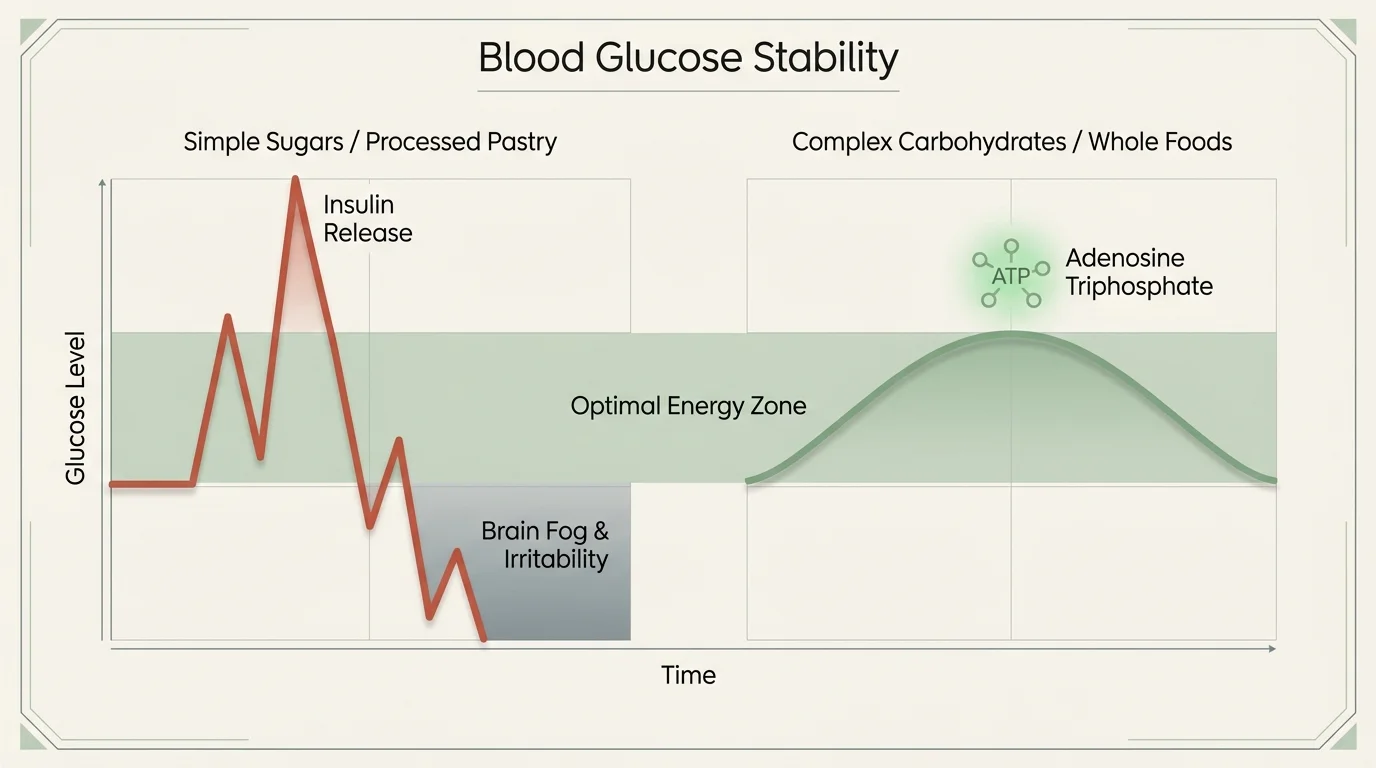
Mornings often feel intensely difficult because your body is emerging from a fasted state. During sleep, your system works tirelessly to repair tissues, consolidate memories, and regulate hormones. This internal maintenance requires significant energy, meaning you typically wake up with depleted glycogen stores. When you rely on simple sugars to force yourself awake or skip your morning meal entirely, you compel your body to run on fumes. Scientific research confirms that blood glucose stability heavily influences cognitive function and physical vigor upon waking.
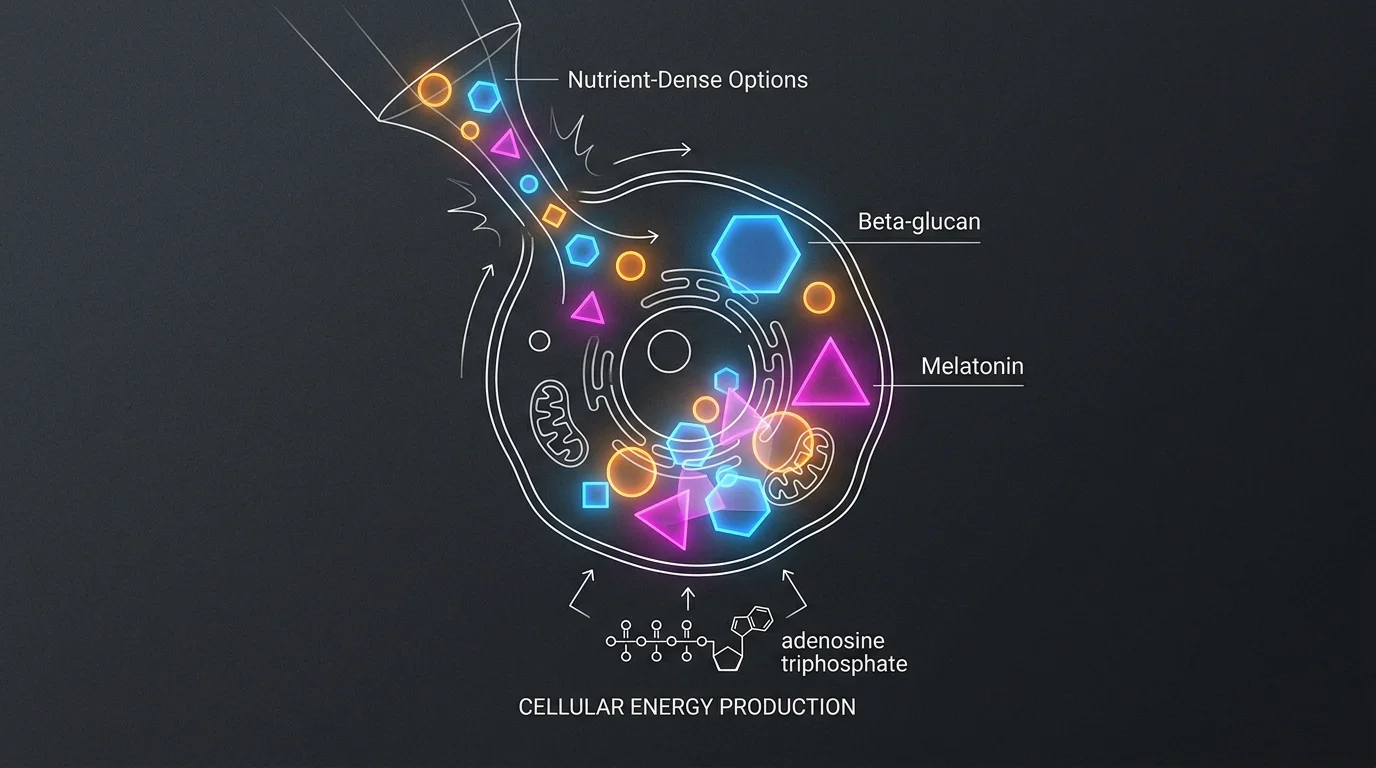
A sudden spike in blood sugar from a highly processed pastry triggers a massive release of insulin, which subsequently pulls glucose out of your bloodstream far too quickly. This sharp drop manifests as brain fog, irritability, and heavy eyelids just a few hours after you start your day. Instead of riding this exhausting physiological rollercoaster, you can consume foods that deliver a slow, steady stream of fuel. Incorporating whole foods backed by national dietary guidelines ensures your cellular engines receive the essential raw materials needed to produce adenosine triphosphate, your body’s primary energy currency. Actively selecting nutrient-dense foods respects your natural circadian rhythms and builds a robust foundation for unrelenting daily stamina.
8 Foods That Help You Wake Up With More Energy

1. Rolled Oats
Oats serve as a powerhouse for morning endurance because they contain a specific type of soluble fiber known as beta-glucan. This thick, gel-like fiber dramatically slows down your digestion, allowing glucose to enter your bloodstream at a measured, controlled pace. Unlike sugary cereals that spike your blood sugar and leave you crashing by mid-morning, rolled oats provide lasting fuel that keeps your brain sharp and your muscles energized. You can easily adapt oats to any budget or cultural palate; enjoy them as a traditional sweet porridge with cinnamon, or prepare them savory style with a drizzle of sesame oil and a poached egg for a highly satisfying start to your day.

2. Tart Cherries
Waking up with energy actually begins the night before, and tart cherries excel at preparing your body for restorative rest. These vibrant fruits represent one of the few natural food sources of melatonin, the hormone responsible for regulating your sleep-wake cycles. Consuming tart cherry juice or eating a handful of dried tart cherries an hour before bed improves your sleep efficiency, meaning you spend more time in deep, reparative sleep stages. When you sleep deeply, your brain effectively clears out adenosine—a chemical that builds up during the day and causes fatigue—allowing you to wake up feeling genuinely recharged rather than chemically dependent on caffeine.

3. Chia Seeds
Dehydration ranks among the leading causes of immediate morning lethargy. Because you lose water overnight through respiration and perspiration, you wake up mildly dehydrated, which instantly thickens your blood and slows oxygen delivery to your brain. Chia seeds naturally combat this issue through their extraordinary hydrophilic properties; they absorb up to twelve times their weight in water. By drinking a glass of water infused with a tablespoon of chia seeds right when you wake up, you deliver deep, sustained hydration to your cells. Furthermore, these tiny seeds pack a powerful ratio of omega-3 fatty acids, protein, and fiber, ensuring your metabolism stays actively engaged throughout the morning.

4. Spinach and Dark Leafy Greens
If you constantly struggle to pull yourself out of bed despite getting a full eight hours of sleep, you might be experiencing a mild deficiency in iron. Iron acts as the crucial vehicle that transports oxygen through your bloodstream to your demanding brain and muscle tissues. Spinach offers a rich supply of non-heme iron to combat this specific type of cellular suffocation. To maximize your body’s ability to absorb this plant-based iron, always pair your morning spinach with a source of vitamin C. Tossing a handful of spinach into a breakfast smoothie with strawberries or cooking it alongside tomatoes in a morning omelet significantly amplifies your nutrient uptake, helping you eliminate heavy-limbed fatigue.

5. Eggs
Eggs provide a highly bioavailable source of complete protein, delivering all nine essential amino acids your body requires for structural repair and enzyme production. Beyond their impressive protein content, the yolk contains a vital nutrient called choline. Choline serves as a direct precursor to acetylcholine, a neurotransmitter that governs memory, mood, and intense mental focus. Eating eggs for breakfast supplies your brain with the exact chemical building blocks it needs to clear away morning brain fog. Whether you hard-boil a batch on Sunday for quick weekday access or scramble them fresh, eggs remain an incredibly budget-friendly and versatile tool for sustained vitality.
6. Walnuts
Inflammation often acts as a silent drain on your daily energy reserves, forcing your immune system to work overtime and leaving you feeling chronically sluggish. Walnuts combat this systemic drain by delivering a massive dose of alpha-linolenic acid, a plant-based omega-3 fatty acid renowned for its anti-inflammatory properties. Additionally, walnuts provide an excellent source of magnesium, a mineral heavily involved in over three hundred biochemical reactions, including energy metabolism and muscle relaxation. Tossing a handful of chopped walnuts into your morning yogurt or chewing them alongside a piece of fresh fruit provides a satisfying crunch while delivering dense, stabilizing calories.

7. Greek Yogurt
When you need immediate satiety and blood sugar stabilization, plain Greek yogurt stands out as a premier option. The straining process used to create Greek yogurt removes excess liquid whey, leaving behind a thick product that contains roughly double the protein of traditional yogurt. This dense protein concentration severely delays gastric emptying, keeping your stomach full and your energy levels incredibly stable. Greek yogurt also supplies beneficial probiotics that foster a diverse gut microbiome. Emerging research suggests that a healthy gut flora directly communicates with your central nervous system, meaning better digestion translates directly into improved mood and sharper cognitive energy when your alarm sounds.

8. Mixed Berries
Blueberries, strawberries, and blackberries operate as tiny antioxidant powerhouses that protect your cells from oxidative stress. These fruits contain high concentrations of flavonoids, particularly anthocyanins, which give the berries their deep, vibrant colors. These compounds actively enhance blood flow to the brain, providing an immediate cognitive lift without the jittery side effects associated with synthetic stimulants. Because berries contain significant amounts of natural fiber alongside their sugars, they do not provoke volatile insulin spikes. Purchasing frozen berries offers a highly economical way to enjoy these benefits year-round, as they are flash-frozen at peak ripeness to lock in their energetic potential.

Strategy Pillars for Sustained Energy
Strategic Meal Planning
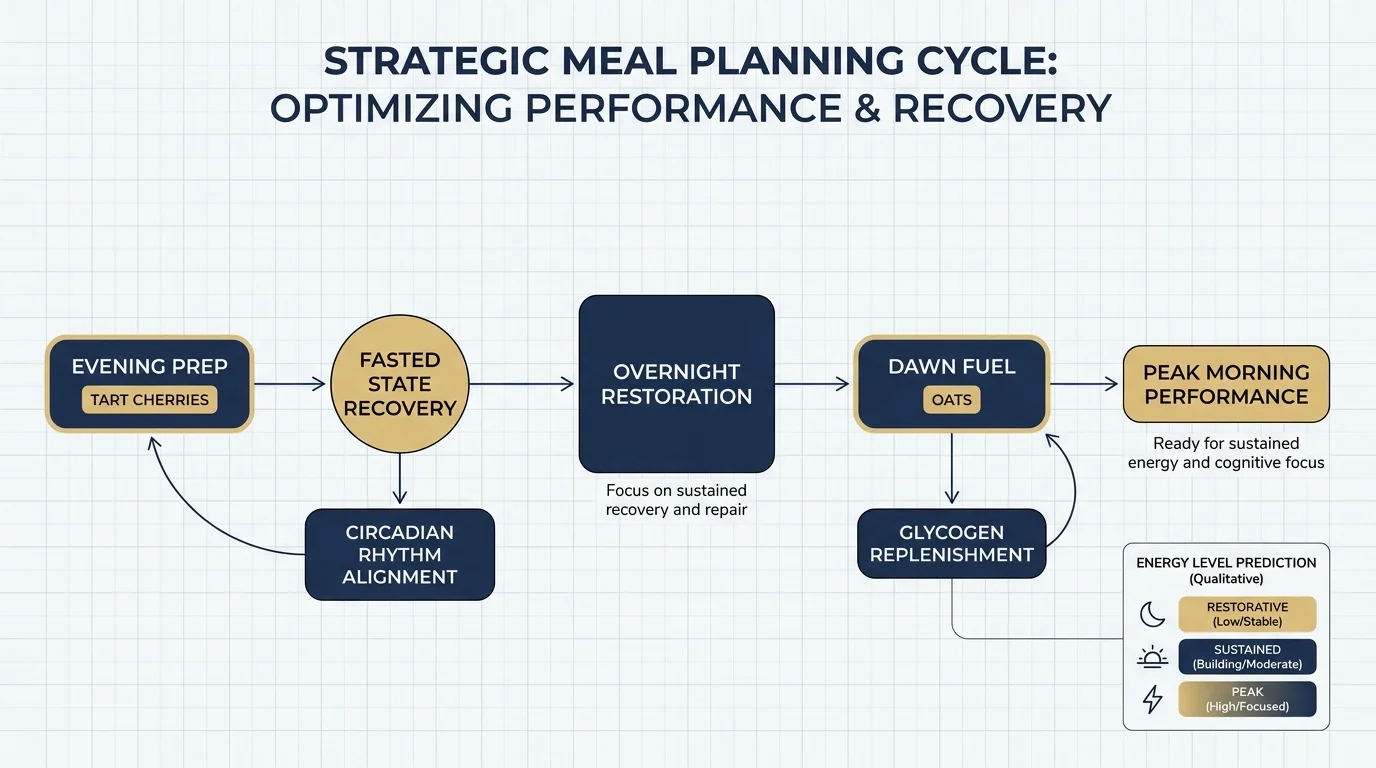
You cannot rely on morning willpower to make energizing nutritional choices when you are half-asleep and rushing out the door. Strategic meal planning removes the friction from healthy eating. Take ten minutes every evening to prepare your morning fuel. You might assemble a jar of overnight oats, pre-chop vegetables for a quick scramble, or portion out nuts and seeds into accessible containers. By front-loading the effort when you are fully awake, you guarantee that your future self has immediate access to blood-sugar-stabilizing meals, completely bypassing the temptation to grab a refined, energy-sapping pastry at the drive-through.
Precision Nutrient Focus
Understanding complex carbohydrate metabolism allows you to construct meals that act like time-release energy capsules. The core principle of precision nutrition requires you to never eat naked carbohydrates. If you consume an apple, pair it with peanut butter; if you eat toast, top it with avocado or an egg. Combining a complex carbohydrate with a high-quality protein or healthy fat severely blunts the glycemic response. This intentional pairing ensures your digestive tract works diligently over several hours, supplying a steady trickle of glucose to your brain rather than a torrential flood that inevitably ends in a crash.

Smart Morning Habit Formation
Your nutritional habits must align with your body’s physiological awakening process. Before you reach for your coffee maker, establish a habit of drinking at least sixteen ounces of water. Caffeine acts as a diuretic, and introducing it into an already dehydrated system compounds your fatigue by further restricting vascular blood flow. Once you hydrate, delay your caffeine intake for roughly ninety minutes after waking. This strategic delay allows your natural cortisol levels to peak and clear out residual sleep hormones naturally, ensuring that your eventual cup of coffee enhances your energy rather than merely fixing your caffeine withdrawal.

Expert Perspectives and Real-Life Experiences
Clinical dietitians consistently observe that patients who complain of chronic morning fatigue often suffer from erratic meal timing rather than a specific medical condition. Experts emphasize that skipping breakfast forces the body to pump out stress hormones like cortisol and adrenaline to liberate stored energy, resulting in a tense, jittery wakefulness rather than true vitality. Dietitians advocate for breaking the overnight fast within two hours of waking to signal to your metabolism that the day has officially begun.
This clinical advice mirrors the lived experiences of individuals across various demanding professions. Shift workers, busy parents, and early-morning exercisers frequently report life-changing shifts in their stamina when they trade refined cereals for protein-dense whole foods. A nurse working twelve-hour shifts might rely on portable chia pudding to maintain focus during morning rounds, proving that you do not need elaborate, time-consuming meals to harness the power of functional nutrition. Real-world application shows that consistency, rather than perfection, ultimately dictates your energy outcomes.

Safety Considerations and Personalizing Your Diet
While the foods highlighted above offer incredible benefits, you must always tailor nutritional advice to your unique physiological needs. If you currently consume a diet low in fiber, rapidly introducing high-fiber foods like oats and chia seeds will likely cause uncomfortable bloating and gastrointestinal distress. You should increase your fiber intake gradually over several weeks while simultaneously increasing your water consumption to keep digestion moving smoothly. Furthermore, always respect your personal food allergies; if walnuts provoke an immune response, you can easily substitute them with pumpkin seeds or hemp hearts to achieve similar nutritional profiles.
You must also recognize the limitations of dietary interventions. If you consistently struggle with debilitating exhaustion despite optimizing your evening routines and morning meals, you should consult a licensed physician. Chronic fatigue can stem from underlying medical conditions requiring clinical treatment, such as thyroid dysfunction, severe iron deficiency implications, or respiratory sleep disturbances like sleep apnea. Food acts as powerful medicine, but it does not replace a comprehensive medical evaluation when your body signals that something deeper is wrong.
Frequently Asked Questions
Why do I feel more tired after eating breakfast?
Many people experience a phenomenon known as reactive hypoglycemia when their morning meal contains too many refined carbohydrates and insufficient fiber or protein. If you eat a plain bagel with sugary jam, your digestive system rapidly converts those simple carbohydrates into glucose. Your pancreas responds by pumping out a large volume of insulin to manage the sudden influx of sugar. This aggressive insulin response drives your blood glucose levels down below your baseline, triggering sudden fatigue, shakiness, and an intense desire to go back to bed.
Can I just drink coffee for morning energy?
Coffee does not actually provide cellular energy because it contains zero calories; rather, it masks your fatigue by blocking adenosine receptors in your brain. While caffeine effectively increases alertness and sharpens immediate focus, it operates as a neurological stimulant, not a physiological fuel source. If you rely exclusively on coffee without eating nutrient-dense food, your brain and muscles continue to operate in a depleted state. Eventually, the caffeine wears off, and you experience a severe crash because your body lacks the actual caloric energy required to sustain your physical momentum.
Does eating late at night ruin morning energy?
Eating a massive, heavy meal right before bed forces your digestive system to work continuously through the night, which elevates your core body temperature and prevents you from entering deep, restorative sleep stages. Consequently, you wake up feeling sluggish and poorly recovered. However, going to bed aggressively hungry can also disrupt your sleep by causing blood sugar drops that wake you up. You can strike a healthy balance by consuming a small, targeted snack containing protein and natural melatonin—like a handful of walnuts or tart cherries—about an hour before sleep to support your body’s overnight repair processes.
How much water should I drink upon waking?
You should aim to consume roughly sixteen to twenty ounces of water within the first twenty minutes of waking up. Because you lose significant moisture overnight through simply breathing and regulating your body temperature, your internal systems wake up in a mild state of dehydration. Drinking a large glass of water immediately expands your blood volume, improves circulation, and helps flush out metabolic waste products that accumulated while you slept. Building this simple hydration habit foundational sleep hygiene protocols provides one of the fastest, most effective ways to shake off morning grogginess.
Your Next Step Toward Better Mornings
Transforming your morning energy does not require a complete lifestyle overhaul or a perfectly executed diet starting tomorrow. You can initiate profound changes simply by choosing just one of the foods discussed above and integrating it into your routine within the next twenty-four hours. You might swap your highly processed breakfast bar for a warming bowl of rolled oats, or you might place a glass of water with chia seeds on your nightstand to drink the moment your alarm rings. Small, intentional shifts in your nutrition compound over time, rebuilding your stamina from the cellular level up. You have the power to dictate how you feel when you face the day. Take control of your grocery list, fuel your body with purpose, and watch as your morning exhaustion gives way to sustained, reliable vitality.