
Mastering the art of selecting a ripe watermelon guarantees you bring home peak flavor, maximum hydration, and optimal nutrition. Rather than thumping produce aimlessly in the grocery aisle, you can rely on proven visual and tactile cues to identify fruit harvested at its prime. This skill saves you money while elevating your summer meals with a reliable source of vitamins A and C. By examining specific indicators like the field spot, webbing, weight, sound, and stem, you bypass disappointing, mealy fruit. You will learn the exact biological signs of a mature watermelon, transforming your weekly grocery shopping into a confident, efficient process that directly supports your healthy eating goals.
The Science Snapshot: Why Watermelon Matters
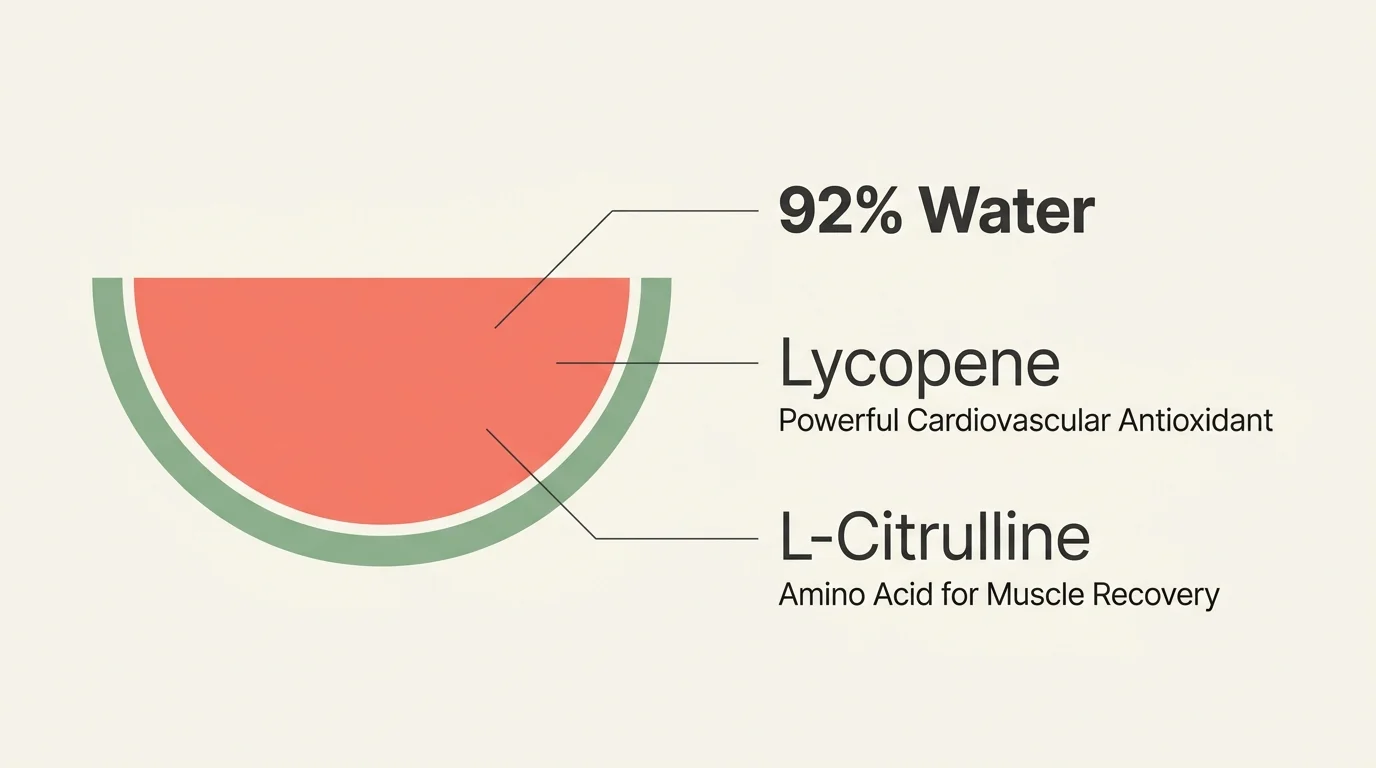
Before diving into the physical inspection of your produce, understanding the biochemical benefits of a fully ripened watermelon provides powerful motivation for your grocery shopping efforts. Watermelon consists of approximately ninety-two percent water, making it a premier dietary tool for maintaining optimal hydration levels during hot weather or after intense physical activity. Beyond its impressive fluid content, a mature watermelon delivers a massive payload of lycopene; an antioxidant renowned for its potential to support cardiovascular health and protect cellular structures from oxidative stress.
Interestingly, the ripening process directly dictates the concentration of these beneficial compounds. As the fruit matures on the vine, its internal chemistry transforms complex starches into simple sugars, significantly increasing its overall nutritional density. Research indicates that fully ripened red watermelon contains more bioavailable lycopene than even raw tomatoes. Furthermore, the flesh provides a rich source of L-citrulline, an amino acid that your body converts into L-arginine. This conversion promotes vasodilation, which improves blood flow and can help alleviate delayed-onset muscle soreness after exercise. You can explore further evidence supporting these vascular benefits through peer-reviewed biochemical research detailing amino acid metabolism. When you select a perfectly ripe fruit, you maximize both the sensory experience and the physiological benefits.
The 5 Clues for Picking a Ripe Watermelon
Identifying a mature fruit requires you to engage multiple senses. Agricultural scientists and seasoned farmers alike rely on five distinct indicators to judge the internal quality of the fruit without cutting into it. You can easily replicate these expert assessments during your routine grocery shopping.
Clue One: Analyze the Field Spot
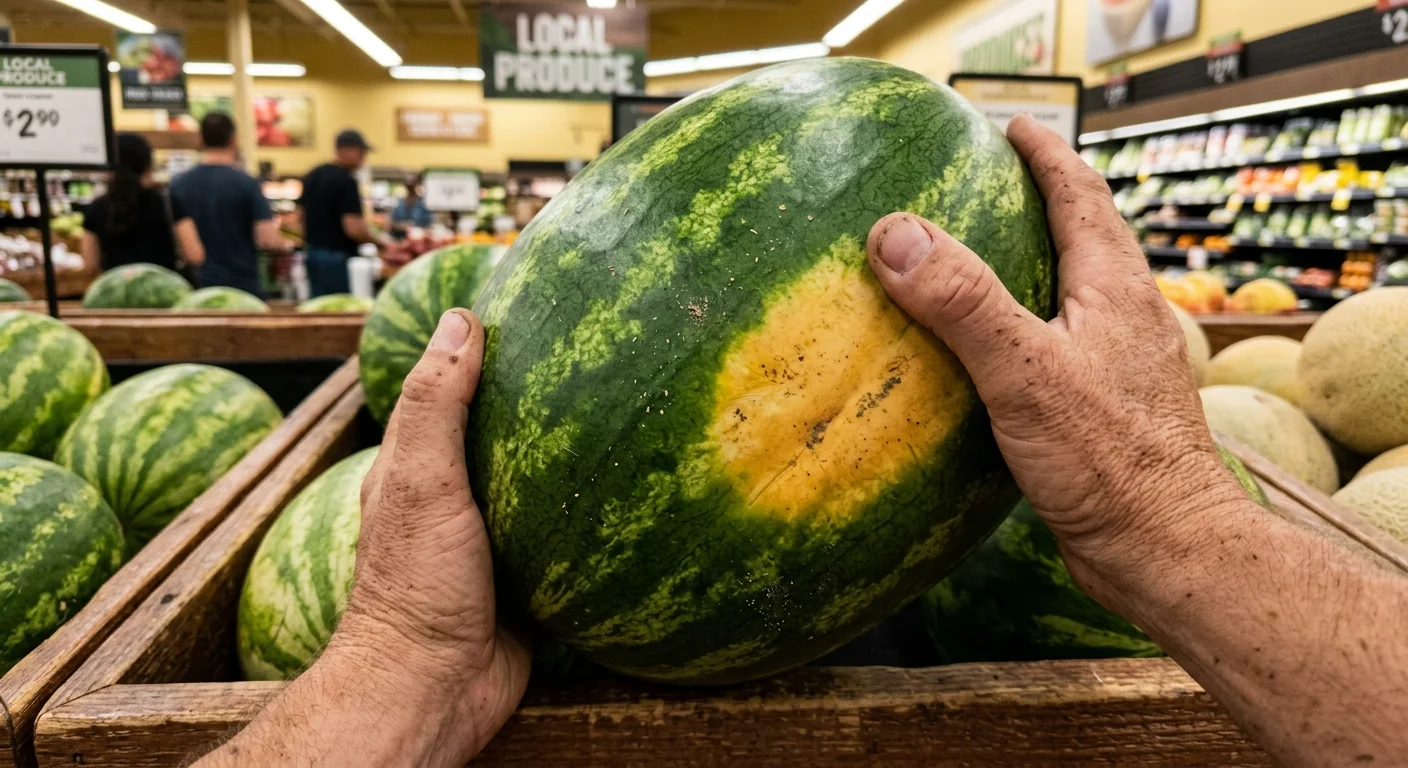
The most reliable indicator of a watermelon’s maturity is the field spot, also known as the ground spot. This is the precise area where the fruit rested on the soil while growing under the sun. As the watermelon ripens, the chlorophyll in the rind breaks down and carotenoids accumulate, causing this resting patch to change color. You should look for a field spot that exhibits a deep, creamy yellow or even an orange-yellow hue. If the spot appears white or pale green, the farmer harvested the fruit prematurely. A non-existent field spot means the watermelon never had adequate time to mature on the vine, virtually guaranteeing a bland, firm interior.
Clue Two: Inspect the Pollination Webbing
Many shoppers mistakenly avoid watermelons with rough, brown, web-like scarring on the rind, assuming these marks indicate damage or disease. In reality, this webbing serves as an excellent visual record of bee pollination. Each time a bee pollinates the watermelon blossom, the resulting biological reaction causes slight scarring on the developing fruit. Extensive webbing means multiple bees pollinated the flower, which correlates directly with a higher concentration of sugars and a sweeter flavor profile. You should actively seek out fruits bearing extensive, raised brown webbing, as this cosmetic “flaw” guarantees a vastly superior taste.
Clue Three: Assess the Weight and Density
A perfectly ripe watermelon feels exceptionally heavy for its size. This physical density reflects the peak accumulation of water and natural sugars within the flesh. When you narrow your choices down to a few visually promising candidates, pick them up and compare their weights. The heaviest fruit among those of equal dimensions holds the highest water content. A watermelon that feels surprisingly light or hollow often suffers from internal moisture loss, leading to a dry, mealy texture that ruins your culinary experience.
Clue Four: Perform the Sound Test
The traditional technique of tapping or thumping the fruit holds genuine scientific merit when executed correctly. You should give the watermelon a firm tap with your knuckles and listen closely to the resulting acoustic feedback. A mature, water-dense fruit produces a deep, hollow sound reminiscent of a tenor drum. This resonance occurs because the internal cellular structure has reached maximum fluid capacity. Conversely, an under-ripe watermelon yields a higher-pitched, solid sound, indicating dense, unbroken cellular walls. An overripe or spoiling fruit sounds dull and flat, signaling that the internal flesh has begun to collapse into mush.
Clue Five: Examine the Stem and Rind Texture
If the watermelon still has a piece of its stem attached, inspect its coloration and moisture level. A green, flexible stem reveals premature harvesting. A dry, brown, brittle stem indicates the fruit stayed on the vine long enough to reach full maturity. Additionally, you should evaluate the overall sheen of the rind. While a highly polished, shiny exterior looks visually appealing under grocery store lights, it actually signifies an under-ripe fruit. You want a watermelon with a dull, matte finish, which confirms the fruit has completed its natural maturation cycle.
Strategy Pillars: Integrating Fresh Fruit Into Your Routine
Selecting the right produce represents only the first step in optimizing your nutritional intake. You must also implement practical systems to ensure you consume the fruit efficiently while extracting the maximum health benefits.
Habit Formation in the Produce Aisle
Transforming your grocery shopping from a chaotic chore into an intentional practice requires deliberate habit formation. Rather than rushing through the produce section, you should allocate three to five minutes specifically for assessing whole fruits. By consistently practicing the five clues outlined above, you build sensory memory. Over time, spotting the creamy yellow field spot or judging the optimal weight density becomes an automatic behavior. This deliberate practice eliminates the financial waste associated with throwing away unpalatable produce and reinforces a positive relationship with fresh, whole foods.
Nutrient Focus and Bioavailability
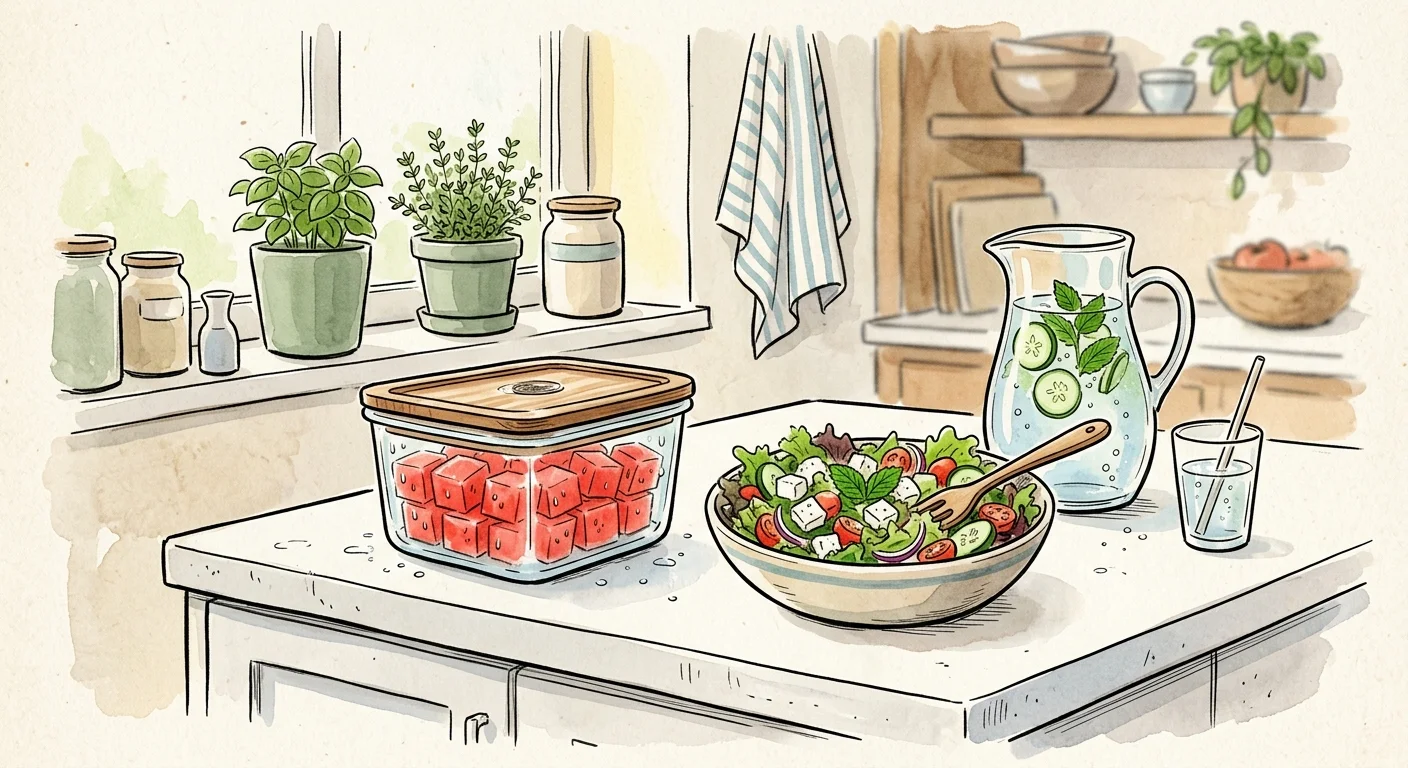
To fully capitalize on the lycopene content you secured by picking a ripe watermelon, you must consider nutrient bioavailability. Lycopene is a fat-soluble compound, meaning your digestive system requires the presence of dietary lipids to absorb it efficiently across the intestinal wall. You can dramatically boost your lycopene absorption by pairing your freshly cut watermelon with healthy fats. Consider tossing cubed watermelon with a drizzle of extra virgin olive oil, a sprinkle of feta cheese, and fresh mint leaves. You can consult professional dietary guidelines for more inventive ways to incorporate healthy fats into your fruit-based dishes.
Meal Planning and Reducing Waste
Purchasing a whole watermelon requires a strategic approach to meal planning to prevent food waste. You should break the fruit down immediately upon returning home. Store the dense, sweet heart of the fruit in airtight containers for straightforward snacking or morning smoothies. You can dice the less sweet edges to incorporate into refreshing salsas or gazpachos. Furthermore, you can stretch your grocery budget by utilizing the watermelon rind. Many cultural traditions across the Southern United States and parts of Asia involve pickling the peeled rind, transforming a common waste product into a tangy, crunchy, fiber-rich side dish.
Clinical Perspectives on Fresh Produce Selection
Registered dietitians and clinical nutritionists consistently emphasize the importance of sensory engagement when selecting fresh foods. By participating actively in the selection process, you strengthen your psychological connection to your meals. Clinicians note that individuals who invest time in learning how to pick high-quality produce generally consume larger volumes of fruits and vegetables overall. This proactive approach to grocery shopping directly combats the modern reliance on ultra-processed convenience foods. When you confidently select a fruit that tastes extraordinary, you naturally crave that whole-food experience again, creating a self-sustaining cycle of healthy dietary choices.
Safety Protocols and Dietary Personalization
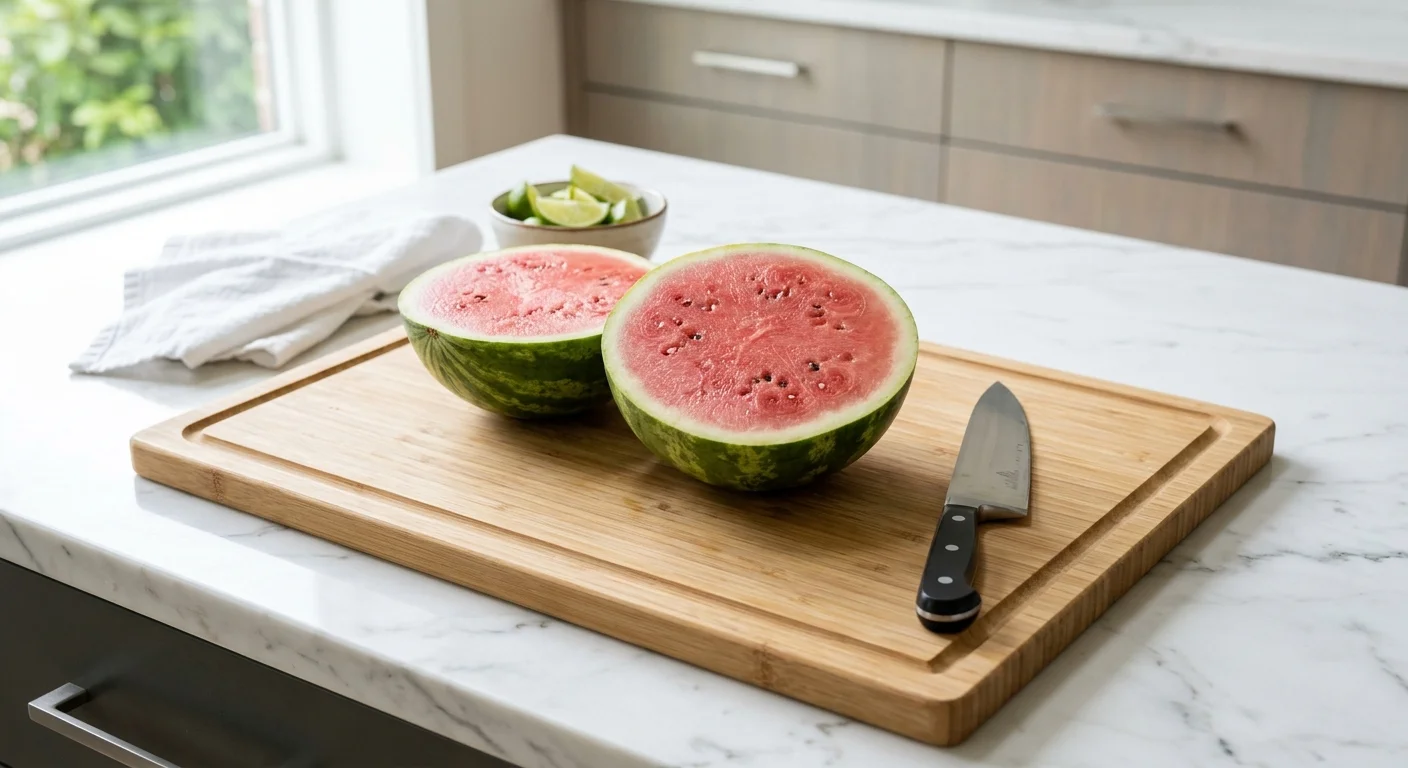
While fresh watermelon provides tremendous health benefits, you must observe critical food safety protocols during preparation. Because the fruit grows directly on the soil, the heavily textured rind harbors environmental bacteria, including potential pathogens like Salmonella or Listeria. When you slice through an unwashed rind, your knife drags these surface bacteria directly into the sterile flesh of the fruit. You must rigorously scrub the entire exterior of the watermelon under running water with a dedicated produce brush before making your first cut. For detailed methodologies regarding pathogen prevention, you can review federal food safety recommendations concerning raw produce management.
From a personalized nutrition standpoint, you should also consider your specific digestive parameters. Watermelon contains notable amounts of fructose, fructans, and polyols, placing it firmly in the high-FODMAP category. If you suffer from Irritable Bowel Syndrome or specific carbohydrate malabsorption issues, consuming large portions of watermelon may trigger uncomfortable bloating or gastrointestinal distress. Furthermore, individuals managing diabetes should monitor their portion sizes; while the glycemic load of a standard serving remains relatively low due to the high water content, eating massive quantities can still impact blood glucose management. Always consult your primary care physician or a registered dietitian to tailor these general recommendations to your unique metabolic profile.
Frequently Asked Questions About Watermelon Selection
Can a watermelon continue to ripen on my kitchen counter? No, watermelons are non-climacteric fruits. This botanical classification means they entirely cease the ripening process the moment they are severed from the vine. Unlike bananas or avocados, a watermelon will not develop deeper flavor, sweeter flesh, or a softer texture while sitting on your counter. It will only begin to degrade and spoil. Therefore, successfully identifying a fruit that fully ripened in the field remains absolutely crucial for a positive eating experience.
Does a dull rind indicate that the fruit is spoiling? Actually, a dull exterior serves as a highly desirable characteristic. Many consumers mistakenly gravitate toward shiny, polished watermelons, equating glossiness with freshness. In botanical reality, a glossy rind signifies that the fruit is immature and was harvested before completing its natural development. A matte, slightly dull finish proves the watermelon absorbed maximum sunlight and nutrients, successfully completing its growing cycle.
How long will a freshly cut watermelon remain safe to eat? Once you breach the protective rind, you drastically alter the fruit’s structural integrity and introduce oxygen to the flesh. You should store cut watermelon in an airtight glass or plastic container in your refrigerator. Under optimal chilling conditions, the fruit retains its crisp texture and remains safe for consumption for three to four days. If you notice the flesh becoming slimy, excessively soft, or developing a sour, fermented odor, you must discard it immediately to prevent foodborne illness.
Are seedless watermelons produced through genetic modification? Seedless watermelons do not originate from genetic modification in the laboratory sense. Instead, agricultural scientists created them decades ago through traditional cross-breeding techniques. By crossing a standard watermelon carrying two sets of chromosomes with a variant carrying four sets, they yield a sterile hybrid plant with three sets of chromosomes. This sterile plant produces fruit but cannot produce mature, hard black seeds. You can enjoy seedless varieties knowing they offer the exact same hydration and nutritional profile as their seeded counterparts.
Your Immediate Action Plan
Equipped with the biochemical reasoning and the practical sensory techniques to select superior produce, you now possess the tools to upgrade your nutritional intake effortlessly. Your challenge for the next twenty-four hours is simple: visit your local grocery store or farmer’s market and actively examine the watermelon display. Isolate one specific fruit, assess its heavy density, check for a creamy yellow field spot, and trace the brown pollination webbing. Bring that carefully chosen fruit home, wash the rind thoroughly, and slice into the guaranteed sweetness of a perfectly selected watermelon.