Protecting your cardiovascular system directly sustains your independence and vitality as you age. Cardiovascular disease accounts for nearly one-third of all global deaths, but modifying your daily diet dramatically lowers your risk profile. By strategically adding nutrient-dense whole foods to your meals, you fortify your blood vessels, reduce harmful inflammation, and manage blood pressure. You do not need restrictive diets or expensive supplements to safeguard your heart; you just need consistent, practical nutritional choices. This guide outlines exactly which everyday ingredients deliver the most potent cardioprotective benefits and shows you how to seamlessly integrate them into your routine to ensure your heart thrives through your senior years.
The Science Behind Aging and Cardiovascular Protection
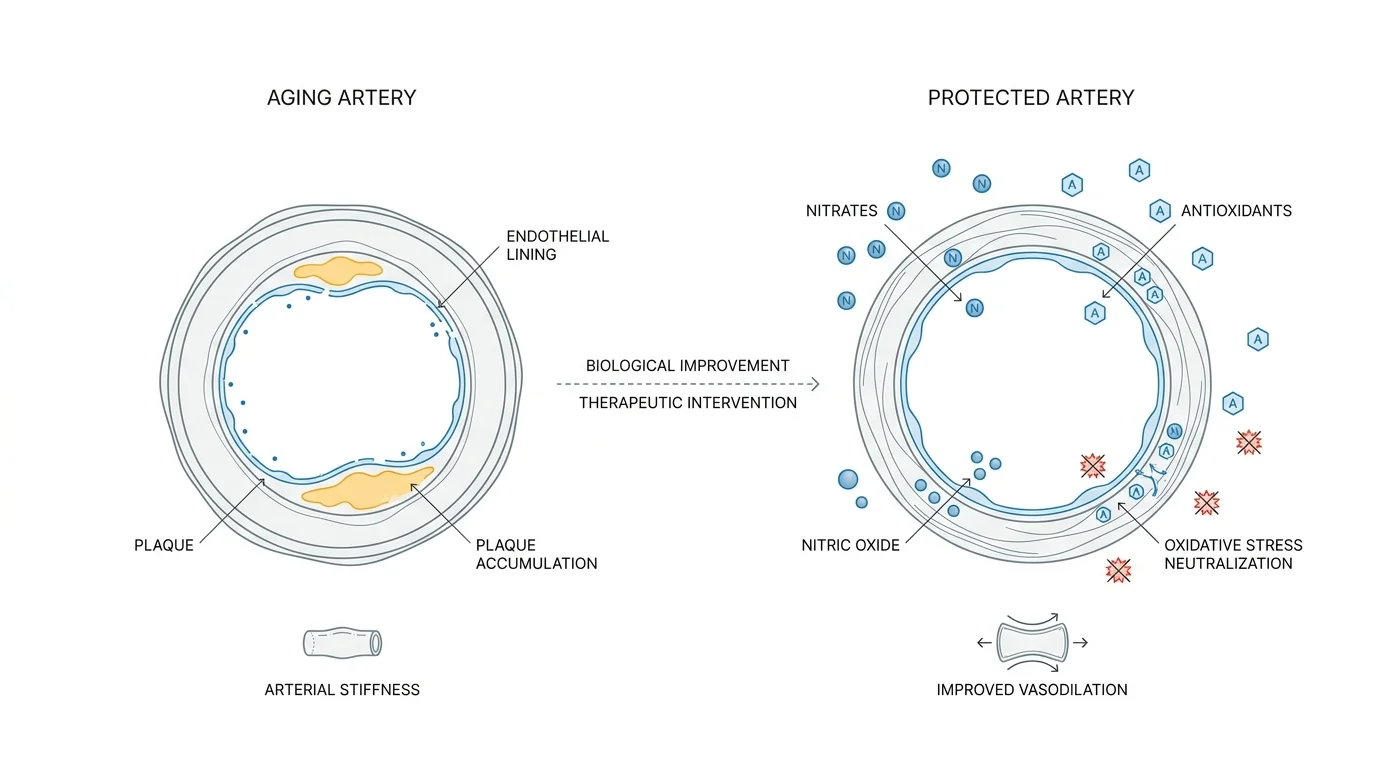
As you advance in age, your cardiovascular system experiences natural structural changes; your blood vessels lose some of their elasticity, and your arteries may narrow due to the gradual accumulation of plaque. This process, known as atherosclerosis, forces your heart to work harder to pump blood throughout your body. However, researchers continuously demonstrate that dietary choices directly influence the rate at which these changes occur. Certain nutrients act as powerful anti-inflammatory agents that soothe the endothelial lining of your blood vessels, while specific dietary fibers actively bind to cholesterol in your digestive tract and remove it from your body. A well-constructed diet mitigates arterial stiffness and supports healthy blood pressure levels. Furthermore, consuming an abundance of antioxidants neutralizes oxidative stress, which otherwise accelerates cardiovascular aging. By understanding these underlying mechanisms, you can appreciate why specific whole foods serve as a primary defense mechanism against heart disease.
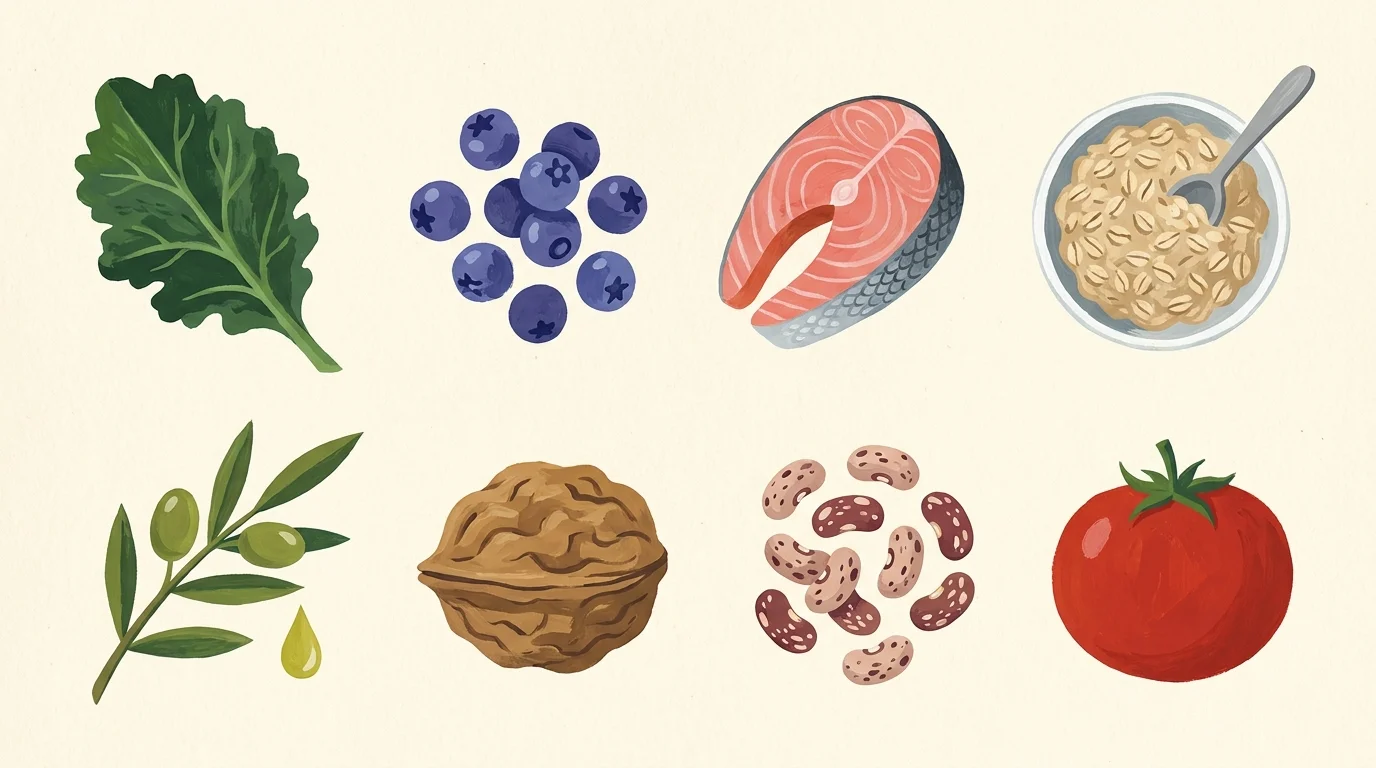
8 Foods That Protect Your Cardiovascular System
1. Dark Leafy Greens
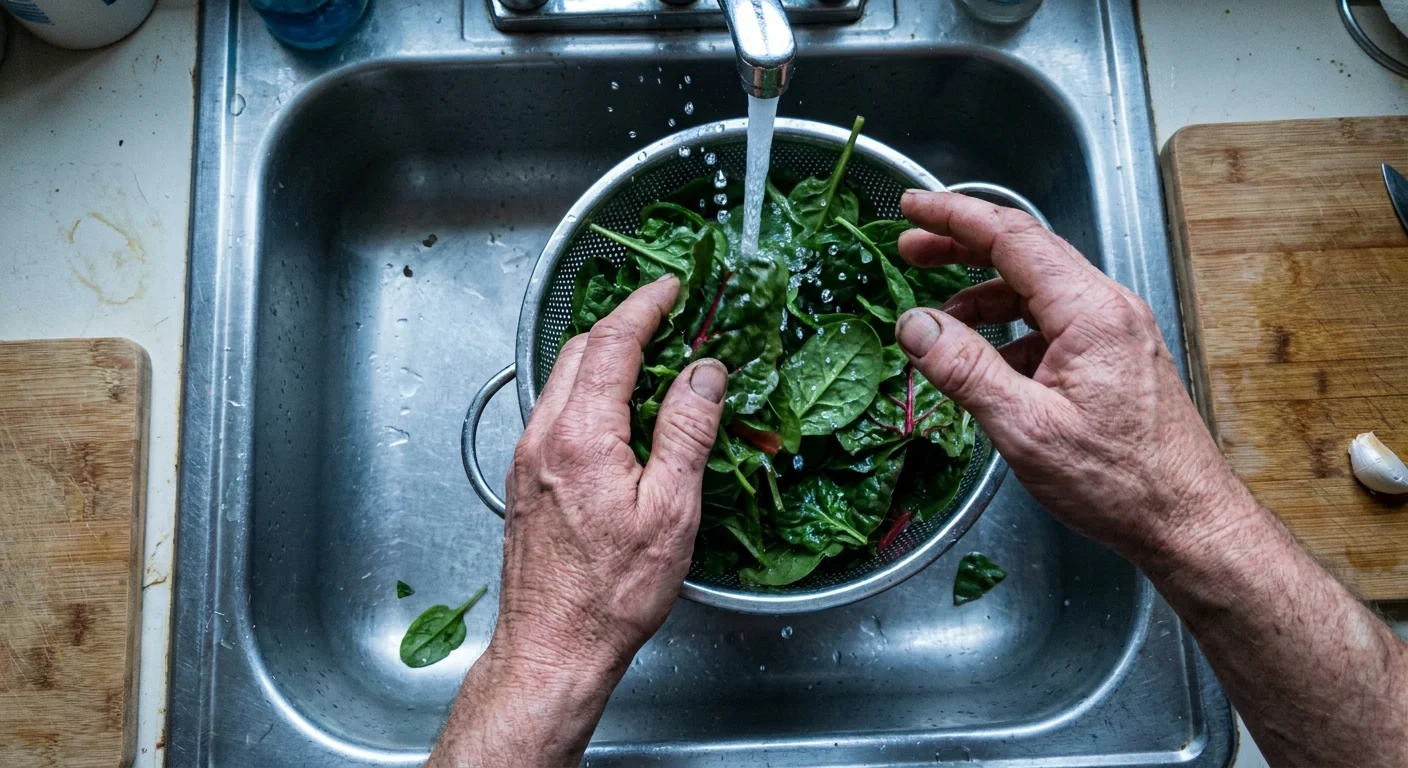
Spinach, kale, Swiss chard, and collard greens offer a wealth of vitamins, minerals, and antioxidants. These vegetables serve as excellent sources of dietary nitrates. Your body converts these nitrates into nitric oxide, a crucial molecule that signals your blood vessels to relax and dilate. This vasodilation directly lowers blood pressure and improves overall arterial function. You can easily incorporate dark greens into your morning smoothie, sauté them gently in garlic and olive oil, or fold them into a hearty bean soup. For a budget-friendly option, consider purchasing frozen spinach or kale; the freezing process preserves the vital nutrients while providing a longer shelf life.
2. Berries
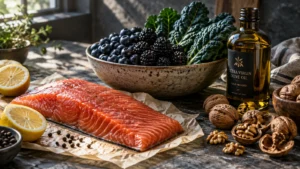
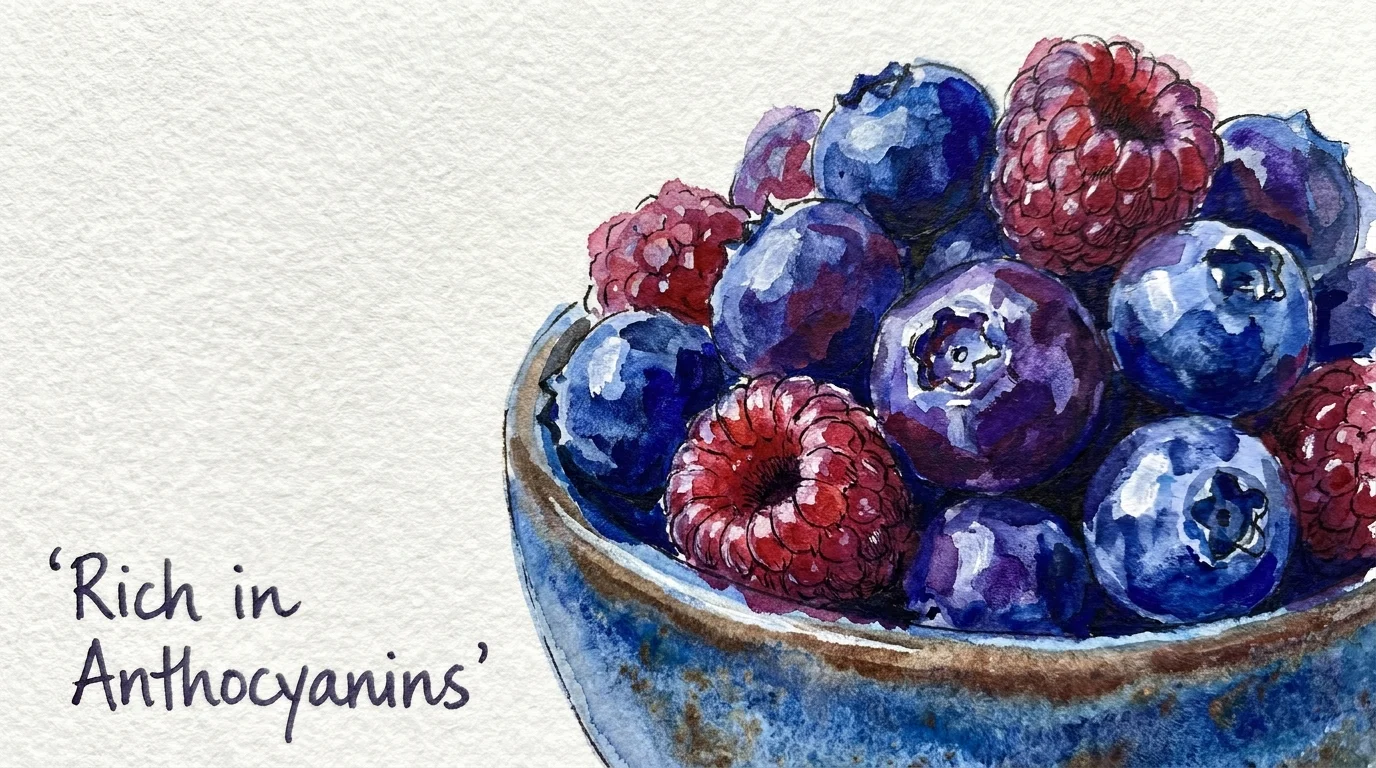
Strawberries, blueberries, blackberries, and raspberries pack an exceptional concentration of anthocyanins—the potent antioxidants responsible for their vibrant colors. Research published by the National Institutes of Health indicates that regular consumption of anthocyanin-rich foods significantly reduces the risk of heart attacks and improves circulation. These antioxidants actively reduce oxidative stress and lower inflammation within your cardiovascular system. If fresh berries stretch your grocery budget or are out of season, frozen berries deliver the exact same cardiovascular benefits. You can stir a handful of thawed berries into your morning oatmeal, blend them into a yogurt parfait, or simmer them into a simple fruit compote.
3. Fatty Fish
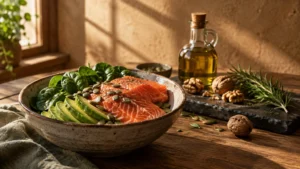
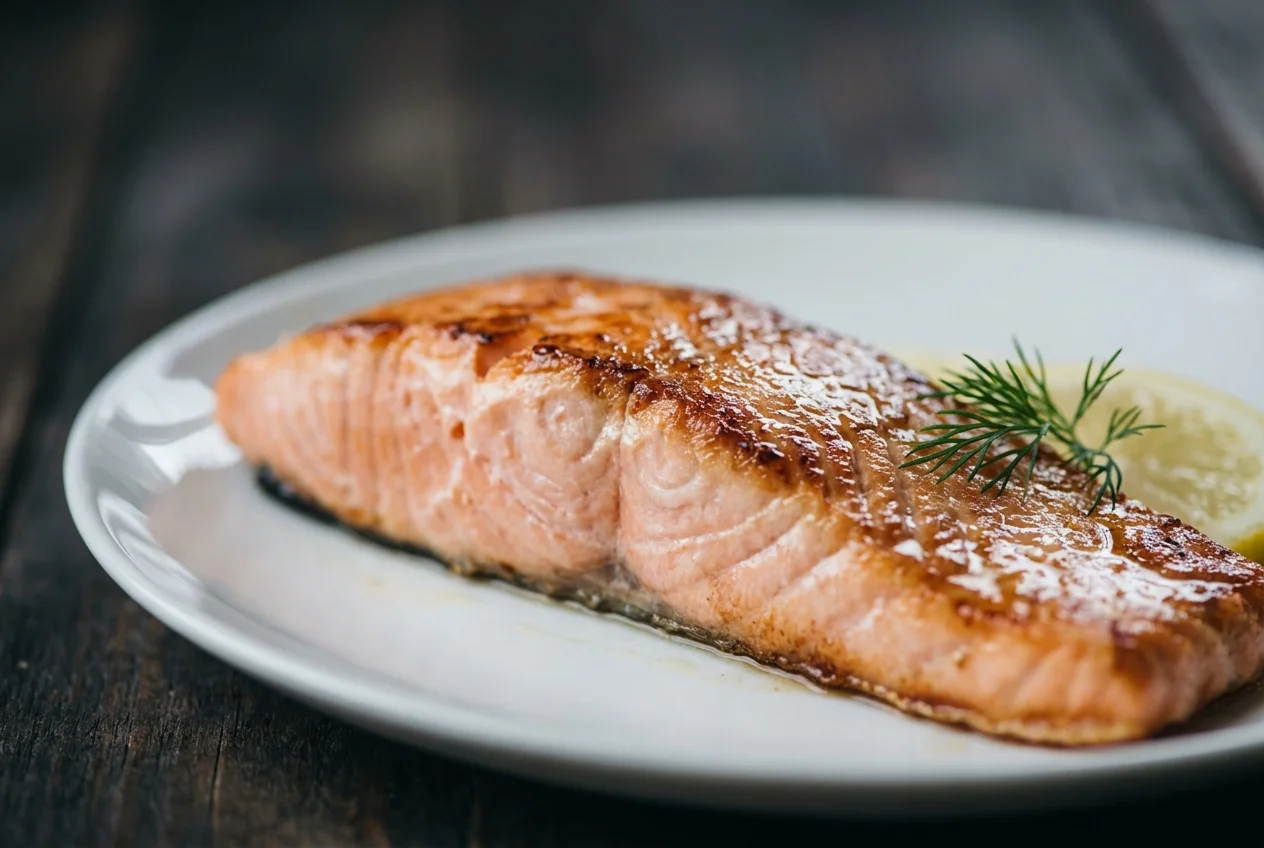
Salmon, mackerel, sardines, and trout provide abundant amounts of eicosapentaenoic acid and docosahexaenoic acid, commonly known as omega-3 fatty acids. These healthy fats play a critical role in reducing blood triglyceride levels, preventing erratic heart rhythms, and slowing the growth of atherosclerotic plaques. Health professionals generally recommend consuming at least two servings of fatty fish per week. If fresh fish feels too expensive, canned salmon and sardines offer highly affordable, shelf-stable alternatives that retain all essential omega-3s. You can mix canned salmon with a dollop of Greek yogurt for a nutritious sandwich filling or toss sardines into a vibrant Mediterranean pasta dish.
4. Whole Oats
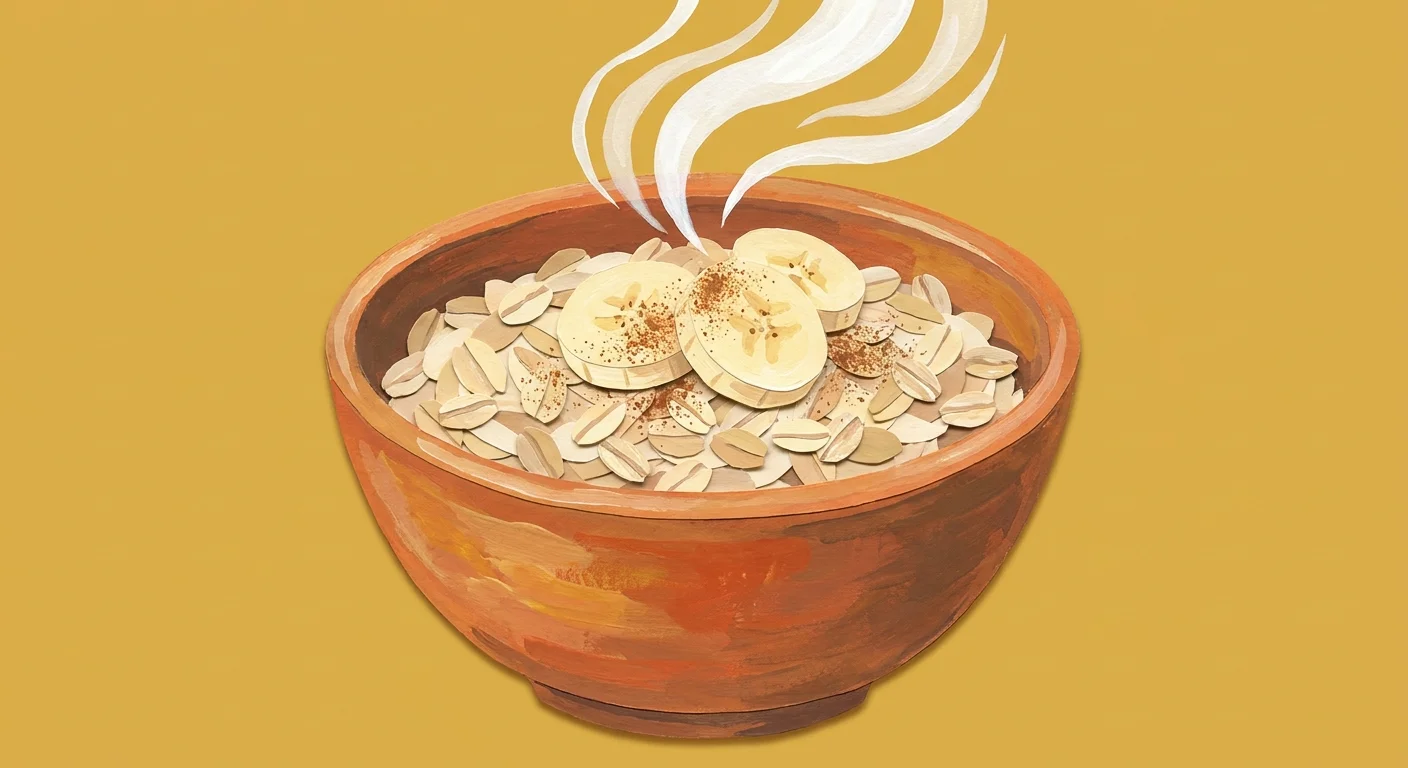
Oats contain a unique type of soluble fiber called beta-glucan, which acts as a powerful cholesterol-lowering agent. As beta-glucan travels through your digestive tract, it forms a gel-like substance that binds to cholesterol-rich bile acids and carries them out of your body as waste. Your liver then pulls cholesterol from your bloodstream to produce more bile, effectively lowering overall circulating cholesterol levels. Enjoy a warm bowl of steel-cut oats topped with sliced almonds and cinnamon, or prepare overnight oats with milk and chia seeds for a convenient, heart-healthy breakfast that requires zero morning prep time.
5. Extra Virgin Olive Oil
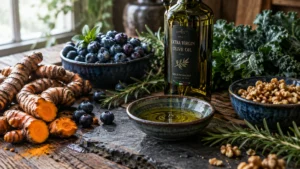
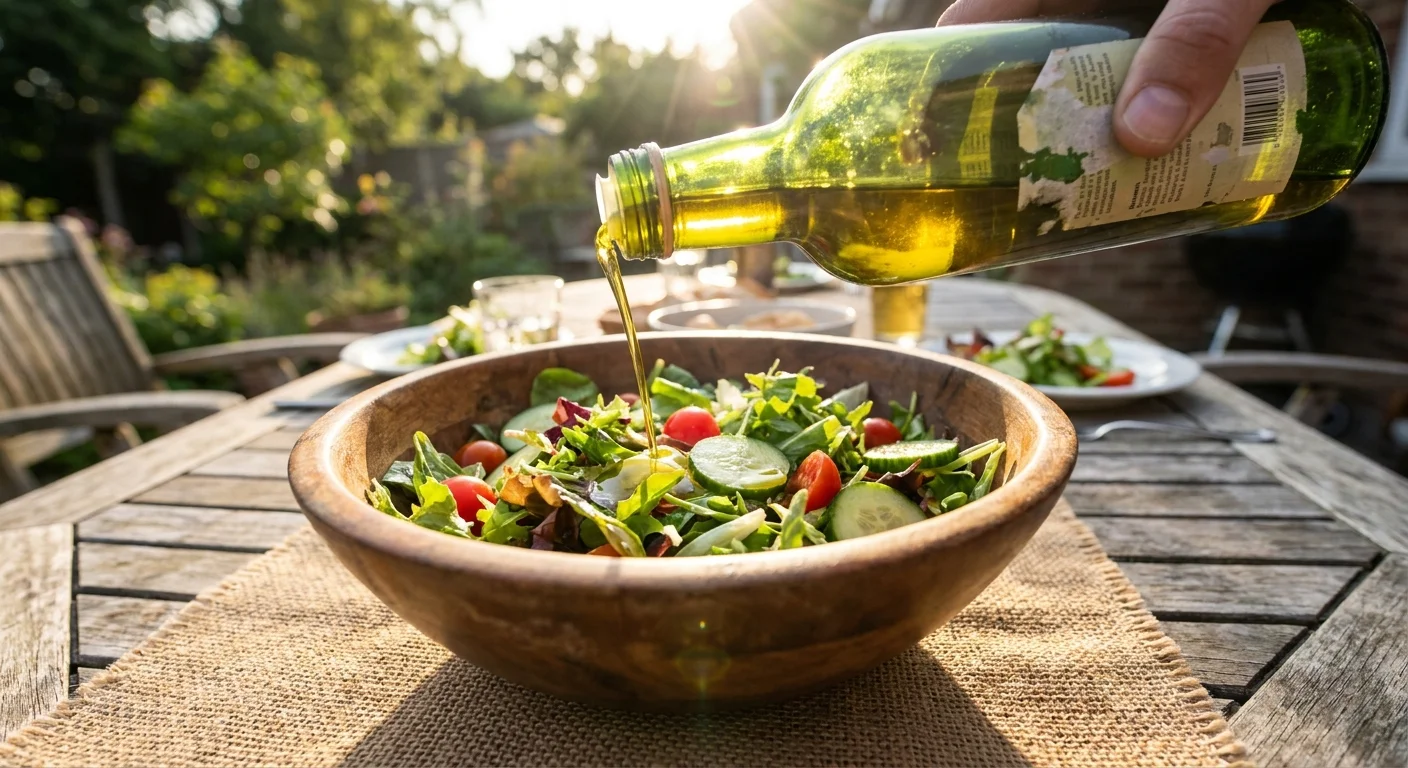
As a cornerstone of the Mediterranean diet, extra virgin olive oil delivers a massive dose of monounsaturated fats and disease-fighting polyphenols. Substituting saturated animal fats—like butter or lard—with olive oil directly improves your cholesterol profile and reduces vascular inflammation. The polyphenols found in high-quality olive oil also protect your low-density lipoprotein particles from oxidative damage, a crucial step in preventing plaque formation. You can use extra virgin olive oil as a base for homemade salad dressings, drizzle it over roasted root vegetables, or use it to lightly coat baked fish. Store your oil in a cool, dark place to preserve its delicate nutrients.
6. Walnuts
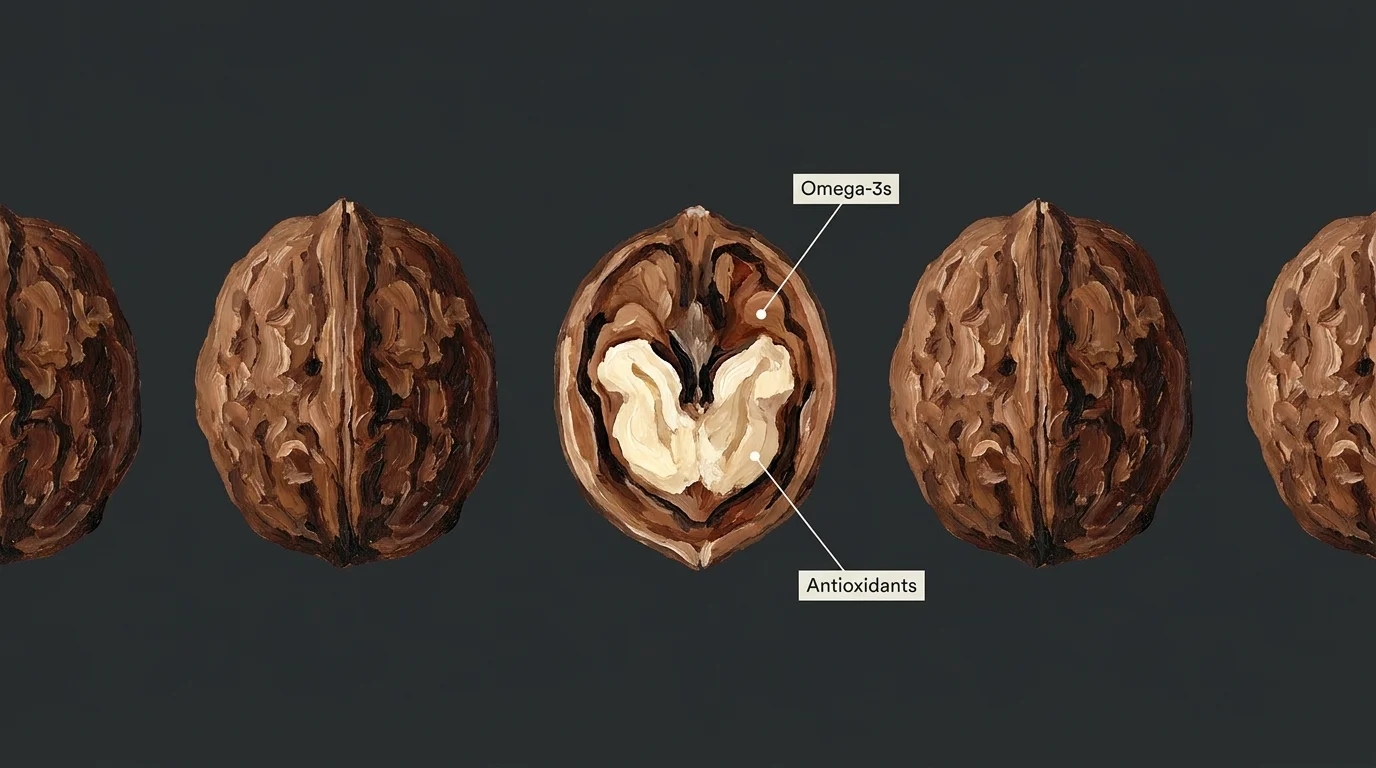
While all nuts provide excellent cardiovascular benefits, walnuts stand out because they contain alpha-linolenic acid, the plant-based precursor to omega-3 fatty acids. Walnuts also offer magnesium, copper, and manganese, all of which support healthy heart rhythms and blood pressure regulation. Eating a small handful of walnuts daily improves the elasticity of your blood vessels and reduces systemic inflammation. Because nuts are calorie-dense, you only need about a quarter cup to reap the rewards. You can chop walnuts and sprinkle them over a fresh green salad, blend them into a vibrant basil pesto, or simply enjoy them alongside a crisp apple.
7. Beans and Legumes
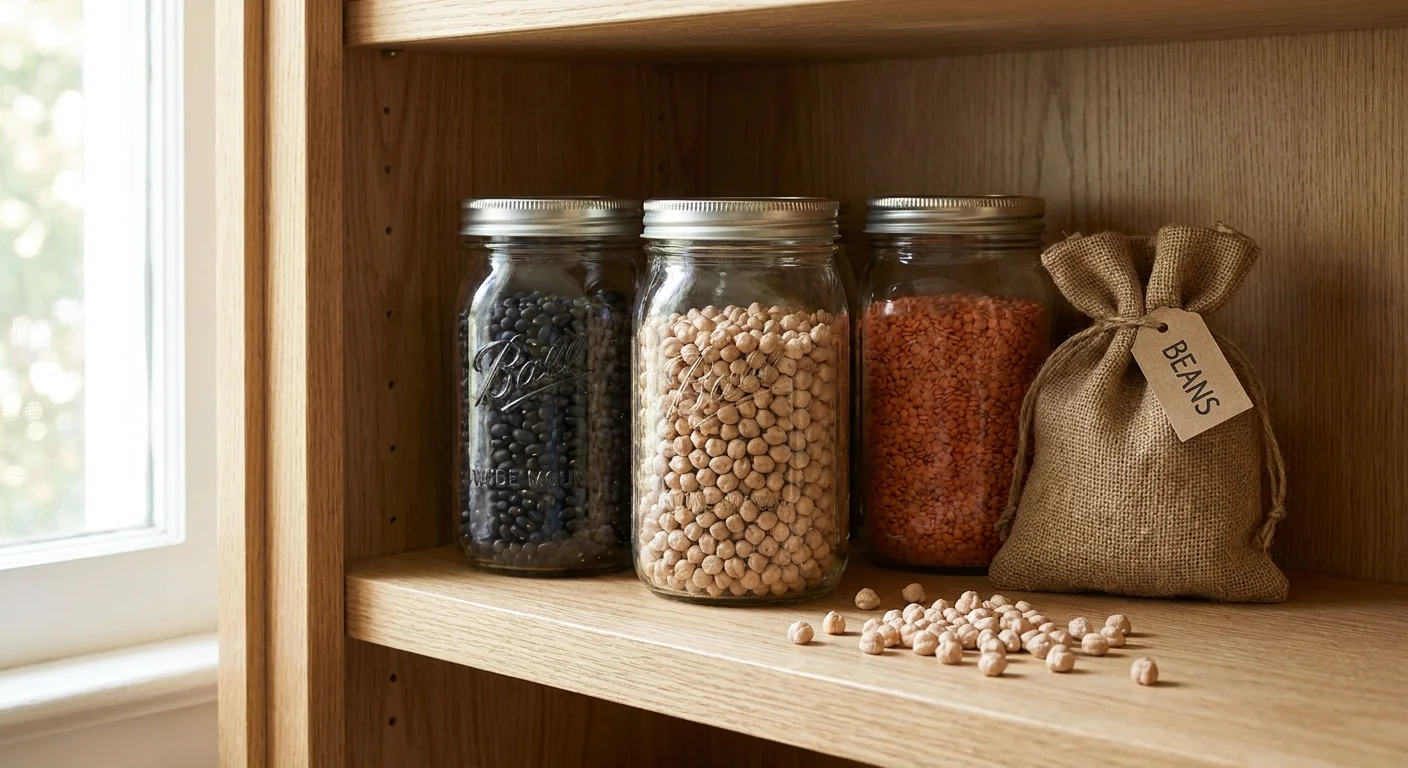
Lentils, chickpeas, black beans, and kidney beans provide an exceptional combination of plant-based protein, complex carbohydrates, and soluble fiber. Regular consumption of legumes significantly lowers total cholesterol, reduces blood pressure, and decreases the inflammatory markers associated with heart disease. Furthermore, beans are incredibly inexpensive and feature prominently in diverse cultural cuisines around the world. You can transform canned black beans into a robust vegetarian chili, puree chickpeas with tahini to create creamy hummus, or toss lentils into a chopped salad. When utilizing canned beans, be sure to rinse them thoroughly under cold running water to wash away excess sodium.
8. Tomatoes
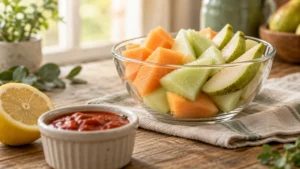
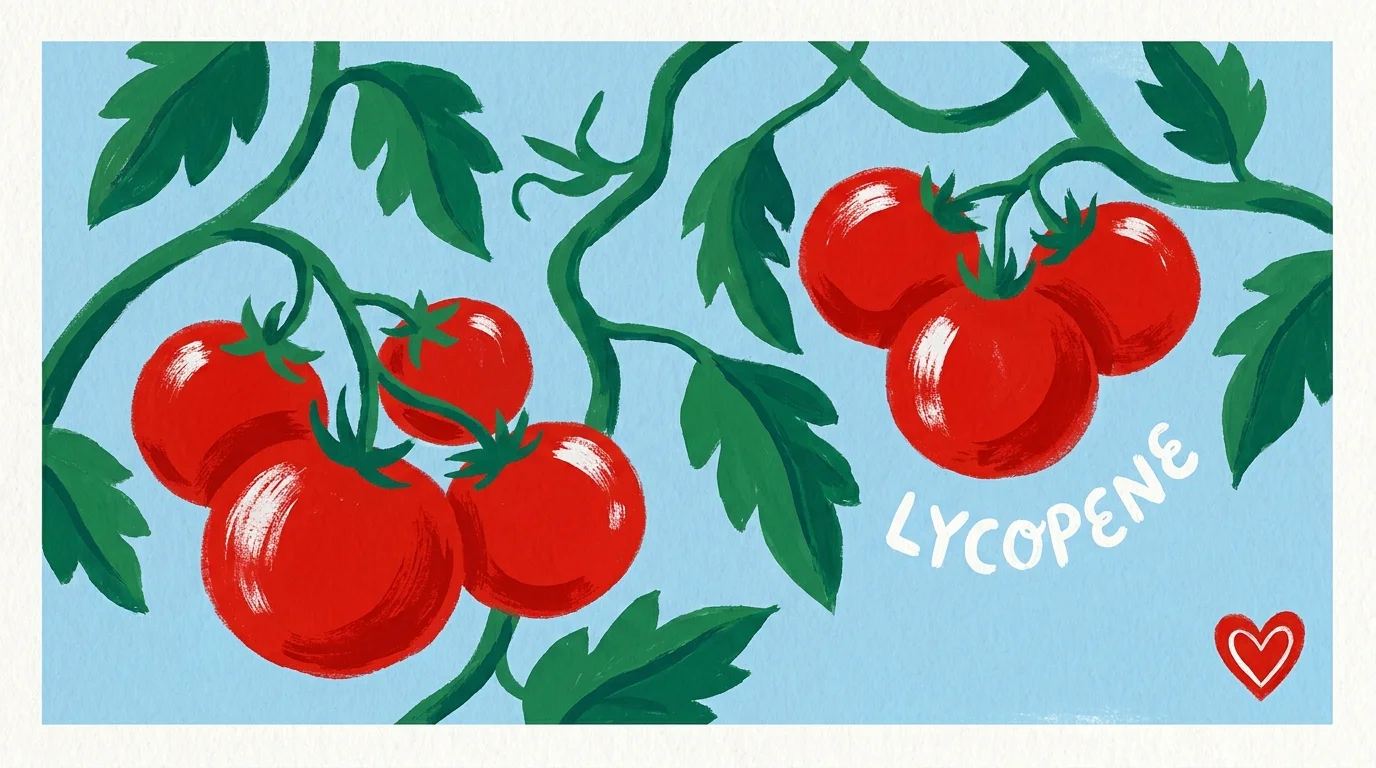
Tomatoes derive their rich red hue from lycopene, a powerful plant pigment with profound cardiovascular benefits. Lycopene neutralizes harmful free radicals and helps prevent the oxidation of cholesterol in your bloodstream. Your body absorbs lycopene much more efficiently when you consume cooked tomatoes rather than raw ones. Cooking breaks down the plant cell walls, releasing the nutrient for optimal absorption. Adding a small amount of healthy fat, such as olive oil, further enhances this absorption process. You can simmer crushed tomatoes with garlic and herbs for a hearty pasta sauce, or enjoy a warm bowl of low-sodium tomato soup on a chilly afternoon.
Translating Science into Daily Action

Strategic Approaches to Heart-Healthy Meal Planning
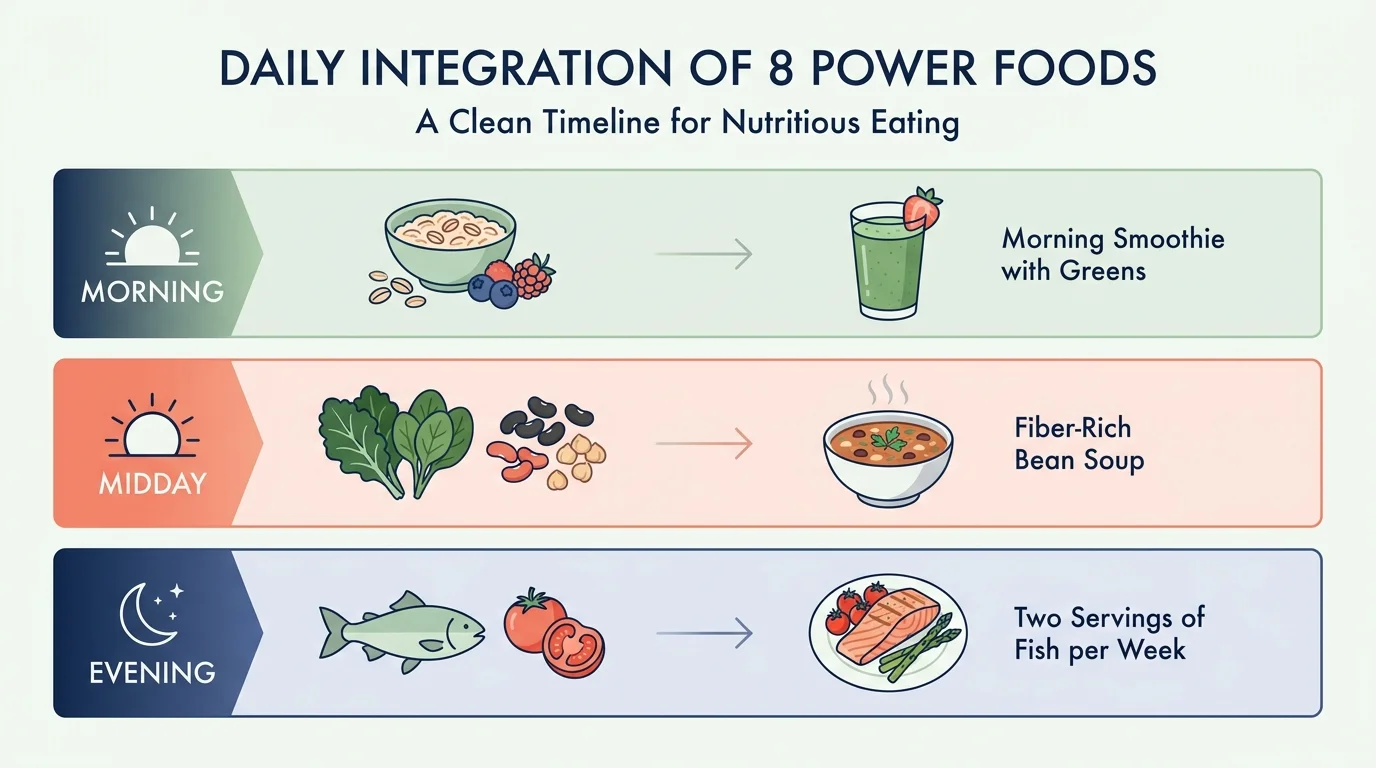
Transforming your cardiovascular health requires a structured approach to integrating these powerful foods into your daily routine. Effective meal planning eliminates the stress of last-minute food decisions, which frequently leads to heavily processed choices. Begin by mapping out your dinners for the upcoming week, ensuring that at least two meals feature a fatty fish and three meals utilize beans or legumes as the primary protein source. Once you establish your dinner menu, plan to repurpose your leftovers for quick, nutrient-dense lunches. When you visit the grocery store, focus the majority of your time and budget on the outer perimeter, where fresh produce, lean proteins, and dairy reside. Do not ignore the inner aisles entirely; this is where you will find affordable staples like dried lentils, whole oats, and canned fish. To make meal preparation less physically demanding, utilize pre-cut vegetables, opt for frozen fruits, and invest in a slow cooker to tenderize tough ingredients with minimal effort.
Building Sustainable Nutritional Habits
Adopting a new dietary pattern often feels overwhelming if you attempt to change everything overnight. Instead, focus on building sustainable habits through small, incremental adjustments. Start by setting a goal to add one heart-healthy food to a meal you already enjoy. If you typically eat cold cereal for breakfast, try tossing in a handful of walnuts or a scoop of blueberries. If you enjoy a daily turkey sandwich, swap the mayonnaise for creamy avocado or hummus. Once these small additions feel completely natural, you can tackle larger adjustments, such as replacing refined grains with whole grains or participating in meatless Mondays. Hydration also plays a vital role in habit formation; your heart pumps blood more effortlessly when your body is properly hydrated. Remember that consistency always trumps perfection; maintaining an overarching dietary pattern focused on cardiovascular protection matters far more than occasional indulgences.

Insights from Experts and Community Members
Clinical dietitians and cardiologists overwhelmingly agree that whole-food nutrition acts as foundational medicine for aging hearts. The Centers for Disease Control and Prevention consistently emphasizes that lifestyle modifications, particularly dietary improvements, prevent the vast majority of premature cardiovascular events. Many senior community members echo this sentiment, noting profound improvements in their daily energy levels and stamina after adopting a heart-focused diet. For example, local walking group participants frequently share how swapping heavy, processed breakfasts for oatmeal and fruit eliminates their mid-morning fatigue and allows them to maintain a more active lifestyle. Nutrition experts stress the importance of looking at your diet as a lifelong tool rather than a temporary fix. By framing these nutritional changes as an investment in your independence and longevity, you are far more likely to maintain them over the long haul.
Safety Considerations and Personalized Care
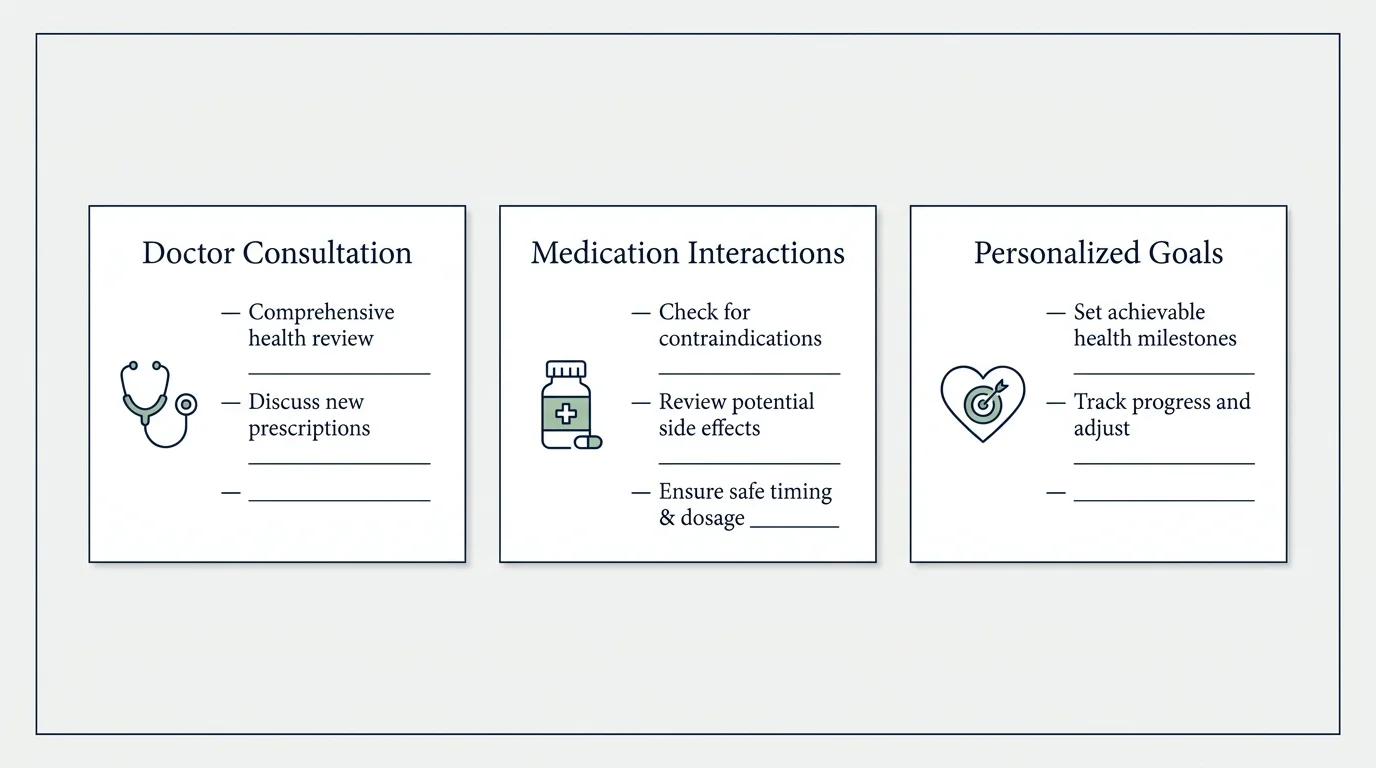
While these eight foods deliver remarkable benefits, you must consider your unique medical background and current medication regimen before making drastic dietary changes. For instance, dark leafy greens contain high amounts of vitamin K, a nutrient that promotes blood clotting. If you currently take blood-thinning medications like warfarin, you do not necessarily need to avoid greens, but you must maintain a consistent daily intake so your physician can accurately calibrate your medication dosage. Similarly, if you manage chronic kidney disease, you might need to monitor your potassium and phosphorus intake, which could require you to limit foods like tomatoes, beans, and certain nuts. Always read food labels carefully, paying special attention to hidden sodium in canned goods, sauces, and packaged breads, as excessive sodium directly elevates blood pressure. Before initiating any major dietary overhaul, consult with your primary care physician or a registered dietitian to design a customized eating plan.
Frequently Asked Questions
Can I improve my heart health if I have eaten poorly most of my life?
Yes, absolutely. Research demonstrates that your blood vessels possess an incredible capacity for healing. Even if you adopt a heart-healthy diet later in life, you can significantly reduce systemic inflammation, lower your blood pressure, and decrease your risk of experiencing a major cardiovascular event.
Are eggs safe for senior cardiovascular health?
Current nutritional science indicates that moderate egg consumption—up to one whole egg per day—does not increase cardiovascular disease risk for most healthy older adults. The dietary cholesterol found in eggs has a much smaller impact on your blood cholesterol levels than saturated animal fats do. If you have a history of severe hyperlipidemia, discuss your daily egg consumption with your doctor.
Is it necessary to drink red wine for heart protection?
No. While antioxidants in red wine, such as resveratrol, offer some minor cardiovascular benefits, you can obtain these exact same compounds from fresh grapes, berries, and peanuts without the risks associated with alcohol consumption. The Academy of Nutrition and Dietetics strongly advises against starting to drink alcohol solely for potential heart benefits.
How long does it take to see changes in my cholesterol or blood pressure?
When you consistently implement a diet rich in soluble fiber, healthy fats, and antioxidants, you may see measurable improvements in your blood pressure within just a few weeks. Significant shifts in your lipid profile, such as meaningful reductions in total cholesterol, typically become evident in laboratory blood work after three to six months of sustained dietary modifications.
Your Next Step Toward Heart Health
Taking control of your cardiovascular wellness does not require an immediate, exhausting overhaul of your entire kitchen. The most profound transformations originate from simple, deliberate choices repeated day after day. You hold the power to nourish your heart, protect your arteries, and maintain the vibrant energy necessary to enjoy your senior years to the fullest. According to the American Heart Association, every single positive food choice tips the scales in favor of your longevity. Choose just one of the eight foods discussed today and find a delicious, practical way to include it in your next meal. Whether you sprinkle some walnuts over your afternoon salad or prepare a warm bowl of oatmeal tomorrow morning, you are taking a crucial, proactive step toward lasting vitality.