
Taking control of your gut health starts by identifying the exact dietary triggers causing your daily discomfort. Rather than accepting persistent bloating and unpredictable bowel habits as a normal part of life, you can pinpoint specific items in your pantry that disrupt your digestive tract.
Millions of adults currently live with functional gastrointestinal disorders, often unaware that common staples are fueling their symptoms. By evaluating your intake of certain fermentable carbohydrates, artificial additives, and heavy fats, you empower yourself to make targeted dietary swaps.
This approach relieves immediate digestive strain while supporting your long-term microbiome diversity, allowing you to eat confidently without fearing an uncomfortable aftermath.
The Science Snapshot: How Diet Impacts Digestion
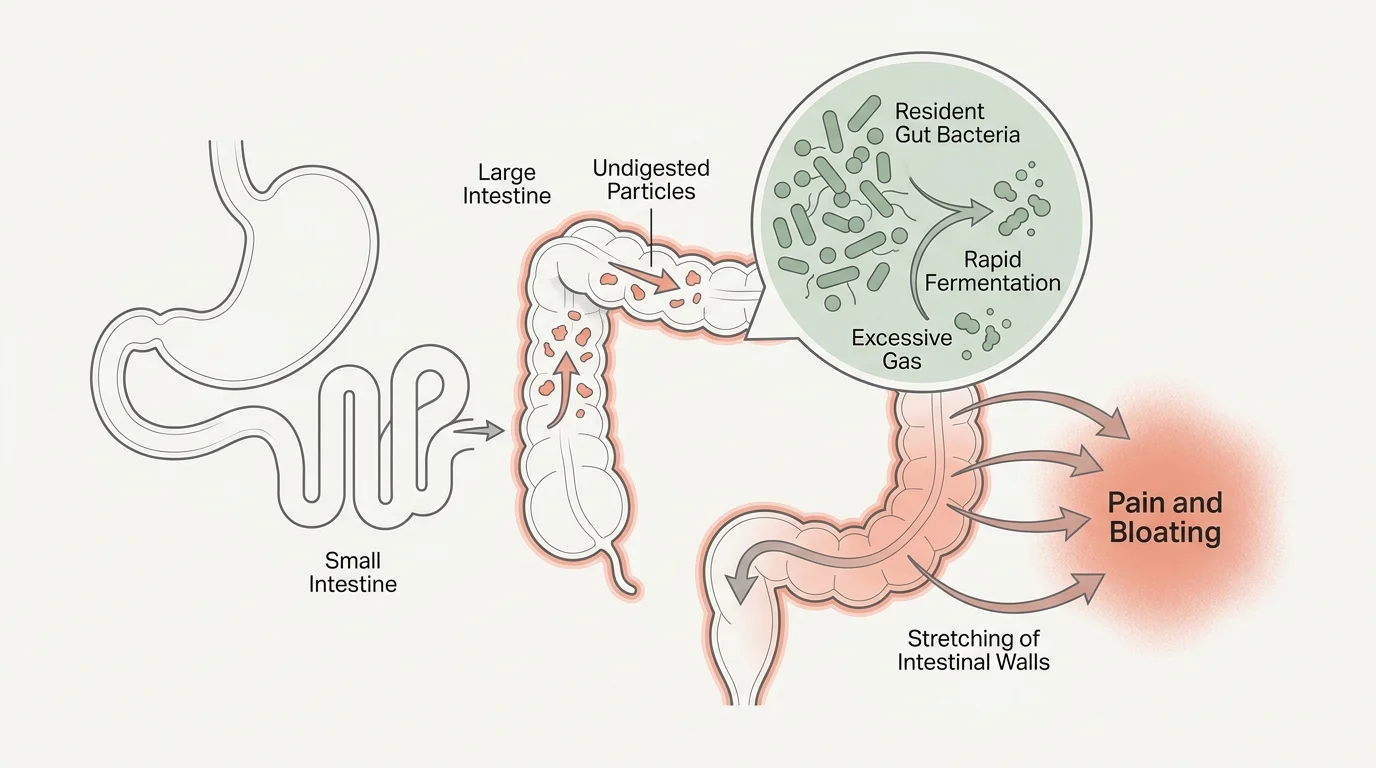
The human gastrointestinal tract operates as a highly complex ecosystem—one that relies on a delicate balance of enzymes, bacteria, and muscular contractions to break down your meals. When you consume foods that your body struggles to process, a cascade of physiological responses occurs.
Undigested particles travel into the large intestine where your resident gut bacteria rapidly ferment them. This rapid fermentation produces excessive gas, which stretches the intestinal walls and triggers bloating, cramping, and pain.
Furthermore, certain food components directly alter gastric emptying; heavy fats delay the movement of food out of the stomach, while osmotic sugars draw excess water into the bowel.
Chronic consumption of harsh dietary triggers can eventually compromise the integrity of your intestinal lining and alter the composition of your microbiome.
Understanding these mechanisms helps you recognize that digestive distress is not a personal failure, but rather a predictable physiological reaction to specific biochemical compounds found in everyday meals.
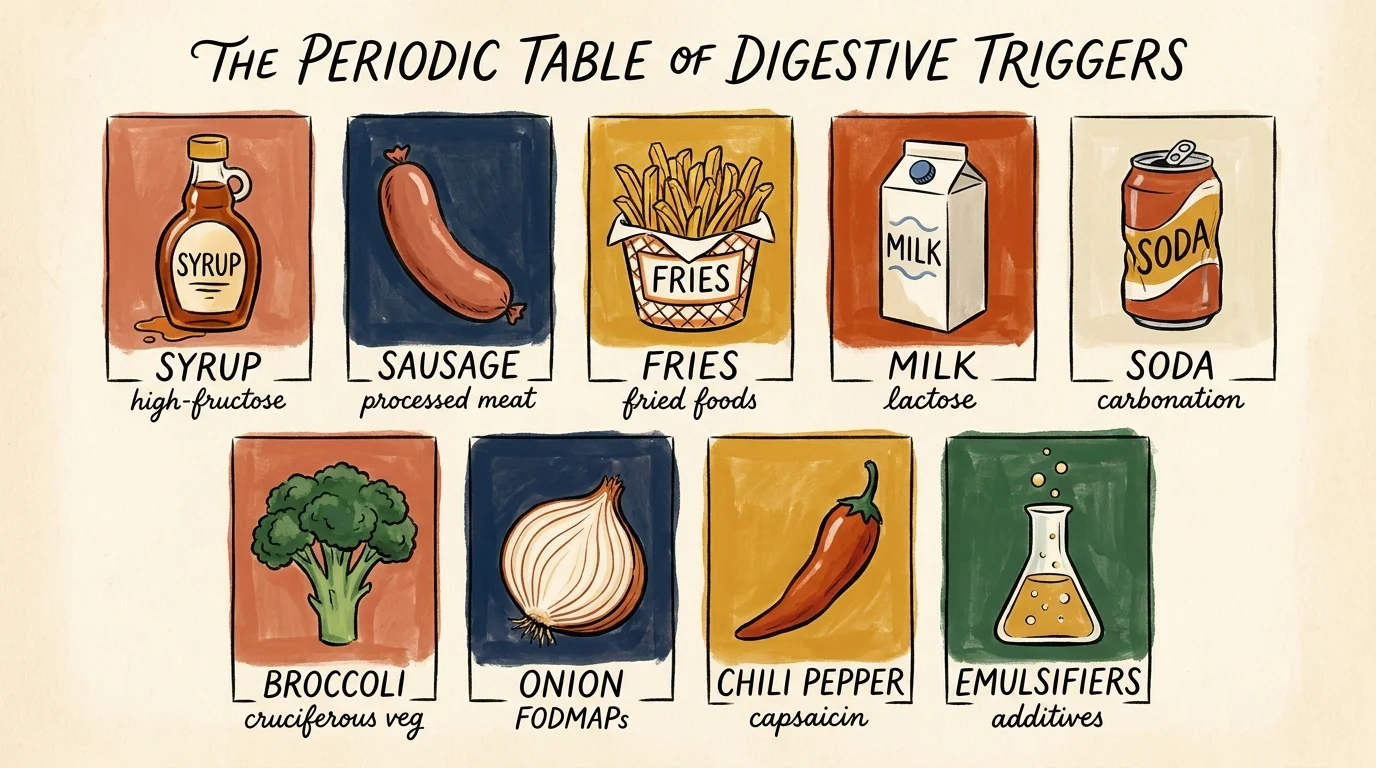
10 Foods That Often Trigger Digestive Distress
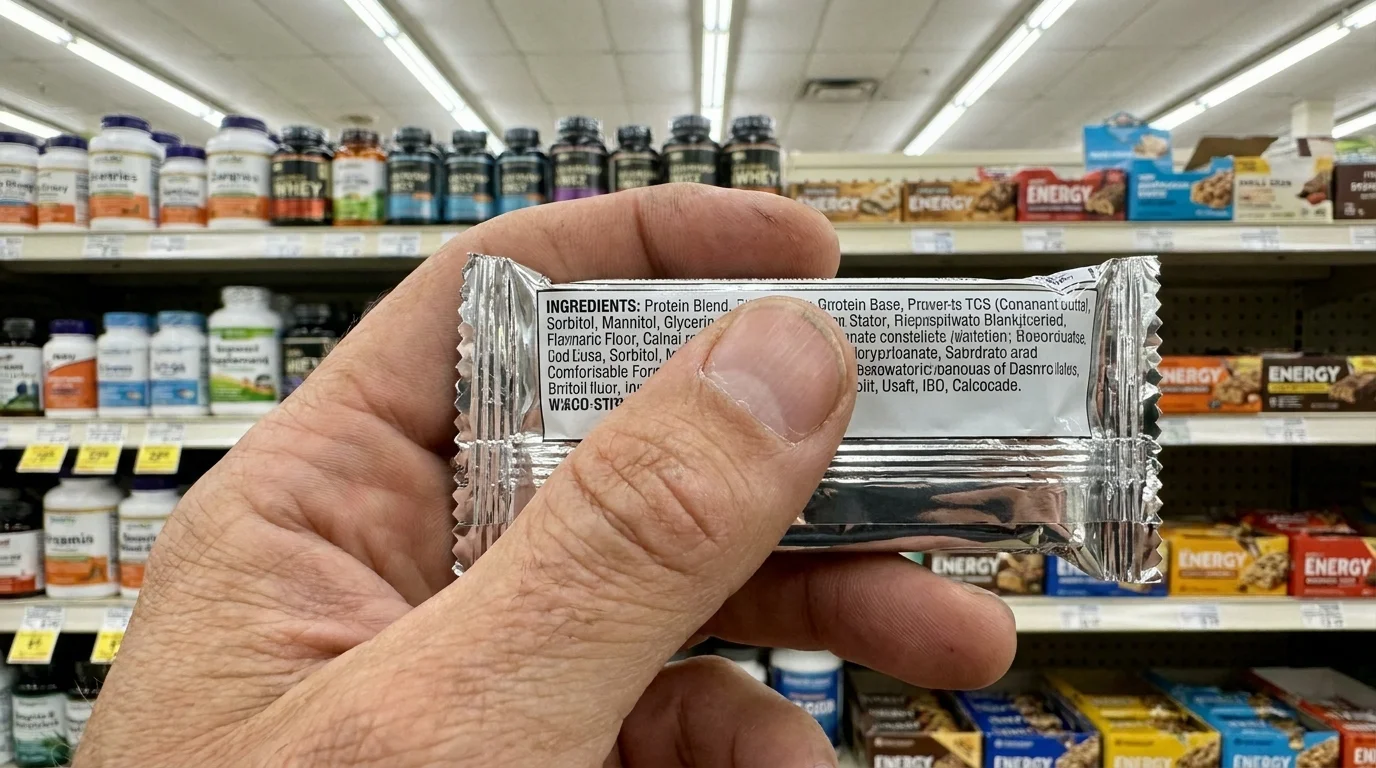
1. Sugar Alcohols
Manufacturers frequently use sugar alcohols like sorbitol, mannitol, and xylitol to sweeten sugar-free candies, protein bars, and chewing gum. Your digestive system lacks the specific enzymes required to fully absorb these compounds in the small intestine.
Consequently, they pass into your colon intact, where they exert an osmotic effect—drawing substantial amounts of water into the bowel.
This mechanism frequently results in severe bloating, sudden gas, and osmotic diarrhea, particularly when you consume these sweeteners in large quantities on an empty stomach.

2. Ultra-Processed Meats
Bacon, sausage, hot dogs, and deli meats contain high concentrations of saturated fats, sodium, and chemical preservatives like nitrates. The dense lipid profile of ultra-processed meats requires extensive time and energy to digest, significantly delaying gastric emptying.
As these heavy proteins sit in your stomach, they increase the likelihood of acid reflux and upper gastrointestinal discomfort. Moreover, the chemical preservatives used for shelf stability can negatively alter your beneficial gut bacteria over time.

3. Deep-Fried Foods
Foods submerged in boiling oil absorb massive amounts of dietary fat, which dramatically slows down your entire digestive process. When you eat fried chicken, French fries, or heavily breaded appetizers, your stomach must produce excess acid to handle the immense lipid load.
This process frequently relaxes the lower esophageal sphincter—the muscular valve keeping stomach contents contained—allowing corrosive acid to splash back up into your esophagus and causing painful heartburn.

4. Dairy Products with Lactose
Milk, ice cream, and soft cheeses contain lactose, a natural sugar that requires the enzyme lactase for proper breakdown. Many adults naturally lose their ability to produce sufficient lactase as they age.
When you consume dairy without this crucial enzyme, the undigested lactose ferments rapidly in your lower digestive tract. Current research on lactose intolerance demonstrates that this fermentation produces significant amounts of hydrogen and methane gas, leading to severe distension and cramping shortly after dairy consumption.

5. Carbonated Beverages
Sparkling water, sodas, and carbonated energy drinks infuse your digestive tract with pressurized carbon dioxide gas. While a cold bubbly beverage might feel refreshing, you are physically swallowing excessive air that must eventually find a way out of your body.
The trapped gas inflates your stomach like a balloon, causing upper abdominal pressure, excessive belching, and painful bloating. Sweetened carbonated beverages compound this issue by introducing large amounts of refined sugars to your gut flora.

6. High-Fructose Corn Syrup
This inexpensive liquid sweetener dominates the processed food industry, appearing in everything from salad dressings to fruit juices. Fructose malabsorption occurs when your digestive tract cannot efficiently process high concentrations of free fructose.
The unabsorbed sugars travel straight to your colon, feeding gas-producing bacteria. Tracking data on added sugar consumption highlights how frequently hidden fructose infiltrates the modern diet, contributing heavily to widespread functional bowel complaints and unexplained digestive distress.
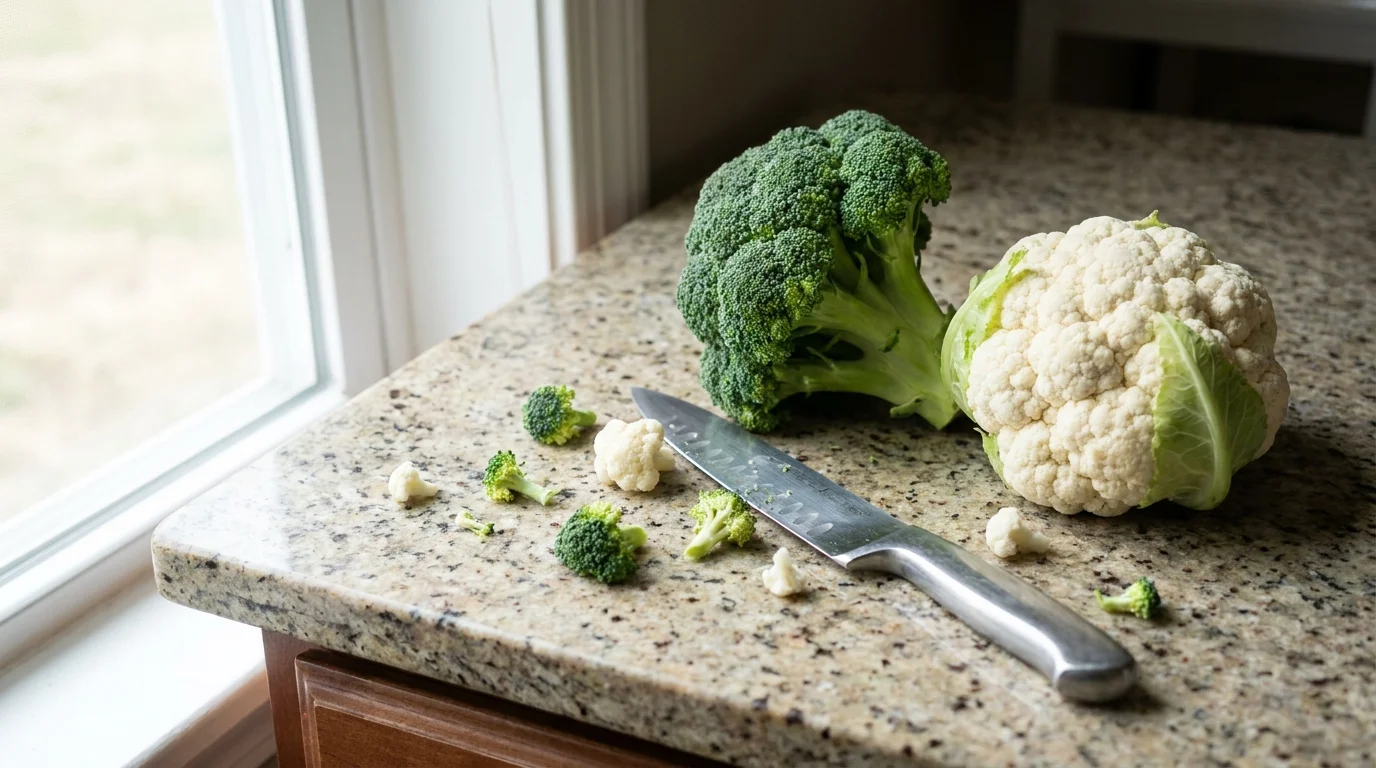
7. Raw Cruciferous Vegetables
Broccoli, cauliflower, Brussels sprouts, and kale offer incredible nutritional benefits, yet they harbor a complex carbohydrate called raffinose. Because human beings do not produce the enzyme alpha-galactosidase needed to break down raffinose, these rigid plant fibers arrive in your colon completely undigested.
Your gut bacteria must work overtime to ferment these fibers, generating substantial sulfurous gas in the process. Eating large quantities of raw cruciferous vegetables frequently overloads a sensitive digestive system.

8. Alliums Including Onions and Garlic
Onions and garlic serve as the flavor foundation for countless global cuisines, but they pack a dense concentration of fructans. Fructans are highly fermentable oligosaccharides that many people struggle to absorb.
Even minor amounts of garlic powder or onion extract hidden in packaged broths can trigger aggressive bloating and altered bowel habits for individuals with sensitive guts. The rapid fermentation of fructans creates immediate, expanding pressure in the lower intestines.

9. Spicy Foods Containing Capsaicin
Chili peppers, hot sauces, and fiery curries derive their heat from an active compound called capsaicin. While capsaicin boosts metabolism, it acts as a direct chemical irritant to the mucous membranes lining your stomach and intestines.
This intense irritation can dramatically accelerate your digestive transit time, causing urgent bowel movements and burning sensations. For individuals prone to acid reflux, spicy foods also stimulate excessive gastric acid production, amplifying heartburn symptoms.

10. Artificial Emulsifiers
Food scientists add emulsifiers like polysorbate 80 and carboxymethylcellulose to ice creams, plant milks, and commercial baked goods to improve texture and extend shelf life.
However, these synthetic compounds act like detergents inside your digestive tract, potentially stripping away the protective mucous layer that lines your gut.
Multiple studies linking certain emulsifiers to microbiome disruption show that chronic exposure to these additives promotes low-grade intestinal inflammation and compromises optimal digestive function.
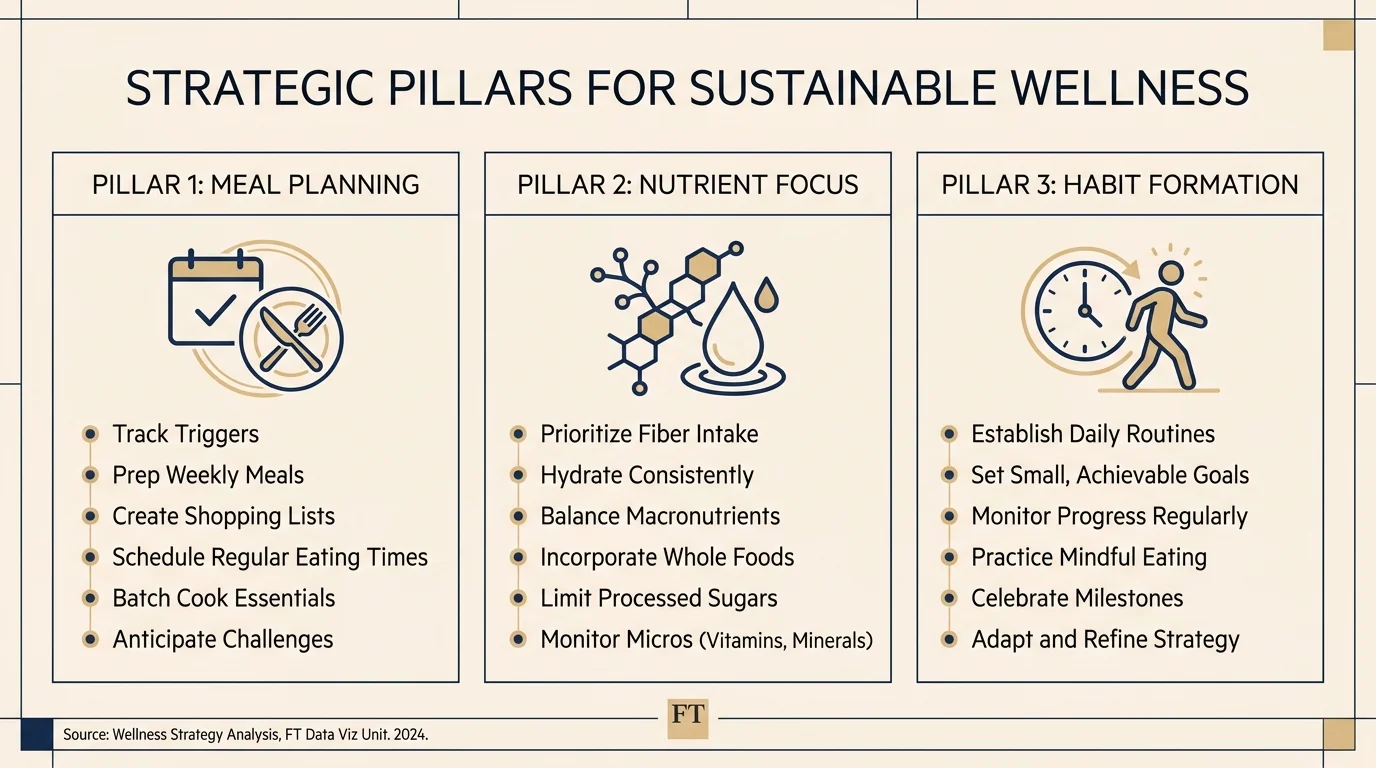
Strategy Pillars: Restoring Digestive Harmony

Meal Planning for Gut Comfort
Transforming your digestion requires strategic meal modifications rather than total deprivation. You can neutralize many aggressive foods by altering your preparation methods.
For example, steaming, roasting, or sautéing cruciferous vegetables breaks down their tough cellular walls and significantly reduces the raffinose load before the food ever enters your mouth.
Additionally, spacing your meals out into smaller, more frequent portions prevents your stomach from becoming overwhelmed by a massive influx of heavy fats or complex carbohydrates at a single sitting.
Nutrient Focus for Digestion
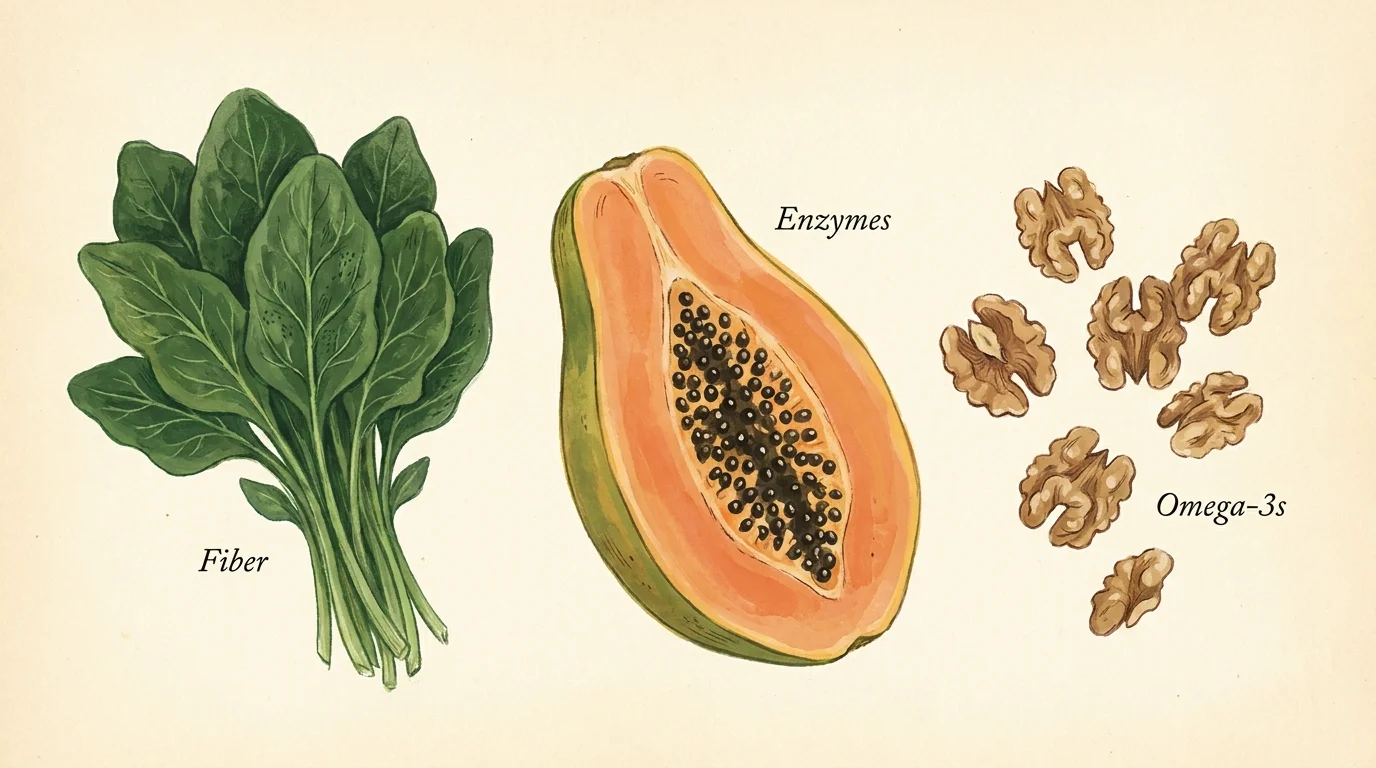
Optimizing your daily fiber intake remains crucial for maintaining bowel regularity, but you must increase your consumption gradually to avoid shocking your system. Focus on balancing soluble fiber—found in oats, bananas, and chia seeds—with adequate water intake.
Soluble fiber creates a soothing gel in your digestive tract that regulates transit time and feeds beneficial bacteria gently. Following established nutrition recommendations for gut health ensures you build a resilient microbiome capable of handling diverse foods without reacting violently.

Habit Formation for Sustainable Relief
The mechanical process of digestion begins in your mouth, making your eating habits just as important as your food choices. Chew every bite thoroughly until it reaches a paste-like consistency; this simple action mixes your food with salivary amylase, kickstarting the chemical breakdown of carbohydrates.
Slow down your eating pace to prevent swallowing excess air, and create a calm environment free from digital distractions during meals. Digestion functions optimally when your nervous system remains in a relaxed, parasympathetic state.

Expert and Lived Voices in Digestive Health
Clinical dietitians consistently observe that dietary triggers vary wildly between individuals. A food that causes debilitating cramps for one person might serve as a soothing staple for another.
Nutrition professionals emphasize keeping a detailed food and symptom journal to identify unique personal patterns rather than relying on generic lists. Community members managing irritable bowel syndrome frequently report profound relief simply by swapping raw salads for warm, cooked vegetable bowls.
Real-world experiences validate that cooking methods matter just as much as the specific ingredients you choose, empowering you to enjoy diverse cuisines through smart, gentle preparation.
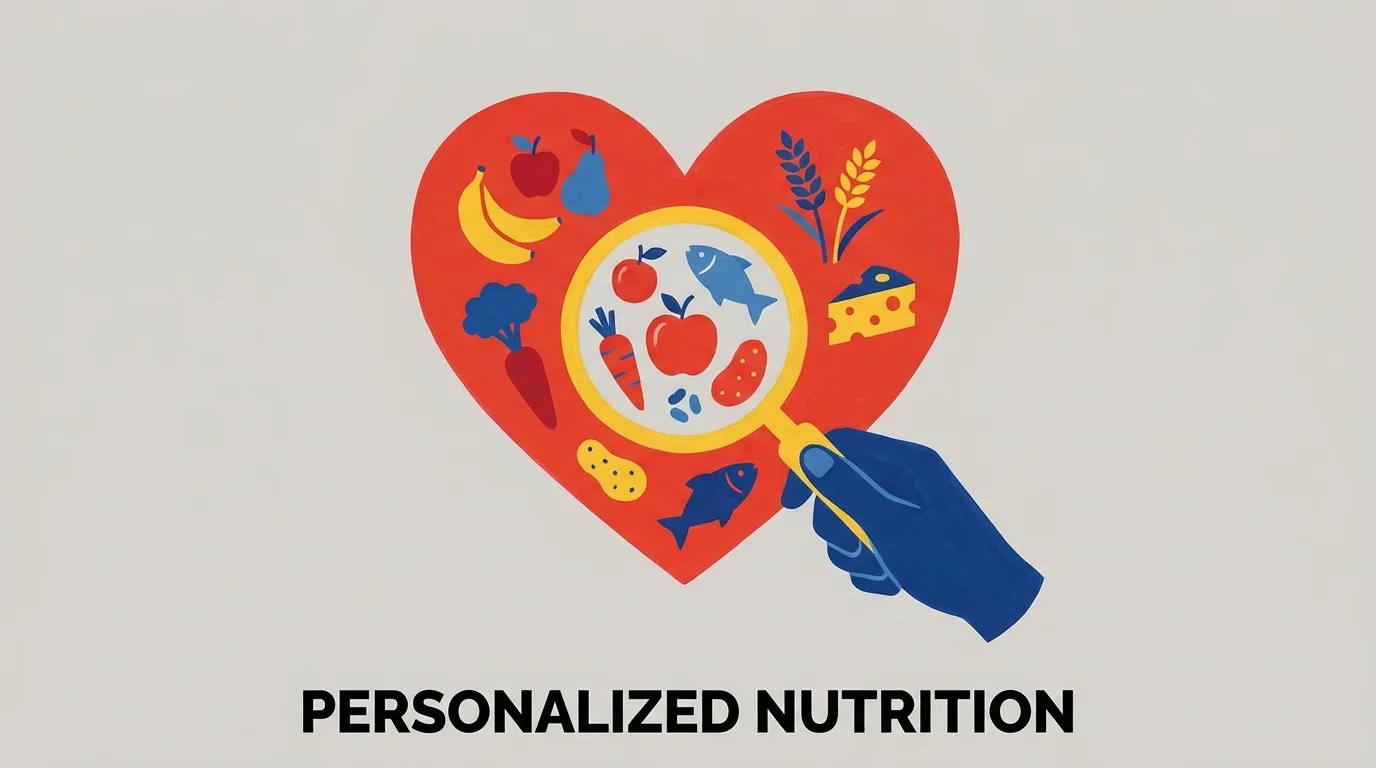
Safety and Personalization Precautions
You should never adopt highly restrictive diets indefinitely without professional guidance. Eliminating entire food groups permanently can lead to severe nutrient deficiencies and actually diminish the diversity of your gut microbiome over time.
If you experience alarming symptoms—such as unexplained weight loss, persistent bleeding, chronic vomiting, or severe nocturnal pain—seek immediate evaluation from a board-certified gastroenterologist. These red-flag symptoms require medical diagnostics to rule out inflammatory bowel disease or other serious pathologies.
Always consult a registered dietitian to ensure your personalized dietary modifications remain safe, balanced, and nutritionally adequate.
Frequently Asked Questions
How long does it take for a food trigger to affect digestion?
Digestive reactions operate on different timelines depending on the specific location of the distress. Stomach-related issues, such as acid reflux or upper bloating from heavy fats, typically manifest within thirty minutes to two hours after eating.
Conversely, symptoms originating in the lower intestines, such as gas from fermentable carbohydrates or osmotic diarrhea from sugar alcohols, usually appear anywhere from two to eight hours post-consumption. Tracking the exact timing of your discomfort helps pinpoint the exact trigger food.
Can you build a tolerance to foods that bother your stomach?
Your ability to build tolerance depends heavily on the root cause of the intolerance. If you struggle with fiber-rich beans and vegetables, you can often train your microbiome to handle them by introducing tiny, incremental portions over several weeks, allowing your gut bacteria to adapt.
However, if you lack a specific enzyme—such as lactase for dairy—or suffer from a true immune-mediated food allergy, your body will not build a tolerance, and you must utilize targeted enzymes or avoid the trigger entirely.
Are probiotics necessary for everyone experiencing digestive discomfort?
Probiotics do not serve as a universal cure for all digestive ailments. While specific probiotic strains offer documented benefits for conditions like antibiotic-associated diarrhea or certain functional bowel disorders, blindly taking expensive supplements rarely resolves diet-induced bloating.
You achieve better, more sustainable results by removing harsh dietary triggers first and nourishing your existing beneficial bacteria with diverse, well-tolerated whole foods. Consider probiotics a targeted tool rather than a mandatory daily requirement for general gut comfort.
Why does stress seem to make dietary food triggers worse?
Your brain and your gut communicate constantly through a massive network of nerves known as the gut-brain axis. When you experience psychological stress, your body releases cortisol and adrenaline, which physically slow down gastric motility, reduce beneficial digestive secretions, and increase intestinal permeability.
A food that you normally digest with mild difficulty can suddenly trigger severe cramps and irregular bowel movements when your nervous system remains trapped in a chronic fight-or-flight response.
Take Action for Better Digestion Today
Identifying your personal dietary triggers requires patience, observation, and a willingness to adjust your daily habits. You possess the power to transform how your body feels after every meal simply by paying closer attention to the ingredients on your plate.
Within the next twenty-four hours, choose just one food category from this list that you suspect might be causing you trouble.
Swap it for a gentler alternative—like replacing a carbonated beverage with still water, or trading raw broccoli for thoroughly roasted carrots—and monitor your energy and comfort levels. Small, intentional adjustments compound rapidly, paving the way for lasting digestive relief.