
Protecting your digestive system requires understanding exactly which everyday items disrupt the delicate balance of your gut microbiome, leading experts to skip them entirely. Gastroenterologists consistently avoid certain popular snacks, processed meats, and artificial additives because clinical evidence links these specific dietary choices to inflammation, bloating, and long-term gastrointestinal distress. Nearly seventy million Americans experience digestive diseases annually, making proactive dietary changes essential for your overall well-being and daily comfort. By examining the plates of digestive health specialists, you gain practical insights into replacing harsh, inflammatory items with nourishing alternatives. Optimizing your digestion does not demand extreme restriction; it simply requires making informed, strategic swaps that support an optimal internal environment and prevent uncomfortable flare-ups.
The Science of Digestive Wellness: What the Research Shows
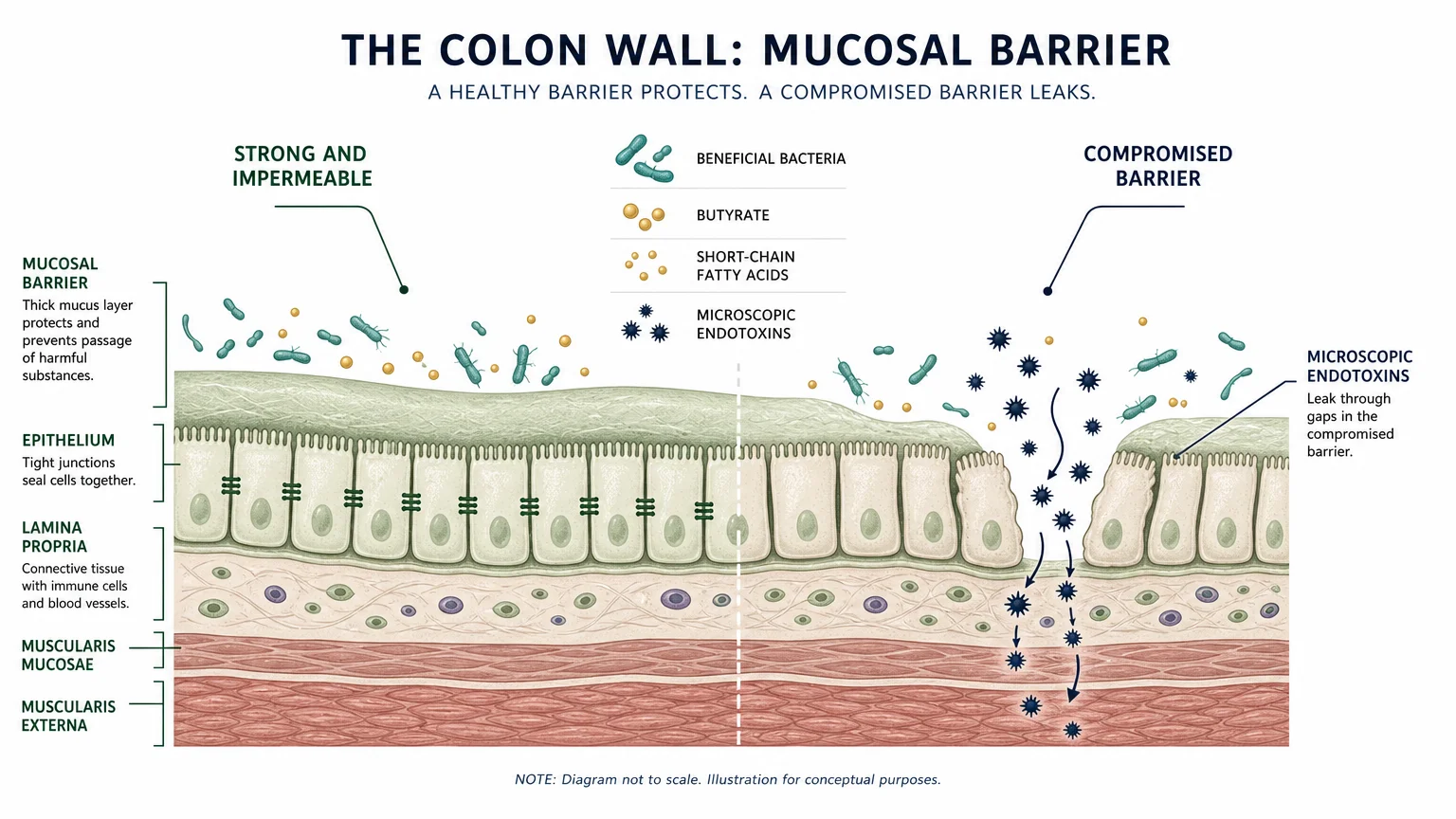
Your gastrointestinal tract operates as a highly sophisticated ecosystem, hosting trillions of microorganisms that dictate everything from efficient nutrient absorption to robust immune function. When you consume foods that support this internal environment, beneficial bacteria ferment dietary fibers to produce short-chain fatty acids like butyrate. These essential fatty acids directly nourish the cells lining your colon, maintaining a strong, impermeable mucosal barrier. Authoritative digestive health research demonstrates that feeding your microbiome highly processed, synthetic compounds actively disrupts this delicate cellular architecture.
A compromised intestinal barrier allows microscopic endotoxins to leak into your bloodstream, triggering systemic inflammation and chronic discomfort. Digestive health extends far beyond simply avoiding an occasional stomach ache; it represents a foundational pillar of your overall metabolic and neurological stability. By paying close attention to the cellular impact of your daily meals, you empower your body to digest efficiently, absorb vital nutrients, and eliminate waste without unnecessary biological friction.

11 Foods Experts Frequently Bypass for Better Gut Health
1. Deep-Fried and Greasy Comfort Foods
Deep-fried foods consistently top the list of items gastrointestinal experts bypass. Immersing ingredients in boiling oil radically alters their chemical structure and introduces advanced glycation end products, which actively fuel tissue inflammation. Moreover, your stomach empties dietary fats much slower than it processes proteins or carbohydrates. This significantly delayed gastric emptying means heavy, greasy meals linger in your digestive tract for hours, dramatically increasing the likelihood of acid reflux, heartburn, and profound bloating. Gastroenterologists frequently opt for baked, air-fried, or gently sautéed alternatives that deliver satisfying, crispy textures without placing an unbearable burden on their digestive enzymes.
2. Processed Deli Meats and Hot Dogs
Processed deli meats and hot dogs pose significant risks to your cellular health and long-term digestive wellness. Food manufacturers rely heavily on chemical nitrates and nitrites to preserve the distinct color and shelf life of these cured meats; however, your digestive system converts these artificial preservatives into nitrosamines, which behave as known carcinogenic compounds. Leading health organizations classify processed meats as a known carcinogen, and extensive oncological research specifically links their regular consumption to elevated colorectal cancer rates. Swapping these industrial meats for fresh roasted poultry, wild-caught fish, or plant-based proteins significantly reduces your exposure to volatile chemicals while providing high-quality amino acids essential for tissue repair.
3. Artificial Sweeteners and Synthetic Substitutes
Artificial sweeteners often masquerade as healthy, diet-friendly options, yet digestive specialists frequently warn against their daily consumption. Synthetic compounds like sucralose, aspartame, and saccharin pass through your human digestive enzymes largely intact, eventually encountering your delicate gut microbes in the lower intestine. Clinical research indicates that these synthetic chemicals aggressively alter the composition and function of your microbiome, promoting harmful dysbiosis and potentially driving systemic glucose intolerance. Your beneficial bacteria simply do not recognize these laboratory-created molecules. Choosing natural, whole-food sweeteners like a modest touch of pure maple syrup or relying on the intrinsic sweetness of fresh fruit naturally supports a thriving, balanced microbial ecosystem.
4. Sugar Alcohols in Diet Candies
Sugar alcohols hidden in diet candies, chewing gums, and low-carbohydrate protein bars frequently trigger dramatic gastrointestinal distress. Ingredients ending in “itol”—such as sorbitol, xylitol, and maltitol—prove notoriously difficult for your small intestine to absorb efficiently. Consequently, they travel rapidly down to your colon where they exert a strong osmotic effect, pulling excess water into your bowels and causing rapid-onset diarrhea. Simultaneously, your resident bacteria aggressively ferment these undigested alcohols, generating massive volumes of gas that lead to painful distension and embarrassing flatulence. Reading ingredient labels carefully and avoiding these specific additives allows you to bypass hours of unnecessary abdominal pain.
5. Sugary Carbonated Beverages
Sugary carbonated beverages and commercial sodas deliver a devastating double blow to your complex digestive machinery. The aggressive carbonation physically introduces trapped gas directly into your stomach, stretching your sensitive gastric walls and provoking burping, severe reflux, and persistent bloating. Furthermore, the immense payload of refined liquid sugar encourages the rapid overgrowth of pathogenic bacteria and yeast within your intestinal tract. According to public health data on added sugars, excessive liquid sugar intake frequently results in chronic mucosal inflammation and severely compromised nutrient absorption. Quenching your thirst with still water infused with fresh mint, cucumber slices, or a splash of tart cherry juice provides superior hydration without the corrosive digestive side effects.
6. Charred and Well-Done Red Meat
Charred, blackened, and well-done red meat frequently appears on the restricted lists of seasoned digestive health professionals. When you cook animal proteins at extremely high temperatures or directly over open flames, the intense heat generates heterocyclic amines and polycyclic aromatic hydrocarbons. These harsh chemical byproducts drive intense inflammation and actively cause cellular DNA damage within the delicate mucosal lining of your colon. If you choose to consume meat, utilizing gentle cooking methods like braising, stewing, or baking at moderate temperatures prevents the formation of these harsh compounds, effectively protecting your intestinal walls from unnecessary oxidative stress and chronic irritation.
7. Commercial Pastries Loaded with Emulsifiers
Commercial pastries and heavily packaged baked goods typically contain a cocktail of industrial emulsifiers designed entirely to artificially extend shelf life. Synthetic ingredients like polysorbate-80 and carboxymethylcellulose function exactly like chemical detergents inside your gastrointestinal tract, actively stripping away the protective mucus layer that shields your delicate intestinal lining from aggressive digestive acids. Degraded mucus barriers directly contribute to severe intestinal permeability, a condition commonly referred to as leaky gut syndrome. Satisfying your sweet tooth with homemade baked goods crafted from whole, recognizable ingredients ensures you completely avoid these synthetic, barrier-destroying additives.
8. Highly Caffeinated Energy Drinks
Highly caffeinated energy drinks represent a modern digestive hazard that gastroenterologists deliberately avoid. These aggressive beverages flood your stomach with harsh synthetic caffeine, artificial taurine, and acidic preservatives, which collectively trigger rapid gastric acid hypersecretion. The resulting highly acidic internal environment frequently erodes your vulnerable esophageal lining and heavily exacerbates ulcer symptoms. Additionally, extreme caffeine doses artificially accelerate gastric motility, rushing partially digested food directly through your intestines and causing sudden, urgent diarrhea. Prioritizing natural, sustainable energy sources—like adequate sleep, consistent daily hydration, and gentle green tea—provides sustained vitality without inflicting chemical trauma on your digestive tract.
9. High-Fructose Corn Syrup Concentrates
High-fructose corn syrup concentrates thoroughly permeate the modern processed food supply, yet they remain a primary target for strict dietary elimination among gut specialists. Unlike natural glucose, which your cells readily utilize for immediate daily energy, massive concentrated doses of isolated fructose overwhelm your liver and surpass your small intestine’s maximum absorption capacity. Unabsorbed fructose quickly reaches your colon, where it ferments rapidly, producing uncomfortable gas pockets and radically altering your fragile microbial balance. Consuming whole, intact fruits instead provides natural fructose safely wrapped in a dense matrix of dietary fiber, which dramatically slows digestion and allows your body to metabolize the natural sugars safely and efficiently.
10. Refined Bleached Carbohydrates
Refined, bleached carbohydrates—such as conventional white bread, industrial pizza dough, and heavily processed crackers—offer virtually zero tangible digestive benefits. The intensive modern milling process aggressively strips away the fibrous bran and the nutrient-dense germ, leaving behind empty starchy endosperms that convert instantly to sugar in your bloodstream. Without crucial dietary fiber to provide necessary bulk and stimulate rhythmic intestinal contractions, these refined carbohydrates severely stall your digestive motility, serving as a primary hidden culprit behind chronic constipation. Replacing heavily refined grains with intact, ancient grains like quinoa, farro, or steel-cut oats keeps your digestive tract moving smoothly, efficiently, and predictably.
11. Excessively Spicy Commercial Sauces
Excessively spicy commercial hot sauces and extreme fiery novelty snacks often contain highly concentrated capsaicin extracts paired deliberately with harsh chemical preservatives. While moderate, culinary amounts of natural chili peppers offer documented metabolic benefits, the unnatural, synthetic concentrations found in novelty spicy foods easily overwhelm the sensitive pain receptors lining your entire gastrointestinal tract. This intense chemical irritation frequently induces severe heartburn, debilitating stomach cramps, and highly erratic bowel movements as your body rapidly rushes to expel the offending compounds. Flavoring your daily meals with gentle, digestive-friendly spices like fresh ginger, vibrant turmeric, and soothing fennel root delivers robust flavor profiles while actively calming your stomach lining.

Strategy Pillars: How to Eat for Digestive Wellness
Meal Planning for Gut Health
Transitioning toward a gut-friendly lifestyle requires intentional, proactive meal planning rather than rigid restriction. You achieve the best digestive results by planning your weekly meals around a diverse rotation of plant-based whole foods. Batch-cooking complex carbohydrates, such as brown rice or roasted root vegetables, allows you to easily assemble nourishing bowls throughout your busy week. Slowly increasing your fiber intake prevents the sudden gas and bloating associated with abrupt dietary shifts. Leading dietary guidelines suggest gradually adding just a few grams of fiber every couple of days while simultaneously increasing your daily water intake, ensuring your digestive tract adapts comfortably to the new, healthier volume of food.
Nutrient Focus: What to Add Instead
Rather than obsessing over what you must eliminate, focus your energy on the powerful nutrients you need to add to your plate. Prioritize foods rich in soluble fiber, such as rolled oats, chia seeds, and soft fleshy fruits, which dissolve gracefully in water to form a soothing, gel-like substance that gently regulates your bowel movements. Introduce natural sources of resistant starch, like slightly underripe bananas or chilled cooked potatoes, which deliberately resist early digestion to safely feed your lower colon’s beneficial bacteria. Furthermore, adding polyphenol-rich foods—like vibrant dark berries, raw walnuts, and organic extra virgin olive oil—provides your gut with powerful antioxidants that actively neutralize localized digestive inflammation.
Habit Formation for Sustainable Digestive Health
What you eat matters profoundly, but how you eat plays an equally critical role in your overall digestive wellness. Digestion physically begins in your mouth, not your stomach. Taking the time to chew your food thoroughly physically breaks down tough cellular walls and thoroughly mixes your meal with salivary amylase, an enzyme crucial for early carbohydrate breakdown. Furthermore, eating while stressed forces your body into a sympathetic “fight or flight” state, which entirely shuts down your digestive processes. Cultivating a simple habit of taking three deep, calming breaths before you take your first bite shifts your nervous system into a parasympathetic “rest and digest” state, optimizing your body’s ability to process and assimilate your meal.

Voices from the Field: Expert and Community Perspectives
Registered dietitians and practicing gastroenterologists routinely observe remarkable patient transformations when dietary patterns shift away from ultra-processed conveniences. Clinical specialists frequently note that patients suffering from idiopathic bloating or unpredictable bowel habits experience rapid relief simply by removing industrial emulsifiers and synthetic sweeteners from their morning routines. Community support groups dedicated to digestive health echo these medical observations daily. Many individuals report that swapping their heavily caffeinated, artificially sweetened morning energy drinks for a simple cup of warm lemon water completely eliminated their chronic morning acid reflux. These shared clinical and lived experiences highlight a profound truth: your digestive system desperately wants to heal itself; it simply requires you to stop introducing daily chemical irritants.
Safety, Personalization, and When to Seek Help
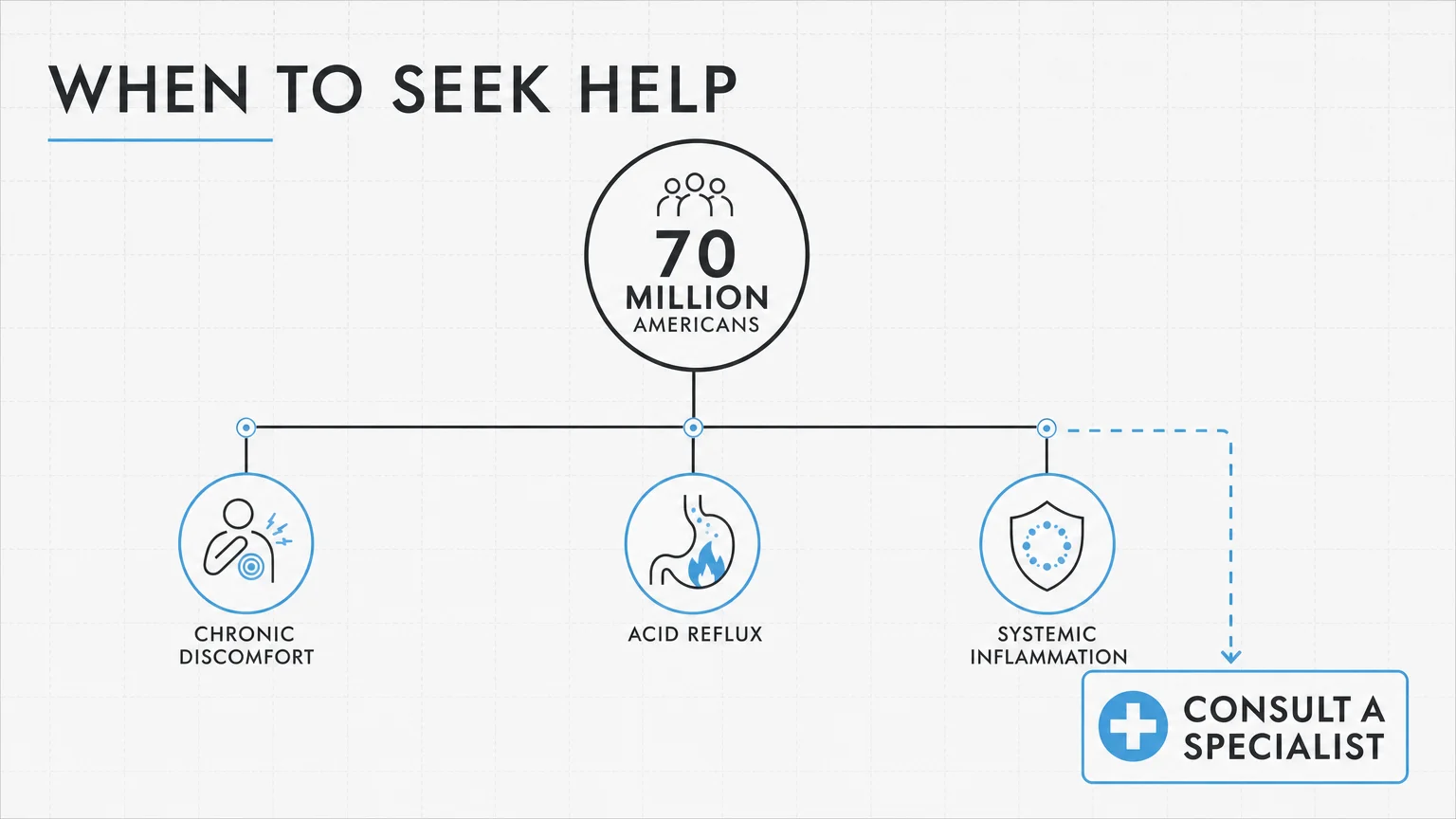
While the dietary adjustments outlined above benefit the vast majority of the population, digestive health remains deeply rooted in bio-individuality. A food that heals one person might actively irritate another, particularly if you manage a diagnosed condition like Irritable Bowel Syndrome (IBS) or Inflammatory Bowel Disease (IBD). For instance, while high-fiber beans nourish a healthy gut, they can trigger severe flare-ups during an active Crohn’s disease episode. Always listen closely to your body’s unique signals. If you experience persistent warning signs—such as unexplained weight loss, chronic severe abdominal pain, ongoing bleeding, or difficulty swallowing—you must consult a board-certified gastroenterologist immediately. Working alongside a specialized registered dietitian ensures your dietary choices align perfectly with your specific medical needs and personal metabolic tolerances.
Frequently Asked Questions About Gastroenterologist Recommendations
How long does it take to improve gut health after changing my diet?
Your gut microbiome is remarkably resilient and highly responsive to dietary shifts. Research demonstrates that the composition of your gut bacteria begins to change beneficially within just two to three days of adopting a nutrient-dense, fiber-rich diet. However, repairing a damaged mucosal lining and resolving chronic, deep-seated inflammation usually requires several weeks to a few months of consistent, dedicated dietary effort.
Are all processed foods completely bad for my digestion?
You do not need to avoid all processed foods; you simply need to differentiate between minimal processing and ultra-processing. Minimally processed items—like canned low-sodium beans, frozen berries, or plain unsweetened Greek yogurt—retain their foundational nutritional integrity and strongly support digestive health. Ultra-processed foods, which contain long lists of artificial preservatives, synthetic dyes, and industrial emulsifiers, are the specific items that actively disrupt your gastrointestinal function.
Can I ever eat these eleven restricted foods again?
Digestive wellness focuses heavily on your routine, daily habits rather than demanding absolute, flawless perfection. Once you heal your gut lining and establish a robust, diverse microbiome, your body can typically handle the occasional indulgence without experiencing a severe flare-up. Enjoying a slice of conventional birthday cake or a favorite fried appetizer at a special event rarely causes long-term harm if your foundational daily diet remains deeply supportive of your digestive system.
Do probiotic supplements completely erase the effects of poor food choices?
Probiotic supplements cannot out-compete or magically erase the cellular damage caused by a consistently highly processed, inflammatory diet. While high-quality targeted probiotic strains certainly offer clinical benefits, they act as a supportive supplement, not a foundational cure. If you continuously feed your body artificial sweeteners and charred meats, you actively destroy the very beneficial bacteria you attempt to introduce via expensive daily supplements.
Take Action for Your Gut Today
You possess immense daily power over your internal health, and transforming your digestive wellness begins with a single, intentional choice. Over the next twenty-four hours, audit your pantry and proudly replace just one highly processed, artificially sweetened item with a nourishing, whole-food alternative. Whether you swap your afternoon diet soda for sparkling mineral water or trade your deli meat sandwich for fresh roasted chicken, you actively reduce the chemical burden on your hardworking gastrointestinal tract. Embrace this process with genuine curiosity and patience; your gut microbiome is eagerly waiting to work with you to build a stronger, more vibrant foundation for your overall health.