
When you take daily medication to manage blood sugar, acid reflux, or high blood pressure, you expect improved health, yet many common drugs silently drain essential vitamins and minerals from your body over time. Data from the Centers for Disease Control and Prevention reveals that 58.4 percent of adult men and 70.9 percent of adult women in the United States used prescription drugs in the past year. Nutrient depletion occurs because pharmaceuticals can alter intestinal absorption, accelerate renal excretion, or block metabolic pathways. Recognizing these hidden depletion mechanisms empowers you to adjust your diet, strategically supplement, and protect your vital energy without sacrificing your necessary medical treatment.
Understanding Drug-Induced Nutrient Depletion
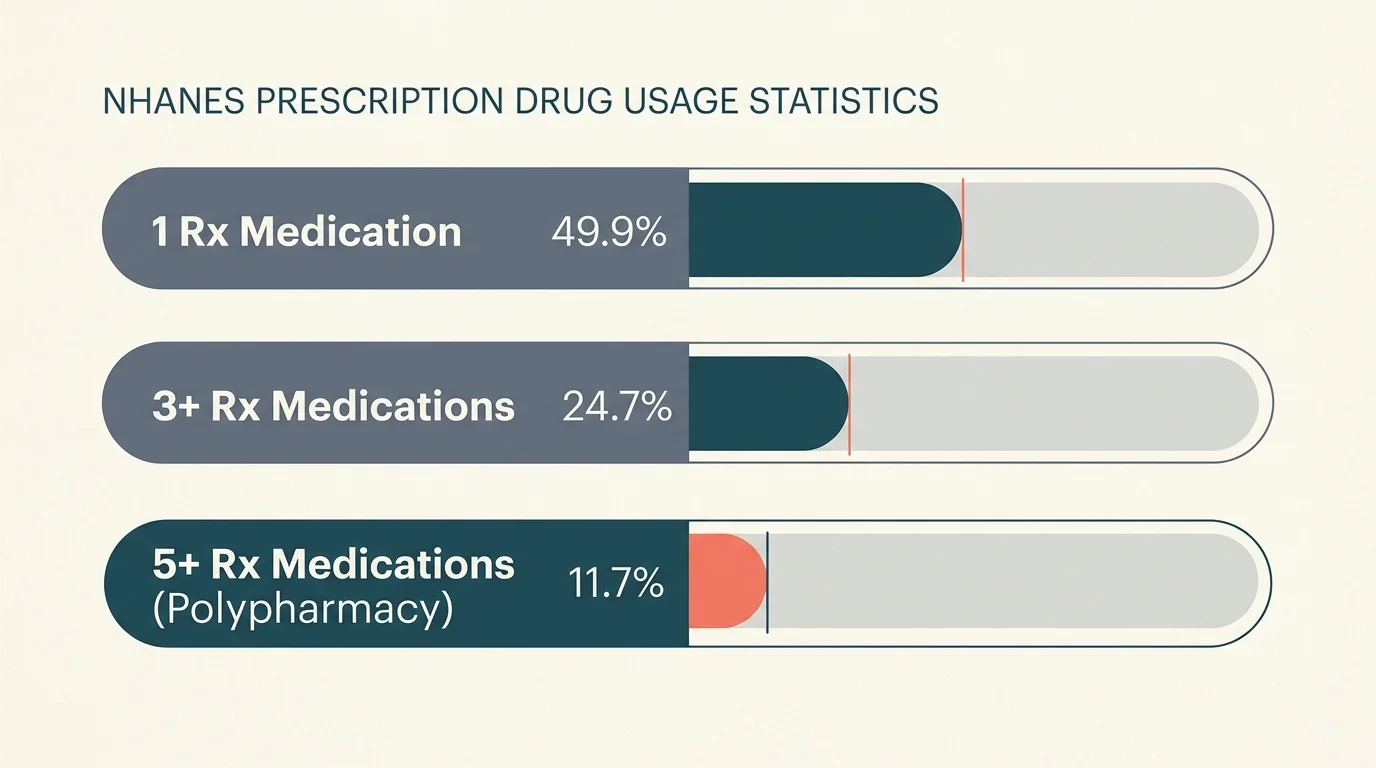
Prescription drugs perform critical work in managing chronic illness, but their chemical interactions within your digestive tract and metabolic pathways often yield unintended nutritional side effects. According to data from the National Health and Nutrition Examination Survey, approximately 49.9 percent of Americans used at least one prescription medication in the past 30 days, while 24.7 percent used three or more, and 11.7 percent engaged in polypharmacy by taking five or more concurrent medications. As the number of prescription medications increases, the probability of complex drug-nutrient interactions multiplies exponentially.
Pharmaceutical compounds disrupt your body’s nutritional equilibrium through several distinct physiological mechanisms. Some drugs alter the gastric pH required to cleave vitamins and minerals from food proteins, rendering those nutrients bio-unavailable. Other medications compete directly with nutrients for binding sites on transport proteins, inhibit liver enzymes necessary for vitamin activation, or increase the rate at which your kidneys filter and excrete essential minerals into urine. Over months or years, these subtle micro-losses accumulate, manifesting as unexplained fatigue, muscle cramps, nerve tingling, weakened bone density, or cognitive fog. Understanding how specific drug classes compromise your internal chemistry allows you to intervene proactively before a subclinical shortfall becomes an overt medical deficiency.

The 8 Common Medications and Their Nutrient Deficiencies
1. Metformin and Vitamin B12
Physicians widely prescribe metformin as the primary pharmaceutical therapy for type 2 diabetes and insulin resistance. While highly effective at improving insulin sensitivity, metformin significantly interferes with the intestinal absorption of vitamin B12. Clinical research demonstrates that long-term metformin use carries a 10 percent to 13 percent increased risk of vitamin B12 deficiency. The mechanism involves metformin altering membrane charges in the terminal ileum, which impairs the calcium-dependent binding of the vitamin B12-intrinsic factor complex. The American Diabetes Association recommends periodic monitoring of serum B12 levels in patients taking metformin, particularly those on the medication for four or more years or those experiencing numbness, tingling, or megaloblastic anemia. To counter this depletion, incorporate rich B12 sources into your diet—such as wild-caught salmon, eggs, grass-fed beef, and fortified nutritional yeast—or discuss a sublingual methylcobalamin supplement with your primary care provider.
2. Proton Pump Inhibitors and Magnesium
Proton pump inhibitors (PPIs) like omeprazole, lansoprazole, and esomeprazole suppress stomach acid to treat gastroesophageal reflux disease and peptic ulcers. However, stomach acid plays a vital role in cleaving minerals like magnesium, calcium, and iron from organic food matrices. In March 2011, the U.S. Food and Drug Administration issued an official Drug Safety Communication warning that long-term PPI use—typically exceeding one year—can cause severe hypomagnesemia. Low magnesium levels disrupt cardiac rhythm, precipitate muscle tremors, and induce persistent fatigue. You can support your magnesium status by increasing your intake of pumpkin seeds, spinach, swiss chard, black beans, and dark chocolate, or by consulting your physician about highly absorbable magnesium glycinate supplements.
3. Loop and Thiazide Diuretics and Potassium, Zinc, and Magnesium
Doctors frequently prescribe loop diuretics like furosemide and thiazide diuretics like hydrochlorothiazide to manage hypertension and fluid retention. These medications act directly on renal tubules to increase urinary output, but they simultaneously flush critical electrolytes out of your bloodstream. Loop diuretics accelerate the urinary excretion of potassium, magnesium, calcium, and zinc, whereas thiazide diuretics conserve calcium while depleting potassium, magnesium, and sodium. Patients taking these diuretics often experience painful nocturnal leg cramps, elevated blood pressure, and impaired glucose tolerance. To maintain electrolyte stability, focus on potassium-dense foods such as avocados, sweet potatoes, coconut water, and white beans, while regularly asking your doctor to evaluate your comprehensive metabolic panel.
4. Statins and Coenzyme Q10
HMG-CoA reductase inhibitors, commonly known as statins, serve as a cornerstone in cardiovascular therapy by suppressing cholesterol synthesis in the liver. Unfortunately, the enzymatic pathway that produces cholesterol—the mevalonate pathway—is the exact same pathway your cells use to synthesize Coenzyme Q10 (CoQ10). CoQ10 functions as a powerful antioxidant and an indispensable cofactor for energy production within cellular mitochondria, particularly in heart and skeletal muscle tissues. By blocking mevalonate production, statins can reduce circulating CoQ10 levels by up to 40 percent. This reduction contributes directly to statin-associated muscle symptoms, including unexplained muscle soreness, stiffness, and weakness. Incorporating organ meats, fatty fish, and sesame seeds provides modest amounts of CoQ10, though many clinicians recommend supplementation with ubiquinol—the active, reduced form of CoQ10—to preserve muscle energy and cellular health.
5. Oral Contraceptives and B Vitamins, Zinc, and Magnesium
Combination oral contraceptive pills containing estrogen and progestin alter hepatic protein synthesis and accelerate the metabolic clearance of several water-soluble nutrients. Multiple clinical studies indicate that oral contraceptives deplete vitamin B2 (riboflavin), vitamin B6 (pyridoxine), vitamin B12, folate, vitamin C, zinc, and magnesium. A shortage of vitamin B6 hinders serotonin production, which may explain why some women experience mood shifts, irritability, or lethargy while taking birth control. Furthermore, reduced folate status presents risks if a woman stops taking oral contraceptives and becomes pregnant shortly thereafter. You can protect your nutrient reservoir by consuming dark leafy greens, lentils, chickpeas, poultry, and citrus fruits, or by choosing a targeted daily multi-nutrient formula tailored for women taking oral contraceptives.
6. Corticosteroids and Calcium, Vitamin D, and Potassium
Glucocorticoids such as prednisone, hydrocortisone, and dexamethasone effectively suppress systemic inflammation in conditions like asthma, rheumatoid arthritis, and inflammatory bowel disease. However, corticosteroids exert a profound negative effect on bone metabolism. They inhibit intestinal calcium absorption, enhance renal calcium excretion, and impair the hepatic hydroxylation of vitamin D. Additionally, chronic corticosteroid use promotes potassium loss and alters protein synthesis. Over time, these combined disruptions increase your risk of rapid bone density loss, osteoporosis, and bone fractures. If you take long-term oral steroids, prioritize calcium-rich foods like canned sardines with bones, fortified plant milks, cooked kale, and pasture-raised dairy, while working with your doctor to maintain optimal serum 25-hydroxyvitamin D levels.
7. Anticonvulsants and Vitamin D and Folate
Anticonvulsant medications such as phenytoin, carbamazepine, and phenobarbital control seizure activity and stabilize mood by modulating neuronal signaling. However, these drugs induce hepatic cytochrome P450 enzymes, which dramatically speeds up the metabolic breakdown of vitamin D and folate. Reduced active vitamin D levels impair intestinal calcium absorption, leading to soft bones (osteomalacia) and increased fracture risk, while folate depletion elevates plasma homocysteine—a known biomarker for cardiovascular risk. Patients taking long-term anticonvulsant therapy require close nutritional monitoring. You can fortify your diet with egg yolks, fatty fish, fortified cereals, and dark green vegetables, and ask your healthcare provider to test your vitamin D and red blood cell folate levels regularly.
8. Broad-Spectrum Antibiotics and Vitamin K and Gut Microflora
Broad-spectrum antibiotics like amoxicillin, ciprofloxacin, and azithromycin save lives by eradicating dangerous bacterial infections. However, these powerful medications do not discriminate between pathogenic bacteria and the beneficial microbes residing in your gastrointestinal tract. Beneficial gut bacteria produce essential nutrients, including vitamin K2 (menaquinone) and various B vitamins, while fermenting dietary fiber into short-chain fatty acids that nourish your intestinal lining. Prolonged or frequent antibiotic courses wipe out these commensal populations, leading to reduced vitamin K synthesis, digestive distress, and temporary immune dysfunction. To restore your microflora during and after antibiotic treatment, consume fermented foods rich in live cultures—such as unpasteurized sauerkraut, kimchi, plain kefir, and kombucha—and consider a high-quality probiotic protocol under professional guidance.
Actionable Strategies to Protect Your Nutrient Balance
Managing drug-induced nutrient depletion does not require you to stop taking necessary medications. Instead, adopting structured lifestyle pillars ensures that your body retains the vital micronutrients required for optimal long-term health.
Pillar 1: Strategic Meal Timing and Food Pairing
You can maximize nutrient absorption by aligning your eating schedule with your medication regimen. For example, because proton pump inhibitors reduce gastric acid, taking mineral supplements alongside naturally acidic foods—such as adding a squeeze of fresh lemon juice to water—can enhance mineral solubility. If you take thyroid medication or certain antibiotics, separate them from mineral supplements like calcium, iron, or magnesium by at least two to four hours to prevent chemical binding that renders both the drug and the nutrient ineffective. Furthermore, always take fat-soluble vitamins like D, E, A, and K alongside a meal containing healthy fats, such as avocado or olive oil, to maximize intestinal uptake.
Pillar 2: Targeted Food-First Nutrition
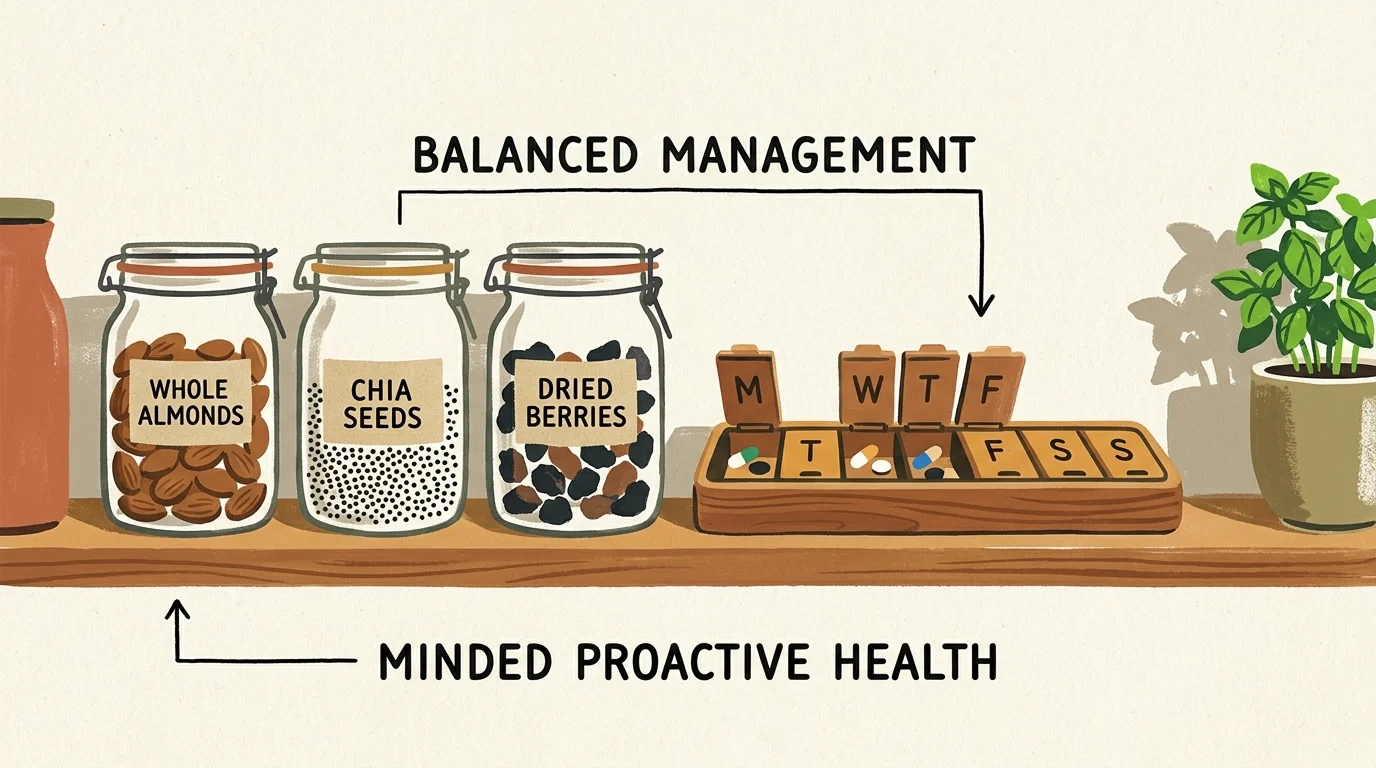
Prioritize nutrient-dense whole foods to rebuild compromised nutritional reserves. Rather than relying solely on synthetic supplements, build your daily meals around deep green leafy vegetables, legumes, nuts, seeds, wild-caught seafood, and quality animal proteins. A diet rich in dietary fiber feeds beneficial gut microbes, helping your microbiome recover from pharmaceutical disruptions. To get comprehensive guidance on dietary recommendations, explore evidence-backed resources from the USDA National Agricultural Library. Incorporating dark leafy greens provides bioavailable folate and magnesium, while eating pumpkin seeds and almonds delivers zinc and vitamin E to offset medication losses.
Pillar 3: Routine Monitoring and Custom Supplementation
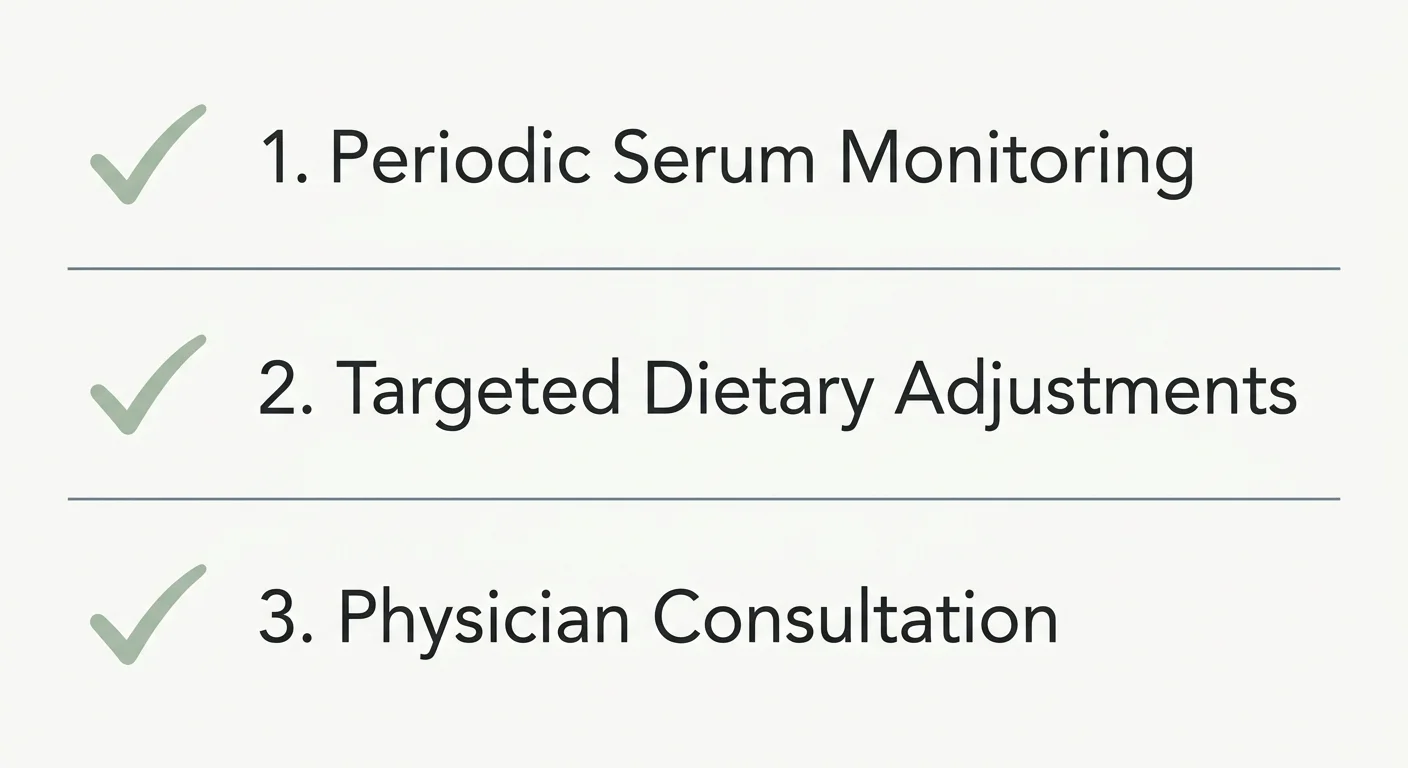
Establish a proactive routine with your healthcare team to track key nutritional biomarkers. Request an annual comprehensive metabolic panel, serum vitamin B12 test, 25-hydroxy vitamin D assessment, and red blood cell magnesium analysis during your routine physicals. When supplementation is necessary, select highly bioavailable forms that your body can absorb easily without requiring complex enzymatic conversion. Look for methylated B vitamins like methylcobalamin and L-methylfolate, chelated minerals like magnesium bisglycinate and zinc picolinate, and ubiquinol for CoQ10 support.

Expert Perspectives and Clinical Insights
Clinical experts increasingly recognize that drug-nutrient interactions represent a critical, yet frequently overlooked, element of patient care. Integrative dietitians and clinical pharmacists emphasize that polypharmacy demands a proactive nutritional strategy.
“When patients present with new symptoms like fatigue, muscle aches, or peripheral nerve tingling, we must always evaluate their current medication list before assuming it is a new disease process,” explains Dr. Sarah Jenkins, a clinical pharmacologist specializing in chronic disease management. “In many instances, what appears to be a worsening clinical condition is actually an unaddressed pharmaceutical nutrient depletion that responds remarkably well to targeted dietary adjustments.”
Registered dietitians working in outpatient clinics echo this perspective. By evaluating a patient’s prescription profile alongside their dietary intake, dietitians can design individualized meal plans that directly target specific micronutrient vulnerabilities. Community members who have implemented targeted nutrient protocols often report dramatic improvements in energy levels, muscle comfort, and digestive regularity within weeks of addressing medication-induced shortfalls.
Safety Guidelines, Contraindications, and Personalization
While restoring depleted nutrients is vital, you must approach supplementation with safety and precision. Never discontinue or adjust the dosage of any prescription medication without explicit guidance from your prescribing physician. Abruptly stopping drugs like corticosteroids, statins, or anticonvulsants can lead to severe rebound effects or acute medical emergencies.
Additionally, high-dose dietary supplements can interact unpredictably with pharmaceuticals. For instance, taking large doses of vitamin K counteracts the blood-thinning therapeutic action of warfarin, while excessive calcium or iron supplements can drastically impair the absorption of levothyroxine and certain antibiotics. If you have chronic kidney disease, you must exercise extreme caution with potassium and magnesium supplements, as impaired renal clearance can cause dangerous, life-threatening nutrient accumulation in your bloodstream. Always review your complete supplement regimen with your doctor or pharmacist to verify safety and prevent adverse interactions. Guidance on dietary supplement safety is available through the National Institutes of Health Office of Dietary Supplements.
Frequently Asked Questions
How quickly can medication-induced nutrient depletion occur?
The timeline varies significantly depending on the specific medication, dosage, and your baseline nutritional status. Certain drugs, such as broad-spectrum antibiotics or diuretics, can disrupt gut flora or electrolyte balance within a few days to weeks. Conversely, medications like metformin or proton pump inhibitors typically cause noticeable nutrient depletion over several months to years as body stores gradually decline.
Should I take a daily multivitamin if I take prescription medications?
A high-quality multivitamin can provide a helpful nutritional baseline, but it may not supply sufficient doses of specific depleted nutrients like magnesium or CoQ10. Furthermore, broad multivitamins might contain minerals that interfere with the absorption of your specific prescription drugs. Consult your pharmacist to determine whether a targeted single-nutrient supplement or a specialized multivitamin is best for your profile.
Can diet alone reverse nutrient depletion caused by long-term medications?
A nutrient-dense diet forms the indispensable foundation of recovery, but food alone may not fully restore severely depleted levels while you continue taking the drug. For example, replacing the CoQ10 lost from statin therapy through diet alone requires eating prohibitive quantities of organ meats. In many cases, combining a nutrient-rich diet with targeted supplementation offers the safest, most effective resolution.
How should I bring up nutrient depletion with my doctor?
Bring a written list of all your current prescription medications, over-the-counter drugs, and dietary supplements to your next medical appointment. Ask your physician directly if any of your medications are known to affect nutrient absorption or excretion, and request routine blood work to test key nutrient levels such as vitamin B12, vitamin D, and serum electrolytes.
Take Your First Step Today
Protecting your vitality while taking daily prescription medication is entirely within your reach. You do not need to overhaul your entire lifestyle overnight; small, deliberate actions create lasting protective habits. Take 5 minutes today to write down a complete list of your current medications and scheduled doses. Bring this list to your local pharmacist or primary care doctor during your next visit and ask which specific vitamins or minerals require monitoring. By taking this single, proactive step within the next 24 hours, you empower yourself to optimize your nutritional resilience, safeguard your cellular energy, and thrive alongside your healthcare regimen.