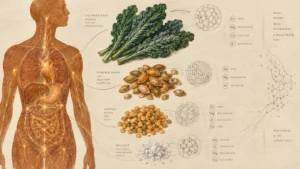
Persistent stiffness, swelling, and aching in your knees or fingers can derail your favorite daily activities, whether you enjoy morning runs or simple evening walks. According to recent data from the Centers for Disease Control and Prevention, over fifty-three million American adults live with doctor-diagnosed arthritis, while nearly one in four adults suffers from debilitating chronic joint pain. You can take active control of your joint comfort today by targeting systemic inflammation through strategic daily nutrition. By systematically incorporating anti-inflammatory whole foods into your diet, you provide your body with essential omega-three fatty acids, potent antioxidants, and cartilage-building micronutrients that calm tissue irritation, preserve joint structures, and restore functional mobility over time.

Understanding Joint Inflammation and How Food Helps
Your joints represent complex biological structures where bones, cartilage, and synovial fluid interact to enable movement. When systemic inflammation occurs, your immune system releases cellular signaling proteins called pro-inflammatory cytokines—including interleukin-6 and tumor necrosis factor-alpha. These chemical messengers cause swelling in the synovial membrane, break down collagen within cartilage, and accelerate wear. The Centers for Disease Control and Prevention reports that approximately thirty-three million American adults live with osteoarthritis, making cartilage degeneration a major health challenge.
Dietary compounds directly counteract these degradative pathways. Polyunsaturated fatty acids, polyphenols, sulforaphane, and vitamin C neutralize free radicals that damage joint tissue while inhibiting enzymes that degrade cartilage. Consistent dietary quality lowers circulating inflammatory markers, such as C-reactive protein, helping you maintain comfortable movement across every stage of life.
10 Powerhouse Foods to Protect and Nourish Your Joints
Building a joint-supportive plate does not require restrictive or complicated regimens. Focus on adding nutrient-dense whole foods that suppress inflammatory pathways and supply structural raw materials to your connective tissues. Here are ten top foods backed by nutritional science.
1. Fatty Fish: Salmon, Sardines, and Mackerel
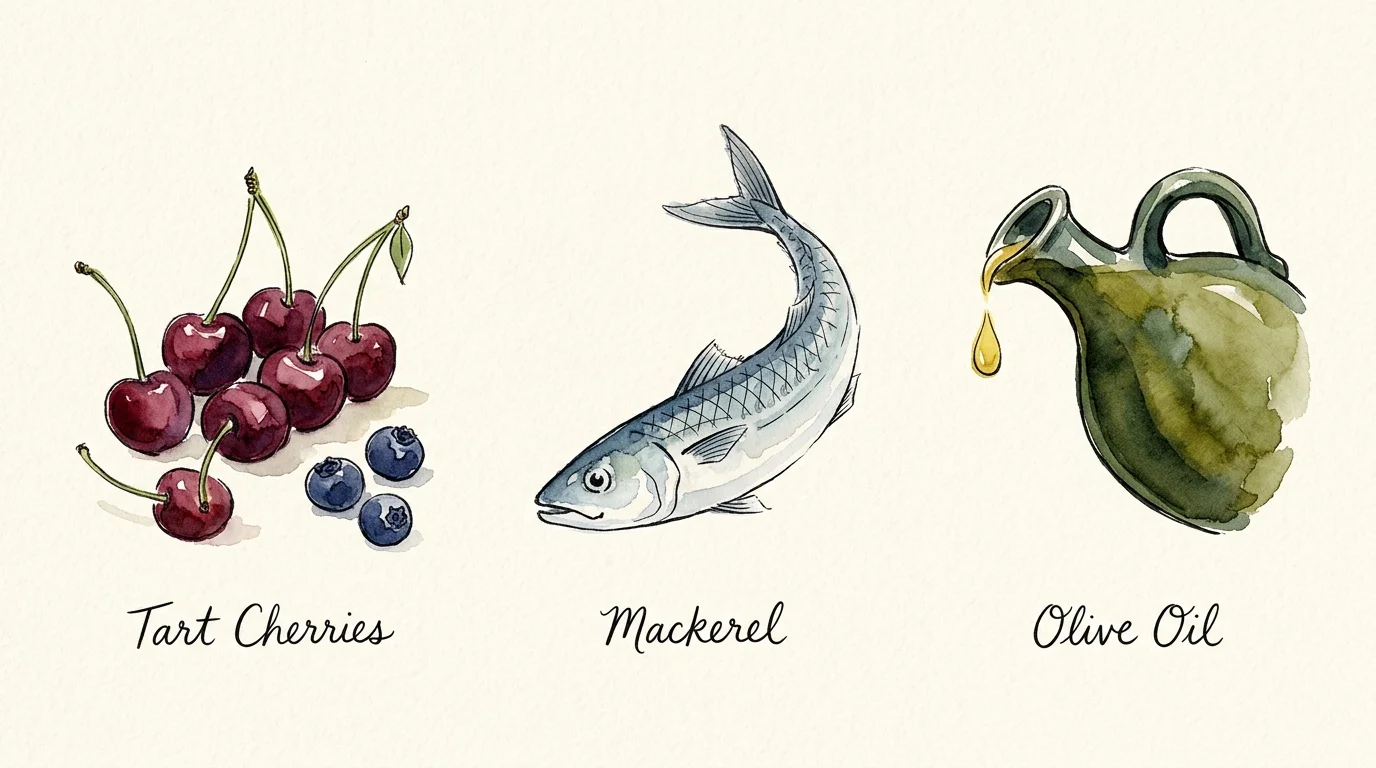
Cold-water fatty fish serve as nature’s richest source of eicosapentaenoic acid and docosahexaenoic acid, two essential omega-three fatty acids. These compounds directly inhibit the production of inflammatory eicosanoids and cytokines that destroy cartilage. Clinical summaries from the National Institutes of Health demonstrate that regular omega-three intake decreases morning stiffness and joint pain intensity. Consume two to three servings weekly of wild salmon, Atlantic mackerel, or sardines to maximize benefits.
2. Tart Cherries and Deeply Pigmented Berries
Tart cherries, blueberries, blackberries, and raspberries contain high concentrations of anthocyanins—flavonoid pigments responsible for their dark red and purple hues. Anthocyanins block cyclooxygenase enzymes that drive tissue swelling, mirroring the biological mechanism of common anti-inflammatory medications. Drinking eight ounces of unsweetened Montmorency tart cherry juice or eating one cup of berries daily lowers uric acid levels and reduces oxidative stress in surrounding joint tissue.
3. Extra Virgin Olive Oil
Extra virgin olive oil serves as the cornerstone of the anti-inflammatory Mediterranean diet. It contains oleocanthal, a unique phenolic compound with natural anti-inflammatory properties similar to ibuprofen. Oleocanthal inhibits inflammatory enzymes without causing gastrointestinal distress. Research indexed in the National Library of Medicine shows that consuming two tablespoons of cold-pressed extra virgin olive oil daily lowers systemic inflammatory markers while enhancing joint lubrication and flexibility.
4. Dark Leafy Greens: Kale, Spinach, and Collard Greens
Dark leafy greens offer an impressive spectrum of fat-soluble vitamins and protective phytonutrients. Vitamin K, abundant in kale and collard greens, regulates bone mineralization and prevents cartilage calcification. Furthermore, greens provide vitamin C and beta-carotene to shield synovial membranes from free radical damage. Incorporating two cups of raw spinach into a daily salad or sautéing collard greens with garlic delivers vital calcium and magnesium to support adjacent bone density.
5. Walnuts and Flaxseeds
If you follow a plant-based diet, walnuts and ground flaxseeds offer exceptional joint support. These plant foods supply alpha-linolenic acid, an essential omega-three fatty acid that converts into anti-inflammatory lipids in your body. Walnuts also contain copper and manganese, trace minerals required for collagen synthesis and tissue repair. Adding walnuts to oatmeal or stirring two tablespoons of ground flaxseed into smoothies protects cartilage structures from daily wear.
6. Garlic, Onions, and Leeks
Allium vegetables—such as garlic, onions, shallots, and leeks—contain organosulfur compounds, including diallyl disulfide. Diallyl disulfide limits cartilage-destroying enzymes called matrix metalloproteinases, which break down joint matrices over time. Studies show that individuals who regularly cook with allium vegetables exhibit lower rates of hip osteoarthritis. Sautéing minced garlic and onions as the base for soups and grain bowls adds rich flavor while preserving cartilage integrity.
7. Green Tea
Green tea contains epigallocatechin-3-gallate, a polyphenol antioxidant with profound joint-protective effects. Epigallocatechin-3-gallate stops the production of inflammatory molecules that cause joint damage and prevents immune cells from attacking healthy tissue. Sipping two to three cups of freshly brewed green tea daily reduces localized joint swelling and preserves soft tissue function; you can also enjoy iced green tea infused with lemon slices.
8. Turmeric and Ginger
These two vibrant rhizomes have served as therapeutic botanical agents for centuries, and modern clinical research validates their efficacy. Turmeric contains curcumin, a bioactive compound that suppresses key cellular inflammatory pathways. Ginger contains gingerols, which act as natural pain reducers. Pairing ground turmeric with black pepper boosts curcumin absorption by up to two thousand percent, making golden milk and ginger teas highly effective tools for soothing sore joints.
9. Citrus Fruits and Bell Peppers
Oranges, lemons, grapefruits, and red bell peppers stand out as premier sources of dietary vitamin C. Vitamin C serves as an indispensable cofactor for enzymes that cross-link collagen fibers into strong, resilient cartilage structures. Additionally, vitamin C operates as a potent aqueous antioxidant, clearing reactive oxygen species out of synovial fluid. Eating one sweet red bell pepper or citrus fruit daily supports your body’s natural collagen synthesis.
10. Cruciferous Vegetables: Broccoli and Brussels Sprouts
Cruciferous vegetables like broccoli, Brussels sprouts, cabbage, and cauliflower contain sulforaphane, a unique sulfur compound generated when you chew these raw or lightly cooked plants. Sulforaphane blocks the inflammatory process that leads to cartilage breakdown and slows joint damage in weight-bearing knees and hips. Steaming broccoli florets or roasting Brussels sprouts with extra virgin olive oil unlocks these protective phytonutrients, supporting long-term joint resilience.
Three Core Pillars for Building a Joint-Friendly Diet
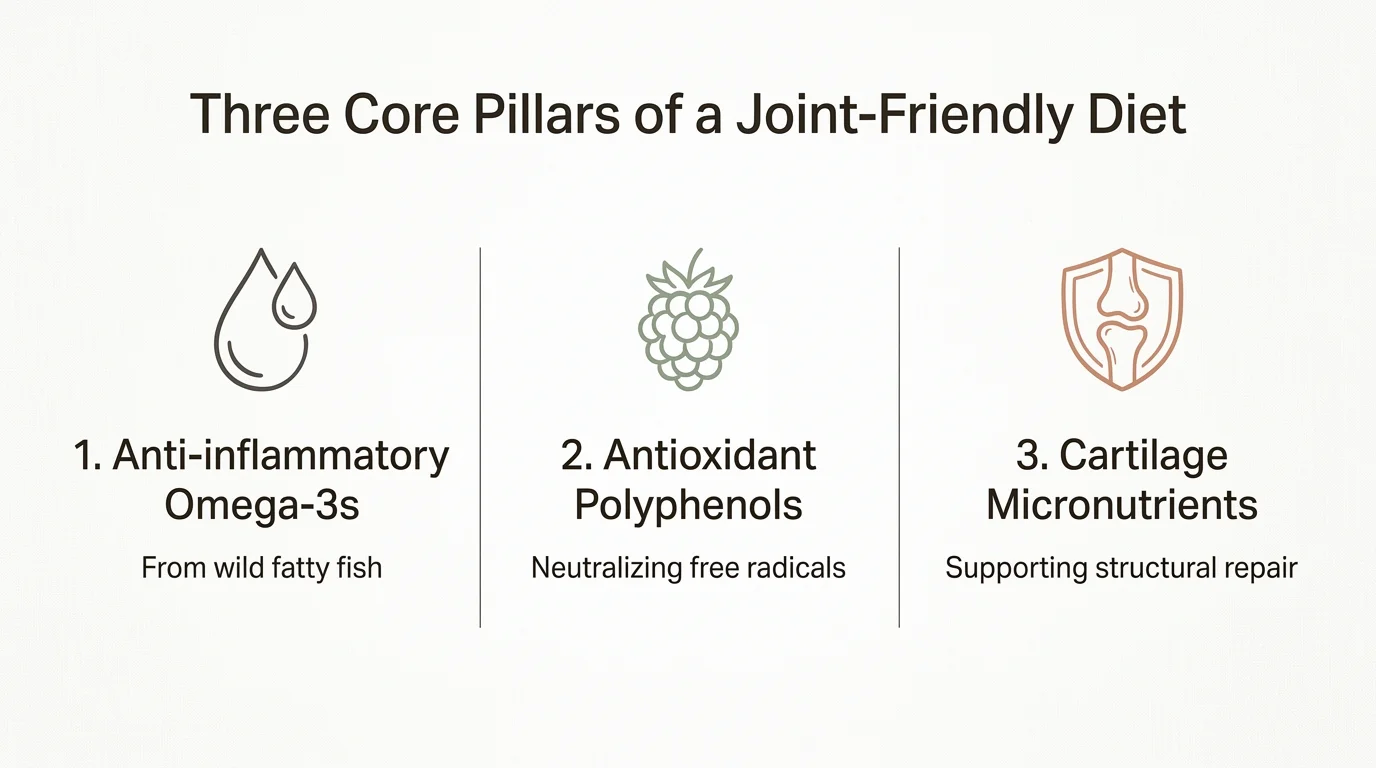
Integrating anti-inflammatory foods into your routine works best when you adopt sustainable, structured habits. Focus on three fundamental pillars designed to build long-term nutritional consistency.
Pillar 1: Strategic Meal Planning. Pair fat-soluble antioxidants with healthy dietary fats to maximize nutrient absorption. For example, drizzle extra virgin olive oil over dark leafy greens or roast broccoli alongside fatty salmon; healthy lipids dramatically enhance your absorption of fat-soluble vitamins. Batch-cook roasted cruciferous vegetables over the weekend to ensure fast, anti-inflammatory lunch options throughout your workweek.
Pillar 2: Whole-Food Substitutions. Swap out inflammatory, processed items for nutrient-dense alternatives. Replace refined seed oils and processed snacks—which contain elevated omega-six fats and advanced glycation end-products—with walnuts, berries, and extra virgin olive oil. Guidance from the Academy of Nutrition and Dietetics emphasizes that small, incremental shifts yield better long-term health outcomes than drastic diets.
Pillar 3: Hydration and Habit Consistency. Cartilage consists of roughly eighty percent water, relying on adequate hydration to maintain its shock-absorbing cushion. Drink sufficient water daily to support synovial fluid production, which lubricates your joints. Focus on daily consistency rather than perfection; consuming anti-inflammatory whole foods consistently over months and years produces compound benefits for your joints.

Expert Insights and Real-World Support
Clinical dietitians and rheumatology specialists advocate for functional, food-first approaches to manage joint health. Dr. Elena Rostova, a clinical nutrition researcher, notes that patients who transition to an anti-inflammatory eating pattern report noticeable improvements in joint mobility and reduced morning stiffness within six to eight weeks. Community members with chronic knee discomfort frequently share that simple daily shifts—such as drinking green tea or consuming tart cherry juice after physical activity—help them stay active while reducing reliance on over-the-counter pain relievers.

Safety Considerations and Dietary Personalization
While whole foods offer remarkable benefits, personalizing your approach guarantees safety and efficacy. According to data from the CDC National Center for Health Statistics, chronic pain affects nearly one in four American adults, leading many to combine dietary strategies with medical therapies. If you take blood thinners such as warfarin, moderate your intake of vitamin K-rich leafy greens and maintain consistent daily levels to prevent medication interactions. Individuals prone to calcium oxalate kidney stones should cook high-oxalate greens like spinach or select lower-oxalate alternatives like kale. Always consult your primary care physician or registered dietitian before making major dietary adjustments.
Frequently Asked Questions About Joint Health
How long does it take for dietary changes to improve joint comfort? Systemic inflammatory markers begin to decrease within two to four weeks of adopting an anti-inflammatory diet. However, structural joint support and noticeable reductions in pain or morning stiffness typically manifest after six to twelve weeks of consistent nutrition.
Can diet reverse existing joint cartilage loss or advanced osteoarthritis? Nutritional changes cannot fully rebuild lost cartilage or reverse end-stage osteoarthritis. However, anti-inflammatory foods effectively slow ongoing cartilage degradation, suppress surrounding soft-tissue swelling, improve fluid lubrication, and reduce pain symptoms.
Are nightshade vegetables harmful to people with joint pain? Nightshade vegetables—such as tomatoes, eggplants, and bell peppers—contain solanine, which some claims link to inflammation. However, scientific research shows no credible link between nightshades and increased joint pain; bell peppers actually provide exceptional amounts of joint-protective vitamin C.
Should I take joint supplements instead of changing my diet? Whole foods supply complex matrices of vitamins, minerals, fiber, and phytochemicals that act synergistically to lower inflammation—an effect isolated supplements cannot replicate. While collagen or glucosamine offer modest benefits, whole-food nutrition provides the primary foundation for joint health.
Take Action Today for Long-Term Mobility
Nourishing your joints does not require an all-or-nothing approach. Take immediate control of your physical well-being by implementing one practical, high-impact choice within the next twenty-four hours. Add a cup of wild blueberries to your breakfast, swap your refined salad dressing for extra virgin olive oil, or sip a warm cup of green tea this afternoon. Each anti-inflammatory choice creates a powerful snowball effect, cooling joint inflammation, protecting cartilage, and empowering you to live an active, pain-free life.