Navigating the grocery store aisles becomes much easier once you understand that convenient packaging does not automatically equal an ultra-processed food. Recent data from the Centers for Disease Control and Prevention reveals that ultra-processed foods supply fifty-five percent of total daily calories for Americans aged one and older. Choosing canned beans, frozen berries, or plain yogurt provides convenience without sacrificing metabolic health, yet many store-bought foods conceal industrial formulations behind innocent labels. Identifying ultra-processed foods requires looking past marketing buzzwords and recognizing how manufacturers alter physical ingredients. Mastering a few key label-reading skills helps you select minimally processed options that nourish your body while still honoring your busy schedule.
Understanding Processing: The NOVA System
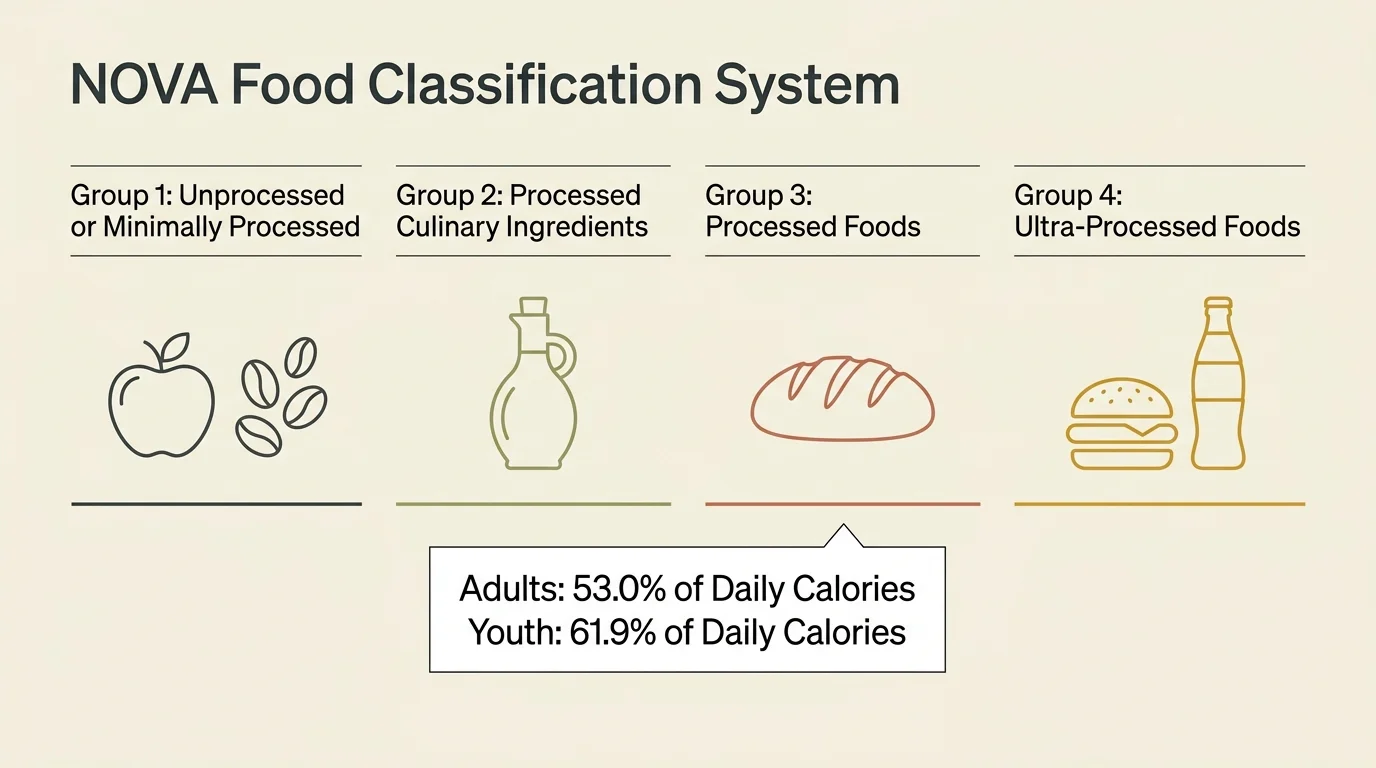
To evaluate your diet accurately, you must first understand how processing levels differ. In 2009, researchers led by Dr. Carlos Monteiro at the University of São Paulo created the NOVA food classification system to categorize foods by processing intensity rather than nutrients alone. NOVA assigns items into four groups. Group one contains unprocessed or minimally processed foods like fresh apples, plain oats, and raw nuts. Group two includes processed culinary ingredients like olive oil, butter, and salt; these items are used in home kitchens to prepare whole foods. Group three consists of traditional processed foods like freshly baked artisanal bread or canned vegetables in brine, which combine whole foods with culinary ingredients to extend shelf life. Group four represents ultra-processed foods, which are industrial formulations designed to create durable, highly convenient, and hyper-palatable products.
According to CDC NHANES data, ultra-processed foods account for 61.9% of total daily calories in children and teenagers and 53.0% in adults. The top caloric sources across all age groups include burgers, sweet bakery items, savory snacks, and sugar-sweetened beverages. Recognizing where packaged products fall on this spectrum helps you make conscious choices without falling into unnecessary fear or confusion.

7 Signs a Food Is Ultra-Processed
1. Ingredients You Would Never Store in a Home Kitchen
When you examine an ingredient label, the presence of substances missing from traditional home pantries serves as a primary sign of ultra-processing. Manufacturers rely on high-fructose corn syrup, hydrogenated oils, protein isolates, and hydrolyzed proteins to lower production costs and extend shelf stability. If you scan an ingredient deck and encounter chemical compounds like carboxymethylcellulose, polysorbate 80, or sodium stearoyl lactylate, you are viewing an industrial formulation rather than a culinary creation. These cosmetic additives serve functional roles; they keep emulsified oils from separating or impart artificial creaminess to low-fat packaged foods.
2. Heavy Reliance on Cosmetic Additives and Synthetic Dyes
Ultra-processed products depend on synthetic dyes, artificial flavor enhancers, and chemical glazing agents to make highly refined starch mixtures look and taste appetizing. Regulatory changes are actively reshaping how these chemical additives enter our food supply. Under the California Food Safety Act, synthetic additives including Red Dye No. 3, potassium bromate, brominated vegetable oil, and propylparaben face a state ban starting January 1, 2027, with additional synthetic dyes banned from public school meals by late 2027. Identifying these cosmetic ingredients helps you bypass hyper-formulated foods that rely on chemical illusions to simulate fresh whole ingredients.
3. Engineered Hyper-Palatability
Food scientists formulate ultra-processed products to reach a specific sensory threshold often called the bliss point. By precisely balancing sugars, industrial fats, and sodium, manufacturers create foods that trigger immediate dopamine release in the brain while overriding natural fullness signals. Unlike home-cooked meals where dietary fiber and intact protein signal satiety to your stomach, engineered snacks promote rapid overeating. When a packaged food leaves you feeling unsatisfied despite consuming significant calories, it was likely formulated for rapid consumption and delayed satiety.
4. Deconstructed and Reassembled Food Matrices
Ultra-processing breaks whole agricultural ingredients down into basic macronutrients, such as refined starches, protein isolates, and pressed oils, and then reassembles them into uniform shapes. Chicken nuggets formed from meat paste, breakfast cereals extruded from corn starch slurries, and protein bars crafted from soy isolates reflect this industrial method. Breaking down original food matrices speeds digestive absorption, alters glycemic responses, and reduces beneficial gut microbiome interactions with natural intact fibers.
5. Deceptive Health Claims Covering Industrial Formulations
Front-of-package marketing often hides heavy industrial processing behind glowing health claims like heart healthy, organic, high fiber, or gluten free. To improve transparency, the U.S. Food and Drug Administration proposed standardized front-of-package labeling rules to clearly highlight high levels of added sugars, sodium, and saturated fats. Furthermore, in August 2026, the FDA proposed making the Generally Recognized as Safe ingredient pathway a mandatory notification system, closing loopholes that permitted novel additives without prior public review. Reading past package fronts protects you from clever marketing tactics.
6. Near-Infinite Shelf Life Without Cold Storage
While traditional preservation uses drying, fermentation, or simple canning, ultra-processed shelf stability relies on complex chemical engineering. Products like toaster pastries, soft cookies, and powdered soups remain edible at room temperature for months or even years. Manufacturers achieve this by adding humectants, synthetic antioxidants like BHT, and anti-caking compounds that prevent spoilage and rancidity. If a soft, moist food stays fresh on an ambient shelf for six months without molding, it has undergone extensive industrial processing.
7. Rapid Digestion Paired with Delayed Fullness Signals
Ultra-processed foods undergo industrial extrusion, high-pressure processing, and fine milling. This mechanical breakdown eliminates physical food structure, allowing exceptionally fast chewing and swallowing. Your gastrointestinal tract absorbs sugars and refined fats rapidly, causing quick blood sugar spikes and subsequent energy dips. Lacking intact natural fiber, these foods induce lower secretions of gut satiety hormones like peptide YY and glucagon-like peptide-1, delaying brain signals that tell you to stop eating.

Three Pillars for Building a Whole-Food Centric Kitchen
Pillar 1: Master Strategic Meal Preparation and Grocery Swaps
Replacing ultra-processed foods does not require cooking complicated dishes from scratch every single night. You can build a resilient routine by focusing on batch preparation of versatile whole ingredients once or twice a week. Prepare large quantities of intact grains like brown rice or quinoa, along with roasted root vegetables and lean proteins over the weekend. Keep your freezer stocked with plain frozen vegetables and flash-frozen berries, which retain high nutrient levels without added preservatives or sodium sauces. Stock your pantry with single-ingredient canned goods such as black beans in water or diced tomatoes. Assembling quick meals from simple whole components removes the need for heat-and-serve commercial entrees.
Pillar 2: Cultivate an Intentional Nutrient Focus
Evaluate packaged products based on structural quality and ingredient integrity rather than calorie counts alone. Read ingredient lists from back to front, paying close attention to the first three items where most of the product mass resides. Look for intact whole grains, nuts, seeds, and legumes near the top of the list. If you buy convenience foods like flavored yogurt or instant oatmeal, purchase plain whole-food versions and add natural sweetness yourself using fresh berries, cinnamon, or real honey. This simple habit cuts added sugar while delivering protective phytonutrients and intact dietary fiber.
Pillar 3: Establish Micro-Habits for Long-Term Success
Attempting an all-or-nothing overhaul of your pantry often leads to frustration and burnout. Build sustainable micro-habits that gradually shift your routine toward whole foods over time. Choose one meal or snack category to upgrade each week, such as replacing afternoon packaged chips with roasted almonds and a fresh apple. Apply a simple label rule: if a product contains more than three ingredients you would not keep in a home kitchen, search for a simpler whole-food alternative. These small, deliberate choices compound over time, naturally reshaping your palate.

Expert Perspectives on Modern Nutrition
Registered dietitians emphasize that eliminating ultra-processed foods entirely is neither necessary nor realistic for most people. Experts at the Academy of Nutrition and Dietetics advocate for overall dietary patterns rather than perfection. Modern life requires convenience, and rejecting all packaged foods creates unnecessary food anxiety. Dietitians suggest an 80/20 approach, where eighty percent of daily calories come from whole or minimally processed sources, leaving room for packaged items when time demands it.
Furthermore, shelf-stable options like canned lentils, plain peanut butter, and frozen fruits supply affordable, high-quality nutrition in communities with limited access to fresh produce. Understanding processing levels empowers you to make practical, nutritious choices that fit your budget.
Personalization, Allergies, and Special Considerations
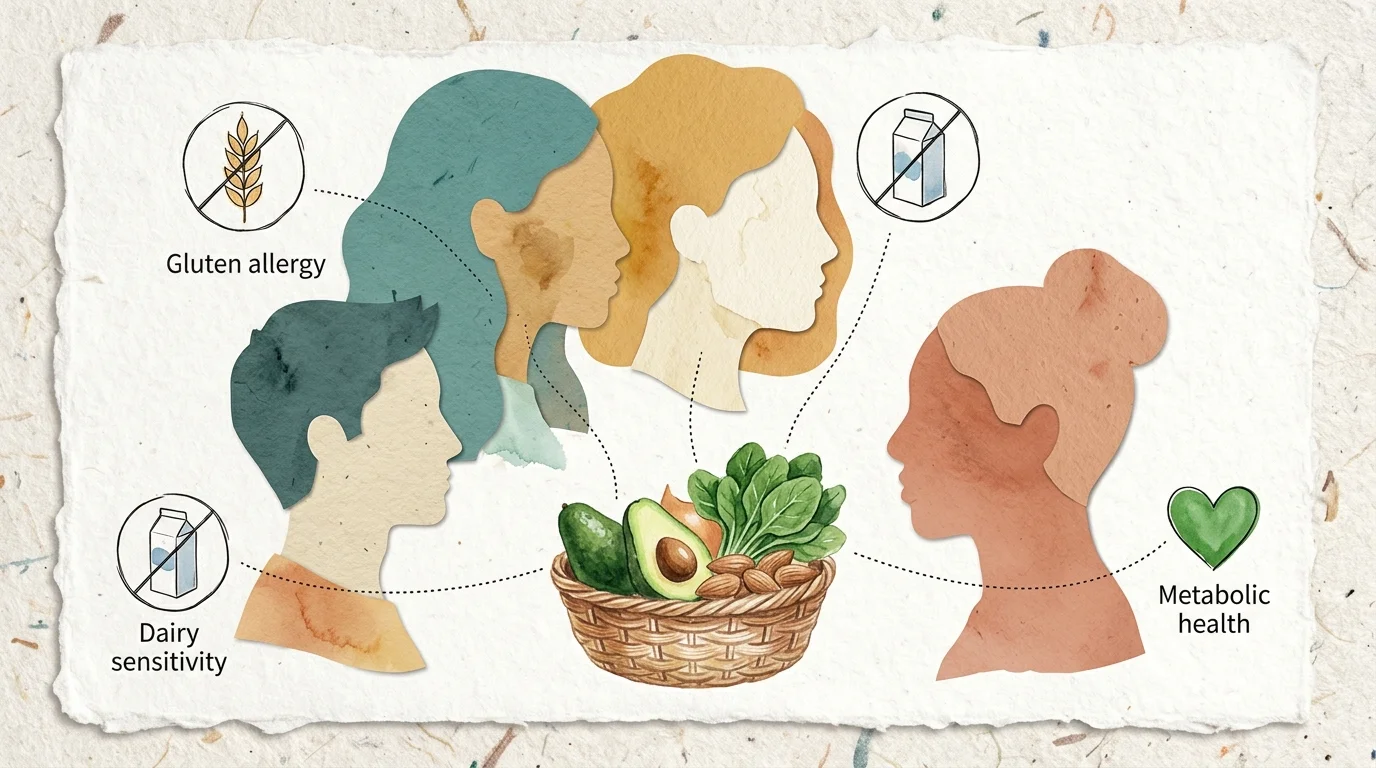
Individual health needs, medical conditions, and food allergies must guide dietary adjustments. Individuals living with conditions like celiac disease, severe food allergies, or chronic kidney disease require tailored guidance when selecting packaged products. For example, people with kidney disease must limit additive sources of phosphorus, such as sodium phosphate emulsifiers commonly added to processed meats and bottled beverages. Always consult a registered dietitian or primary healthcare professional before making major dietary shifts, ensuring your choices meet your personal medical and nutrient needs.
Frequently Asked Questions
Are all packaged or frozen foods ultra-processed?
No. Packaging does not define processing level. Flash-frozen vegetables, canned beans in water, plain oats, and vacuum-sealed fish remain minimally processed foods under NOVA group one or two. Processing becomes ultra-processing only when manufacturers add industrial chemicals, refined isolates, or cosmetic additives not found in culinary kitchens.
Are popular plant-based meat substitutes ultra-processed?
Yes, most commercial plant-based meat alternatives belong in NOVA group four. Manufacturers isolate pea or soy protein, adding refined oils, starches, methylcellulose, and synthetic flavorings to mirror animal meat. While suitable for vegetarian diets, they rely on heavy industrial processing rather than whole plant ingredients.
Why do ultra-processed foods trigger quick hunger after eating?
Ultra-processed foods lack natural fiber and intact cellular structures that slow digestion. Rapid digestion creates sharp blood sugar spikes followed by quick insulin drops. Additionally, these soft formulations suppress gut satiety hormones like peptide YY, delaying signals to your brain that indicate fullness.
Can ultra-processed foods fit into a balanced weight management plan?
Yes. Overall dietary context matters most. Enjoying small amounts of ultra-processed foods within a diet rich in vegetables, lean proteins, whole grains, and healthy fats will not undermine your health goals. Focusing on overall eating patterns fosters a sustainable relationship with food without strict restriction.
Taking Your First Action Today
Improving your nutrition begins with small, deliberate steps rather than dramatic kitchen overhauls. Inspect your pantry today and select one packaged item you eat regularly. Check its ingredient list for industrial additives, then choose a simpler, whole-food alternative for your next shopping trip. Taking this single practical step within the next 24 hours puts you on a clear path toward nourishing your body with real, satisfying food.