
Your blood vessels form an intricate 60,000-mile network that delivers oxygen and critical nutrients to every tissue in your body. When arterial walls remain elastic and smooth, blood flows effortlessly, maintaining normal pressure and protecting your cardiovascular health. According to the American Heart Association 2025 Heart Disease and Stroke Statistics Update, nearly 47% of American adults live with hypertension, which silently damages this delicate vascular lining over time. Fortunately, targeted vascular health nutrition offers a proven, science-backed defense. Incorporating specific, nutrient-dense whole foods into your daily meals actively boosts nitric oxide production, curbs arterial inflammation, and keeps your circulation performing at its peak.
Understanding Vascular Health: The Science Snapshot
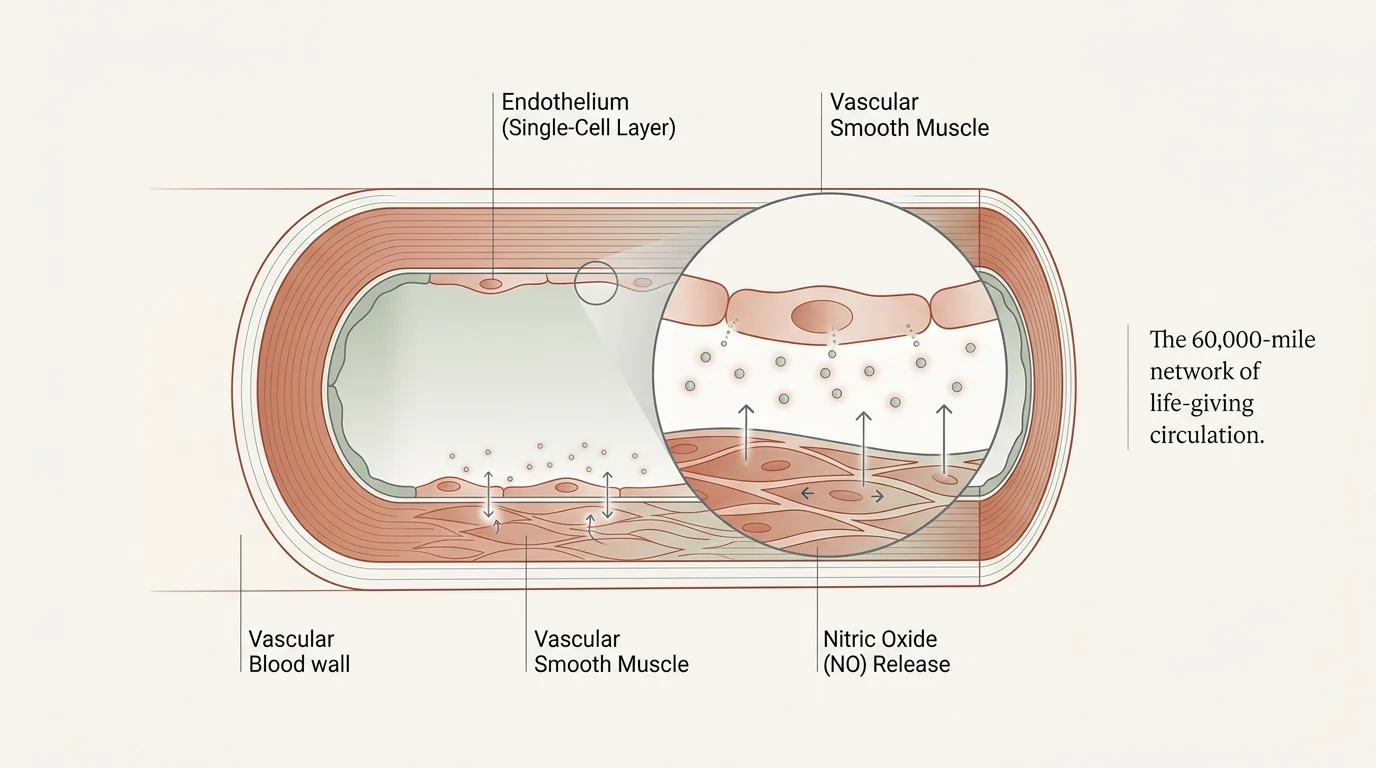
To understand why certain foods support blood vessels, you must examine the endothelium. This microscopic, single-cell layer lines the interior surface of every artery, vein, and capillary in your body. The endothelium acts as a dynamic command center, releasing specialized chemical messengers that prompt arterial walls to dilate or contract. Principal among these signals is nitric oxide, a gaseous molecule that relaxes vascular smooth muscle tissue and expands vessel diameter. When your body produces sufficient nitric oxide, blood vessels remain flexible and resilient; when production falters, arteries stiffen, plaque accumulates, and blood pressure creeps upward.
Researchers at the National Institutes of Health demonstrate that chronic low-grade inflammation and oxidative stress directly impair endothelial function. Free radicals neutralize nitric oxide before it can relax arterial tissue, while inflammatory cytokines cause vascular walls to thicken. A heart healthy circulation diet targets these underlying mechanisms directly. Antioxidants neutralize reactive oxidative molecules, natural dietary nitrates act as precursors to nitric oxide, and anti-inflammatory fats suppress vascular tissue swelling. Furthermore, recent regulatory updates from the Food and Drug Administration emphasize that whole, nutrient-dense foods featuring unsaturated fats and key micronutrients play an indispensable role in maintaining systemic vascular health.
9 Top Foods for Artery Health and Vascular Circulation
1. Dark Leafy Greens
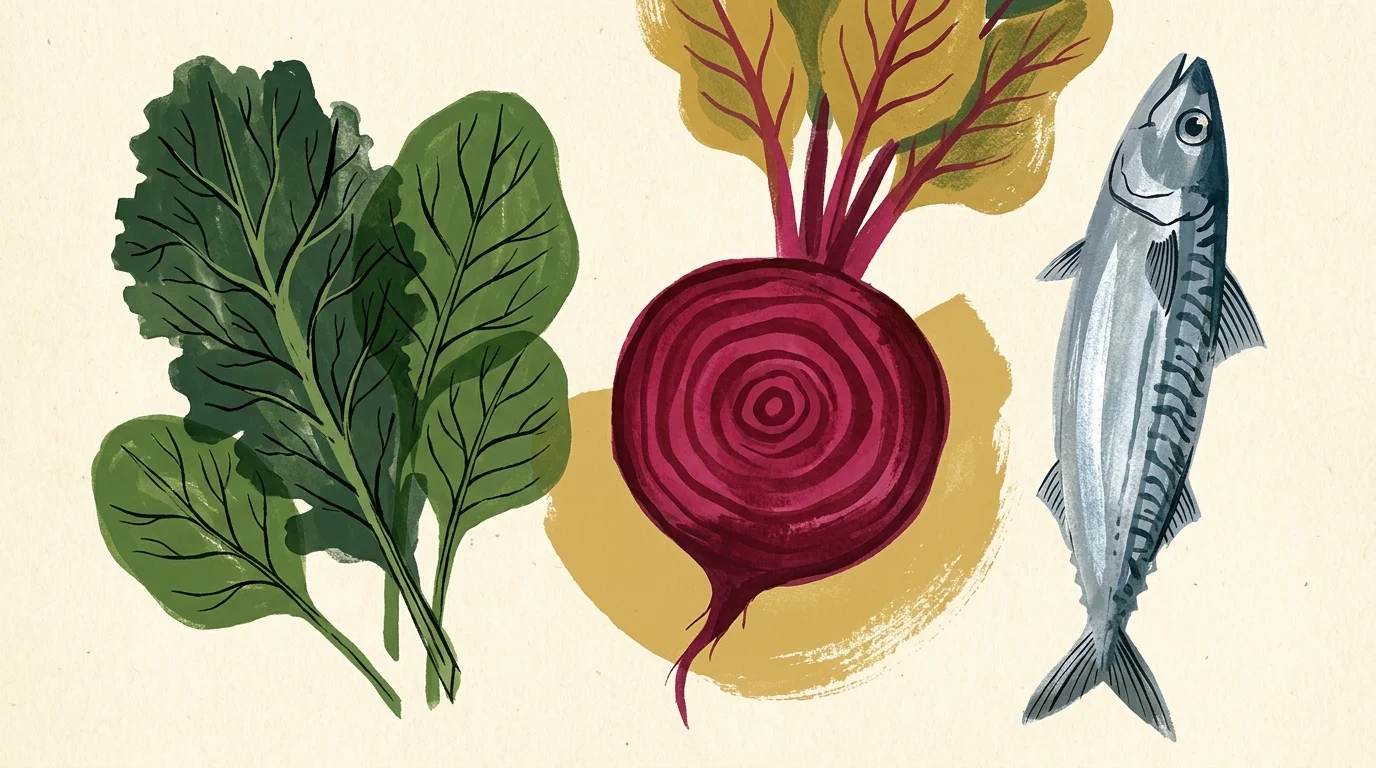
Spinach, kale, arugula, and Swiss chard supply abundant dietary nitrates. Oral bacteria convert these nitrates into nitrites, which your body transforms into active nitric oxide. This natural biological process relaxes arterial walls and enhances microvascular blood flow throughout your tissues. Additionally, dark leafy greens provide rich amounts of potassium, a mineral that counteracts cellular sodium. The Food and Drug Administration permits health claims noting that potassium-rich foods help reduce high blood pressure and stroke risk. Enjoy two cups of raw greens daily in fresh salads, grain bowls, or morning smoothies.
2. Beets and Beetroot Juice
Beets represent one of the richest plant sources of dietary inorganic nitrate available. Clinical trials show that drinking beetroot juice triggers a measurable surge in plasma nitric oxide levels within two hours, causing rapid, measurable drops in systolic blood pressure. Beyond nitrates, beets contain vivid betalain pigments that protect delicate endothelial cells from oxidative damage and lipid peroxidation. You can roast whole red beets for dinner, shave raw golden beets over salads, or drink four to eight ounces of pure beet juice before aerobic exercise to improve muscle circulation and stamina.
3. Fatty Fish
Wild salmon, mackerel, sardines, herring, and trout deliver concentrated amounts of eicosapentaenoic acid (EPA) and docosahexaenoic acid (DHA). These essential omega-3 fatty acids integrate directly into endothelial cell membranes, boosting their overall structural elasticity. EPA and DHA stimulate endothelial nitric oxide synthase—the enzyme responsible for generating nitric oxide—while simultaneously suppressing systemic inflammatory pathways. The FDA authorizes qualified health claims stating that consuming combined EPA and DHA omega-3 fatty acids lowers blood pressure and mitigates heart disease risk. Eating two four-ounce servings of oily fish weekly provides optimal vascular protection.
4. Walnuts and Seeds
Walnuts contain rich levels of alpha-linolenic acid (ALA)—a plant-based omega-3 fatty acid—alongside L-arginine, an essential amino acid precursor for nitric oxide synthesis. Under FDA guidelines, eating 1.5 ounces of walnuts daily as part of a diet low in saturated fat and cholesterol may significantly reduce cardiovascular disease risk. Similarly, chia seeds and ground flaxseeds supply soluble fiber and lignans that suppress vascular inflammation. Sprinkle crushed walnuts and ground flaxseeds over warm oatmeal, plant-based yogurt, or salads for an effortless daily vascular boost.
5. Whole Oats and Barley
Whole oats and barley deliver high concentrations of beta-glucan, a viscous soluble fiber that binds intestinal cholesterol and aids its excretion. This process forces your liver to extract circulating LDL cholesterol from your bloodstream to produce new bile acids, directly preventing plaque accumulation inside arterial walls. Under federal regulations (21 CFR 101.81), the FDA authorizes a health claim stating that consuming three grams or more of soluble fiber daily from whole oats or barley lowers coronary heart disease risk. Enjoying steel-cut oatmeal topped with fresh berries creates an ideal daily habit for vascular longevity.
6. Berries
Blueberries, blackberries, raspberries, and strawberries derive their deep red and purple colors from anthocyanins, a powerful class of flavonoid antioxidants. Anthocyanins protect arterial walls by neutralizing free radicals, preventing LDL oxidation, and increasing endothelial nitric oxide production. Observational studies associate regular berry intake with lower arterial stiffness and improved blood pressure levels. Adding one cup of fresh or frozen mixed berries to your morning meal helps preserve delicate capillary networks throughout your heart, brain, and bodily tissues.
7. Citrus Fruits
Oranges, grapefruits, lemons, and limes contain hesperidin and naringenin—citrus flavonoids that enhance microvascular dilation, improve vessel responsiveness, and curb arterial inflammation. Citrus fruits also offer high amounts of vitamin C, an essential nutrient required for collagen synthesis within arterial structural walls. Consuming whole oranges as midday snacks, adding fresh grapefruit segments to salads, or squeezing lemon juice over roasted vegetables supports daily vascular tone and vessel flexibility.
8. Garlic and Allium Vegetables
Garlic, onions, shallots, and leeks contain sulfur compounds like allicin, which forms when fresh garlic is crushed or finely chopped. Allicin relaxes blood vessels by stimulating hydrogen sulfide and nitric oxide production, which inhibits platelet aggregation and prevents vascular smooth muscle cell constriction. Crushing fresh garlic and letting it sit on your cutting board for ten minutes before cooking preserves its bioactive compounds, making it an easy, flavorful addition to savory meals, dressings, and sauces.
9. Extra Virgin Olive Oil
Extra virgin olive oil provides abundant monounsaturated oleic acid and potent polyphenols like hydroxytyrosol and oleocanthal. These natural antioxidants prevent low-density lipoprotein (LDL) oxidation, a critical initial step in preventing atherosclerotic plaque buildup along arterial walls. Drizzle raw extra virgin olive oil over salads, steamed vegetables, and warm grain bowls rather than heating it to extreme temperatures, preserving its delicate phenolic compounds for maximum circulation support.
Practical Strategies for Your Heart Healthy Circulation Diet
Integrating foods that support blood vessels into your lifestyle requires structured meal planning, targeted nutrient pairing, and consistent habit formation rather than quick-fix diets. Start by assembling meals that combine complementary vascular nutrients. For example, pairing potassium-rich dark greens with healthy fats—such as kale dressed with extra virgin olive oil and toasted walnuts—significantly enhances the absorption of fat-soluble antioxidants like vitamin E and beta-carotene while promoting smooth arterial relaxation.
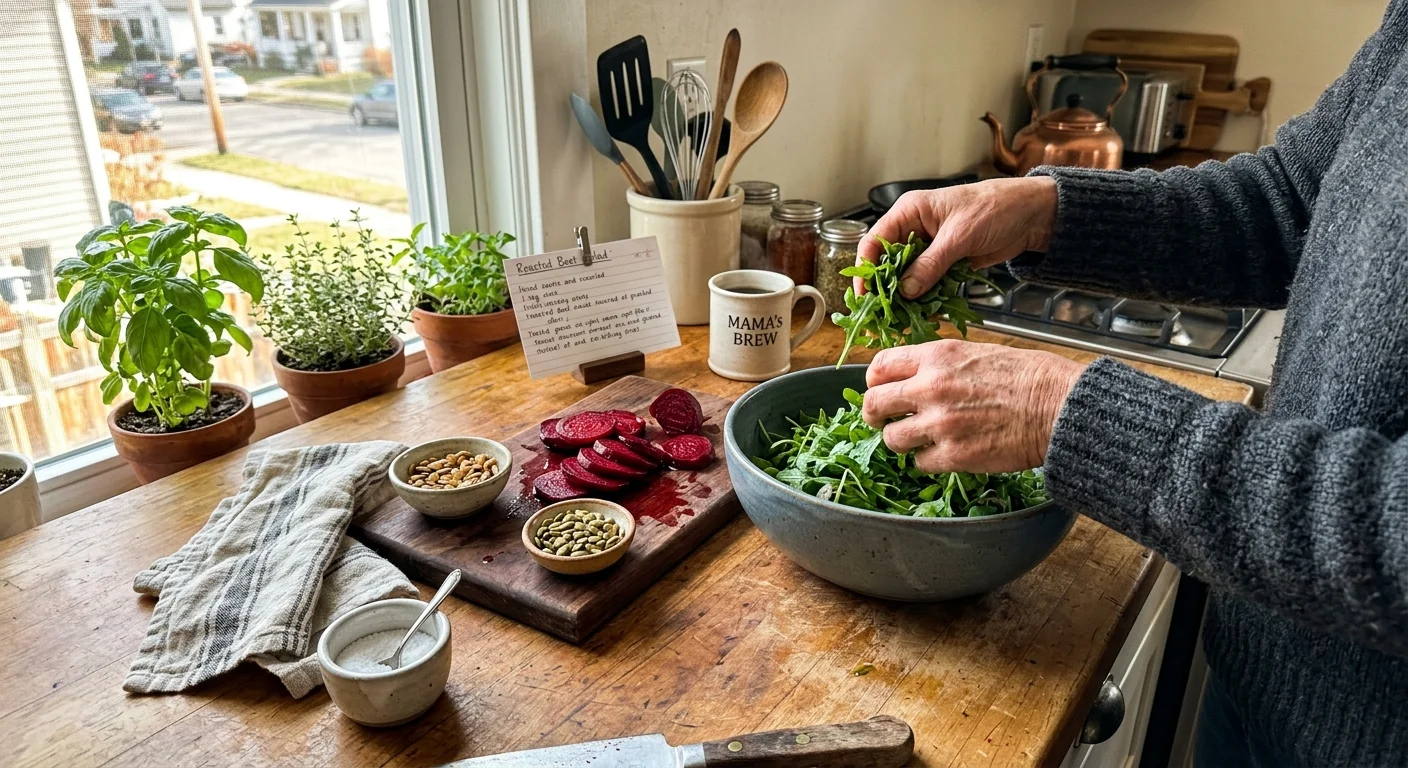
Focus on simple grocery shopping and preparation habits to keep vascular health nutrition effortless. Keep frozen berries, canned wild salmon, and whole oats stocked in your kitchen pantry for quick weekday meals. Prepare roasted beets and chopped greens over the weekend so you can easily add them to lunches during busy workdays. According to recommendations from the Academy of Nutrition and Dietetics, replacing sodium-dense processed snacks with whole foods continuously reduces blood vessel stress and supports long-term circulation.
Expert Insights and Real-World Application
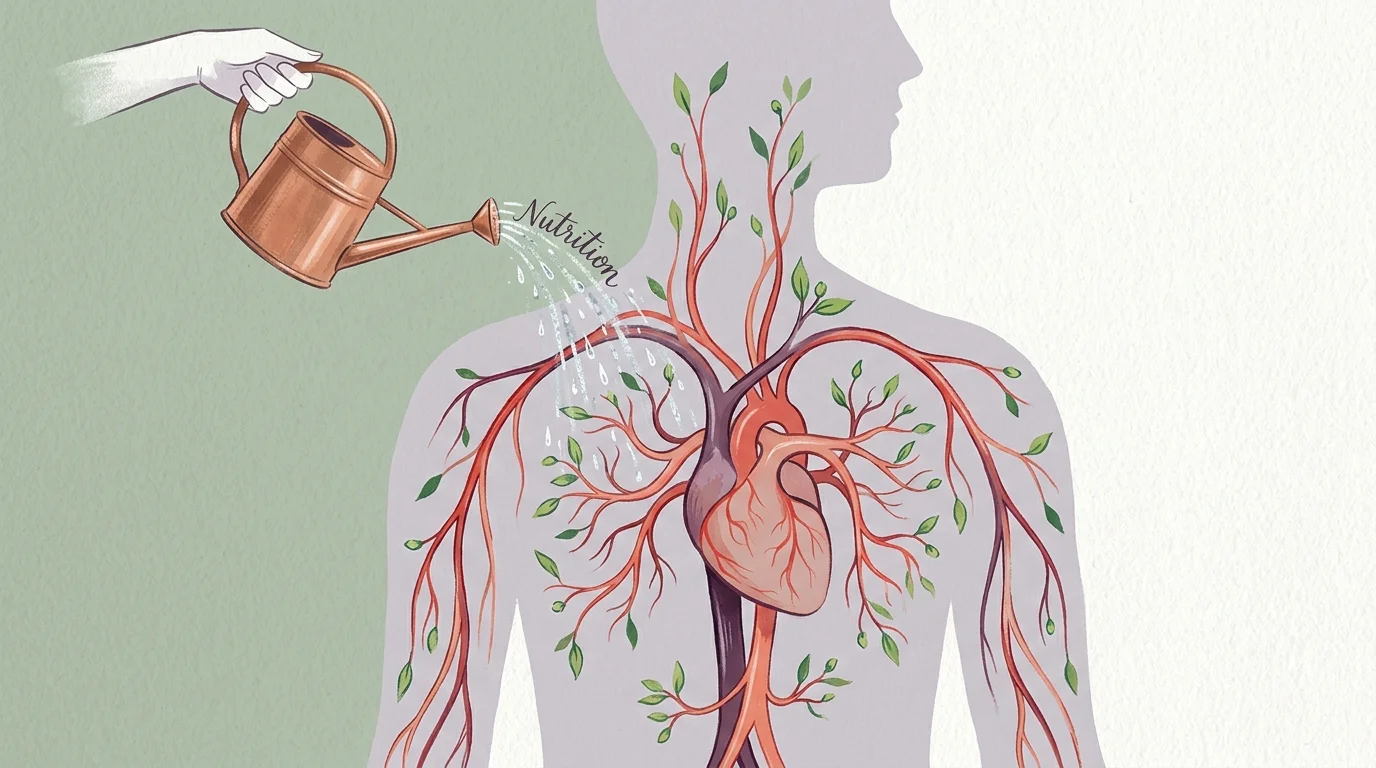
Clinical dietitians and preventive cardiologists highlight that targeted nutrition alters vascular function remarkably fast. Clinical research published by the American Heart Association indicates that endothelial cells respond to nutrient intake within hours. Consuming a single meal rich in natural dietary nitrates and unsaturated fats leads to measurable improvements in arterial flow-mediated dilation shortly after digestion.
Cardiovascular health experts observe that clients who adopt a structured circulation meal plan frequently see tangible clinical benefits, including improved energy levels and favorable blood pressure trends within four to six weeks. Combining dietary improvements with daily physical movement creates a powerful compounding effect, as exercise increases physical shear stress along vessel walls, further stimulating endothelial nitric oxide production and strengthening overall cardiovascular resilience.
Safety, Contraindications, and Personalization
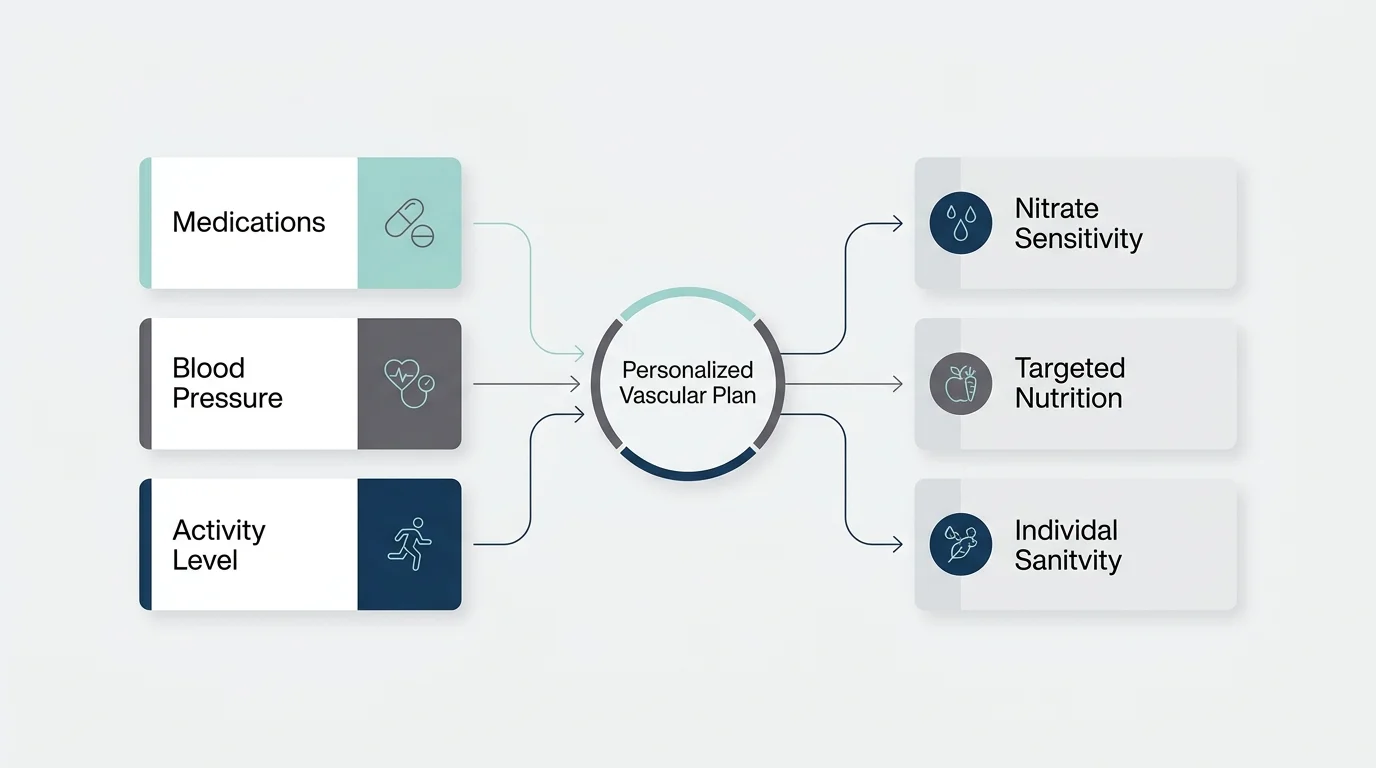
While foods for vascular health benefit most adults, individual health conditions require personalized dietary adjustments. For example, individuals taking vitamin K-sensitive blood thinners like warfarin must maintain consistent daily intakes of dark leafy greens rather than making sudden surges, as fluctuating vitamin K levels alter medication efficacy. Always consult your prescribing clinician before making major dietary shifts if you take anticoagulant medications.
Additionally, individuals living with advanced chronic kidney disease must manage high-potassium foods such as spinach, beets, and citrus fruits carefully. Declining kidney function can impair potassium excretion, leading to dangerous hyperkalemia. If you have kidney disease, severe food allergies, or complex cardiovascular conditions, consult a registered dietitian or physician to create a tailored nutrition plan that meets your unique metabolic needs safely.
Frequently Asked Questions
Can cooked beets provide the same vascular benefits as raw beetroot juice?
Yes, cooked beets support healthy blood vessels effectively, though roasting or steaming preserves more dietary nitrates than boiling in water. Cooked beets also supply valuable dietary fiber that beetroot juice lacks, supporting balanced blood sugar levels alongside arterial elasticity.
How quickly can dietary changes improve blood vessel function?
Acute improvements in blood vessel dilation occur within two to three hours after eating nitrate-rich or antioxidant-rich foods like beet juice, berries, or greens. However, achieving lasting reductions in resting blood pressure and arterial stiffness requires consistent dietary habits over four to eight weeks.
Are frozen or canned foods as beneficial for vascular health as fresh ones?
Flash-frozen fruits and vegetables retain their nitrate content, vitamins, and antioxidants exceptionally well. Low-sodium canned options like wild salmon or beans offer equally accessible vascular benefits. Choose canned goods packed in water with no added sodium to prevent fluid retention and elevated blood pressure.
Do I need nitric oxide supplements if I eat these foods regularly?
Whole foods provide a balanced, highly bioavailable matrix of nitrates, antioxidants, fiber, and essential minerals without the risks associated with concentrated dietary supplements. Eating a varied whole-food diet supports natural nitric oxide synthesis safely. Always discuss dietary supplements with your physician before starting them.
Take Action for Your Circulation Today
Supporting your circulatory network does not require a complete lifestyle overhaul overnight. Choose just one actionable step today: add half a cup of fresh berries to your breakfast, toss a handful of walnuts into your afternoon routine, or roast sliced beets for dinner. According to data from the Centers for Disease Control and Prevention, small daily interventions yield major long-term benefits for cardiovascular health. Take one simple action within the next 24 hours to give your blood vessels the nourishing foundation they need.