Bouncing back from an illness takes a heavier toll on your body as you age, but eating the right senior recovery foods accelerates your healing process. When an infection or surgery depletes your energy reserves, targeted nutrition rebuilds your muscle tissue and restores your immune defenses. You cannot rely on calories alone; your body demands high-quality proteins, specific vitamins, and easily digestible nutrients to repair cellular damage. By strategically incorporating eight specific healing foods into your healthy aging diet, you give your immune system the exact building blocks it needs to thrive. A well-planned nutrition after illness strategy transforms a slow, exhausting convalescence into a steady, empowering return to your favorite daily activities and overall vitality.
The Physiology of Recovery and Nutritional Demands
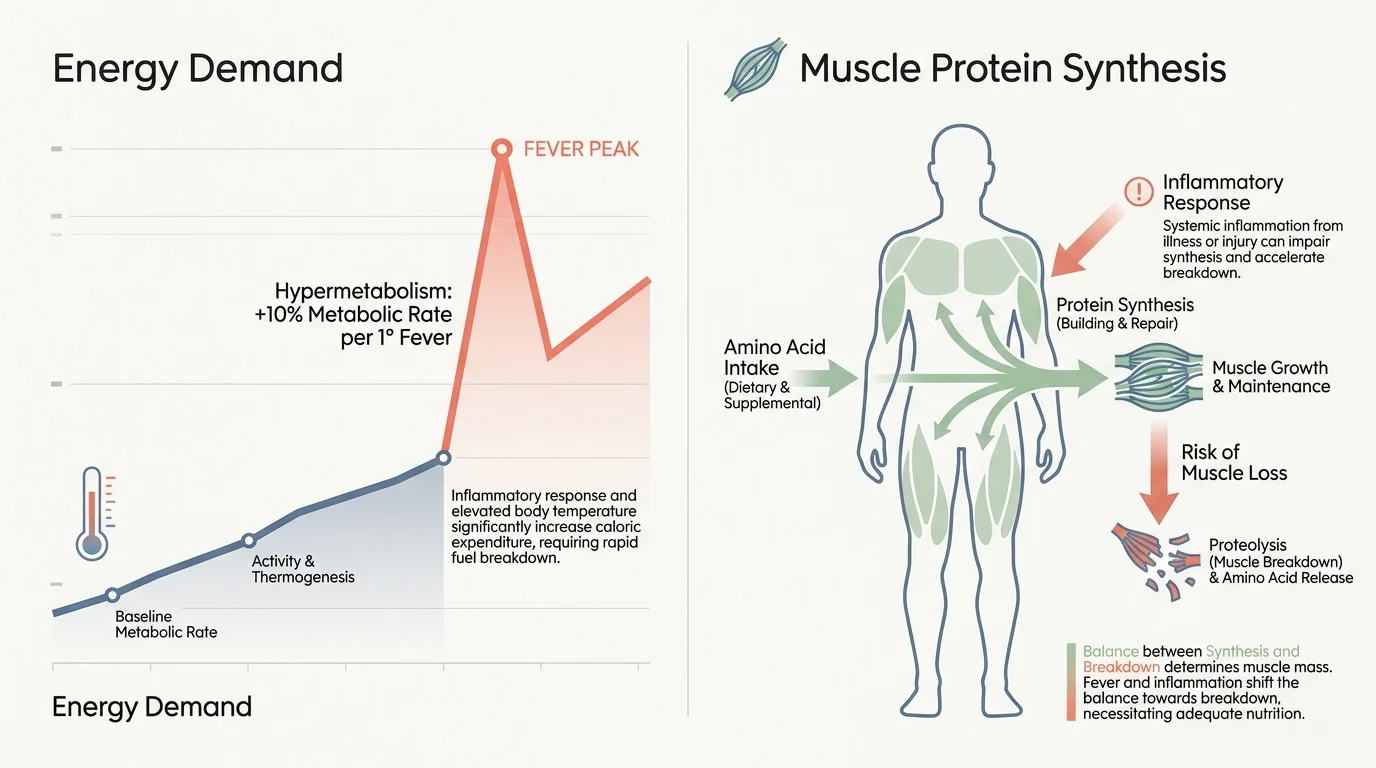
When an illness strikes an older adult, the biological aftermath extends far beyond the acute symptoms. Your body enters a state of hypermetabolism—a condition where your basal metabolic rate surges to fight off the pathogen or heal injured tissues. For example, a single degree increase in body temperature during a fever can raise your resting metabolic rate by roughly ten percent. This sudden spike in energy demand means your body burns through its nutritional reserves at an alarming pace, leaving you fatigued and vulnerable to secondary infections.
Aging naturally alters how your body processes and utilizes nutrients, making recovery a more complex biological puzzle. Older adults frequently experience a heightened inflammatory response coupled with a reduced capacity to synthesize new muscle tissue. Prolonged bed rest exacerbates this challenge; you can lose a significant percentage of lean muscle mass in just a few days of immobility. To counter this rapid decline, your recovery diet must prioritize bioactive compounds that quench systemic inflammation while delivering high-biological-value proteins to stimulate muscle protein synthesis.
Understanding these physiological shifts is crucial for preventing the downward spiral of post-illness frailty. Nutrition is not merely fuel; it acts as a cellular communication tool that instructs your immune system to resolve inflammation and directs amino acids to repair damaged tissues. Relying on scientific guidelines from authorities like the National Institute on Aging ensures that your dietary choices directly address the unique metabolic realities of the older adult body during convalescence.
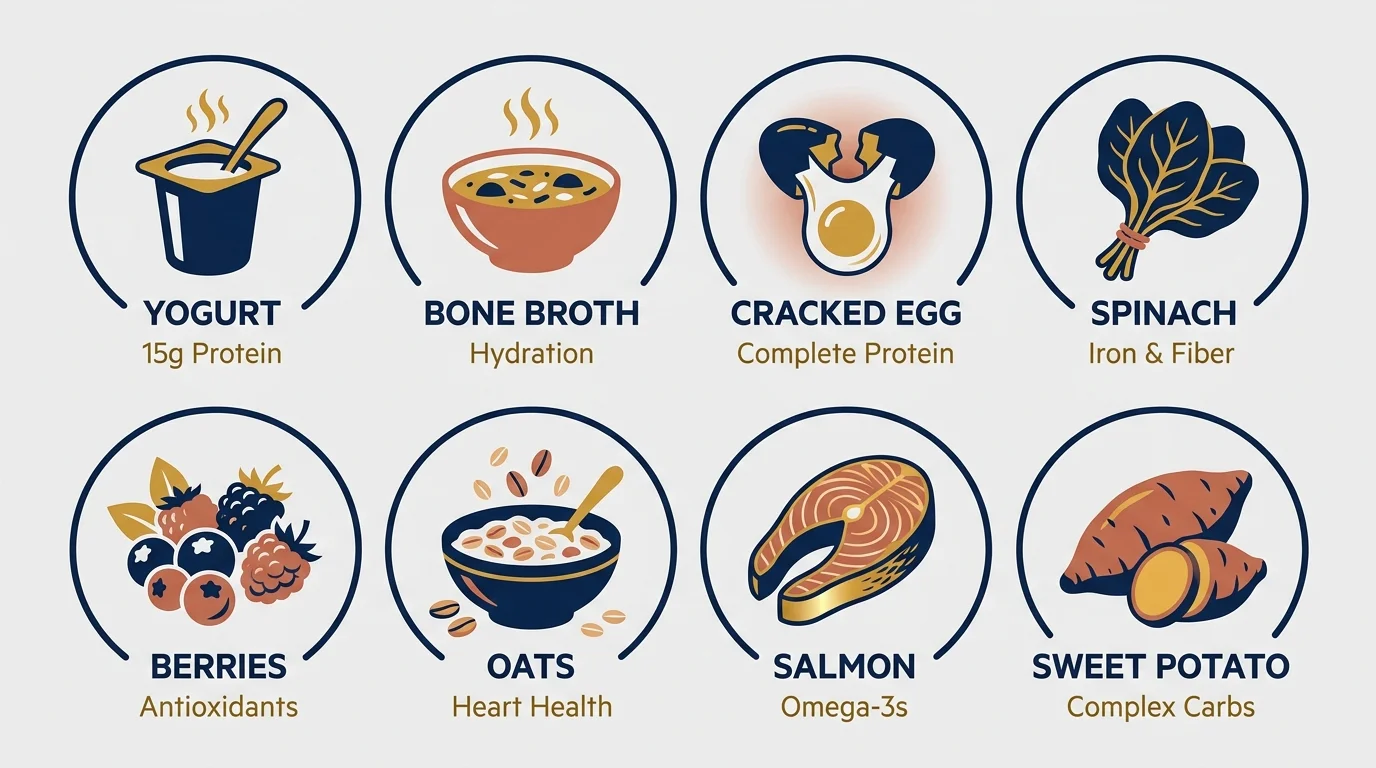
8 Healing Foods to Accelerate Your Recovery
1. Greek Yogurt for Cellular Repair and Gut Health
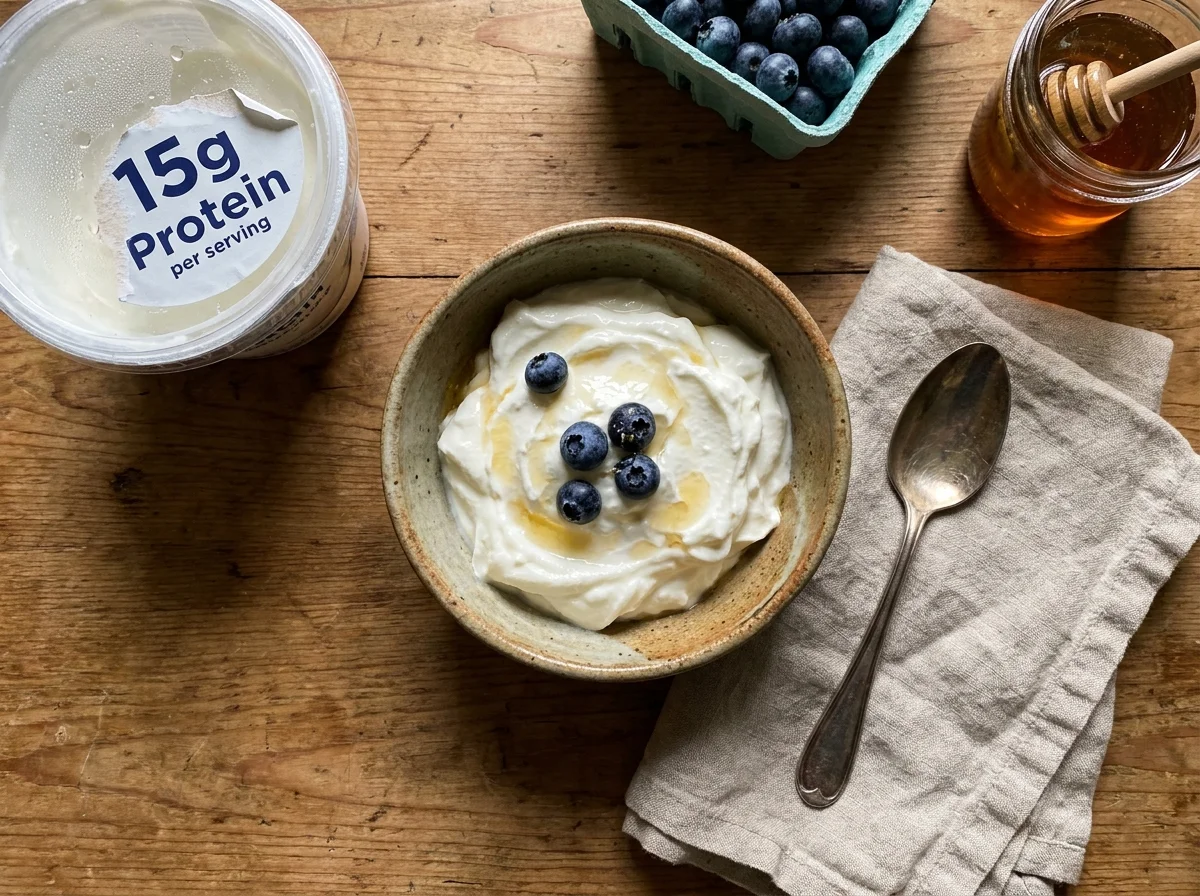
Greek yogurt stands out as a premier recovery food because it delivers a concentrated dose of easily digestible protein alongside vital probiotics. A standard serving contains nearly double the protein of traditional yogurt, providing up to 15 grams of the building blocks necessary for rebuilding weakened muscles. The live and active cultures found in fermented dairy products replenish your gut microbiome, which is particularly essential if your illness required a course of antibiotics. A robust gut microbiome directly influences your systemic immunity, helping you ward off lingering pathogens.

2. Bone Broth for Hydration and Amino Acids
When a suppressed appetite makes chewing solid food feel like a chore, bone broth offers a nutrient-dense, liquid alternative that gently nourishes your body. Simmering animal bones extracts collagen, gelatin, and critical amino acids like glycine and proline, which play a direct role in reducing gastrointestinal inflammation and supporting joint health. Furthermore, bone broth naturally replenishes essential electrolytes—sodium, potassium, and magnesium—lost through sweating or gastrointestinal distress, making it an exceptional tool for restoring optimal hydration levels.

3. Eggs for Complete Protein and Vitamin D
Eggs represent one of nature’s most perfect protein sources, containing all nine essential amino acids in ratios that your body can utilize immediately. They are exceptionally rich in leucine, the specific amino acid responsible for flipping the biological switch that triggers muscle growth and repair. Beyond their protein content, egg yolks provide naturally occurring vitamin D and choline. Vitamin D modulates immune cell function, while choline supports neurological health—both of which are critical when overcoming the physical and mental fatigue associated with a prolonged illness.
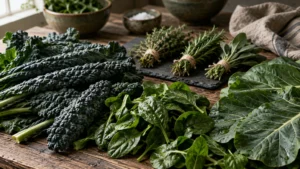
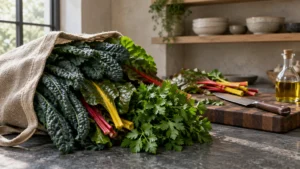
4. Cooked Spinach for Iron and Antioxidants
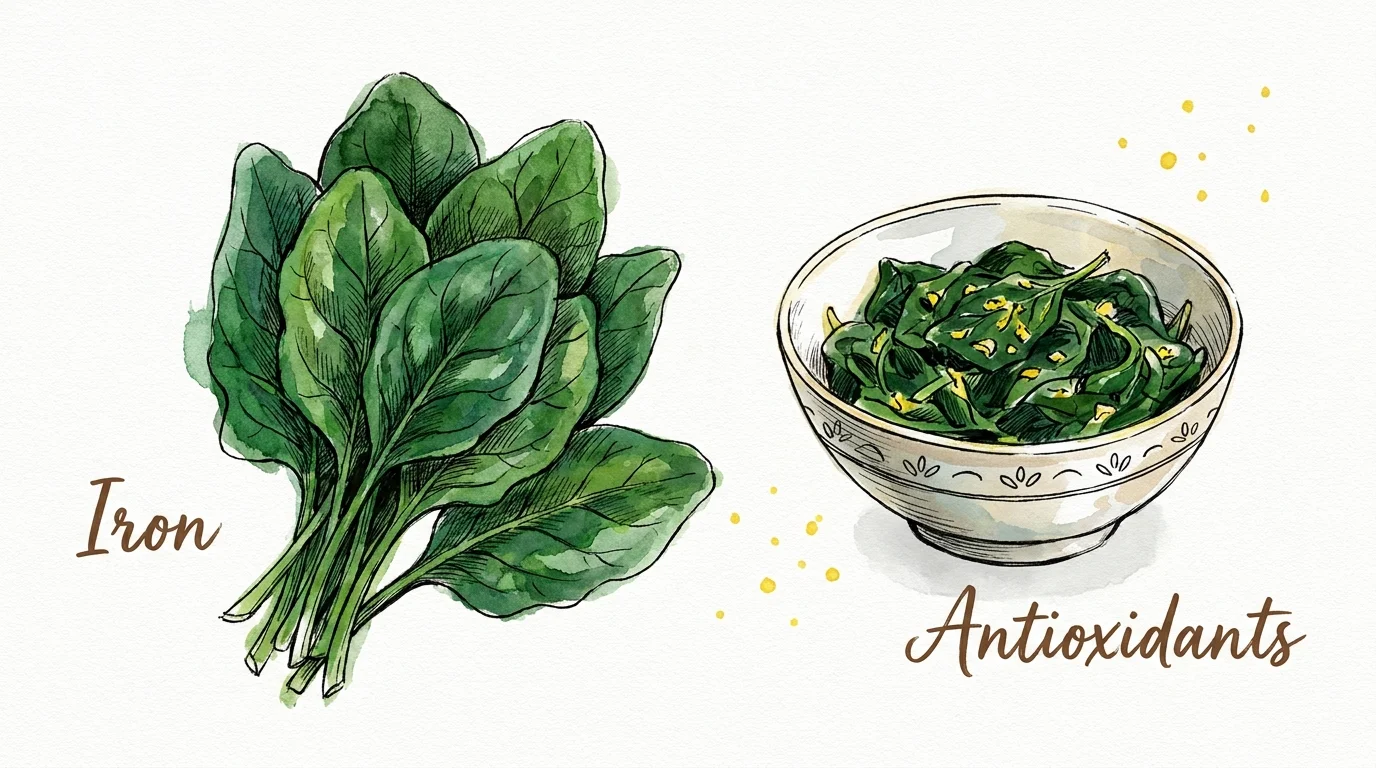
While raw greens can be harsh on a sensitive digestive tract, thoroughly cooked spinach provides a concentrated source of highly bioavailable nutrients. The cooking process breaks down cellular walls and reduces oxalates, allowing your body to easily absorb the abundant iron, folate, and vitamin C locked inside the leaves. Iron restores the oxygen-carrying capacity of your red blood cells to combat exhaustion, while vitamin C acts as a potent antioxidant that neutralizes the free radicals generated during your body’s immune response.

5. Berries for Oxidative Stress Reduction
Blueberries, raspberries, and blackberries are functional foods packed with anthocyanins—the vibrant pigments responsible for their deep colors and their profound anti-inflammatory properties. Illness generates significant oxidative stress, which damages healthy cells and prolongs recovery. The antioxidants in berries actively scavenge these harmful molecules, protecting your tissues from further injury. Because berries contain soluble fiber, they also support gentle bowel regularity without imposing heavy digestive demands on your gastrointestinal system.
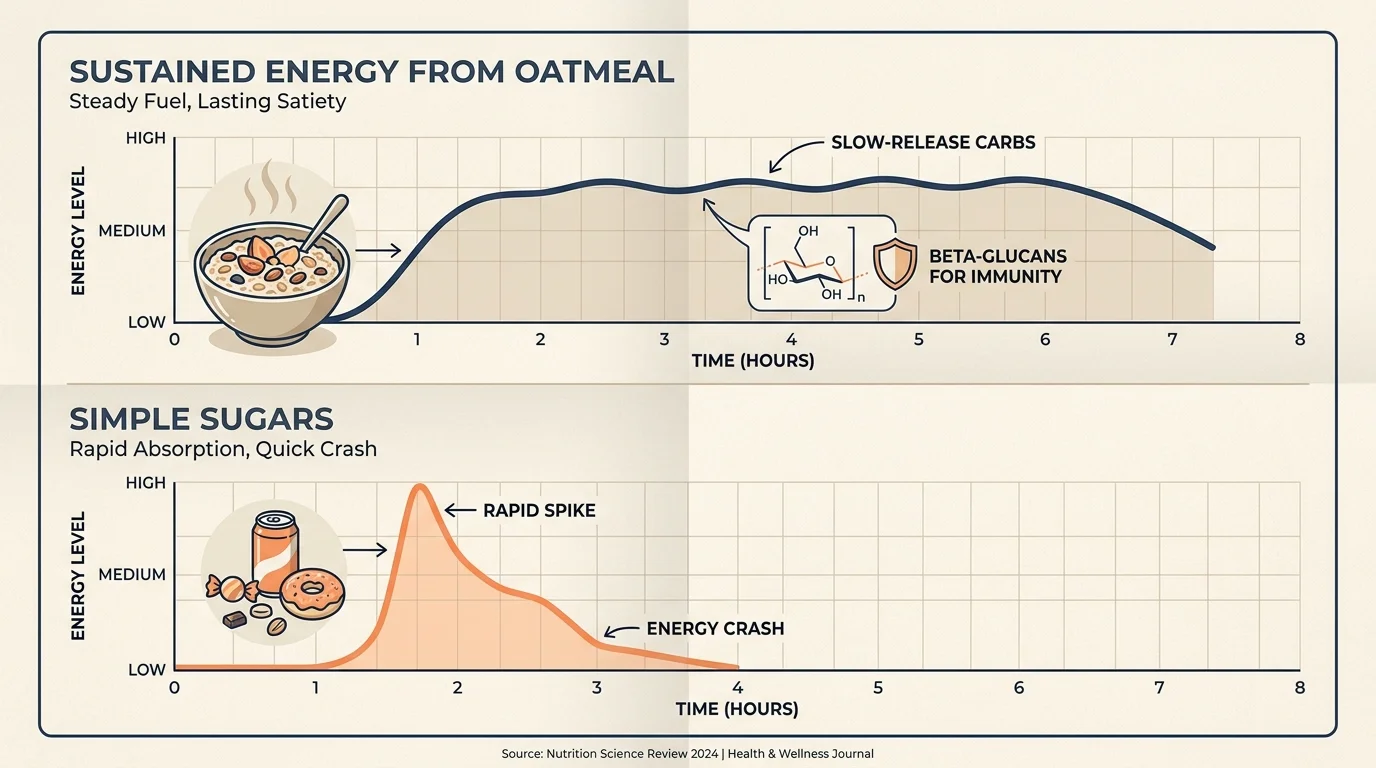
6. Oatmeal for Sustained Energy and Immune Support
A warm bowl of oatmeal provides a soothing, easily swallowed source of complex carbohydrates to stabilize your blood sugar and provide steady, long-lasting energy. Oats contain a unique type of soluble fiber called beta-glucan, which clinical research has shown directly enhances the function of macrophages and neutrophils—the white blood cells tasked with seeking out and destroying infections. Preparing oatmeal with fortified milk instead of water effortlessly increases the caloric and protein density of the meal without adding extra bulk.
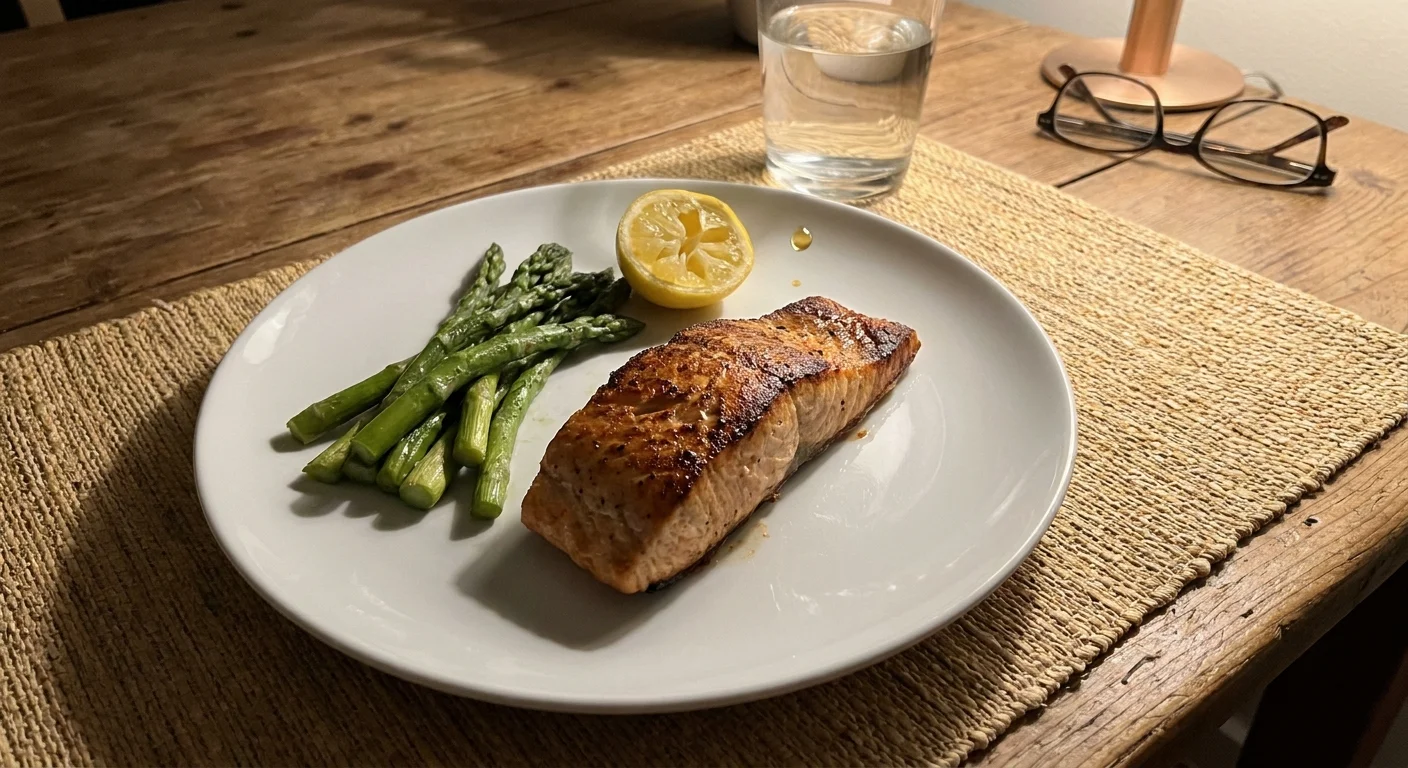
7. Salmon for Omega-3 Fatty Acids
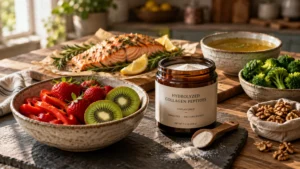
Wild-caught salmon acts as a powerful anti-inflammatory agent thanks to its exceptionally high concentration of EPA and DHA omega-3 fatty acids. When your body fights an infection, the inflammatory phase must eventually shut off to allow healing to begin; omega-3s act as the chemical messengers that command your immune system to resolve this inflammation. The soft, flaky texture of properly cooked salmon makes it easy to chew and swallow, offering a premium source of marine protein that supports cardiovascular and cognitive recovery.
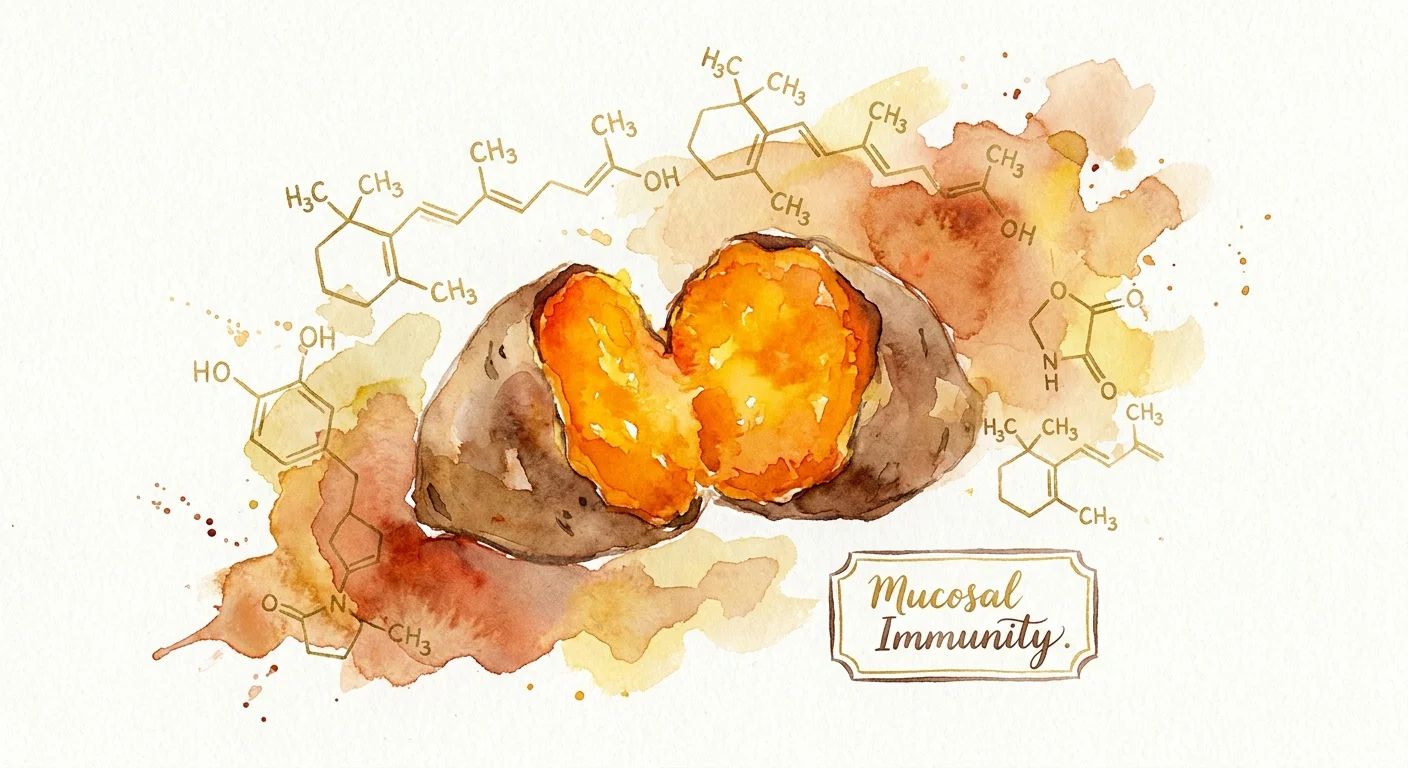
8. Sweet Potatoes for Mucosal Immunity
Sweet potatoes provide a rich supply of beta-carotene, which your body converts into vitamin A. This specific vitamin is strictly required for the maintenance and repair of mucosal barriers—the protective linings in your respiratory and gastrointestinal tracts that act as your first line of defense against invading pathogens. Baked or mashed sweet potatoes are remarkably gentle on the stomach and offer a significant dose of potassium to help regulate blood pressure and fluid balance as your body returns to homeostasis.
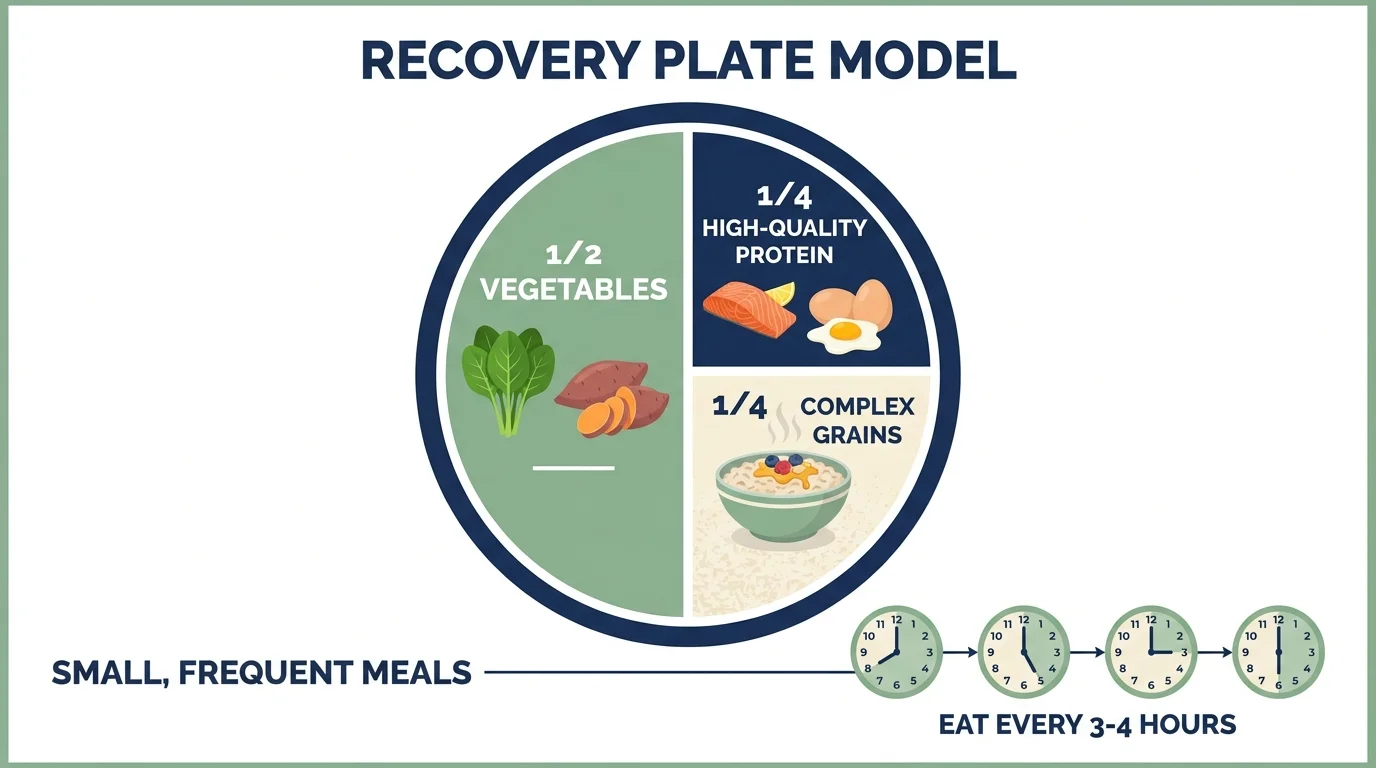
Meal Strategies and Practical Portions
Appetite suppression often persists long after the fever breaks or the acute symptoms subside, meaning you must approach mealtime strategically. Rather than forcing yourself to consume three large meals, transition to eating five or six small, nutrient-dense mini-meals spaced evenly throughout the day. This frequent feeding approach prevents digestive overload while ensuring a constant stream of amino acids and energy reaches your recovering tissues. You might start your morning with a half-cup of oatmeal and a scrambled egg, followed by a mid-morning snack of Greek yogurt mixed with a handful of mashed berries.
Adopting a “protein first” strategy ensures you meet your structural requirements even if you cannot finish your plate. Older adults frequently require up to 1.2 to 1.5 grams of protein per kilogram of body weight during the convalescent phase to reverse muscle catabolism. By taking a few bites of salmon or chicken before eating your carbohydrates, you secure the most critical macronutrient for physical repair. You should also separate your fluids from your solid foods by about thirty minutes to prevent liquids from filling your stomach and blunting your appetite for nutrient-dense solids.
Enhancing the caloric density of your meals without increasing their volume is a masterclass in recovery nutrition. You can easily fortify foods by stirring olive oil or melted butter into mashed sweet potatoes, adding powdered milk or unflavored protein powder to soups, or blending avocado into smoothies. These practical adjustments provide the extra energy your hypermetabolic body requires without causing uncomfortable bloating or early satiety.

The Lifestyle Layer of Healing
Optimal nutrition cannot work in isolation; it requires a supportive physiological environment to effectively rebuild your body. High-quality sleep acts as the ultimate biological amplifier for your diet. During deep sleep, your body releases human growth hormone and accelerates cellular repair mechanisms. You should prioritize sleep hygiene by maintaining a cool, dark environment and establishing a consistent bedtime routine that allows your nervous system to fully downshift into a parasympathetic, restorative state.
Gentle movement, closely tailored to your current energy levels, complements your dietary protein intake by actively signaling your muscles to absorb circulating amino acids. Prolonged bed rest actively promotes muscle wasting, so integrating light activities—such as short walks around the house, seated leg extensions, or gentle stretching—creates the mechanical stimulus necessary for muscle protein synthesis. You must pace yourself, honoring your body’s signals of fatigue, but remaining entirely sedentary delays the functional benefits of your carefully planned recovery diet.
Stress reduction and community support complete the holistic healing framework. Chronic psychological stress elevates cortisol levels, which directly suppresses immune function and impairs digestive efficiency. Engaging in deep breathing exercises or enjoying visits from supportive family members lowers systemic stress hormones, thereby improving your appetite and enhancing nutrient absorption. Social dining has been shown to increase caloric intake among older adults, turning mealtime from a clinical chore into a comforting, restorative experience.
Monitoring Your Progress and Safety Red Flags
Tracking your physical response to a recovery diet ensures that you are moving in the right direction and allows you to catch potential complications early. Body weight is a critical biomarker; while minor fluctuations are normal, losing more than two to three pounds in a single week without trying is a clinical red flag that requires immediate medical evaluation. You should also monitor your hydration status closely by checking the color of your urine—it should ideally be a pale, straw-like yellow. Dark urine, dizziness upon standing, or excessive dry mouth indicate that you need to increase your fluid intake with water, herbal teas, or bone broth.
Drug-nutrient interactions present a significant safety consideration for seniors managing multiple medications. For instance, the high levels of vitamin K found in dark leafy greens like cooked spinach can directly interfere with anticoagulant medications such as warfarin. Sudden changes in your intake of these vegetables can alter your blood’s clotting ability. Always refer to resources provided by the Centers for Disease Control and Prevention or consult your physician to understand how your specific prescriptions interact with your evolving dietary habits.
Digestive distress serves as another vital indicator of how well your body tolerates its nutritional rehabilitation. If you experience persistent nausea, severe bloating, or prolonged changes in bowel habits, your gastrointestinal tract may be struggling to process certain foods. In these instances, scaling back to simpler, easily digestible foods like plain yogurt, broth, and mashed root vegetables is advisable. Working alongside a registered dietitian, accredited by organizations like the Academy of Nutrition and Dietetics, can help you navigate these symptoms and build a highly personalized, safe recovery protocol.
Frequently Asked Questions About Recovery Nutrition
How can you maintain a recovery diet while dining out?
Navigating a restaurant menu while recovering requires a focus on simple, unadulterated cooking methods. You can request grilled or baked proteins—such as salmon or chicken breast—instead of fried or heavily breaded options. Swap out heavy side dishes like French fries for a baked sweet potato or a side of steamed vegetables. Do not hesitate to ask your server to have your meal prepared with olive oil rather than heavy creams, ensuring you receive high-quality nutrients without overwhelming your digestive system.
What are the best budget-friendly alternatives to premium healing foods?
You do not need an unlimited grocery budget to secure top-tier recovery nutrition; frozen and canned alternatives offer identical physiological benefits at a fraction of the cost. Canned wild salmon provides the exact same anti-inflammatory omega-3 fatty acids and protein as fresh fillets. Frozen berries are picked and flash-frozen at peak ripeness, preserving their crucial antioxidants. Similarly, opting for standard dried oats and large tubs of plain yogurt delivers exceptional value while honoring the structural demands of your healing body.
Should you rely on nutritional supplements to speed up your recovery?
While whole foods should always form the foundation of your recovery diet because they provide complex, synergistic nutrients, supplements can serve as valuable tools to bridge specific gaps. High-quality protein powders or medically formulated nutritional shakes are incredibly helpful on days when your appetite completely fails. However, you should view these products strictly as supplements rather than replacements for your meals. Always review new supplements with your pharmacist to rule out hidden contraindications with your current medications.
How can you adapt these healing foods to fit different cultural cuisines?
The biological principles of recovery remain universal, making it easy to adapt these strategies to diverse cultural palates. If oatmeal feels unfamiliar, traditional rice congee simmered in a rich bone broth offers identical easily digestible energy and hydration. You can replace Greek yogurt with kefir, skyr, or fermented soy products like miso to achieve the same probiotic benefits. Spiced lentil stews—such as a nutrient-dense dal—can serve as an excellent plant-based protein alternative that naturally integrates healing spices like turmeric and ginger.
Take Charge of Your Healing Journey
Reclaiming your vitality after an illness is a deliberate, active process that begins on your plate. By viewing your meals as therapeutic interventions, you empower your body to rebuild muscle, repair cellular damage, and fortify your immune defenses. The transition from illness back to robust health is rarely linear, but providing your body with the exact raw materials it requires heavily tips the scales in your favor.
To ensure your strategy aligns perfectly with your medical history, schedule a brief conversation with your primary care physician or a clinical dietitian to review your current nutritional plan. Bring a list of the specific foods you intend to increase and ask about any potential interactions with your prescriptions. Start today by tracking just one new habit—such as incorporating a serving of high-protein Greek yogurt into your morning routine—and watch how this small, consistent action steadily restores your strength and independence.