8 Vitamins and Minerals Seniors Are Most Likely to Be Deficient In

As you age, your body requires fewer calories but paradoxically demands higher levels of essential nutrients to maintain bone density, cognitive function, and immune resilience. Natural changes in your stomach acid production and cellular metabolism significantly reduce how effectively you absorb vital compounds from the foods you consume every day. By understanding these physiological shifts, you can strategically adjust your dietary choices to prevent the stealthy onset of malnutrition. Targeting the eight specific vitamins and minerals most commonly deficient in older adults empowers you to protect your long-term independence and preserve your overall vitality throughout your later years.
Understanding the Aging Body and Nutrient Absorption

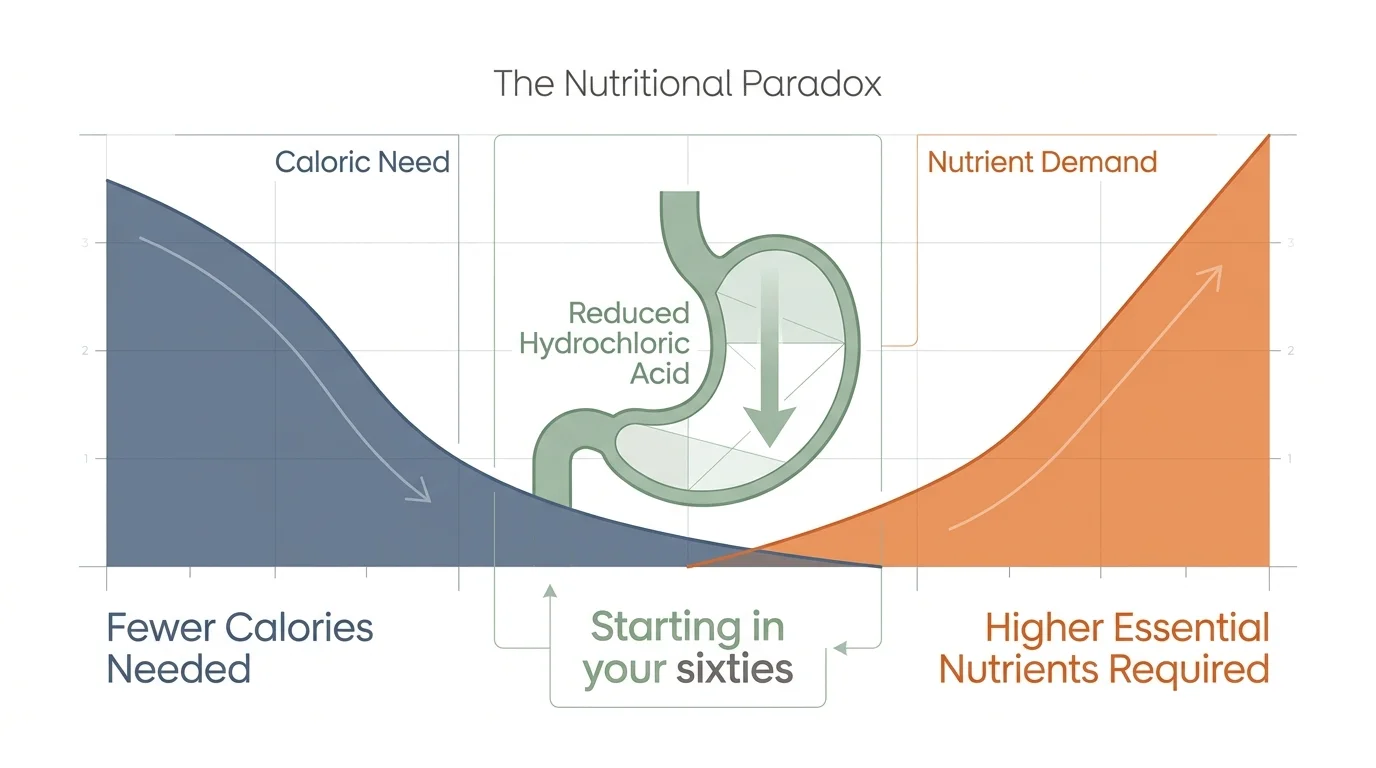
The human digestive tract undergoes profound physiological transformations as you grow older. Starting in your sixties, your stomach naturally produces less hydrochloric acid. This minor shift creates a cascading effect throughout your gastrointestinal system, severely impeding your ability to break down complex food matrices and extract locked-in vitamins. Furthermore, your slowing metabolic rate means you naturally require fewer calories to maintain your weight. This creates a challenging nutritional paradox: you must ingest higher concentrations of essential vitamins while consuming less food overall.

Chronic inflammation further complicates this dynamic by altering how your cells transport nutrients. According to the World Health Organization, inadequate dietary intake accelerates muscle wasting and immune dysfunction. Your intestines also experience a decrease in surface area, meaning a smaller percentage of vital compounds actually makes it into your bloodstream. Acknowledging these biological hurdles represents the critical first step in taking proactive control of your dietary habits.


The 8 Critical Vitamins and Minerals to Monitor

Vitamin B12

Over 30 percent of older adults experience reduced stomach acid, severely impairing the extraction of vitamin B12 from natural food sources. You need this crucial vitamin to maintain healthy nerve cells; a deficiency often masquerades as cognitive decline or severe fatigue. To counteract decreased absorption, prioritize fortified cereals, nutritional yeast, and animal proteins like salmon. Since synthetic B12 absorbs easily without robust stomach acid, these fortified options provide a practical safeguard for your neurological health.

Vitamin D

Your skin synthesizes less vitamin D from sunlight as you age, while your kidneys become less efficient at converting it into its active form. This shortfall directly threatens your bone density and increases fracture risk. Include fatty fish like mackerel and sardines in your weekly meal rotation to naturally boost your intake. You can also rely on fortified dairy products and UV-exposed mushrooms to fill dietary gaps, ensuring you maintain optimal levels regardless of seasonal sunlight changes.

Calcium

Bone tissue undergoes continuous remodeling, but aging shifts this process toward excessive breakdown. When your bloodstream lacks sufficient calcium, your body leaches this essential mineral directly from your skeleton. Consuming three to four daily servings of calcium-rich foods protects your skeletal framework. Look beyond traditional dairy; incorporate plain Greek yogurt, firm tofu set with calcium sulfate, and leafy greens like collard greens. Pairing these foods with vitamin D guarantees the calcium successfully reaches your bone matrix.

Magnesium

Hundreds of enzymatic reactions rely on magnesium, encompassing everything from muscle contraction to blood glucose control. Older adults often consume inadequate amounts while taking medications that actively deplete existing stores. Replenishing this vital mineral requires a conscious effort to eat dark leafy greens, unsalted pumpkin seeds, almonds, and black beans. Consuming a handful of nuts or adding beans to your soup provides a substantial nutrient boost that regulates blood pressure and prevents debilitating muscle cramps.

Potassium

Potassium serves as an essential electrolyte that mitigates the hypertensive effects of dietary sodium. Many seniors fall short of the recommended intake, elevating their risk for cardiovascular events. The American Heart Association emphasizes that you can easily elevate your potassium levels by enjoying baked potatoes with the skin, bananas, lentils, and winter squash. However, you must consult your healthcare team before drastically increasing your potassium intake if you have compromised kidney function or take specific blood pressure medications.

Iron

Seniors remain vulnerable to iron deficiency due to reduced meat consumption, digestive tract bleeding, or difficulties chewing tough proteins. A lack of this mineral results in anemia, characterized by pervasive weakness and pale skin. To maximize absorption, pair plant-based sources like spinach and lentils with vitamin C-rich foods such as bell peppers. If you prefer animal sources, tenderize lean cuts of beef in a slow cooker to ensure the meat remains easy to chew and digest.

Zinc

Your immune system relies heavily on zinc to fight off viruses, yet absorption declines significantly with advancing age. Furthermore, zinc deficiency dulls your senses of taste and smell, severely diminishing your appetite. Oysters contain massive amounts of zinc, but you can also secure robust servings from beef, crab, chickpeas, and cashews. Marinating meats and soaking beans before cooking reduces phytic acid, a natural compound that prevents your body from properly utilizing this vital trace mineral.

Vitamin B6

Vitamin B6 facilitates the production of neurotransmitters that regulate your mood, sleep cycles, and cognitive processing. Your aging body demands higher concentrations of this water-soluble vitamin to manage homocysteine levels, an amino acid linked to dementia risk. Incorporate whole foods such as poultry, organ meats, potatoes, and non-citrus fruits into your daily regimen. Snacking on a banana or adding roasted chickpeas to your salad provides a delicious method for meeting your elevated daily requirement.

Strategic Meal Planning for Maximum Nutrient Density

To overcome reduced caloric needs and diminished absorption, every meal you prepare must deliver concentrated nutrition. You should view your plate as a strategic investment, prioritizing whole foods over empty calories. Begin your day by upgrading your morning routine; instead of plain toast, choose a fortified whole-grain cereal topped with fresh berries, walnuts, and calcium-enriched plant milk. This bowl effortlessly delivers B vitamins, calcium, magnesium, and fiber.

Adopt the practice of culinary pairing to maximize bioavailability during lunch and dinner. Because vitamin C exponentially increases the absorption of plant-based iron, habitually squeeze fresh lemon juice over your spinach salads or sautéed lentils. Similarly, fat-soluble vitamins like D require dietary fat for proper absorption. Drizzling extra virgin olive oil over your roasted vegetables ensures your body successfully harnesses those nutrients. Batch cooking soft proteins guarantees you always have nutrient-dense options.

Integrating Movement, Sleep, and Community

Nutrition does not operate in a vacuum; your daily lifestyle choices fundamentally dictate how effectively your body utilizes the nutrients you consume. Regular weight-bearing exercises—such as brisk walking or light resistance training—actively stimulate bone remodeling. When you engage in physical activity, you signal your body to pull calcium and magnesium from your bloodstream and deposit them into your skeletal structure. Consistent movement also promotes healthy gastrointestinal motility.

Sleep architecture plays an equally vital role in metabolic health. During the deep restorative phases of sleep, your body synthesizes hormones that regulate cellular repair processes. Beyond physical movement and sleep, consider the profound impact of social connection on your dietary habits. Sharing meals with friends or community groups naturally encourages you to eat more diverse, balanced meals, transforming eating from a tedious chore into an enjoyable, health-promoting event.

Monitoring Biomarkers and Navigating Medication Interactions

Strategic nutrition requires objective data to ensure you are meeting your goals safely. You cannot rely on physical symptoms alone, as the signs of inadequate vitamin B12 or deteriorating bone mineral density often remain hidden until irreversible damage occurs. Collaborate with your primary care physician to schedule annual blood panels that specifically measure your serum levels of vitamin D, B12, iron, and essential electrolytes. Establishing a baseline allows you to track your progress accurately.

Medication interactions demand equal vigilance. A significant portion of the senior population takes multiple prescription drugs daily, many of which actively interfere with nutrient absorption. Acid reflux medications drastically alter your stomach pH, blocking the release of calcium and iron. Diuretics frequently flush essential potassium out of your system. Always bring a comprehensive list of your medications to a registered dietitian to help time your meals effectively.

Frequently Asked Questions About Senior Nutrition

How can I ensure I get enough vitamins when dining out frequently?

Navigating restaurant menus requires a proactive mindset. Bypass fried entrees and request grilled proteins like fish and poultry, which naturally provide zinc and B vitamins. Ask your server to substitute heavy potato sides with double portions of steamed broccoli to boost your calcium intake. Requesting dressings on the side empowers you to control your fat intake while enjoying a nutrient-dense meal.

What are the best budget-friendly alternatives for high-quality nutrients?

Eating a vitamin-rich diet does not require expensive grocery stores. Canned oily fish, like sardines, offer incredible value while delivering potent doses of vitamin D. Frozen fruits and vegetables represent another highly economical choice; they are flash-frozen at peak ripeness, effectively locking in their vitamin C. Incorporating dried lentils and black beans provides an inexpensive foundation for iron and magnesium.

Should I rely on a daily multivitamin to cover my nutritional gaps?

While a targeted supplement acts as a helpful safety net, you should never use pills to justify a poor diet. Whole foods deliver a complex matrix of vitamins and fiber that work synergistically. According to the National Institutes of Health, excessive doses of synthetic vitamins can cause toxicity. Always prioritize real food first, utilizing specific supplements only under medical supervision.

How can I adapt these recommendations to fit my cultural dietary traditions?

Nutritional science universally applies to human physiology, but you can easily translate these requirements into any cultural cuisine. If your heritage favors traditional stews, amplify the iron content by adding diverse varieties of beans. If dairy does not feature prominently in your cultural dishes, meet your calcium requirements through traditional preparations of tofu, dark leafy greens, or calcium-fortified bases like soy milk.

Taking Charge of Your Nutritional Health

Revitalizing your diet in your senior years stands as one of the most powerful steps you can take to preserve your independence and enhance your quality of life. You hold the authority to transform your daily meals into functional, healing tools that actively combat the natural physiological changes of aging. Start today by choosing just one specific vitamin or mineral to focus on; perhaps you can swap your morning toast for a fortified cereal to boost your B12. Document this single habit change and share your goal with your healthcare team at your next appointment. By taking intentional action, you construct a resilient nutritional foundation that supports a vibrant, energetic future.

Leave a Comment

Your email address will not be published. Required fields are marked *