

The Hidden Culprit Behind Aging Digestion Issues
As you navigate your later years, you might notice that your body processes food much differently than it did two decades ago. A sluggish digestive system often becomes a frustrating daily reality, leaving you feeling bloated, lethargic, or uncomfortably full after relatively small meals. You are certainly not alone in this experience; millions of older adults face similar gastrointestinal hurdles. The natural aging process slows down gastric motility—the muscle contractions that move food through your digestive tract—and alters the delicate balance of bacteria in your gut microbiome. When your digestive system slows down, nutrient absorption diminishes, and your overall daily energy plummets.
Fortunately, you hold a powerful, non-pharmaceutical tool right in your kitchen: dietary fiber. Increasing your daily fiber intake acts as a master switch for your digestive health, cardiovascular system, and blood sugar regulation. Decades of clinical research consistently demonstrate that individuals who prioritize plant-based roughage experience fewer instances of chronic constipation, lower rates of heart disease, and a significantly improved quality of life. Embracing a high-fiber lifestyle does not require you to gnaw on bland, cardboard-like foods; rather, it opens the door to vibrant, satisfying meals that nourish your body and delight your palate. By making strategic adjustments to your daily menu, you can rejuvenate your digestion and maintain steady, reliable energy throughout the day.
How Fiber Transforms the Aging Body
Understanding the underlying science of fiber helps you make smarter choices at the grocery store and in your kitchen. Fiber is the structural component of plant foods that your body cannot digest or absorb. Instead of being broken down into sugar molecules like other carbohydrates, fiber passes relatively intact through your stomach, small intestine, and colon. Nutritionists classify this essential nutrient into two primary categories: soluble fiber and insoluble fiber. Both play highly specialized roles in preserving your health and keeping your digestive engine running smoothly.
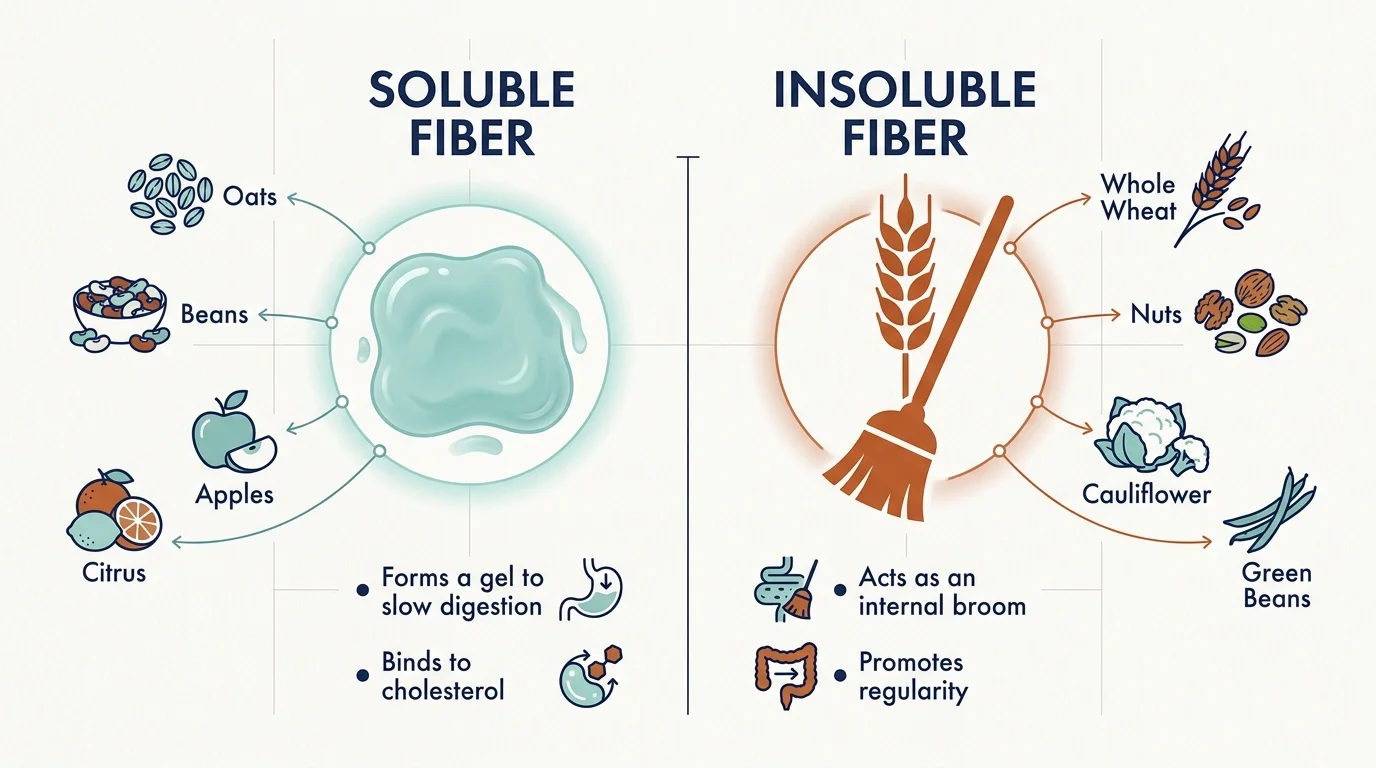
Soluble fiber dissolves in water to form a thick, gel-like substance in your digestive tract. This remarkable gel slows down the entire digestion process, which directly prevents rapid spikes in your blood glucose levels. If you manage prediabetes or type 2 diabetes, soluble fiber serves as your internal metabolic regulator. Furthermore, this gel binds to cholesterol particles and safely escorts them out of your body, significantly reducing your cardiovascular risk. You will find rich sources of soluble fiber in oats, beans, apples, and citrus fruits. According to the National Institute of Diabetes and Digestive and Kidney Diseases, integrating these foods into your diet provides foundational support for long-term metabolic health.
Insoluble fiber, on the other hand, does not dissolve in water. Think of insoluble fiber as an internal broom that sweeps through your intestines. It adds essential bulk to your stool and promotes regular bowel movements, directly combatting the chronic constipation that plagues so many older adults. Whole wheat flour, wheat bran, nuts, beans, and vegetables like cauliflower and green beans are packed with insoluble fiber. Beyond simple mechanics, the fiber you consume ferments in your lower intestine, feeding beneficial gut bacteria. These bacteria produce short-chain fatty acids, such as butyrate, which reduce systemic inflammation and strengthen the lining of your gut.

Your Food Strategy for Better Digestion and Lasting Energy
Transitioning to a high-fiber diet requires strategy, intention, and a focus on whole foods. As we age, chewing difficulties, changes in taste perception, and a naturally decreasing appetite can make eating large volumes of food challenging. The secret lies in maximizing the nutritional density of every bite. You need meals that pack a significant fiber punch while remaining easy to chew, simple to prepare, and bursting with flavor. The following six meals are specifically designed to meet the unique physiological needs of older adults, providing a perfect balance of soluble and insoluble fiber, high-quality protein, and healthy fats to ensure you stay comfortably full for hours.
Meal 1: Creamy Oatmeal with Berries and Ground Flaxseed
Starting your morning with a warm, comforting bowl of oatmeal provides a massive dose of beta-glucan—a highly beneficial form of soluble fiber. To prepare this powerhouse breakfast, skip the sugary, highly processed instant packets. Instead, simmer half a cup of old-fashioned rolled oats in a cup of water or low-fat milk until soft and creamy. Once the oats reach your desired consistency, stir in a generous handful of fresh or thawed frozen blueberries. Blueberries offer powerful antioxidants that protect your brain health while adding crucial grams of fiber. Finally, stir in one tablespoon of ground flaxseed. Ground flaxseed is incredibly gentle on aging dental work, yet it delivers a remarkable blend of insoluble fiber and anti-inflammatory omega-3 fatty acids. This meal stabilizes your morning blood sugar, ensuring you avoid the mid-morning energy crash that often follows traditional, carbohydrate-heavy breakfasts.
Meal 2: Hearty Lentil and Vegetable Stew
Lentils stand out as one of the most concentrated sources of dietary fiber available, boasting approximately 15 grams of fiber per cooked cup. Unlike tougher beans, lentils cook quickly without the need for overnight soaking, and they break down into a soft, easily chewable texture that is perfect for seniors. Build your stew by sautéing diced carrots, celery, and onions in a small amount of olive oil until tender. Add a cup of rinsed brown or green lentils, a can of crushed tomatoes, and enough low-sodium vegetable broth to cover the ingredients. Allow the pot to simmer gently for about thirty minutes until the lentils are completely tender. The carrots and celery infuse the broth with insoluble fiber, while the lentils provide a massive dose of soluble fiber and plant-based protein. Prepare a large batch of this stew on a Sunday; it stores beautifully in the refrigerator and tastes even better the next day.
Meal 3: Baked Salmon with Quinoa and Roasted Brussels Sprouts
Your body demands high-quality protein to preserve muscle mass as you age, making baked salmon an exceptional dinner centerpiece. Pair your omega-3-rich salmon fillet with a half-cup of cooked quinoa. Quinoa naturally contains about five grams of fiber per cup and serves as a complete protein, meaning it provides all nine essential amino acids your body requires for tissue repair. Complement the fish and grains with a side of roasted Brussels sprouts. Simply halve the sprouts, toss them lightly in olive oil, and roast them in the oven until the outer leaves turn crispy and the centers become buttery soft. Brussels sprouts are an incredible source of insoluble fiber and vitamin K. This entire meal delivers sustained satiety, preventing those late-night trips to the pantry, while supporting both cardiovascular and digestive wellness.
Meal 4: Mediterranean Chickpea and Spinach Salad
When the weather turns warm, a hot meal might feel unappealing, making this refreshing, high-fiber salad an ideal lunch option. Canned chickpeas are inexpensive, exceptionally convenient, and loaded with both protein and fiber. Rinse the canned chickpeas thoroughly under cold water to wash away excess sodium and make them easier to digest. Combine the softened chickpeas with two cups of fresh baby spinach, chopped cucumbers, and halved cherry tomatoes. Dress the vegetables with a simple vinaigrette made from extra virgin olive oil, freshly squeezed lemon juice, and a pinch of dried oregano. The spinach provides gentle, leafy roughage, while the chickpeas deliver dense, filling complex carbohydrates. The healthy fats from the olive oil ensure your body adequately absorbs the fat-soluble vitamins present in the leafy greens, creating a nutritionally complete and highly satisfying midday meal.
Meal 5: Black Bean and Sweet Potato Hash
Sweet potatoes provide a tremendous amount of dietary fiber—especially if you leave the nutrient-dense skin intact. This savory hash works brilliantly for breakfast, lunch, or dinner. Dice a medium sweet potato into small, bite-sized cubes and sauté them in a skillet until they are fork-tender. Stir in a half-cup of rinsed black beans and some diced bell peppers for added crunch and vitamin C. The black beans significantly boost the fiber profile of the meal while offering steady, slow-digesting carbohydrates. To elevate the nutritional value and increase your satiety, top the warm hash with a poached or lightly fried egg. The rich yolk creates a natural sauce that binds the vegetables together, resulting in a comforting, soft-textured dish that keeps your stomach full and your digestive tract moving efficiently.
Meal 6: Whole Wheat Pasta with Sautéed Greens and White Beans
Pasta nights do not have to derail your nutritional goals. By simply swapping refined white pasta for whole wheat or legume-based pasta, you instantly triple the fiber content of your meal. Boil your whole wheat pasta until it reaches a tender consistency. In a separate pan, sauté a few cloves of minced garlic in olive oil, then add generous handfuls of kale or Swiss chard. Cook the greens until they wilt completely, breaking down their tough cellular walls to ensure they are easy to chew and digest. Finally, toss in a half-cup of creamy cannellini beans. These white beans practically melt in your mouth, acting as a rich, buttery component that mimics a heavy cream sauce without the saturated fat. Toss the pasta, greens, and beans together, finishing the dish with a squeeze of fresh lemon juice. This combination creates a deeply satisfying comfort meal that actively promotes a healthy, robust gut microbiome.

Building a Supportive Lifestyle Beyond the Plate
Maximizing the benefits of a high-fiber diet requires you to look beyond the ingredients on your plate. Dietary fiber relies heavily on adequate hydration to perform its internal sweeping duties. If you drastically increase your fiber intake without simultaneously increasing your water consumption, the fiber can accumulate and cause severe constipation—the exact problem you are trying to solve. As you age, your natural thirst mechanism dulls, meaning you might be dehydrated without even feeling thirsty. Keep a designated water bottle nearby throughout the day, and consciously sip water, herbal teas, or clear broths. Organizations like the World Health Organization emphasize that adequate fluid intake forms the bedrock of an effective nutritional strategy.
Furthermore, your gastrointestinal tract thrives on physical movement. Engaging in regular, gentle exercise stimulates peristalsis, helping food transition smoothly through your intestines. You do not need to run a marathon to reap these benefits. A brisk twenty-minute walk around your neighborhood, a gentle water aerobics class, or a morning stretching routine serves as an excellent catalyst for digestion. Combine this movement with high-quality sleep. Sleep deprivation increases the stress hormone cortisol, which negatively alters your gut microbiome and slows down digestive motility. Prioritizing rest, hydration, and movement ensures that your high-fiber meals perform exactly as intended.

Monitoring Your Progress and Knowing When to Seek Help
Your digestive system requires time to adapt to a sudden influx of roughage. If you transition from a low-fiber diet to consuming forty grams of fiber overnight, you will almost certainly experience uncomfortable bloating, severe gas, and abdominal cramps. Protect your comfort by practicing patience. Add just three to five grams of fiber to your daily routine every few days, allowing your gut bacteria time to adjust to their new food source. Pay close attention to your body’s signals. A minor increase in gas during the first week is perfectly normal; debilitating stomach pain is not.
You must also coordinate your dietary changes with your medication schedule. High-fiber meals can bind to certain prescription drugs—such as levothyroxine for thyroid function or specific cardiovascular medications—and prevent them from absorbing fully into your bloodstream. Medical professionals universally recommend spacing your medications at least one to two hours away from your heaviest fiber-rich meals. Keep an open line of communication with your clinical team. If you experience persistent abdominal pain, unexplained weight loss, or notice dark, tarry stools, do not attribute these symptoms merely to dietary changes. Reach out to your primary care physician immediately to rule out more serious underlying conditions.
Frequently Asked Questions About Senior Fiber Diets
How can I stick to a high-fiber diet when dining out at restaurants?
Dining out requires a bit of gentle self-advocacy. You can easily modify restaurant meals by asking your server to substitute a traditional starch, like french fries or white rice, for a side of steamed vegetables, a side salad, or a cup of bean-based soup. When ordering pasta or sandwiches, request whole grain or whole wheat options. Do not hesitate to ask the kitchen to add extra broccoli to a stir-fry or extra beans to a salad. Most restaurants happily accommodate these simple vegetable-forward requests, allowing you to enjoy a social meal without sacrificing your digestive health.
Are high-fiber foods expensive on a fixed retirement budget?
A common misconception suggests that healthy eating requires an inflated grocery budget. In reality, some of the highest-fiber foods in the world happen to be the most economical. Dried beans, brown rice, whole oats, and lentils cost mere pennies per serving when purchased in bulk. Furthermore, frozen vegetables—like frozen broccoli, spinach, and mixed berries—are flash-frozen at peak ripeness, preserving their fiber and nutrient content. They are significantly cheaper than their fresh counterparts and eliminate the risk of food waste, making them perfect staples for a fixed budget.
Should I just take a fiber supplement instead of changing my meals?
While fiber supplements like psyllium husk serve as helpful temporary tools for severe constipation, they should never permanently replace whole foods. When you eat a bowl of lentil stew or an apple, you consume fiber alongside a complex matrix of essential vitamins, minerals, and disease-fighting phytonutrients that pills simply cannot replicate. Relying solely on a processed powder robs your aging body of these vital protective compounds. Always aim to get your fiber from your plate first, reserving supplements as a secondary aid to be used only under the guidance of a registered dietitian or physician.
How can I modify these high-fiber meals to fit my specific cultural food preferences?
The beauty of a high-fiber approach is its universal adaptability. If the suggested grains do not align with your cultural heritage, simply swap them for traditional high-fiber alternatives. You might replace quinoa with teff, bulgur, buckwheat, or amaranth. If you prefer different flavor profiles, season your bean and vegetable dishes with turmeric, cumin, ginger, or traditional spice blends like garam masala or za’atar. The exact type of bean or grain matters far less than the consistent, daily inclusion of plant-based roughage in your traditional family recipes.
Your Next Steps for a Healthier Gut
Revitalizing your digestive health does not require a total overnight overhaul of your kitchen. True, lasting wellness stems from small, deliberate choices repeated consistently over time. Begin your journey tomorrow morning by simply adding a handful of berries and ground flaxseed to your breakfast, or by swapping a side of white rice for a hearty scoop of black beans at dinner. Document how your energy levels and digestion shift over the next two weeks. Most importantly, share your new nutritional goals with your doctor or a registered dietitian. By embracing these simple, delicious, high-fiber foods, you take proactive control of your vitality, ensuring your body remains energized, comfortable, and resilient for the years ahead.