
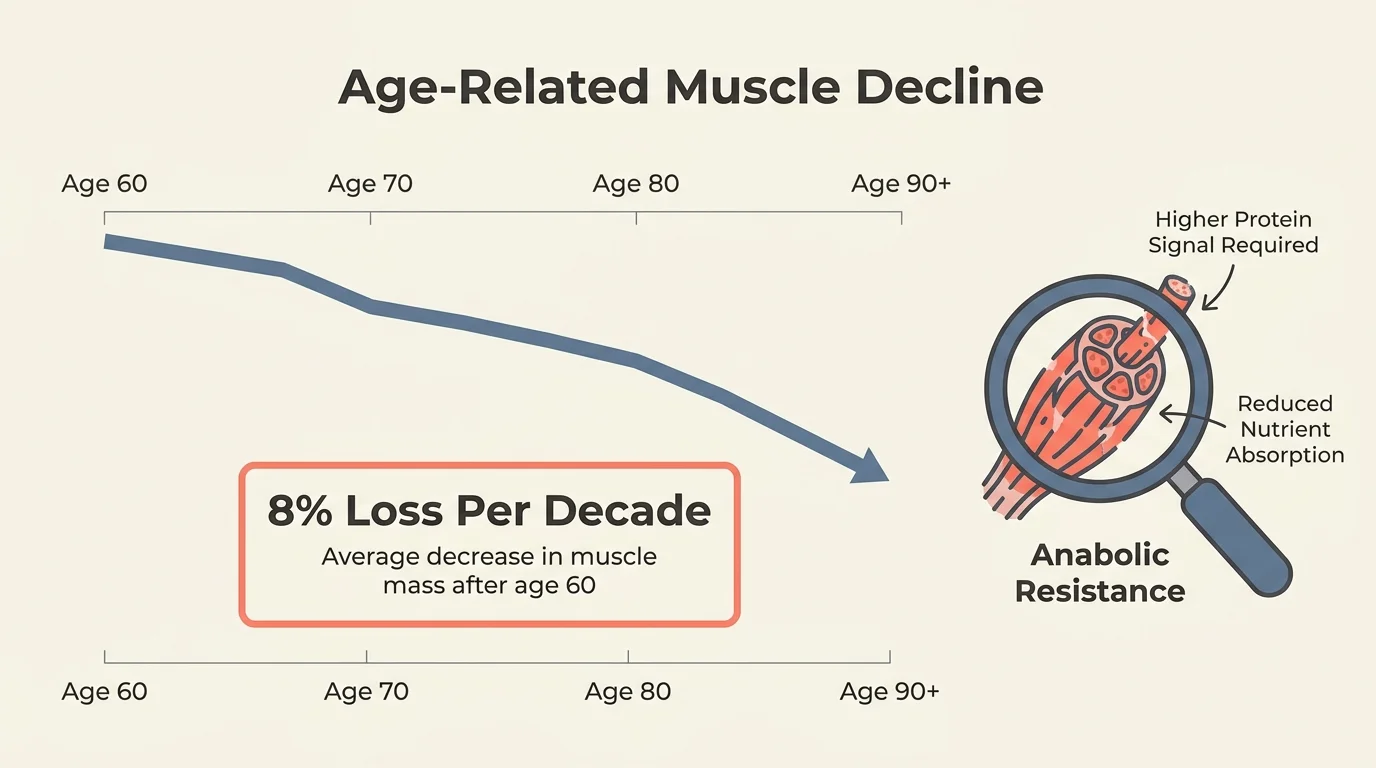
Maintaining physical independence and strength requires proactive nutritional changes because adults lose up to eight percent of their muscle mass every decade after age sixty. By prioritizing targeted muscle foods for seniors, you provide your body with the essential building blocks needed to prevent age-related muscle deterioration known as sarcopenia. You can actively rewrite your physical aging trajectory by introducing high-quality protein after 60, shifting away from frailty and toward sustained vitality. This approach focuses on optimizing amino acid intake and improving nutrient absorption, which directly fuels cellular repair mechanisms. Rather than accepting weakness as an inevitable part of growing older, you can utilize everyday grocery items to preserve your mobility, protect your joints, and sustain a thriving, active lifestyle.
The Physiology of Muscle Maintenance After 60
Your muscular system undergoes significant physiological shifts as you enter your sixties. The most impactful change involves a phenomenon called anabolic resistance. In your younger years, a small amount of dietary protein easily triggered muscle protein synthesis—the specific process your body uses to repair damaged tissue and build new fibers. Today, your muscles require a much stronger nutritional signal to initiate that exact same process. This biological reality means you must consume higher quantities of nutrient-dense foods to achieve the metabolic response that previously occurred with smaller, lighter meals.
Furthermore, the efficiency of your digestive tract naturally declines over time. Decreased stomach acid alters how your body extracts and absorbs essential nutrients from your meals. When you combine reduced nutrient absorption with anabolic resistance, the risk of sarcopenia accelerates rapidly. You combat this biological decline by front-loading your diet with specific amino acids, particularly leucine, which acts as a powerful molecular switch to turn on your muscle preservation pathways. Research published by the National Institute on Aging highlights how proper nutrition serves as the foundational cornerstone for maintaining mobility, preserving bone density, and preventing functional decline as you age.
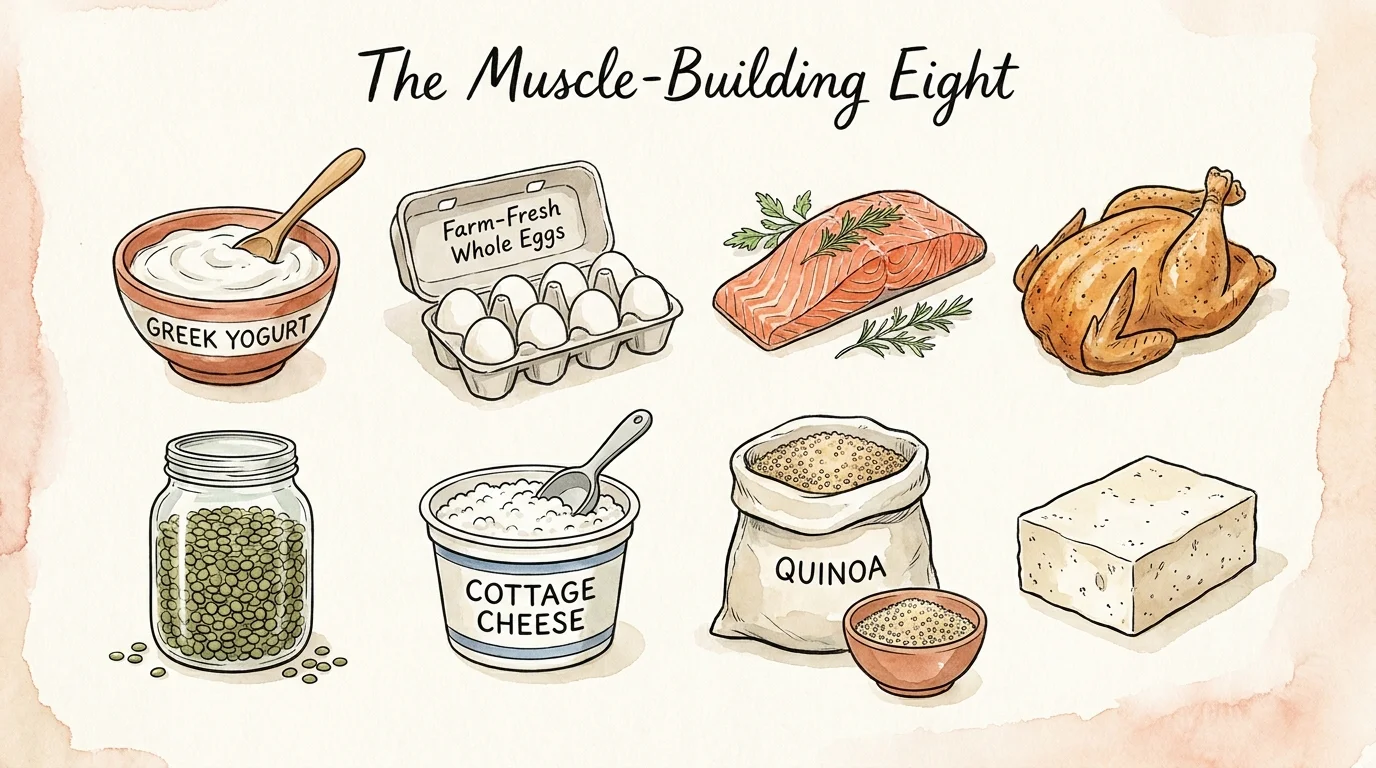
8 Foods to Prioritize for Healthy Aging

1. Greek Yogurt: A Morning Protein Powerhouse
Traditional breakfast items fail to deliver the vital macronutrients your body requires to break the overnight fasting cycle effectively. Greek yogurt offers an exceptional, accessible solution. The straining process concentrates the natural protein content, delivering nearly double the protein of standard yogurt varieties. A single serving provides substantial amounts of leucine alongside easily digestible whey and casein proteins. The natural probiotics found in fermented dairy also support your gastrointestinal microbiome, enhancing overall nutrient absorption. You maximize these daily benefits by selecting unflavored, plain varieties to avoid unnecessary added sugars, sweetening your bowl naturally with fresh berries or cinnamon.

2. Eggs: The Complete Amino Acid Profile
Eggs stand as one of nature’s most perfectly packaged protein sources. Your body absorbs and utilizes their internal protein with remarkable metabolic efficiency. Beyond the highly bioavailable protein found in the egg white, the yolk delivers critical micronutrients that directly support muscular health. The yolk contains vitamin D, a nutrient strictly linked to muscle function, alongside choline for vital cognitive support. Unless your primary healthcare provider specifically limits your dietary cholesterol due to a sensitive cardiovascular condition, consuming whole eggs provides a rich, cost-effective foundation for your daily muscle-building nutrition plan.

3. Salmon: Omega-3 Fatty Acids and Muscle Repair
Chronic, low-grade inflammation accelerates cellular muscle breakdown and actively interferes with your body’s ability to synthesize new proteins. Salmon combats this damaging inflammatory cascade directly. Rich in eicosapentaenoic acid and docosahexaenoic acid, salmon soothes cellular inflammation and improves the sensitivity of your muscle fibers to circulating amino acids. A consistent weekly routine that includes two servings of wild-caught salmon provides both high-quality protein and these protective lipids. Baking or grilling a moderate portion ensures you receive these distinct metabolic benefits without introducing the unhealthy, heavy fats associated with pan-frying.

4. Chicken Breast: Lean and Versatile
When you need to elevate your daily protein intake without dramatically increasing your total caloric load, chicken breast serves as an indispensable dietary tool. Chicken breast offers a highly favorable protein-to-calorie ratio, providing approximately twenty-six grams of protein per three-ounce serving with virtually zero fat. You can easily incorporate baked or shredded chicken into hearty soups, crisp salads, or warm grain bowls, ensuring you meet your elevated macronutrient targets safely. This lean profile allows you to nourish your muscles thoroughly without unwanted weight gain that might otherwise strain your knees and hips.
5. Lentils: Plant-Based Protein and Fiber
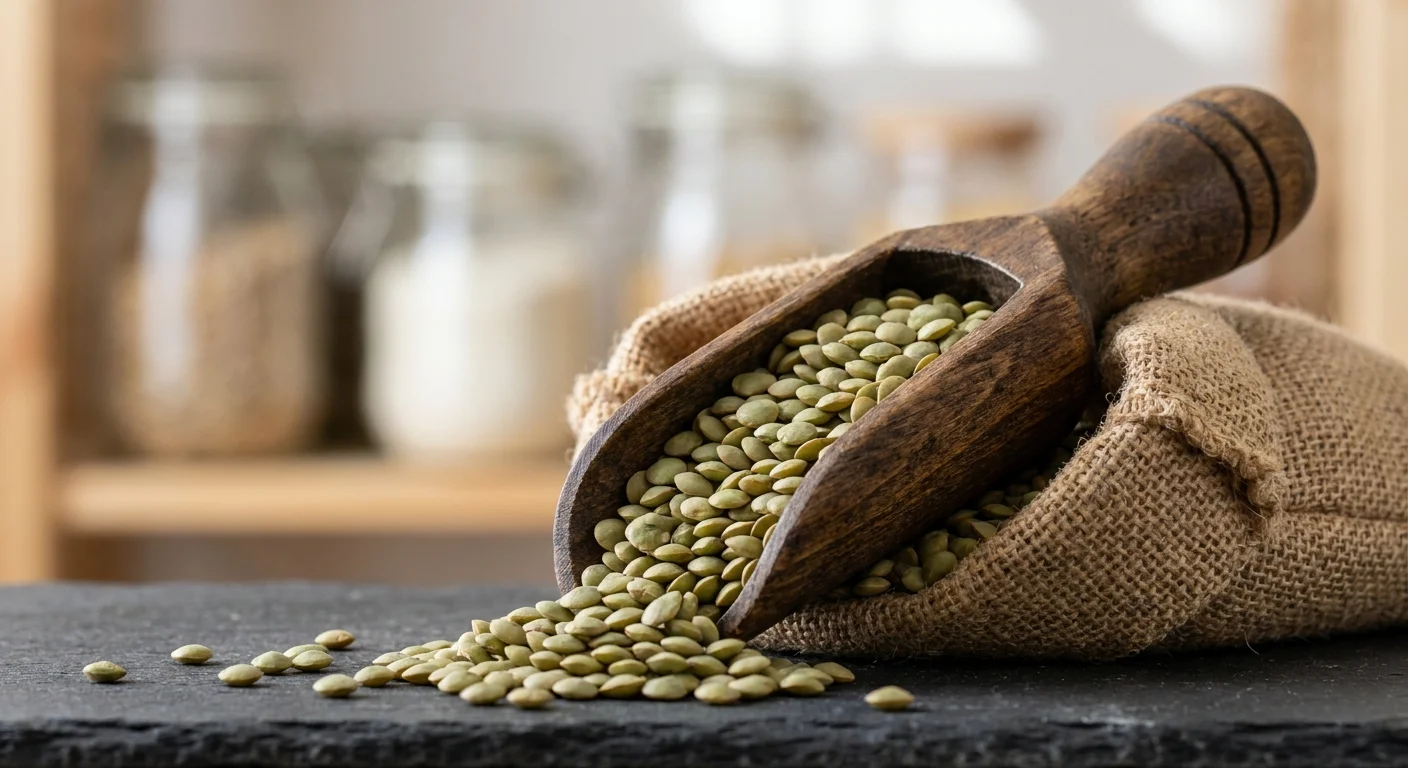
Lentils elegantly bridge the distinct gap between high protein requirements and gastrointestinal health. While they do not provide a strictly complete amino acid profile on their own, pairing them with wholesome grains unlocks their full physical potential. A single cup of cooked lentils delivers impressive quantities of plant-based protein alongside deep, vital reserves of natural magnesium. Magnesium plays a critical, non-negotiable role in proper muscle contraction and nervous system signaling, helping you avoid the painful cramps and stiff spasms that frequently disrupt deep sleep and daily physical activity.

6. Cottage Cheese: Sustained Amino Acid Delivery
Your body continues to metabolize stored nutrients and repair microscopic muscle damage while you rest. Without adequate protein reserves, your biological system may break down existing muscle tissue overnight to secure needed amino acids. Cottage cheese actively prevents this nocturnal catabolism because it primarily consists of slow-digesting casein protein. Unlike rapid-digesting whey, casein forms a delicate gel in your stomach, releasing a slow, steady trickle of amino acids directly into your bloodstream. Consuming a small portion roughly an hour before bed provides an unbroken supply of physical repair materials until you wake.
7. Quinoa: The Whole Grain Alternative
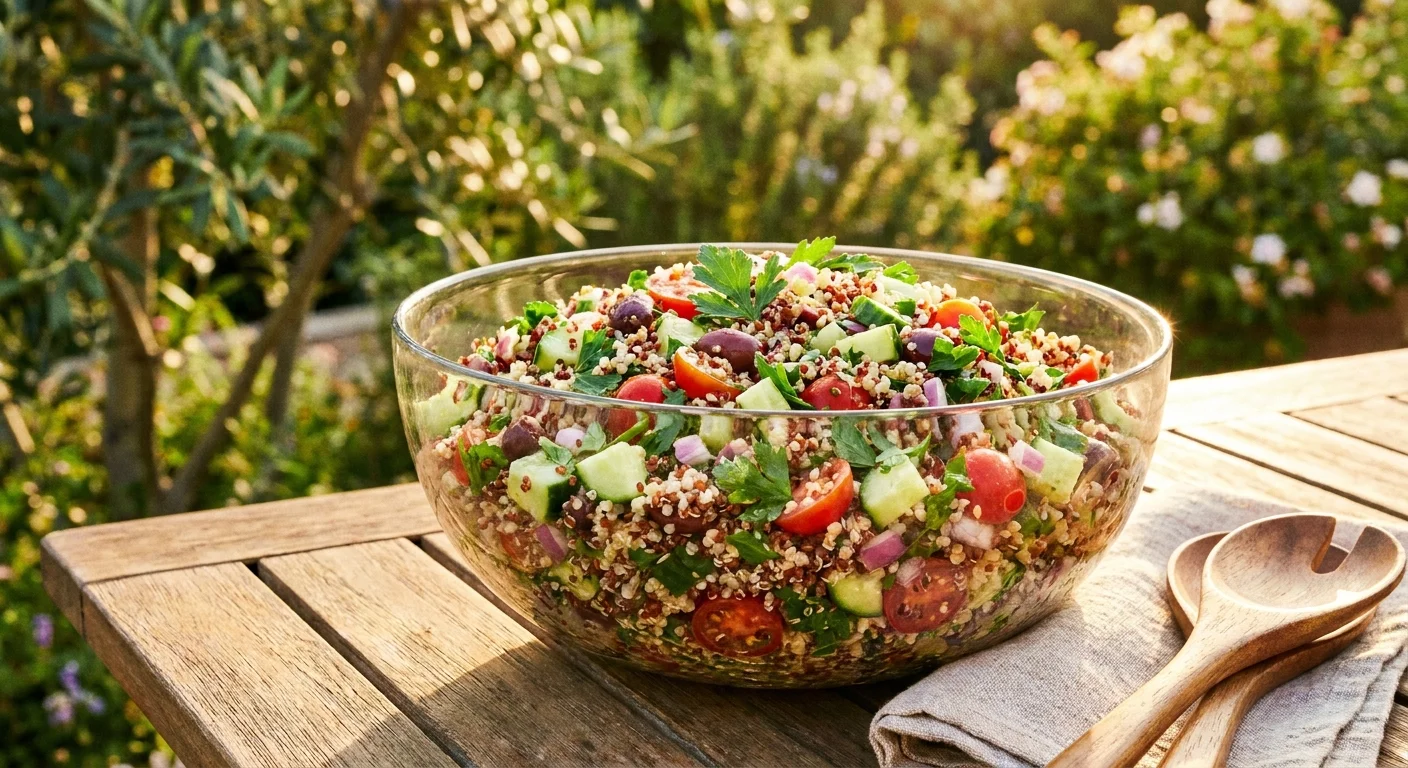
Energy production remains a critical underlying component of long-term muscle preservation. Quinoa serves as a remarkably rare plant-based complete protein, containing all nine essential amino acids, while simultaneously functioning as a robust complex carbohydrate. This dual-action nutritional profile stabilizes your circulating blood sugar levels, preventing the dramatic energy spikes and sudden crashes associated with highly refined grains. Replacing traditional white rice or standard pasta with quinoa elevates the structural and energetic value of your meals, supplying the exact clean fuel your body needs to recover efficiently.

8. Tofu: Accessible Soy Protein
Dental challenges and mild swallowing difficulties frequently complicate daily nutrition for older adults. Chewing dense, heavy meats can quickly become tiresome, leading to a subconscious, dangerous reduction in overall protein intake. Tofu provides an effortless, soft-texture alternative that requires minimal chewing effort while delivering robust amounts of high-quality soy protein. Soy also naturally contains specific isoflavones that help regulate internal inflammation and support long-term bone density. Because tofu acts as a culinary sponge, you can easily press it and simmer it in nutrient-rich broths to create deeply flavorful meals.

Meal Strategies and Routine Integration
Identifying the correct grocery items represents only the first phase of an effective nutrition plan; you must also distribute these foods strategically throughout your waking hours. Many older adults consume minimal protein at breakfast and lunch, incorrectly saving their largest portion for the evening dinner. To effectively overcome age-related anabolic resistance, you should aim to consume roughly twenty-five to thirty-five grams of high-quality protein at each of your three main meals.
You can easily achieve this targeted balance by starting your early morning with a hearty serving of Greek yogurt. For lunch, you might transition to a vibrant quinoa salad heavily fortified with grilled chicken breast. Dinner then provides a perfect opportunity to enjoy fresh baked salmon alongside steamed lentils. By spacing your nutritional intake evenly across the day, you consistently prompt your muscles to initiate the cellular repair process repeatedly, maximizing your physical retention.

The Lifestyle Layer: Movement, Sleep, and Stress
Optimal nutrition establishes the crucial foundation for healthy aging, but dietary changes cannot operate effectively in a vacuum. You must provide a clear physical reason for your body to utilize the dense nutrients you consume. Resistance training provides the exact mechanical tension necessary to signal deep muscle growth. Engaging in weight-bearing exercises safely two to three times per week dramatically amplifies the structural benefits of your diet. Guidelines published by the Centers for Disease Control and Prevention confirm that consistent strength training prevents functional decline and mobility loss.
Beyond physical movement, you must ruthlessly prioritize your nightly sleep hygiene. Deep, restorative sleep serves as your body’s primary, uninterrupted window for soft tissue repair and natural growth hormone secretion. Disruptions to your sleep architecture actively suppress this necessary hormonal release. Furthermore, chronic emotional stress triggers the continuous release of cortisol, a potent catabolic hormone that aggressively breaks down lean muscle tissue. You can mitigate this damaging stress response by maintaining strong community ties and fostering deep social connections through shared, healthy meals.
Monitoring Safety, Biomarkers, and Medications
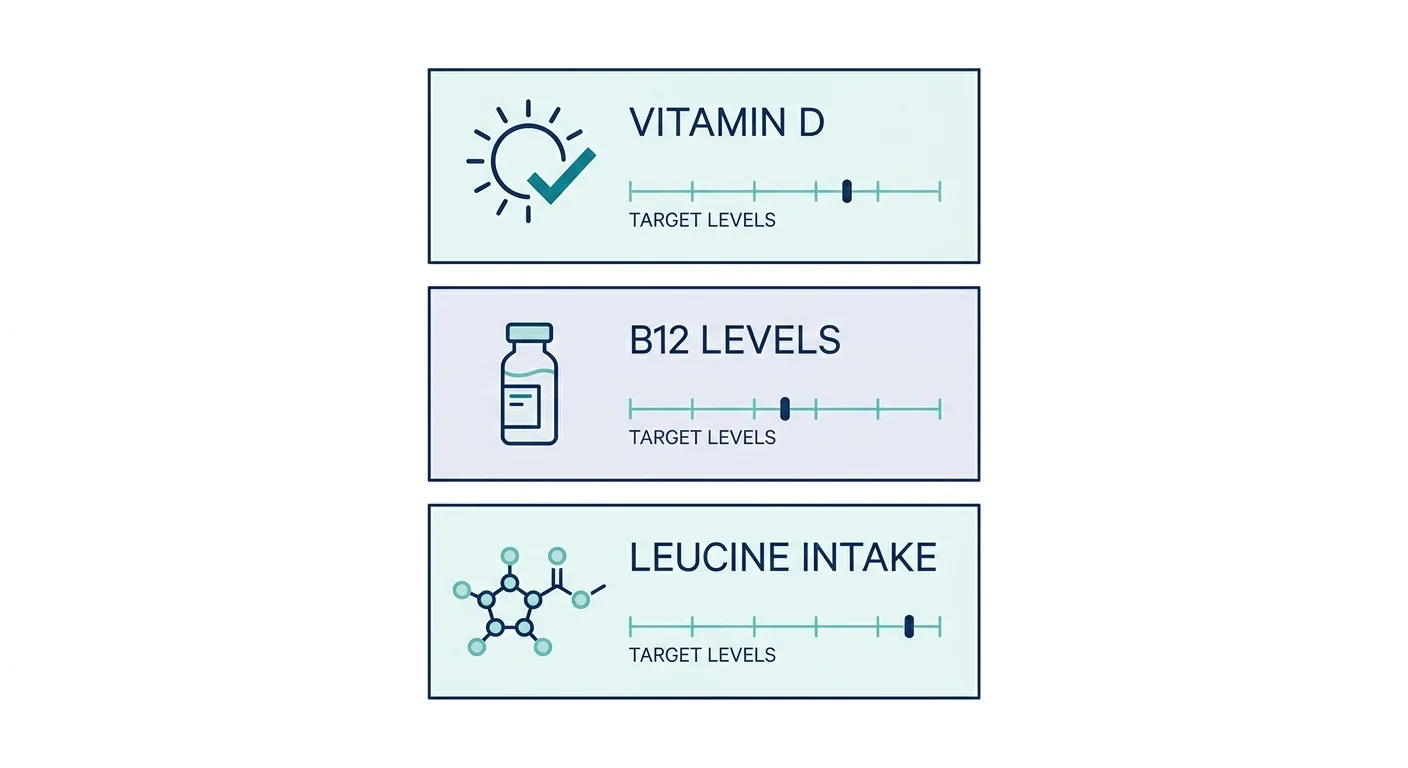
Before implementing any significant dietary shifts, you must coordinate closely with your primary care physician to ensure your new nutritional habits strictly align with your unique medical profile. Your healthcare provider will likely monitor your blood urea nitrogen and circulating creatinine levels to verify your kidneys can process heavier metabolic loads safely. If you currently suffer from any stage of chronic kidney disease, a trained medical professional must heavily customize your daily protein targets to prevent further organ strain and preserve function.
You must also remain constantly vigilant regarding potential chemical interactions between your enhanced nutrition plan and your currently prescribed medications. For instance, high concentrations of dietary protein can actively interfere with the biological absorption of levodopa, a common medication utilized for Parkinson’s disease management. You can effectively track your physical progress beyond the misleading traditional bathroom scale by requesting a dual-energy x-ray absorptiometry scan to precisely measure your lean muscle mass. Professional guidance offered by the Academy of Nutrition and Dietetics can easily connect you with certified specialists who navigate these medical nuances daily.
Frequently Asked Questions
How can I navigate dining out while maintaining my muscle nutrition plan?
You can successfully navigate bustling restaurant menus by deliberately scanning for preparation keywords like grilled, baked, or roasted. Prioritize main entrees centered entirely around lean cuts of poultry or fresh fish, and politely request that the kitchen staff prepare your meal with minimal added butter. You can seamlessly substitute heavy, deep-fried side dishes for double portions of steamed vegetables. Many dining establishments will happily accommodate these smart modifications, allowing you to enjoy dining out without compromising your daily macronutrient targets.
What are the best budget-friendly alternatives to expensive proteins?
High-quality, muscle-preserving nutrition does not have to heavily strain your fixed financial resources. While premium grocery items like wild-caught salmon carry noticeably high price tags, you can easily secure complete amino acid profiles through highly economical pantry staples. Canned tuna, dried lentils, bulk black beans, and standard whole eggs offer exceptional, dense nutritional value at a mere fraction of the cost. You can also confidently purchase frozen chicken breasts in bulk, which completely eliminate costly food waste while protecting your weekly grocery budget.
Should I rely on protein supplements to reach my daily goals?
Whole, unprocessed foods should always serve as the primary, unshakable foundation of your dietary strategy because they deliver vital micronutrients that isolated powders entirely lack. However, protein supplements serve as a highly convenient, practical tool when your natural appetite wanes or when you visibly struggle to meet elevated daily targets. A high-quality whey isolate can easily blend into a morning fruit smoothie. You should view these commercial supplements strictly as helpful gap-fillers rather than outright replacements for solid grocery staples.
How can I adapt these recommendations to fit my cultural dietary practices?
You can easily map the core biological principles of muscle preservation onto literally any cultural food tradition globally. If your heritage favors plant-heavy culinary traditions, you can intelligently combine specific legumes and whole grains to form robust complete proteins. Global health frameworks strongly supported by the World Health Organization emphasize that healthy aging relies on adapting foundational nutritional science to honor local, traditional, and culturally significant foodways without sacrificing medical efficacy.
Your Next Steps for a Stronger Future
Taking ultimate control of your physical aging process begins with a single, deliberate nutritional choice at the grocery store. You possess the internal agency to reshape how your body navigates the coming decades by feeding your muscles the exact molecular nutrients they demand. Start by choosing just one of the realistic strategies discussed today—perhaps upgrading your standard breakfast to include a serving of high-protein Greek yogurt. Document your daily energy levels, diligently track your strength improvements, and share these specific goals openly with your trusted healthcare team. By enthusiastically embracing this proactive approach to your daily nutrition, you actively secure your physical independence.