
Finding lasting relief from abdominal discomfort allows you to enjoy meals without the frustrating tightness that often follows eating as you age. Your digestive system undergoes natural changes after age sixty, making strategic food choices essential for minimizing trapped gas and maintaining gastrointestinal comfort. Decreased stomach acid production and a slowing metabolic rate can transform previously harmless meals into triggers for uncomfortable expansion. Shifting your dietary focus toward specific soothing ingredients provides a reliable defense against this daily annoyance. Selecting the right fruits, herbs, and fermented staples helps your body process nutrients efficiently while preventing excessive gas accumulation. You deserve to savor your favorite dishes and experience true physical comfort throughout your day.
The Science Behind Age-Related Digestive Changes
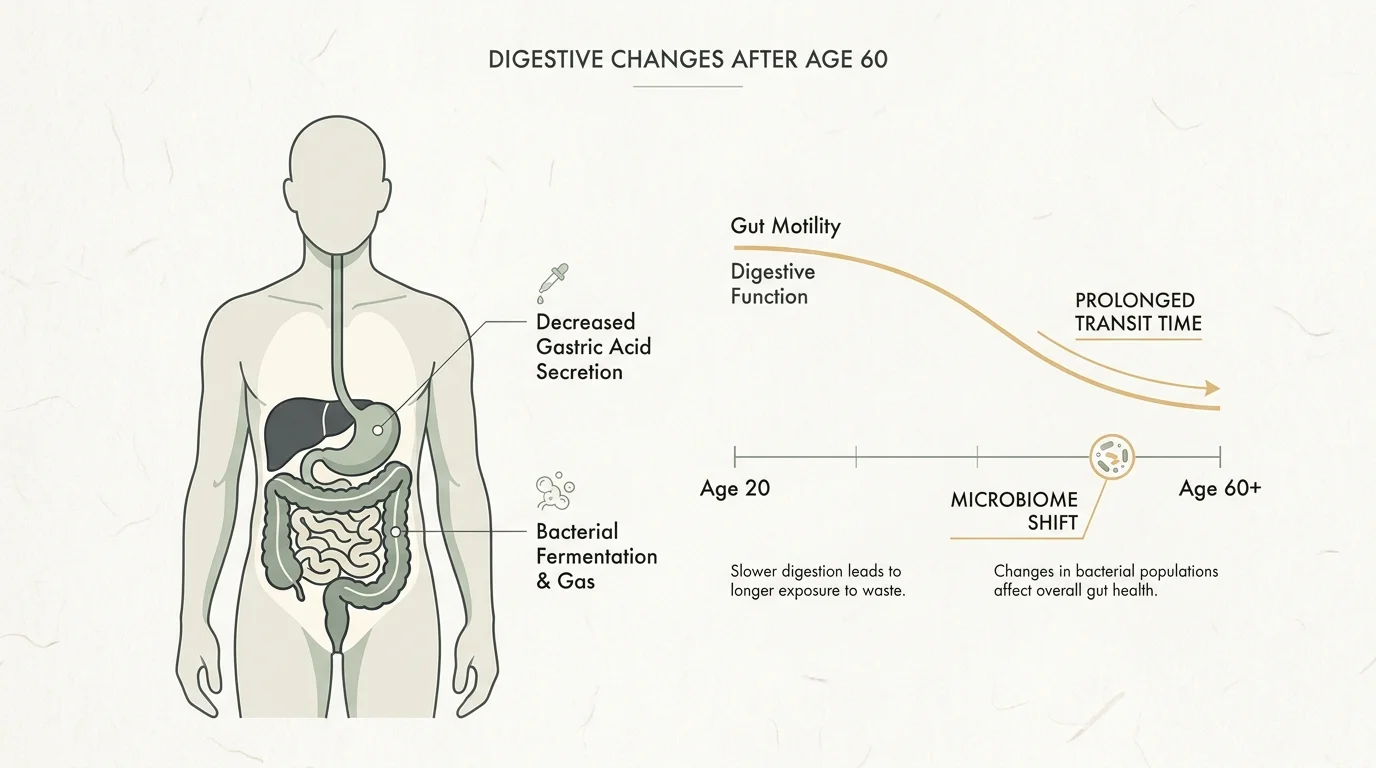
The digestive tract gradually alters its rhythm and chemical environment over the decades, requiring a proactive approach to nutrition. Research indicates that gastric acid secretion often diminishes as you cross the threshold of sixty, which directly impairs the initial breakdown of complex proteins and carbohydrates. When partially digested food enters the intestines, resident bacteria ferment these remnants excessively, producing the gas that causes your abdomen to distend and feel tight. Age-associated declines in gut motility also mean that food spends more time traversing your system. This prolonged transit time provides even more opportunity for bacterial fermentation to occur, compounding the physical pressure against your abdominal wall.
Studies highlighted by the National Institute of Diabetes and Digestive and Kidney Diseases demonstrate that older adults frequently experience natural shifts in their gut microbiome composition. These changes often favor microbes that produce methane and hydrogen gases over the beneficial strains that support smooth digestion. Recognizing these biological shifts empowers you to counteract them with targeted dietary interventions rather than accepting daily discomfort as an inevitable part of aging. You can manage this bacterial ecosystem effectively by introducing foods that encourage rapid, smooth digestion while actively suppressing inflammatory responses in the delicate intestinal lining. Supporting your body with the exact compounds it needs restores the harmonious digestive rhythm you experienced in younger years.
Strategy Pillars for Bloating Relief
Nutrient Focus: The First Four Essential Foods
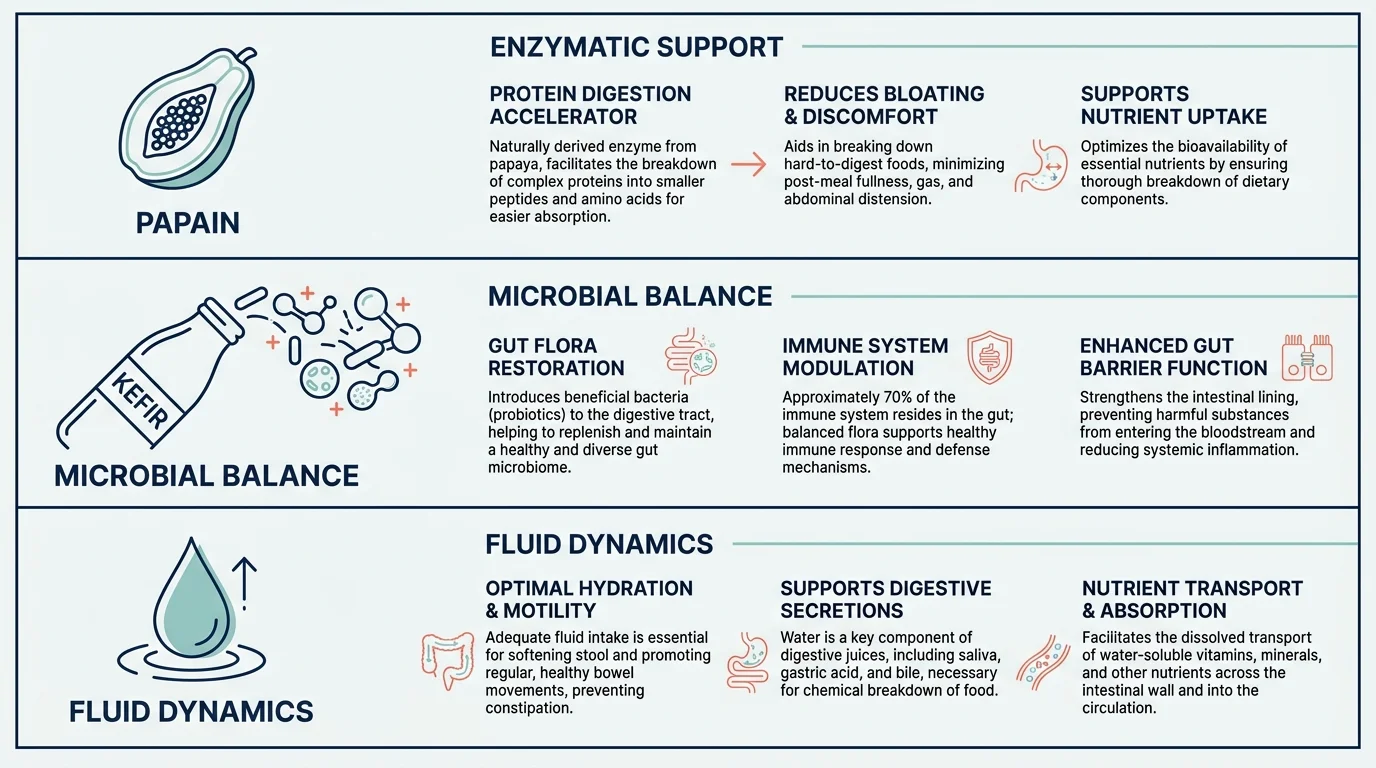
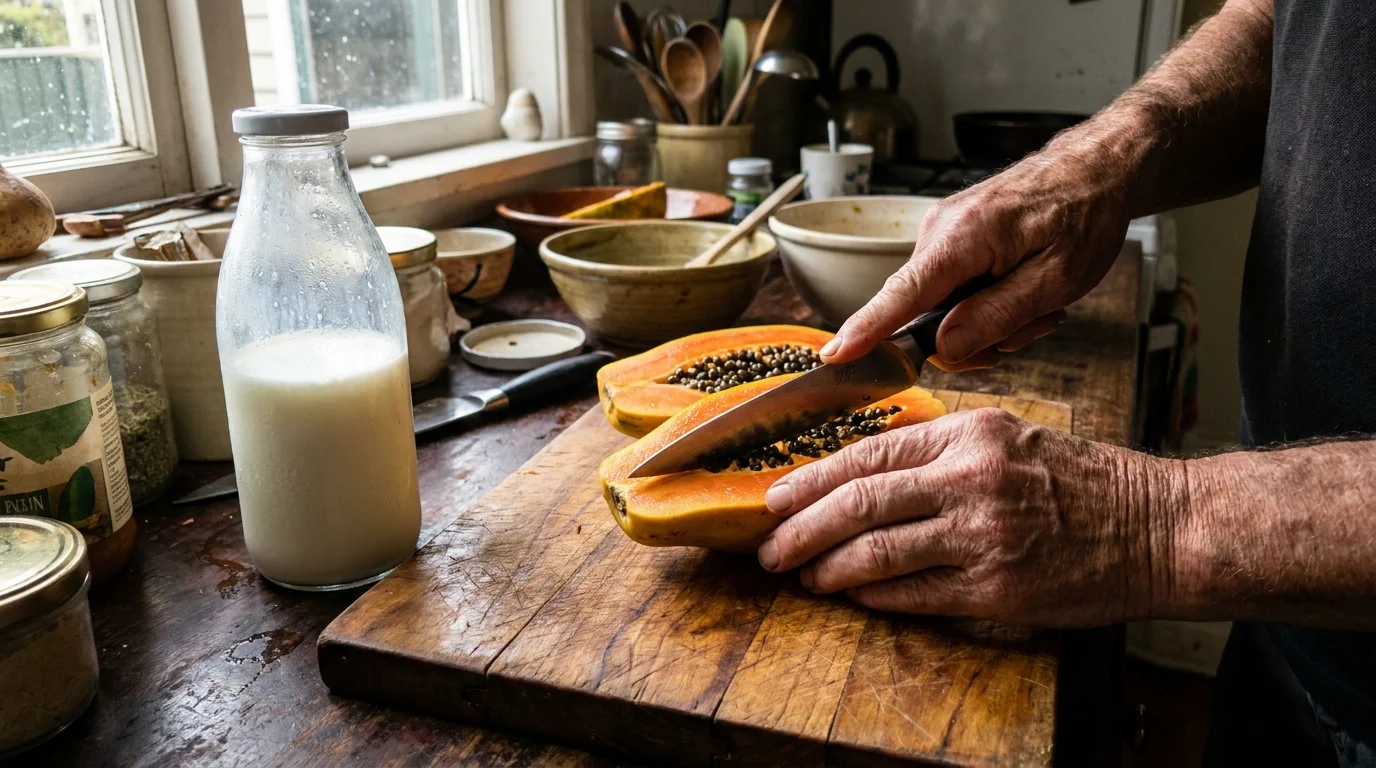
Integrating foods rich in natural digestive enzymes and soothing compounds creates a powerful foundation for gastrointestinal comfort. Papaya stands out as an exceptional choice for older adults because it contains papain, a robust enzyme that specifically breaks down complex proteins into easily absorbable amino acids. Consuming a small bowl of ripe papaya before a protein-heavy dinner reduces the digestive burden on your stomach, naturally compensating for lower age-related stomach acid production. Slicing fresh papaya over your morning yogurt or blending it into a room-temperature smoothie offers a delicious, enzyme-rich start to your digestion.
Similarly, incorporating kefir offers tremendous benefits for your microbial balance and overall gut resilience. This ancient fermented milk drink delivers a diverse spectrum of probiotic strains that outcompete gas-producing bacteria in your colon. Because the extended fermentation process breaks down the vast majority of the lactose, kefir remains highly tolerable even if you experience mild dairy sensitivity. Drinking just four to six ounces of plain, unsweetened kefir daily helps rebuild a resilient microbiome capable of handling various foods without generating excess gas. You can easily whisk kefir into salad dressings or use it as a creamy, tart base for pureed vegetable soups.
Beyond enzymes and probiotics, certain plants possess direct antispasmodic properties that physically relax the muscles of your intestinal wall. Peppermint represents a highly effective intervention for functional bloating, as the concentrated menthol compounds actively reduce muscle spasms in the gastrointestinal tract. Enjoying a cup of strong, warm peppermint tea after large meals accelerates gastric emptying and prevents gas from becoming trapped in the intestinal flexures. The soothing warmth of the tea also stimulates gentle blood flow to the digestive organs, enhancing their functional capacity.
You can also utilize fennel, a classic carminative vegetable that has been used across Mediterranean and South Asian cultures for centuries to calm upset stomachs and dispel gas. Fennel contains anethole, a phytonutrient that reduces inflammation and helps relax the smooth muscle lining of your digestive tract. Chewing on half a teaspoon of toasted fennel seeds or roasting chopped fennel bulbs as a savory side dish helps dissipate trapped gas bubbles. The subtle, sweet, licorice-like flavor elevates your culinary repertoire while providing immediate, tangible relief from abdominal pressure.
Meal Planning: Incorporating Gentle Fibers
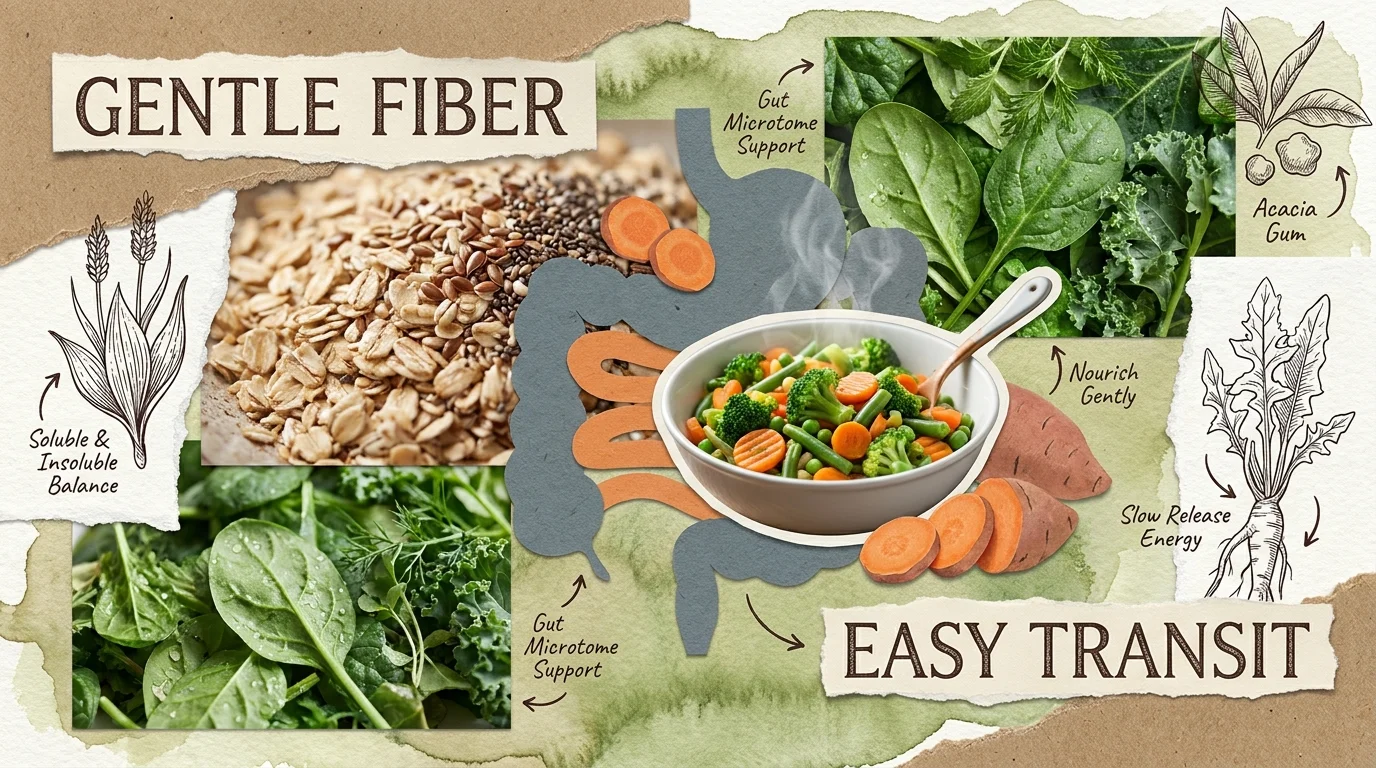
Structuring your meals to include easily processed fibers prevents the intestinal traffic jams that frequently cause late-day distension. Raw vegetables and tough, insoluble fibers can quickly overwhelm an aging digestive system, making the prioritization of gentle, soluble alternatives a critical daily strategy. Oats provide an ideal source of soluble fiber in the form of beta-glucan, which forms a soothing, gel-like substance as it moves through your gut. This lubricating gel regulates digestion speed, preventing the rapid, aggressive fermentation that triggers severe bloating. Cooking your morning rolled or steel-cut oats thoroughly with lactose-free milk or a fortified plant-based alternative sets a calm, predictable tone for your digestive tract.
Transitioning your meal plans from raw salads to cooked greens drastically reduces your post-meal discomfort and improves nutrient absorption. Cooked spinach offers a nutrient-dense powerhouse that delivers essential vitamins and trace minerals without the tough cellular walls that make raw leafy greens notoriously difficult to break down. According to resources from the Office of Dietary Supplements, spinach serves as an excellent source of dietary magnesium. Magnesium plays a pivotal role in maintaining proper muscle contractions throughout your intestines, ensuring that food and gas move steadily toward elimination rather than stagnating in the colon. Lightly steaming your spinach and tossing it with a touch of olive oil ensures you meet your nutritional requirements without enduring the abdominal pressure associated with aggressive raw food diets.

Habit Formation: Hydration and Mindful Chewing
Cultivating supportive eating habits amplifies the beneficial effects of your dietary choices and addresses the physical mechanics of digestion. Ginger functions as a highly potent prokinetic agent, meaning it directly stimulates the migrating motor complex—the cleansing contractions that sweep food and debris through your digestive tract. The active compound, gingerol, safely accelerates the movement of stomach contents into the small intestine. Grating a thumb-sized piece of fresh ginger into warm water or simmering it into your evening broths prevents the upper abdominal fullness that many older adults experience shortly after beginning a meal.
Maintaining adequate hydration remains essential for keeping fiber moving smoothly through your system; however, drinking large volumes of water during meals can dilute already scarce stomach acid. Eating foods with naturally high water contents offers an elegant, practical solution to this timing dilemma. Cucumbers consist of over ninety-five percent water and contain quercetin, a flavonoid antioxidant that helps reduce swelling and systemic inflammation. Slicing peeled, seedless cucumbers into your meals provides a refreshing, low-fermentation crunch that contributes significantly to your daily fluid intake. Removing the skin eliminates the tough insoluble fiber, ensuring the cucumber digests effortlessly without introducing the complex carbohydrates that fuel gas-producing bacteria. Establishing a routine of chewing these foods thoroughly—aiming for twenty to thirty bites per mouthful—mechanically pre-digests your meal, reducing the workload on your stomach and significantly diminishing the amount of ambient air you swallow while eating.

Expert Perspectives and Community Experiences
Leading clinical voices consistently emphasize that chronological age alone does not dictate digestive misery. Registered dietitians frequently observe that minor, targeted dietary adjustments yield profound, lasting improvements in quality of life for seniors. According to nutrition wellness guidance from the Academy of Nutrition and Dietetics, embracing personalized nutrition over restrictive fad diets remains the most sustainable path to gastrointestinal comfort. Many clinical practitioners highlight a common pattern: older adults often restrict their diets excessively out of fear, eliminating healthy, nutrient-dense foods completely when simple preparation changes—like pureeing or roasting—would entirely solve the problem.
Community support groups and senior wellness forums strongly echo this clinical sentiment, with many individuals reporting that switching from raw to cooked vegetables transformed their daily relationship with food. One prevalent thread among older adults who successfully manage their digestion is the shift away from viewing meals as a potential threat. By integrating functional, soothing ingredients like fresh ginger and probiotic-rich kefir, they describe feeling physically lighter, more focused, and highly energetic throughout the afternoon. This robust anecdotal evidence perfectly aligns with scientific findings, reinforcing that mindful preparation, thorough chewing, and strategic food selection can overcome the vast majority of age-related digestive hurdles.

Safety and Personalization Considerations
While integrating these soothing foods generally promotes excellent digestive health, you must account for your unique medical profile and potential medication interactions. Natural compounds found in grapefruit, and occasionally papaya, can alter the absorption rates of specific blood-thinning medications and essential cardiovascular drugs. You should always coordinate closely with your prescribing physician or a clinical pharmacist before making concentrated enzyme fruits a daily dietary staple. If you have been diagnosed with small intestinal bacterial overgrowth or severe irritable bowel syndrome, certain high-fiber choices or potent fermented products might temporarily exacerbate your symptoms before providing long-term relief.
It is universally crucial to introduce new fibers and probiotic foods gradually, allowing your delicate digestive microbiome adequate time to adapt to the changing environment without rebelling. You must also remain highly vigilant for systemic symptoms that masquerade as benign dietary bloating but actually require immediate medical evaluation. According to health alerts from the Centers for Disease Control and Prevention, persistent pelvic pressure, sudden unexplained weight loss, feeling full unusually fast, or bloating accompanied by severe pain warrant prompt clinical investigation. Differentiating between standard dietary gas and deeper medical issues ensures that you receive the correct interventions at the right time. Always advocate strongly for yourself during medical appointments, ensuring your healthcare team investigates chronic, painful discomfort comprehensively rather than casually dismissing it as a routine consequence of aging.
Frequently Asked Questions
Does drinking water during meals make bloating worse?
Consuming large amounts of liquid while eating can heavily dilute your naturally reduced stomach acid, potentially slowing down the critical initial breakdown of complex proteins and carbohydrates. Heavy drinking during a meal also physically increases the volume of your stomach contents, leading to a sensation of immediate, uncomfortable distension. To support optimal digestion, prioritize drinking your primary hydrating fluids between your meals. Limit your intake during actual meals to small, deliberate sips intended only to help clear your palate and moisten dry foods.
How quickly will dietary changes relieve my abdominal pressure?
You can often feel the direct benefits of prokinetic foods like ginger or antispasmodic teas like peppermint within thirty to sixty minutes of consumption. However, resolving chronic, daily bloating by fundamentally restructuring your gut microbiome with kefir and soluble oat fiber typically requires two to three weeks of consistent, dedicated dietary habits. Patience remains absolutely essential as your intestinal bacteria gradually shift and rebalance to favor strains that produce significantly less gas during digestion.
Are beans and legumes completely off-limits after age sixty?
You certainly do not need to permanently banish legumes from your plate, as they offer incredible cardiovascular protection and documented longevity benefits. Instead, alter your preparation methods to effectively neutralize the complex sugars responsible for generating excessive gas. Soaking dried beans overnight, rinsing them thoroughly before cooking, and simmering them with digestive aids like kombu seaweed or fennel drastically reduces their fermentation potential. Starting with small, easily digestible portions of red lentils before attempting denser kidney or black beans helps your gut adapt safely.
Can artificial sweeteners contribute to trapped gas?
Sugar alcohols, including sorbitol, xylitol, and mannitol, represent incredibly common culprits behind severe abdominal distension, especially in aging digestive systems. Your body cannot fully digest or absorb these chemical compounds, leaving them to pass intact into the large intestine where resident bacteria ferment them aggressively. Inspecting the ingredient labels of your sugar-free mints, medicinal cough drops, and diet beverages will help you identify and eliminate these hidden sources of daily gastrointestinal distress.
Take Control of Your Digestion Today
Reclaiming your physical comfort after meals requires nothing more than a few deliberate, highly targeted adjustments to your daily routine. You hold the immediate power to ease the burden on your aging digestive system and eliminate the exhausting cycle of daily distension. Review your planned meals for tomorrow and swap out one raw vegetable for a thoroughly cooked, easily digestible alternative. Alternatively, purchase a fresh piece of ginger to steep in your evening hot water. Implementing just one of these eight soothing foods into your diet within the next twenty-four hours sets the stage for immediate, measurable relief. Your body possesses an incredible capacity to adapt and thrive, and supplying it with the right nutritional tools ensures you can enjoy every bite with absolute confidence and lasting comfort.