Fermented foods are celebrated for transforming gut health, but not all cultured products deliver the benefits you expect. You need to know which items actively harm your microbiome so you can stop wasting money on clever marketing. While authentic fermentation preserves nutrients and breeds beneficial probiotics, modern food processing often hijacks the term to sell sugar-laden, pasteurized imposters. Consuming these compromised variations can spike blood sugar, trigger inflammation, and disrupt your digestive balance. By identifying the specific commercial shortcuts that ruin fermented foods, you protect your digestive system and ensure your diet actually supports optimal wellness.
The Science Snapshot: Authentic Fermentation Versus Commercial Imposters
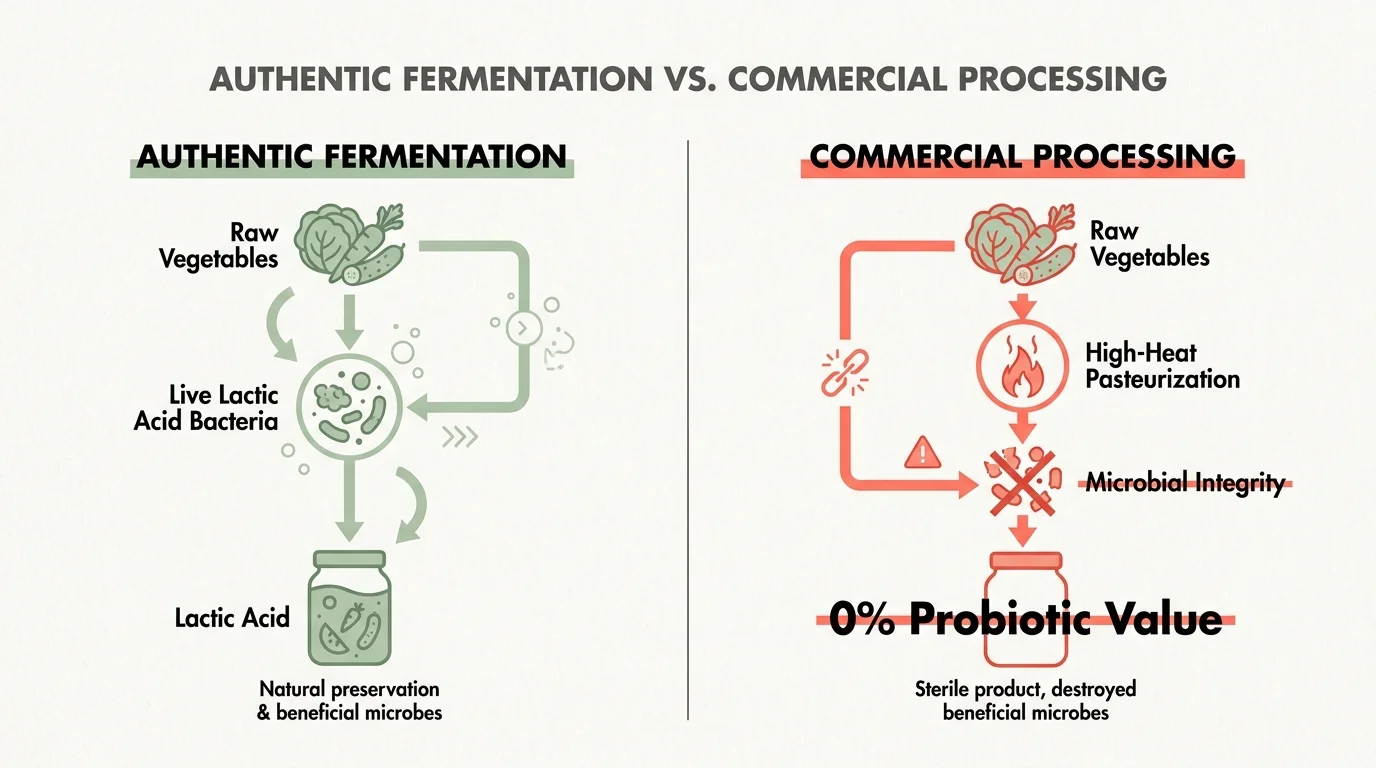
The human gastrointestinal tract relies on a delicate, complex balance of microorganisms to digest food, synthesize vital nutrients, and regulate the immune system. Genuine fermentation supports this internal ecosystem by introducing live, active cultures—primarily lactic acid bacteria—that colonize the digestive tract and crowd out harmful pathogens. During true lacto-fermentation, these beneficial microbes consume naturally occurring sugars in the food and convert them into lactic acid, a compound that preserves the food and provides its signature tangy flavor. This biological process enhances the bioavailability of vitamins and produces digestive enzymes that ease the burden on your stomach and intestines.
However, the rapid commercialization of health foods completely alters this biological dynamic. Large-scale food manufacturers prioritize indefinite shelf life and standardized flavor over microbial integrity; they utilize high-heat pasteurization, artificial preservatives, and excessive sweetening agents to manufacture their products quickly and cheaply. When you ingest these manipulated products, you bypass the desired probiotic benefits entirely and instead flood your system with compounds that promote dysbiosis. Understanding the stark difference between a biologically active, living ferment and a highly processed, dead imitation empowers you to make purchases that genuinely nourish your body and fortify your immune defenses.
7 Fermented Foods Defeating Your Health Goals
1. Pasteurized Sauerkraut and Kimchi
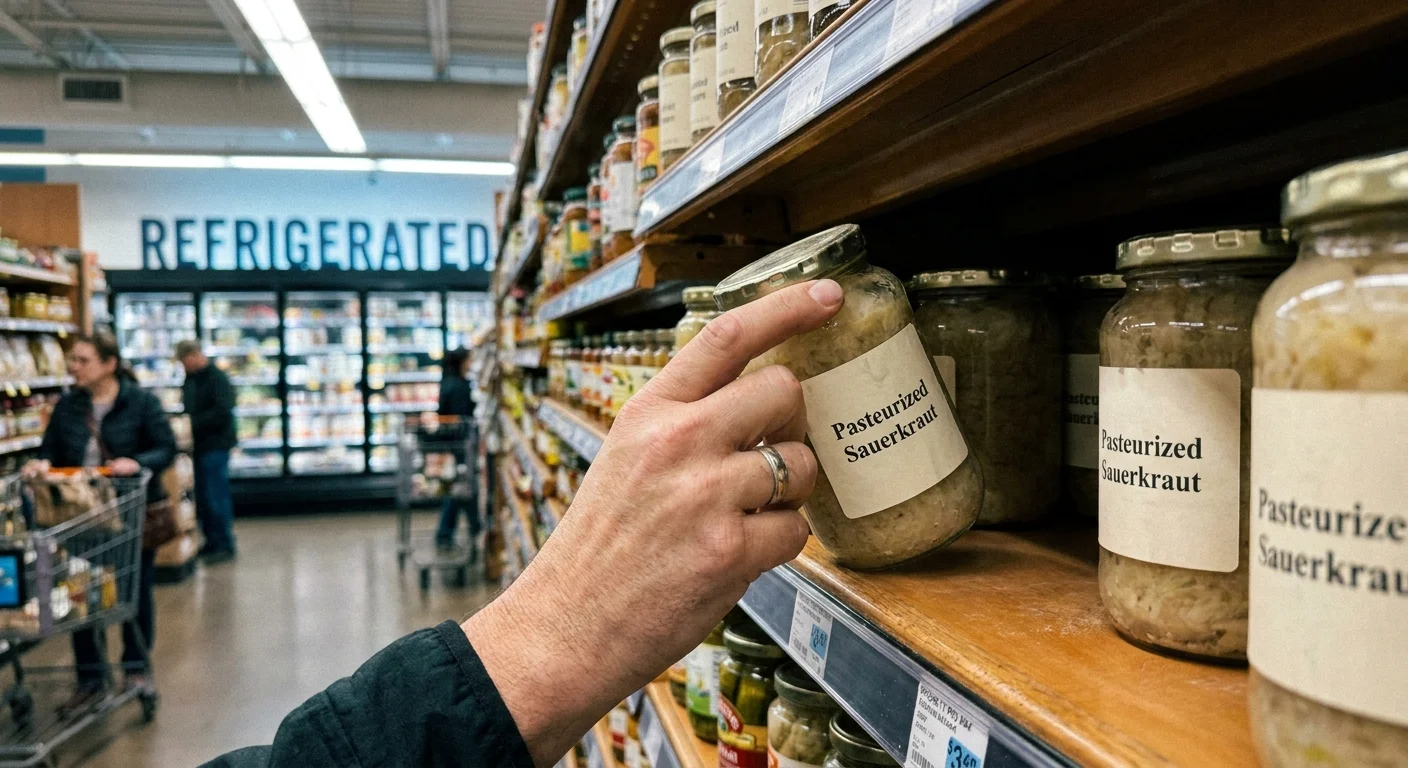
When you walk down the canned vegetable aisle, you will inevitably see glass jars and tin cans of sauerkraut and kimchi sitting at room temperature. You must leave these containers on the shelf. For a vegetable product to survive indefinitely outside a refrigerator, manufacturers must subject it to intense pasteurization. This high-heat processing eradicates every single beneficial bacterium cultivated during the initial fermentation period. You are left with nothing but heavily salted, highly acidic cabbage that offers absolutely zero probiotic value. To acquire the actual digestive advantages of lacto-fermented vegetables, you must shop exclusively in the refrigerated section. Genuine sauerkraut and kimchi require continuous cold storage to slow the fermentation process and keep the lactic acid bacteria alive and thriving.
2. Sugar-Saturated Commercial Kombucha
Kombucha carries a massive health halo, yet many colorful bottles sitting in the beverage cooler act more like conventional soda than a restorative wellness tonic. Traditional kombucha requires a small, specific amount of sugar to feed the symbiotic culture of bacteria and yeast; however, the microbes consume the vast majority of this sugar during the lengthy fermentation process. The problem arises when beverage companies dump excessive cane sugar, fruit syrups, or artificial flavorings into the vat right before bottling to mask the naturally tart, vinegary flavor profile. Drinking these sugary varieties rapidly spikes your blood glucose levels and feeds the exact pathogenic bacteria in your gut that you are trying to eliminate. You should always read the nutrition panel and select kombucha containing fewer than six grams of sugar per serving.
3. Flavored Drinkable Kefir
Kefir stands as one of the most potent probiotic foods available, boasting a significantly more diverse bacterial and yeast profile than standard cup yogurt. Unfortunately, commercial strawberry, blueberry, and vanilla drinkable kefirs destroy this nutritional profile with staggering amounts of added sugars. Food companies blend the beautifully tart, cultured milk with heavy fruit purees and liquid sweeteners to appease the standard American palate. Consuming these heavily sweetened dairy beverages drives up systemic inflammation and counteracts the very gut-healing properties you seek. Instead, you should purchase plain, unflavored whole-milk kefir. You can easily blend it at home with a handful of fresh berries or a dash of Ceylon cinnamon to control the sweetness while preserving the rich, diverse probiotic benefits.
4. Quick-Pickled Center-Aisle Vegetables
The crunchy dill pickles and spicy jalapeños sitting in the center aisles of the grocery store feature absolutely zero probiotic activity. Commercial pickling generally relies on acetic acid—specifically distilled white vinegar—to create a highly acidic environment that preserves the cucumbers quickly and cheaply. This vinegar bath brilliantly mimics the sour taste of fermentation without facilitating any actual bacterial growth or enzymatic activity. True lacto-fermentation requires only raw vegetables, pure water, and salt; the naturally occurring bacteria on the plant’s surface produce lactic acid slowly over several weeks. If you want pickles that actively fortify your microbiome, you must look for products submerged in a cloudy, unpasteurized saltwater brine, which you will exclusively find in the refrigerated deli or produce section.
5. Yogurt-Covered Snacks and Candies
Snack manufacturers frequently slap the word “yogurt” onto raisins, pretzels, and granola bars to trick you into perceiving these highly processed confections as healthy. You should completely avoid these deceptive products. The opaque, sweet coating on these snacks contains absolutely no live active cultures. Instead, companies engineer this coating by blending fractionated palm kernel oil, refined sugar, and a negligible amount of heat-treated, dead yogurt powder. These ingredients offer zero digestive benefits and introduce highly processed, inflammatory fats into your cardiovascular system. If you truly want a probiotic-rich, satisfying snack, you should dip fresh organic fruit or raw nuts into full-fat, unsweetened Greek yogurt right in your own kitchen.
6. Imitation Sourdough Bread
Genuine sourdough bread undergoes a lengthy, meticulous fermentation process where wild yeast and lactic acid bacteria break down tough gluten proteins and neutralize phytic acid. This traditional bread fermentation process makes the final loaf highly digestible and incredibly nutrient-dense. However, the vast majority of sourdough loaves sold in commercial supermarkets entirely bypass this vital, time-consuming step. Industrial bakeries use standard, rapid-rise commercial yeast to force the dough to expand quickly, then inject harsh vinegar or artificial sour flavoring agents to mimic the authentic taste. This imitation sourdough causes the exact same rapid blood sugar spikes and digestive discomfort as conventional white bread. You should secure your bread from local artisan bakers who utilize a genuine, living sourdough starter and a slow-fermentation method.
7. Highly Processed Shelf-Stable Miso
Traditional miso paste offers a brilliant, savory umami flavor alongside a wealth of digestive enzymes and robust probiotics—provided it remains raw and unpasteurized. Many consumers mistakenly purchase instant miso soup packets or shelf-stable squeeze bottles of miso puree, assuming they deliver the same profound health benefits. Manufacturers heavily pasteurize these modern convenience products to kill the bacteria, preventing the packaging from expanding or exploding as the live cultures release gas. Furthermore, instant miso often contains added monosodium glutamate, excessive refined sodium, and artificial flavor enhancers. To harness the valuable digestive enzymes and beneficial microbes of traditional miso, you must buy refrigerated, unpasteurized miso paste and gently stir it into your meals only after removing your pot from direct heat.

Strategy Pillars to Navigate the Fermented Food Aisle
Pillar 1: Nutrient Focus and Strict Label Reading
Your most powerful tool in the grocery store is your ability to interpret product packaging accurately. True fermented foods rarely contain complicated, paragraph-long ingredient lists. You should meticulously inspect the label for specific, protected phrases like “raw,” “unpasteurized,” and “contains live active cultures.” If a product contains chemical preservatives like sodium benzoate or potassium sorbate, the manufacturer added them specifically to halt microbial growth—meaning the probiotics are either dead or permanently dormant. Additionally, you must monitor the carbohydrate and sugar content rigorously. Following current guidelines regarding daily sugar consumption protects your metabolic health; excessive refined sugar in a fermented product actively negates its intended gut-healing properties.
Pillar 2: Strategic Meal Planning and Temperature Control
Maximizing the biological benefits of genuine fermented foods requires thoughtful culinary application and precise temperature control. High heat acts as the ultimate enemy of live bacteria. If you drop a generous spoonful of raw, unpasteurized kimchi into a rapidly boiling pot of spicy stew, you instantly kill the beneficial microbes you paid a premium to consume. You must treat authentic fermented products as delicate finishing ingredients rather than robust cooking components. You can fold living miso paste into warm—not boiling—broth, serve a cool dollop of raw sauerkraut alongside your roasted meats, or use plain kefir as a creamy base for cold salad dressings. This strategic meal planning ensures the probiotics survive the perilous journey from your kitchen directly into your gastrointestinal tract.
Pillar 3: Habit Formation for Genuine Gut Health
Building a robust, resilient microbiome requires consistency rather than overwhelming, sporadic volume. Many people make the painful mistake of eating massive quantities of fermented foods all at once, which frequently triggers severe bloating, cramping, and acute digestive distress. You should focus on daily, highly moderated consumption. Introducing a single tablespoon of live sauerkraut to your afternoon lunch or drinking four ounces of plain, unsweetened kombucha with your evening dinner provides a steady, manageable stream of beneficial microbes. This gradual habit formation allows your internal gut ecosystem to adapt, shift, and flourish without overwhelming your system. Over time, these small, intentional daily additions compound into significant, lasting improvements in your digestion, energy levels, and overall immune function.

Expert and Lived Voices on Fermentation
Clinical dietitians and board-certified gastroenterologists consistently emphasize the critical importance of distinguishing between dead, processed foods and living, cultured foods. Current research demonstrates that the live microorganisms found in unpasteurized fermented foods interact directly with the intestinal mucosa, actively strengthening the gut barrier and modulating your body’s immune responses. Health professionals continuously point out that the standard Western diet severely lacks these living microbes, contributing to widespread digestive dysfunction.
However, these same medical experts strongly warn against falling for deceptive marketing gimmicks. Just because a label features rustic, artisanal typography and claims to boost immunity does not mean the product holds actual biological value. You must rely on absolute ingredient transparency and refrigeration status rather than front-of-package advertising. In clinical practice, professionals advocate for sourcing fermented foods from local, small-batch producers or bravely fermenting your own vegetables at home to ensure maximum microbial viability and rigorous quality control. Patients who transition from imitation supermarket sourdough to genuine, slow-fermented artisan loaves frequently report a complete elimination of the heavy, post-meal bloating they previously accepted as normal.

Safety, Personalization, and Contraindications
While high-quality fermented foods vigorously support general wellness, they do not universally suit every single individual. You must thoroughly personalize your dietary approach based on your unique physiological needs and medical history. The fermentation process naturally produces histamine, a chemical compound that can trigger severe migraines, skin hives, and acute nasal congestion in individuals dealing with histamine intolerance or mast cell activation syndrome. If you experience these inflammatory symptoms after eating cultured foods, you should consult an allergist immediately and potentially eliminate aged and fermented products from your diet. Reviewing clinical perspectives on histamine intolerance can help you navigate these specific, frustrating dietary challenges safely.
Furthermore, naturally fermented vegetables require significant amounts of sodium to create a safe brine that prevents mold growth. If your cardiologist or primary physician has placed you on a strict low-sodium diet to manage hypertension or renal disease, you must consume fermented vegetables in highly moderated, measured portions. Immunocompromised individuals, pregnant women, and those undergoing active chemotherapy should also speak directly with a healthcare provider before introducing raw, unpasteurized bacterial cultures into their daily routines to prevent any risk of opportunistic infection.
Frequently Asked Questions About Fermented Foods
Can I heat fermented foods without destroying the benefits?
Heating fermented foods above 115 degrees Fahrenheit systematically destroys the delicate live active cultures that provide your body with probiotic benefits. While cooking fermented ingredients like authentic sourdough bread or raw miso still yields highly digestible foods with excellent, complex flavor profiles, the specific living probiotic bacteria simply do not survive the intense thermal cooking process. To retain the complete microbial advantages, you must consume these foods entirely raw or stir them gently into hot dishes immediately before serving, once the food has cooled to a comfortable, safe eating temperature.
How much authentic fermented food do I need daily?
You absolutely do not need to consume massive, uncomfortable portions to experience significant health benefits. Clinical dietary studies indicate that incorporating two to three small servings of varied, live fermented foods daily optimally supports microbiome diversity and digestive health. A highly effective serving might consist of just two tablespoons of raw, refrigerated sauerkraut, half a cup of plain milk kefir, or a small glass of low-sugar kombucha. Consistency matters far more than total volume; eating a very small amount every single day provides vastly superior results than eating a massive jar once a month.
Are homemade fermented foods safer than store-bought options?
When you follow basic, strict sanitation protocols and utilize appropriate salt concentrations, homemade lacto-fermentation represents an incredibly safe, reliable, and economical way to produce potent probiotic foods. The highly acidic environment created by lactic acid bacteria naturally prevents the dangerous growth of harmful pathogens like botulism. However, you must carefully and visually monitor your home ferments for fuzzy mold growth or foul, putrid odors, which distinctly indicate a failed, contaminated batch. For many dedicated individuals, making sauerkraut or yogurt at home perfectly guarantees the complete absence of artificial preservatives and unwanted, inflammatory sugars.
Why do some fermented foods cause acute bloating and gas?
Introducing billions of new, active bacteria into your gastrointestinal tract can temporarily disrupt your existing microbial balance, leading to noticeable gas production as the new microbes rapidly ferment dietary fibers in your gut. This acute, uncomfortable bloating usually indicates that you introduced too much fermented food into your system far too quickly. You can easily mitigate this frustrating side effect by starting with extremely small portions—such as just one teaspoon of fermented vegetable brine per day—and slowly increasing your total intake over several weeks as your digestive system calmly adapts to the new, beneficial bacterial strains.
Your Next Step Toward Better Gut Health
Your ongoing journey toward optimal digestion and immune function does not require expensive, synthetic supplements or highly processed “health” snacks wrapped in plastic. You hold the immediate power to cultivate a thriving, resilient microbiome by making informed, highly intentional choices every time you visit the grocery store. Reject the pasteurized, sugar-laden imposters that currently line the center aisles, and actively seek out the raw, unadulterated foods that truly support your complex human physiology. Your practical challenge for the next twenty-four hours is incredibly simple: inspect your refrigerator, identify one commercial imitation disguised as a health food, and purposefully replace it with a genuine, living fermented product. Your digestive system will deeply thank you.