Finding the right extra virgin olive oil transforms your daily cooking from bland to exceptional while flooding your body with potent antioxidants. You face a confusing wall of choices at the grocery store, where deceptive labeling often masks low-quality oils cut with cheaper alternatives. Evaluating the market offerings reveals which bottles truly deliver heart-healthy polyphenols and vibrant flavors. Genuine, high-quality extra virgin olive oil provides robust anti-inflammatory benefits that protect against chronic disease. Understanding exactly how to decode harvest dates, origin seals, and dark glass packaging guarantees you bring home authentic liquid gold. Knowing the difference between premium brands and misleading imposters empowers you to elevate your meals and protect your health effortlessly.
The Science Behind Healthy Cooking Oils
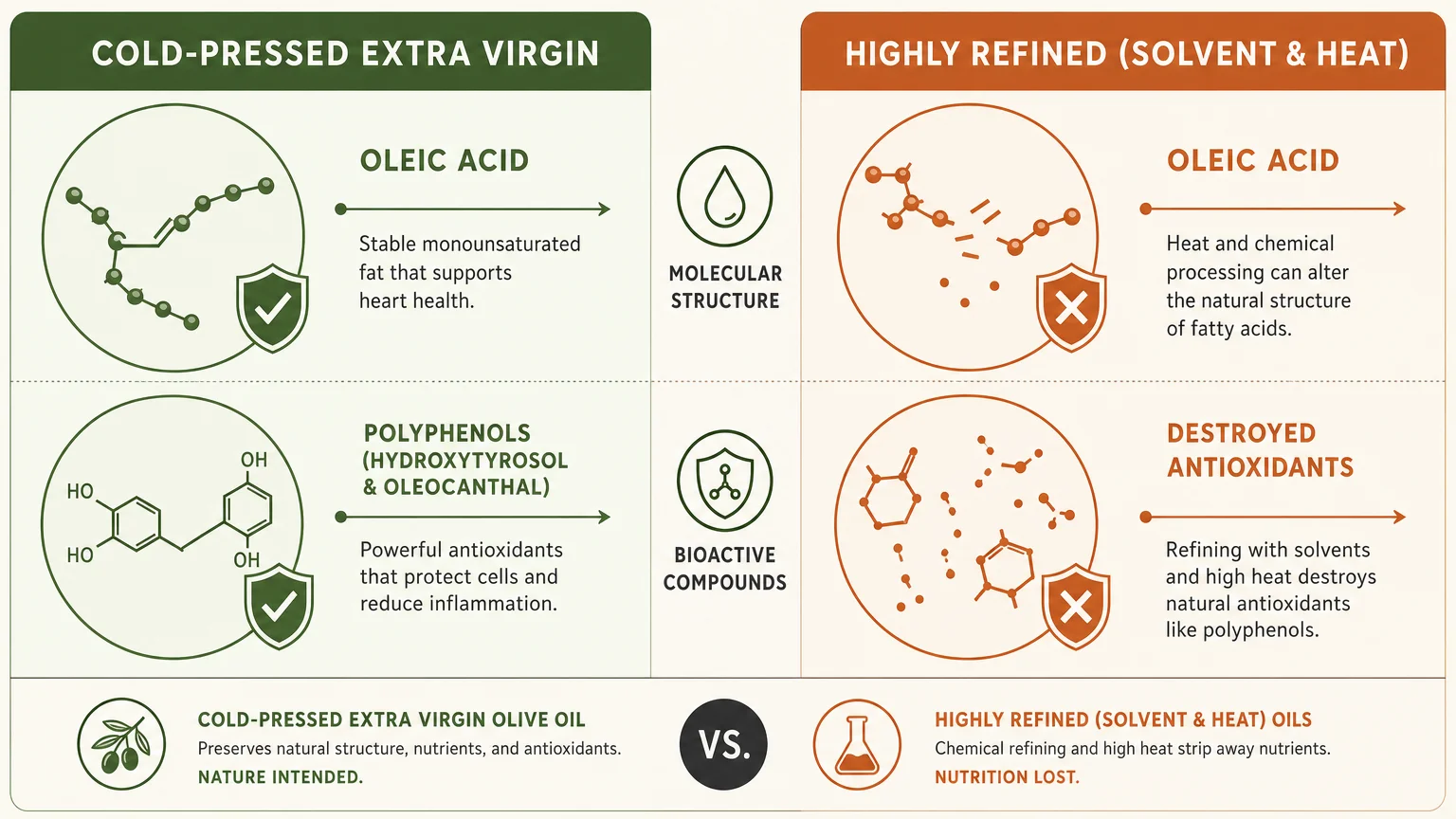
When you evaluate olive oil, you are looking at a complex matrix of monounsaturated fats, specifically oleic acid, alongside powerful phenolic compounds. Extra virgin olive oil stands out because the mechanical, cold-pressing extraction process preserves these delicate micronutrients, completely avoiding the harsh chemical solvents used in highly refined vegetable oils. You absorb higher concentrations of hydroxytyrosol and oleocanthal, two potent antioxidants scientifically validated to reduce systemic inflammation. A robust body of literature confirms that these specific polyphenols exhibit properties remarkably similar to non-steroidal anti-inflammatory drugs; you can find extensive documentation of these effects through peer-reviewed journals focusing on metabolic health. Lower-ranked brands often undergo extensive refining that systematically destroys these active compounds, leaving you with empty calories rather than functional health benefits. Understanding this biochemical foundation explains why selecting a top-tier brand remains a nutritional necessity rather than a mere culinary luxury. When you consistently consume authentic, unrefined olive oil, you actively improve your lipid profiles and support healthy blood vessel function.
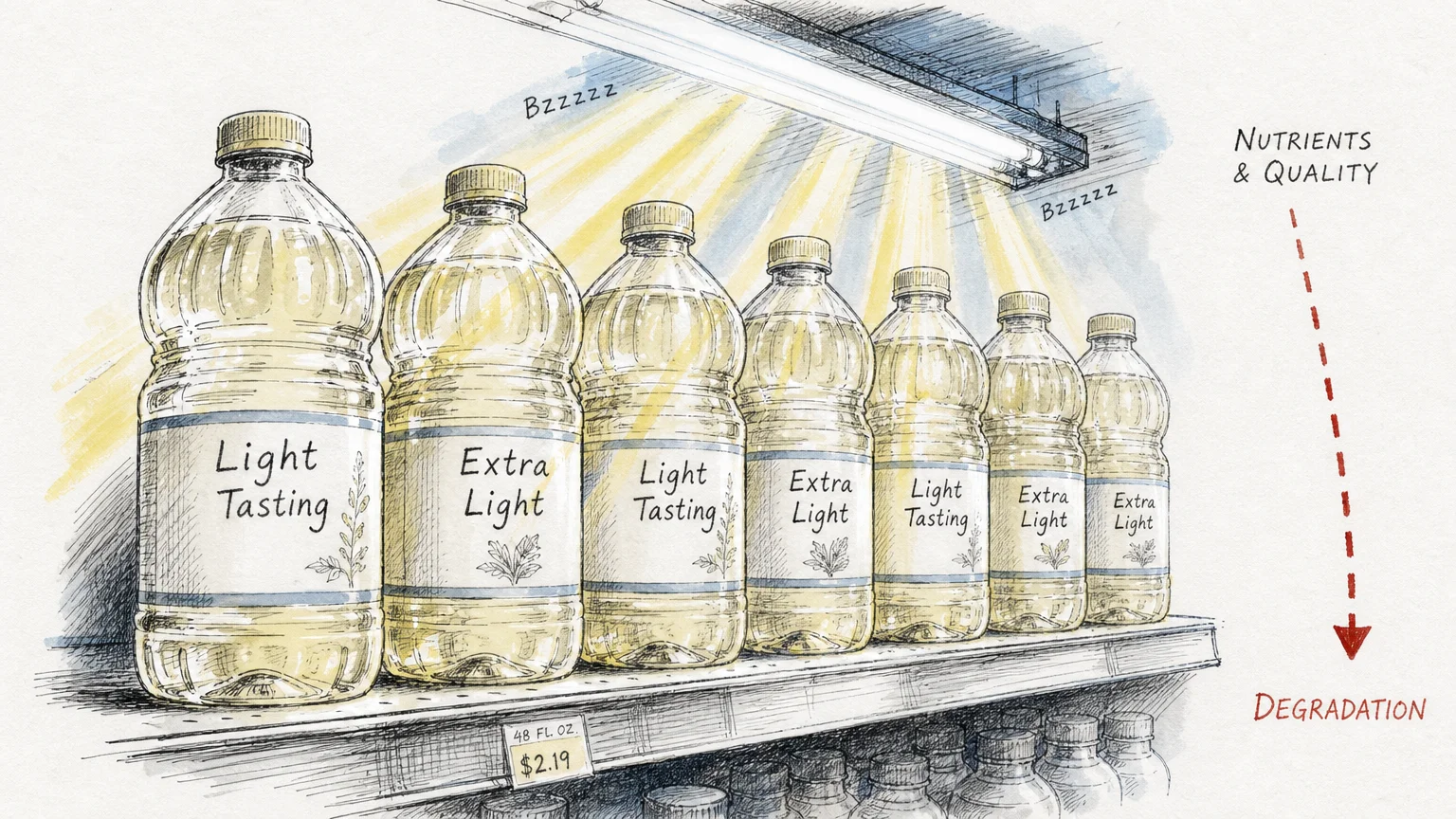
The Bottom Tier: Highly Processed and Misleading (Brands 1-5)
At the absolute bottom of the quality spectrum, you find brands that technically qualify as olive oil but offer virtually none of the established health benefits. Starting with number one, Pompeian Classic Light Tasting Olive Oil represents the lowest tier of commercial quality. The term light tasting simply means heavily refined, stripping away the polyphenols and natural antioxidants to create an artificially neutral flavor profile. Coming in at number two, Star Original Olive Oil suffers from similar processing issues; it blends highly refined oils with a negligible amount of virgin oil merely to satisfy minimum labeling requirements. Number three is Filippo Berio Extra Light, which deceives many shoppers into thinking light equates to lower calories, when it actually indicates severe chemical processing and heat-driven extraction. Moving to number four, Bertolli Extra Light Taste exhibits a complete lack of the peppery throat catch that signifies high oleocanthal content, rendering it virtually useless for anti-inflammatory purposes. Finally, at number five, Great Value 100% Extra Virgin Olive Oil consistently fails sensory and chemical purity tests conducted by independent watchdog groups. These bottom five brands typically rely on clear plastic bottles that allow ambient grocery store light to rapidly degrade whatever minimal nutrients remain inside.
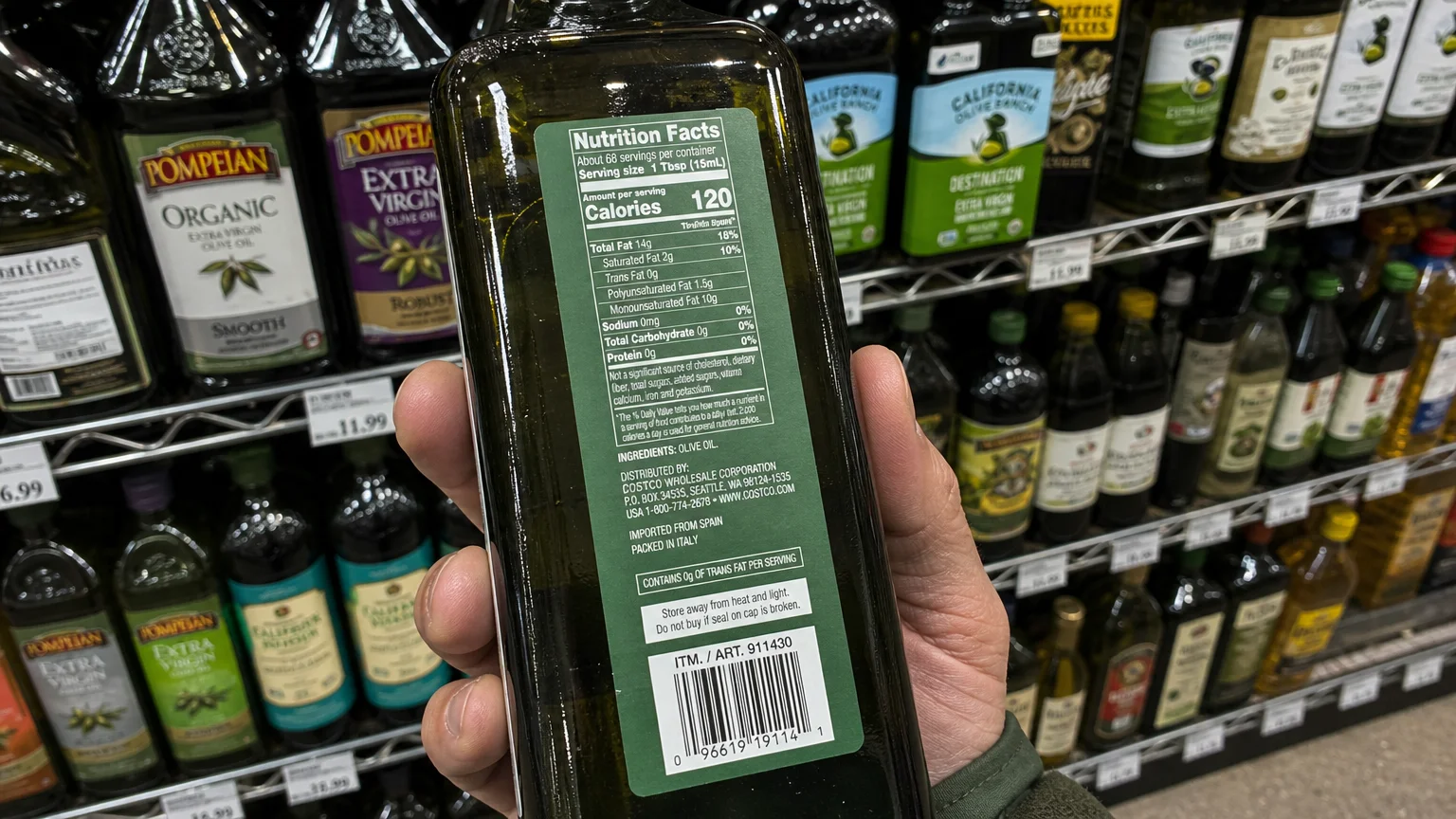
The Mass-Market Middle: Acceptable but Unremarkable (Brands 6-10)
Progressing slightly up the quality ladder brings you to brands that function adequately for basic, high-heat cooking but still lack the robust nutritional profiles of true artisanal extra virgin oils. Number six, Pompeian Robust Extra Virgin Olive Oil, improves upon its light counterpart by retaining some natural flavor, but the distinct lack of a specific harvest date indicates a blend of older, oxidized oils from multiple countries. Number seven, Colavita Extra Virgin Olive Oil, provides a recognizable Italian brand name; however, the oil inside frequently originates from multiple Mediterranean nations, diluting traceability and increasing the risk of degradation during long transit times. Ranking eighth, Newman’s Own Organics Extra Virgin Olive Oil offers organic certification—ensuring pesticide-free farming practices—yet the actual polyphenol count remains frustratingly low compared to smaller producers. Number nine brings us to Whole Foods 365 Everyday Value Extra Virgin Olive Oil, an affordable option that meets basic legal standards but typically presents a flat, uninspired taste profile signaling diminished antioxidant activity. Rounding out this middle tier at number ten is De Cecco Extra Virgin Olive Oil, a reliable grocery staple for simmering pasta sauces where prolonged high heat will destroy delicate compounds regardless, but certainly not a brand you want to use for raw applications. You can align your choices with standard cardiovascular support guidelines by moving past these acceptable brands toward higher-quality alternatives.
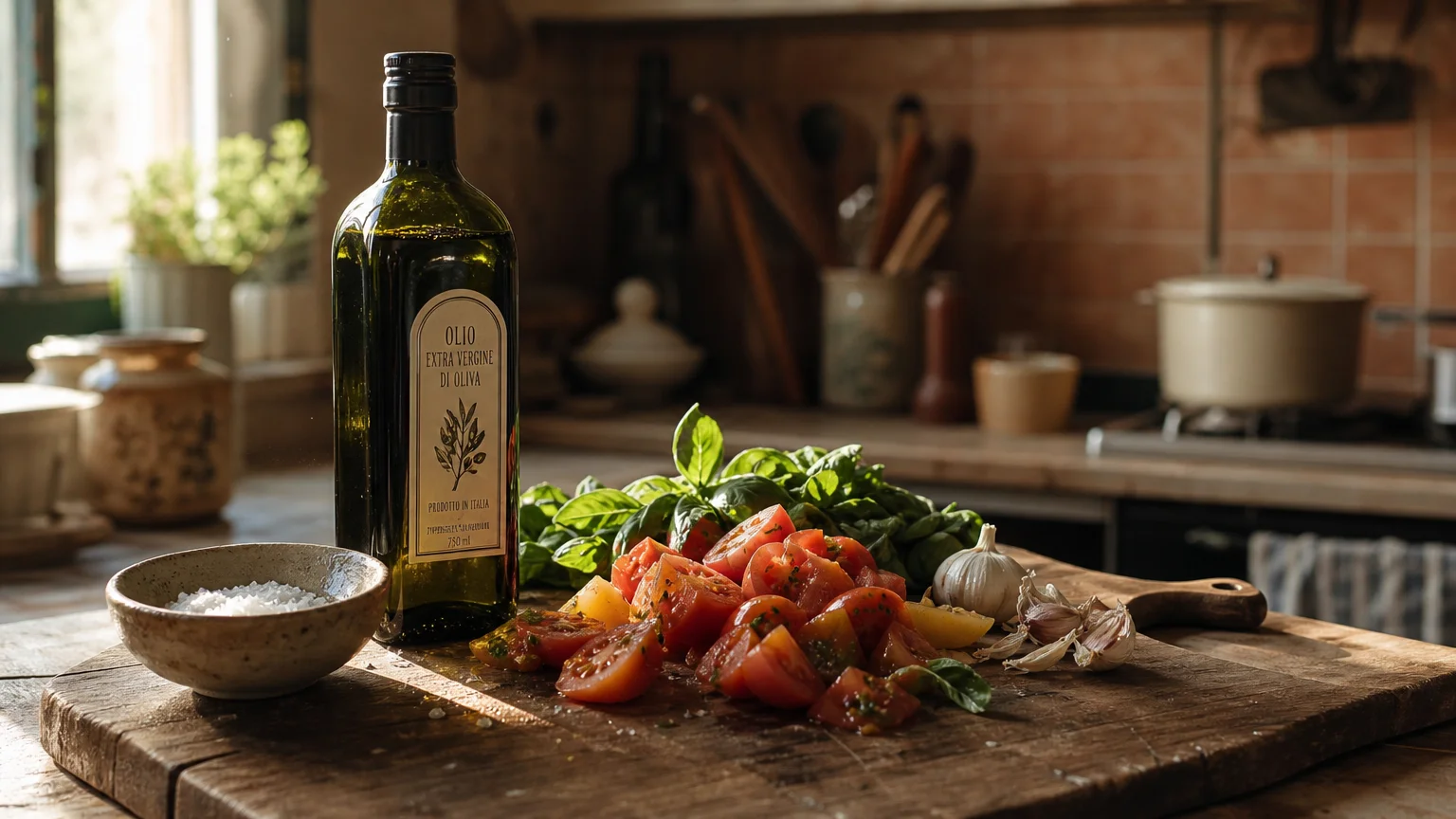
The Reliable Performers: Great Value and Purity (Brands 11-15)
When you reach the upper-middle tier, you start finding trustworthy oils that deliver genuine health benefits without breaking your weekly grocery budget. Number eleven, Kirkland Signature Organic Extra Virgin Olive Oil, consistently passes rigorous independent purity tests, offering a traceable product with a respectable polyphenol count at an exceptional volume discount. Ranking twelfth, California Olive Ranch Everyday Extra Virgin Olive Oil represents a massive triumph in domestic agricultural practices; they provide completely transparent harvest dates and utilize cold-pressed freshness that guarantees active, functional antioxidants. Number thirteen is Lucini Everyday Extra Virgin Olive Oil, an excellent estate-grown option that maintains stringent quality controls to prevent oxidation before the oil even reaches its dark green glass bottle. At number fourteen, O-Live & Co. Everyday Extra Virgin Olive Oil shines due to its rapid harvest-to-milling time; processing the freshly picked olives within hours locks in the delicate hydroxytyrosol compounds before they can break down. Finally, number fifteen, Cobram Estate Classic Extra Virgin Olive Oil, utilizes advanced Australian harvesting technology to produce an incredibly fresh, peppery oil that effortlessly rivals much more expensive European imports. You can confidently rely on these five reliable brands to supply the monounsaturated fats necessary for optimal physiological function.
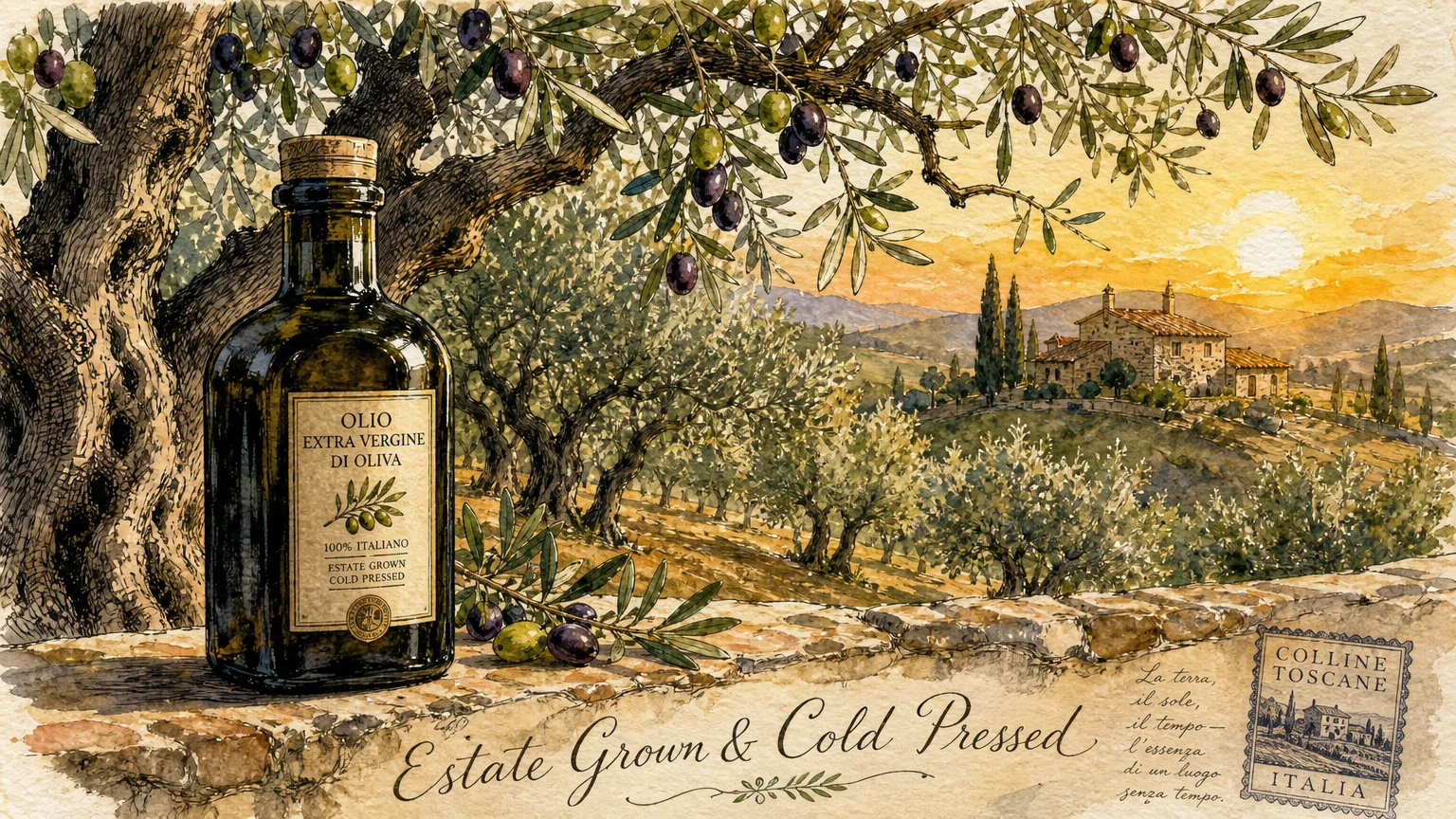
The Liquid Gold: Elite Nutritional Powerhouses (Brands 16-20)
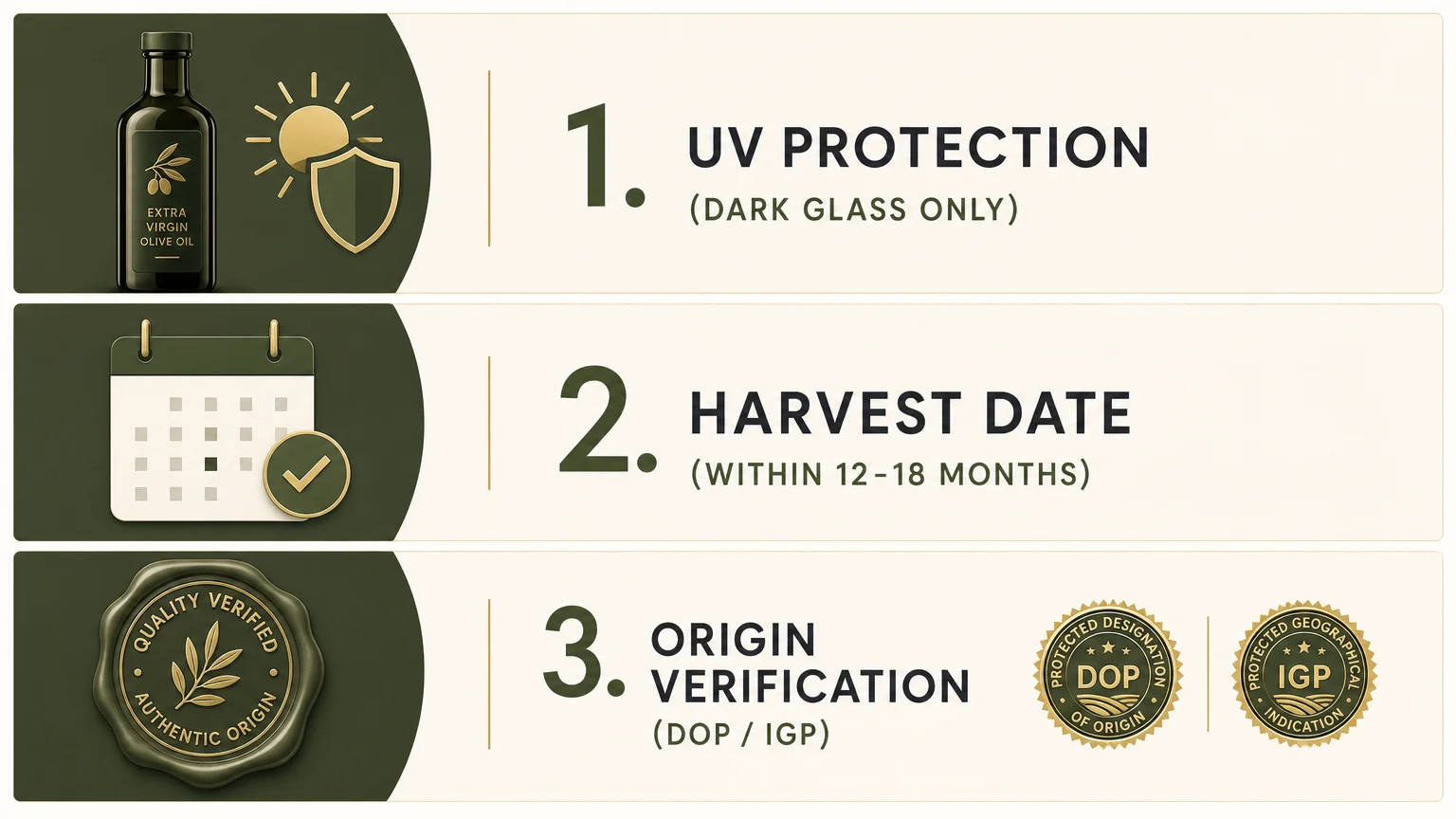
The top five brands represent the absolute pinnacle of olive oil production, offering unparalleled flavor complexities and maximum therapeutic health benefits. Number sixteen, Partanna Extra Virgin Olive Oil, comes exclusively from Castelvetrano olives grown in Sicily, packed securely in distinctive metallic tins that completely block light degradation and perfectly preserve its intensely fruity, antioxidant-rich profile. Number seventeen, Garcia de la Cruz Organic Extra Virgin Olive Oil, boasts generations of specialized Spanish expertise, yielding an exceptionally robust oil teeming with oleocanthal, evidenced clearly by the sharp, healthy burn it leaves at the back of your throat. Ranking eighteenth, Frankies 457 Spuntino Extra Virgin Olive Oil provides an unblended, DOP-certified Sicilian oil that guarantees absolute geographic traceability and superior, low-temperature extraction standards. Number nineteen, Kosterina Original Extra Virgin Olive Oil, utilizes early-harvest Koroneiki olives sourced from Greece, specifically chosen for their extraordinarily high polyphenol concentrations that actively combat cellular oxidative stress. Capturing the coveted number twenty spot as the absolute best is Brightland Awake Extra Virgin Olive Oil; this premium brand completely redefines industry transparency with exact harvest dates, UV-protective coated glass bottles, and a meticulous cold-pressing technique that delivers absolute peak nutritional potency. Investing in these top five elite brands transforms your daily dietary routine by providing concentrated, functional nutrition in a delicious culinary form.
Strategic Pillars for Maximizing Olive Oil Benefits
Incorporating these high-quality healthy cooking oils into your routine requires intentional strategy to maximize their biological yield. Your first strategic pillar involves deliberate meal planning focused on strict temperature control. Because extreme heat destroys the delicate polyphenols in your premium oils, you should reserve top-tier brands like Brightland or Kosterina strictly for finishing dishes—drizzling them generously over roasted vegetables, stirring them into warm soups just before serving, or whisking them into fresh salad dressings. You can easily utilize reliable mid-tier performers like California Olive Ranch for gentle sautéing and low-temperature baking. Your second strategy focuses on targeted nutrient absorption. Many essential vitamins, specifically vitamins A, D, E, and K, require adequate dietary fat for your body to process them. Tossing your dark leafy greens or roasted sweet potatoes with a heavy pour of extra virgin olive oil dramatically increases your body’s ability to absorb these fat-soluble micronutrients. Your third pillar centers entirely around proper habit formation and storage practices. You must train yourself to store your expensive oils in a cool, dark pantry rather than leaving them next to the hot stove, as both heat and light rapidly accelerate lipid oxidation. Purchasing smaller bottles ensures you consume the oil well before it goes rancid, fully maintaining the structural integrity of the monounsaturated fats.

Expert Insights and Community Experiences
Registered dietitians and culinary medicine physicians consistently emphasize the critical physiological differences between authentic extra virgin olive oil and cheap, refined imposters. Clinical practitioners routinely note that patients who switch to authentic, high-polyphenol brands often report noticeable improvements in joint mobility, skin hydration, and digestive regularity. When you consume unrefined oils rich in oleocanthal, you essentially provide your body with a daily, low-dose anti-inflammatory intervention. Community members managing specific metabolic protocols, such as the Mediterranean or DASH diets, frequently share that upgrading their primary olive oil brand completely shifted their daily culinary experience, making raw vegetables far more palatable and deeply satisfying. Many individuals discover that the peppery kick of a fresh, early-harvest oil easily replaces the need for heavy, sodium-rich sauces, naturally aligning their palates with heart-healthy guidelines. Listening to these diverse, lived experiences clearly reinforces the clinical science; ingredient quality directly dictates both medical outcomes and pure culinary enjoyment. You can explore additional context regarding fat quality through dietary guidelines for lipid consumption designed by leading nutrition experts.

Safety Considerations and Personalization
While extra virgin olive oil provides profound health benefits, you must still consider personalization and specific metabolic contraindications. Olive oil remains incredibly calorie-dense, packing approximately one hundred twenty calories into every single tablespoon. If your physician has recommended a strict calorie deficit for weight management, you should measure your oil precisely with measuring spoons rather than pouring it freely from the bottle. Furthermore, some individuals experience immediate gastrointestinal discomfort when consuming large quantities of raw, liquid fats; if you have a known history of gallbladder issues or severe fat malabsorption, you must introduce higher fat intakes gradually and strictly under clinical supervision. Allergies to olives remain exceptionally rare, but you should always monitor your body for unexpected respiratory or dermal reactions when introducing any new, unrefined agricultural product. You must also remain highly cautious regarding the smoke point; heating unrefined oils past three hundred seventy-five degrees Fahrenheit generates harmful free radicals, entirely counteracting the intrinsic antioxidant benefits you paid for. Always consult your primary care provider or a registered dietitian to determine the food safety parameters and fat distribution ratios ideal for your specific body.
Frequently Asked Questions
Does the color of olive oil indicate its quality?
Many shoppers mistakenly assume a deep, vibrant green color guarantees a premium product, but this remains a persistent industry myth. The visual hue simply reflects the exact time of harvest and the specific olive varietal used during pressing. Early harvest olives naturally yield a greener oil due to significantly higher chlorophyll content, while later harvests produce a warm, golden tone. You should always judge quality by the printed harvest date, the opacity of the dark packaging, and a peppery taste profile rather than relying on the visual color alone.
How long does an open bottle of extra virgin olive oil last?
Once you break the seal on a new bottle, ambient oxygen immediately begins degrading the delicate polyphenols and unstable fatty acids. You should aim to consume an open bottle within sixty to ninety days to ensure optimal nutritional benefits and peak flavor. If the oil develops a distinctly waxy, crayon-like smell, it has fully gone rancid; you should discard it immediately to avoid consuming oxidized fats that cause systemic cellular stress.
Can you cook with extra virgin olive oil?
You absolutely can cook with high-quality extra virgin olive oil, provided you carefully manage your stove’s temperature. Authentic extra virgin olive oil possesses a surprisingly stable chemical structure due to its exceptionally high antioxidant content, safely protecting it during standard sautéing and moderate roasting. You should aggressively avoid deep frying with it, as pushing the oil past its natural smoke point destroys the therapeutic therapeutic compounds and creates harmful chemical byproducts.
Why do some olive oils make me cough?
That sudden catching sensation or unexpected cough when you swallow raw olive oil signifies a robust concentration of oleocanthal, a highly potent anti-inflammatory polyphenol. Culinary experts and research scientists consider this sharp peppery throat burn a hallmark of exceptional harvest quality and peak freshness. If a brand produces a completely mild, perfectly smooth finish without any spicy kick whatsoever, it likely lacks the active medicinal compounds you want for protecting your cardiovascular health.
Take Action for Your Heart Health Today
Transforming your daily dietary habits requires simple, manageable adjustments rather than overwhelming, restrictive overhauls. Your newly acquired knowledge of these twenty olive oil brands thoroughly equips you to navigate the grocery aisles with total confidence, effortlessly bypassing the deceptive marketing of highly processed, refined bottles. Take a brief moment today to walk into your kitchen and check the label on your current cooking oil; if you cannot find a specific harvest date stamped on the back or if it sits in a clear plastic bottle, commit to upgrading your supply immediately. Investing in a top-tier brand from the liquid gold category ensures every single meal you prepare actively combats inflammation and heavily supports your long-term longevity. You hold the unique power to elevate your physical nutrition and your culinary joy simultaneously. Go out and secure a fresh, dark-glass bottle of true extra virgin olive oil within the next twenty-four hours, and experience the profound, delicious difference in your very next meal.