Eating the right foods before drinking alcohol directly dictates how your body absorbs ethanol, minimizing intoxication spikes and preventing harsh hangover symptoms the next day. A strategic meal slows gastric emptying, giving your liver the precious time it needs to process alcohol safely and efficiently. Research shows that drinking on an empty stomach causes blood alcohol concentrations to peak rapidly, placing unnecessary strain on your systemic functions. By selecting specific macronutrients—like high-quality proteins, complex carbohydrates, and healthy fats—you establish a physical buffer against rapid absorption. This single dietary choice transforms your evening from a physiological stress test into a balanced, manageable experience, protecting your brain, liver, and tomorrow’s energy levels.
The Science of Alcohol Absorption and Gastric Emptying
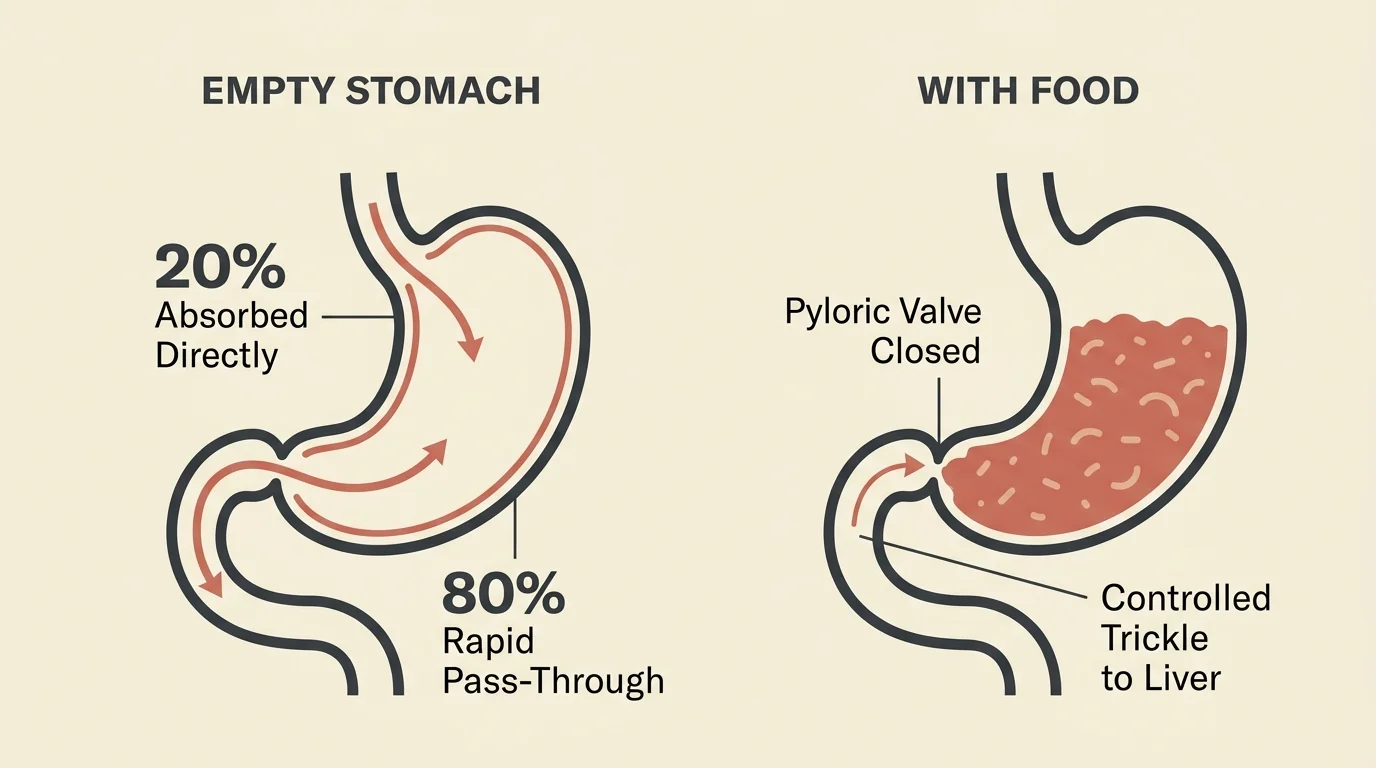
Understanding how alcohol travels through your body reveals exactly why pre-drinking nutrition matters so much. When you consume a beverage, the liquid travels down your esophagus and into your stomach. If your stomach is completely empty, approximately twenty percent of the alcohol is absorbed directly through the stomach lining into your bloodstream. The remaining eighty percent passes quickly through the pyloric valve into the small intestine, where absorption occurs at an incredibly rapid pace. This uncontrolled entry floods your liver with more ethanol than it can process at once, leading to a sharp, aggressive spike in your blood alcohol concentration.
Introducing food into this equation fundamentally changes your body’s metabolic response. When you eat a substantial meal, your stomach recognizes the presence of nutrients and securely closes the pyloric valve to begin the digestive process. Alcohol becomes trapped in the stomach along with the digesting food. Because absorption through the stomach lining is vastly slower than through the small intestine, this physical barrier acts as a time-release mechanism for the alcohol. You can explore clinical data on alcohol metabolism to see how an active digestive tract provides your liver with a manageable trickle of ethanol rather than an overwhelming flood. By slowing down gastric emptying, you give your body the capacity to synthesize enzymes and clear toxins effectively.
Prioritizing the Right Macronutrients
Not all foods offer the same protective benefits when preparing for a night out. To construct an effective metabolic buffer, you must focus on specific macronutrients that take substantial time and energy to break down.
The Power of High-Quality Protein
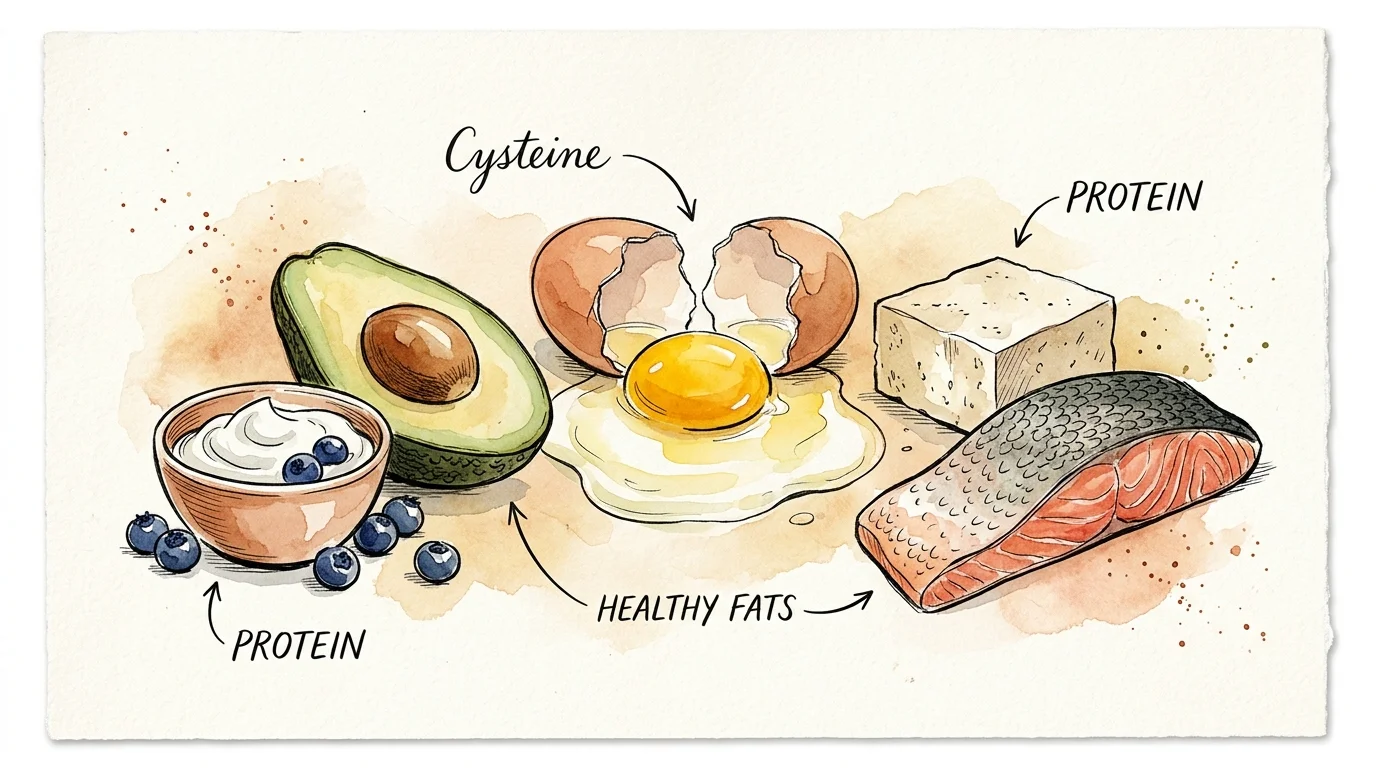
Protein requires complex enzymatic action and significant stomach acid to digest, making it one of the most effective tools for delaying gastric emptying. When you consume protein-rich foods, your stomach holds onto its contents for an extended period, securely trapping any alcohol you consume alongside it. Lean sources such as grilled chicken, turkey, tofu, and Greek yogurt provide an excellent foundation for your pre-drink meal.
Eggs stand out as an exceptional choice in this category. Beyond their dense protein content, eggs are exceptionally rich in an amino acid called cysteine. Your body relies heavily on cysteine to synthesize glutathione, a powerful antioxidant that your liver utilizes to neutralize acetaldehyde. Acetaldehyde is the highly toxic byproduct of alcohol metabolism responsible for the most severe hangover symptoms. Consuming eggs actively equips your liver with the exact biochemical tools it needs to detoxify your system while simultaneously slowing down the physical absorption of the alcohol itself.
Healthy Fats as a Metabolic Brake
Dietary fat digests slower than any other macronutrient, making it a powerful ally in your pre-drinking nutrition strategy. When fat enters your digestive tract, it triggers the release of a hormone called cholecystokinin. This hormone sends a direct signal to your stomach to slow down its motility and delay the release of its contents into the small intestine. By incorporating healthy fats into your meal, you apply a firm biological brake to your digestive speed.
Excellent sources of protective fats include avocados, extra virgin olive oil, nuts, and seeds. You do not need to consume heavy, greasy foods to achieve this effect. Drizzling high-quality olive oil over a salad, spreading avocado on whole-grain toast, or eating a handful of almonds provides a concentrated dose of healthy fats that will coat the stomach lining and slow the transfer of alcohol into your bloodstream.
Complex Carbohydrates and Fiber
While simple sugars digest rapidly and offer little protection against alcohol absorption, complex carbohydrates act as a physical net inside your digestive system. Foods rich in dietary fiber absorb water and bulk up the contents of your stomach. You can find robust evidence in studies highlighting dietary fiber and gastric emptying that demonstrates how high-fiber meals delay the digestive process and stabilize blood glucose levels.
Alcohol metabolism disrupts your liver’s ability to maintain steady blood sugar, often leading to sudden crashes that cause intense late-night cravings and morning-after fatigue. Consuming complex carbohydrates like oats, quinoa, brown rice, or sweet potatoes provides a slow, steady release of glucose into your bloodstream. This sustained energy combats the hypoglycemic effects of drinking and helps maintain your cognitive clarity throughout the evening.
Timing and Structuring Your Pre-Drink Meal
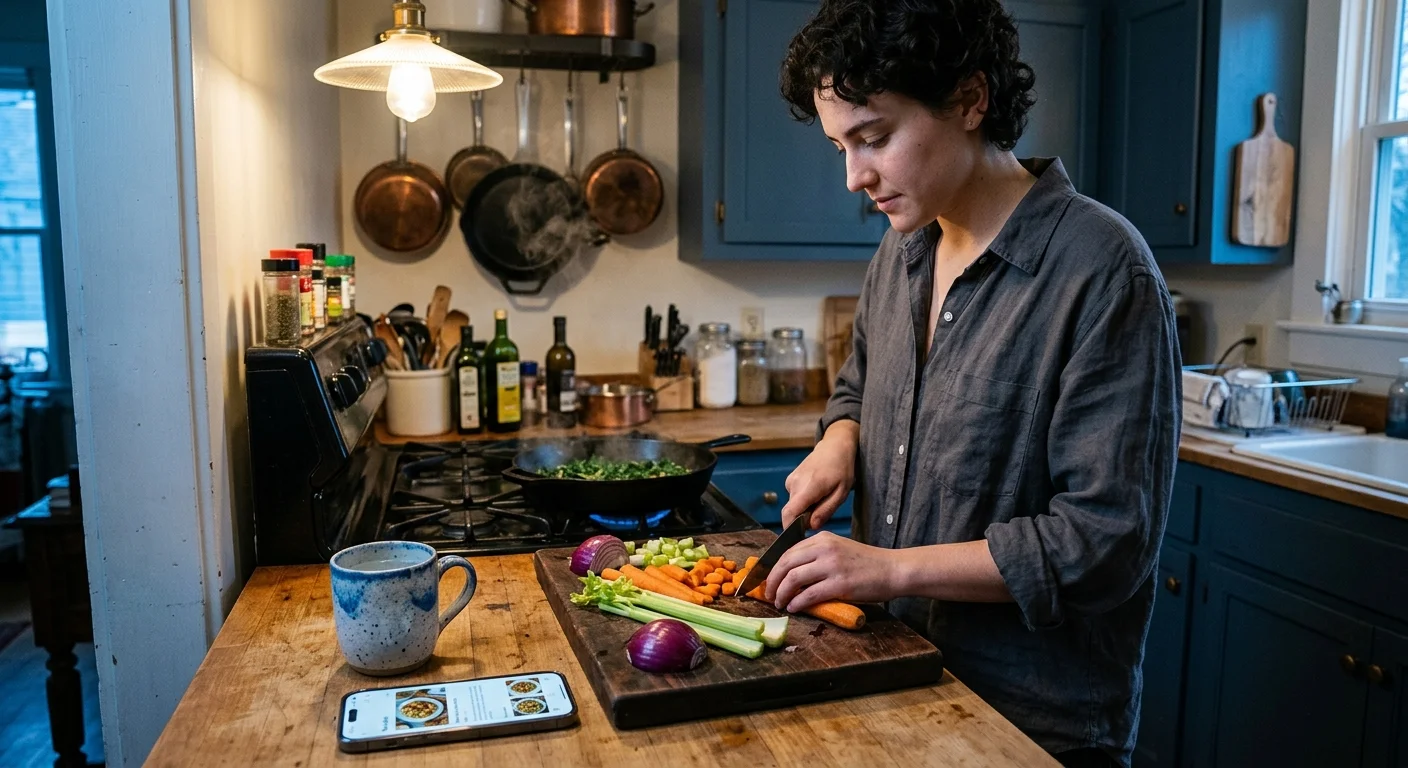
The timing of your meal dictates its effectiveness just as much as the ingredients you choose. Consuming food simultaneously with your first drink provides some benefit, but the optimal strategy involves eating a balanced meal sixty to ninety minutes before you begin drinking. This window allows the digestive process to establish a rhythm, ensuring the pyloric valve is engaged and the stomach is actively breaking down macronutrients when the first wave of alcohol arrives.
Constructing a protective meal requires practical, everyday applications. For a plant-based approach, consider building a warm grain bowl using a base of quinoa, topped with roasted sweet potatoes, edamame for protein, and a generous dressing of tahini to supply healthy fats. If you prefer omnivorous meals, a baked salmon fillet serves as an outstanding option, delivering both high-quality protein and dense omega-three fatty acids. Pair the salmon with roasted asparagus and brown rice to fulfill your fiber requirements.
When dining out with friends before a celebration, you can still make strategic choices. Opt for grilled chicken fajitas with black beans and guacamole, which perfectly combine lean protein, fibrous legumes, and rich avocado fats. Even on a tight budget or a rushed schedule, a simple meal of scrambled eggs on whole-wheat toast with a side of sliced avocado provides a scientifically sound defense against rapid alcohol absorption.
Building Sustainable Pre-Drinking Routines
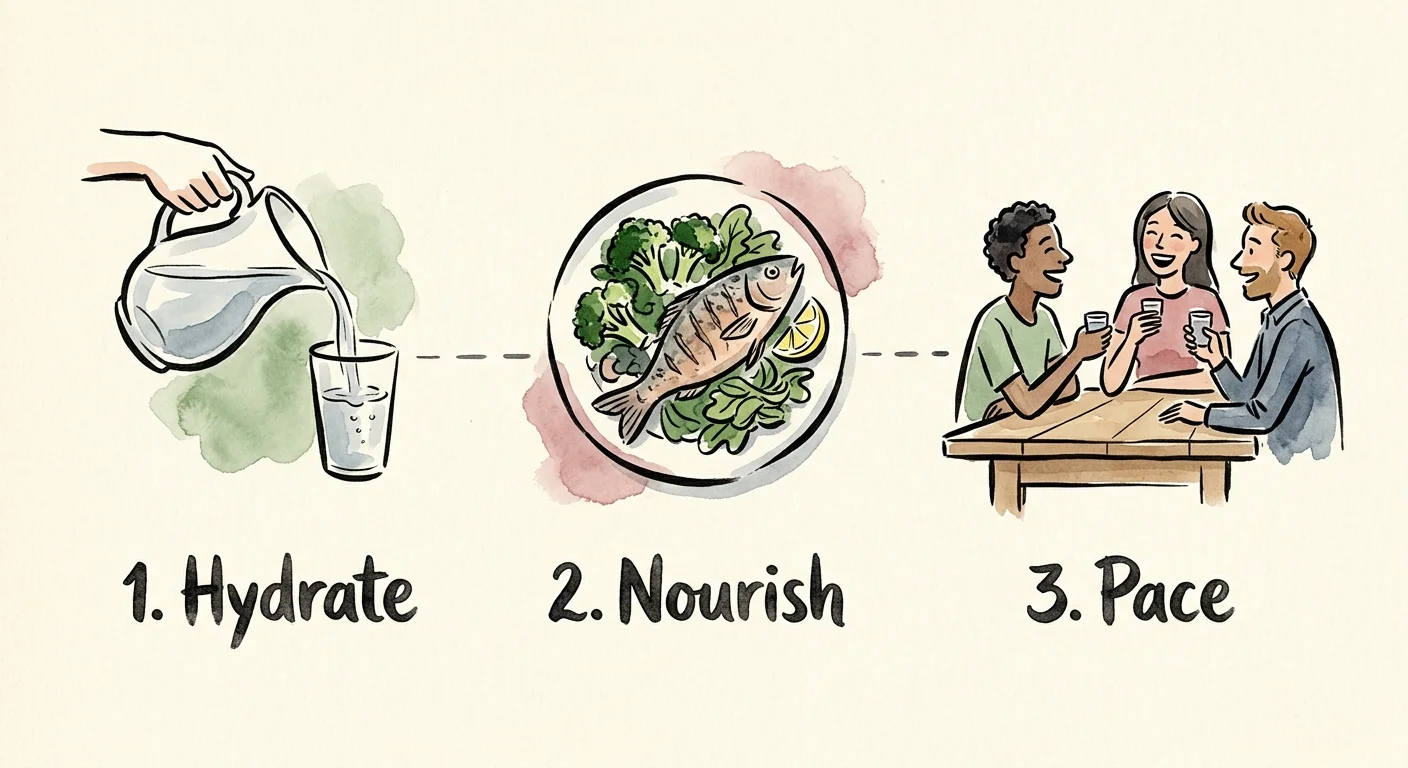
Transforming these nutritional strategies into a consistent habit requires a shift in how you view food and alcohol. A pervasive and deeply harmful myth in drinking culture suggests that skipping meals saves calories for alcoholic beverages. Clinical dietitians routinely warn against this practice. Depriving yourself of food before drinking guarantees rapid intoxication, severe liver strain, and unstable blood sugar, which ironically leads to excessive binge eating later in the night.
You can build a sustainable routine by altering your environmental design. Keep non-perishable, nutrient-dense snacks accessible for those times when an impromptu happy hour arises after work. Storing roasted chickpeas, protein bars, or mixed walnuts in your desk or your bag ensures you never have to consume your first drink on a completely empty stomach. Furthermore, actively shift your social planning to center around food. Instead of merely inviting friends out for drinks, frame the evening as dinner and drinks, implicitly prioritizing the meal as the foundation of the night’s activities.

Insights from the Clinical and Real-World Frontlines
Medical professionals witness the direct consequences of poor pre-drinking nutrition on a daily basis. Gastroenterologists consistently note that combining an empty stomach, high volumes of alcohol, and late-night processed foods creates a perfect storm for severe gastrointestinal distress. The stomach lining becomes violently irritated by the sheer concentration of ethanol, which strips away the protective mucosal layer when no food is present to dilute the substance.
Dietitians emphasize that the physiological toll of drinking is significantly mediated by your baseline nutritional status. Clients who shift from fasting before events to actively pre-loading with protein and fat frequently report a dramatic reduction in next-day brain fog, generalized anxiety, and physical lethargy. One common observation in clinical practice is that individuals who anchor their evenings with a balanced meal naturally drink at a slower, more mindful pace. The physical sensation of satiety makes rapid consumption of high-volume beverages physically uncomfortable, serving as a natural behavioral pacing mechanism.

Navigating Individual Differences and Health Risks
Your unique physiological baseline dictates how you should approach nutrition before consuming alcohol. Individuals living with diabetes face severe risks when drinking, particularly on an empty stomach. Because the liver prioritizes clearing the toxin over its normal function of regulating blood sugar, alcohol actively blocks gluconeogenesis—the production of glucose. This biological traffic jam can trigger profound and dangerous hypoglycemia. Reviewing clinical guidance on alcohol and blood sugar management is vital, as eating a robust meal featuring complex carbohydrates is an absolute necessity, not an optional tip, for those managing insulin or oral diabetic medications.
Those with specific dietary restrictions must also plan carefully. If you live with celiac disease or severe gluten intolerance, you must avoid traditional pre-drinking staples like wheat-based pastas or bread, opting instead for dense, gluten-free starches like potatoes or buckwheat to achieve the same delaying effect on gastric emptying. Furthermore, you should never mix alcohol with medications like non-steroidal anti-inflammatory drugs or certain antidepressants, regardless of how much food you have eaten. Food provides a buffer for the alcohol, but it does not negate serious pharmacological interactions. Always consult your primary care clinician regarding how your specific prescriptions interact with ethanol.
Frequently Asked Questions About Pre-Drinking Nutrition
Does eating bread absorb alcohol like a physical sponge?
A widespread misconception suggests that eating bread creates a literal sponge in your stomach that soaks up alcohol and prevents it from entering your system. In reality, bread does not absorb alcohol in this mechanical way. Instead, bread simply acts as physical matter that delays the emptying of the stomach. While whole-grain bread provides helpful fiber that slows digestion, plain white bread digests too rapidly to offer lasting protection. Lean proteins and healthy fats are far more effective at keeping the pyloric valve closed than bread alone.
Is it too late to eat if I have already started drinking?
While pre-loading your stomach before the first drink is the optimal strategy, eating after you have started drinking remains highly beneficial. If you realize you have consumed alcohol on an empty stomach, ordering food immediately can help mitigate the absorption of subsequent drinks. The introduction of food will still trigger the stomach to slow its emptying process for whatever contents remain. However, the alcohol that has already passed into your small intestine will continue to process rapidly.
Do greasy fast-food meals prevent hangovers?
Many people crave heavy, deep-fried foods before or after drinking, believing the grease coats the stomach. While it is true that dietary fat slows gastric emptying, low-quality, highly processed fried foods often cause more harm than good. These heavy meals frequently induce severe acid reflux and irritate a digestive tract that is already inflamed by the presence of alcohol. Selecting high-quality fats from sources like salmon, avocados, or nuts provides the desired delay in absorption without compounding gastrointestinal distress.
Are there foods I should absolutely avoid before drinking?
You should actively avoid excessively salty foods and highly acidic items before consuming alcohol. Heavily salted snacks like chips or pretzels artificially spike your thirst, compelling you to drink beverages—including alcoholic ones—at a much faster rate than you normally would. Highly acidic foods, such as raw citrus or heavy tomato sauces, can drastically increase the likelihood of heartburn when combined with the relaxing effect alcohol has on your esophageal sphincter. You can learn more by checking public health data on optimal hydration, which emphasizes drinking water rather than relying on salty snacks to dictate your fluid intake.
Your Next Step Toward Mindful Drinking
Equipping your body with the right fuel fundamentally changes the way you process alcohol, protecting your health and preserving your energy. You have the power to turn a potentially exhausting night into an enjoyable, balanced experience simply by making intentional choices at the dinner table. Choose one actionable strategy from this guide to implement within the next twenty-four hours. Whether you decide to cook a salmon and sweet potato dinner before your weekend plans, or simply commit to keeping a bag of almonds in your vehicle for unexpected social hours, taking that single step will drastically improve how your body handles your next glass.