
Recognizing a calorie deficiency early protects your metabolism, brain function, and immune system from long-term damage. While diet culture often glorifies eating less, restricting your intake below your basal metabolic needs forces your system to break down muscle tissue for energy and halt essential hormonal processes. You might attribute your constant fatigue, sudden mood swings, or lingering brain fog to a busy lifestyle when the true culprit is simply not eating enough. Providing your body with adequate fuel prevents nutrient deficiencies and stabilizes your daily energy levels. Learning to identify the subtle biological cues of inadequate nutrition allows you to adjust your dietary habits before these minor disruptions develop into severe medical conditions.
The Science Behind Calorie Deficiency
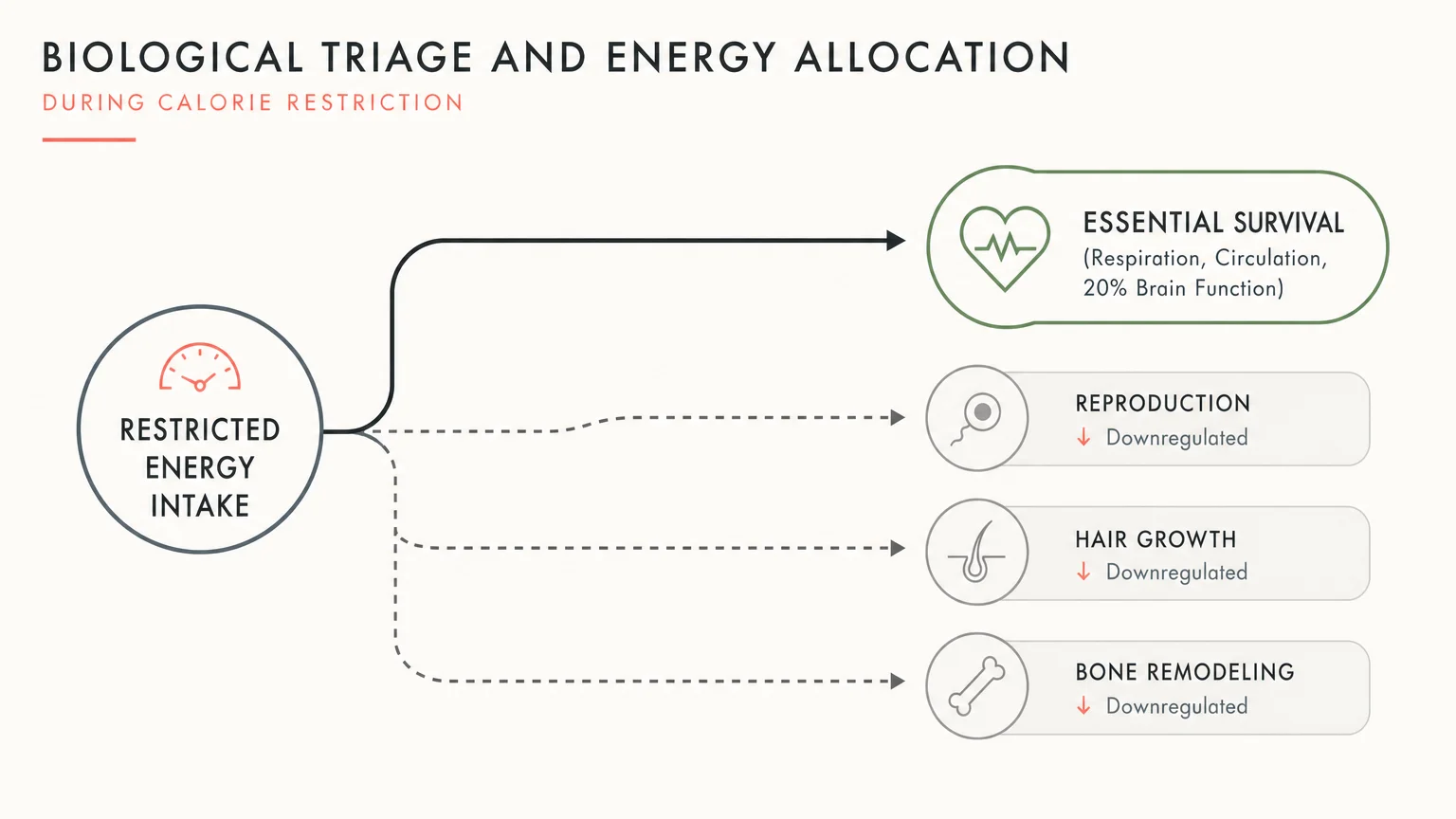
Your body operates like a highly sophisticated engine; it requires a specific baseline of fuel just to keep the lights on. This baseline, known as your basal metabolic rate, accounts for the energy required to maintain respiration, circulation, and cellular regeneration. When you consistently consume fewer calories than this baseline, you enter a state of low energy availability. The National Institutes of Health explains that chronic energy restriction forces your endocrine system to prioritize immediate survival over optimal functioning. This metabolic adaptation downregulates non-essential processes like reproduction, hair growth, and bone remodeling.
Over time, undereating diminishes your metabolic capacity and compromises your overall nutrition health. You lose lean muscle mass as your body scavenges for amino acids, which ultimately decreases your resting metabolic rate even further. Understanding this biological triage helps you recognize why symptoms manifest across seemingly unrelated bodily systems. A calorie deficiency does not merely cause weight loss; it triggers a systemic alarm. Your brain, which consumes roughly twenty percent of your daily energy intake, struggles to synthesize neurotransmitters. Acknowledging these physiological shifts is the first step toward correcting your intake and restoring your vitality.

Recognizing the 10 Signs of Undereating
1. Pervasive Fatigue and Low Energy
Experiencing a mid-afternoon slump is common, but waking up exhausted and struggling through basic daily tasks indicates a fundamental lack of fuel. Calories represent units of energy. When you do not consume enough of them, your cells literally lack the power to perform their basic physiological duties. You might notice that climbing a flight of stairs suddenly feels like a monumental effort or that your usual workout routine leaves you feeling completely drained rather than invigorated. Your body is deliberately slowing down your physical movements to conserve its dwindling energy reserves.
2. Hair Loss and Brittle Nails
Your hair and nails are constructed from structural proteins and require constant nutrient delivery to grow rapidly. Because hair growth is not essential for your immediate survival, it is one of the first processes your body abandons during a calorie deficiency. You may start finding excessive hair in your shower drain or notice your fingernails splitting and peeling easily. Inadequate intake of essential fatty acids, dietary protein, and micronutrients like zinc and iron directly stunts the development of these rapid-turnover cells.
3. Constant Thoughts About Food
Fixating on your next meal or constantly browsing recipes online is a biological survival mechanism rather than a lack of willpower. When you are not eating enough, your brain ramps up production of neuropeptide Y, a hormone that aggressively stimulates appetite. Your neurological pathways become hyper-focused on seeking out calorie-dense foods to correct the severe energy deficit. If you spend your days daydreaming about food or feeling overly obsessed with your eating schedule, your body is loudly requesting more nourishment.
4. Increased Irritability and Mood Swings
The colloquial term “hangry” has a strong, documented basis in human biology. A steady supply of blood glucose is mandatory for optimal brain function and emotional regulation. When your blood sugar plummets due to inadequate food intake, your body releases stress hormones like cortisol and adrenaline to mobilize stored energy. This specific hormonal cascade leaves you feeling anxious, easily frustrated, and prone to sudden mood swings. Supplying your brain with consistent energy throughout the day stabilizes your neurotransmitters and drastically improves your overall emotional resilience.
5. Difficulty Sleeping and Insomnia
It seems counterintuitive that pure physical exhaustion from undereating would prevent you from sleeping, but extreme calorie restriction severely disrupts your circadian rhythm. The Sleep Foundation notes that going to bed hungry increases cortisol levels and decreases natural melatonin production. Your brain interprets the ongoing energy deficit as a starvation threat and actively keeps you awake to forage for food. You might find yourself waking up frequently during the night or struggling to fall asleep initially despite feeling physically depleted.
6. Chronic Constipation and Digestive Distress
A healthy digestive tract requires adequate food volume to stimulate peristalsis—the wave-like muscle contractions that move waste through your intestines. When you consume too little food, especially if you lack dietary fiber, your digestive system slows down to extract every possible nutrient from the tiny amount of food available. This delayed gastric emptying leads to painful bloating, chronic constipation, and a general feeling of sluggishness in your gut. Eating larger, balanced meals restores the natural mechanical rhythm of your gastrointestinal tract.
7. Feeling Cold All the Time
Generating body heat requires a significant amount of continuous caloric expenditure. If you constantly need to wear a heavy sweater while others are perfectly comfortable in short sleeves, you might be experiencing diet-induced thermogenesis suppression. During a calorie deficiency, your body aggressively restricts blood flow to your extremities to keep your vital internal organs warm. A consistently lower core body temperature serves as a crucial physiological red flag that your metabolic furnace lacks the fuel necessary to keep you comfortable.
8. Unexplained Weakness and Decreased Athletic Performance
Athletes and fitness enthusiasts often notice the subtle signs of undereating during their training sessions before symptoms manifest elsewhere. When you fail to consume sufficient carbohydrates and proteins, your muscle glycogen stores remain completely depleted. You will likely experience a noticeable, rapid drop in your physical strength, muscular endurance, and speed. Furthermore, inadequate nutrition impairs your cellular recovery process, leaving your muscles sore for days and significantly increasing your risk of stress fractures and soft tissue injuries.
9. Frequent Illness and Slow Wound Healing
Your immune system relies heavily on a continuous supply of vitamins, minerals, and amino acids to manufacture powerful antibodies and fend off invading pathogens. A persistent calorie deficiency suppresses your body’s immune response, making you highly susceptible to common colds and lingering infections. The Centers for Disease Control and Prevention confirms that optimal nutrition builds a stronger immune defense. Additionally, if you notice that a simple paper cut takes weeks to heal completely or that minor bruises linger much longer than usual, your body clearly lacks the basic building blocks required for rapid cellular repair.
10. Irregular Menstrual Cycles or Loss of Libido
Reproductive health remains highly sensitive to your daily energy availability. For women, dropping below a certain threshold of body fat and caloric intake disrupts the hypothalamus gland, leading to a condition called hypothalamic amenorrhea, where menstrual cycles become irregular or stop entirely. For men, severe undereating drastically reduces natural testosterone production. Regardless of gender, a severe lack of energy absolutely plummets your libido. Your body perceives human reproduction as a dangerous biological luxury it cannot afford when basic physical survival is compromised.
Strategy Pillars to Nourish Your Body
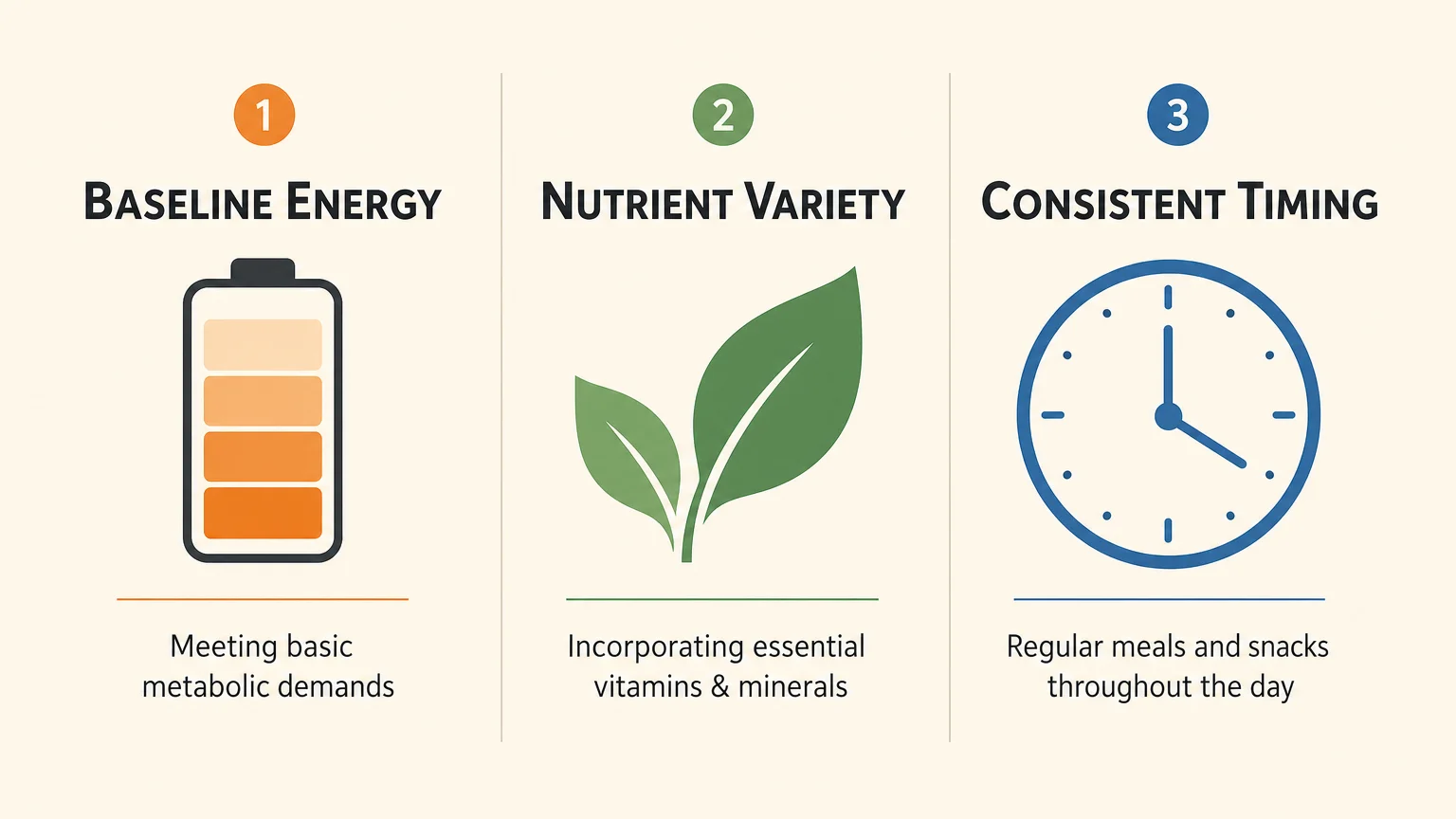
Recognizing the signs of undereating is only the first critical step; you must actively restructure your daily habits to fully support your nutrition health. Implementing a few core strategies will help you painlessly increase your energy intake and restore your body to a state of biological abundance. Let us explore three actionable pillars to build a more nourishing and sustainable dietary routine.
Pillar One: Flexible Meal Planning
Structured eating prevents accidental under-fueling during incredibly busy work days. Rather than meticulously weighing your food or counting every single macronutrient, you should aim to build a reliable scaffolding for your daily meals. The Academy of Nutrition and Dietetics highlights that establishing consistent eating patterns fosters a healthier relationship with food. Schedule three main meals and two substantial snacks evenly spaced throughout your day. Treat these vital eating windows with the exact same respect you give to important professional meetings.
If you genuinely struggle with a low appetite early in the morning, start with liquid calories like a nutrient-dense smoothie containing whole milk, almond butter, and a banana. This approach seamlessly bypasses the overwhelming feeling of chewing a large, heavy meal while still delivering substantial energy. You can also proactively prepare large batches of staple complex carbohydrates, such as quinoa or roasted sweet potatoes, over the weekend to ensure you always have quick, accessible energy sources ready when hunger finally strikes.
Pillar Two: Prioritize Nutrient-Dense Fats
When you need to dramatically increase your caloric intake without feeling physically overstuffed, dietary fats are your absolute best resource. Fats provide nine calories per gram, which is more than double the specific energy density of carbohydrates or proteins. You can effortlessly boost your daily energy intake by intentionally incorporating heart-healthy fats into your existing meals.
Drizzle an extra tablespoon of cold-pressed olive oil over your roasted vegetables or leafy green salads. Add a generous handful of walnuts or macadamia nuts to your morning oatmeal. Slice half a ripe avocado onto your lunchtime sandwiches. These seemingly minor adjustments significantly increase your overall calorie consumption without ever requiring you to eat massive, uncomfortable volumes of food. Fats also play a crucial role in hormonal synthesis and the absorption of vital fat-soluble vitamins, making them strictly indispensable for recovering from a prolonged calorie deficiency.
Pillar Three: Conscious Habit Formation
Overcoming the deeply ingrained physical habit of undereating requires highly intentional repetition. If you have actively suppressed your natural hunger cues for a long time, your body may not reliably tell you when it truly needs food. You must engage in mechanical, scheduled eating until your natural, healthy appetite fully returns. Set gentle, recurring alarms on your smartphone every three to four hours to actively remind yourself to eat something, even if it is just a small handful of trail mix or a piece of string cheese.
Pair your new eating habits with firmly established daily routines. For example, always eat a piece of fruit while answering your early morning emails or enjoying your afternoon tea. Over time, these conscious actions will successfully reprogram your internal hunger signaling, and healthy eating will become an automatic reflex rather than a stressful daily chore.

Expert Perspectives and Lived Experiences
Clinical dietitians frequently encounter frustrated patients who strongly believe they are eating a perfectly balanced diet, only to discover their chronic fatigue stems directly from accidental undereating. Experts consistently note that the modern societal fixation on “clean eating” often leads well-meaning individuals to completely remove entire food groups, inadvertently causing a severe, lingering calorie deficiency.
One online community member anonymously shared her experience of strictly adopting a raw vegetable diet to improve her holistic health, only to tragically suffer from severe insomnia and rapid hair loss within three short months. By working directly with a registered dietitian and systematically reintroducing cooked complex carbohydrates alongside healthy fats, she fully restored her energy levels and completely reversed her hair thinning. These shared lived experiences underscore a critical, undeniable truth—true biological health focuses firmly on nutritional abundance and wide variety, rather than severe restriction and elimination.

Safety, Personalization, and Knowing When to Seek Help
While the actionable strategies discussed apply seamlessly to most healthy adults, you must carefully tailor your approach to your unique physiological needs. If you actively manage a chronic medical condition like type 1 diabetes or an autoimmune thyroid disorder, adjusting your dietary intake requires close professional supervision to prevent dangerous, sudden fluctuations in your blood sugar or hormone levels. Furthermore, those with severe, diagnosed food allergies must carefully source their new calorie-dense foods to actively avoid dangerous cross-contamination.
Most importantly, if your chronic undereating stems from intense, paralyzing anxiety around food, an intense psychological fear of weight gain, or a deep history of disordered eating, you require immediate specialized support. The National Institute of Mental Health provides robust resources to help you rapidly connect with qualified mental health professionals and registered dietitians who specialize in complex eating disorder recovery. Always consult your trusted primary care physician before making any drastic changes to your daily diet, especially if your physical symptoms of severe fatigue or digestive distress unfortunately persist despite significantly increasing your overall food intake.
Frequently Asked Questions
Can I be undereating even if I am not losing any weight?
Absolutely. The human body is remarkably adept at rapid metabolic adaptation. When you drastically reduce your daily energy intake, your resting metabolic rate slows down significantly to match the currently available fuel. This specific mechanism means you can easily remain at a perfectly stable body weight while still suffering deeply from a severe calorie deficiency. Additionally, chronic undereating highly elevates cortisol levels, which can quickly lead to substantial water retention that actively masks any actual fat loss changes on the bathroom scale.
How long does it usually take to fully recover from a calorie deficiency?
Recovery timelines vary wildly depending entirely on exactly how long you have been actively restricting your food intake and the overall severity of your current symptoms. Minor, passing symptoms like low afternoon energy and mild irritability often improve drastically within a few short days of adequate, consistent fueling. However, successfully restoring a lost menstrual cycle, fully rebuilding depleted bone density, or regrowing noticeably thinned hair can legitimately take several long months to a full year of consistent, sufficient daily nourishment.
Will abruptly eating more food make me feel extremely sluggish?
You might easily experience some temporary, mild sluggishness or passing digestive discomfort when you first increase your daily food volume, simply because your gastrointestinal tract physically needs time to adapt to producing significantly more digestive enzymes. To successfully minimize this uncomfortable effect, increase your meal portion sizes very gradually over a few consecutive weeks. Prioritize easily digestible, cooked foods initially, and make absolutely sure you drink plenty of fresh water to fully assist with your internal digestion.
How do I reliably know what my specific daily calorie needs actually are?
Your unique daily energy expenditure depends entirely on your exact age, biological sex, overall height, current muscle mass, and daily physical activity level. While standard online calculators provide a very rough, general estimate, they cannot properly account for your unique metabolic history or specific genetic factors. The absolute most accurate way to correctly determine your specific daily nutritional requirements is to consult directly with a licensed registered dietitian who can thoroughly evaluate your personal health history and purposefully design a highly personalized, sustainable eating plan.
Take Action for Your Health Today
Healing your personal relationship with food and successfully restoring your daily physical vitality requires consistent, compassionate effort. You now possess the valuable knowledge to correctly recognize both the subtle and glaring signs that your body desperately needs more daily nourishment. Do not actively ignore your ongoing fatigue, intense mood swings, or relentless, nagging thoughts about your next meal.
Instead, actively view these biological signals as a desperate, internal plea from your cellular structures for the exact energy they critically need to thrive. Within the next twenty-four hours, boldly commit to making one small, tangible, and positive change. Add a generous handful of almonds to your daily breakfast, drizzle extra olive oil directly on your dinner, or set an automated daily alarm to actively ensure you eat a nourishing mid-afternoon snack. Small, consistent dietary additions create massive, life-changing momentum over time. You genuinely deserve to live a rich life full of abundant energy, sharp mental clarity, and deep physical resilience.