
You can transform your nighttime rest by making intentional, science-backed adjustments to your evening plate. Choosing specific sleep improving foods supplies your brain with the precise biochemical building blocks required for deep, restorative slumber.
Data from the Centers for Disease Control and Prevention reveals that approximately one in three American adults regularly sleeps less than the recommended seven hours each night.
Incorporating nutrient-dense natural sleep aids food into your evening meals offers an actionable, sustainable strategy to rebuild healthy circadian rhythms without pharmaceuticals.
How Daily Nutrition Governs Your Sleep Architecture
Your central nervous system depends on a continuous supply of specific micronutrients and amino acids to orchestrate restful sleep cycles.
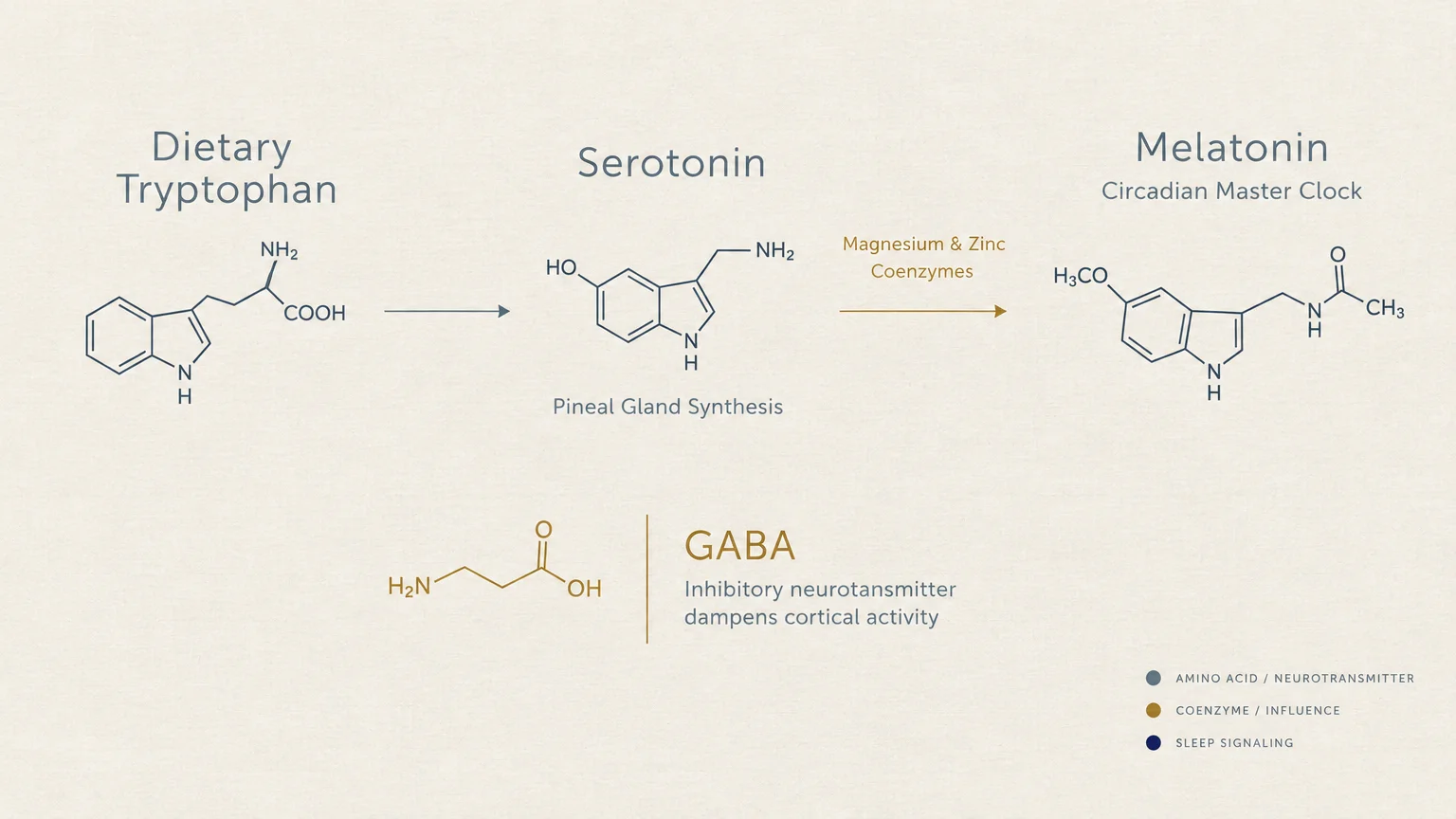
Melatonin governs your internal master clock, signaling to tissues throughout your body that the biological night has arrived.
To synthesize melatonin, your pineal gland requires serotonin, an essential neurotransmitter created from dietary tryptophan.
Because your body cannot manufacture tryptophan independently, you must consume it through balanced, nutrient-dense nutrition for sleep.
Meanwhile, gamma-aminobutyric acid—commonly known as GABA—acts as an inhibitory neurotransmitter that dampens cortical brain activity before bedtime.
Trace minerals like magnesium and zinc act as vital coenzymes, accelerating the biochemical conversion of dietary amino acids into sleep-inducing molecules.

8 Foods That Naturally Support Better Sleep
1. Tart Montmorency Cherries
Montmorency tart cherries are one of nature’s few direct dietary sources of melatonin and potent anti-inflammatory polyphenols.
Their high concentration of anthocyanins inhibits the enzyme indoleamine 2,3-dioxygenase, protecting your circulating tryptophan from premature breakdown.
In a randomized pilot trial published in the American Journal of Therapeutics, adults with insomnia drank eight fluid ounces of tart cherry juice twice daily for two weeks.
The participants increased their total sleep time by an impressive average of 84 minutes per night compared to the placebo group.
Drink eight ounces of pure, unsweetened tart cherry juice with dinner, or blend frozen cherries into an evening smoothie.
2. Kiwifruit
Kiwifruit provides an extraordinary nutritional package consisting of potassium, folate, dietary fiber, and high levels of vitamins C and E.
Significantly, kiwis contain natural serotonin, which interacts with neural receptors to encourage rapid relaxation and stable nocturnal glucose levels.
A clinical trial published in the Asia Pacific Journal of Clinical Nutrition had participants consume two kiwis one hour before bedtime nightly for four weeks.
The subjects decreased their sleep onset latency by 35.4% while simultaneously boosting their total sleep time by 13.4%.
Eat two whole, peeled kiwis roughly one hour before turning out the lights to harness these clinically verified sleep benefits.
3. Pumpkin Seeds
Pumpkin seeds—also called pepitas—serve as a nutritional powerhouse packed with tryptophan, zinc, non-heme iron, and cellular antioxidants.
They are particularly prized for their exceptional magnesium content, which directly regulates neurological signaling and relieves muscular tension.
The National Institutes of Health establishes the Recommended Dietary Allowance for magnesium at 400 to 420 milligrams daily for adult men and 310 to 320 milligrams for adult women.
A single one-ounce serving of roasted pumpkin seeds supplies over 150 milligrams of magnesium, fulfilling roughly 40% of your daily requirement.
Toss a handful of roasted pepitas across your dinner salad, or mix them into a small bowl of unsweetened Greek yogurt.
4. Fatty Cold-Water Fish
Fatty cold-water fish like wild salmon, Atlantic mackerel, and sardines furnish an exceptional synergy of vitamin D and long-chain omega-3 fatty acids.
Both eicosapentaenoic acid (EPA) and docosahexaenoic acid (DHA) modulate central serotonin release and blunt nighttime systemic inflammation.
Clinical trials indicate that consuming fatty fish three times weekly significantly enhances overall sleep efficiency and elevates nocturnal heart rate variability.
Prepare a four-ounce grilled salmon fillet alongside complex carbohydrates like roasted sweet potatoes to optimize amino acid transport into your brain.
Canned sardines or canned sockeye salmon deliver an affordable, shelf-stable alternative with identical concentrations of sleep-supporting fatty acids.
5. Walnuts
Walnuts feature a unique nutrient profile that includes alpha-linolenic acid, bioactive polyphenols, and pre-formed dietary melatonin.
Eating walnuts directly increases your circulating serum melatonin levels, which helps align your body’s circadian rhythms for smoother sleep onset.
Additionally, their balanced ratio of polyunsaturated fats and plant protein prevents nocturnal blood sugar drops that could wake you abruptly.
Enjoy a modest one-ounce portion—approximately 14 shelled walnut halves—as part of a structured evening wind-down routine.
You can also chop walnuts over warm oatmeal or puree them into homemade nut butter for evening whole-grain toast.
6. Milk and Fortified Soy Milk
Warm cow milk has endured as a traditional bedtime remedy because it delivers high concentrations of both tryptophan and bioavailable calcium.
Calcium assists brain enzymes in converting tryptophan into melatonin, while specific milk peptides stimulate calming GABA-A receptors in neural tissue.
For plant-based eaters or individuals with lactose intolerance, fortified organic soy milk provides an equivalent amino acid profile and mineral density.
Gently warm eight fluid ounces of milk on the stove, stirring in a dash of ground cinnamon for extra flavor and warmth.
Sip this comforting beverage approximately 45 minutes before bedtime to initiate both psychological and physiological relaxation.
7. Chamomile and Passionflower Infusions
Whole dried chamomile and passionflower botanicals function as therapeutic foods that produce pronounced neurological calming effects.
Chamomile supplies apigenin, an antioxidant flavonoid that binds directly to benzodiazepine receptors in your brain to diminish anxiety and promote drowsiness.
Passionflower complements this pathway by increasing intracellular GABA concentrations, calming an overactive central nervous system after demanding days.
Steep two whole-flower tea bags in boiling water for at least ten minutes to ensure maximum extraction of active therapeutic compounds.
Drink your warm herbal infusion in a dimly lit environment to pair botanical relaxation with natural melatonin secretion.
8. Whole Grain Oats
Whole grain oats deliver slow-digesting complex carbohydrates, essential B vitamins, soluble beta-glucan fiber, and modest traces of endogenous melatonin.
Consuming complex carbohydrates triggers a gentle, controlled insulin response that clears competing branched-chain amino acids from your bloodstream.
This clearing mechanism allows tryptophan to cross the selective blood-brain barrier unobstructed, accelerating central serotonin and melatonin synthesis.
Unlike refined breakfast cereals that trigger midnight hypoglycemic spikes, whole oats provide sustained cellular energy throughout the night.
Prepare a half-cup bowl of warm rolled oats topped with crushed pumpkin seeds and a splash of fortified milk.
Three Core Pillars for Sleep-Focused Eating
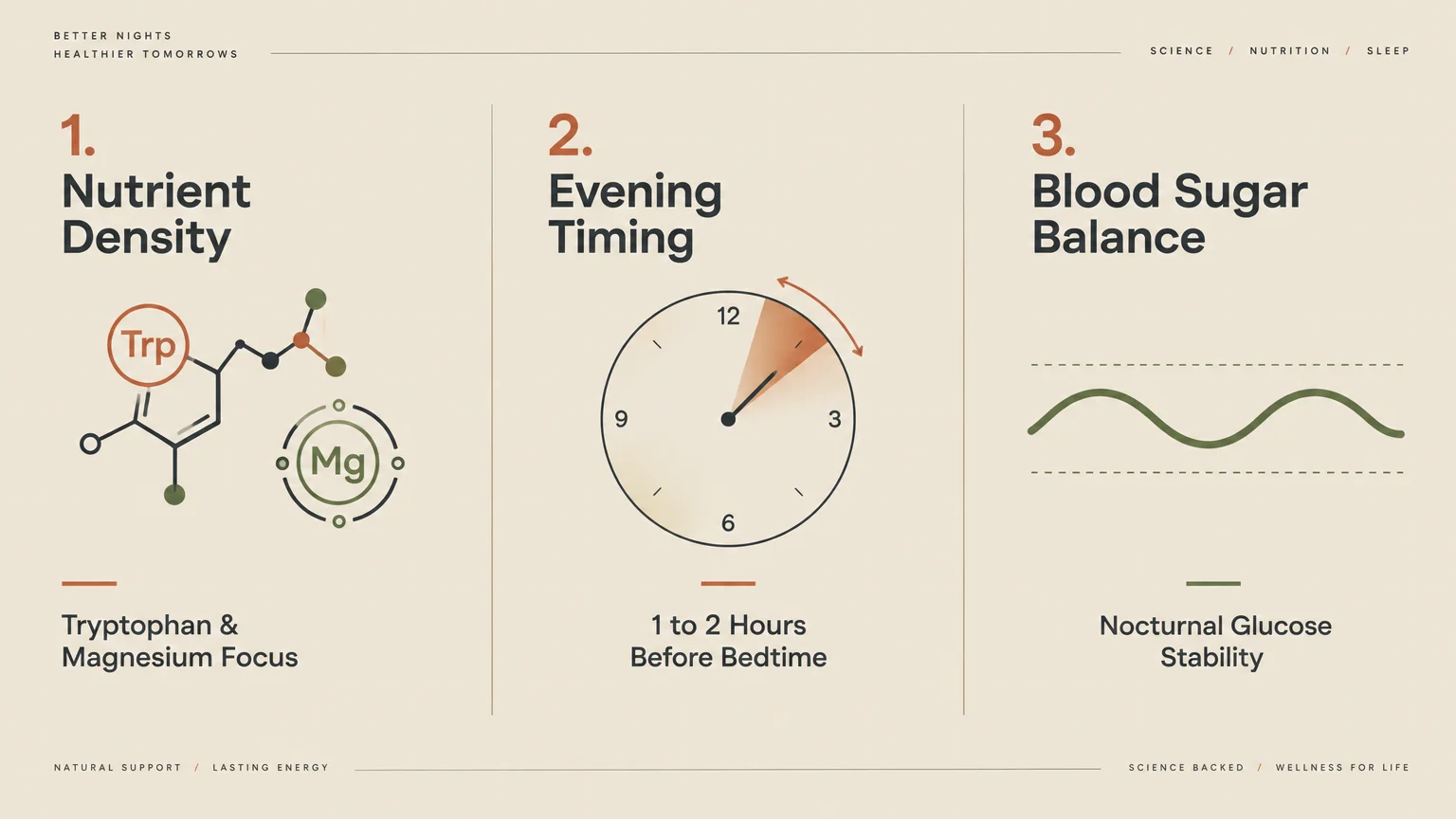
Pillar 1: Strategic Meal and Snack Timing
The timing of your nutrient intake influences your internal circadian clocks just as powerfully as daylight exposure.
Clinical guidelines from the American Academy of Sleep Medicine recommend completing large meals at least two to three hours before bedtime.
Digesting heavy, fat-laden meals late in the evening raises core body temperature and increases the likelihood of painful gastroesophageal reflux.
Furthermore, you should discontinue caffeine consumption at least six hours before sleep to accommodate its prolonged four- to six-hour metabolic half-life.
If you feel genuine hunger close to bedtime, limit yourself to a light 150-calorie snack consisting of complex carbohydrates and protein.
Pillar 2: Micronutrient Synergy
Nutrients do not operate in isolation; your metabolism requires comprehensive biochemical synergy to synthesize restorative sleep hormones.
Pairing tryptophan-dense proteins with complex carbohydrates ensures maximum amino acid uptake across the blood-brain barrier.
Concurrently, maintaining sufficient dietary magnesium and zinc reserves allows pineal enzymes to convert those amino acids into functional melatonin.
Rather than relying on isolated synthetic supplements, assemble balanced dinner plates that unite lean proteins, complex starches, and green leafy vegetables.
This food-first strategy guarantees your nervous system receives every necessary enzymatic cofactor in its most bioavailable, evolutionary form.
Pillar 3: Habit Formation and Consistency
Your digestive tract and liver contain peripheral circadian clocks that thrive on predictable, consistent daily schedules.
Consuming your meals at regular intervals every day anchors these metabolic pacemakers and reinforces your brain’s master clock.
Erratic eating schedules, by contrast, desynchronize peripheral tissue clocks from the suprachiasmatic nucleus, causing fragmented nocturnal rest.
Maintain consistent dinner times within a narrow 30-minute window each night to establish lasting metabolic predictability.
Allow your body at least three consecutive weeks of consistent dietary habits before evaluating long-term improvements in sleep quality.

Expert Perspectives and Clinical Observations
In clinical dietetic practice, registered dietitians frequently observe that persistent nighttime awakenings stem directly from evening nutritional imbalances.
Patients who consume refined sugar snacks right before bed often suffer from reactive hypoglycemia, which triggers sudden adrenaline surges around 3:00 AM.
Physicians specializing in integrative sleep medicine emphasize that whole foods produce far more sustainable outcomes than over-the-counter sleep aids.
When clients transition to whole foods for better sleep—such as kiwifruit, walnuts, and pumpkin seeds—they consistently report deeper non-REM restorative stages.
Community members also find that combining sleep-supportive foods with screen-free evening routines establishes a powerful sensory signal that invites natural drowsiness.
Safety, Allergies, and Personalized Considerations
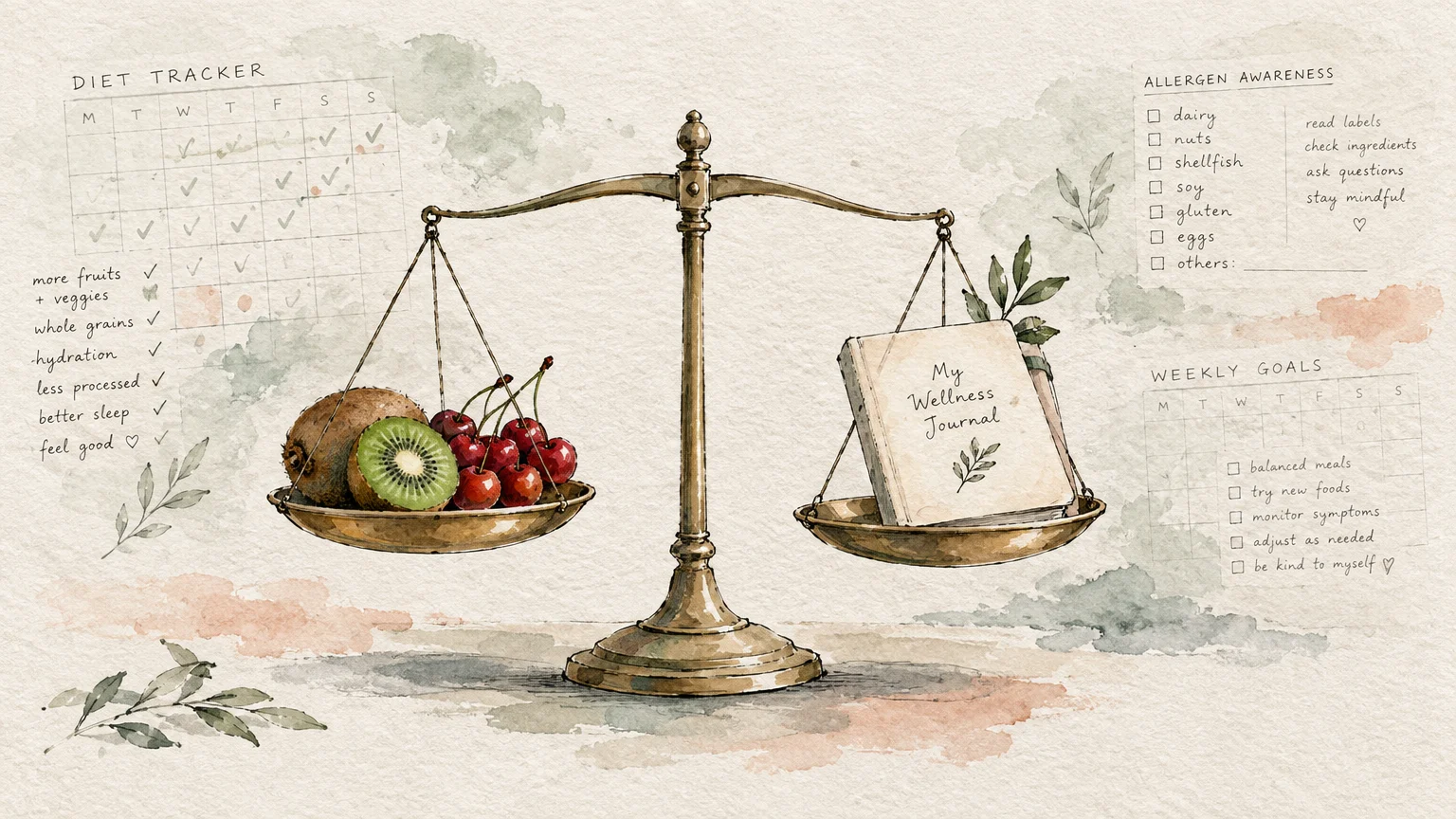
Although sleep improving foods are broadly beneficial, you must adapt these recommendations to your personal medical profile and dietary tolerances.
Tart cherry juice contains naturally concentrated fruit sugars that can elevate blood glucose levels if you manage type 1 or type 2 diabetes.
If you monitor your glycemic response, choose whole tart cherries paired with raw almonds rather than drinking concentrated commercial juice.
Similarly, individuals diagnosed with gastroesophageal reflux disease should avoid consuming liquids or acidic fruits within three hours of lying flat in bed.
Tree nuts, dairy, and soy are among the eight major food allergens; always substitute seeds or oat-based alternatives if sensitivities exist.
Keep in mind that nutritional interventions cannot cure structural sleep disorders like obstructive sleep apnea or severe chronic insomnia.
Always consult your physician or a registered dietitian if severe fatigue, chronic waking, or loud snoring disrupts your daily vitality.
Frequently Asked Questions About Nutrition for Sleep
Can eating sleep-supportive foods cure chronic insomnia?
Foods that help you sleep supply essential biochemical raw materials, but they cannot cure clinical insomnia on their own.
Chronic insomnia is a complex medical condition that frequently requires cognitive behavioral therapy alongside personalized clinical interventions.
However, optimizing your daily nutrition for sleep provides a necessary biological foundation that supports any professional treatment plan.
What is the best time of evening to eat sleep-promoting foods?
You should consume complete dinner meals roughly two to three hours before sleeping to ensure unhindered gastric emptying.
If you prefer a focused bedtime snack like kiwifruit or pumpkin seeds, eat it approximately 60 minutes before lights out.
This deliberate timing window allows your digestive tract to absorb active nutrients without overburdening your metabolism during sleep onset.
Should you take a melatonin supplement instead of eating sleep-promoting foods?
Natural sleep aids food offer a superior balance of micronutrients, dietary fiber, and enzymes without causing next-day morning grogginess.
Commercial melatonin pills frequently deliver mega-doses up to ten times higher than your pineal gland’s normal endogenous production.
Prioritize nutrient-dense foods first, reserving synthetic hormonal supplements for acute disruptions like crossing time zones under medical direction.
Will drinking warm milk help if you are lactose intolerant?
Drinking conventional dairy milk when you lack lactase causes gastrointestinal cramping, gas, and bloating that severely compromise your rest.
Instead, choose calcium-fortified organic soy milk, which provides equivalent amounts of tryptophan, protein, and calming minerals without digestive irritation.
Warm your fortified plant milk gently with a sprinkle of ground nutmeg to create the same soothing, sleep-inducing evening ritual.
Take Your First Step Tonight
Reclaiming deep, revitalizing sleep does not require an overwhelming overhaul of your entire lifestyle all at once.
Select just one science-backed food or habit from this guide and test it within the next 24 hours.
You might purchase fresh kiwis, brew a pot of chamomile tea, or finish dinner three hours before your bedtime.
Notice how your mind and body respond as you consistently supply your nervous system with restorative, sleep-promoting nutrients.
Your journey toward brighter mornings and truly restorative nights begins with the very next choice you place onto your plate.