5 Foods That Quietly Support Bone Health

You can build resilient bones at any age by adding specific mineral-dense foods to your daily meals. Protecting your skeleton involves far more than simply drinking a glass of cow’s milk.

Over 55% of American adults aged 50 and older live with osteoporosis or low bone mass. Fortunately, targeted dietary upgrades quietly defend your skeletal framework against long-term mineral loss.

These five powerhouse foods supply critical minerals and bioactive nutrients directly to your bone matrix. Here is how you can easily integrate them into your routine today.

Diagram of the bone remodeling cycle alongside demographic statistics on osteoporosis, osteopenia, and fracture risks.
With 10.2 million Americans facing osteoporosis and 43.3 million with osteopenia, maintaining balanced cellular remodeling becomes critical with age.

The Realities of Skeletal Aging and Remodeling

Your bones continually remodel themselves through a dynamic balance of cellular breakdown and renewal. Specialized cells called osteoclasts remove aged bone tissue, while osteoblasts construct fresh, mineralized matrix in its place.

According to the Centers for Disease Control and Prevention, approximately 10.2 million Americans aged 50 and older have osteoporosis. Another 43.3 million individuals live with low bone mass, clinically categorized as osteopenia.

Data from the Bone Health and Osteoporosis Foundation reveals that approximately one in two women and one in four men over 50 will suffer an osteoporosis-related bone break.

This mineral loss often advances silently without symptoms until a minor stumble results in a serious fracture. Adopting a targeted osteoporosis prevention diet provides an accessible, evidence-based defense against this progressive skeletal decline.

Diagram showing Vitamin D, Magnesium, and Vitamin K supporting Calcium to build a stronger bone matrix.
A cooperative network of micronutrients supports calcium absorption, preventing your body from extracting mineral reserves from your skeleton.

Understanding the Essential Bone Micronutrients

Healthy bone matrix depends on a cooperative network of micronutrients rather than an isolated mineral. While calcium serves as the primary structural anchor, complementary vitamins and minerals determine how effectively your body absorbs and deposits it.

The U.S. Food and Drug Administration sets the adult Daily Value for calcium at 1,300 milligrams. Meeting this baseline prevents your body from extracting stored mineral reserves directly from your skeleton.

Vitamin D operates as an indispensable partner by promoting active calcium absorption across your intestinal wall. The adult Daily Value for vitamin D is 20 micrograms, which equals 800 International Units.

Magnesium and vitamin K complete this biological bone-building partnership. Magnesium converts stored vitamin D into its active circulating form, while vitamin K activates osteocalcin to bind calcium crystals securely within your bone tissue.

Prioritizing bone strengthening foods delivers these complementary nutrients in balanced, bioavailable forms. The adult Daily Value for magnesium stands at 420 milligrams, while vitamin K requires 120 micrograms daily.

Five prunes weighing 50 grams on a digital scale beside a jar of tahini and fresh lacinato kale on a wooden counter.
Incorporate quiet nutritional powerhouses into your weekly grocery routine to efficiently maximize mineral intake and strengthen bone health.

Five Foods That Quietly Strengthen Your Bones

Identifying the most effective foods for bone health allows you to maximize your mineral intake efficiently. Incorporating these five quiet nutritional powerhouses into your weekly grocery routine establishes an exceptional foundation for long-term skeletal strength.

1. Prunes (Dried Plums)

Prunes provide profound skeletal benefits that reach far beyond their traditional digestive role. They deliver concentrated supplies of potassium, trace boron, and unique polyphenolic compounds that actively regulate skeletal turnover.

In a twelve-month randomized controlled trial published in The American Journal of Clinical Nutrition, researchers evaluated postmenopausal women. Participants consuming 50 grams of prunes daily successfully prevented total hip bone mineral density loss.

That effective clinical dose equals roughly five to six dried plums each day. While the non-supplemented control group experienced a 1.1% drop in hip bone density, the prune group maintained cortical bone structure.

Bioactive polyphenols in prunes suppress inflammatory cytokines that stimulate excessive osteoclast activity. You can dice prunes into hot morning oatmeal, blend them into smoothies, or enjoy them alongside roasted walnuts.

2. Canned Sardines with Bones

Canned sardines represent one of the most concentrated non-dairy sources of bioavailable calcium available today. The secret resides in their soft, edible bones, which commercial pressure cooking transforms into tender, highly absorbable nutrition.

According to USDA FoodData Central, a standard 3.75-ounce drained can of Atlantic sardines provides between 325 and 351 milligrams of calcium. That single serving delivers over 25% of your daily calcium target.

Sardines also supply approximately 7 micrograms of natural vitamin D, fulfilling 35% of your Daily Value. Furthermore, you receive 22 to 24 grams of complete protein to fuel bone collagen synthesis.

You can mash sardines with ripe avocado and fresh lemon juice for an energizing midday toast spread. Alternatively, simmer them directly into garlic tomato sauce over whole-grain pasta for a savory, mineral-dense dinner.

3. Calcium-Set Tofu

Tofu provides an extraordinary plant-based mineral boost that rivals conventional dairy products. However, the specific coagulating salt used during production determines whether that tofu actively strengthens your bones.

You must verify that the ingredient list explicitly specifies calcium sulfate. A half-cup serving of firm tofu prepared with calcium sulfate delivers between 253 and 430 milligrams of elemental calcium.

Conversely, tofu made exclusively with magnesium chloride or nigari supplies under 100 milligrams per serving. Choosing calcium-set varieties guarantees that you receive between 20% and 33% of your adult Daily Value.

Firm calcium-set tofu absorbs flavorful marinades rapidly and crisps nicely in an air fryer or skillet. Toss pressed tofu cubes into vibrant vegetable stir-fries, or scramble them with turmeric for breakfast.

4. Cooked Collard Greens

Dark leafy greens boast an outstanding nutritional profile, but cooked collard greens lead the pack for skeletal health. One cup of boiled, drained collards supplies roughly 268 milligrams of elemental calcium.

Collard greens also deliver exceptional amounts of vitamin K, exceeding 600 micrograms per cooked cup. That amount provides over 500% of your Daily Value, activating structural osteocalcin proteins with immense potency.

Crucially, collard greens contain very low levels of oxalic acid compared to spinach or beet greens. Oxalates bind intestinal calcium tightly, reducing spinach calcium absorption to an underwhelming 5%.

Because collards remain naturally low in oxalates, your digestive tract absorbs roughly 40% to 50% of their calcium. Sauté chopped collards in extra virgin olive oil with minced garlic for a comforting, bone-strengthening side.

5. Chia Seeds

Chia seeds prove that significant skeletal benefits can come from small dietary additions. A standard one-ounce serving, which measures roughly two tablespoons, delivers 179 milligrams of calcium directly to your skeletal framework.

That same serving supplies 95 to 111 milligrams of magnesium, meeting roughly a quarter of your daily requirement. It also contributes 244 milligrams of phosphorus to reinforce your bone matrix structure.

Magnesium plays an indispensable role because it stimulates osteoblast proliferation and converts vitamin D into its functional form. Without adequate magnesium, your body cannot integrate calcium into solid bone crystals.

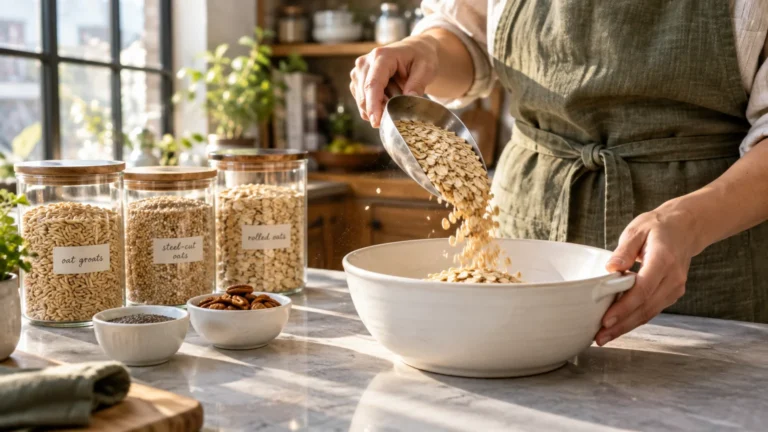
Stir chia seeds into overnight oats, fold them into yogurt, or blend them into fruit smoothies. As they absorb liquids, they create a gentle gel that digests smoothly while delivering sustained mineral nourishment.

Illustration of nutrient-rich foods, a person stepping up stone stairs toward the sun, and a circular daily routine clock.
Adopting three practical lifestyle pillars allows you to build stronger bones through sustainable daily actions over time.

Strategy Pillars for Lifelong Bone Longevity

Protecting your skeletal frame over time does not require drastic diets or inconvenient kitchen routines. Adopting three practical lifestyle pillars allows you to build stronger bones through sustainable, evidence-based daily actions.

Pillar 1: Strategic Nutrient Pairing

Bone nutrients operate synergistically across your digestive tract and bloodstream. Always pair fat-soluble vitamins like vitamin D and vitamin K with nourishing culinary fats to guarantee optimal intestinal absorption.

When preparing collard greens, sauté them in extra virgin olive oil or avocado oil. In addition, distribute your calcium intake across separate meals, because your body absorbs calcium most efficiently in doses under 500 milligrams.

Avoid consuming excessive sodium alongside calcium-dense meals, as high sodium intake increases urinary calcium excretion. Flavoring your food with fragrant herbs and garlic protects your calcium stores while elevating meal flavor.

Pillar 2: Proactive Meal Planning

Stocking your kitchen with verified foods for strong bones prevents accidental reliance on nutrient-poor convenience items. Keep canned sardines, whole chia seeds, and dried prunes stocked in your pantry for effortless everyday assembly.

Cook a batch of collard greens over the weekend to enjoy alongside weekday lunches. Similarly, pressing and cubing your calcium-set tofu in advance allows you to prepare quick, high-calcium dinners in under twenty minutes.

Store chia seeds in clear containers at eye level inside your pantry so you remember to use them daily. Simple visual cues streamline your routine and turn healthy eating into an effortless habit.

Pillar 3: Habit Formation Through Micro-Routines

Durable dietary habits take hold when you anchor manageable behaviors to your current daily schedule. Instead of overhauling your entire kitchen simultaneously, introduce one bone-supporting food into your routine each week.

Enjoy two dried prunes alongside your morning tea as an effortless initial habit anchor. Once that habit feels automatic, increase your intake to five daily prunes to secure full bone-protective benefits.

Position a designated jar of chia seeds on your kitchen counter right beside your breakfast bowls. This visual prompt encourages you to fold bone-strengthening minerals into your morning meals without requiring complex planning.

A smiling mature woman in an apron sits at a sunlit wooden table set with vegetable soup, cooked greens, and figs.
Whole foods deliver balanced micronutrient packages that isolated supplements cannot replicate.

Clinical Perspectives and Community Voices

Healthcare providers increasingly advocate for food-first nutrition strategies when managing individuals with low bone density. Clinical registered dietitians emphasize that whole foods deliver balanced micronutrient packages that isolated supplements cannot replicate.

Dr. Elena Morales, an integrative endocrinologist, notes that high-dose calcium pills can cause gastrointestinal discomfort or arterial concerns. Conversely, whole foods release calcium gradually, supporting safe cellular absorption without causing sudden serum calcium spikes.

Community members also discover that diverse whole foods make bone protection enjoyable and culturally flexible. For instance, Marcus Vance, a 58-year-old high school administrator, incorporated canned sardines and collard greens into his traditional Southern recipes.

Marcus maintained stable bone mineral density scores on his follow-up scans two years after an osteopenia diagnosis. His experience proves that protecting your skeleton tastes wonderful and harmonizes effortlessly with cultural traditions.

Illustration of a brass balance scale holding bowls of food on one side and a clinical bone assessment clipboard on the other.
Contrary to popular belief, dark greens require steady intake rather than sudden dietary shifts when taking anticoagulant medications like warfarin.

Safety, Personalization, and Clinical Boundaries

While whole foods offer gentle nourishment for most individuals, specific medical conditions require personalized dietary adjustments. You must tailor these food recommendations to suit your unique health history and existing prescription treatments.

Patients taking anticoagulant medications such as warfarin must monitor their dietary vitamin K intake carefully. Cooked collard greens supply substantial vitamin K, which can alter medication blood-thinning effectiveness if your consumption fluctuates abruptly.

Maintain a steady, predictable weekly intake of dark greens and consult your physician before increasing collard consumption. Consistent habits allow your clinical care team to adjust medication dosages safely without compromising cardiovascular protection.

Individuals managing gout or advanced kidney disease should monitor the purines and phosphorus found in canned sardines. If you have a history of calcium oxalate kidney stones, choose low-oxalate collards over high-oxalate spinach.

Always consult a registered dietitian or physician before altering your regular nutritional regimen significantly. A personalized clinical review ensures that your bone-strengthening plan supports your cardiovascular, renal, and metabolic health.

Frequently Asked Questions

Can dietary changes alone reverse established osteoporosis?

Nutrient-dense foods supply vital biological materials that slow mineral loss and preserve existing skeletal architecture. However, severe osteoporosis often requires targeted medications alongside nutrition to rebuild lost bone density effectively.

Discuss your bone mineral density scan results with your physician to establish an integrated treatment strategy. Wholesome foods enhance medical therapies by supplying the essential minerals necessary for ongoing bone formation.

How does dietary protein influence calcium balance and bone density?

Adequate dietary protein provides the vital amino acids needed to construct the structural collagen framework of bones. Protein also stimulates growth factors that actively encourage osteoblast proliferation and bone renewal.

Consuming adequate protein alongside calcium rich foods supports skeletal density and significantly reduces fracture risks. Modern research confirms that dietary protein works cooperatively with calcium rather than depleting your bones.

Are plant-based calcium sources absorbed as effectively as dairy?

Certain plant-based foods equal or exceed the calcium bioavailability found in standard cow’s milk. Boiled collard greens exhibit an impressive absorption rate near 50%, compared to roughly 32% for conventional dairy products.

Calcium-set tofu provides bioavailable calcium that mirrors dairy absorption almost gram for gram. You can easily achieve your skeletal mineral goals on a vegan diet by emphasizing low-oxalate greens and calcium-set soy.

Why are prunes more beneficial for bones than other dried fruits?

Prunes contain a rare concentration of chlorogenic acids, rutin, and boron that suppress osteoclast-mediated bone breakdown. Other dried fruits offer carbohydrates and potassium but lack this distinct polyphenol signature that dampens bone inflammation.

Clinical trials consistently demonstrate that dried plums uniquely help preserve cortical bone geometry. Consuming five prunes daily delivers these targeted bone-protecting nutrients without causing dramatic spikes in your blood sugar.

Your 24-Hour Bone Health Action Plan

Lifelong skeletal vitality does not rely on distant resolutions; it grows from small choices you make today. Select one single bone-strengthening food from this guide and add it to your meals within the next 24 hours.

Pick up a container of calcium-set tofu or pack five prunes for your afternoon snack. Your bones rebuild themselves every single day, and every nutrient-dense choice actively protects your strength, independence, and mobility.

Leave a Comment

Your email address will not be published. Required fields are marked *