
You can transform your daily nutrition by placing one nutrient-dense fruit into your grocery cart. Avocados deliver essential monounsaturated fats and dietary fiber that support your heart, brain, and metabolic health.
While older dietary guidance once discouraged them due to fat content, modern nutritional science views whole foods through a much smarter lens. Adding this versatile fruit to your meals provides steady energy and deep satisfaction.
Discover how this creamy powerhouse elevates your health, upgrades your everyday recipes, and simplifies your journey toward sustainable wellness.
Reason 1: Certified Support for Cardiovascular Health
Your heart thrives when you replace dietary saturated fats with plant-derived unsaturated fats. Avocados offer an exceptional fatty acid profile that actively supports cardiovascular function.
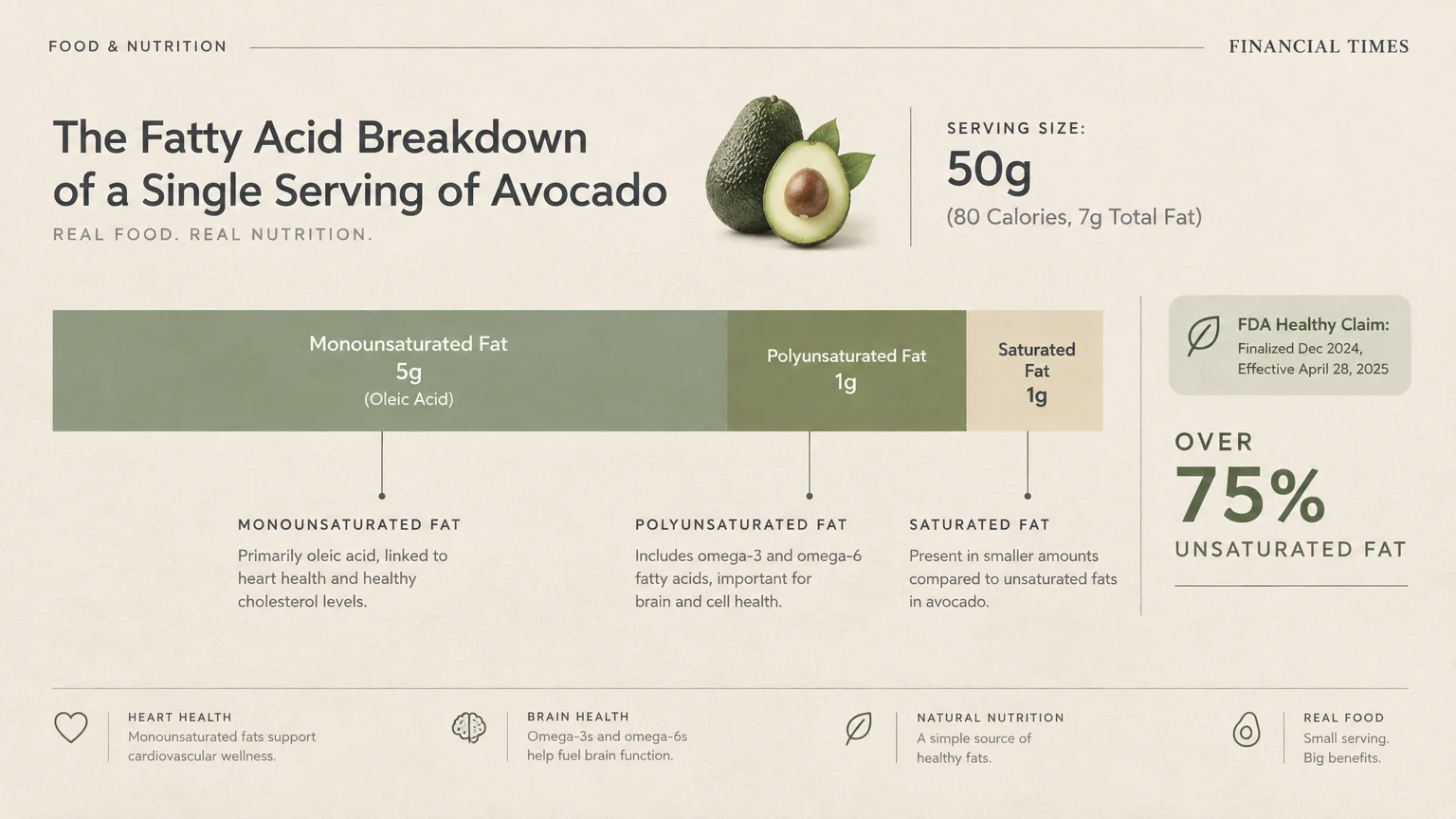
Under the updated U.S. Food and Drug Administration guidance finalized in December 2024 and effective April 28, 2025, avocados officially qualify to carry the healthy nutrient claim on packaging.
For 30 years prior, starting in 1994, strict total fat limits excluded avocados from this classification. Regulators now recognize that the type of fat matters far more than the total quantity.
Fresh Hass avocados also meet criteria for an approved qualified health claim. Diets low in saturated fat and cholesterol that include avocados may reduce your risk of coronary heart disease.
Understanding the Monounsaturated Fat Profile
A standard serving of fresh avocado equals one-third of a medium fruit, or 50 grams. This single serving delivers 80 calories and 7 grams of total fat.
Out of those 7 fat grams, 6 grams are heart-healthy unsaturated fats. This includes 5 grams of monounsaturated fat and 1 gram of polyunsaturated fat.
Only 1 gram consists of saturated fat. In fact, more than 75% of the fat found in every avocado is unsaturated.
Monounsaturated oleic acid helps maintain healthy blood lipid levels. By substituting avocado for butter or shortening, you actively protect your arterial walls.
Reason 2: Exceptional Dietary Fiber for Gut Health
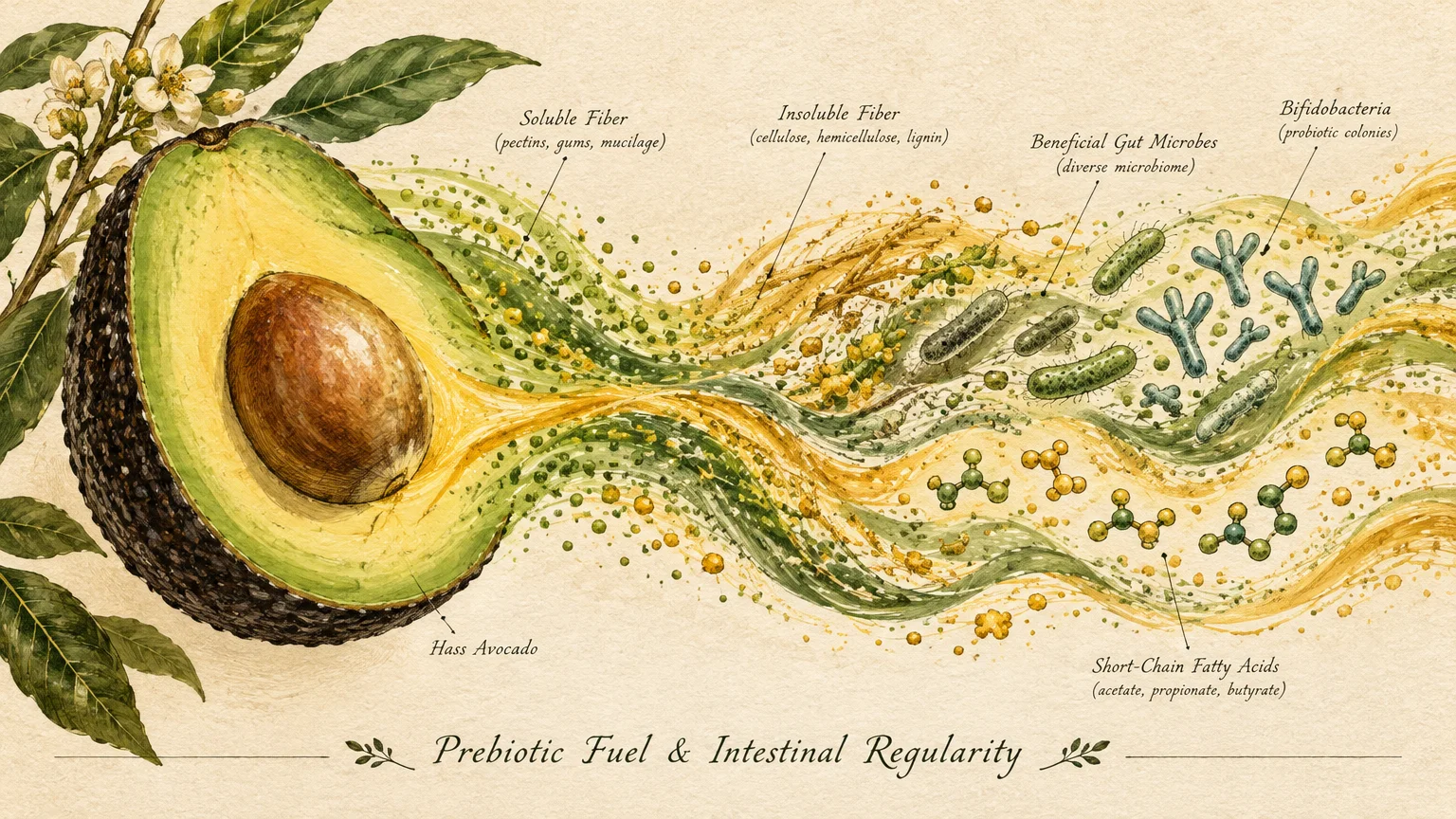
Most adults consume far less fiber than their bodies need for optimal digestive health. Avocados serve as one of the few fresh fruits that supply significant amounts of soluble and insoluble fiber.
A single 50-gram serving provides 4 grams of total carbohydrates and 3 grams of dietary fiber. This means one serving delivers 11% to 12% of your Daily Value for fiber.
If you consume a whole medium fruit across a day, you receive between 10 and 14 grams of dietary fiber. That intake covers a substantial portion of your daily digestive target.
According to the Academy of Nutrition and Dietetics fiber resources, adequate dietary fiber prevents constipation and supports intestinal regularity.
Fueling Your Beneficial Microbiome
The soluble fiber in avocados dissolves in water to form a soothing, gel-like substance in your digestive tract. This fiber acts as a prebiotic fuel source for beneficial gut microbes.
When gut bacteria ferment this fiber, they produce short-chain fatty acids that nourish the cells lining your colon. These compounds help reinforce your intestinal barrier and regulate systemic inflammation.
Meanwhile, insoluble fiber adds physical bulk to your stool and accelerates waste transit. This combination ensures a balanced, comfortable digestive rhythm without gastrointestinal distress.
Reason 3: Enhanced Fat-Soluble Nutrient Absorption
Nutrient density depends not only on what you eat, but also on what your body successfully absorbs. Many essential micronutrients require dietary fat to cross the intestinal wall into your bloodstream.
Fat-soluble vitamins include vitamins A, D, E, and K. Vital antioxidant carotenoids like lutein, zeaxanthin, beta-carotene, and lycopene also require dietary fat for transport.
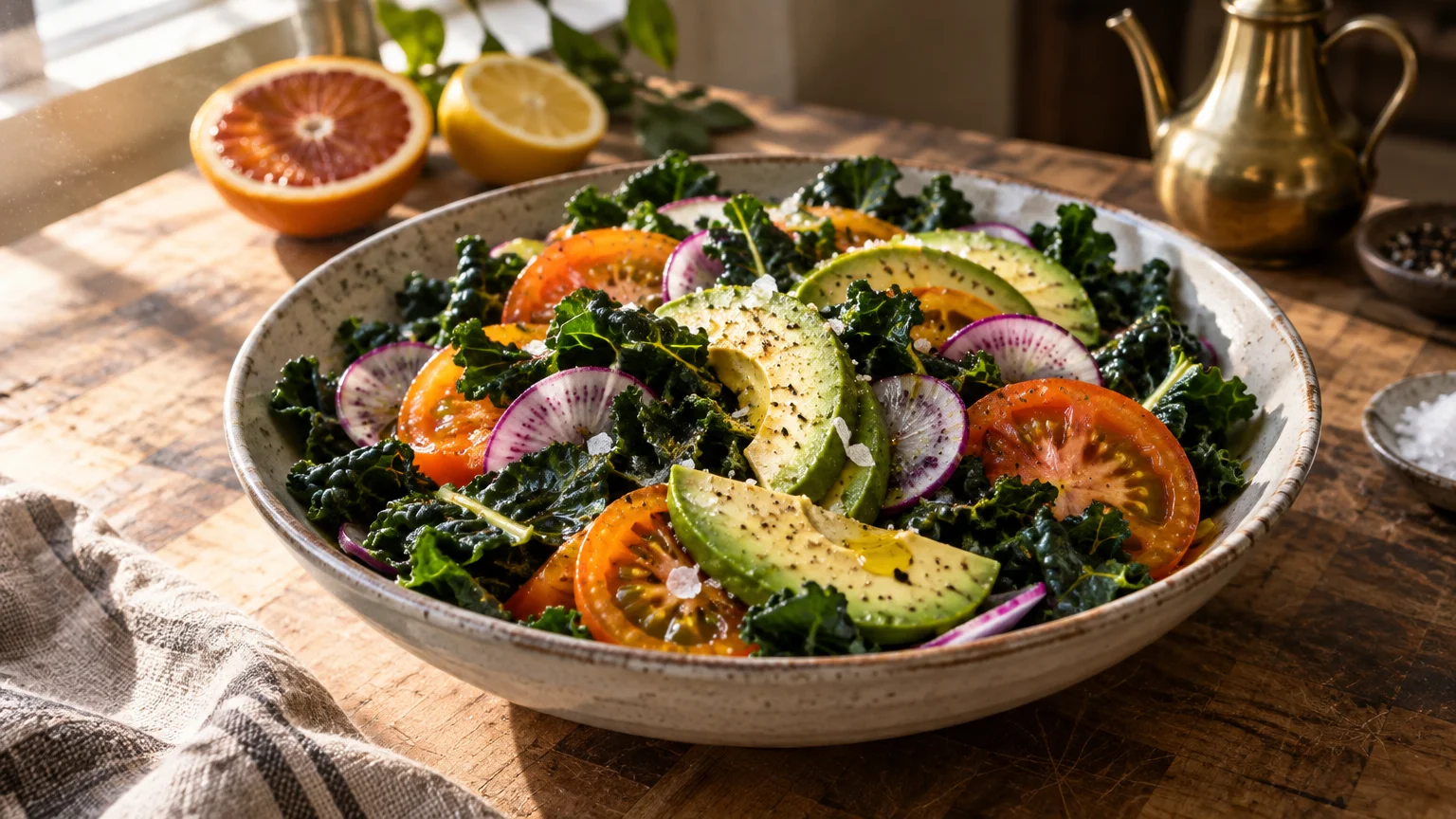
Eating fat-free meals can leave these fat-soluble nutrients unabsorbed. When you add avocado slices to a raw salad, the monounsaturated fats act as natural carriers.
Findings from peer-reviewed nutritional research confirm that adding avocado to vegetable salads dramatically increases carotenoid absorption.
Maximizing Bioavailability from Fresh Produce
Pairing avocado with vibrant vegetables unlocks therapeutic phytochemicals that would otherwise pass through your system unused. You extract higher concentrations of lycopene from fresh tomatoes when you pair them with guacamole.
Similarly, the beta-carotene found in carrots and sweet potatoes becomes significantly more bioavailable alongside unsaturated fats. This synergy allows you to gain maximum benefit from every vegetable on your plate.
You do not need heavy, processed oils to achieve this absorption effect. Fresh avocado offers whole-food lipids complete with intact cellular matrices, enzymes, and water.
Reason 4: Natural Potassium for Blood Pressure Balance
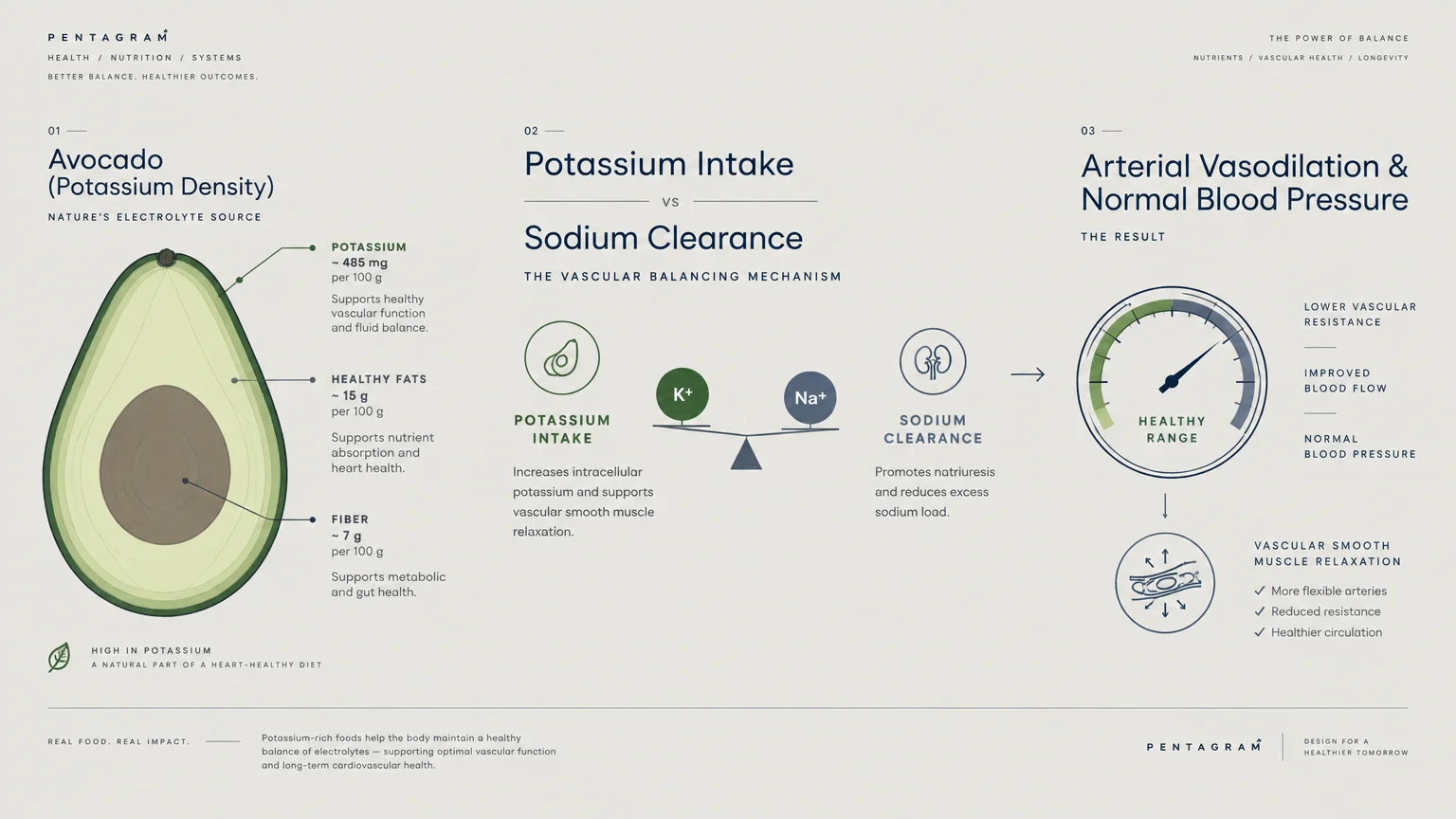
Modern diets frequently contain excess sodium alongside inadequate potassium, creating chronic strain on blood vessels. Restoring balance between these two electrolytes represents a cornerstone of cardiovascular wellness.
Potassium relaxes the muscular walls of your arteries, facilitating smooth circulation and easing tension throughout the vascular system. It also promotes the healthy excretion of excess sodium through your kidneys.
A standard 50-gram portion of avocado supplies roughly 250 milligrams of potassium, which provides 6% of your Daily Value. Eating half or a whole fruit contributes substantially more toward your daily target.
Furthermore, avocados are naturally sodium-free and cholesterol-free. This specific mineral profile makes them an outstanding dietary asset for individuals monitoring their blood pressure.
Achieving Mineral Synergy Naturally
Following the American Heart Association guidelines on potassium can help you mitigate the cardiovascular risks associated with sodium consumption.
Unlike manufactured electrolyte drinks that carry added sugars or artificial additives, avocados supply potassium inside a whole-food matrix. You receive essential minerals alongside protective fiber and hydration.
Combining avocado with other potassium-rich ingredients, such as dark leafy greens and beans, helps you build blood-pressure-friendly meals effortlessly.
Reason 5: Essential Folate for Cellular Energy
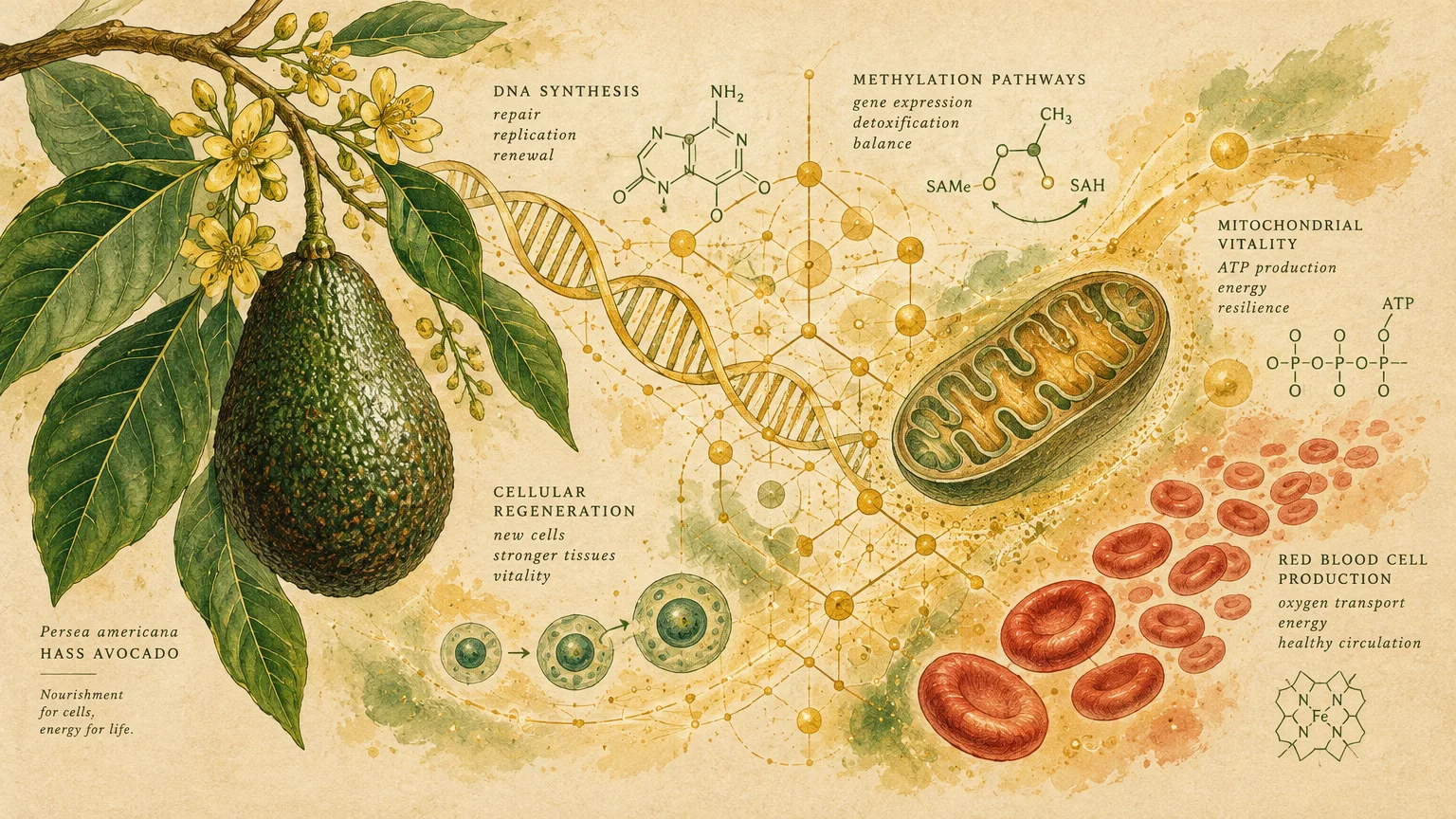
Your body requires constant nutritional support to synthesize DNA, repair damaged tissues, and build healthy red blood cells. Folate, also known as vitamin B9, plays an indispensable role in these foundational processes.
A single 50-gram serving of avocado provides 45 micrograms of folate, representing 10% of your Daily Value. This natural source supports ongoing cellular regeneration throughout your lifespan.
Folate proves especially vital during periods of rapid cellular growth, including pregnancy and recovery from strenuous physical training. Adequate intake helps prevent neural tube defects and supports fetal development.
Beyond prenatal benefits, folate helps break down homocysteine, an amino acid that can damage blood vessels when elevated. Maintaining healthy folate intake protects both your cardiovascular and neurological systems.
Additional B-Vitamins for Daily Vitality
Avocados also deliver vitamin B5, commonly known as pantothenic acid. Vitamin B5 helps your cells convert carbohydrates, proteins, and lipids into usable metabolic energy.
You also absorb smaller amounts of vitamin B6, niacin, and riboflavin with every serving. These micronutrients work together to support neurotransmitter synthesis and sustained mental clarity.
Relying on whole-food sources of B-vitamins ensures steady absorption without the digestive upset sometimes caused by synthetic supplements. Avocados offer these vital vitamins in an easily digestible, natural form.
Reason 6: Steady Blood Sugar Control Without Spikes
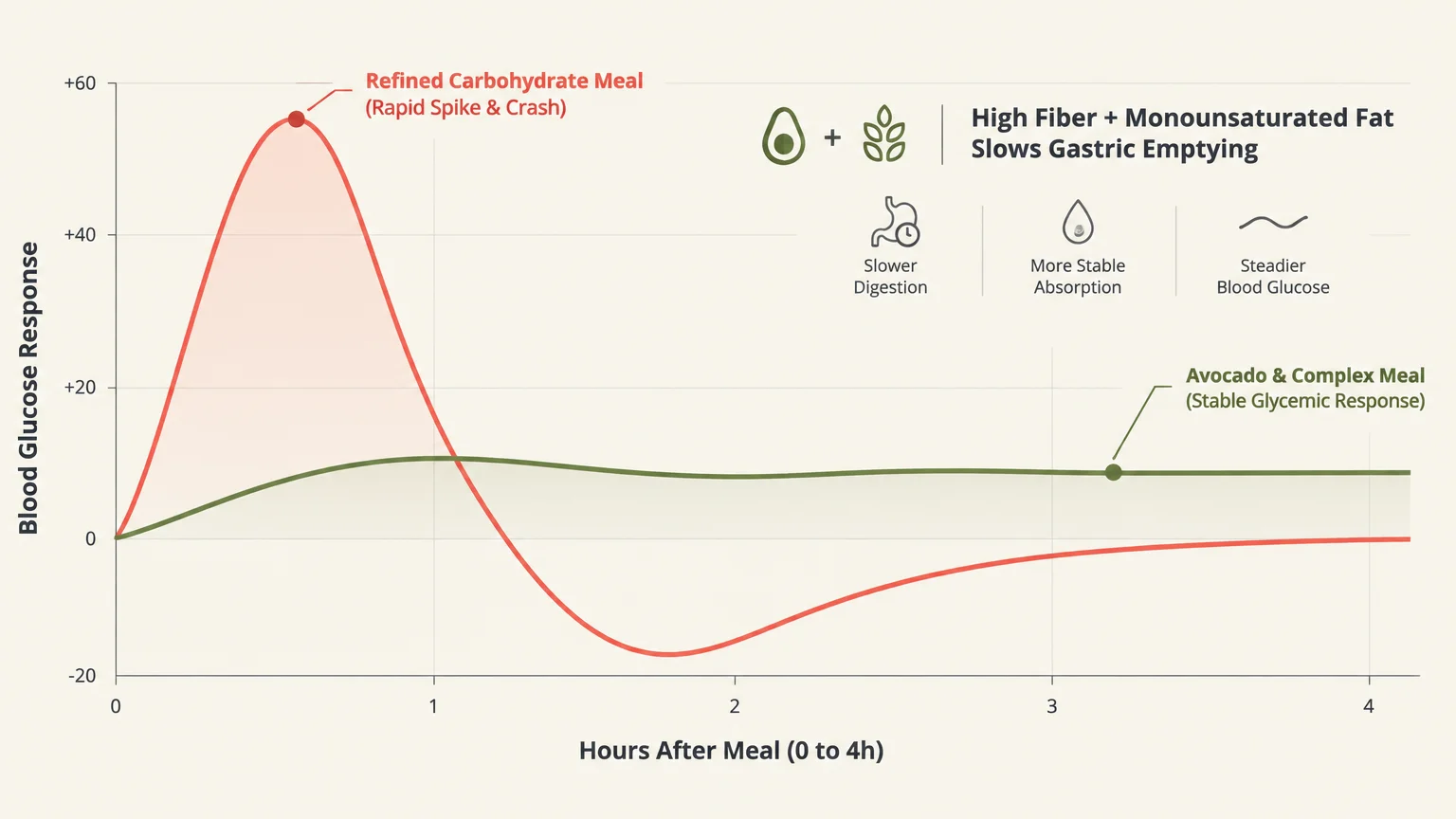
Managing glycemic stability represents one of the most effective strategies for sustaining daily focus, balanced mood, and metabolic health. Sharp spikes in blood sugar trigger compensatory insulin surges that promote fat storage and subsequent energy crashes.
Avocados contain virtually no simple sugars. In fact, a 50-gram serving delivers 0 grams of added sugars and less than 1 gram of natural sugar.
Because that same serving provides 4 grams of total carbohydrates and 3 grams of fiber, it yields only 1 gram of net carbohydrates. This unique nutritional profile produces an exceptionally low glycemic response.
When you consume avocado alongside carbohydrate-rich foods, its healthy fats and fiber slow the digestive breakdown of starch. This dampens the overall glucose spike of your meal.
Metabolic Benefits for Insulin Sensitivity
The monounsaturated fats in avocados improve cellular insulin sensitivity over time. By facilitating smoother glucose uptake into muscle cells, they prevent prolonged elevations in circulating blood sugar.
Individuals managing prediabetes or type 2 diabetes can incorporate avocados freely without fearing glycemic destabilization. They provide satisfying volume and rich texture without demanding an aggressive insulin response.
Even for active individuals without metabolic impairments, stable blood sugar means consistent physical stamina throughout busy afternoons. Swapping refined carbohydrates for avocado keeps your energy steady and your focus sharp.

Reason 7: Plant Compounds for Eye and Cellular Defense
Your eyes and tissues face daily oxidative stress from ultraviolet radiation, environmental pollutants, and normal metabolic processes. Protecting these sensitive structures requires a consistent supply of dietary antioxidants.
Avocados contain two critical carotenoid pigments: lutein and zeaxanthin. These specific plant compounds selectively concentrate within the macula, the specialized area of your retina responsible for sharp central vision.
Lutein and zeaxanthin act as internal sunglasses, filtering harmful high-energy blue light before it damages retinal cells. Regular intake helps defend against progressive age-related macular changes.
Because these carotenoids are naturally dissolved in the avocado’s healthy fats, your body absorbs them with remarkable efficiency.
Dual Antioxidant Protection with Vitamins C and E
Avocados uniquely provide both water-soluble vitamin C and fat-soluble vitamin E in the same fresh package. This pairing delivers comprehensive antioxidant coverage across diverse cellular environments.
Vitamin E inserts itself directly into cell membranes, where it intercepts reactive oxygen species before they degrade membrane lipids. Meanwhile, vitamin C regenerates oxidized vitamin E back into its active protective state.
This internal recycling system supports youthful skin elasticity, immune resilience, and capillary integrity. Enjoying avocados regularly reinforces your body’s innate defenses from the inside out.

Reason 8: Culinary Versatility Replacing Saturated Fats
Healthy eating habits only endure when meals taste exceptional and feel deeply satisfying. The velvety texture and mild, nutty flavor of avocados allow them to function seamlessly across global cuisines.
You can use mashed avocado as a direct, nutrient-rich replacement for butter, mayonnaise, and heavy cream sauces. This simple culinary substitution reduces dietary saturated fat while adding natural moisture, fiber, and potassium.
Unlike manufactured spreads, avocados contain no hydrogenated oils, trans fats, artificial thickeners, or synthetic preservatives. You gain rich creaminess entirely from whole, unadulterated plant tissue.
Their neutral profile adapts effortlessly to sweet and savory applications alike, making them a kitchen staple for creative home cooks.
Simple Swaps for Everyday Meals
Spread ripe avocado across whole-grain toast instead of dairy butter to create a heart-healthy breakfast base. You can blend fresh avocado into morning fruit smoothies to create an ultra-rich texture without dairy cream.
Whisk mashed avocado with lime juice, garlic, and cilantro to make a creamy salad dressing without processed vegetable oils. You can even incorporate pureed avocado into baked goods to replace half the butter.
These simple substitutions quietly elevate the nutrient density of your favorite dishes without sacrificing culinary pleasure. Eating well becomes an indulgent daily ritual rather than a chore of deprivation.
Reason 9: Vitamin K for Bone and Vascular Integrity
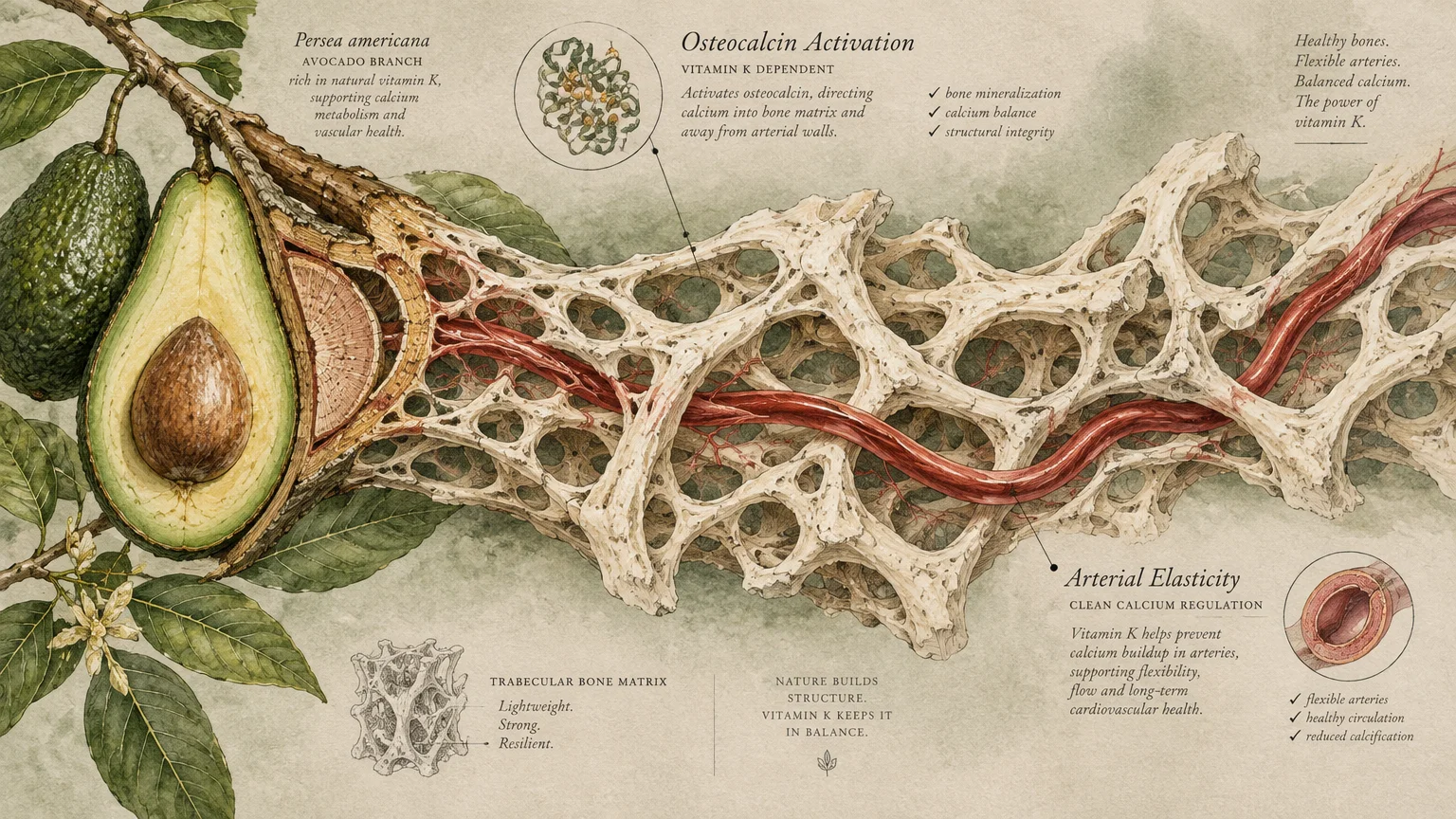
While calcium and vitamin D receive widespread attention for skeletal health, vitamin K plays an equally critical role. Vitamin K activates osteocalcin, a specialized protein that binds calcium ions directly to the bone matrix.
Without sufficient vitamin K, calcium cannot integrate properly into skeletal tissue. Over time, inadequate intake weakens structural bone architecture and raises fracture vulnerability.
Furthermore, vitamin K activates matrix Gla protein, which actively inhibits calcium from calcifying within arterial walls. This biological mechanism ensures that calcium strengthens your bones rather than stiffening your blood vessels.
Fresh avocados supply valuable amounts of phylloquinone, the primary plant form of vitamin K. Incorporating them regularly supports both long-term bone density and vascular compliance.
Synergistic Support for Active Lifestyles
Physical exercise places productive mechanical stress on your bones, stimulating remodeling and mineral deposition. Nourishing your skeletal system with vitamin K ensures that your body has the raw materials needed for structural repair.
Because vitamin K requires dietary fat for absorption, the avocado’s innate lipids ensure optimal bioavailability. You absorb the micronutrient efficiently without needing additional culinary oils.
Pairing avocado with leafy green vegetables creates a formidable nutritional combination for long-term musculoskeletal strength. Your skeleton and cardiovascular system both benefit from this consistent dietary support.
Reason 10: Natural Protection and Easy Storage
Practical considerations like shelf life, ease of preparation, and protective packaging dictate which foods remain dietary staples. Avocados excel in practical convenience thanks to their resilient outer peel.
The thick, pebbled rind of Hass avocados shields the delicate inner flesh from physical bruising during transit. This durable natural skin also creates a formidable barrier that reduces direct exposure to agricultural chemicals.
According to the USDA FoodData Central nutrient database, fresh whole produce provides superior nutrient stability when protected by intact skins. The avocado’s skin keeps internal fatty acids safe from premature oxidation.
This natural design makes whole avocados exceptionally portable. You can pack a whole fruit in your work bag without worrying about messy leaks or rapid spoilage.
Managing Ripening and Minimizing Waste
You can purchase avocados at various stages of maturity to match your weekly cooking schedule. Firm green fruits ripen gradually on your kitchen counter over three to five days.
Once an avocado yields gently to light thumb pressure, transfer it directly to your refrigerator. Cold temperatures halt enzymatic activity and preserve optimal ripeness for several days.
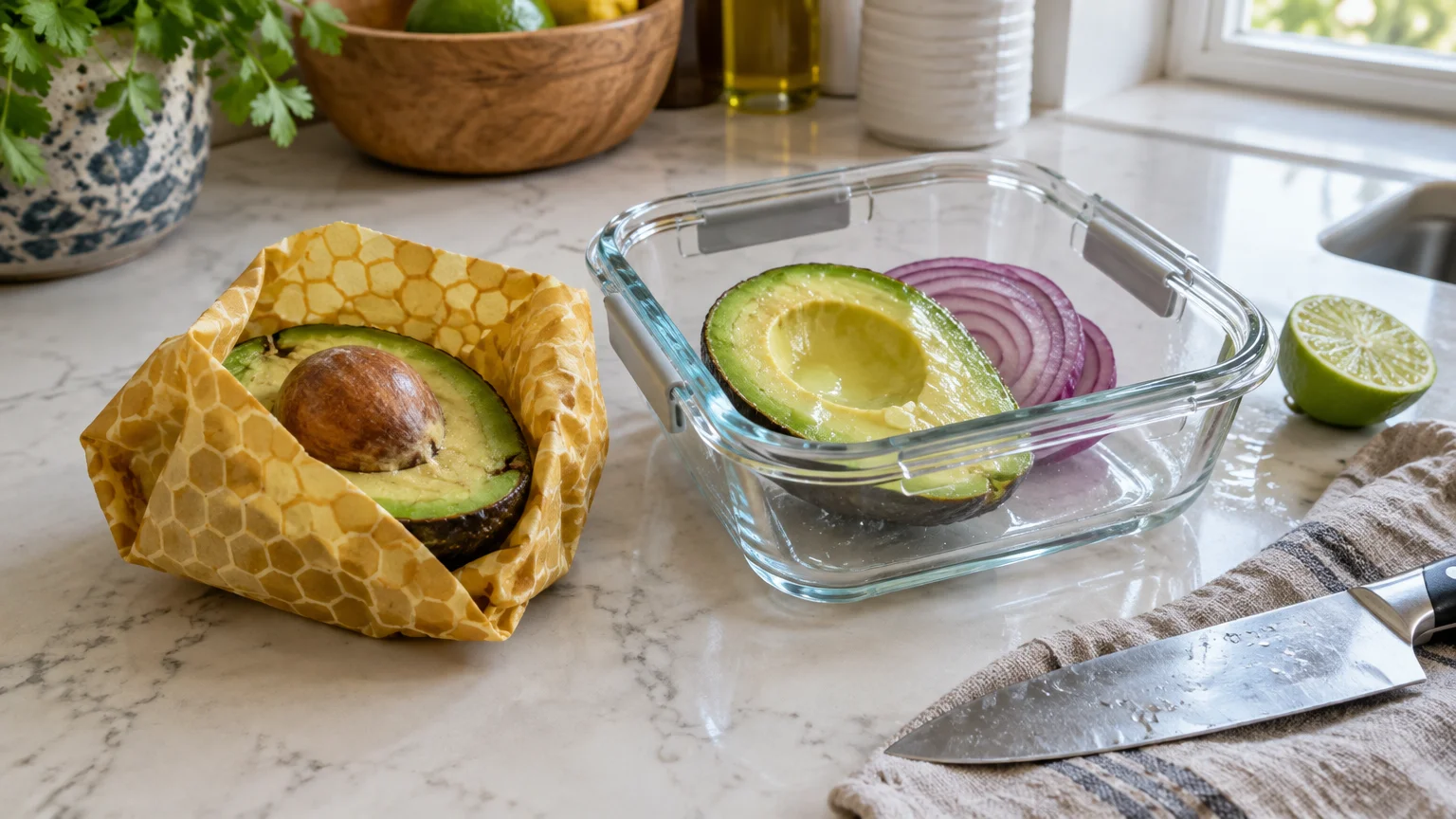
If you only consume half a fruit, leave the central seed in the remaining portion and squeeze fresh lemon juice over the flesh. Sealing it tightly in an airtight container prevents surface browning and preserves freshness.

Strategy Pillars for Consistent Avocado Nutrition
Turning nutritional knowledge into lasting health improvements requires practical systems in your kitchen. Establishing clear routines removes daily guesswork and ensures you consistently consume nutrient-dense whole foods.
Use these three targeted strategy pillars to incorporate avocados seamlessly into your regular lifestyle.
Pillar 1: Meal Planning and Smart Portioning
Plan your avocado usage based on realistic portion sizes that align with your overall energy requirements. Remember that one-third of a medium fruit (50 grams) delivers 80 calories.
For individuals tracking higher caloric needs, half a large fruit or 100 grams provides 160 calories. A whole medium avocado delivers between 240 and 322 calories, making deliberate portioning helpful for balanced energy intake.
Designate specific meals throughout your week for avocado integration. Add one portion to your Monday breakfast, dice another into a Wednesday quinoa bowl, and blend half into a Friday dressing.
Prep several days in advance by slicing firm fruits and storing them alongside citrus juice. This proactive preparation ensures that healthy choices remain your most convenient option during busy workdays.
Pillar 2: Nutrient Synergy Combinations
Elevate the biological impact of your meals by pairing avocados intentionally with synergistic ingredients. Combine avocado with cooked tomatoes in a warm grain bowl to maximize lycopene absorption.
Toss sliced avocado with dark leafy spinach, shredded carrots, and red bell peppers. The monounsaturated fats immediately enhance your uptake of lutein, beta-carotene, and vitamin A.
Pair avocado with lean protein sources like wild salmon, baked tofu, or grilled chicken breast. This combination of quality protein, slow-burning fats, and dietary fiber produces prolonged satiety and steady mental clarity.
Sprinkle crushed pumpkin seeds or toasted walnuts over sliced avocado for complementary textures. This pairing layers diverse plant sterols, trace minerals, and polyunsaturated fats into a single satisfying plate.
Pillar 3: Habit Formation and Kitchen Cues
Sustainable habits rely on clear visual cues and friction-free preparation environments. Keep unripe avocados in a visible fruit bowl on your dining table rather than hiding them inside dark cabinets.
Pair the habit of slicing your morning avocado with an existing routine, such as brewing your morning coffee or steeping tea. Anchoring new dietary behaviors to established daily rituals accelerates habit automaticity.
Invest in a reliable, comfortable chef’s knife and an airtight glass storage container dedicated to prepped produce. Having the right tools readily accessible eliminates unnecessary friction when preparing fresh meals.
Track how your energy, digestion, and fullness feel on days when you include avocado. Positive internal feedback reinforces healthy choices far more effectively than rigid dietary rules.
Expert Insights and Lived Culinary Traditions
Clinical nutritionists and culinary professionals consistently emphasize that enjoyment and tradition drive long-term dietary adherence. Whole foods must satisfy cultural expectations and sensory desires to become true dietary staples.
Examining how diverse cultures and clinical experts utilize avocados reveals practical strategies for everyday eating.
Clinical Observations on Satiety
In clinical practice, registered dietitians frequently observe that patients struggle with mid-afternoon cravings when lunches lack sufficient dietary fat. Meals consisting solely of lean protein and raw vegetables digest quickly, leaving individuals hungry within hours.
Introducing one-third of an avocado into a midday lunch noticeably extends satiety. The combination of dietary fiber and oleic acid stimulates gut hormones that signal fullness to your brain.
Patients report greater emotional satisfaction from their meals when textures remain rich and creamy. Replacing dry, restrictive meal patterns with flavorful whole foods encourages sustainable, peaceful relationships with eating.
This satiety effect helps individuals avoid mindless snacking on refined pastries or sugary convenience snacks between meals.
Global Culinary Applications
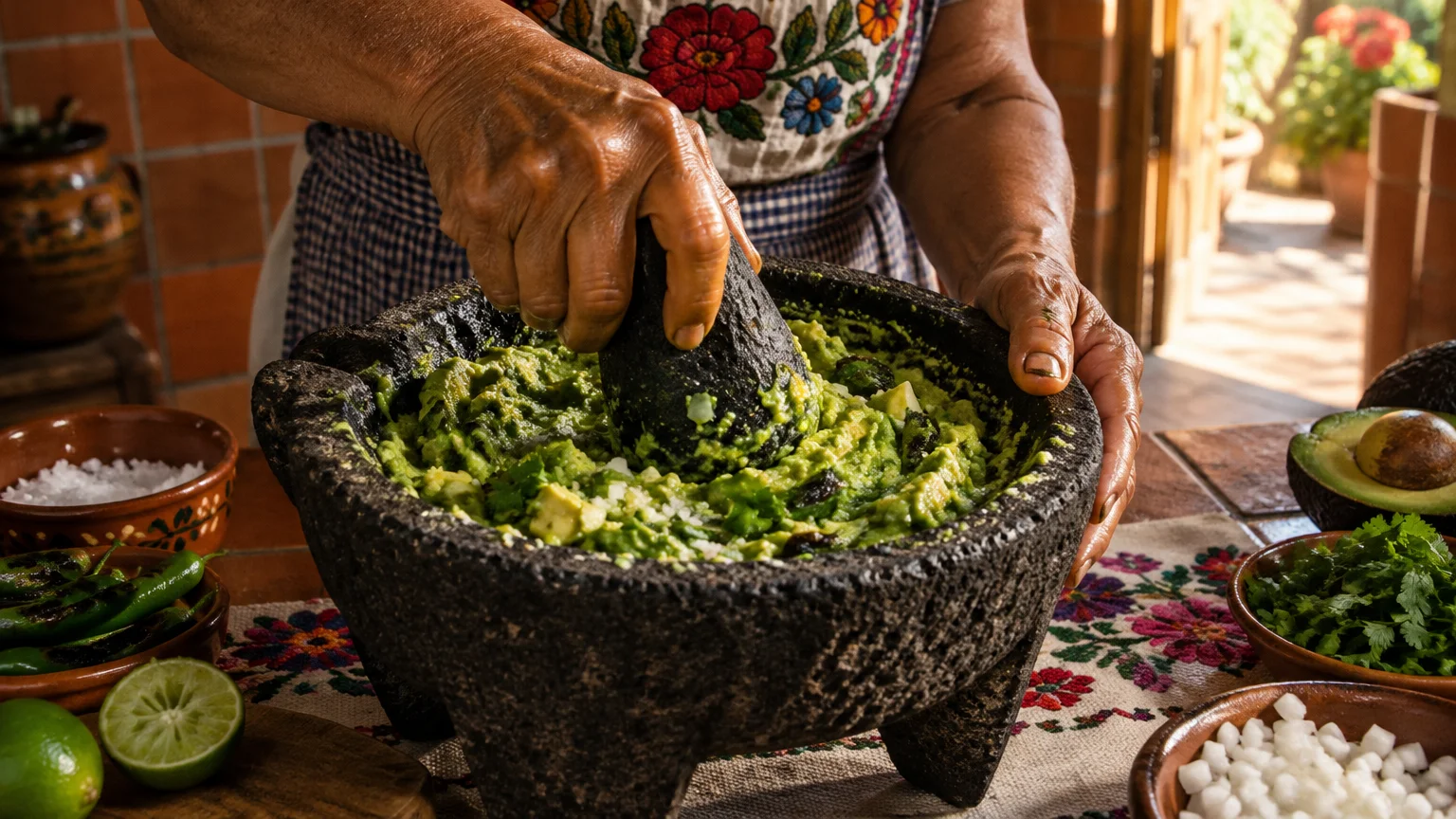
Across Latin America, avocados have served as a beloved dietary foundation for thousands of years. Traditional preparations feature fresh avocado sliced over warm bean stews, folded into corn tortillas, or crushed into classic guacamole.
In Southeast Asian culinary traditions, avocados frequently star in refreshing dessert smoothies and chilled beverages. Blended with ice and plant milks, their rich texture creates luxurious refreshments without synthetic stabilizers.
Across the African diaspora and Caribbean communities, cooks pair buttery avocado slices with spicy curries, seasoned rice, and braised greens. The cool, rich fruit balances intense spices and provides soothing textural contrast.
Embracing these diverse culinary traditions expands your repertoire and keeps healthy cooking endlessly interesting. Healthy eating should celebrate cultural flavor rather than flattening meals into bland routines.
Safety, Allergies, and Personalization
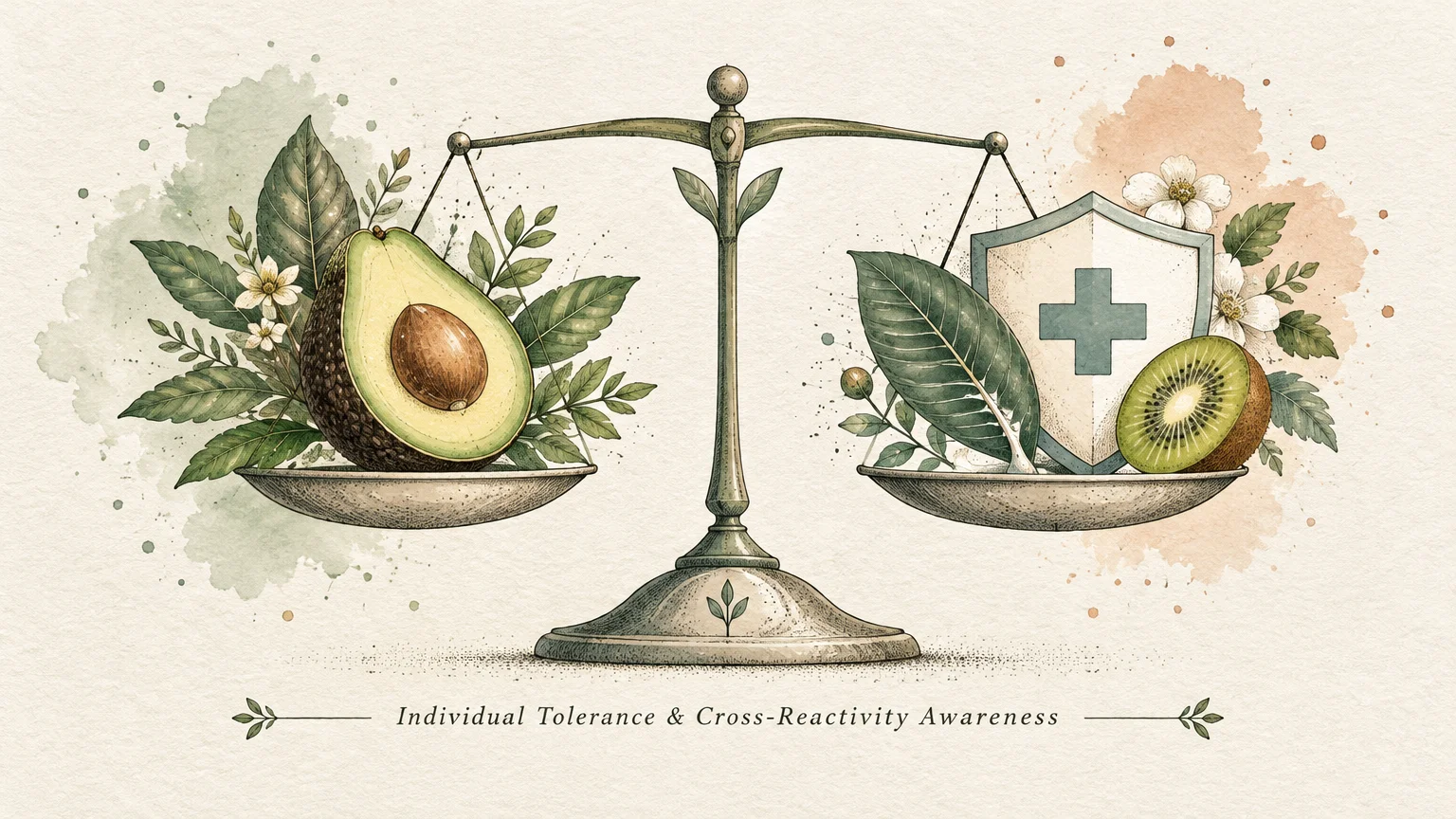
While avocados offer remarkable health benefits for the general population, individual physiological needs always take precedence. Personalized nutrition requires understanding how your unique biology interacts with specific foods.
Consider these critical clinical considerations before dramatically increasing your daily avocado consumption.
Recognizing Cross-Reactivity
Individuals with known natural rubber latex allergies must exercise caution when consuming avocados. This reaction, known as latex-fruit syndrome, occurs because certain plant defense proteins in avocados resemble allergens found in latex.
Symptoms of an adverse reaction can range from mild oral itching and tingling to hives or digestive distress. Severe systemic reactions, though less common, require immediate emergency medical attention.
If you notice swelling of your lips, itching in your throat, or abdominal cramping after eating avocado, discontinue consumption immediately. Consult a board-certified allergist or clinical immunologist for formal diagnostic testing.
Similarly, individuals with severe sensitivities to dietary histamines or specific fermentable carbohydrates should monitor personal tolerance levels with professional guidance.
Managing Caloric and Potassium Needs
Because avocados are energy-dense, individuals with specific weight management goals should account for portion sizes mindfully. Balancing your total daily energy intake ensures you reap nutritional benefits without unintended weight gain.
Individuals living with advanced chronic kidney disease or impaired renal potassium excretion must monitor high-potassium foods carefully. When kidneys cannot clear excess potassium, blood levels can rise to unsafe concentrations.
If your physician or renal dietitian has prescribed a potassium-restricted meal plan, track your avocado intake precisely. Collaborate closely with your clinical care team to determine an individualized, safe daily threshold.
Never hesitate to seek guidance from a registered dietitian when tailoring whole-food recommendations to your specific medical history and laboratory values.
Frequently Asked Questions
Can you eat avocado every single day?
Yes, most individuals can safely and healthfully enjoy avocado every single day. A standard daily portion of one-third to one-half of a fruit fits comfortably within balanced dietary patterns.
Regular daily consumption supports cardiovascular markers, digestive regularity, and sustained satiety. Just balance your portions against your daily caloric expenditure and unique metabolic requirements.
How do you stop a cut avocado from turning brown?
Avocados turn brown when polyphenol oxidase enzymes within the flesh react with atmospheric oxygen. You can dramatically slow this oxidation process by applying an acidic barrier to the cut surface.
Brush exposed avocado flesh with fresh lemon or lime juice, then press plastic wrap or reusable silicone wraps directly against the surface. Storing the prepared fruit inside an airtight container in your refrigerator preserves bright color for several days.
Does heat destroy the beneficial nutrients in avocados?
Gentle warming or brief baking does not destroy the monounsaturated fats, dietary fiber, or mineral content of avocados. Oleic acid remains chemically stable under moderate cooking temperatures.
However, prolonged high-heat cooking can occasionally create a slightly bitter flavor due to delicate tannins in the flesh. For optimal flavor and antioxidant retention, add avocado toward the end of cooking or enjoy it gently warmed.
How can you tell when an avocado is ripe?
Rely primarily on gentle pressure rather than peel color alone when evaluating Hass avocados. Hold the fruit gently in the palm of your hand and press lightly with your thumb near the stem.
A ripe avocado yields softly to gentle pressure without feeling mushy or hollow underneath the skin. If the fruit feels hard and unyielding, leave it at room temperature for several days to mature.
Your Next Step for Better Nutrition
Upgrading your dietary habits does not require complicated meal plans or drastic lifestyle overhauls. Real, sustainable wellness emerges from small, nutrient-dense choices repeated consistently over time.
Commit to one practical action within the next 24 hours. Pick up two fresh avocados on your next grocery run, or slice a third of a ripe fruit onto your dinner plate tonight.
Taste the creamy texture, savor the rich flavor, and let whole-food nutrition fuel your health forward.