
Adding a humble bowl of oats to your morning routine delivers transformative advantages for your heart, metabolic health, and digestion. This affordable whole grain quietly outperforms expensive superfoods through clinically validated nutritional mechanisms.
From lowering arterial plaque risk to nurturing beneficial gut bacteria, oats supply steady physical energy that keeps you focused. Understanding how this staple works inside your body empowers you to build smarter meals effortlessly.
Here is a dietitian-backed breakdown of how oats elevate your health and how you can seamlessly incorporate them today.
The Science Snapshot: What Makes Oats So Potent?
Oats stand apart from standard breakfast grains because of their unique structural composition and concentrated nutrient density. They provide an exceptional balance of complex carbohydrates, plant-based protein, healthy fats, and therapeutic fibers.
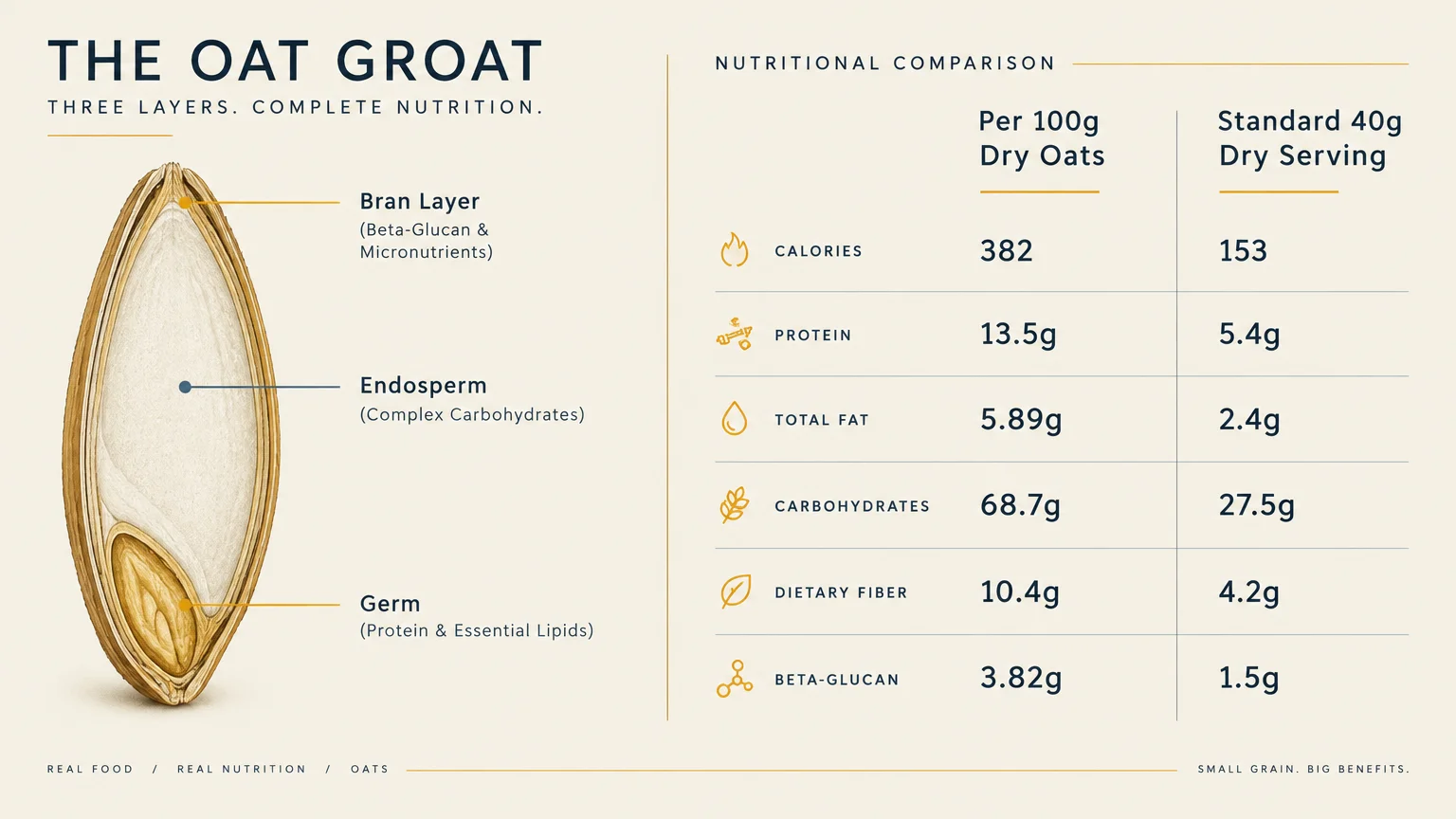
According to the USDA FoodData Central entry for rolled oats, a 100-gram dry portion provides 382 calories, 13.5 grams of protein, and 5.89 grams of total fat. It also delivers 68.7 grams of carbohydrates, 10.4 grams of dietary fiber, and 3.82 grams of beta-glucan.
When you scale that to a standard half-cup dry serving of 40 grams, you receive approximately 153 calories and 5.4 grams of protein. That single serving also supplies 2.4 grams of fat, 27.5 grams of carbohydrates, 4.2 grams of dietary fiber, and 1.5 grams of beta-glucan.
Unlike refined grain products that lose their germ and bran during industrial milling, whole oats retain every anatomical component. This intact architecture ensures that you consume all native vitamins and minerals without artificial enrichment.
Oats deliver notable quantities of essential micronutrients, including magnesium, phosphorus, zinc, copper, and iron. They also provide B vitamins such as thiamine, which your cells require for daily energy production.
The standout compound in oats is beta-glucan, a viscous soluble fiber concentrated in the grain’s outer bran layers. When beta-glucan mixes with fluid in your stomach, it forms a thick, gelatinous matrix that slows digestive transit.
This viscous mesh stabilizes nutrient absorption throughout your small intestine. Beyond fiber, oats contain avenanthramides, a distinct family of polyphenol antioxidants virtually unique to the oat plant.
These polyphenols exert potent anti-inflammatory effects and encourage arterial vasodilation. Together, these compounds make oats a formidable functional food rather than just a basic breakfast grain.
Way 1: Slashing Bad Cholesterol and Supporting Cardiovascular Health
Cardiovascular disease remains a leading health concern, yet simple dietary adjustments produce dramatic protective benefits. Oats represent one of the most effective culinary tools for reducing circulating low-density lipoprotein (LDL) cholesterol.
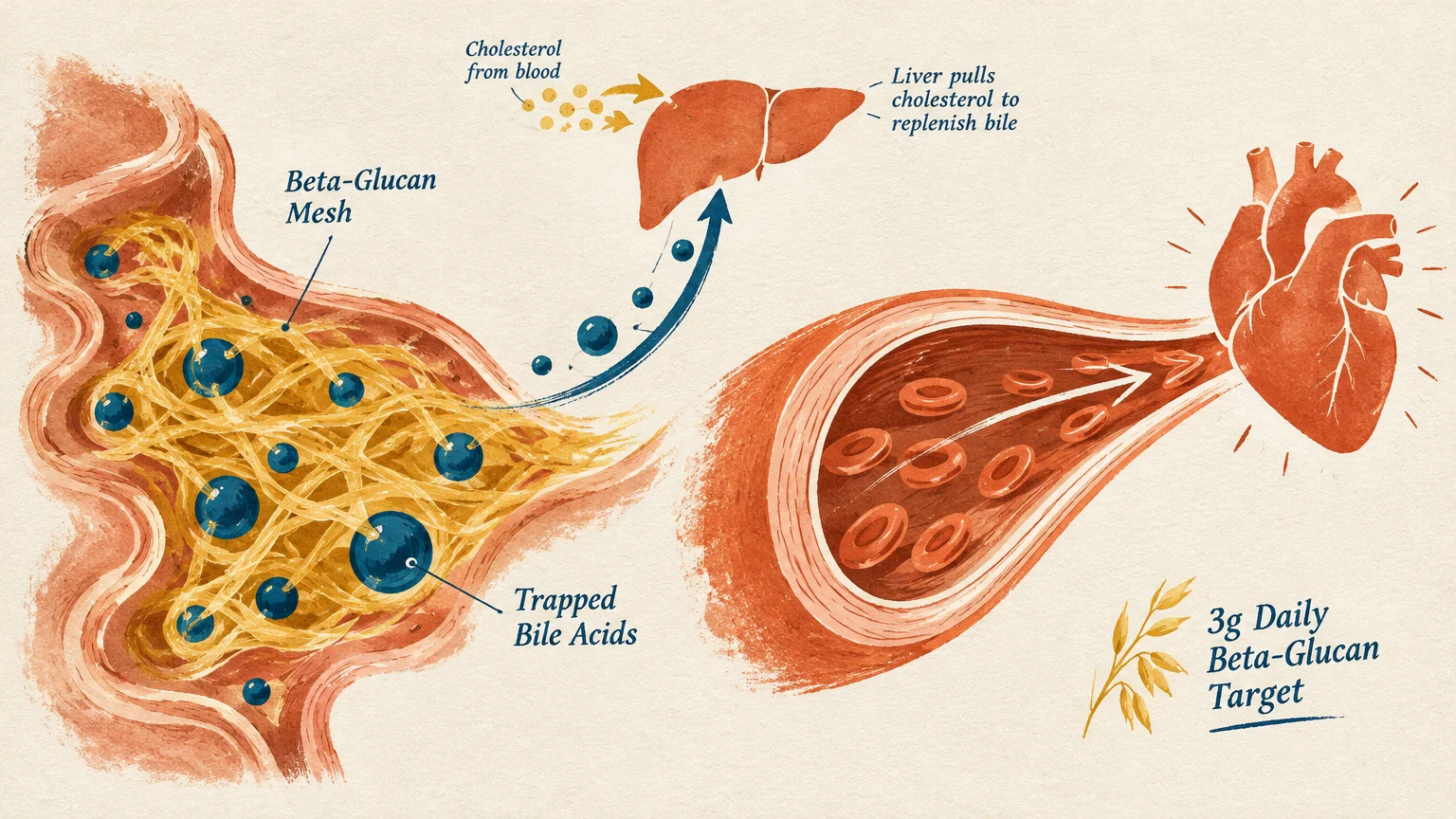
The biological mechanism centers on how beta-glucan interacts with bile acids in your digestive tract. Your liver synthesizes bile acids from stored cholesterol to help digest dietary fats.
As digested food enters your small intestine, the viscous oat gel traps these bile acids and carries them through your system. Because your body excretes them rather than reabsorbing them, your liver must pull cholesterol from your bloodstream to manufacture fresh bile.
This continuous clearance systematically decreases your circulating LDL particles over time. Decades of clinical investigation confirm this physiological pathway.
Under authorized FDA health claim guidance, consuming 3 grams or more per day of oat beta-glucan soluble fiber can reduce coronary heart disease risk. The diet must also remain low in saturated fat and cholesterol to secure this protective outcome.
To display this claim, commercial food items must supply at least 0.75 grams of whole oat soluble fiber per serving. Eating two half-cup servings of cooked oatmeal easily satisfies that 3-gram threshold.
Lowering circulating LDL particles directly curbs the formation of arterial plaques that cause blockages. By clearing these particles, oats help protect your blood vessels from atherosclerotic narrowing.
Furthermore, avenanthramides in oats prevent LDL particles from oxidizing. Oxidized LDL inflames arterial walls and accelerates plaque deposition, so suppressing this oxidation directly protects your blood vessels.
These oat polyphenols also stimulate nitric oxide production in your vascular lining. Nitric oxide relaxes your blood vessels, improving arterial flexibility and encouraging healthy systemic blood pressure.
Replacing breakfasts high in saturated fat with whole oats produces a compounded cardiovascular benefit. You simultaneously reduce your intake of harmful fats while introducing therapeutic fibers that actively scrub your circulation.
Way 2: Steadying Blood Sugar and Improving Insulin Sensitivity
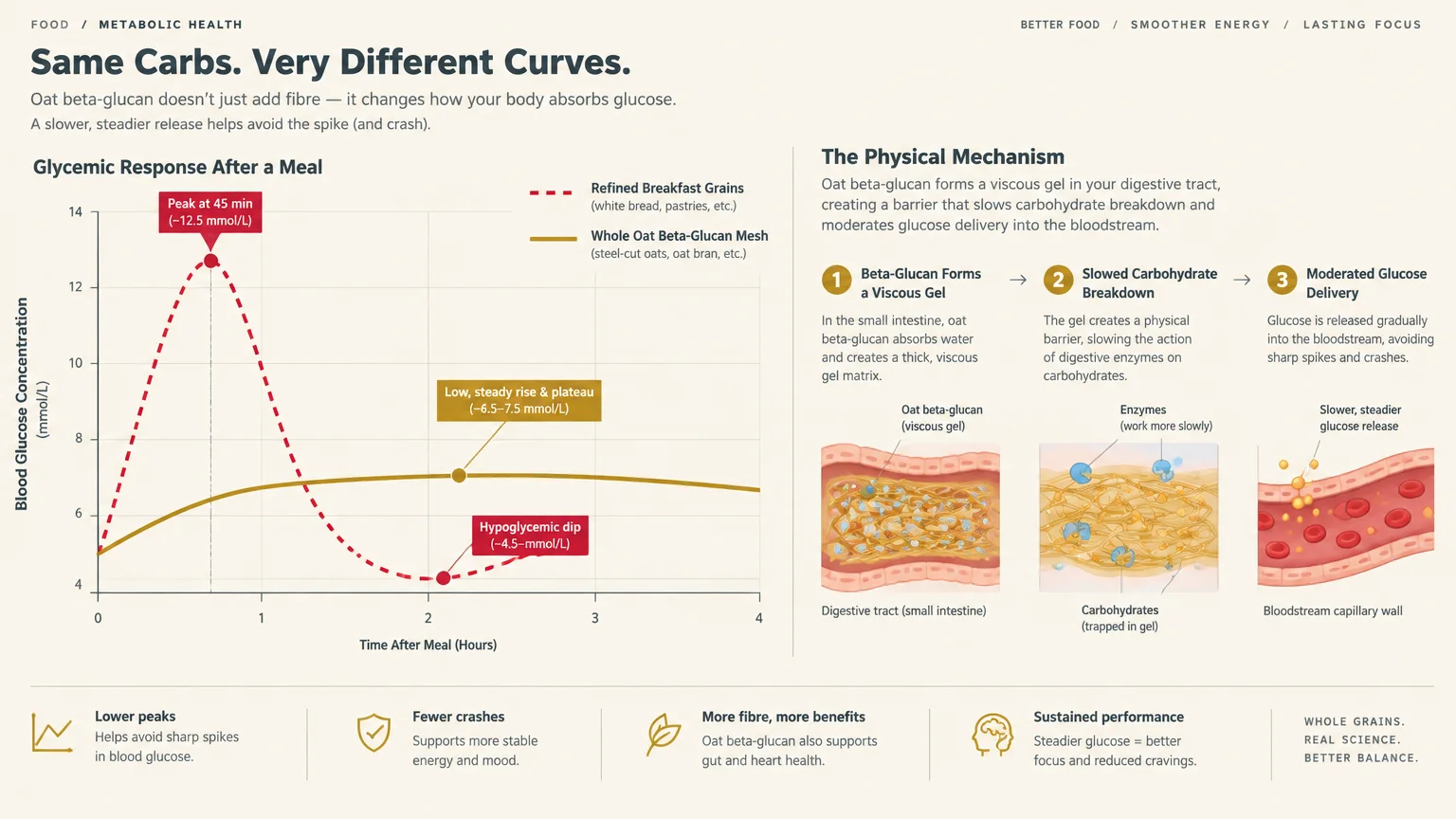
Refined breakfast items like pastries and sugary cereals flood your bloodstream with glucose almost instantly. This rapid spike triggers a surge of insulin, which frequently causes a mid-morning energy crash.
Oats provide the exact opposite metabolic experience. The soluble fiber forms a dense barrier inside your digestive tract that physically slows down carbohydrate breakdown.
Digestive enzymes require significantly more time to dismantle complex starch molecules trapped within this viscous matrix. Consequently, glucose trickles steadily into your blood rather than surging all at once.
This measured release preserves stable baseline glucose levels across your morning. You avoid the irritability, sluggishness, and intense sugar cravings that follow rapid glycemic drops.
Over weeks and months, this dampened glycemic load supports long-term insulin sensitivity. Your muscle and liver cells respond more readily to insulin signals, requiring your pancreas to produce less hormone overall.
For individuals navigating insulin resistance or prediabetes, this continuous metabolic relief is profoundly beneficial. Oats help blunt the post-meal glucose spikes that damage delicate microvascular networks over time.
The slower rate of gastric emptying also prolongs the presence of nutrients in your upper gut. This delay moderates hormonal signaling, allowing your body to process incoming carbohydrates with minimal metabolic stress.
Pairing your oats with wholesome proteins and fats optimizes this blood sugar stabilization even further. You build a sustained nutritional bridge that fuels your physical and mental tasks until lunchtime.
Whether you work at a desk or engage in vigorous morning exercise, steady glucose provides dependable cellular energy. You perform your daily routines with consistent mental clarity rather than battling severe afternoon fatigue.

Way 3: Feeding Your Microbiome and Upgrading Gut Health
Your gastrointestinal tract hosts trillions of microscopic organisms that regulate digestion, immunity, and mental wellbeing. These beneficial microbes depend on specialized prebiotic fibers like beta-glucan to survive and flourish.
While human digestive enzymes cannot break down beta-glucan, beneficial bacteria in your large intestine ferment it eagerly. This fermentation process transforms indigestible plant fiber into therapeutic short-chain fatty acids.
These resulting short-chain fatty acids include butyrate, acetate, and propionate. Butyrate serves as the primary cellular fuel source for the epithelial cells lining your colon wall.
By nourishing these colonocytes, butyrate reinforces your gut mucosal barrier and prevents harmful molecules from entering your systemic circulation. A fortified gut barrier suppresses chronic, low-grade systemic inflammation throughout your body.
Propionate and acetate enter your bloodstream and travel toward your liver and peripheral tissues. These microbial metabolites help regulate lipid metabolism and signal your central nervous system to dampen inflammatory cascades.
Simultaneously, oat fiber adds bulk and moisture to your stool, supporting comfortable and predictable bowel movements. Soluble fiber softens stool texture, while insoluble fiber stimulates healthy peristaltic contractions.
This combination promotes bowel regularity and alleviates chronic constipation without requiring harsh chemical laxatives. Your digestive tract functions with effortless efficiency when you supply it with adequate whole food fiber.
According to National Institutes of Health research summaries, adequate prebiotic fiber intake fosters microbial diversity and optimizes digestive resilience. Consuming oats regularly helps cultivate a balanced microbial ecosystem that defends against gastrointestinal distress.
A diverse microbiome also interacts directly with gut-associated lymphoid tissue to enhance your immune defenses. By feeding your internal flora with whole oats, you actively reinforce your frontline physiological protection.

Way 4: Enhancing Long-Lasting Satiety and Weight Management
True satiety involves both physical fullness in your stomach and chemical satisfaction signals in your brain. Oats excel at triggering both mechanisms, making them a powerful ally for natural weight management.
Because soluble fiber absorbs water readily, oats expand significantly in volume during digestion. This expansion gently distends your stomach walls, stimulating stretch receptors that signal your brain to stop eating.
Furthermore, the fermentation of oat fiber prompts your intestinal cells to release key satiety hormones, including peptide YY and glucagon-like peptide-1. These hormones signal fullness to your hypothalamus and delay gastric emptying.
This prolonged digestive process keeps you genuinely satisfied for hours after your meal. You spend less willpower battling mindless grazing or unexpected afternoon vending machine cravings.
Oats register remarkably high on the satiety index compared to refined breakfast cereals and pastries. Choosing foods with high satiety efficiency allows you to feel deeply satisfied while consuming fewer overall calories.
This natural fullness helps address a critical nationwide nutritional gap. The Dietary Guidelines for Americans note that more than 90% of U.S. women and 97% of U.S. men fail to meet daily fiber recommendations.
The FDA Daily Value for dietary fiber is 28 grams per day based on a standard 2,000-calorie intake. Under Dietary Reference Intakes, adult women require roughly 25 grams daily, while adult men need approximately 38 grams.
A single half-cup dry serving of rolled oats delivers 4.2 grams of dietary fiber toward that goal. By starting your morning with oats, you immediately close a meaningful portion of your daily fiber deficit.
Replacing low-fiber refined grains with whole oats curbs overall calorie intake without creating restrictive deprivation. You nurture your body with nutrient-dense fuel while effortlessly supporting sustainable body composition goals.
Maintaining a healthy weight over decades protects your joints, blood vessels, and metabolic organs from chronic strain. Oats provide the daily nutritional support necessary to sustain these protective habits effortlessly.
Decoding the Oatmeal Aisle: Rolled, Steel-Cut, and Instant
Walking down the cereal aisle presents you with numerous oat varieties, from rustic whole groats to quick-cooking packets. Understanding how processing alters these grains ensures you make the most nourishing choice.
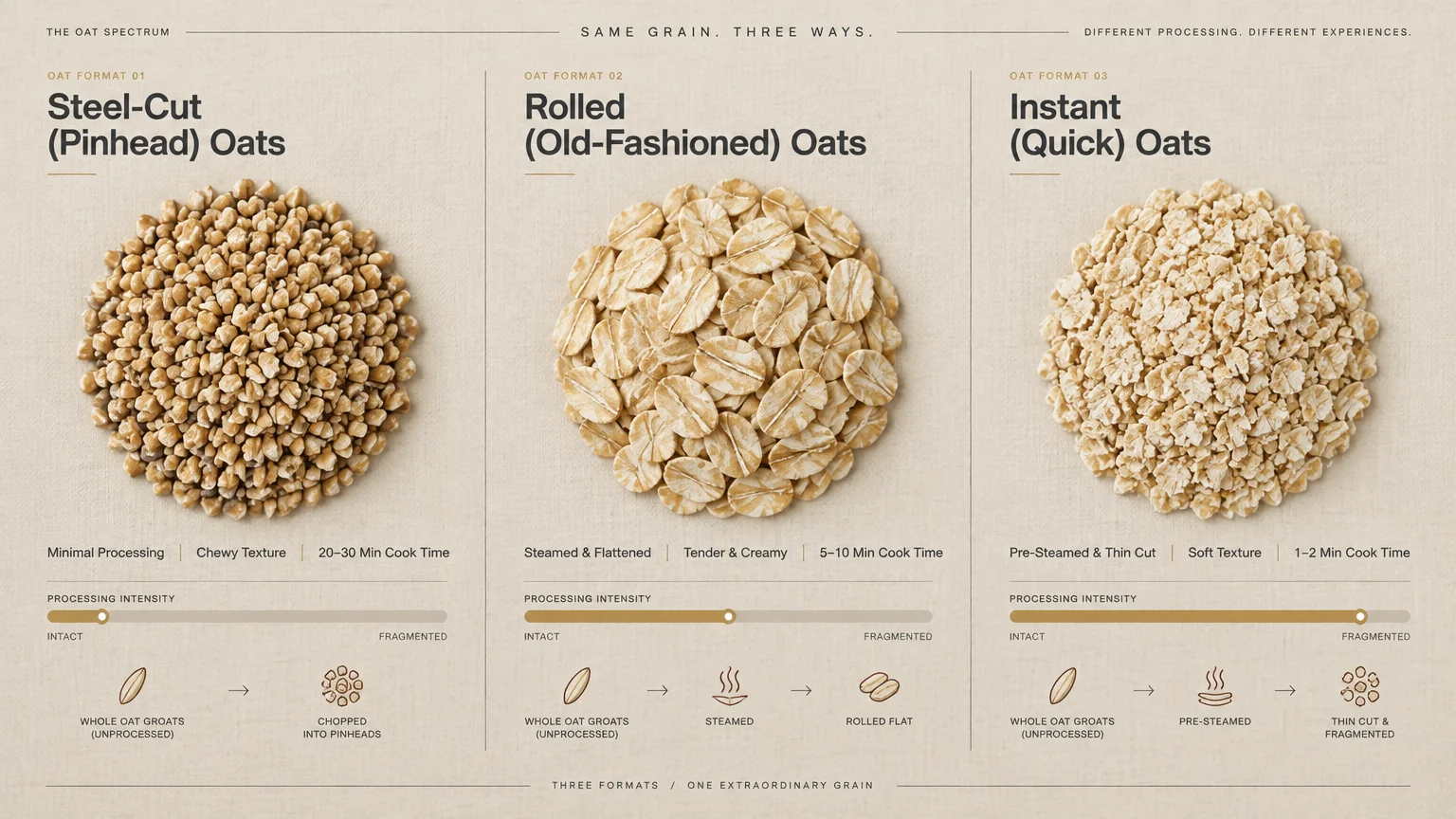
All oat variations begin as whole oat groats, which contain the intact germ, endosperm, and bran layers. Steel-cut oats result from slicing whole groats into two or three dense pieces using sharp steel blades.
Steel-cut oats offer a chewy texture and nutty flavor, requiring roughly twenty to thirty minutes of simmering. They digest slowly, producing the gentlest post-meal glycemic curve among common oat formats.
Rolled oats undergo steaming before large steel rollers flatten them into flakes. This steaming partially cooks the starch, reducing your cooking time without stripping away the nutritious fiber or minerals.
Quick and instant oats are steamed longer and rolled thinner to enable rapid rehydration. Unsweetened instant oats retain identical calorie, protein, and total fiber numbers to rolled or steel-cut varieties.
However, pre-flavored instant oatmeal packets often hide excessive sugars and refined flavorings. These additives undermine the natural metabolic advantages that make whole oats so desirable for your health.
Under the updated FDA “healthy” labeling rule effective April 28, 2025, grain products must meet strict nutritional criteria. To qualify, products must contain meaningful whole grains while remaining at or below strict nutrient thresholds.
These limits cap added sugars at 10% of the Daily Value, or 5 grams per serving. The rule also restricts sodium to 230 milligrams and saturated fat to 1 gram per standard reference amount.
Manufacturers must comply fully with these updated standards by February 25, 2028. Many commercial flavored packets substantially exceed the 5-gram added sugar threshold, turning a wholesome breakfast into a dessert.
Some flavored packets contain up to twelve grams of added sugar in a tiny single portion. That excess sugar causes the very blood sugar spikes and crashes that whole oats naturally prevent.
Choose plain rolled, steel-cut, or unsweetened instant oats as your baseline pantry staple. You retain full control over the sweetness, sodium, and fat content by adding fresh toppings at home.
Strategy Pillars: How to Build a Better Daily Oat Habit
Establishing sustainable nutrition habits requires actionable routines rather than fleeting enthusiasm. You can easily integrate oats into your lifestyle using three foundational pillars designed by registered dietitians.
Pillar 1: Smart Meal Planning and Preparation
Morning time constraints often derail nutritious eating habits before your day even begins. Preparing oats in advance removes friction and guarantees a wholesome meal on busy mornings.
Batch cook steel-cut oats over the weekend and store individual portions in your refrigerator for up to five days. Simply reheat a serving with a splash of milk or water for a comforting, warm breakfast.
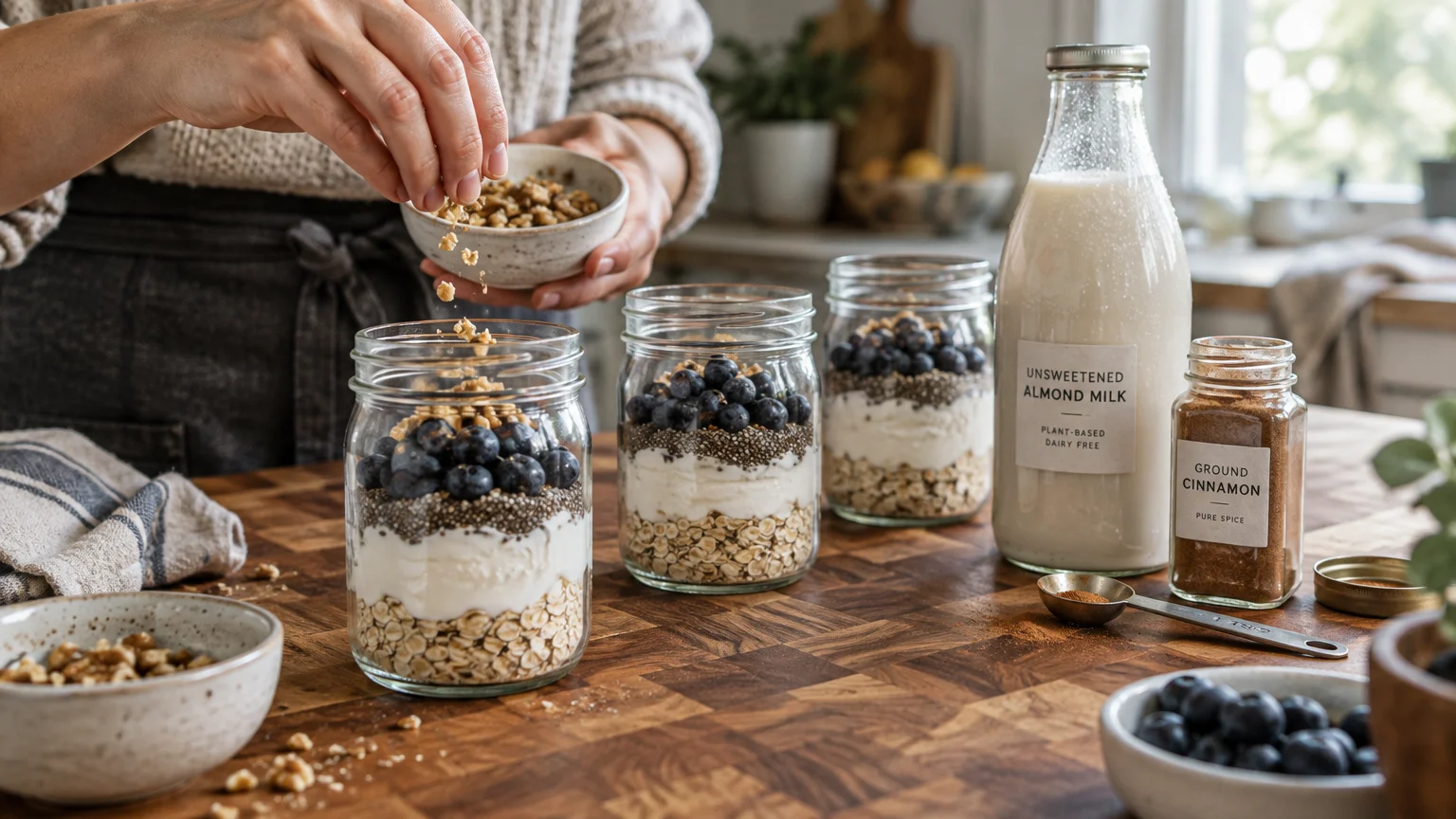
If you prefer chilled breakfasts, assemble overnight oats in glass jars before going to bed. Combine rolled oats with milk or fortified soy milk, and let the liquid soften the flakes overnight.
Do not limit oats exclusively to sweet morning bowls; explore savory dinner preparations as well. Simmer rolled oats in vegetable broth, then top them with sautéed spinach, mushrooms, and a poached egg.
Savory oat bowls provide a comforting, risotto-like dinner that supplies complex carbohydrates after a demanding workday. This culinary flexibility ensures you never grow bored of eating whole grains.
You can also grind plain rolled oats in a blender to create homemade oat flour. Use this nutrient-dense flour to replace refined wheat flour in pancakes, waffles, and homemade quick breads.
Pillar 2: Balanced Nutrient Pairing
Oats provide quality carbohydrates and plant protein, but pairing them with complementary macronutrients unlocks optimal blood sugar control. Adding healthy fats and concentrated proteins slows digestion and extends your fullness.
Stir a tablespoon of chia seeds, ground flaxseed, or hemp hearts directly into your warm oatmeal. These seeds contribute plant-based omega-3 fatty acids and boost the total fiber content of your meal.
Swirl in unsweetened almond butter, peanut butter, or chopped walnuts to introduce heart-healthy monounsaturated and polyunsaturated fats. These wholesome fats enhance fat-soluble nutrient absorption while enhancing rich flavor and texture.
To augment the protein content, stir unflavored whey or plant protein powder into your oats after cooking. Alternatively, top your oatmeal with plain Greek yogurt or fold in pasteurized egg whites during simmering.
Incorporate warming spices like cinnamon, nutmeg, cardamom, or ground ginger to elevate flavor without adding refined sugars. Cinnamon in particular complements oats beautifully while providing its own suite of protective polyphenols.
Finish your bowl with fresh berries or sliced fruit instead of brown sugar or maple syrup. Whole fruit adds natural sweetness alongside vitamins, minerals, and disease-fighting anthocyanin antioxidants.
Pillar 3: Sustainable Habit Formation
The 2025–2030 Dietary Guidelines for Americans recommend consuming 2 to 4 servings of fiber-rich whole grains per day. A single half-cup serving of cooked oatmeal counts as one complete whole grain serving toward that target.
Meeting this benchmark requires replacing refined carbohydrates rather than merely adding more food to your current routine. Swap out low-fiber breakfast bagels, pastries, or white toast for a bowl of nutrient-packed oats.
You can also use finely ground rolled oats in place of refined breadcrumbs in meatballs and veggie patties. This effortless swap boosts fiber density in family meals without altering traditional textures.
Incorporate rolled oats into homemade snack bars or use them to thicken hearty vegetable soups and stews. Consistently finding creative applications makes daily whole grain consumption an enjoyable, lifelong habit.
Track your energy and digestion over two weeks as you make these whole grain substitutions. Recognizing how much better you feel will reinforce your commitment to eating whole oats daily.

Expert and Lived Voices: Clinical Perspectives and Cultural Kitchens
Clinical practitioners consistently observe the transformative physiological impact of adopting a daily oat habit. Registered dietitians frequently recommend oats as a frontline dietary intervention for patients presenting with elevated cholesterol markers.
According to Academy of Nutrition and Dietetics guidelines, whole grain intake forms the cornerstone of effective medical nutrition therapy. Dietitians emphasize that patient compliance rises when dietary changes feel satisfying rather than restrictive.
Primary care physicians similarly celebrate the simplicity of recommending whole oats to patients managing elevated fasting blood glucose. Patients frequently report sharper morning focus and reduced mid-afternoon energy slumps within two weeks of making the switch.
In outpatient clinics, dietitians note that patients who replace sweetened breakfast cereals with oats show noticeable lipid improvements. These individuals often maintain their dietary changes long term because oatmeal is deeply satiating and affordable.
Beyond clinical settings, culinary traditions across the globe celebrate oats in culturally rich, deeply nourishing preparations. In Scotland, traditional water-boiled porridge prepared with a pinch of salt has sustained generations through harsh winters.
In South Asian households, cooks transform rolled oats into savory upma or spiced masala porridge seasoned with mustard seeds, ginger, and turmeric. This savory application blends familiar cultural spices with accessible whole grain nutrition.
In East Asian kitchens, many families prepare comforting oat congee, simmering oats slowly with chicken broth, scallions, and sliced ginger. These diverse global traditions prove that oats adapt effortlessly to any culinary palate or heritage.
Latin American kitchens often prepare avena caliente, a spiced warm oat drink brewed with cinnamon, cloves, and milk. This comforting beverage highlights how whole oats deliver warmth and essential nutrients across distinct culinary cultures.

Safety, Digestive Comfort, and Individual Customization
While oats offer broad health benefits, suddenly increasing your daily fiber intake can occasionally produce transient digestive discomfort. If your current diet contains minimal fiber, your gut bacteria need time to adjust to new prebiotic substrates.
Introducing large amounts of soluble fiber too quickly may trigger temporary bloating, abdominal distension, or mild gas. You can easily avoid these symptoms by increasing your portion sizes gradually over several weeks.
Begin with a modest quarter-cup dry serving, allowing your gastrointestinal microbiome to adapt comfortably. Once your digestion feels steady, advance toward a standard half-cup serving.
Hydration plays an equally crucial role in supporting digestive comfort as you elevate dietary fiber. Soluble fiber functions like a sponge, pulling water into your intestines to create its characteristic viscous gel.
Drink ample water throughout your day to ensure smooth gastrointestinal transit and prevent constipation. Without sufficient hydration, high fiber intake can paradoxically lead to hard, difficult-to-pass stools.
Individuals managing celiac disease or non-celiac gluten sensitivity must exercise specific caution when purchasing oats. While oats are inherently gluten-free, standard agricultural equipment and processing facilities frequently handle wheat, barley, and rye.
This cross-contact can contaminate standard oats with trace gluten proteins, triggering immune reactions in sensitive individuals. Always choose packages explicitly certified as gluten-free to guarantee purity and clinical safety.
A very small subset of people with celiac disease also reacts to avenin, the primary storage protein found naturally in oats. If you have celiac disease, introduce certified gluten-free oats under your gastroenterologist’s supervision.
Food safety also requires proper storage when you prepare batches of oats in advance. Keep cooked oatmeal in sealed containers in your refrigerator and consume it within four to five days to prevent spoilage.
If you experience persistent abdominal pain, severe gas, or chronic bowel changes, consult a registered dietitian or gastroenterologist. A qualified clinician can help personalize your grain choices to match your unique digestive tolerance.
Frequently Asked Questions
Can you eat oats every day?
Yes, eating oats every day is entirely safe and highly beneficial for most healthy individuals. Daily consumption provides a steady influx of prebiotic fiber, supporting both cardiovascular health and a resilient gut microbiome.
Just ensure you vary your toppings with diverse nuts, seeds, and fruits throughout the week. This dietary variety guarantees that your body receives a wide spectrum of essential micronutrients and phytonutrients.
If you eat oats daily, remember to balance them with diverse vegetables, legumes, and lean proteins across other meals. Whole grain oats shine brightest when they form one component of a varied, nutrient-dense diet.
Are overnight oats healthier than cooked oatmeal?
Both overnight oats and cooked oatmeal offer nearly identical macronutrient, calorie, and total dietary fiber profiles. However, cold soaking oats overnight preserves higher levels of resistant starch than traditional high-heat boiling.
Resistant starch resists digestion in your small intestine and ferments in your colon, delivering enhanced prebiotic benefits. Cold soaking also avoids the slight degradation of heat-sensitive micronutrients that can occur during boiling.
Conversely, some people find warm cooked oats gentler and more soothing on sensitive digestive tracts. Choose the preparation method that fits your morning routine and digestive comfort best, as both support optimal health.
Do oats cause blood sugar spikes for people with diabetes?
Plain rolled or steel-cut oats generally produce a gradual, manageable glycemic response due to their high beta-glucan content. However, instant flavored varieties with added sugars can indeed trigger sharp, undesirable blood sugar spikes.
Individuals with diabetes should choose minimally processed oats and monitor their individual postprandial glycemic responses. Portion control remains essential, as consuming very large servings can still increase overall carbohydrate load.
Pairing oats with protein and healthy fats further moderates glucose absorption and stabilizes insulin demands. Adding unsweetened peanut butter, chia seeds, or protein powder helps maintain steady blood glucose readings throughout the morning.
How do you reach the three-gram beta-glucan target each day?
Meeting the FDA-recognized 3-gram daily beta-glucan threshold is simple with thoughtful meal planning. A single 40-gram dry serving of rolled oats supplies approximately 1.5 grams of beta-glucan.
Consuming two standard half-cup servings across your day fulfills that 3-gram cardiovascular target completely. You can enjoy a warm bowl for breakfast and incorporate oats into a smoothie or dinner recipe.
Alternatively, adding a couple of tablespoons of oat bran to smoothies or baked goods boosts your daily beta-glucan intake effortlessly. Oat bran contains higher concentrations of soluble fiber than whole rolled flakes alone.
Take Your First Step in the Next 24 Hours
Upgrading your long-term health does not require complicated cleanses or expensive designer supplements. Simple, accessible pantry staples like whole grain oats yield profound, evidence-based improvements when consumed consistently.
Take a decisive step toward better health within the next 24 hours. Check your kitchen pantry or add a canister of plain rolled or steel-cut oats to your grocery list today.
Prepare a single nourishing serving tomorrow morning, pairing your oats with fresh berries, chia seeds, and a scoop of protein. Your heart, metabolic system, and gut microbiome will thank you for making this delicious investment.
Small, deliberate dietary choices compound into remarkable long-term vitality over time. Begin your journey toward optimal health tomorrow morning with one warm, wholesome bowl of oats.