You might notice that carrying groceries feels heavier than it did a decade ago, or perhaps getting out of a deep armchair requires an extra, determined push.
These subtle, everyday changes often point to a silent but pervasive physiological shift called sarcopenia, which is the age-related loss of muscle mass and physical strength.
Research reveals that after the age of sixty, your body sheds muscle tissue at an accelerated rate of roughly three to eight percent per decade.
While many people attribute this physical decline entirely to the passage of time, your daily diet plays a massive, undeniable role in preserving your strength. The most critical nutrient in this ongoing battle is dietary protein.
Unfortunately, a significant portion of older adults routinely falls short of their daily protein requirements; this deficit leaves their muscles starving for the essential building blocks they need to repair and maintain themselves.
Understanding precisely how much protein you need—and learning how to distribute it effectively throughout your day—can dramatically improve your vitality, safeguard your physical independence, and elevate your overall quality of life.
The Physiology of Aging Muscles and Anabolic Resistance
To understand why your protein needs shift so dramatically as you age, you have to look closely at how your body processes the food you eat. When you consume a protein-rich meal, your digestive system breaks the food down into individual amino acids.
These amino acids then travel through your bloodstream directly to your muscle tissues. In your younger years, your muscles are highly sensitive to these amino acids; they eagerly absorb them to repair daily cellular damage and build new, resilient fibers.
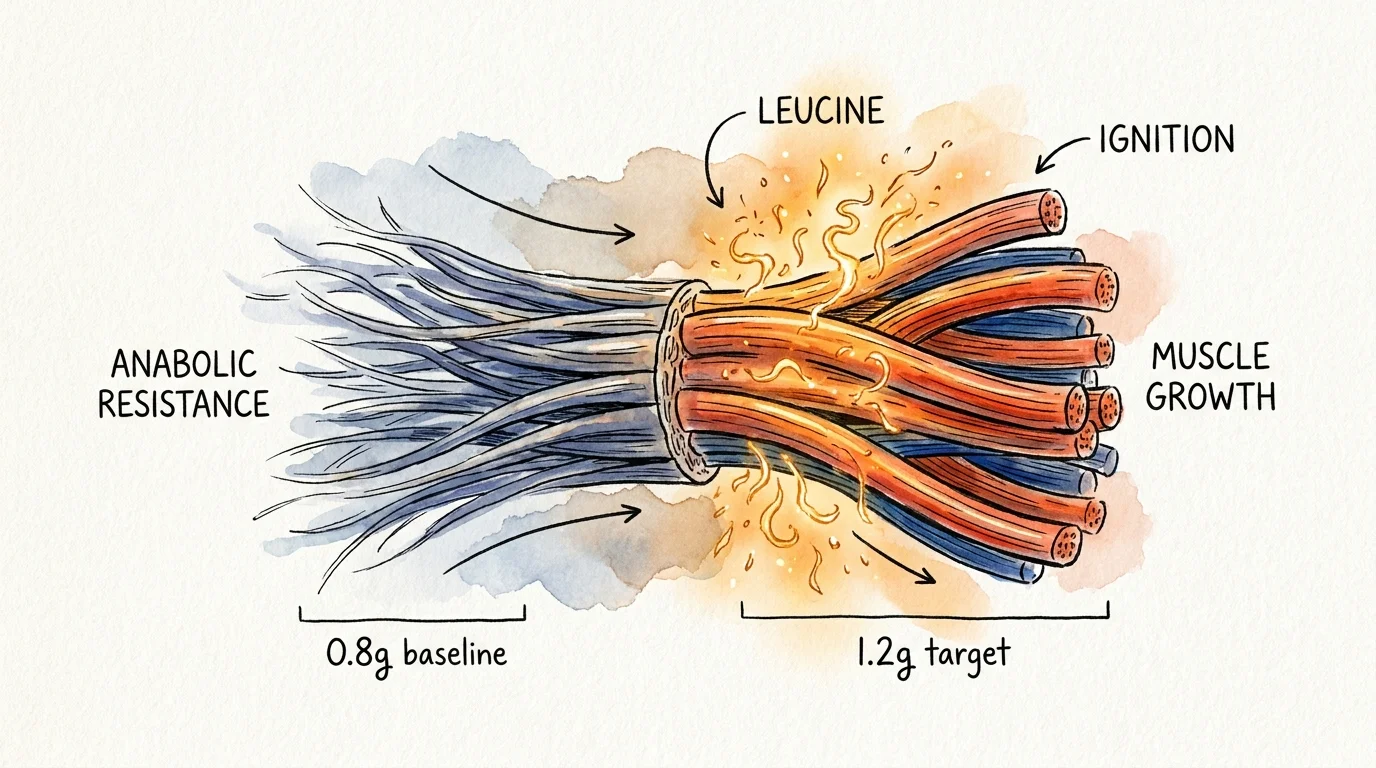
However, as you enter your sixties and beyond, your muscles gradually develop a condition known as anabolic resistance. This means your muscle tissue becomes significantly less responsive to the chemical signals that trigger growth and structural repair.
Because of this blunted biological response, you actually require a substantially larger dose of protein at each meal to flip the physiological switch that initiates muscle protein synthesis. The traditional Recommended Dietary Allowance sits at a modest 0.8 grams of protein per kilogram of body weight.
Leading clinical nutrition specialists and gerontological researchers now argue that this outdated baseline is woefully inadequate for seniors. To overcome anabolic resistance and aggressively protect your lean mass, you should aim for a daily intake of 1.0 to 1.2 grams of protein per kilogram of body weight.
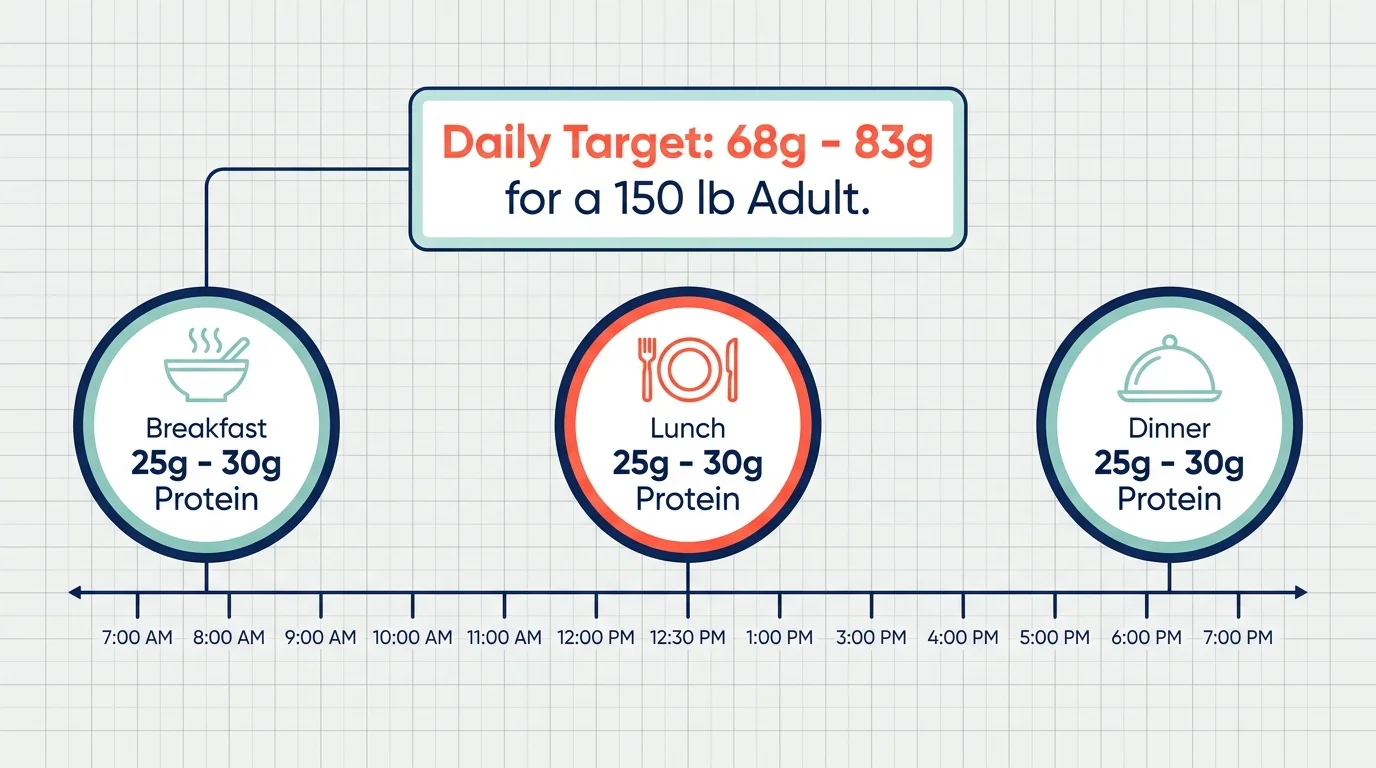
If you prefer calculating in pounds, this translates to roughly 0.45 to 0.55 grams of protein per pound. For an adult weighing one hundred and fifty pounds, the target lands securely between sixty-eight and eighty-three grams of high-quality protein every single day.
If you are recovering from a severe illness, a recent injury, or a surgical procedure, your body demands even more—sometimes pushing the clinical requirement up to 1.5 grams per kilogram to support profound tissue healing.
The amino acid leucine serves as the primary metabolic spark plug for this entire muscle-building process. Foods naturally rich in leucine, such as dairy products, poultry, fish, and certain hearty legumes, are particularly effective at waking up aging muscles and encouraging them to rebuild.
Strategic Meal Planning for Maximum Absorption
Hitting your daily nutritional target requires much more than simply eating a massive steak at dinner.
Your body cannot store excess dietary protein for later use, meaning that consuming fifty grams in one sitting and very little the rest of the day will not optimize your muscle health.
Instead, you need to practice a method called protein pacing, which involves spreading your nutritional intake evenly across all your meals.
Aiming for twenty-five to thirty grams of protein per meal provides the optimal threshold required to overcome anabolic resistance and maximize muscle protein synthesis from morning until night.
Let us look at how this pacing strategy plays out in real-world dining routines. Breakfast is historically the weakest meal for protein intake in standard Western diets, often consisting of simple carbohydrates like toast, sugary cereal, or fruit.
To transform your morning routine into a muscle-building opportunity, you might swap your standard sweetened yogurt for one cup of plain Greek yogurt; this simple change delivers about twenty grams of protein.
You can then top it with a handful of crushed almonds and a spoonful of hemp seeds to easily push you past the twenty-five-gram mark.
Alternatively, preparing three scrambled eggs alongside a slice of sprouted whole-grain toast and a light sprinkle of sharp cheese offers a robust, leucine-rich start to your busy day.
When lunchtime rolls around, you should skip the sparse, leafy side salads and prioritize a highly substantial protein source.
Four ounces of grilled chicken breast or a generous serving of canned wild salmon mixed with olive oil and fresh herbs can easily supply thirty grams of protein.
You can pair these lean meats with quinoa—a unique whole grain that naturally contains a complete amino acid profile—and a serving of roasted root vegetables for necessary dietary fiber and antioxidants. For dinner, you have the perfect opportunity to incorporate diverse culinary variety.
A six-ounce fillet of baked cod or haddock provides a lean, easily digestible source of protein that will not leave you feeling uncomfortably full before bed.
If you prefer plant-based dining options, a hearty, warming stew made with one cup of brown lentils, chunks of firm tofu, and dark leafy greens can deliver an impressive protein payload while also supplying essential iron and magnesium.
You can find comprehensive, evidence-based resources on balancing your daily macronutrients through the Dietary Guidelines for Americans, which offers tailored nutritional advice specifically designed for older adult populations.

Integrating Movement, Sleep, and Community
Superior nutrition alone cannot magically rebuild lost muscle tissue; your body requires a distinct physical demand to trigger the building process. Resistance training acts as the essential, non-negotiable partner to your increased protein intake.
When you lift weights, use elastic resistance bands, or perform bodyweight exercises like deep squats and modified push-ups, you create microscopic tears in your muscle fibers.
Your body then immediately uses the protein you consumed to repair these tiny tears, making the muscle significantly stronger and more resilient than it was before. You do not need to become a competitive weightlifter to reap these life-changing benefits.
Engaging in targeted, controlled strength training just two to three times a week significantly amplifies the muscle-preserving effects of a high-protein diet.
For safe, highly effective exercise routines tailored specifically to aging bodies, you can consult the trusted physical activity recommendations provided by the Centers for Disease Control and Prevention.
Beyond daily movement, your overall lifestyle deeply influences how efficiently your digestive system utilizes nutrients. Adequate, high-quality sleep is absolutely paramount.
During deep sleep cycles, your brain releases human growth hormone, a vital biochemical component in the tissue repair process. Conversely, chronic sleep deprivation severely elevates your cortisol levels; this stress hormone actively breaks down precious muscle tissue and promotes unwanted abdominal fat storage.
Managing your daily psychological stress through mindful breathing exercises, gentle restorative yoga, or regular walks in local parks can keep your cortisol strictly in check.
Furthermore, you should never underestimate the profound power of social connection in shaping your dietary habits. Many older adults experience a naturally reduced appetite or find the daily chore of cooking for one to be exhausting, which inadvertently leads to silent protein malnutrition.
Sharing meals with friends, family members, or local community groups can naturally increase your overall food intake and make the dining experience highly enjoyable rather than a solitary, burdensome task.

Monitoring Biomarkers and Medication Interactions
While strategically increasing your protein intake offers remarkable benefits for your skeletal muscle and bone density, you must approach all dietary shifts with a thorough understanding of your unique medical profile. The most common clinical concern raised regarding high-protein diets involves renal function.
For individuals with healthy kidneys, consuming up to 1.2 grams of protein per kilogram of body weight is entirely safe and will not cause long-term renal damage.
However, if you live with a preexisting condition such as chronic kidney disease, your kidneys may actively struggle to filter the nitrogenous byproducts of heavy protein metabolism. In these specific cases, an unmonitored high-protein diet could accelerate kidney decline.
Therefore, you must check your estimated glomerular filtration rate—a standard blood marker of kidney function—during your routine medical panels.
If you have any degree of established renal impairment, you should collaborate directly with a clinical dietitian who can meticulously calculate a safe, modified protein target for you.
For highly detailed information on preserving your renal health, the National Institute of Diabetes and Digestive and Kidney Diseases provides excellent, patient-centered clinical insights.
Medication interactions represent another critical layer of dietary safety. Certain common prescriptions require highly specific dietary timing to function properly in your system.
For example, Levodopa—a standard medication used globally to manage Parkinson’s disease symptoms—competes directly with dietary amino acids for absorption in the small intestine.
Consuming a heavy, protein-rich meal simultaneously with this medication can severely blunt the drug’s clinical efficacy, leading to increased physical tremors and joint stiffness.
If you take medications that are highly sensitive to dietary proteins, you will need to schedule your doses meticulously, often taking the medication thirty to sixty minutes before sitting down to a meal.
Frequently Asked Questions About Protein Intake
How can I meet my protein goals when dining out?
Navigating restaurant menus requires a bit of advanced strategy, but you can easily prioritize your protein intake without sacrificing flavor or enjoyment.
When ordering your meal, look closely for entrees that feature baked, grilled, or broiled meats, poultry, or fish as the undisputed centerpiece of the plate.
You can politely ask your server for a slightly larger portion of the primary protein and request that heavy, calorie-dense sauces be served strictly on the side.
If you are visiting a restaurant that specializes heavily in pasta or salads, proactively add a side of grilled chicken, seasoned shrimp, or a hearty scoop of garbanzo beans to your dish.
Substituting starchy, low-nutrient sides for a double portion of steamed vegetables or an extra side of cottage cheese can also dramatically elevate the nutritional profile of your restaurant meal.
What are the best budget-friendly protein alternatives?
Securing adequate, high-quality nutrition does not require you to spend your entire monthly grocery budget on premium cuts of steak or fresh, wild-caught seafood. Some of the most incredibly nutrient-dense protein sources available are highly affordable.
Whole eggs remain one of the most cost-effective and biologically complete proteins on the market, easily incorporated into virtually any meal of the day. Canned tuna and canned wild salmon offer excellent, highly shelf-stable protein alongside heart-healthy omega-3 fatty acids.
Plant-based options like dried lentils, chickpeas, and black beans are remarkably cheap, store beautifully in your pantry for months, and provide the distinct added benefit of vital dietary fiber.
Plain Greek yogurt and classic cottage cheese also offer an exceptionally high protein-to-cost ratio, making them perfect, everyday staples for budget-conscious shoppers.
Should I rely heavily on protein shakes or dietary supplements?
Your primary nutritional goal should always be to source your vital nutrients from whole foods, as they provide a complex, synergistic matrix of vitamins, minerals, and digestive cofactors that isolated supplements entirely lack.
However, protein shakes and formulated powders serve as excellent, highly practical tools when your natural appetite is low, or when chewing dense meats becomes difficult due to common dental issues.
A high-quality whey or pea protein isolate can easily add twenty to thirty grams of highly bioavailable protein to a simple morning smoothie.
When selecting a commercial supplement, read the ingredient label carefully to avoid products loaded with added sugars, artificial chemical fillers, or excessive heavy metals.
You can readily consult government resources like the Office of Dietary Supplements to better understand exactly how to evaluate product safety and clinical efficacy.
How can I adapt these recommendations to a plant-based or traditional cultural diet?
You absolutely do not need to consume massive quantities of animal meat to protect your muscle health as you age. If you follow a strict vegetarian or vegan lifestyle, you can easily meet your demanding physical needs by strategically combining diverse plant proteins.
While some individual plant sources lack one or more essential amino acids, eating a highly varied diet throughout the day—such as combining brown rice with black beans, or consuming natural peanut butter on sprouted whole wheat bread—ensures you get a completely functional amino acid profile.
Traditional cultural diets often naturally incorporate these brilliant, nutrient-dense pairings; for instance, a vibrant Asian tofu stir-fry, a rich Indian lentil dal, or a traditional Mexican bean soup can all be seamlessly adapted to meet rigorous senior protein requirements.
The ultimate key is simply adjusting the physical portion sizes of the protein-rich components to consistently hit that critical twenty-five to thirty-gram threshold per meal.
Taking Charge of Your Nutritional Health
Protecting your physical independence starts with the everyday, practical choices you make right at your dining table.
Taking strict control of your daily nutrition is a profoundly powerful act of self-care that pays immediate, noticeable dividends in your daily energy levels and your long-term physical strength. You do not need to overhaul your entire lifetime diet overnight.
Start by tracking the exact protein content in just one meal a day—perhaps focusing your initial efforts on transforming your breakfast first. Once you master that single morning routine, you can naturally expand your focus to lunch and dinner.
Share these specific, measurable nutritional goals with your primary care physician or a registered clinical dietitian to ensure your dietary approach perfectly aligns with your ongoing medical history.
By actively prioritizing your daily protein intake today, you are laying a sturdy, highly resilient physical foundation for a vibrant, independent, and fiercely active tomorrow.