Joint stiffness, creeping fatigue, and aching muscles often masquerade as the normal, unavoidable signs of growing older. However, beneath the surface of these daily discomforts lies a silent, simmering biological fire known as chronic inflammation. Gerontologists and immunologists have coined the term “inflammaging” to describe this low-grade, persistent immune response. The World Health Organization identifies this underlying immune dysfunction as a central factor that accelerates the aging process and drives the development of conditions like osteoarthritis, cardiovascular disease, and cognitive decline. When you reach your sixties and beyond, your immune system naturally shifts its behavior; it begins producing inflammatory markers even in the absence of an infection or injury. You do not have to accept this constant state of cellular inflammation as your permanent reality. By fundamentally restructuring your daily meals, you can actively cool this internal fire. Natural, nutrient-dense foods contain powerful bioactive compounds that signal your immune system to stand down, offering a potent, delicious strategy to protect your mobility, memory, and overall vitality.

Understanding the Mechanisms of Inflammaging
To effectively combat chronic inflammation, you must first understand how it operates within your body. Acute inflammation serves a vital purpose; it acts as your immune system’s rapid response team, dispatching white blood cells to heal a cut or fight off a respiratory virus. Once the threat passes, the response shuts down. Chronic inflammation, conversely, never receives the signal to turn off. Your immune cells remain perpetually activated, circulating continuously through your bloodstream and tissues. Over time, these hyperactive cells begin damaging healthy tissue, breaking down joint cartilage, hardening arteries, and disrupting insulin sensitivity.
Diet fundamentally influences this complex physiological process. The standard modern diet, laden with refined sugars, heavily processed meats, and artificial additives, acts as an accelerant for the inflammatory fire. These ultra-processed ingredients trigger the release of pro-inflammatory cytokines, such as interleukin-6 and tumor necrosis factor-alpha. By contrast, a dietary pattern rich in whole, plant-based foods and marine-derived fats provides the molecular blueprints your body needs to manufacture anti-inflammatory mediators. Foods rich in antioxidants work precisely by hunting down and neutralizing free radicals—unstable molecules that damage your cellular DNA and provoke further immune overreaction. Clinical resources like the National Institute on Aging emphasize that modulating your diet remains one of the most effective, accessible interventions you can leverage to manage this age-related immune dysfunction and preserve your long-term independence.

Your Daily Food Strategy: 7 Anti-Inflammatory Superfoods
Transitioning to an anti-inflammatory eating pattern does not require a restrictive, punishing diet; rather, it demands that you strategically flood your system with specific, nutrient-dense ingredients. By incorporating the following seven superfoods into your weekly routine, you can directly influence your body’s inflammatory pathways and build a robust nutritional defense system.
1. Vibrant Berries for Anthocyanin Power
Blueberries, strawberries, raspberries, and blackberries offer far more than natural sweetness. These fruits derive their deep reds, blues, and purples from specific flavonoids called anthocyanins, alongside other protective compounds like ellagic acid. Anthocyanins serve as powerful antioxidant agents that directly inhibit the production of inflammatory markers. Clinical research consistently demonstrates that seniors who consume berries daily exhibit significantly lower levels of inflammatory proteins in their bloodstreams. Aim for at least one-half cup of fresh or unsweetened frozen berries every day. You can easily stir them into your morning bowl of steel-cut oatmeal, blend them into a protein-rich smoothie, or enjoy them alongside a handful of raw almonds for a satisfying afternoon snack.
2. Fatty Fish for Essential Omega-3 Fatty Acids
Cold-water fatty fish—such as wild-caught salmon, mackerel, sardines, and trout—provide the richest natural sources of eicosapentaenoic acid (EPA) and docosahexaenoic acid (DHA). These long-chain omega-3 fatty acids act as profound immune modulators. Your body converts EPA and DHA into specialized pro-resolving mediators, which are molecules specifically tasked with turning off the inflammatory response and initiating tissue repair. The Academy of Nutrition and Dietetics recommends consuming two to three four-ounce servings of fatty fish per week. If you dislike cooking whole fish fillets, you can toss canned wild salmon into a dark green salad or mash sardines onto whole-grain toast with a squeeze of fresh lemon juice.
3. Dark Leafy Greens to Neutralize Oxidative Stress
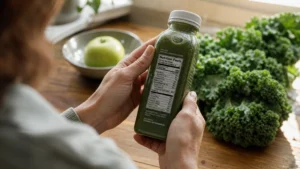
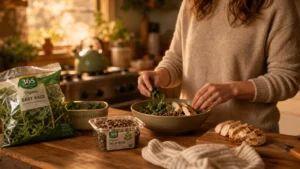
Spinach, kale, Swiss chard, and collard greens operate as nutritional powerhouses that fortify your body’s cellular defenses. These dark, robust greens deliver exceptional concentrations of vitamin E, vitamin C, and beta-carotene, alongside essential minerals like magnesium and folate. Folate plays a critical role in cellular methylation and DNA repair, while magnesium directly calms systemic inflammation—yet a significant percentage of older adults fall dangerously short of their daily requirements. Cooking your greens slightly can help break down tough cell walls and enhance nutrient absorption. Try sautéing a large handful of spinach in olive oil with minced garlic, or fold chopped Swiss chard into your morning vegetable omelet. Ensure you consume at least one generous cup of cooked greens, or two cups of raw greens, on a daily basis.
4. Extra Virgin Olive Oil as a Liquid Anti-Inflammatory
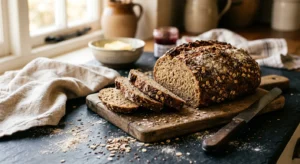
Extra virgin olive oil stands as the foundational fat of the celebrated Mediterranean diet, and its anti-inflammatory properties are exceptionally well documented. High-quality extra virgin olive oil contains a unique phenolic compound called oleocanthal. Scientists have discovered that oleocanthal exerts the exact same pharmacological mechanism in the body as ibuprofen; it effectively blocks the cyclooxygenase enzymes that drive pain and inflammation. To protect these delicate phenolic compounds from heat degradation, use extra virgin olive oil primarily for low-heat cooking or as a raw finishing touch. Drizzle one to two tablespoons daily over roasted root vegetables, whisk it into a homemade vinaigrette for your salads, or use it in place of butter on your whole-grain breads.
5. Turmeric to Target Joint Discomfort
Turmeric, the brilliant yellow spice widely used in global curries, contains the highly active polyphenol curcumin. Curcumin possesses an extraordinary ability to interact with multiple inflammatory pathways simultaneously, making it particularly effective for seniors managing osteoarthritis and daily joint stiffness. Because the human digestive tract struggles to absorb curcumin on its own, you must actively pair turmeric with black pepper. Black pepper contains piperine, a potent alkaloid that enhances curcumin absorption by up to two thousand percent. Furthermore, curcumin is lipophilic, meaning it binds to fats. Incorporate turmeric into your routine by whisking it into a warm mug of golden milk made with whole fat, generously seasoning your olive oil-roasted cauliflower, or adding a teaspoon to your rich lentil stews.
6. Walnuts to Protect Cellular Health
While all tree nuts provide healthy dietary fats and plant-based protein, walnuts hold a unique advantage in the fight against inflammaging. They represent the absolute highest nut-based source of alpha-linolenic acid (ALA), a vital plant-based omega-3 fatty acid. Beyond their ALA content, walnuts contain an array of complex polyphenols that your native gut bacteria metabolize into urolithins, which are specialized compounds known to actively suppress inflammation within the digestive tract. Consume a one-ounce serving—roughly fourteen walnut halves—most days of the week. You can crush them over a bowl of Greek yogurt, toss them into a vibrant fruit salad, or simply keep a small container in your bag for a convenient, heart-healthy snack on the go.
7. Tomatoes for Lycopene-Driven Protection
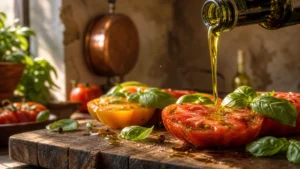
Tomatoes deliver an impressive, concentrated dose of lycopene, a potent carotenoid antioxidant strongly associated with reduced systemic inflammation and a significantly lowered risk of cardiovascular disease. Unlike many delicate vegetables that lose their nutritional value during the cooking process, tomatoes actually become drastically healthier when heated. Cooking tomatoes breaks down their tough cellular matrix, making the lycopene far easier for your body to extract and absorb. Pairing these cooked tomatoes with a healthy fat further maximizes this vital absorption process. Slowly simmer crushed tomatoes with olive oil, garlic, and fresh basil to create a deeply nourishing marinara sauce, or roast cherry tomatoes in the oven until they blister and burst with concentrated flavor.

The Lifestyle Layer: Movement, Sleep, and Stress
No single superfood can entirely outpace the inflammatory effects of a highly sedentary lifestyle or chronic exhaustion. Managing your overall health requires you to view your diet as just one crucial piece of a comprehensive, anti-inflammatory puzzle. Regular physical activity plays an indispensable role in this equation. When your muscles contract during exercise, they release protective anti-inflammatory cytokines that circulate throughout your entire body. The Centers for Disease Control and Prevention advises older adults to engage in at least one hundred and fifty minutes of moderate-intensity aerobic activity each week. Brisk walking, water aerobics, and cycling are excellent, highly accessible ways to meet this goal without placing excessive, damaging strain on your aging joints.
Sleep hygiene similarly dictates your body’s innate ability to repair itself. During the deep stages of sleep, your immune system recalibrates and clears out toxic cellular waste products that accumulate during the day. Seniors who consistently sleep fewer than six hours per night demonstrate significantly higher baseline levels of inflammatory markers. Establish a calming evening routine, keep your bedroom cool, and deliberately turn off illuminated screens at least an hour before you intend to sleep. Finally, do not underestimate the profound physiological impact of chronic stress and social isolation. Prolonged psychological stress elevates circulating cortisol levels; eventually, this causes your immune cells to become resistant to cortisol’s regulating effects, thereby fueling systemic inflammation. Cultivate strong social connections, join local community groups, or practice daily mindfulness exercises to lower your stress burden and protect your delicate immune health.

Monitoring Progress and Ensuring Safety
Before implementing sweeping, dramatic changes to your diet, you must consult your primary care physician or a registered clinical dietitian. You can work directly with your healthcare provider to establish clear baseline metrics for your systemic inflammation by requesting a high-sensitivity C-reactive protein (hs-CRP) blood test. A high-sensitivity CRP test measures a specific protein produced by your liver in response to systemic inflammation. While standard CRP tests detect acute, severe infections, the high-sensitivity version can successfully identify the subtle, low-grade inflammation associated with cardiovascular risk and inflammaging. Tracking this objective biomarker over several months provides concrete data regarding exactly how well your dietary modifications are working.
Furthermore, physiological safety must remain your absolute highest priority, particularly if you manage pre-existing conditions with prescription medications. Food and drug interactions occur far more frequently than most realize and can carry serious medical consequences. For instance, significantly increasing your intake of dark leafy greens alters your circulating vitamin K levels, which can dangerously interfere with the efficacy of common blood-thinning medications like warfarin. Similarly, taking high doses of omega-3s from fatty fish or concentrated supplements can unintentionally amplify the bleeding risks associated with antiplatelet drugs. The Food and Drug Administration clearly cautions that even highly natural foods exert potent pharmacological effects in the body. Always bring a detailed, transparent list of your dietary changes to your doctor appointments so your medical team can adjust your medication dosages safely if required.
Frequently Asked Questions
How can I maintain an anti-inflammatory diet when dining out at restaurants?
Restaurant meals often rely on cheap, highly refined seed oils and excessive sodium, both of which actively provoke inflammation. You can fiercely protect your progress by reviewing menus online before you arrive. Seek out entrees centered on grilled fish, roasted poultry, or plant-based proteins. Ask your server to substitute heavy cream sauces with a simple side of extra virgin olive oil and fresh lemon wedges. Request that your vegetables be steamed or lightly sautéed in olive oil rather than heavily coated in butter, and strategically choose a side salad or baked potato instead of deep-fried accompaniments.
Are there budget-friendly alternatives to expensive fresh superfoods?
Absolutely. Managing inflammation naturally does not require a massive, unsustainable grocery budget. Frozen berries and frozen dark leafy greens maintain the exact same nutritional profile as their fresh counterparts because they are flash-frozen at peak ripeness. Canned wild salmon and sardines offer incredibly affordable, shelf-stable sources of premium omega-3 fatty acids. You can also rely on inexpensive, bulk staples like dried lentils, black beans, and brown rice to provide the high-fiber foundation your gut microbiome absolutely needs to suppress systemic inflammation.
Should I take nutritional supplements instead of eating these superfoods?
While targeted supplements can successfully correct specific, clinically diagnosed nutrient deficiencies, they simply cannot replicate the complex synergy found naturally in whole foods. A whole blueberry provides vital fiber, hydration, essential vitamins, and hundreds of distinct phytochemicals that all work together to maximize human absorption and effectiveness. An isolated supplement pill strips away this crucial biological teamwork. Rely heavily on whole foods as your primary intervention and discuss targeted supplementation, such as a high-quality fish oil or a vitamin D3 capsule, exclusively with your primary medical provider.
How can I adapt these recommendations to fit my specific cultural cuisine?
Anti-inflammatory principles translate beautifully and seamlessly across all global food traditions. If your cultural heritage leans heavily on bold, aromatic spices, you already have a significant advantage; ginger, cardamom, cinnamon, and cloves all possess powerful, scientifically backed anti-inflammatory properties. You can easily swap Western greens like spinach for locally available options like bok choy, amaranth leaves, collards, or bitter melon. The core objective remains entirely universal: maximize your daily intake of colorful, plant-based foods, prioritize healthy dietary fats, and aggressively minimize your exposure to ultra-processed ingredients.
Take Charge of Your Healing Journey
Navigating the complex physical realities of aging requires adaptability, patience, and a deep willingness to rethink your daily relationship with food. You hold immense, untapped power over your daily health outcomes simply through the contents of your grocery cart. Do not attempt to aggressively overhaul your entire life overnight, as this often leads to rapid burnout. Instead, deliberately choose just one actionable habit to track this coming week. Perhaps you will add a handful of crushed walnuts to your breakfast tomorrow, or commit to eating exactly one serving of wild fatty fish by the weekend. Share these specific, tangible goals with your trusted healthcare team to ensure you remain fully supported and medically safe. Every single nutritious choice you make acts as a powerful, deliberate step toward cooling chronic inflammation, reclaiming your lost energy, and preserving the vibrant quality of life you inherently deserve.