According to the Centers for Disease Control and Prevention, a significant majority of adults over the age of sixty-five live with at least one chronic condition, while millions manage two or more. This reality puts your daily nutritional approach directly in the spotlight. The foods you consume dictate how you feel, how effectively your medications function, and how much physical energy you have to enjoy your daily routines. Continuing to eat the exact same way you did in your thirties or forties ignores the profound physiological shifts occurring within your body. By strategically avoiding a few specific dietary pitfalls, you actively protect your heart, preserve your cognitive function, and maintain your independence.
The Physiology of Aging and Digestion
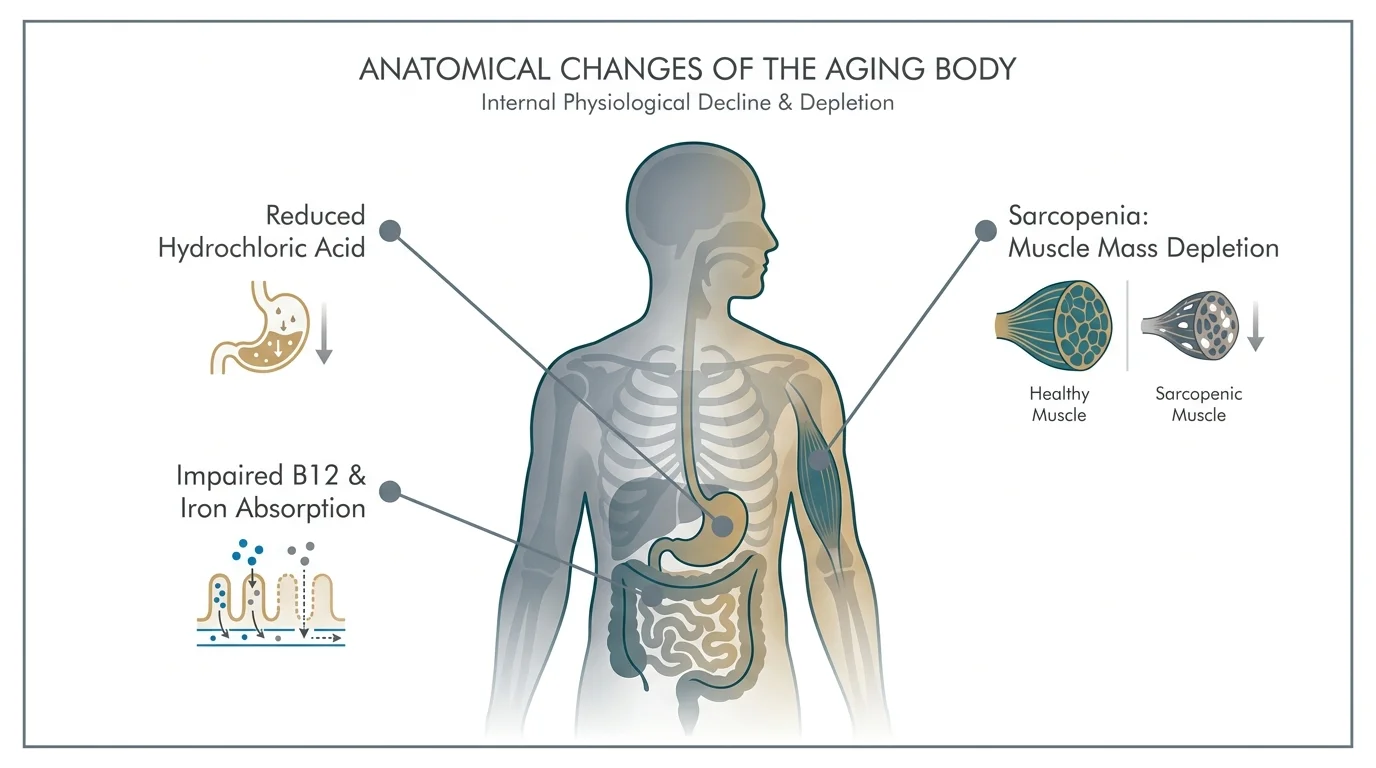
As you cross into your sixties and beyond, your body undergoes critical shifts that redefine how you extract nutrients from your meals. The rate at which your cells metabolize energy naturally decelerates, meaning you require fewer calories to maintain your current weight. However, your demand for specific micronutrients actually increases, creating a complex metabolic puzzle. Your stomach produces less hydrochloric acid, which directly impairs your ability to absorb crucial elements like calcium, iron, and vitamin B12. This reduction in gastric acid alters the speed at which food moves through your gastrointestinal tract, frequently leading to sluggish digestion and an unpredictable appetite.
Furthermore, your body faces a gradual loss of skeletal muscle mass known as sarcopenia. Without adequate high-quality dietary protein and targeted movement, this muscle depletion accelerates, ultimately compromising your physical strength and daily mobility. Managing these intricate metabolic changes requires precision; you must maximize the nutritional density of every bite while intentionally minimizing empty calories that offer no functional benefit to your aging cells.
The 5 Worst Foods for Seniors and Smart Swaps
1. Processed Deli Meats and Hot Dogs
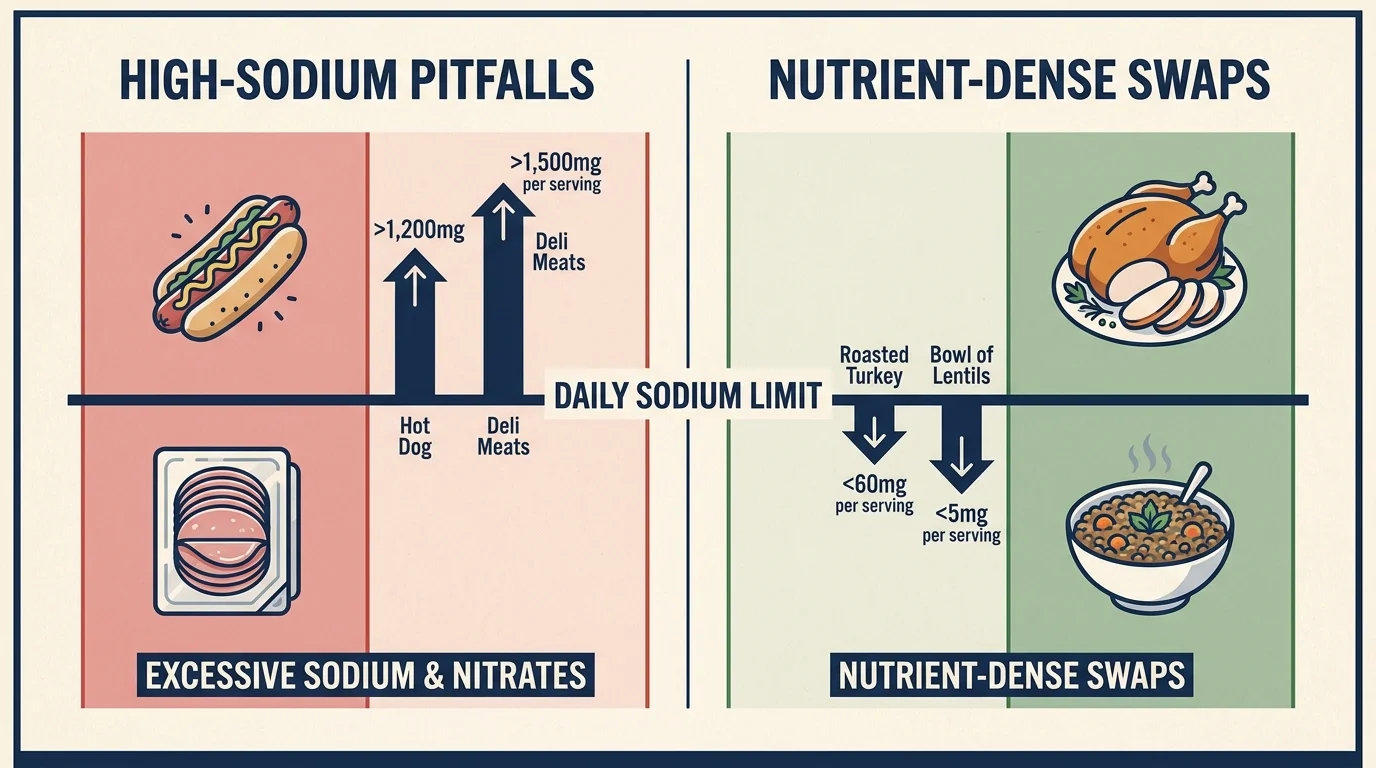
Cured and processed meats stand out as some of the most detrimental dietary choices for aging adults. Products like hot dogs, packaged salami, bacon, and generic deli cold cuts undergo manufacturing processes that pack them with excessive sodium and chemical preservatives like nitrates. As your blood vessels age, they naturally lose some of their youthful elasticity, making your cardiovascular system highly vulnerable to the blood-pressure-spiking effects of high-sodium meals. Consuming a single serving of these processed meats easily exhausts a large portion of your daily recommended sodium limit, straining your heart and kidneys while increasing your risk for fluid retention and hypertension.
Instead of relying on these convenient but harmful proteins, you should pivot toward fresh, minimally processed alternatives. Roasting a whole turkey breast at the beginning of the week provides a ready supply of savory, low-sodium meat for daily sandwiches and salads. If you prefer plant-based options, preparing a robust batch of seasoned lentils or chickpeas delivers exceptional protein and dietary fiber without any of the dangerous cardiovascular side effects associated with heavily preserved meats.
2. Sugary Breakfast Cereals and Pastries
Starting your morning with an artificially colored cereal or a fruit-filled commercial pastry sets off a chaotic chain reaction within your bloodstream. As you age, your cellular response to insulin becomes significantly less efficient, making it much harder for your body to quickly clear sudden influxes of glucose from your blood. Consuming a breakfast dominated by refined carbohydrates and added sugars guarantees an immediate, sharp spike in your blood sugar, which is inevitably followed by a severe mid-morning crash. This volatile cycle not only drains your energy levels and leaves you feeling fatigued, but it also drives systemic inflammation and increases your risk of developing type 2 diabetes.
To establish a strong foundation for your daily energy, you need a breakfast anchored in complex carbohydrates, healthy fats, and high-quality protein. Steel-cut or rolled oats slow-cooked with unsweetened almond milk and generously topped with fresh berries and crushed walnuts offer a vastly superior alternative. The dense dietary fiber in the oats slows digestion and creates a steady, reliable release of glucose, while the walnuts provide essential omega-3 fatty acids that actively support your cognitive health and reduce joint inflammation.
3. Grapefruit and Grapefruit Juice
While grapefruit boasts an impressive profile of vitamins and antioxidants, it carries a unique and potentially dangerous hidden risk for older adults managing chronic health conditions. This tart citrus fruit contains active chemical compounds known as furanocoumarins, which directly interfere with the CYP3A4 enzyme in your intestinal tract. Your body relies on this specific enzyme to safely break down and metabolize dozens of common prescription medications, including popular statins used to manage high cholesterol and various drugs prescribed for high blood pressure or heart arrhythmias. When you consume grapefruit or its juice, you block this vital enzyme, causing the medication to rapidly accumulate in your bloodstream at toxic levels rather than being properly processed.
This interaction can trigger severe muscle damage, liver toxicity, and dangerous drops in your blood pressure. You must carefully review your medication inserts and consult your pharmacist about potential food interactions. Fortunately, you can easily obtain the exact same vitamin C and hydration benefits by enjoying alternative fruits that do not disrupt your medications. Sweet oranges, juicy clementines, and vibrant mixed berries provide excellent immune support and delicious flavor without threatening your medical safety.
4. Unpasteurized Dairy and Raw Sprouts
Your immune system naturally undergoes a gradual weakening process as the decades pass, a phenomenon clinically referred to as immunosenescence. This physiological decline makes it substantially harder for your body to fight off foodborne pathogens that a younger immune system might quickly neutralize. Consequently, consuming unpasteurized milk, raw milk cheeses like traditional bries, and raw vegetable sprouts introduces an unnecessary and severe risk to your health. These specific foods act as notorious breeding grounds for dangerous bacteria such as Listeria, Salmonella, and E. coli. For an older adult, a foodborne illness is rarely just a passing inconvenience; it can easily escalate into a life-threatening crisis requiring intensive hospital care and causing severe dehydration.
You can completely eliminate this risk by making simple, secure modifications to your grocery list. Always verify that your milk, yogurt, and soft cheeses bear a clear label confirming they are pasteurized, a heating process that safely destroys harmful bacteria without compromising the calcium and protein content. When you want the nutritional benefits of sprouts or dark leafy greens, thoroughly cooking them into a warm stir-fry or a hearty soup ensures they are entirely safe for your digestive system.
5. Deep-Fried and Heavily Battered Foods
Foods submerged in boiling oil, such as fried chicken, traditional french fries, and battered fish fillets, deliver a massive dose of unhealthy fats and harmful chemical compounds that aggressively accelerate the aging process. The extreme heat required for deep-frying transforms cooking oils and creates advanced glycation end products, complex compounds that accumulate in your bodily tissues and heavily promote cellular inflammation and oxidative stress. Over time, a diet rich in these fried items stiffens your arteries, aggravates joint pain associated with osteoarthritis, and significantly increases your risk of cardiovascular events.
Furthermore, the thick breading on these foods acts like a sponge, soaking up excess calories that contribute to unwanted weight gain and place additional mechanical stress on your aging joints. You do not have to sacrifice satisfying textures to protect your heart. Modern cooking techniques make it incredibly easy to achieve a delightful, crispy finish without the damaging deep-fryer. Coating lean cuts of fish or chicken in crushed almonds and baking them in the oven, or utilizing an air fryer to crisp up seasoned potato wedges with just a light mist of extra virgin olive oil, delivers all the savory crunch you crave while actively protecting your cardiovascular system.

Integrating Lifestyle Habits for Optimal Aging
Your nutritional choices interact dynamically with your broader daily lifestyle habits. Preserving your muscle mass and bone density requires a synergistic approach that pairs high-quality protein consumption with consistent physical movement. Engaging in regular resistance training, whether lifting light dumbbells or practicing bodyweight exercises, signals your muscles to actively utilize the amino acids you consume. Beyond movement, your sleep hygiene fundamentally dictates your metabolic health and dietary choices. Poor sleep quality actively disrupts the hormones that control your hunger and satiety, frequently driving intense cravings for the exact sugary and fried foods you are attempting to avoid. Prioritize seven to eight hours of restorative sleep by maintaining a cool, dark bedroom environment.
Furthermore, the social context of your meals carries immense psychological and physical weight. Eating in isolation often contributes to a depressed appetite and an increased reliance on highly processed convenience foods. Whenever possible, share your meals with family members or friends. Social engagement transforms eating from a necessary chore into an enjoyable event, naturally encouraging you to prepare more robust, balanced meals while reducing the heavy burden of chronic stress and loneliness.
Monitoring Biomarkers and Safety Red Flags
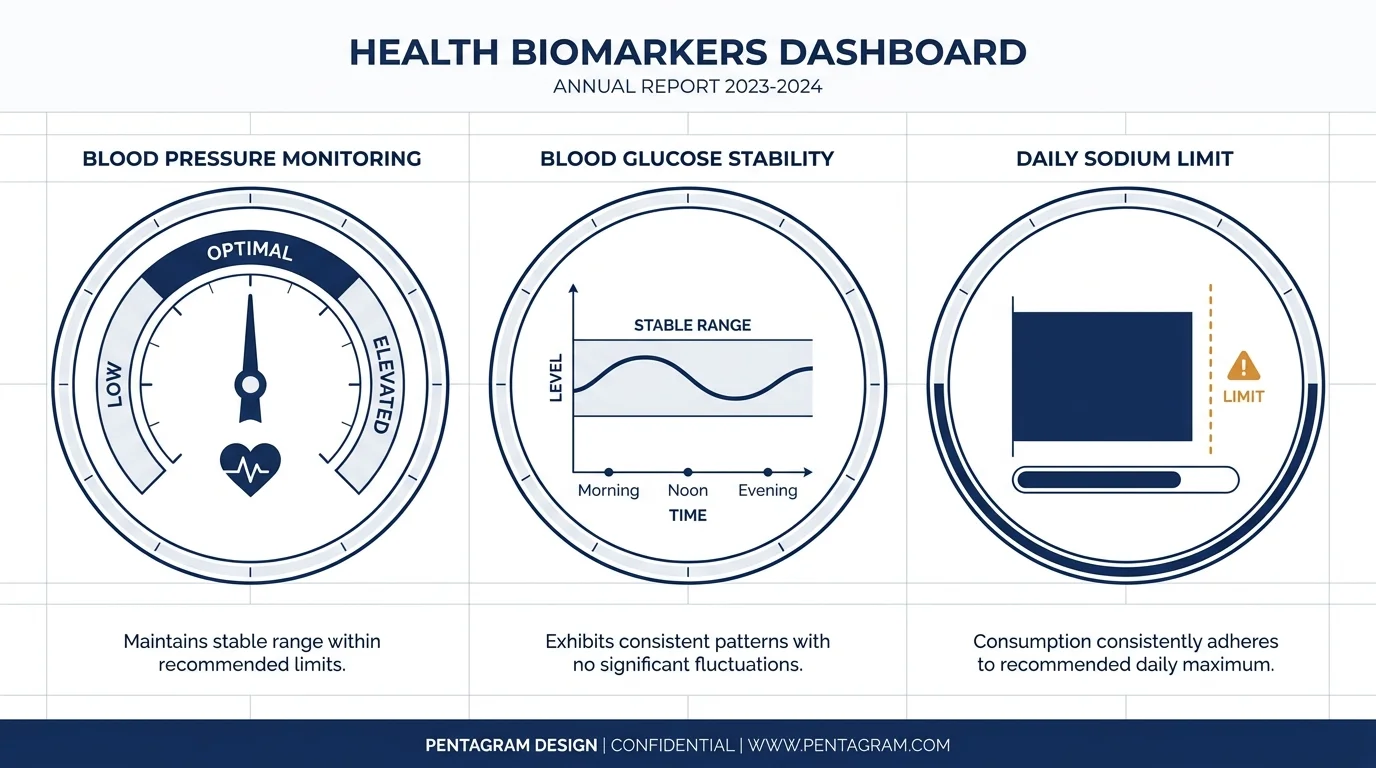
Transforming your diet requires diligent observation and regular collaboration with your healthcare provider to ensure your changes yield positive medical results. You must actively track specific biomarkers through routine blood panels to gauge your physiological progress. Ask your physician to regularly check your hemoglobin A1c to monitor long-term blood sugar control, assess your complete lipid profile to verify your cardiovascular health, and measure your vitamin D and B12 levels to catch any age-related deficiencies before they manifest as severe fatigue or bone weakness.
While food is powerful medicine, it must not disrupt your prescribed pharmaceutical regimens. Always maintain an open dialogue with your doctor when introducing significantly higher volumes of leafy greens into your diet, as the sudden increase in vitamin K can drastically alter the efficacy of blood-thinning medications. Similarly, replacing processed foods with large amounts of high-potassium fruits and vegetables requires medical oversight if you manage chronic kidney disease. Stay vigilant for systemic red flags that demand immediate medical evaluation. Unintentional, rapid weight loss, sudden difficulty swallowing, or a complete loss of appetite are not normal parts of aging; they represent urgent signals that require a comprehensive clinical assessment to rule out underlying medical emergencies.
Frequently Asked Questions
How can you make healthy choices when dining out?
Navigating restaurant menus requires a strategic approach, as commercial kitchens heavily rely on hidden sodium and excess butter to enhance flavor. You can protect your nutritional goals by reviewing the menu online before you arrive, allowing you to make a logical decision without the pressure of a rushing server. Always request that your proteins be grilled, baked, or broiled rather than pan-fried. Ask your server to pack half of your entree in a to-go box before the plate even reaches the table, immediately securing appropriate portion control and providing you with a nutritious lunch for the following day.
What are budget-friendly alternatives to expensive superfoods?
You do not need to spend excessive amounts of money on trendy superfoods to achieve an exceptional diet. Generic frozen vegetables and fruits offer the exact same, and sometimes superior, nutrient density as their fresh counterparts because they are flash-frozen at the peak of their ripeness. Replacing premium cuts of meat with humble plant-based staples like dried beans, green lentils, and brown rice dramatically slashes your grocery bill while providing superior fiber and heart-healthy complex carbohydrates. Purchasing store-brand rolled oats and bulk unsalted seeds delivers phenomenal nutrition at a fraction of the cost of heavily marketed packaged health foods.
Should you rely on nutritional supplements?
Dietary supplements serve as targeted tools to bridge specific nutritional gaps, but they cannot replace the complex, synergistic benefits of whole foods. Because your digestive efficiency declines with age, a high-quality B12 supplement or a carefully dosed vitamin D capsule often becomes clinically necessary to maintain your neurological and skeletal health. However, you must approach supplementation with caution, as high doses of specific vitamins can heavily interact with your daily medications and strain your liver. You should always demand a clinical justification for every pill you take, working closely with a registered dietitian to confirm exactly which supplements your unique bloodwork requires.
How can you adapt traditional cultural meals to be healthier?
Preserving your cultural heritage through food remains vital for your emotional well-being and sense of identity. You can modernize your beloved family recipes by making subtle ingredient substitutions that dramatically improve their nutritional profile without sacrificing their authentic soul. If a traditional dish calls for heavy cream or lard, experiment with swapping in plain Greek yogurt or a moderate amount of extra virgin olive oil. For recipes centered around refined white rice or generic white flour, gradually integrate whole grain alternatives to boost the fiber content. These respectful, incremental modifications allow you to honor your culinary traditions while aggressively protecting your cardiovascular health.
Take Charge of Your Nutritional Journey
Optimizing your diet in your later years is not about restriction, deprivation, or punishing yourself for past dietary habits; it is about aggressively preserving your independence and enhancing your daily vitality. You hold immense power over how you experience the aging process, and every meal provides a fresh opportunity to nourish your cells and protect your critical organ systems.
Take action today by identifying just one of the harmful foods discussed in this guide and committing to its healthier alternative for the next seven days. Share this specific, measurable goal with your primary care physician or a clinical dietitian during your next appointment, establishing a structured circle of accountability. By making intentional, informed adjustments to your plate, you build an unshakeable foundation for a stronger, more resilient future.