
The Hidden Nutritional Toll of Aging
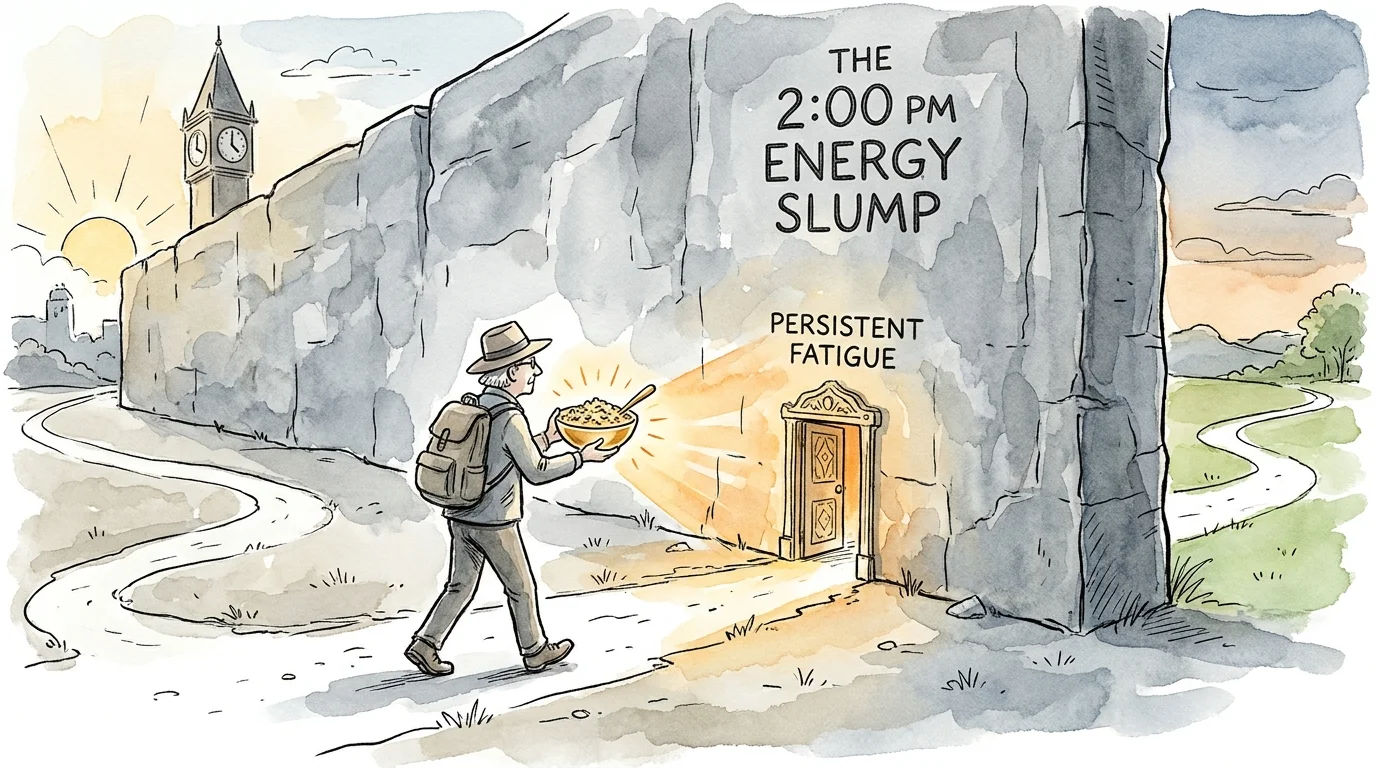
You might assume that waking up feeling persistently sluggish is simply a mandatory toll you must pay for celebrating your sixtieth birthday. However, chronic fatigue and deep daily energy slumps are rarely inevitable consequences of adding another candle to your cake; more often, they are clear, actionable signals that your current nutritional intake no longer aligns with your changing physiological reality. According to extensive research published by the National Institute on Aging, prolonged physical exhaustion in older adults frequently stems from highly correctable factors like minor nutrient deficiencies, inadequate hydration, and inefficient blood sugar management. If you routinely find yourself hitting a heavy wall by two in the afternoon or struggling to muster the essential vitality for a gentle morning walk, shifting your dietary focus can profoundly restore your daily stamina and dramatically improve your quality of life.
The Physiology of Senior Energy Loss
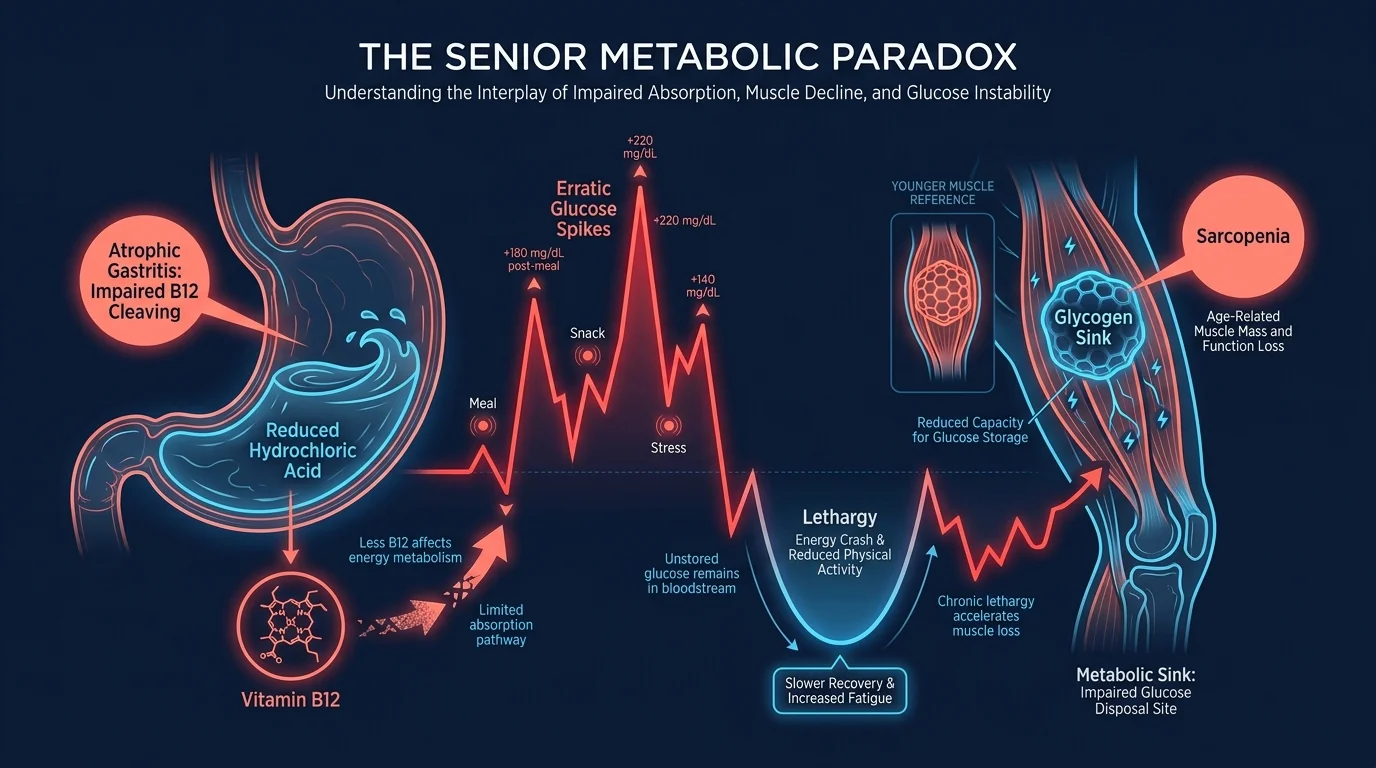
Understanding the precise mechanism behind senior energy levels requires a look under the hood at how your metabolism shifts as the decades pass. When you cross the threshold into your sixties, your basal metabolic rate naturally slows down. This simply means your body demands fewer baseline calories to keep your brain, heart, and lungs functioning at rest. However, this lower caloric threshold creates a highly complex nutritional paradox. While you require less overall food volume, your physiological demand for specific energy-yielding micronutrients actually increases. This phenomenon occurs largely because your gastrointestinal tract gradually becomes less efficient at extracting vital vitamins and minerals from the meals you consume.
Specifically, your stomach lining often produces noticeably less hydrochloric acid as you age. This condition, medically known as atrophic gastritis, directly impairs your ability to cleave vitamin B12 from the dietary proteins you ingest. Without adequate B12, your body struggles to produce healthy red blood cells, leaving you highly vulnerable to a specific type of anemia that manifests as profound physical exhaustion and frustrating cognitive brain fog. Furthermore, age-related muscle loss—scientifically termed sarcopenia—fundamentally changes how your body stores and utilizes glycogen. With less skeletal muscle mass available to act as a metabolic sink for circulating carbohydrates, your blood sugar can spike and crash far more erratically after eating. These wild glucose fluctuations frequently lead to those sudden, overwhelming waves of afternoon lethargy. By clearly understanding these mechanical shifts, you can strategically use food not just as basic fuel, but as targeted medicine to stabilize your blood sugar, protect your precious muscle mass, and successfully bypass diminished digestive efficiency.
Your Core Food and Nutrient Strategy
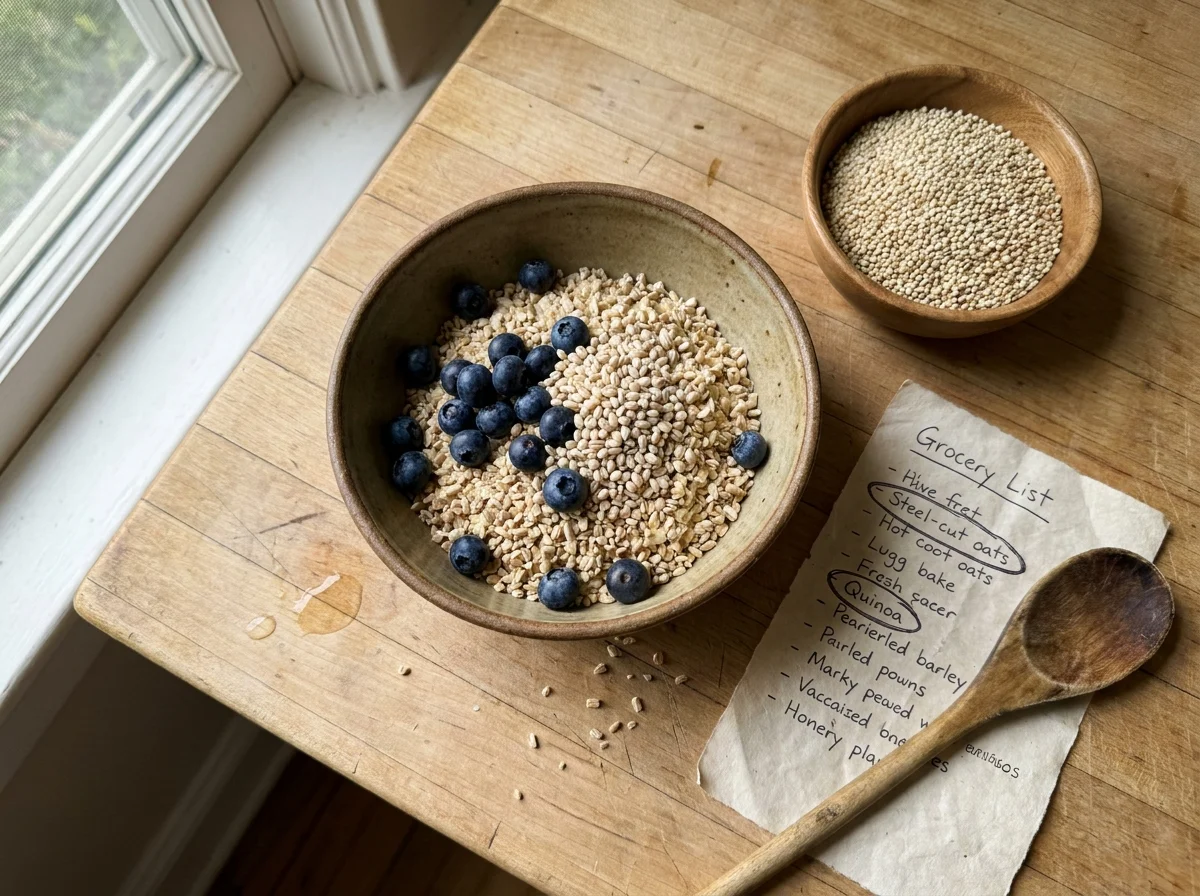
Crafting a robust nutrition plan that directly addresses these physiological shifts begins with prioritizing intense nutrient density over empty calories. Your primary, everyday focus must center on stabilizing your blood sugar while simultaneously delivering the essential raw materials your cellular mitochondria need to synthesize energy. Complex carbohydrates stand as your absolute best defense against sudden energy crashes. Unlike refined white sugars and heavily processed flours that flood your bloodstream and trigger an immediate, aggressive insulin spike, complex carbohydrates break down remarkably slowly. Foods such as steel-cut oats, quinoa, pearled barley, and robust legumes provide a steady, sustained trickle of glucose to your brain and muscles throughout the entire day.
Alongside high-quality complex carbohydrates, prioritizing substantial daily protein is paramount for maintaining the vital muscle mass that actively regulates your overall metabolism. Clinical guidelines provided by the World Health Organization suggest that older adults actually require higher daily protein intakes than their younger counterparts to adequately stimulate muscle protein synthesis. Aiming for twenty-five to thirty grams of protein per meal serves a powerful dual purpose; it delivers the specific amino acids necessary to prevent progressive muscle wasting, and it significantly slows the overall digestive rate of your meal, further preventing energy-draining blood sugar fluctuations. Lean roasted poultry, whole eggs, thick Greek yogurt, and plant-based staples like lentils and fermented tempeh serve as excellent, highly bioavailable vessels for this crucial macronutrient.
We must also meticulously address your intake of vitamin B12, widely considered the true master nutrient of human energy production. Because your natural stomach acid consistently decreases over time, relying solely on heavy red meats to acquire B12 can be highly inefficient and hard on your digestion. Instead, intentionally incorporate foods where the vitamin remains highly bioavailable or has been synthetically fortified. Fortified nutritional yeast, carefully fortified whole-grain morning cereals, and fatty cold-water fish like wild salmon and rainbow trout deliver essential B12 in formats that your digestive system can absorb with far less biological effort. Furthermore, salmon and trout bring the incredible added benefit of potent omega-3 fatty acids. These specific fats actively circulate through your bloodstream and directly reduce systemic inflammation—a deeply hidden, silent drain on your daily energy reserves.
No thorough discussion of human energy is complete without closely examining the critical role of daily hydration. The precise neurological mechanism that triggers your sensation of thirst grows notoriously dull as you advance in age. Consequently, you can easily become mildly, chronically dehydrated long before your brain actually prompts you to crave a tall glass of water. Even a mere one percent drop in your body’s optimal hydration levels forces your heart to work significantly harder to pump slightly thickened blood through your vessels. This increased cardiovascular strain translates directly into feelings of heavy, unyielding fatigue. Make a proactive habit of consuming fluid-rich foods like crisp cucumbers, ripe watermelon, and hearty bone broths, alongside continuously sipping fresh water throughout your entire morning and afternoon.
Executing Real-Life Meal Strategies
Translating these complex nutrient priorities into your daily routine certainly does not require you to become a gourmet chef or spend hours laboring in the kitchen. For a revitalizing breakfast, you might start your morning with a warm bowl of quinoa cooked in fortified soy milk or standard dairy milk, heavily topped with a handful of crushed walnuts and a generous scoop of plain Greek yogurt. This specific combination provides a highly robust matrix of slow-digesting carbohydrates, high-quality protein, and healthy dietary fats that will actively keep your energy perfectly level well past lunchtime.
When midday inevitably rolls around, you must resist the strong urge to consume a heavy, carbohydrate-loaded deli sandwich that will almost certainly induce a deep late-afternoon nap. Instead, deliberately opt for a dark leafy green salad topped with a hearty fillet of canned wild Alaskan salmon—a fantastic, accessible source of both B12 and omega-3s—alongside a half-cup of roasted chickpeas and a simple vinaigrette made from extra virgin olive oil. This specific style of lunch delivers intense micronutrient density without overwhelming your delicate digestive system or spiking your circulating insulin.
For your restorative evening meal, strictly focus on gentle nutrition that prepares your body for a good night of sleep while thoroughly completing your daily protein requirements. A tender piece of baked chicken breast or a thick slab of baked, marinated tofu, paired directly with roasted sweet potatoes and lightly steamed broccoli, offers a deeply comforting, nutrient-dense end to your day. The abundant magnesium naturally present in the sweet potatoes and broccoli will actually assist your central nervous system in slowly winding down, ensuring you achieve the deep sleep required to wake up genuinely refreshed the following morning.

The Crucial Lifestyle Layer
Food undeniably represents a massive pillar of the energy equation; however, your dietary efforts must heavily synchronize with targeted lifestyle habits to yield the most noticeable physical results. Human sleep architecture changes significantly after age sixty. You generally spend far less time in the deep, highly restorative stages of sleep, making you significantly more vulnerable to frequent nighttime awakenings. Consuming excessively heavy, high-fat meals or highly spiced foods late in the evening can severely exacerbate this issue by triggering silent acid reflux, which fragments your sleep cycles even if you do not fully wake up. Aim to completely finish your last significant meal of the day at least three full hours before your head finally hits the pillow.
Physical movement acts as a profoundly powerful catalyst for your nutritional intake. You might currently feel far too tired to exercise, but paradoxically, avoiding physical movement actively deepens your ongoing fatigue. Regular physical activity, particularly gentle resistance training, biologically forces your body to adapt by building significantly more cellular mitochondria—the microscopic power plants residing inside your cells. When you consistently combine adequate dietary protein intake with gentle weight lifting or resistance band workouts, you actively reverse the stealthy muscle loss that forcefully drags your metabolism down. Furthermore, engaging in local community walking groups or senior group fitness classes successfully introduces a vital social component; social isolation remains a well-documented psychological drain on daily energy that silently affects countless older adults.

Monitoring Your Biomarkers and Safety
While comprehensively upgrading your daily diet is profoundly beneficial, you must continuously monitor how these specific dietary changes interact directly with your highly unique medical profile. Annual or semi-annual comprehensive blood panels are absolutely non-negotiable tools for active, healthy aging. Work closely with your primary healthcare provider to check your specific blood serum levels of vitamin B12, vitamin D, and your complete thyroid hormone function. A sluggish, underactive thyroid presents clinical symptoms that mimic nutritional fatigue almost identically, and no amount of fresh kale or wild salmon will ever correct a true thyroid hormone deficit. You can review comprehensive, science-backed guidelines on necessary senior health screenings through resources provided by the Centers for Disease Control and Prevention.
You must also remain intensely vigilant regarding potential food and medication interactions. If your physician has prescribed a standard statin to help manage your cholesterol levels, consuming fresh grapefruit or drinking grapefruit juice can dangerously alter exactly how your liver metabolizes the potent drug. Similarly, if you actively take a prescription blood thinner like warfarin to prevent clots, suddenly increasing your daily intake of vitamin K-rich foods—like raw spinach, fresh kale, and Swiss chard—can completely counteract the medication and put you at severe cardiovascular risk. Always thoroughly inform your primary care physician or a clinically registered dietitian before making any sudden, dramatic shifts to your daily nutritional menu.
Frequently Asked Questions
How do I manage energy-boosting diets while dining out?
Dining out frequently means facing massive restaurant menus completely loaded with hidden dietary sodium, heavily refined carbohydrates, and cheap cooking oils, all of which can rapidly trigger massive energy slumps. According to the Academy of Nutrition and Dietetics, you do not need to entirely avoid restaurants to maintain your health. When ordering your meal, boldly take control of your plate by politely asking the server to substitute carbohydrate-heavy side dishes, like standard French fries or white pasta, for a double portion of steamed seasonal vegetables or a fresh side salad. Always look for savory entrees explicitly described as grilled, baked, or gently poached rather than pan-fried or extra crispy. Furthermore, strongly request all rich sauces and creamy dressings on the side so you can strictly control the overall quantity; many commercial restaurant dressings are heavily saturated with refined hidden sugars that will cause your delicate blood glucose to rapidly spike and subsequently crash before you even reach your front door.
What are budget-friendly alternatives to expensive superfoods?
You absolutely do not need to purchase excessively expensive, exotic imported berries or rare seeds to successfully achieve robust, lasting energy levels. Local, everyday grocery store ingredients very often contain the exact same robust nutritional profiles at a mere fraction of the financial cost. Instead of purchasing pricey fresh wild salmon, simply opt for canned wild Alaskan salmon or whole canned sardines, both of which are incredibly rich in essential omega-3 fatty acids and highly bioavailable bone-building calcium. Swap out relatively expensive bags of imported quinoa for simple, traditional whole-grain brown rice or large bulk containers of whole rolled oats. Dried green lentils and standard black beans are incredibly cheap, completely shelf-stable for months, and consistently serve as phenomenal sources of complex slow-digesting carbohydrates, crucial dietary fiber, and extremely lean plant-based protein.
Should I rely on vitamin supplements for a quick energy boost?
There is absolutely no such thing as a magical miracle pill capable of granting instant, highly sustainable human energy. While commercial dietary energy supplements aggressively market themselves directly to older adults, they typically rely entirely on massive, hidden doses of caffeine or other harsh herbal stimulants that merely provide a temporary nervous system jolt, swiftly followed by severe physical exhaustion and badly disrupted nighttime sleep. However, targeted, carefully evidence-based supplementation can be highly appropriate when successfully correcting a medically verified clinical deficiency. The Office of Dietary Supplements notes that since B12 absorption heavily declines with age, a dedicated supplement might become necessary. If a standard blood test firmly reveals a severe B12 or Vitamin D deficiency, your managing healthcare provider will highly likely recommend a very specific therapeutic dose. Dietary supplements should always intentionally fill distinct nutritional gaps rather than ever act as a primary energy source; your foundational, long-term physical stamina must always come directly from whole, nutrient-dense daily foods.
How can I adapt these recommendations to fit my cultural dietary traditions?
Healthy, restorative eating is incredibly flexible and can very easily honor your unique, cherished cultural heritage. If your traditional family diet heavily features large portions of white rice, you can seamlessly modify it for vastly better energy stability by slowly transitioning from standard white rice to heartier brown rice, or by simply mixing the two distinct grains together to significantly increase the overall fiber content without entirely changing the comforting texture you enjoy. If your favorite historical family recipes strongly rely on heavy animal fats for their distinct flavor, gently try substituting them with highly heart-healthy olive oils or rich avocado oils. Traditional savory soups and hearty stews are fundamentally brilliant culinary vehicles for hiding extra chopped vegetables and fiber-rich legumes. The ultimate goal is never to abandon the deeply meaningful foods that bring you profound joy and deep cultural connection, but rather to thoughtfully, carefully modify their daily preparation to vastly better support your current, shifting metabolic needs.
Your Next Empowering Steps
Reclaiming your physical vitality and banishing daily fatigue is a highly gradual, deeply deliberate process that strongly requires both mental patience and daily consistency. Before aggressively overhauling your entire kitchen pantry or throwing out all your current groceries, clearly share these specific nutritional goals directly with your dedicated healthcare team to fully ensure your new dietary approach perfectly complements your detailed medical history and your current pharmaceutical prescriptions. Begin your exciting health journey by intentionally tracking just one single new habit this current week—perhaps strictly prioritizing a very large glass of fresh water every single morning immediately upon waking, or actively replacing a highly processed afternoon sugary snack with a small, satisfying handful of mixed unsalted nuts. As you slowly, methodically align your daily meals with the precise, demanding physiological needs of your aging body, you will quickly discover that steady, highly reliable energy is definitely not just a fond memory of your distant youth, but a fully achievable, vibrant reality for the many wonderful decades you still have ahead.