Getting enough vitamin D is essential for maintaining strong bones and preventing fractures as you age, yet nearly half of the global population falls short of this vital nutrient. Incorporating specific types of seafood into your weekly meals offers a direct, natural way to boost your levels and protect your skeletal health. While sunlight remains a primary source, geographic location and indoor lifestyles often make dietary intake absolutely necessary. Fatty fish stand out as the premier dietary source of this nutrient, providing a highly bioavailable form that your body can easily absorb and utilize. By focusing on these six specific ocean catches, you can effectively bridge your nutritional gaps and build a resilient, injury-resistant body.
The Science Snapshot: Why Vitamin D and Fish Belong Together
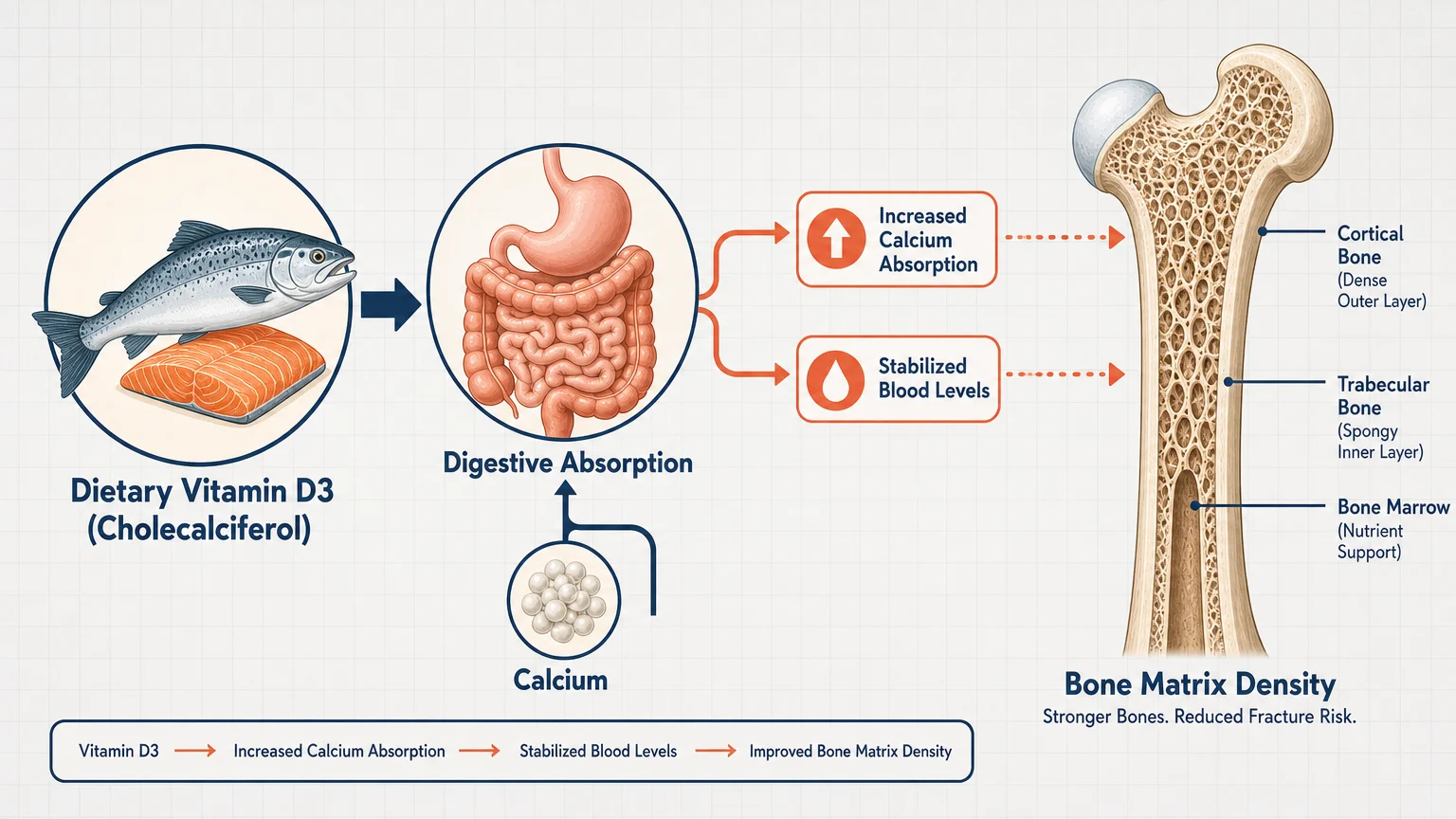
Your skeletal system relies heavily on a complex interaction between calcium and vitamin D to maintain density and strength. Without adequate vitamin D, your digestive tract cannot efficiently absorb the calcium you consume, forcing your body to pull the mineral directly from your bones to maintain stable blood levels. Over time, this biological trade-off heavily weakens your skeletal structure, increasing your risk for osteopenia and osteoporosis.
Research consistently demonstrates that naturally occurring cholecalciferol—also known as vitamin D3—is highly effective at raising and maintaining adequate serum levels. When you consume foods rich in vitamin D3, such as fatty marine life, you provide your body with a highly bioavailable compound. The Office of Dietary Supplements notes that fatty fish are among the absolute few foods that naturally contain significant quantities of this nutrient. Integrating these foods into your diet gives your digestive system the exact compound it requires to regulate calcium absorption, support your immune function, and systematically reduce chronic inflammation.
6 Fish High in Vitamin D for Optimal Bone Health
1. Salmon
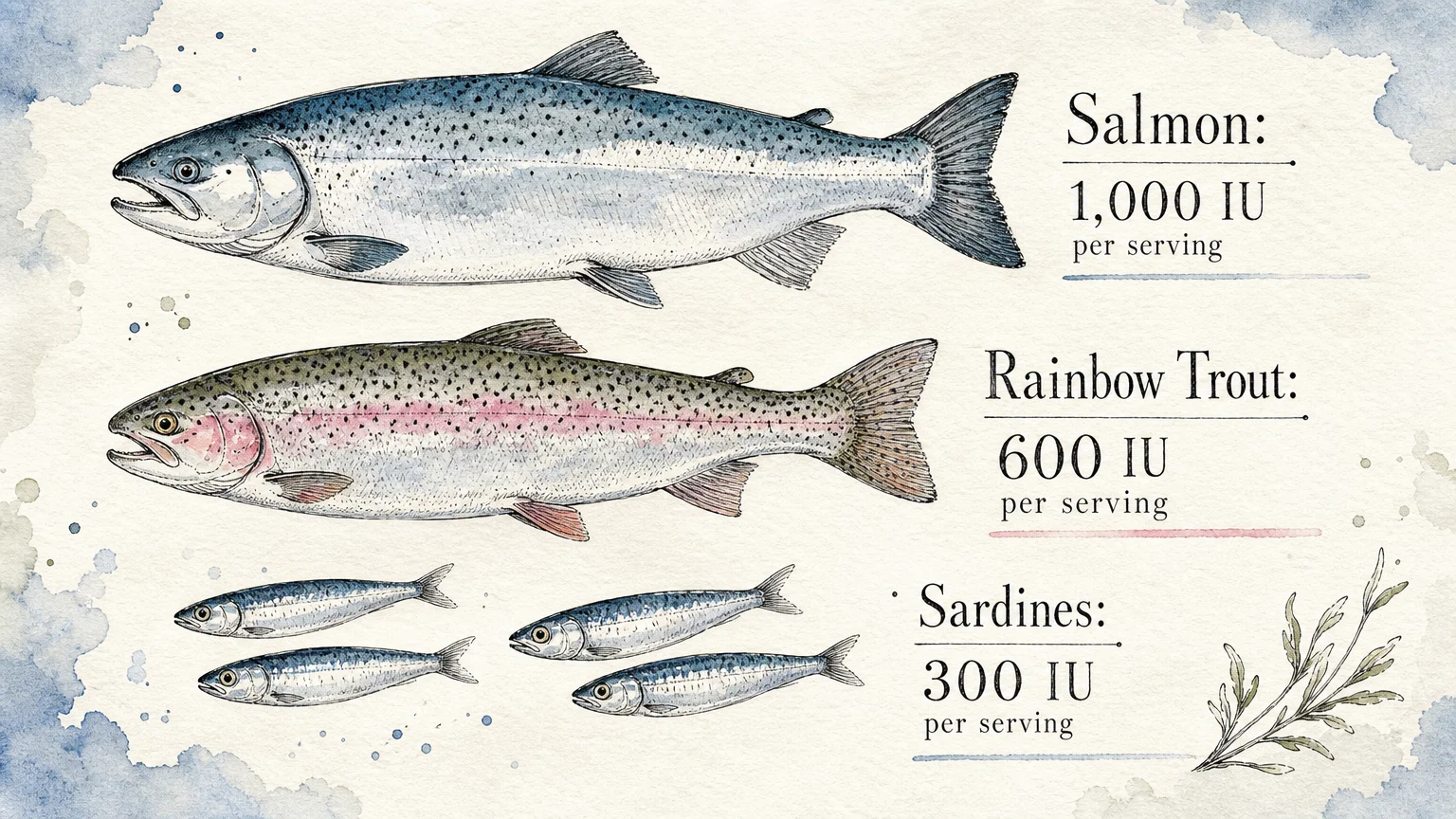
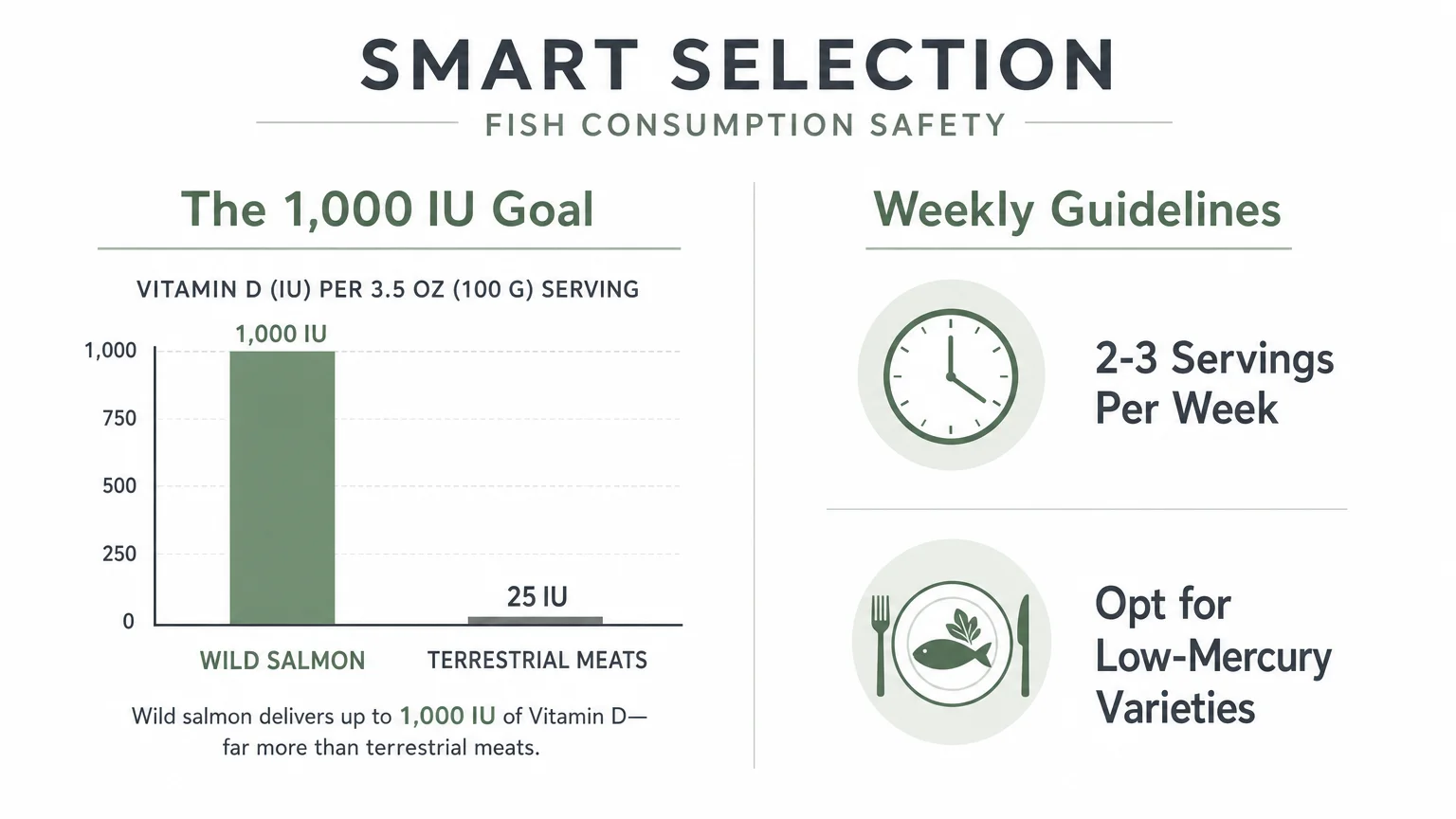
Whether you personally prefer wild-caught or farm-raised varieties, salmon remains an absolute powerhouse for your daily skeletal maintenance. Wild Atlantic and sockeye salmon naturally forage on ocean zooplankton, a specialized diet that significantly boosts their overarching nutritional profile. A standard three-and-a-half-ounce serving of high-quality wild salmon can safely deliver nearly one thousand international units of vitamin D, effectively satisfying your entire daily baseline requirement in a single meal. Farm-raised salmon contains slightly less of the nutrient due to specific commercial feed formulations, yet it still provides a highly robust dose that easily outperforms any terrestrial meat source available at your local supermarket. Beyond foundational bone support, the incredibly rich omega-three fatty acids naturally found in salmon powerfully reduce joint inflammation, keeping your entire musculoskeletal system moving smoothly.
2. Rainbow Trout
If you find the robust, heavy flavor of oceanic catches overpowering, rainbow trout offers a mild, delicate alternative that cooks quickly and pairs beautifully with simple garden herbs. Trout belongs to the exact same biological family as salmon, sharing many of the same impressive nutritional benefits without carrying the heavy oceanic taste. A standard prepared fillet yields over six hundred international units of vitamin D. Because trout is primarily raised in controlled freshwater environments, it represents a highly sustainable and commercially accessible option for your weekly meal rotation. Baking a fresh trout fillet with a light drizzle of olive oil and freshly squeezed lemon juice creates a nutrient-dense dinner that actively supports bone matrix remodeling.
3. Sardines
Do not underestimate the sheer nutritional density packed into a small, inexpensive tin of sardines. These tiny, oily fish represent one of the most mechanically efficient, budget-friendly ways to fortify your skeletal structure. Because sardines are typically consumed entirely whole—including their tiny, softened bones—you immediately receive a synergistic dose of both structural calcium and vitamin D in every single bite. This natural food pairing mimics the exact chemical ratio your body requires to deposit newly formed minerals into your aging bone tissue. Tossing a can of sardines into a vibrant Mediterranean salad or mashing them aggressively over toasted whole-grain bread provides a fast, preparation-free lunch option that actively fights bone demineralization.
4. Atlantic Mackerel
Atlantic mackerel is a uniquely flavorful, deeply rich option that dietitians frequently recommend for individuals actively looking to diversify their weekly seafood intake. A single moderate serving delivers approximately four hundred international units of vitamin D, alongside a massive, healthy concentration of beneficial marine fats. It is vitally important to specifically seek out Atlantic or Pacific mackerel rather than the larger king mackerel, as the smaller varieties naturally contain significantly lower levels of environmental pollutants and heavy metals. The dense, meaty texture of fresh mackerel holds up exceptionally well to bold, acidic marinades, making it a perfect culinary candidate for stovetop grilling or high-heat broiling with a savory ginger glaze.
5. Atlantic Herring
Herring holds a highly prominent place in many traditional, historical European diets, and modern nutrition science entirely validates this enduring cultural staple. Whether you prefer to enjoy it pickled, smoked as traditional kippers, or grilled fresh from the market, herring reliably supplies an impressive three hundred to four hundred international units of vitamin D per serving. The traditional curing and pickling processes do not chemically destroy the delicate fat-soluble vitamins, meaning you can safely keep jars of pickled herring in your refrigerator for a quick, bone-supporting afternoon snack. Incorporating this specific fish into your dietary routine honors global culinary traditions while simultaneously providing your skeletal system with the precise building blocks required for long-term durability.
6. Canned Light Tuna
When fresh seafood feels entirely out of reach due to strict budget constraints or geographic location, canned light tuna steps in as a highly reliable, shelf-stable nutritional hero. A standard can of light tuna packed in water provides roughly two hundred and fifty international units of vitamin D. While it contains slightly less of the nutrient than wild salmon, its supreme financial affordability and exceptionally long shelf life make it an indispensable, highly accessible pantry staple. You can easily fold canned tuna into a rustic white bean salad or mix it with plain Greek yogurt for a protein-rich sandwich spread. The U.S. Food and Drug Administration specifically categorizes canned light tuna as a best choice for weekly consumption, allowing you to safely enjoy it while fortifying your structural health.
Strategy Pillars: Making Vitamin D Rich Fish a Lifestyle
Meal Planning for Consistency
Transforming your daily diet requires actively moving beyond occasional, random seafood dinners and fully embracing a structured approach to your weekly meal planning. Designate two specific days of the week for ocean-based meals to establish a highly reliable rhythm in your home kitchen. You might logically choose a quick, canned option for a busy Tuesday afternoon lunch and dedicate your slower Sunday evening to roasting a fresh fillet. By purposefully keeping shelf-stable options like sardines and canned tuna well-stocked in your pantry, you completely eliminate the stress of last-minute grocery store runs. This consistent dietary exposure ensures your blood levels remain completely stable throughout the entire year, especially during the darker, sunlight-deprived winter months.
Nutrient Focus and Maximizing Absorption
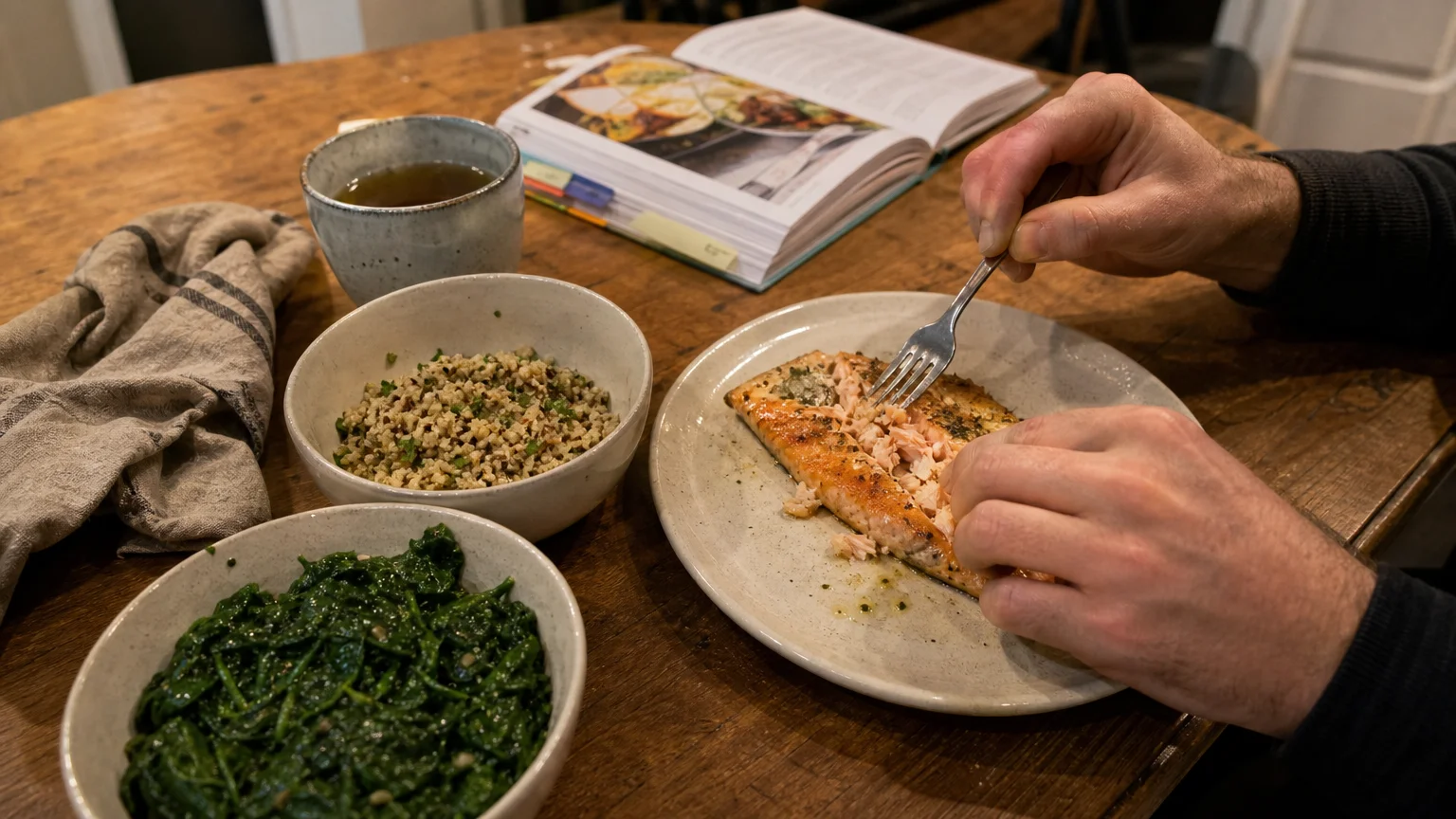
Because this vital nutrient is entirely fat-soluble, your digestive system absolutely requires the physical presence of dietary fat to effectively transport the vitamin across your intestinal walls and into your bloodstream. Fortunately, the specific fish highlighted above naturally contain beneficial lipids that brilliantly facilitate this exact biological process. You can easily enhance this nutrient absorption by purposefully pairing your seafood with complementary, heart-healthy fats. Drizzling high-quality extra virgin olive oil over your freshly baked trout or serving your salmon alongside generously sliced avocado creates an ideal digestive environment for maximum nutrient uptake. Additionally, pairing these meals with dark leafy greens or roasted almonds provides the elemental calcium your newly absorbed vitamins will utilize to actively rebuild and fortify your microscopic bone tissue.
Habit Formation Without Kitchen Burnout
Building a totally new culinary habit should feel inherently rewarding, not exhausting or overwhelmingly complex. If you are deeply intimidated by cooking delicate fish fillets, remove the mental barrier by exclusively utilizing your oven rather than managing a hot, spattering skillet on the stovetop. Baking requires very little active attention and significantly reduces the lingering fishy odors that often deter many home cooks from preparing fresh seafood. Start your journey by finding just two preparation methods you genuinely enjoy, and repeat them consistently until they feel entirely effortless to execute on a busy weeknight. As your confidence in the kitchen naturally grows, you can gradually experiment with new marinades, spice rubs, and global flavor profiles, effectively turning a simple health directive into an exciting, highly sustainable culinary exploration.

Expert and Lived Voices on Fish Consumption
Clinical dietitians frequently encounter frustrated patients who struggle with chronically low serum levels despite purposefully spending ample time outdoors. When professionally advising these individuals, clinical nutrition experts heavily emphasize whole-food dietary interventions over immediate pill supplementation whenever physically possible. Real food matrices naturally provide a complex spectrum of necessary co-factors, dietary proteins, and trace minerals that isolated laboratory pills simply cannot replicate. The Centers for Disease Control and Prevention consistently underscores the critical role that specific micronutrients play in actively maintaining functional independence and thoroughly preventing mobility loss in aging adults.
Community nutrition programs across the country often share highly encouraging success stories from individuals who successfully improved their bone density markers by making simple, intentional dietary swaps. For example, many older adults frequently report that discovering the ease and convenience of canned sardines was a distinct turning point in their personal health journey. Instead of mistakenly viewing seafood as an expensive luxury reserved exclusively for restaurants, they learned to fully embrace affordable, accessible varieties. This profound mindset shift powerfully empowers you to take direct control of your skeletal health in ordinary, everyday moments.
Safety, Personalization, and Contraindications
While purposely expanding your seafood repertoire offers profound skeletal benefits, actively personalizing your approach ensures you completely protect your overall physical well-being. Individuals with previously diagnosed finfish allergies or severe histamine intolerances must strictly avoid these specific foods and immediately consult their physician for safe alternative strategies, which may heavily include targeted plant-based sources or clinical-grade nutritional supplements.
Environmental contaminants also warrant careful, daily consideration. To effectively minimize your dietary exposure to heavy metals, consistently focus on species situated significantly lower on the oceanic food chain. Dietitians frequently recommend utilizing the SMASH acronym—salmon, mackerel, anchovies, sardines, and herring—for quickly identifying grocery options that reliably deliver high nutrient density with minimal mercury accumulation. Furthermore, if you suspect you have a severe, prolonged deficiency, modifying your diet alone may not act quickly enough to protect your bones. Always request a simple blood test from your trusted healthcare provider to accurately determine your baseline; you may strictly require a temporary prescription to restore adequate levels before exclusively relying on culinary maintenance. You can readily review current clinical guidelines regarding intake on the Academy of Nutrition and Dietetics website to better understand your highly personalized targets.
Frequently Asked Questions
Can I get enough vitamin D from fish alone to fix a severe deficiency?
If your clinical blood levels have fallen into a severely deficient physiological range, dietary changes alone are rarely entirely sufficient to rapidly and safely correct the immediate issue. In these specific cases, physicians typically prescribe a highly concentrated therapeutic dose to elevate your numbers quickly. However, once you successfully achieve optimal blood levels, routinely consuming two to three servings of nutrient-dense seafood per week serves as an excellent, highly effective strategy for long-term maintenance and successfully preventing any future vitamin depletion.
Does the specific cooking method alter the nutrient content of the fish?
Yes, exactly how you choose to prepare your seafood directly impacts its final nutritional profile upon consumption. Gentle, indirect cooking methods like baking, poaching, and light broiling effectively preserve the delicate fat-soluble vitamins hidden deep within the flesh. In stark contrast, aggressively frying your fish at exceedingly high temperatures can chemically degrade these vital compounds and introduce far less desirable oxidized fats into your meal. Sticking to oven-roasted or gently steamed preparations ensures you extract the absolute maximum skeletal benefit from your grocery store investment.
Is fresh fish significantly better than frozen or canned options for my bones?
From a strictly nutritional standpoint, commercial frozen and canned varieties hold their own brilliantly against fresh daily catches. Commercial flash-freezing processes heavily occur mere hours after the initial catch, permanently locking the delicate nutrient matrix safely in place. Canned varieties are effectively pressure-cooked directly inside the tin, meaning the vital compounds vividly remain trapped inside rather than escaping into surrounding cooking water. Choosing frozen or canned options deliberately allows you to smartly prioritize dietary consistency and household budget without ever sacrificing bone-building efficacy.
What can I actively do if I strongly dislike the taste of fish?
You absolutely do not need to forcefully eat foods you genuinely hate just to protect your aging bones. If strong, pungent oceanic flavors heavily bother you, intentionally start with highly mild options like fresh rainbow trout, and boldly use acidic marinades featuring lemon juice or apple cider vinegar to effectively neutralize the aromatic compounds. You can efficiently mask the flavor of canned varieties by smoothly blending them into highly seasoned dips or directly incorporating them into robust, deeply flavorful tomato-based pasta sauces.
Your Next Step Toward Stronger Bones
Actively protecting your skeletal framework is not about executing a completely flawless daily diet; it is entirely about making consistent, strategic food choices that positively compound over time. The ocean gracefully offers a profound, highly natural remedy for the widespread nutritional gaps that leave so many adults physically vulnerable to painful fractures and severe density loss. You now possess the scientific knowledge and the practical strategy to begin successfully fortifying your body today. Choose just one accessible fish from this list that aligns perfectly with your budget and palate, and securely commit to adding it to your grocery cart within the next twenty-four hours. Your future self will undoubtedly thank you for the resilient strength you purposefully choose to build right now.