
Managing your blood sugar effectively requires staying aligned with updated clinical standards that directly impact your daily care and long-term health outcomes. Modern clinical research continuously transforms how healthcare teams treat type 2 diabetes, manage blood pressure, and deploy glucose-monitoring technology. This month, major medical organizations updated three core clinical guidelines, shifting how doctors tailor blood pressure targets, expand wearable technology access, and structure evidence-based nutrition plans for older adults. Whether you want to prevent cardiovascular complications, lower your hemoglobin A1C, or preserve lean muscle mass as you age, understanding these shifting standards empowers you to take control of your health. Here is what the latest science means for your daily routine.

Understanding the Latest Shifts in Diabetes Management
The landscape of metabolic healthcare changes rapidly as researchers gather fresh data on chronic disease prevention. Healthcare providers no longer view diabetes as an isolated glucose issue; instead, modern care integrates cardiovascular defense, kidney protection, and targeted nutrition strategies. Organizations like the CDC diabetes resources initiative emphasize that proactive adjustments prevent severe vascular complications down the road.
When clinical bodies release updated standards, they synthesize findings from trials involving thousands of diverse patients. Updating your daily habits according to these evidence-backed changes gives you a clear advantage in managing your health parameters. Recent guidelines highlight how personalized targets produce far better outcomes than old-fashioned, rigid mandates. Understanding these updates allows you to ask sharper questions during medical appointments and partner actively with your care team.

Guideline 1: Stricter Cardiovascular and Blood Pressure Benchmarks
The first major update targets arterial health and cardiovascular risk reduction. Major medical consensus panels updated blood pressure goals for individuals with diabetes who face elevated cardiovascular or kidney disease risks. The standard now sets a goal of less than 120 mmHg systolic for high-risk patients. Chronic high blood pressure strains blood vessels throughout your body, accelerating microvascular damage while amplifying cardiac risks.
However, clinicians recognize that older adults require individualized targets based on health status. Healthy seniors now aim for a blood pressure target of less than 130/80 mmHg; meanwhile, clinicians recommend a target of less than 140/90 mmHg for seniors managing complex health conditions. This balanced strategy prevents dangerous episodes of hypotension that cause dizziness or falls.
Lowering your systolic pressure requires combining dietary adjustments, consistent physical activity, and daily monitoring. Research supported by the National Institute of Diabetes and Digestive and Kidney Diseases research team shows that even modest reductions in arterial pressure significantly reduce strain on kidney filtration units. To adapt, track your blood pressure at home twice daily during a calm state and share your logs with your doctor to refine medication dosing safely.

Guideline 2: Broader Access to CGMs and Automated Insulin Systems
The second major shift expands access to life-changing wearable technology. Updated standards establish Automated Insulin Delivery (AID) systems as the preferred care model for adults with Type 1 diabetes and adults with Type 2 diabetes who administer daily insulin. Crucially, advisory panels removed outdated administrative requirements, such as mandatory C-peptide blood testing or specific minimum durations for prior insulin injection history.
Continuous glucose monitors (CGMs) and automated pumps dramatically improve time-in-range metrics while reducing severe hypoglycemia. Wearable sensors provide real-time visibility into your dynamic metabolic responses, illustrating how specific meals, physical exercise, and sleep patterns influence daily glycemic curves.
Financial access is expanding alongside clinical guidelines. Under updated Centers for Medicare & Medicaid Services guidelines, Medicare Part B covers continuous glucose monitors for seniors with Type 1 or Type 2 diabetes who use insulin or have a documented history of problematic hypoglycemia—defined as recurrent blood glucose readings dropping below 54 mg/dL. Beneficiaries typically pay twenty percent coinsurance after meeting their Part B deductible. Removing administrative barriers allows more adults to monitor glucose trends continually without relying solely on fingerstick tests.
Guideline 3: Evidence-Based Dietary Patterns and Senior Protein Focus
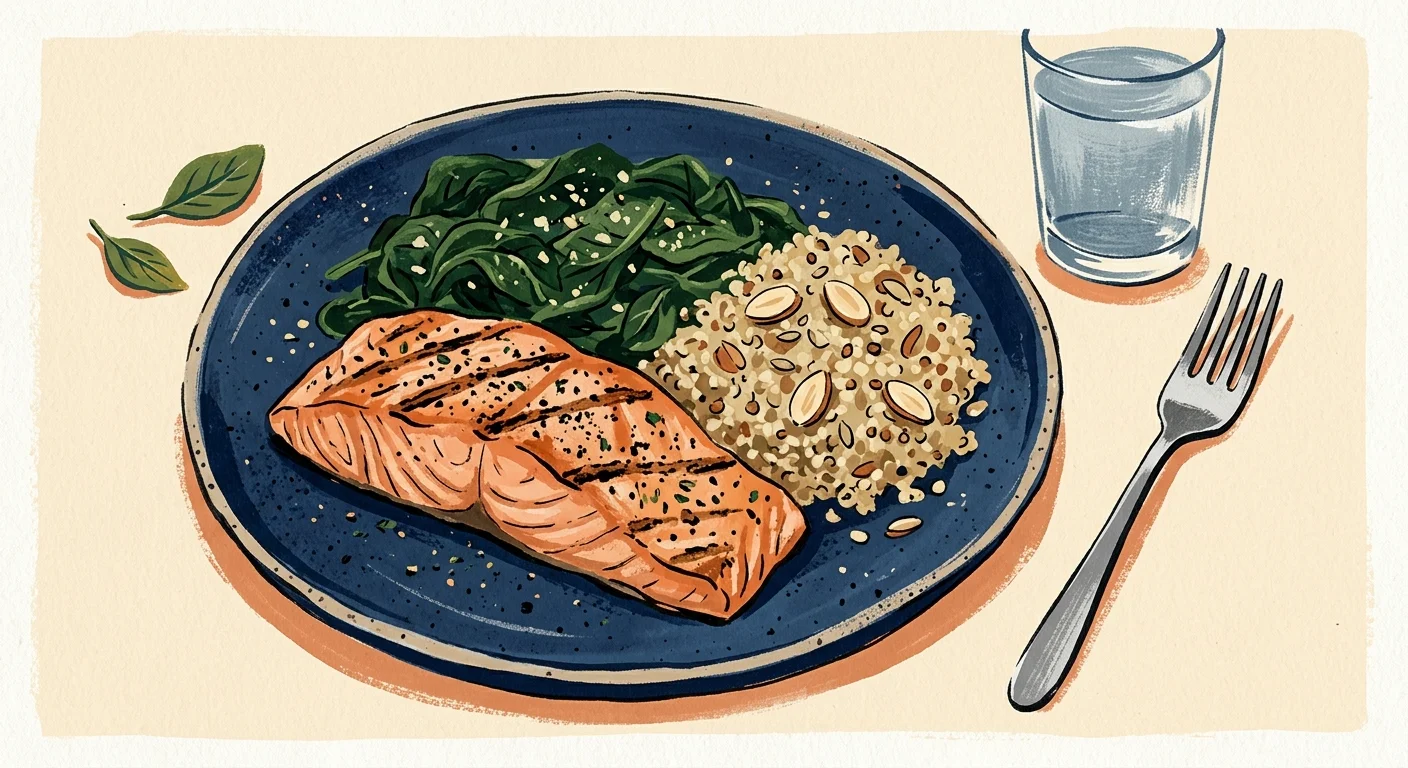
The third major guideline update transforms nutritional advice for metabolic control and healthy aging. According to updated recommendations from the American Diabetes Association Standards of Care, Mediterranean-style and low-carbohydrate eating patterns offer the strongest clinical evidence for preventing Type 2 diabetes, managing blood sugar, and stabilizing glucose volatility. Rather than recommending restrictive calorie counting, guidelines advise focusing on high-quality whole foods, rich unsaturated fats, plant fibers, and controlled carbohydrate intake.
Simultaneously, experts introduced critical protein guidelines specifically tailored for older adults living with diabetes. Aging naturally accelerates muscle loss, known as sarcopenia; moreover, living with diabetes further impairs muscle synthesis. To protect lean tissue, guidelines recommend that seniors with diabetes consume at least 0.8 grams of protein per kilogram of body weight daily. When pursuing weight loss, older adults should increase daily protein intake to between 1.0 and 1.5 grams per kilogram of body weight to safeguard lean muscle mass while reducing body fat.
For instance, a senior weighing 70 kilograms (approximately 154 pounds) aiming to preserve muscle during weight loss requires roughly 70 to 105 grams of protein daily. Spacing protein evenly across breakfast, lunch, and dinner supports steady metabolism and satiety without sparking blood sugar spikes.

Practical Pillars for Everyday Diabetes Management
Translating new clinical guidelines into realistic daily habits requires a practical, multi-pillar strategy. You can easily adapt these scientific updates into your routine through intentional meal planning, smart nutrient pairing, and consistent habit formation.
First, adopt a flexible meal planning approach that honors your dietary preferences and budget. You do not need expensive specialty products to follow a Mediterranean or low-carbohydrate pattern. Focus on building meals around accessible whole foods like canned wild salmon, eggs, lentils, extra virgin olive oil, frozen berries, non-starchy vegetables, and greens. If your traditional meals include staple grains like rice or tortillas, pair smaller grain portions with abundant protein and non-starchy vegetables to slow digestion and blunt post-meal carbohydrate spikes.
Second, prioritize smart nutrient timing throughout the day. Aim for 25 to 30 grams of high-quality protein per meal using choices like Greek yogurt, tofu, skinless poultry, lean beef, seeds, or fish. Combine these protein sources with high-fiber foods such as chia seeds, broccoli, or bell peppers. Fiber acts as a natural buffer in your digestive tract, slowing glucose absorption. Registered dietitians reviewing Academy of Nutrition and Dietetics guidance emphasize that eating fiber-rich vegetables before protein and carbohydrates significantly flattens post-meal blood sugar curves.
Third, form simple daily habits that reinforce your goals. Schedule a ten-minute walk after your main meal of the day; physical movement prompts muscle contractions that absorb glucose directly from your bloodstream without requiring extra insulin. Additionally, set a daily reminder to check your resting blood pressure, recording values in a log to share during medical checkups.

Expert Perspectives, Lived Experiences, and Clinical Safety
Integrating updated guidelines into your daily life requires personal balance and medical oversight. Clinical experts emphasize that numerical targets represent individual health guides rather than rigid scorecards. Dr. Elena Rostova, a clinical endocrinologist, points out that coordinating medication adjustments with dietary changes prevents dangerous hypoglycemic dips, especially when reducing refined carbohydrate intake.
Safety remains essential when adjusting your health routine. Before increasing daily protein intake substantially, consult your healthcare team to assess baseline kidney function. Individuals with advanced chronic kidney disease may require specific protein limits to protect renal health. Furthermore, if you take insulin or sulfonylureas, switching to a low-carbohydrate pattern can rapidly alter your medication needs; collaborating with your doctor ensures safe dosage adjustments to avoid hypoglycemia.
Listen to your body while making adjustments. Community members who successfully maintain stable blood sugar emphasize that consistency trumps perfection. Focus on making sustainable, incremental adjustments to your diet and activity while monitoring how you feel physically each day.
Frequently Asked Questions
How do the new blood pressure targets affect my daily monitoring at home?
The updated guidelines mean you should monitor your blood pressure under relaxed, seated conditions at consistent times each day. Aim for readings below 120 mmHg systolic if your clinician identifies high cardiovascular risk, or below 130/80 mmHg if you are an older adult in good health. Always log several consecutive readings and present the averages to your care provider rather than adjusting medication based on a single isolated spike.
Who qualifies for Medicare continuous glucose monitor coverage under updated rules?
Medicare Part B covers continuous glucose monitors for individuals with Type 1 or Type 2 diabetes who use insulin or have documented problematic hypoglycemia, defined as recurrent blood glucose levels below 54 mg/dL. Beneficiaries typically cover a twenty percent coinsurance payment after meeting their annual Part B deductible, provided their physician documents the medical necessity.
How can older adults eat enough protein without raising their blood sugar?
Older adults can boost protein intake by choosing lean sources that contain negligible carbohydrates, such as eggs, chicken breast, turkey, fish, tofu, and plain low-fat Greek yogurt. Pairing these protein sources with non-starchy vegetables provides essential amino acids for muscle maintenance without stimulating elevated blood glucose responses.
Is a low-carbohydrate pattern safe for everyone living with type 2 diabetes?
Low-carbohydrate eating patterns offer robust clinical benefits for blood sugar stabilization; however, they require careful personalization. Patients with underlying kidney disease or those taking specific diabetes medications like SGLT2 inhibitors or insulin must consult their physician before cutting carbs dramatically to prevent complications like hypoglycemia or ketoacidosis.
Your Action Plan for the Next 24 Hours
Updating your diabetes management routine does not require an overwhelming lifestyle overhaul overnight. Take one small, impactful step within the next 24 hours to build momentum toward your long-term health goals. You might measure your resting blood pressure twice today, add an extra serving of clean protein to your lunch, or call your doctor to discuss whether a continuous glucose monitor fits your current care plan. Small, consistent choices compound over time, building a solid foundation for steady blood sugar control, improved cardiovascular vitality, and optimal aging. Choose your single action today and build your health momentum step by step.