
Your body often signals subtle biological changes long before routine laboratory tests catch elevated blood sugar levels. Over 115 million American adults currently live with prediabetes, yet more than 80 percent have no idea their cells are struggling to process glucose efficiently. Insulin resistance develops quietly when elevated hormone levels force your liver, muscles, and fat tissue to resist insulin’s key metabolic signals. Recognizing early physical indicators gives you a powerful window of opportunity to restore metabolic flexibility, stabilize daily energy, and protect your long-term cardiovascular health. By identifying these unconventional outward warning signs today, you can take immediate, targeted nutritional steps to optimize your metabolic wellness and reverse cellular insulin resistance naturally.
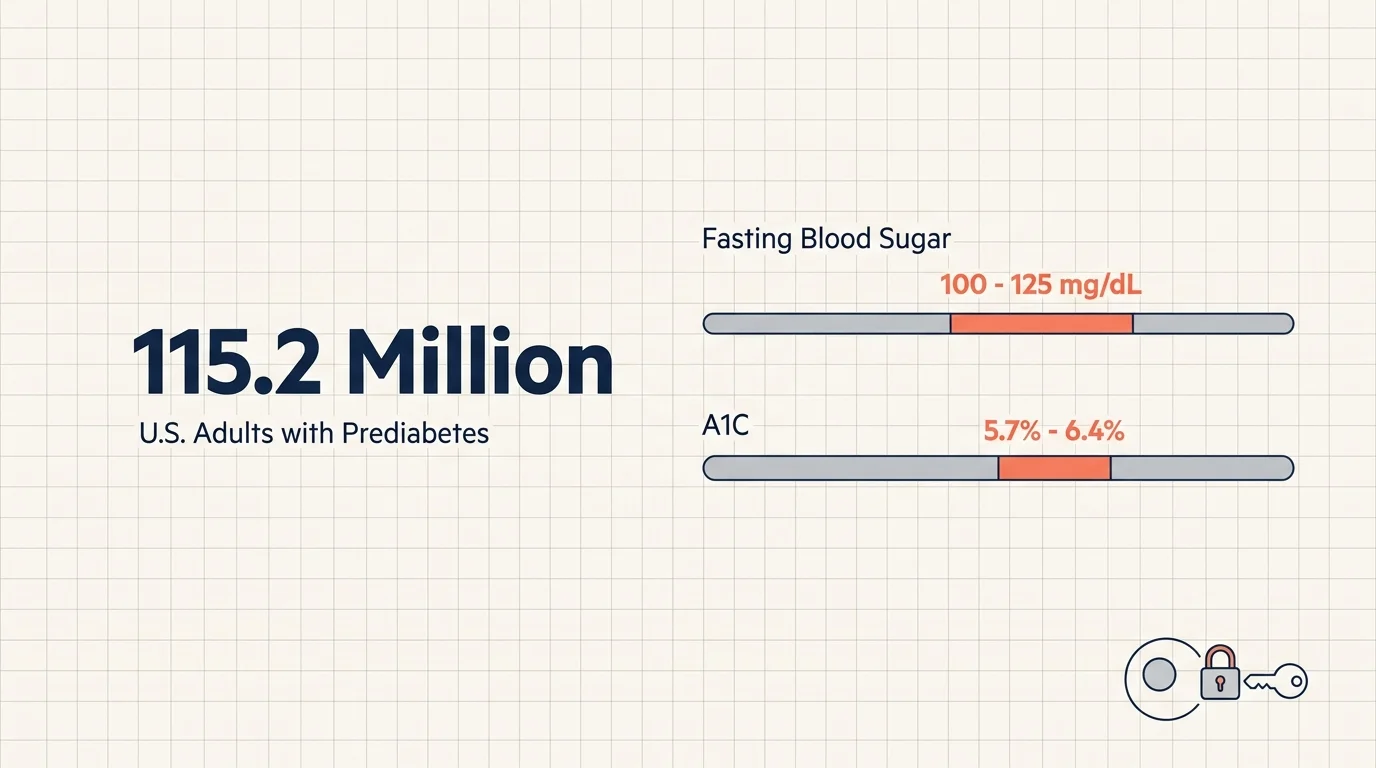
Science Snapshot: How Insulin Resistance Alters Your Body
Insulin functions as your body’s primary storage hormone; your pancreas releases it into your bloodstream whenever you consume foods that break down into glucose. Under optimal conditions, insulin binds to cellular receptors like a key entering a lock, opening the door for glucose to leave your bloodstream and feed your cells energy. However, when chronic dietary stress, physical inactivity, or genetic factors constantly flood your system with glucose, your cells downregulate their receptors to protect themselves. Your pancreas compensates by pumping out even higher levels of insulin to force glucose into stubborn tissue. This state of hyperinsulinemia—chronically elevated circulating insulin—triggers subtle systemic side effects throughout your skin, blood vessels, and metabolic architecture long before fasting blood sugar crosses pathological thresholds.
Data from the Centers for Disease Control and Prevention reveals that over two in five American adults—more than 115.2 million people—currently experience this metabolic strain. The condition becomes markedly more pronounced with age, affecting 52.1 percent (31.3 million) of U.S. adults aged 65 and older. Standard clinical guidelines from the American Diabetes Association classify prediabetes as a fasting blood sugar reading between 100 and 125 mg/dL or an A1C percentage between 5.7 and 6.4 percent. Because early-stage insulin resistance rarely causes acute physical pain or typical illness symptoms, your body relies on subtle dermatological and structural changes to broadcast metabolic stress. Identifying these outward signals allows you to intervene early through targeted lifestyle adjustments.

5 Surprising Physical Signs of Early Insulin Resistance
While many health-conscious individuals watch for classic symptoms like excessive thirst or frequent urination, early insulin resistance manifests through surprising dermatological and structural changes. Excess circulating insulin acts as a powerful growth promoter in non-metabolic tissues, driving cellular proliferation and vascular changes across your body.
1. Dark, Velvety Skin Patches (Acanthosis Nigricans)
If you notice hyperpigmented, velvety patches of skin developing in body folds—most commonly around the back of your neck, armpits, or groin—you may be seeing acanthosis nigricans. Chronically elevated insulin leaks out of capillaries and binds to insulin-like growth factor receptors located within epidermal skin cells. This binding stimulates skin cells called keratinocytes and melanocytes to multiply rapidly, creating a thickened, darkened texture. Many people mistake these patches for dirty skin and attempt to scrub them away, but the hyperpigmentation stems from deeper hormonal activity rather than surface hygiene. Research published by the National Institute of Diabetes and Digestive and Kidney Diseases confirms that addressing hyperinsulinemia through dietary shifts frequently lightens and resolves these skin alterations over time.
2. Clusters of Small Skin Tags (Acrochordons)
An unexpected increase in tiny, pedunculated skin growths—commonly known as skin tags—frequently accompanies elevated insulin levels. While having an isolated skin tag is relatively common and benign, developing multiple clusters around your eyelids, neck, armpits, or upper torso serves as a strong clinical indicator of underlying metabolic stress. High circulating insulin stimulates tissue growth by binding to growth-factor receptors in dermal layers, encouraging local blood vessels and collagen fibers to overgrow into small fleshy bumps. Dermatologists frequently evaluate patients with sudden skin tag outbreaks for underlying glucose intolerance, as these benign growths directly reflect cellular hyper-proliferation driven by excessive background insulin.
3. Scalp Hair Thinning and Diffuse Hair Loss
Experiencing unexplained hair loss or diffuse thinning across your scalp, particularly along your center part line, can stem directly from impaired insulin signaling. Elevated insulin alters sex hormone metabolism by prompting your ovaries or adrenal glands to overproduce androgens like testosterone. Excess free testosterone converts into dihydrotestosterone, a potent hormone that shrinks hair follicles, shortens the active growth cycle, and leads to androgenic alopecia. This pattern appears frequently in women managing polycystic ovary syndrome, a condition intimately tied to insulin resistance. Restoring proper metabolic function reduces circulating free androgens, protecting delicate hair follicles from hormone-induced regression.
4. Rapid Expansion of Visceral Waist Circumference
An expanding midsection that feels firm and deep rather than soft and pinchable points toward visceral adiposity, one of the clearest physical signposts of insulin resistance. Unlike subcutaneous fat sitting directly beneath your skin, visceral fat wraps tightly around vital abdominal organs like your liver and pancreas. Standard metabolic guidelines define increased visceral risk as a waist circumference exceeding 40 inches (102 cm) for men or 35 inches (88 cm) for women. High insulin levels lock fat inside visceral adipose cells while inhibiting lipolysis, the biological process of burning fat for fuel. This creates an unhealthy cycle where visceral fat releases inflammatory signals that further worsen systemic insulin resistance.
5. Lower Leg Swelling and Ankle Fluid Retention
Experiencing unexplainable puffiness or fluid retention around your lower legs, ankles, and feet—especially toward the end of the day—can signal early metabolic stress. Insulin plays a direct, powerful role in renal function by instructing your kidneys to reabsorb higher amounts of sodium and water back into your bloodstream. When hyperinsulinemia persists, your body retains excess fluid, leading to mild peripheral edema and elevated blood pressure. If your socks leave deep, lasting indentations around your ankles despite staying well-hydrated, your kidneys may be reacting to excessive background insulin circulating through your vascular system.

Three Core Nutrition Pillars to Restore Insulin Sensitivity
Reversing insulin resistance does not require extreme calorie restriction or restrictive fad diets. Instead, adopting structured, sustainable nutritional strategies restores cellular responsiveness by smoothing out daily blood sugar spikes and allowing baseline insulin levels to fall naturally.
Pillar 1: Strategic Meal Sequencing and Macronutrient Pairing
How you sequence foods on your plate directly impacts your post-meal glucose trajectory. Eating dietary fiber, healthy proteins, and quality fats before introducing complex carbohydrates slows down gastric emptying. This simple sequence delays glucose absorption in your small intestine, preventing sharp blood sugar spikes and reducing the volume of insulin your pancreas needs to release. Make it a habit to start meals with a non-starchy salad, steamed vegetables, or a rich protein source before consuming starch. Pairing carbohydrates with healthy fats—such as adding sliced avocado to brown rice or almond butter to an apple—further buffers your glycemic response, providing steady, long-lasting physical energy.
Pillar 2: Nutrient-Dense Whole Foods Focused on Fiber and Micronutrients
Focusing your diet on intact whole foods supplies essential micronutrients that optimize cellular insulin receptors. Soluble fiber found in chia seeds, flaxseeds, oats, lentils, and black beans acts as a physical gel inside your digestive tract, stabilizing glucose entry into circulation. Furthermore, critical minerals like magnesium and chromium participate directly in insulin signaling pathways within muscle cells. Incorporating dark leafy greens, pumpkin seeds, wild-caught salmon, and vibrant berries supplies your body with powerful antioxidants that reduce systemic inflammation. Nutrition guidance from the Academy of Nutrition and Dietetics emphasizes building colorful, plant-rich plates tailored to your personal cultural preferences and budget.
Pillar 3: Sustainable Daily Movement and Meal Timing Habits
Physical activity serves as an immediate, powerful lever for clearing glucose from your bloodstream without relying heavily on insulin. Contracting skeletal muscle during brisk walking, resistance exercises, or cycling activates specialized GLUT4 transporters that pull glucose straight into muscle tissue. Establishing a daily habit of taking a 10 to 15-minute walk immediately following your largest meal significantly blunts postprandial glucose surges. Clinical research highlights that combining regular movement with modest weight loss of 5 to 7 percent reduces your risk of developing type 2 diabetes by 58 percent overall—and up to 71 percent for adults over 60—through structured efforts like the CDC National Diabetes Prevention Program.

Expert Perspectives and Real-World Clinical Experiences
Clinical dietitians frequently note that outward physical signs provide powerful diagnostic clues long before routine blood panels flag elevated glucose. Board-certified metabolic specialists emphasize that addressing insulin resistance early yields dramatic improvements in energy, skin health, and weight management within months. Practitioners working in community health centers often observe that when clients shift away from ultra-processed snacks toward structured whole-food meals, physical markers such as skin tags stabilize, energy crashes vanish, and waistlines naturally recede.
Many individuals share how recognizing these subtle warning signs empowered them to take action long before receiving an official diagnosis. One individual observed dark patches forming on her neck along with midday brain fog and brought these concerns to her primary care provider. By implementing structured meal sequencing, daily post-dinner walks, and increased dietary fiber intake, her fasting insulin dropped into optimal ranges within six months, while her dermatological symptoms visibly cleared up completely.

Safety, Clinical Diagnostics, and When to Consult a Healthcare Professional
If you identify multiple physical signs of insulin resistance, schedule a comprehensive evaluation with a qualified physician or registered dietitian. Request standard laboratory tests, including a fasting plasma glucose test, an A1C test, and a fasting blood insulin level. A normal fasting glucose reading sits under 100 mg/dL, while an A1C reading below 5.7 percent represents optimal glucose control. Evaluating fasting insulin alongside glucose provides a clearer window into your cellular sensitivity long before blood sugar drifts into prediabetic territory.
Always consult your healthcare provider before starting new supplement regimens or making drastic changes to your exercise routine, particularly if you take blood pressure or blood sugar medications. Tailor nutritional changes to your individual medical history, keeping food allergies, kidney health, and personal lifestyle demands in mind. Progressive, sustainable lifestyle modifications produce safe, lasting metabolic improvements without risking nutrient deficiencies or physical burnout.
Frequently Asked Questions About Insulin Resistance
Can skin tags and dark skin patches disappear once insulin levels drop?
Yes, reducing background hyperinsulinemia through nutrition and exercise often reverses skin changes over time. Dark, velvety patches typically lighten and smooth out as cellular proliferation slows down. While existing skin tags may persist and require cosmetic removal by a dermatologist, normalizing your insulin prevents new skin tags from forming.
How fast can dietary changes improve my insulin sensitivity?
Cellular insulin sensitivity begins improving within days of adopting a nutrient-dense, fiber-rich diet and engaging in regular movement. Clinical studies demonstrate measurable blunting of post-meal blood sugar surges immediately after meal sequencing changes, while noticeable weight, energy, and skin improvements typically emerge over 8 to 12 weeks of consistent habits.
Is a normal fasting blood sugar test enough to rule out insulin resistance?
Not necessarily. Your pancreas can overproduce insulin for years or decades to keep fasting blood sugar within normal limits under 100 mg/dL. Testing fasting insulin levels or calculating a HOMA-IR score provides a far more accurate assessment of early-stage metabolic strain before fasting blood sugar rises.
Do I need to completely eliminate carbohydrates to reverse insulin resistance?
No, you do not need to eliminate carbohydrates entirely. Reversing insulin resistance centers on improving carbohydrate quality, controlling portion sizes, and pairing carbs with dietary fiber, lean protein, and healthy fats. Intact whole grains, legumes, root vegetables, and fruits provide valuable micronutrients and fiber that actively support long-term metabolic health.
Your 24-Hour Action Plan for Better Metabolic Health
Improving your cellular insulin sensitivity begins with simple, achievable choices that you can start putting into practice today. Choose one practical strategy to implement over the next 24 hours: balance your next dinner plate by eating your non-starchy vegetables and protein first, or commit to a brisk 10-minute walk after your primary meal. Small, consistent actions build powerful momentum, protecting your vascular system and revitalizing your metabolic health for years to come.