
You can stop fearing the natural sugars found in apples and bananas because scientific evidence shows fruit supports metabolic health and prevents chronic disease. Despite endless diet trends vilifying carbohydrates, whole fruit delivers essential fiber, vitamins, and antioxidants your body desperately needs to thrive. Many health-conscious individuals avoid eating their favorite seasonal produce due to rampant online misinformation about blood sugar spikes and weight gain. This guide dissects eight pervasive fruit myths using peer-reviewed nutritional science to restore your confidence in the produce aisle. By understanding how your body actually processes fruit, you can immediately implement practical, evidence-based strategies to build a balanced, delicious diet without unnecessary restrictions.
The Science Snapshot: Why Fruit Belongs on Your Plate
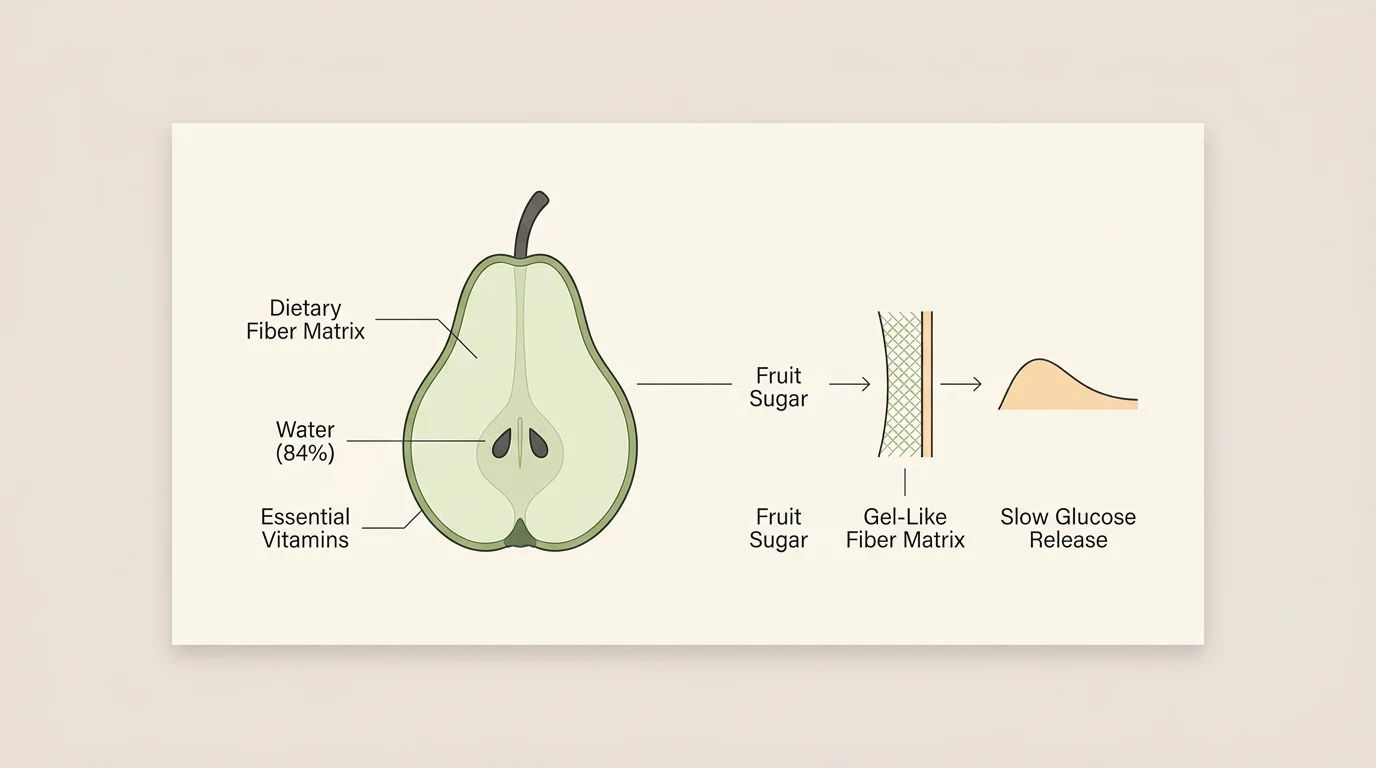
When you eat whole fruit, you consume a complex matrix of water, dietary fiber, vitamins, minerals, and phytonutrients alongside natural sugars. Epidemiological research consistently demonstrates a strong inverse relationship between fruit consumption and the risk of cardiovascular disease and type 2 diabetes. The dietary fiber in a crisp pear acts as a metabolic modulator; it slows digestion and delays sugar absorption into your bloodstream. This slow release prevents the rapid insulin spikes associated with processed sweets. Furthermore, fruits provide antioxidants that neutralize free radicals, reducing cellular inflammation across your entire system. According to federal public health data, most adults fall short of the recommended daily intake. Embracing fruit remains a highly effective, evidence-based strategy for improving your daily energy levels and long-term vitality.

Debunking the 8 Common Myths About Eating Fruit
We must address the specific misconceptions keeping people from enjoying seasonal produce. Examining these claims through the lens of nutritional science reveals an encouraging reality.
Myth 1: Fruit Sugar Is Identical to Table Sugar
Your body processes the fructose in a whole apple completely differently than high-fructose corn syrup in a soda. Whole fruit packages natural sugar with soluble and insoluble fiber, which creates a gel-like matrix that severely blunts your glycemic response. Table sugar simply delivers empty calories completely devoid of essential micronutrients.
Myth 2: You Should Never Eat Fruit on an Empty Stomach
An internet theory suggests eating fruit on an empty stomach causes it to rot in your digestive tract. This ignores human physiology entirely. Your stomach contains hydrochloric acid, creating a highly acidic environment that kills bacteria. Your robust digestive system handles fresh fruit perfectly well at any time of day.
Myth 3: Eating Fruit After 2 PM Causes Weight Gain
The idea that your metabolism suddenly rejects carbohydrates in the mid-afternoon lacks scientific merit. Your body requires continuous energy to support basal metabolic functions, and calories do not inherently turn to fat based on the time. An evening snack of sliced strawberries provides satisfying sweetness for very few calories.
Myth 4: Fruit Juice Is Just as Healthy as Whole Fruit
Juicing strips away the vital fiber that makes whole fruit beneficial for metabolic health. When you drink a glass of apple juice, you consume the sugar of several apples rapidly without fiber to slow its absorption. Extensive observational studies show that frequent juice consumption increases metabolic risks, so prioritize intact plant foods.
Myth 5: People with Diabetes Must Avoid Fruit Completely
This outdated advice leads to highly unnecessary dietary restrictions. According to major health organizations, whole fruit fits perfectly into a diabetic meal plan. The key lies in portion control and pairing your fruit with a source of protein or healthy fat to effectively stabilize your blood glucose levels throughout the day.
Myth 6: Frozen Fruit Lacks Nutritional Value Compared to Fresh
You might assume fresh produce always reigns supreme, but frozen fruit often packs a superior nutritional punch. Farmers harvest fruit intended for freezing at peak ripeness, instantly locking in valuable vitamins. Conversely, fresh fruit often travels hundreds of miles in climate-controlled trucks, actively losing delicate water-soluble vitamins along the way.
Myth 7: Certain Fruits Burn Belly Fat
Sensational headlines frequently claim that grapefruit or lemon water actively melts visceral fat. No single food possesses the magical ability to target fat in specific areas. Fat loss occurs through a sustained caloric deficit. While fruit can certainly aid in weight management, it does not actively burn adipose tissue.
Myth 8: You Must Eat Fruit Unpeeled to Get Any Benefits
While apple skin contains a high concentration of fiber, the flesh inside still offers substantial nutritional value. Peeling your fruit removes some insoluble fiber, but you retain the water, soluble fiber, vitamins, and minerals. If digestive issues make eating the skin unpleasant, peeling your fruit remains a perfectly healthy choice.

Strategy Pillars for Incorporating Fruit
Building a sustainable, health-promoting diet requires moving beyond theory and into actionable routines. You can easily integrate fruit into your daily life using three distinct strategy pillars.
Meal Planning for Maximum Satisfaction
Intentional meal planning ensures you always have fresh or frozen options available when hunger strikes. You should evaluate your weekly schedule and purchase a mix of hardy fruits like apples and oranges that last a long time in the fridge, alongside more perishable items like raspberries to eat early in the week. Preparing your environment plays a massive role in dietary success. Wash and slice melons as soon as you bring them home, storing them in clear glass containers at eye level in your refrigerator. When you open the door looking for a snack, the healthiest option becomes the most convenient option.
Nutrient Focus for Blood Sugar Management
Strategic food pairing helps you manage your blood sugar while maximizing daytime energy levels. Instead of eating an apple completely on its own, try combining it with a complementary macronutrient like protein or a heart-healthy fat. You might smear a tablespoon of almond butter on banana slices, mix blueberries into a bowl of full-fat Greek yogurt, or pair a handful of grapes with an ounce of sharp cheddar cheese. The fat and protein further delay gastric emptying, ensuring the carbohydrates from the fruit provide a steady, sustained stream of energy rather than a fleeting sugar rush.
Habit Formation for Consistent Intake
Creating lasting dietary change means attaching new behaviors to existing routines. You can establish a fruit habit through habit stacking—the practice of linking a new goal to an action you already perform daily. If you always eat oatmeal for breakfast, make it a non-negotiable rule to toss in a handful of berries. If you pack a lunch for work every evening, automatically drop a mandarin orange into your bag. Over time, these small additions compound, effortlessly increasing your daily vitamin and fiber intake without requiring immense willpower.

Expert Perspectives and Lived Experiences
Clinical dietitians and physicians routinely observe the negative impact of unnecessary fruit restriction. Registered dietitians report that clients often arrive at their first consultation terrified of bananas and grapes, convinced these foods caused their weight plateaus. Once patients reintroduce whole fruits into their diets, they frequently experience drastically reduced cravings for processed pastries. The natural sweetness satisfies the biological drive for sugar, while the fiber provides a sense of fullness a processed cookie cannot match. Individuals managing prediabetes often share that learning to pair seasonal fruit with walnuts entirely transformed their relationship with food. They discovered a sustainable way to enjoy cultural traditions rather than viewing diet as a rigid, joyless restriction.

Safety Considerations and Personalization
While fruit offers exceptional benefits for the vast majority of the population, personalizing your nutrition strategy remains essential. Certain medical conditions and pharmacological treatments require specific dietary modifications. For instance, grapefruit and pomelos contain compounds called furanocoumarins that severely interfere with intestinal enzymes. According to the Food and Drug Administration, this interaction can alter the absorption rates of various prescription medications, including specific statins and blood pressure drugs. You must review your medication warning labels and consult your physician before adding grapefruit to your routine. Additionally, individuals with specific gastrointestinal disorders, such as irritable bowel syndrome, may need to closely monitor their intake of fermentable carbohydrates known as FODMAPs. Keeping a detailed symptom journal and working alongside a credentialed nutrition professional will help you identify which fruits your digestive system tolerates best.
Frequently Asked Questions
Readers frequently ask about the finer details of fruit consumption. Let us address four common questions that naturally arise when optimizing your diet.
Does blending fruit into a smoothie destroy its fiber?
Blending changes the physical structure of the fiber by breaking it down into smaller particles, but it does not erase it from your beverage. You still consume the entire plant, retaining the important soluble and insoluble fiber. Because the blender does the mechanical work of chewing, you can easily consume a smoothie much faster than whole fruit. Sip slowly and include solid sources of fat and protein.
Are organic fruits significantly healthier than conventional fruits?
The nutritional differences between organic and conventional fruits remain clinically insignificant for most people. While organic farming practices reduce synthetic pesticide exposure, conventional fruits still deliver exceptional amounts of vitamins and disease-fighting antioxidants. Thoroughly washing conventional produce under running water significantly reduces pesticide residues. The most critical goal is simply eating enough fruit.
Can I eat too much fruit?
Consuming massive quantities of fruit could theoretically displace other essential nutrients, such as protein and essential fatty acids. However, in the context of a varied, balanced diet, overeating whole fruit is incredibly difficult. The high water and fiber content reliably trigger strong satiety signals in your brain. For the vast majority of people, the primary concern is eating too little fruit.
Do dried fruits offer the same benefits as fresh fruits?
Dried fruits provide a highly concentrated source of nutrients and fiber, making them an excellent, shelf-stable option. Because the water has been removed, the calories and natural sugars become much more concentrated by volume. You can absolutely include dried fruit in a healthy diet, but you must remain mindful of portion sizes and verify the manufacturer has not added unnecessary table sugar.
Your Next Steps for Better Nutrition
You possess the power to transform your nutritional health by rejecting unfounded internet myths and embracing evidence-based dietary habits. Whole fruit represents one of nature’s most perfect, nutrient-dense foods, designed to actively nourish your body and protect against cellular damage. Instead of analyzing every gram of natural sugar, focus your attention on the abundance of vibrant colors and delicious flavors available in the produce section. Within the next twenty-four hours, challenge yourself to implement one simple change. You might slice a fresh pear over your morning oatmeal, add a side of mixed berries to your lunch, or swap your evening dessert for a bowl of frozen mango chunks. Taking this single, actionable step will immediately boost your daily nutrient intake and reinforce a positive, proactive relationship with your food.