
Vibrant pink and scaly on the outside, dragon fruit delivers a powerful dose of antioxidants, fiber, and essential vitamins to transform your daily nutrition. Adding this tropical superfood to your diet helps stabilize blood sugar, strengthens your immune system, and promotes robust gut health. Once considered a rare exotic delicacy, this striking cactus fruit now fills everyday grocery store bins. You can effortlessly boost your morning smoothies or afternoon snacks with its subtly sweet flesh. Beyond its captivating appearance, regular consumption provides measurable clinical benefits for heart health and cellular repair. Harness the nutritional power of pitaya to elevate your energy levels, support digestion, and protect your long-term vitality through simple daily habits.
The Science Snapshot: Why Pitaya Earns Its Superfood Status
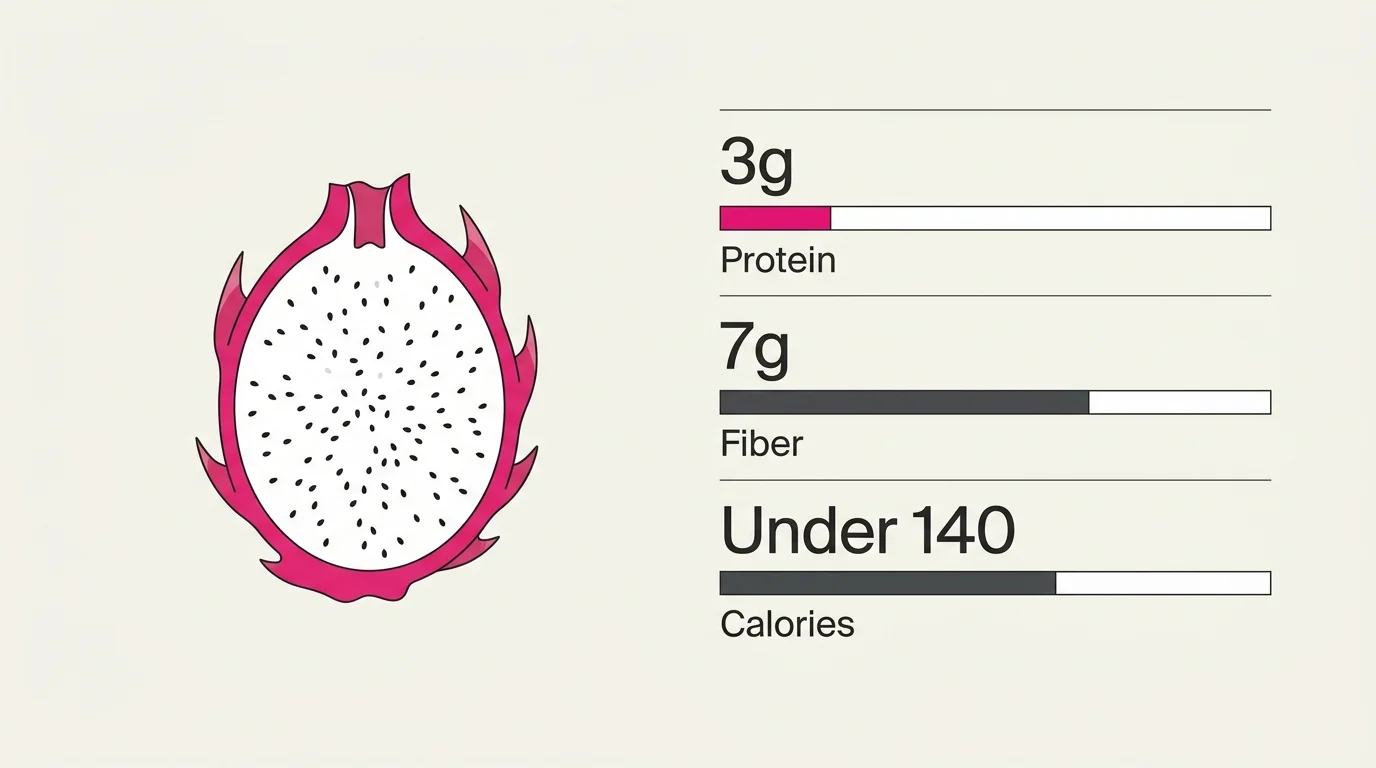
Understanding the actual biochemical composition of a food separates trendy marketing from genuine nutritional science. Dragon fruit, scientifically known as Hylocereus undatus, grows on a unique climbing cactus and thrives in tropical climates worldwide. A single one-cup serving of the raw fruit delivers around three grams of plant-based protein, nearly seven grams of dietary fiber, and a substantial portion of your daily recommended vitamin C and magnesium intake—all for under 140 calories. This impressive macronutrient and micronutrient ratio establishes the foundation for its numerous physiological advantages.
Beyond the basic vitamin profile, the fruit contains a diverse array of phytochemicals; these naturally occurring plant compounds act as a defense system for human cells. Research indexed by the National Institutes of Health frequently highlights the role of polyphenols and betacyanins in reducing systemic inflammation. When you consume these compounds regularly, you essentially provide your body with the chemical raw materials required to repair damaged tissue, manage blood lipid levels, and regulate metabolic processes efficiently.

8 Proven Health Benefits of Eating Dragon Fruit Regularly
Benefit 1: Powerful Antioxidant Protection
Oxidative stress occurs when unstable molecules called free radicals accumulate and outnumber the protective antioxidants in your body. Over time, this microscopic imbalance damages your cells and accelerates the progression of chronic conditions like heart disease, diabetes, and certain cancers. Dragon fruit directly combats this cellular deterioration by delivering a concentrated payload of betalains, hydroxycinnamates, and flavonoids. Betalains, which provide the breathtakingly bright pigment in red-fleshed varieties, actively bind to these free radicals and neutralize them. By disarming these unstable molecules early in their lifecycle, you protect your cellular DNA and preserve your long-term physiological health.
Benefit 2: Exceptional Dietary Fiber for Gut Health
Most modern diets fall critically short of the recommended daily fiber intake, leading to widespread digestive complaints and poor gut microbiome diversity. A generous cup of dragon fruit provides roughly seven grams of dietary fiber, accounting for over twenty percent of your daily requirement. A significant portion of this fiber comes in the form of oligosaccharides—a specialized type of carbohydrate that human stomachs cannot fully digest. Instead of breaking down immediately, these oligosaccharides travel to your lower intestine to serve as premium fuel for beneficial bifidobacteria and lactobacilli. The Academy of Nutrition and Dietetics emphasizes that feeding these beneficial gut microbes directly strengthens your intestinal lining and improves nutrient absorption.
Benefit 3: Natural Immune System Enhancement
Your immune system relies heavily on consistent supplies of vitamin C and carotenoids to produce functioning white blood cells and defend against invasive pathogens. White blood cells are particularly susceptible to damage from free radicals during their natural defense operations; however, the high concentration of vitamin C in pitaya acts as an immediate protective shield. Furthermore, the robust combination of vitamins and structural carotenoids helps maintain the integrity of your skin and mucous membranes—your body’s first physical barrier against environmental bacteria and viruses. Regular consumption fortifies this natural armor, allowing your body to mount a more efficient immune response when exposed to seasonal illnesses.
Benefit 4: Blood Sugar Stabilization
Managing glycemic responses is a cornerstone of preventative nutrition, even for individuals who do not have a formal diabetes diagnosis. The dense fiber matrix of dragon fruit physically slows down the rate at which your digestive tract absorbs sugars into your bloodstream. This mechanical slowing prevents the sharp glucose spikes and subsequent insulin crashes that typically trigger afternoon fatigue and sugar cravings. Furthermore, preliminary clinical studies suggest that regular intake of the red variety may encourage the regeneration of pancreatic beta cells—the specific cells responsible for producing and secreting insulin. Substituting highly processed, sugary snacks with this naturally sweet alternative creates a much smoother, more manageable metabolic environment throughout your day.
Benefit 5: Heart Health Support
If you examine the flesh of a dragon fruit closely, you will notice hundreds of tiny, crunchy black seeds distributed throughout. These miniature seeds are incredibly rich in essential fatty acids, specifically omega-3 and omega-9 oils. These healthy plant-based fats play a pivotal role in optimizing your lipid profile by lowering harmful LDL cholesterol and elevating protective HDL cholesterol. The Centers for Disease Control and Prevention consistently advises integrating unsaturated fats into your dietary routine to reduce overall cardiovascular risk. Additionally, the high lycopene content found in the red-fleshed varieties has been linked to improved vascular function and a reduced risk of arterial plaque buildup.
Benefit 6: Improved Iron Absorption
Iron deficiency remains one of the most common nutritional shortfalls globally, often resulting in persistent lethargy, weakness, and compromised cognitive function. Plant-based sources of iron, known as non-heme iron, are notoriously difficult for the human digestive system to absorb efficiently. Dragon fruit solves this biological challenge by naturally packaging non-heme iron alongside a potent dose of vitamin C. Vitamin C biochemically alters the iron molecules, making them significantly easier for your intestinal tract to absorb and utilize. This natural nutrient pairing makes pitaya an exceptionally strategic food choice for vegetarians, vegans, or anyone struggling to maintain optimal hemoglobin levels.
Benefit 7: Magnesium for Muscle and Nerve Function
Magnesium acts as an essential catalyst in over six hundred distinct biochemical reactions within your body, yet it remains critically under-consumed in Western diets. A single cup of dragon fruit provides nearly eighteen percent of your daily magnesium requirement. This essential mineral facilitates proper muscle contraction, prevents painful cramping after physical exertion, and calms the central nervous system. When you consume adequate dietary magnesium, your body can also synthesize melatonin more effectively, directly translating to deeper, more restorative sleep cycles. Incorporating magnesium-rich fruits into your evening routine can serve as a gentle, natural intervention for chronic restlessness.
Benefit 8: Radiant Skin Health
Your skin relies entirely on internal nutrition to synthesize collagen, the structural protein responsible for elasticity and firmness. The abundant vitamin C in dragon fruit acts as a mandatory co-factor in the collagen production process; without it, your body simply cannot repair connective tissue or maintain skin resilience. Meanwhile, the robust profile of antioxidants diligently neutralizes the free radicals generated by daily sun exposure and environmental pollution. By eating this hydrating, nutrient-dense fruit regularly, you effectively deliver anti-aging compounds straight to your dermal layers, promoting a vibrant, natural glow that topical creams alone cannot replicate.

Strategy Pillars: Building Dragon Fruit Into Your Diet
Smart Meal Planning
Sourcing and budgeting for exotic produce requires a strategic approach. While fresh, whole dragon fruit offers a beautiful presentation and a delightful texture, it can carry a premium price tag depending on your geographic location. To overcome this, look for frozen pitaya cubes or pureed smoothie packs in the freezer aisle of your local grocery store. The freezing process locks in the antioxidants at peak ripeness, ensuring you receive maximum nutritional value at a fraction of the cost. If you do purchase fresh fruit, cut the flesh into cubes and store them in an airtight container in the refrigerator for up to four days for effortless snacking.
Nutrient Synergy and Pairing
To maximize the absorption of the fat-soluble vitamins and antioxidants present in the fruit, pair it with healthy dietary fats. Dietitians frequently recommend blending pitaya with full-fat Greek yogurt, tossing it into a salad with sliced avocados, or sprinkling chia seeds and crushed walnuts over a fresh fruit bowl. This concept, known as nutrient synergy, ensures your digestive tract can effectively extract and transport every available micronutrient. Combining the natural sugars of the fruit with protein and healthy fats also prolongs satiety, keeping you comfortably full until your next meal.
Sustainable Habit Formation
Transitioning this fruit from an occasional novelty to a regular dietary staple requires deliberate habit building. Start by assigning dragon fruit to one specific meal twice a week. You might replace your standard Tuesday morning banana with pitaya cubes in your oatmeal, or blend a vibrant pink smoothie every Saturday after your workout. By tethering this new ingredient to existing, well-established daily routines, you drastically increase the likelihood that you will continue consuming it long-term. Consistency always triumphs over intensity when trying to reshape your foundational nutrition.

Clinical Perspectives and Lived Experiences
In routine clinical practice, registered dietitians frequently observe a profound shift in patient vitality when deeply colored, whole foods replace heavily processed carbohydrates. Patients who actively integrate diverse fruits into their morning routines routinely report sustained mid-morning energy levels and a noticeable reduction in digestive bloating. Furthermore, adding visually spectacular foods to your plate taps into the psychology of eating; we inherently eat with our eyes first.
Community members and culinary enthusiasts often express joy at how effortlessly red dragon fruit transforms a standard breakfast bowl into a vibrant, appetizing meal. This emotional and aesthetic connection to whole foods plays an underappreciated role in dietary adherence. When healthy food is genuinely exciting and beautiful to look at, the mental friction required to make nutritious choices diminishes significantly, making lifelong wellness an enjoyable pursuit rather than a rigid chore.

Safety, Allergies, and Personalization
Dragon fruit is overwhelmingly safe for the general population and boasts an excellent tolerability profile, but a few specific considerations warrant your attention. If you consume a large portion of the red-fleshed variety, you may experience pseudohematuria—a completely harmless condition where your urine or stool temporarily turns a reddish or pinkish hue. Do not panic; this is simply the body processing the intense betalain pigments and will clear quickly on its own.
True allergic reactions to pitaya are exceptionally rare, though a handful of isolated anaphylaxis cases exist in medical literature. If you have known severe allergies to other tropical fruits, consider testing a very small amount first. Always remember to thoroughly wash the tough, leathery exterior of the fruit before slicing into it, as the knife blade can easily drag surface bacteria down into the edible flesh. As always, if you take specialized medications for blood sugar management, consult your primary care physician or a registered dietitian, as the fruit’s natural hypoglycemic effects may require you to adjust your standard medication dosages.
Frequently Asked Questions
Do I eat the skin of the dragon fruit?
No, the tough, scaly outer skin is not safely edible and can cause severe stomach upset if ingested. However, the skin is incredibly easy to peel away from the flesh once the fruit is sliced into quarters. The tiny black seeds scattered throughout the interior, conversely, are entirely edible, easily digestible, and packed with valuable healthy fats.
Is the red or white fleshed variety healthier?
Both variations offer spectacular health benefits, robust fiber profiles, and high vitamin C content. The red-fleshed variety contains significantly higher levels of betalain antioxidants—the specific compounds responsible for the dark pigment. If you have the option, choosing the red variety provides a slightly more potent antioxidant boost, but the white variety remains an exceptional, nutrient-dense choice.
How can I tell when a fresh dragon fruit is perfectly ripe?
A ripe dragon fruit will display bright, even coloring across its skin with very few green spots. When you press gently on the exterior with your thumb, it should yield slightly, similar to the texture of a ripe avocado or a kiwi. If the fruit feels rock hard, leave it on your countertop at room temperature for a couple of days to soften; if it feels overly mushy or shows dark brown bruising, it has likely passed its peak.
Can individuals with diabetes safely consume dragon fruit?
Yes, pitaya is generally considered safe and beneficial for individuals managing diabetes when consumed in appropriate portions. The exceptionally high fiber content actively slows the digestive process, preventing rapid blood glucose spikes. Nevertheless, because it does contain natural fructose, it is vital to monitor your personal glycemic response and work alongside a qualified healthcare provider to determine the ideal serving size for your specific metabolic needs.
A Motivating Step Forward
Transforming your daily nutrition does not require dramatic overnight overhauls; it simply demands a willingness to invite new, nutrient-dense foods onto your plate. Dragon fruit offers a scientifically backed, delicious pathway to improved heart health, stronger immunity, and smoother digestion. Your challenge for the next twenty-four hours is straightforward: pick up one fresh pitaya or a bag of frozen cubes from your local grocery store. Blend it into your morning protein shake, dice it over your yogurt, or simply enjoy it fresh with a squeeze of lime. Take this small, vibrant action today, and actively invest in your body’s long-term vitality.