
Protecting your brain as you age starts at the dinner table, where specific daily eating patterns can slash your risk of cognitive decline by nearly a third. By adopting just a few targeted nutrition strategies, you actively shield your neurons from damage and support long-term memory retention. Recent neurological research reveals that while genetics play a role, your lifestyle choices carry tremendous weight in determining your cognitive future. You do not need restrictive diets or expensive supplements to achieve these neurological benefits. Instead, focusing on practical, satisfying food combinations and mindful eating habits provides your brain with the exact compounds it needs to thrive.

The Science Behind Nutrition and Cognitive Decline
Your brain demands constant fuel—it consumes roughly twenty percent of your body’s energy reserves every single day—making your dietary choices critical for long-term neurological health. As you age, oxidative stress and inflammation naturally increase throughout your body. In the brain, this persistent inflammation can damage healthy cells and accelerate the buildup of amyloid-beta plaques, which are protein fragments heavily associated with Alzheimer’s disease and other forms of dementia.
Extensive dietary studies, including those analyzing the well-regarded MIND diet framework, demonstrate a clear correlation between what you eat and how well your brain ages. Researchers investigating nutrition and cognitive preservation note that individuals who strictly adhere to brain-healthy eating patterns can lower their risk of developing dementia by up to thirty percent. These benefits stem from a synergistic effect; no single superfood acts as a magic bullet. Instead, the magic happens when you consistently combine nutrient-dense foods that reduce cellular inflammation, promote healthy blood flow to the brain, and support the structural integrity of your neurons.
Understanding this science empowers you to make deliberate choices at the grocery store. By viewing your meals as daily opportunities to administer preventative medicine, you can proactively build cognitive reserve. This cognitive reserve acts as a neurological savings account, giving your brain the resilience it needs to function sharply well into your later years.
Strategic Meal Planning for Brain Longevity
Transforming nutritional science into daily practice requires actionable strategies that fit seamlessly into your routine. By restructuring how and when you eat, you can maximize the neuroprotective benefits of your food.
Habit 1: Front-Loading Antioxidants at Breakfast
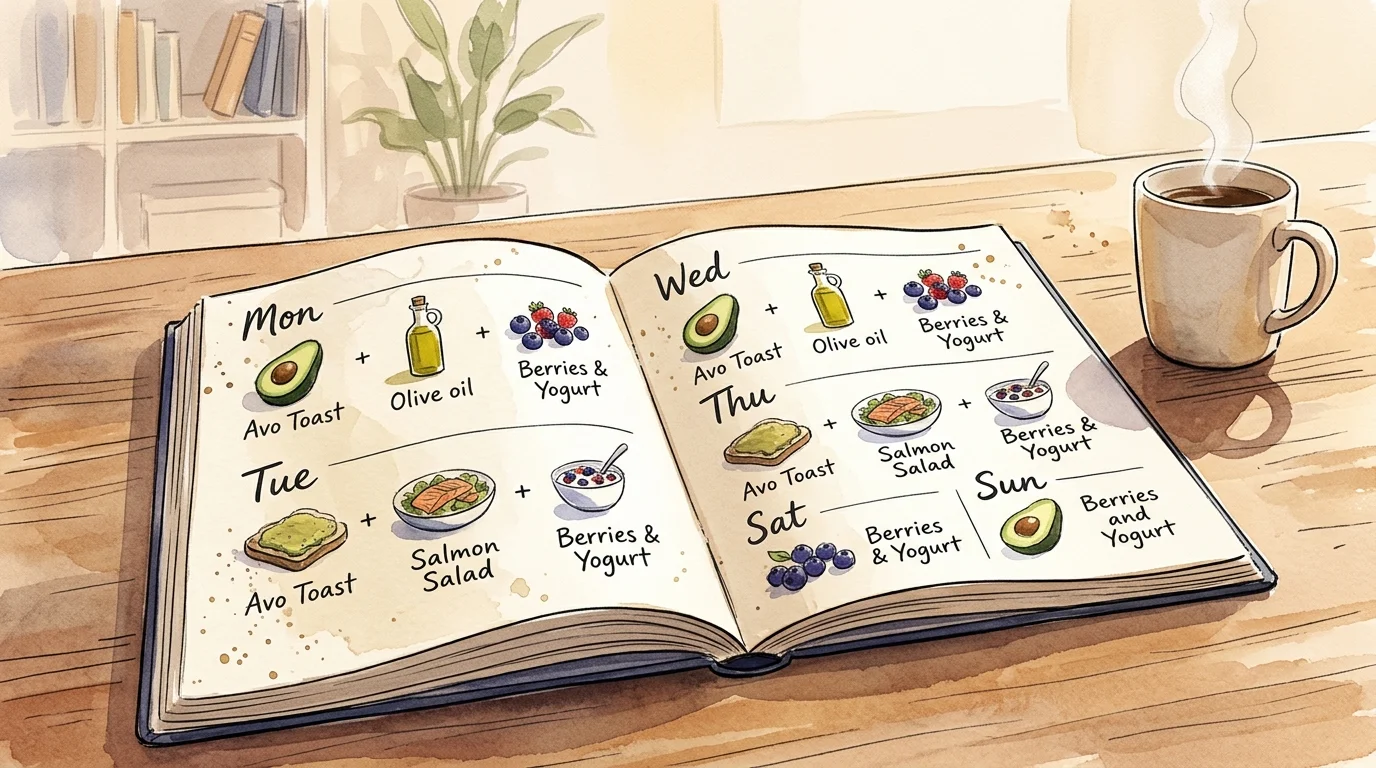
Many people wait until dinner to consume their primary serving of vegetables or fruits, leaving their brains vulnerable to oxidative stress during peak waking hours. A powerful habit involves introducing massive doses of antioxidants first thing in the morning. Berries, particularly blueberries and blackberries, contain high levels of flavonoids called anthocyanins. These specific compounds easily cross the blood-brain barrier to neutralize free radicals directly inside your brain tissue. By stirring a half-cup of dark berries into your morning oatmeal or blending them into a smoothie, you immediately equip your brain with the chemical defenses it requires to face daily stressors.
Habit 2: Building Meals Around Plant-Based Fats
Your brain is composed of nearly sixty percent fat, meaning it relies heavily on dietary lipids to repair cellular membranes. Relying on saturated fats from heavy meats and highly processed oils can stiffen these membranes over time. Shifting your meal foundation to prioritize extra virgin olive oil, avocados, and walnuts changes your physiological landscape. Extra virgin olive oil contains oleocanthal, a unique phenolic compound that helps specialized brain enzymes clear away neurotoxic proteins. Whenever you prepare a meal, practice reaching for plant-based, monounsaturated fats as your primary cooking medium or finishing oil.
Habit 3: Synchronizing Meals with Your Circadian Rhythm
Digestion requires immense metabolic energy. If you eat heavy meals late into the evening, your body must divert resources toward digesting food rather than performing crucial nighttime cellular maintenance. Your brain features a unique waste-clearance mechanism called the glymphatic system, which washes away cellular debris while you sleep. By establishing a routine where you stop eating two to three hours before bedtime, you allow your body to fully engage this nightly cleaning cycle, dramatically reducing the accumulation of harmful proteins linked to cognitive decline.

Nutrient Focus: Supplying Your Neurons
Once you establish a strong structural routine for your meals, you can fine-tune the specific ingredients on your plate to ensure your neurons receive targeted support.
Habit 4: Pairing Leafy Greens with Healthy Fats
Dark leafy greens like spinach, kale, and Swiss chard offer dense concentrations of vitamin K, lutein, and folate—all nutrients strongly correlated with slower cognitive decline. However, a common mistake involves eating these greens raw with fat-free dressings. Because lutein and vitamin K are fat-soluble, your body cannot absorb them efficiently without dietary lipids. By tossing your daily greens in a generous splash of olive oil or pairing them with sliced avocado, you ensure these crucial neuroprotective nutrients actually reach your bloodstream and, ultimately, your brain.
Habit 5: Sourcing Omega-3s Through Fatty Fish
DHA, a specific type of omega-3 fatty acid, acts as a critical structural component of your cerebral cortex. Without adequate DHA, neural communication slows down. Eating fatty fish remains the most direct way to elevate your blood levels of this vital nutrient. Focusing on the “SMASH” fish—salmon, mackerel, anchovies, sardines, and herring—provides high yields of DHA while keeping heavy metal exposure low. Incorporating a serving of these fish two to three times a week supplies your brain with the raw materials needed to continually rebuild its neural pathways. For plant-based eaters, incorporating algae oil supplements alongside flaxseeds and chia seeds helps bridge this nutritional gap.
Habit 6: Leveraging Neuroprotective Culinary Spices
The contents of your spice cabinet hold tremendous potential for cognitive preservation. Turmeric, specifically its active compound curcumin, exhibits powerful anti-inflammatory properties that calm agitated brain tissue. Because curcumin absorbs poorly on its own, adopting the habit of cooking turmeric alongside black pepper and a source of fat enhances its bioavailability exponentially. Similarly, adding a dash of Ceylon cinnamon to your morning coffee or tea helps regulate blood sugar spikes, protecting the delicate blood vessels that supply oxygen-rich blood to your cerebral cortex.
Habit Formation: The Psychology of Eating for Brain Health
The environment and mindset you cultivate during meals deeply influence how your body metabolizes food and manages neurological stress.
Habit 7: Eating Mindfully to Lower Cortisol
Rushing through meals in a state of high stress keeps your autonomic nervous system trapped in a “fight or flight” response. This elevated state floods your brain with cortisol, a stress hormone that, when chronically elevated, physically shrinks the hippocampus—the brain region responsible for memory formation. Making a conscious habit of sitting down away from your desk, taking deep breaths before your first bite, and chewing your food thoroughly signals safety to your nervous system. This mindful eating practice lowers cortisol levels, creating a safer internal environment for your neurons to thrive.
Habit 8: Engaging in Communal Meals
Eating in isolation deprives your brain of a critical form of exercise: social interaction. Conversation requires complex neurological orchestration, forcing your brain to process auditory cues, interpret facial expressions, and formulate responses in real-time. When you habitually share meals with family, friends, or community members, you blend nutritional nourishment with cognitive stimulation. This dual action builds profound cognitive reserve, making social eating a scientifically validated strategy for delaying the onset of dementia symptoms.
Habit 9: Micro-Dosing Hydration Throughout the Day
Even mild dehydration can temporarily shrink brain tissue and impair your ability to focus, recall memories, and process information. Rather than chugging large volumes of water at random intervals, developing a habit of steady, consistent hydration maintains optimal fluid balance in your brain cells. Keeping a dedicated water source visible at your workspace and taking small sips continuously throughout the day ensures your neural signaling remains rapid and uninterrupted.

Expert Voices and Real-World Application
Clinical dietitians specializing in gerontology frequently emphasize that brain-healthy eating must be accessible to be sustainable. As experts from the Academy of Nutrition and Dietetics note, you do not need a massive grocery budget to protect your cognitive health. Canned sardines provide the exact same omega-3 benefits as expensive wild-caught salmon, often at a fraction of the cost. Similarly, frozen spinach and frozen berries retain their peak nutritional value because they are flash-frozen at harvest, making them affordable, year-round staples for anyone focused on healthy aging.
Community health educators observe that the most successful dietary shifts occur gradually. Individuals who try to overhaul their entire diet in a single weekend often burn out. Conversely, those who implement just one new habit per week—such as swapping a refined carbohydrate snack for a handful of walnuts—demonstrate higher long-term adherence and significantly better cognitive outcomes over the subsequent decades.
Safety, Personalization, and Medical Guidance
While adopting a brain-healthy dietary pattern benefits most adults, personalization remains vital for your safety and success. Certain foundational foods in the dementia-prevention toolkit may interact with common medications. For instance, the high vitamin K content in dark leafy greens can interfere with blood-thinning medications like warfarin. If you take these medications, you must maintain a consistent daily intake of vitamin K rather than suddenly increasing your consumption of kale or spinach.
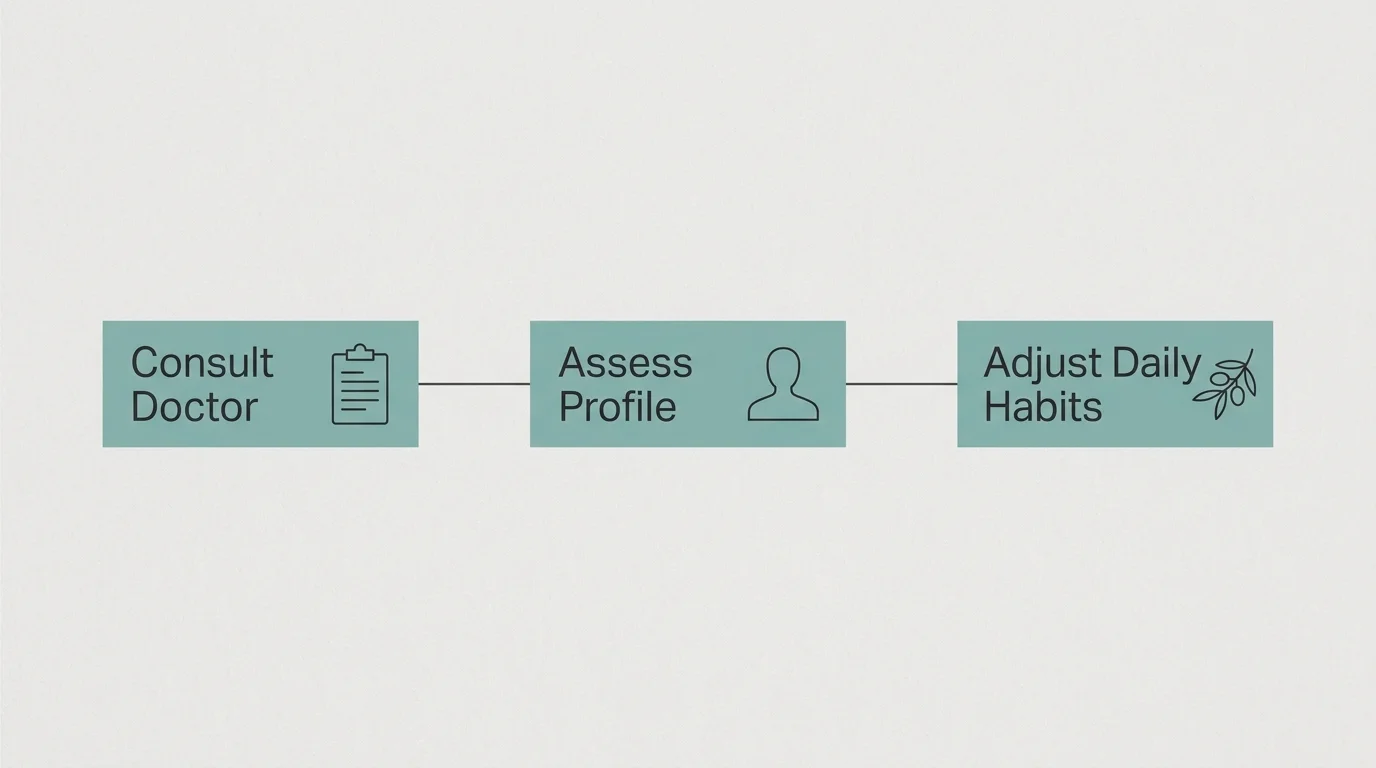
Additionally, those dealing with histamine intolerances might need to approach fermented foods and aged, canned fish with caution. Always listen to your body’s specific responses to new foods. Before making significant changes to your eating habits, especially if you manage chronic conditions like diabetes or cardiovascular disease, consult a registered dietitian or your primary care physician to ensure your new nutritional strategies align perfectly with your broader medical profile.
Frequently Asked Questions About Brain-Healthy Eating
1. Can I still eat red meat if I want to protect my brain?
You do not have to eliminate red meat entirely, but reframing how you use it yields significant neurological benefits. Research consistently shows that high consumption of saturated fats found in red meat correlates with increased cognitive decline. To strike a balance, treat red meat as a side dish or flavor enhancer rather than the centerpiece of your plate. Limiting consumption to one or two small servings per week while prioritizing poultry, beans, and fish for your main protein sources perfectly aligns with brain-preserving dietary patterns.
2. Are frozen fruits and vegetables as effective for brain health as fresh ones?
Absolutely; in many cases, they can be even more nutritious. Produce chosen for the freezer aisle is typically harvested at peak ripeness and immediately flash-frozen, a process that locks in volatile antioxidants and vitamins. Fresh produce, by contrast, may travel on trucks for days, gradually losing vital nutrients like vitamin C and certain flavonoids along the journey. Utilizing frozen berries for your morning antioxidants or frozen broccoli for evening meals offers a highly effective, budget-friendly way to maintain a brain-protective diet.
3. How long does it take to see cognitive benefits from changing my diet?
Neurological remodeling is a gradual process. While you may notice improvements in your daily energy levels and focus within just a few weeks of stabilizing your blood sugar and improving your hydration, structural changes to the brain take longer. Studies evaluating dietary interventions typically measure significant divergence in cognitive decline risk after a few years of sustained adherence. Remember that every brain-healthy meal acts as an investment; the compounding benefits manifest most clearly as you progress through your sixties, seventies, and beyond.
4. Does coffee help or hurt my dementia risk?
When consumed strategically, coffee acts as a neuroprotectant. The National Institute on Aging and numerous longitudinal studies indicate that moderate caffeine consumption—roughly two to three cups of coffee daily—correlates with a lower risk of developing Alzheimer’s disease. The benefits stem not just from caffeine, but from the dense concentration of antioxidants present in roasted coffee beans. However, the protective effects vanish if you load your coffee with excessive refined sugars or heavy syrups, which drive up inflammation. Stick to black coffee or lightly flavor it with plant-based milks and cinnamon.
Take Action for Your Brain Today
Empowering your brain against the natural aging process does not require a flawless diet; it requires persistence and intentionality. The overwhelming consensus from the Centers for Disease Control and Prevention and global neurological researchers is that small, daily lifestyle choices compound into massive long-term benefits. Do not wait for the perfect moment to start protecting your cognitive future. Look at the nine habits detailed above and choose just one to implement tomorrow morning. Whether you decide to add a handful of walnuts to your lunch, blend a cup of frozen berries into your breakfast, or simply slow down and take three deep breaths before your next meal, your neurons will immediately reap the rewards.