Monitoring Biomarkers and Navigating Medication Interactions
Strategic nutrition requires objective data to ensure you are meeting your goals safely. You cannot rely on physical symptoms alone, as the signs of inadequate vitamin B12 or deteriorating bone mineral density often remain hidden until irreversible damage occurs.
Collaborate with your primary care physician to schedule annual blood panels that specifically measure your serum levels of vitamin D, B12, iron, and essential electrolytes. Establishing a baseline allows you to track your progress accurately.
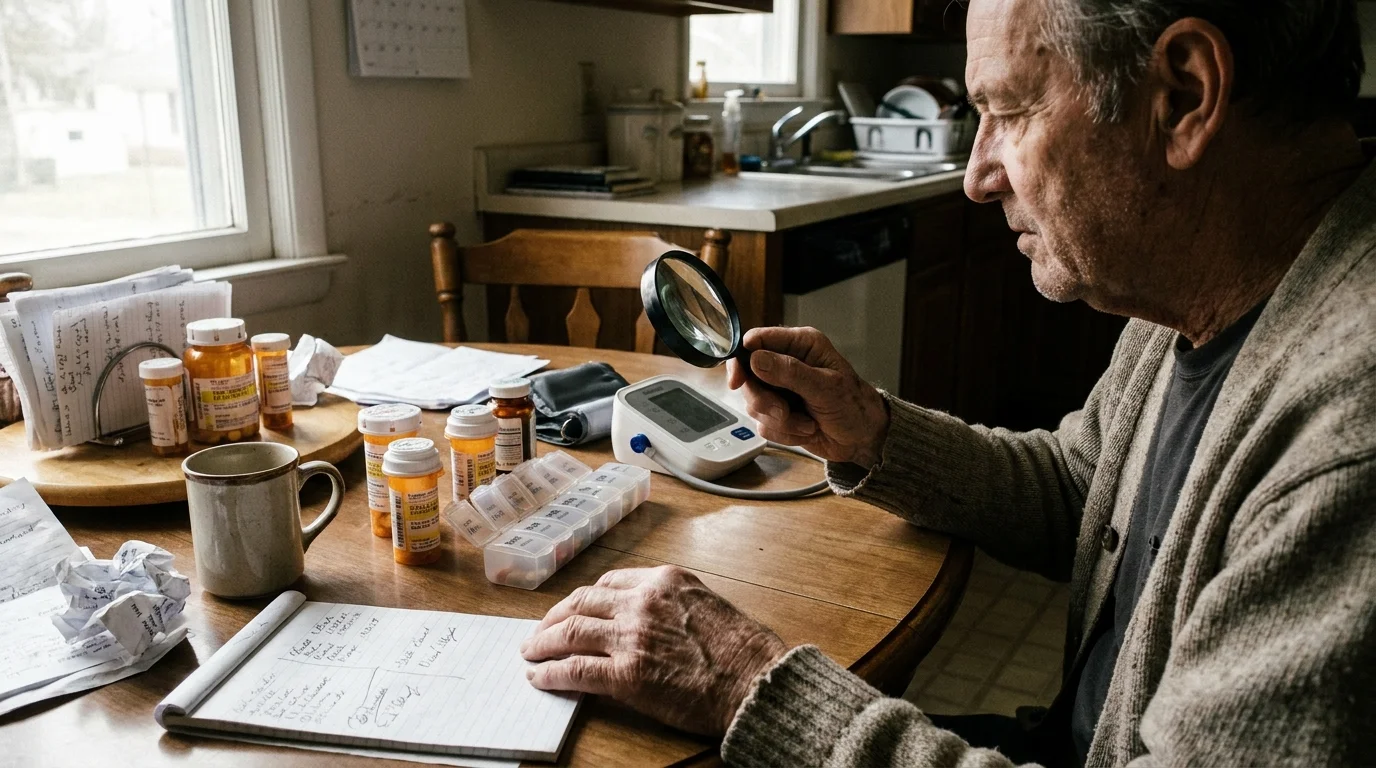
Medication interactions demand equal vigilance. A significant portion of the senior population takes multiple prescription drugs daily, many of which actively interfere with nutrient absorption.
Acid reflux medications drastically alter your stomach pH, blocking the release of calcium and iron. Diuretics frequently flush essential potassium out of your system. Always bring a comprehensive list of your medications to a registered dietitian to help time your meals effectively.
Frequently Asked Questions About Senior Nutrition
How can I ensure I get enough vitamins when dining out frequently?
Navigating restaurant menus requires a proactive mindset. Bypass fried entrees and request grilled proteins like fish and poultry, which naturally provide zinc and B vitamins. Ask your server to substitute heavy potato sides with double portions of steamed broccoli to boost your calcium intake. Requesting dressings on the side empowers you to control your fat intake while enjoying a nutrient-dense meal.
What are the best budget-friendly alternatives for high-quality nutrients?
Eating a vitamin-rich diet does not require expensive grocery stores. Canned oily fish, like sardines, offer incredible value while delivering potent doses of vitamin D. Frozen fruits and vegetables represent another highly economical choice; they are flash-frozen at peak ripeness, effectively locking in their vitamin C. Incorporating dried lentils and black beans provides an inexpensive foundation for iron and magnesium.
Should I rely on a daily multivitamin to cover my nutritional gaps?
While a targeted supplement acts as a helpful safety net, you should never use pills to justify a poor diet. Whole foods deliver a complex matrix of vitamins and fiber that work synergistically. According to the National Institutes of Health, excessive doses of synthetic vitamins can cause toxicity. Always prioritize real food first, utilizing specific supplements only under medical supervision.
How can I adapt these recommendations to fit my cultural dietary traditions?
Nutritional science universally applies to human physiology, but you can easily translate these requirements into any cultural cuisine. If your heritage favors traditional stews, amplify the iron content by adding diverse varieties of beans. If dairy does not feature prominently in your cultural dishes, meet your calcium requirements through traditional preparations of tofu, dark leafy greens, or calcium-fortified bases like soy milk.
Taking Charge of Your Nutritional Health
Revitalizing your diet in your senior years stands as one of the most powerful steps you can take to preserve your independence and enhance your quality of life. You hold the authority to transform your daily meals into functional, healing tools that actively combat the natural physiological changes of aging. Start today by choosing just one specific vitamin or mineral to focus on; perhaps you can swap your morning toast for a fortified cereal to boost your B12. Document this single habit change and share your goal with your healthcare team at your next appointment. By taking intentional action, you construct a resilient nutritional foundation that supports a vibrant, energetic future.