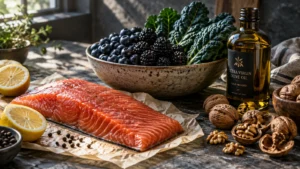
When joint stiffness or nagging muscle aches strike, reaching into the medicine cabinet for ibuprofen often feels like an automatic reaction. You can dramatically reduce systemic inflammation and ease daily discomfort by swapping or supplementing over-the-counter pills with targeted, science-backed natural pain relievers. Bioactive plant compounds alter inflammatory pathways directly at the cellular level without burdening your stomach lining or cardiovascular system. By integrating standardized botanical extracts and nutrient-dense whole foods into your routine, you can reclaim your mobility, protect your long-term organ health, and manage daily aches with lasting confidence. Here is how evidence-based natural solutions transform your body’s response to pain.
The Hidden Risks of Daily NSAID Reliance
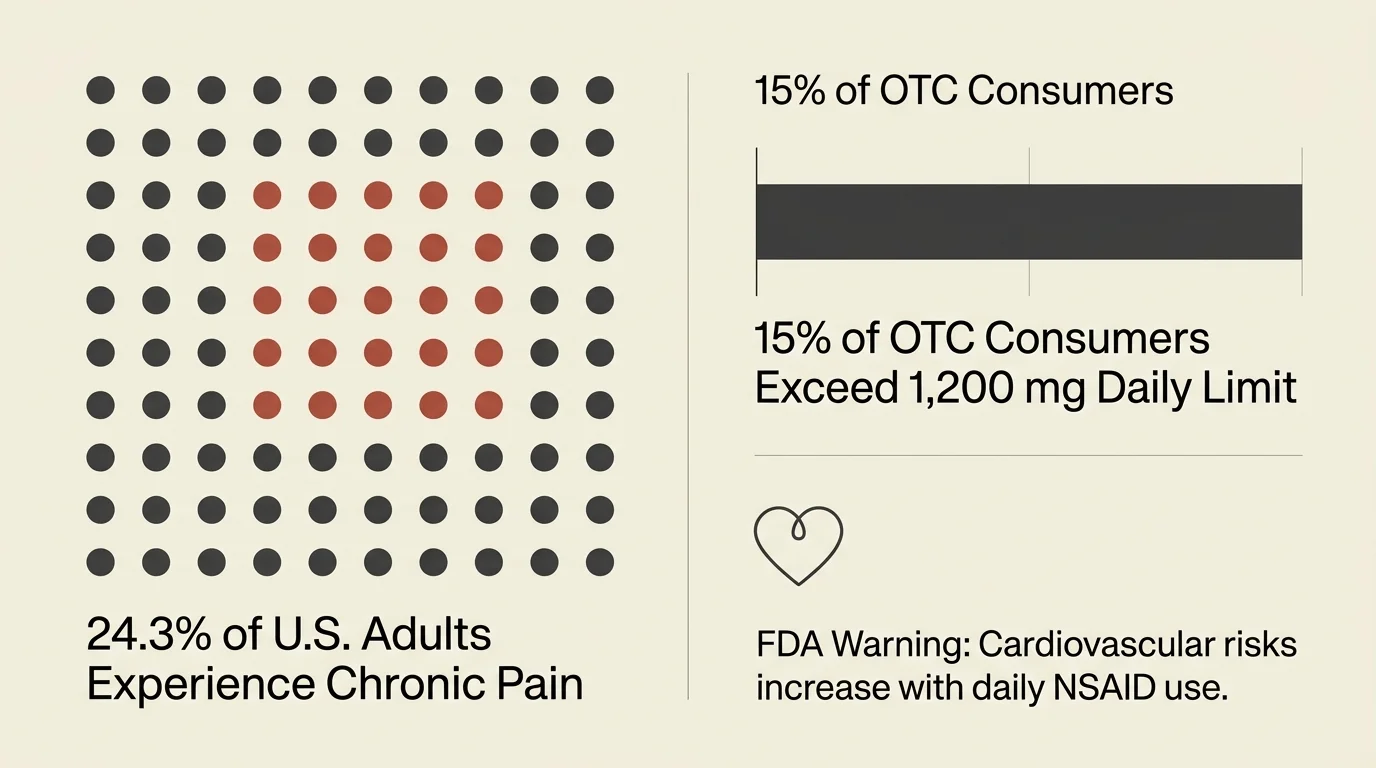
If you regularly reach for non-steroidal anti-inflammatory drugs (NSAIDs) to quiet joint stiffness or backaches, you share that habit with millions of Americans. According to the CDC National Center for Health Statistics Data Brief No. 518, 24.3% of U.S. adults—approximately 60 million people—experienced chronic pain in 2023. Furthermore, 8.5% of adults suffered from high-impact chronic pain that restricted their ability to work and enjoy life activities. Over-the-counter painkillers offer convenient temporary relief, but their chronic daily use carries significant health consequences that many adults overlook.
Many people view over-the-counter ibuprofen as harmless simply because it does not require a prescription. However, in July 2015, the U.S. Food and Drug Administration strengthened safety warnings on non-aspirin NSAIDs, cautioning that these drugs increase the risk of heart attack or stroke. These serious cardiovascular events can occur within the first few weeks of daily use, posing heightened risks for older adults and individuals with hypertension.
Overuse of these accessible medications remains widespread across the country. A national study published in Pharmacoepidemiology and Drug Safety revealed that 15% of adult OTC ibuprofen consumers exceeded the maximum recommended limit of 1,200 milligrams daily within a single week. Exceeding this limit significantly elevates your risk for gastrointestinal bleeding, acute kidney injury, and blood pressure elevation. Understanding these systemic risks underscores why transitioning toward evidence-based natural alternatives provides a safer foundation for your long-term pain management strategy.
Science Snapshot: How Plant Compounds Cool Chronic Inflammation
To understand why natural pain relievers work effectively, you must examine how your body generates pain signals. When tissues experience injury or mechanical stress, your cells activate an enzyme called cyclooxygenase-2 (COX-2). This enzyme converts fatty acids into pro-inflammatory prostaglandins, which sensitize local nerve endings and generate joint swelling, heat, and throbbing pain.
Pharmaceutical NSAIDs act like a sledgehammer by completely shutting down both COX-2 and COX-1 enzymes. While COX-2 drives inflammation, COX-1 performs essential protective duties, such as maintaining your stomach’s protective mucus lining and regulating renal blood flow. Blocking COX-1 leaves your stomach lining vulnerable to stomach acid, triggering common side effects like heartburn, gastritis, and ulcers.
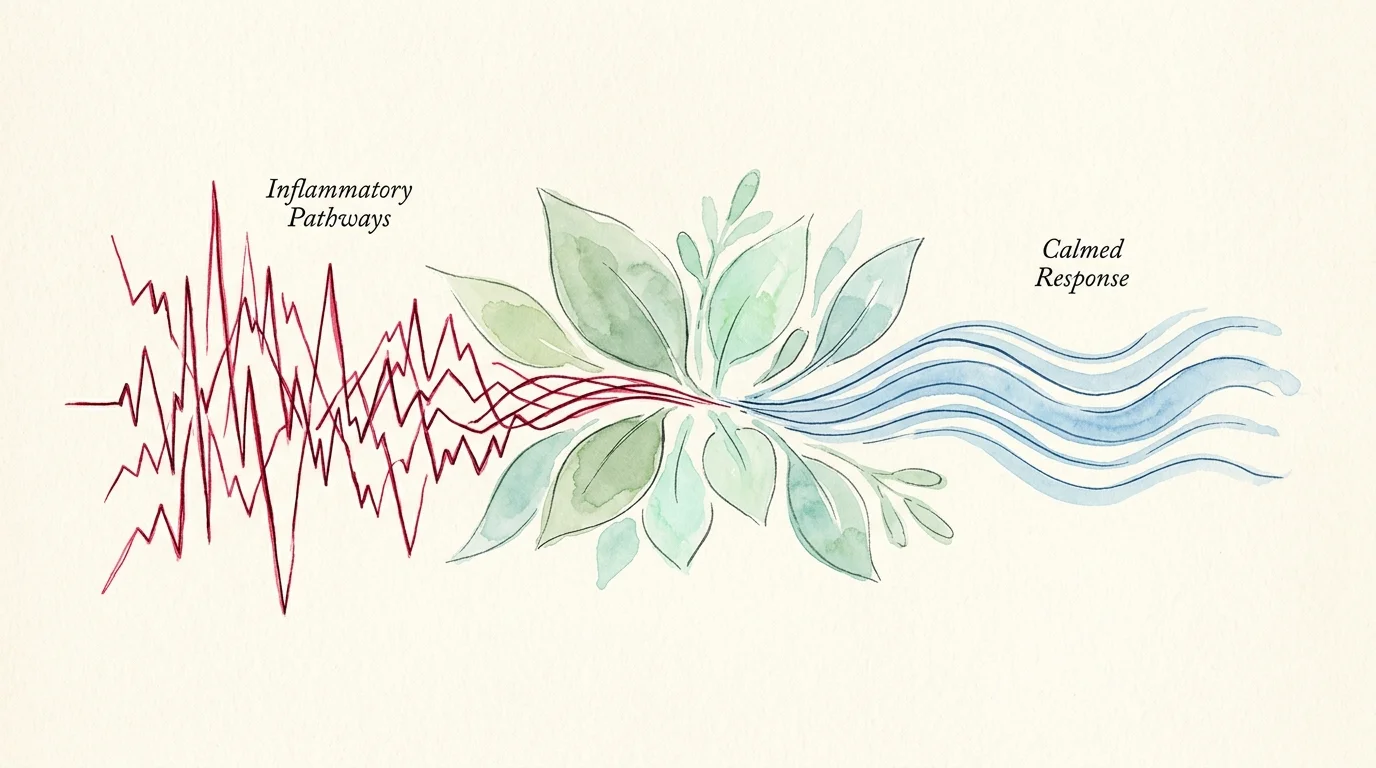
Natural plant compounds take a far more balanced approach to inflammatory management. Bioactive phytochemicals downregulate the nuclear factor-kappa B (NF-kB) signaling pathway, which acts as the master controller for cellular inflammation. By inhibiting NF-kB, these botanicals reduce pro-inflammatory cytokines such as tumor necrosis factor-alpha and interleukin-6. Simultaneously, they gently modulate COX-2 activity without stripping away stomach-protective COX-1 benefits, delivering reliable relief without compromising your digestive health.
Pillar 1: Standardized Curcumin Extract
Curcumin, the primary bioactive polyphenol derived from golden turmeric root, represents one of the most thoroughly researched natural anti-inflammatories available today. Systematic reviews published in peer-reviewed journals, including BMC Complementary Medicine and Therapies, demonstrate that standardized curcumin extracts taken at daily doses of 500 mg to 1,500 mg provide clinical pain reduction comparable to standard NSAID regimens for knee osteoarthritis. Crucially, study participants taking curcumin experienced significantly lower rates of gastrointestinal side effects like nausea and stomach upset.
The main challenge with whole turmeric powder involves bioavailability. Raw curcumin accounts for only about 3% of turmeric root by weight and absorbs poorly through your intestinal wall. To unlock its full potential, pair curcumin with piperine, an alkaloid extracted from black pepper. Piperine enhances curcumin absorption by up to 2,000 percent by temporarily relaxing intestinal permeability. Because curcumin is fat-soluble, consuming it with healthy fats ensures optimal transport into your bloodstream.
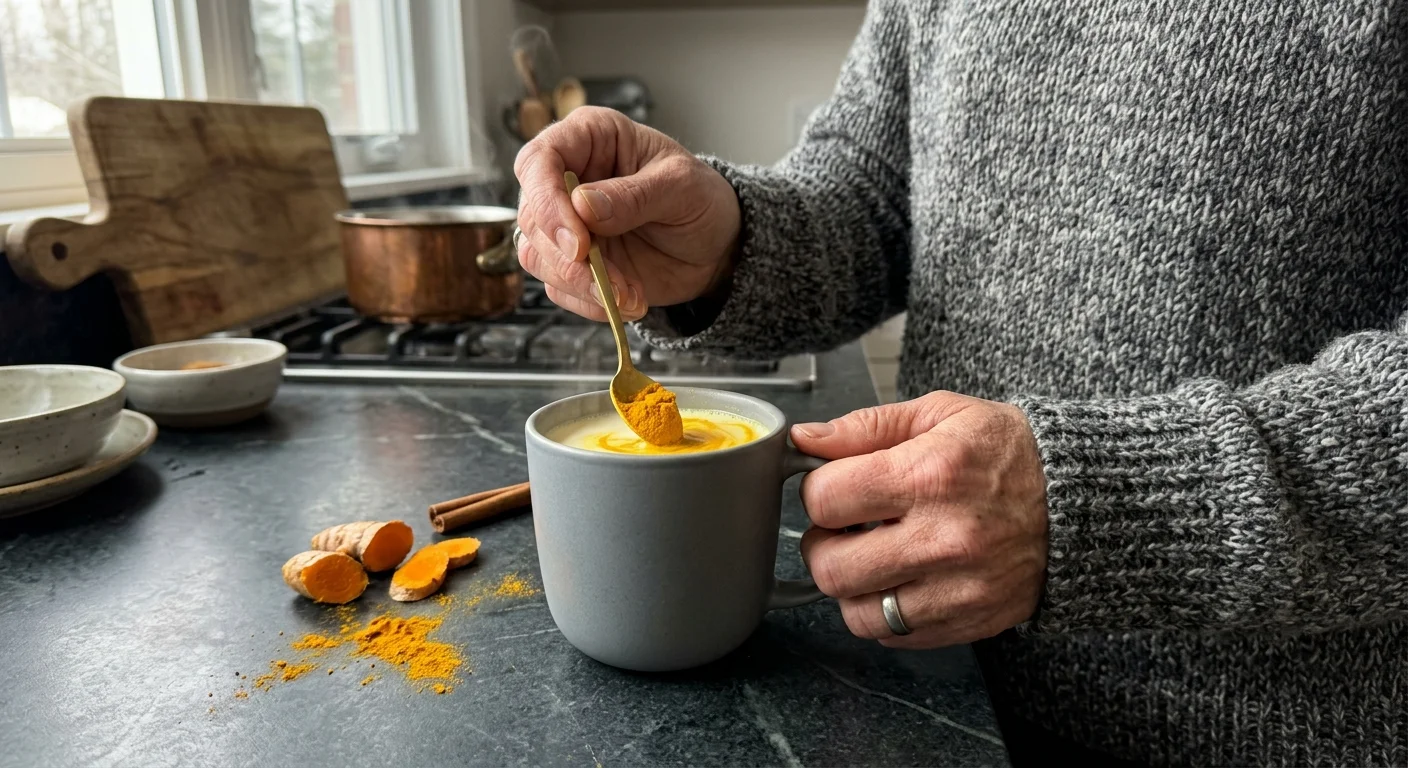
You can integrate curcumin through both targeted supplements and functional culinary habits. Look for standardized extracts containing 95% curcuminoids paired with piperine or formulated in a liposomal matrix. In your kitchen, brew a golden milk tea by simmering almond milk with ground turmeric, fresh ginger, crushed black pepper, and coconut oil. You can also toss diced root vegetables in olive oil, turmeric, and black pepper before roasting them for dinner.
Pillar 2: Ginger Root
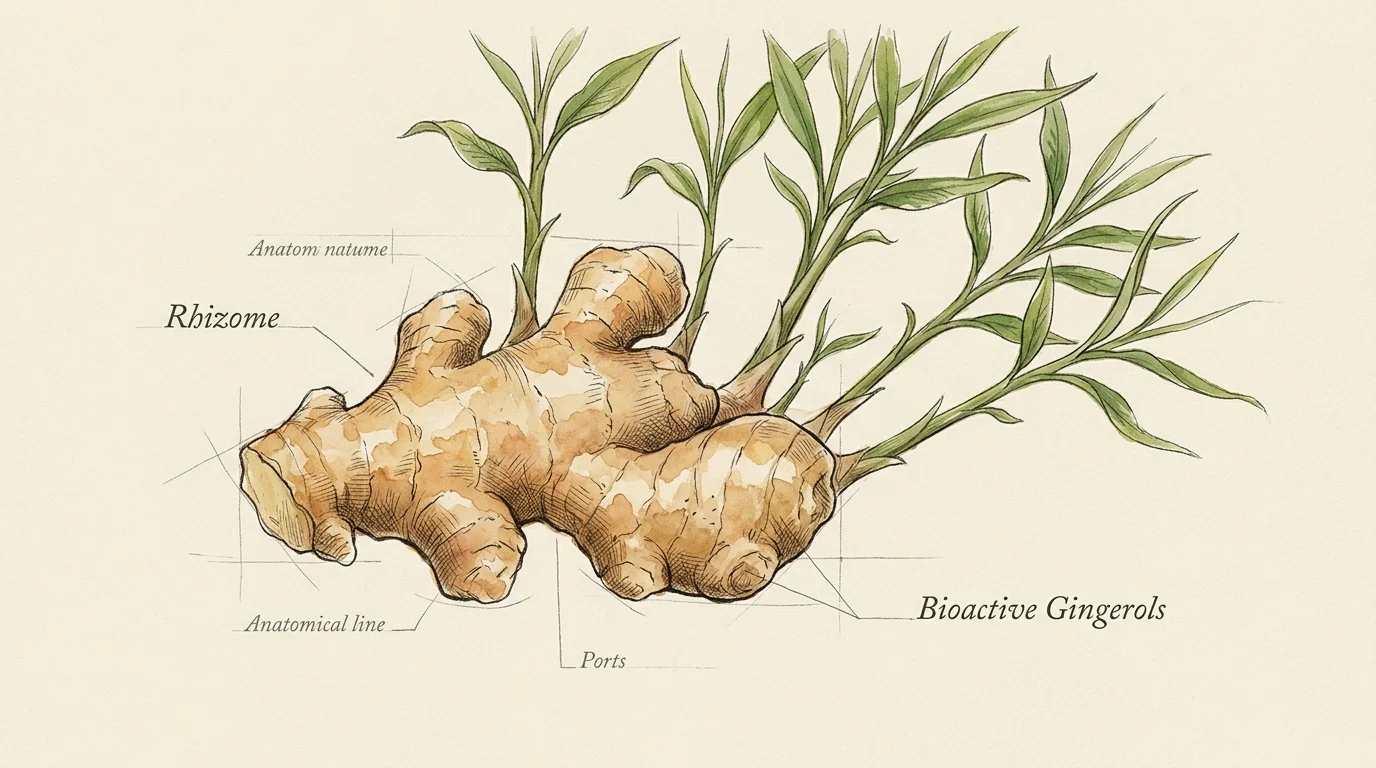
Ginger is a close botanical relative of turmeric that delivers multi-targeted relief for acute muscle soreness and chronic joint stiffness. The therapeutic power of ginger stems from its high concentration of pungent phenolic compounds known as gingerols and shogaols. Research published by the National Institutes of Health confirms that ginger compounds inhibit both COX and lipoxygenase (LOX) enzymatic pathways, suppressing the formation of inflammatory prostaglandins and leukotrienes simultaneously.
Clinical trials demonstrate that consuming 1,000 mg to 2,000 mg of standardized ginger powder daily produces measurable reductions in joint pain and post-exercise muscle soreness. Unlike synthetic painkillers that offer abrupt, temporary biochemical intervention, ginger exerts a cumulative effect over several days of consistent intake. Older adults managing osteoarthritic joint pain frequently report enhanced mobility and decreased morning stiffness when consuming ginger daily.
Incorporating ginger into your diet requires minimal effort and offers delightful culinary versatility. Prepare fresh ginger tea by steeping sliced ginger root in boiling water for ten minutes, squeezing in fresh lemon juice, and adding honey. Grate fresh ginger directly into stir-fries, soups, and fruit smoothies. If you prefer supplements, select dried ginger root capsules standardized for gingerol content, taking them alongside meals to ensure comfortable digestion.
Pillar 3: Omega-3 Fatty Acids and Tart Cherry
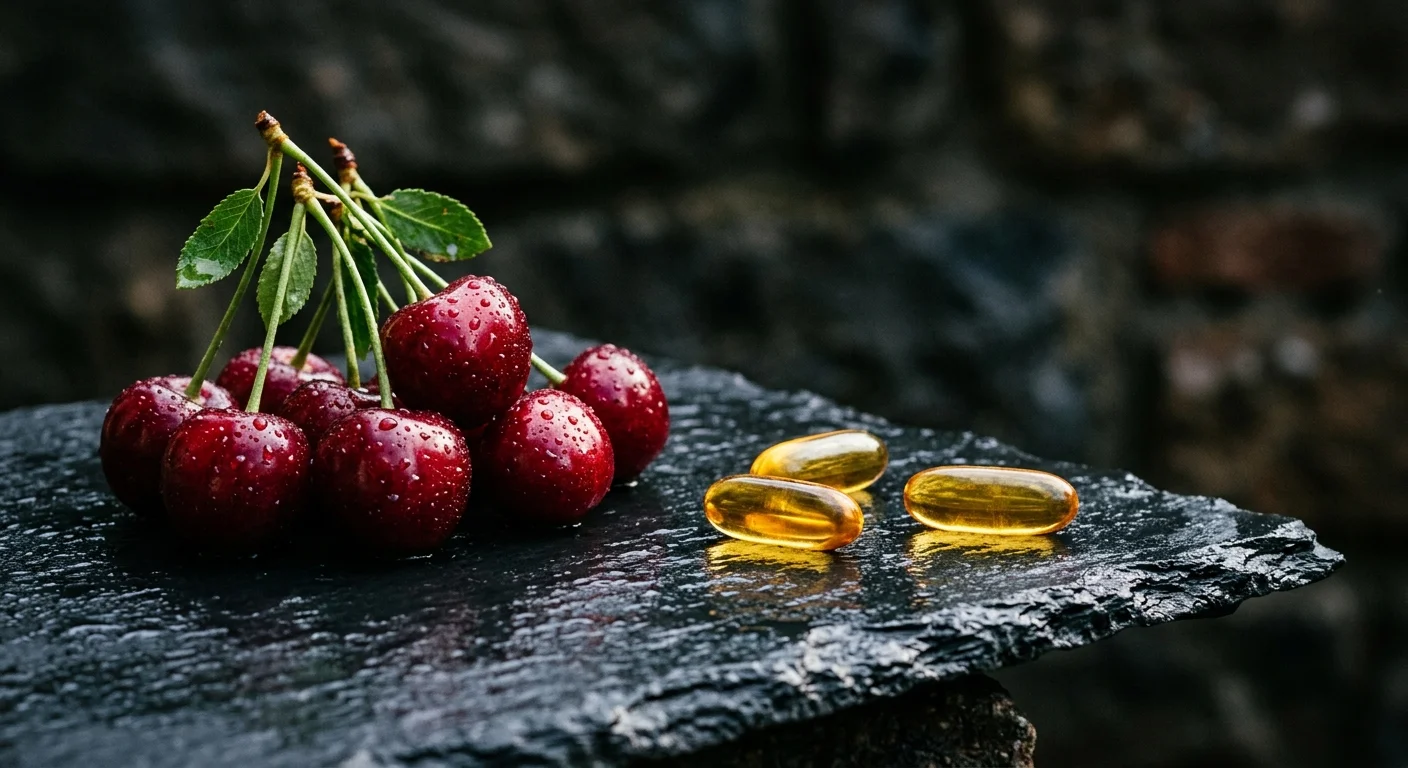
The third pillar of natural pain management pairs essential omega-3 fatty acids with anthocyanin-dense tart cherry extracts. Long-chain omega-3 fatty acids, specifically eicosapentaenoic acid (EPA) and docosahexaenoic acid (DHA), serve as building blocks for specialized pro-resolving mediators called resolvins and protectins. These active compounds do not merely suppress pain; they actively signal your immune system to resolve inflammation and repair damaged tissues.
Montmorency tart cherries complement omega-3 fats by providing exceptionally high levels of anthocyanins. These potent antioxidant compounds inhibit COX enzymes while lowering blood markers of C-reactive protein and serum uric acid. Clinical studies confirm that tart cherry concentrate reduces muscle soreness following strenuous exertion and mitigates painful joint flares in individuals prone to gout or metabolic arthritis.
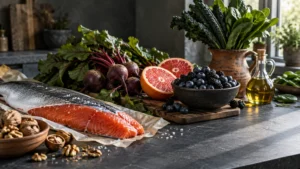
To harness this synergistic pair, consume 2,000 mg to 3,000 mg of combined EPA and DHA daily through high-quality fish oil or microalgae oil supplements. Incorporate whole food sources by serving wild-caught salmon, mackerel, or sardines twice weekly. Complement your fat intake by stirring one tablespoon of unsweetened tart cherry juice concentrate into chilled water or sparkling juice each afternoon.
Expert Insights and Lived Experiences
Integrative health experts increasingly emphasize combining targeted plant extracts with functional nutrition to reduce synthetic drug dependency. Registered dietitians note that many clients view over-the-counter painkillers as their only option, unaware that natural botanicals regulate identical biochemical pathways with far fewer side effects. Shifting toward dietary anti-inflammatories allows individuals to manage chronic pain while protecting their cardiovascular and digestive systems from long-term pharmaceutical stress.
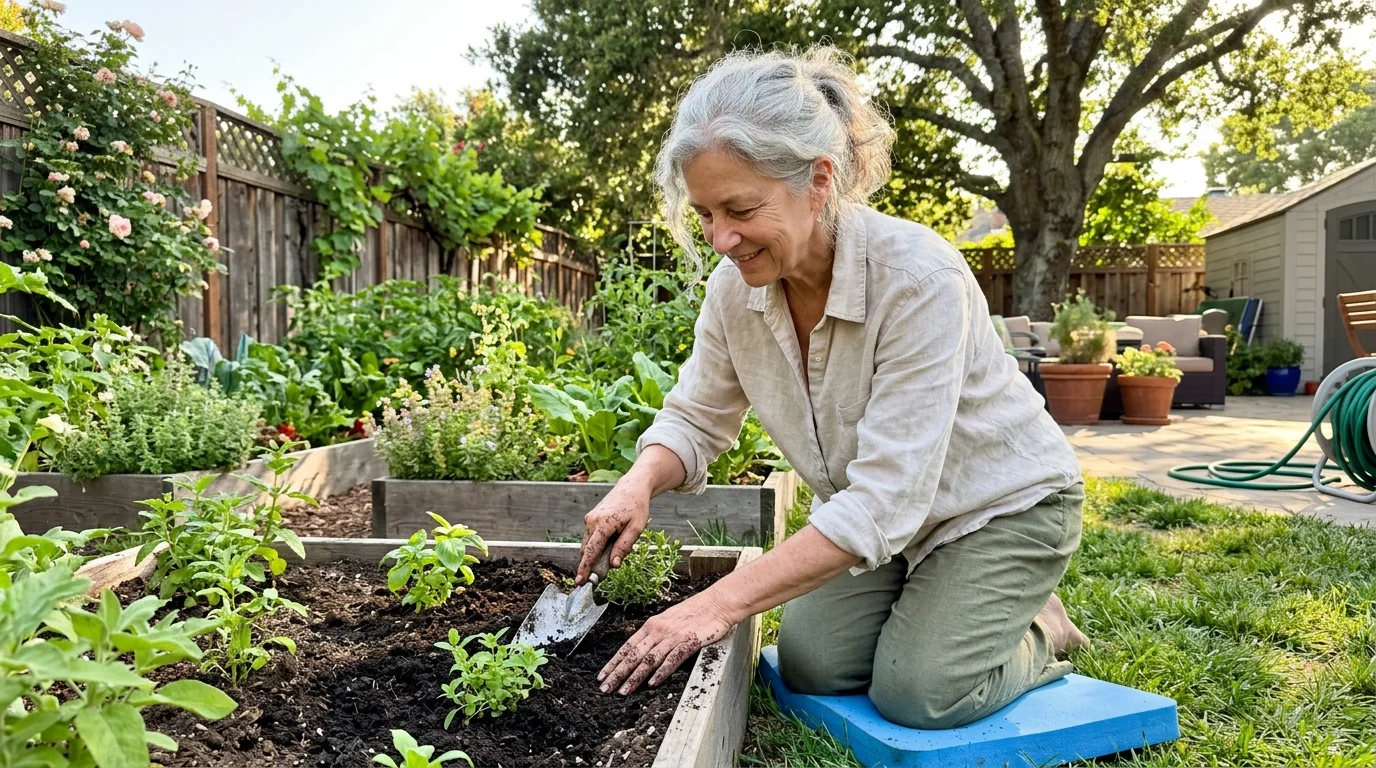
Consider the experience of Arthur, a 68-year-old retired engineer and active gardener. Arthur relied on 800 mg of daily ibuprofen to manage knee stiffness, but recurring heartburn and blood pressure concerns forced him to seek safer alternatives. Under dietary guidance, Arthur replaced his daily ibuprofen with a morning curcumin extract paired with black pepper, drank fresh ginger tea after lunch, and added tart cherry concentrate to his evening routine. Within six weeks, Arthur reported significant joint comfort, resolved his acid reflux, and resumed gardening without daily painkillers.
Safety, Contraindications, and Personalizing Your Plan
Although natural pain relievers offer superior safety profiles compared to synthetic NSAIDs, botanical remedies contain active phytochemicals that require thoughtful use. Curcumin, ginger, and high-dose omega-3 fatty acids possess mild blood-thinning properties. If you take prescription anticoagulants like warfarin or antiplatelet drugs like aspirin, consult your physician before adding concentrated botanical supplements to prevent bleeding complications.
Additionally, individuals with active gallstones should exercise caution with therapeutic curcumin doses, as curcumin can stimulate gallbladder contractions. Because botanical extracts undergo hepatic metabolism and renal excretion, individuals with advanced kidney disease or liver impairment require personalized clinical supervision. Always inform your healthcare team about all dietary supplements you take, and pause high-dose botanicals two weeks before elective surgical procedures. Tailoring your natural strategy under expert guidance ensures optimal pain relief while maintaining overall safety.
Frequently Asked Questions
How fast do natural pain relievers work compared to ibuprofen?
Ibuprofen provides acute relief within thirty minutes by rapidly suppressing enzyme activity. In contrast, natural pain relievers like curcumin, ginger, and omega-3 fatty acids work cumulatively by lowering baseline systemic inflammation. While ginger tea can calm mild aches within an hour, maximum therapeutic benefits for chronic joint pain generally develop over two to four weeks of consistent intake.
Can I take curcumin or ginger alongside my prescription pain medications?
Many people safely consume culinary amounts of ginger and turmeric alongside prescription drugs. However, taking concentrated botanical supplements with prescription NSAIDs or blood thinners can increase your risk of stomach irritation or bleeding. You should consult your doctor or a pharmacist before combining high-dose supplements with prescription medications.
What is the best way to absorb curcumin if I prefer spices over supplements?
To maximize curcumin absorption from whole turmeric, always combine it with black pepper and a healthy fat source. Piperine in black pepper boosts curcumin absorption by up to 2,000 percent. Cooking turmeric in olive oil or coconut milk allows lipophilic curcumin molecules to dissolve into the fat, facilitating absorption through your digestive tract.
How do these natural options benefit older adults managing chronic joint pain?
Older adults face higher risks of NSAID-related stomach ulcers, kidney strain, and cardiovascular events. Natural pain relievers offer gentle, multi-targeted anti-inflammatory protection that eases joint discomfort without harming kidney function or gastric tissue. This safety profile makes botanicals an ideal choice for seniors managing age-related joint stiffness alongside existing health conditions.
Your 24-Hour Action Plan for Natural Relief
You do not need to transform your entire routine overnight to experience natural pain relief. Choose one practical, high-impact action step today to begin lowering systemic inflammation. Stir a half-teaspoon of ground turmeric and a pinch of black pepper into warm olive oil before dressing your dinner vegetables, or steep fresh ginger root in hot water for an invigorating afternoon tea. By taking this single deliberate step within the next 24 hours, you initiate a healthier path toward lasting joint comfort and vibrant physical mobility.