You can preserve your joint mobility and protect cushion-like cartilage by eating specific nutrient-dense foods every day. Research confirms that targeted dietary strategies reduce inflammation, supply building blocks for tissue repair, and keep your joints moving smoothly.
Joint stiffness often feels inevitable as birthdays pass, yet your cartilage responds dynamically to the fuel you provide. Proactive nutrition alters cellular pathways, helping safeguard your physical freedom for decades ahead.
According to the Centers for Disease Control and Prevention, roughly 53.2 million American adults live with doctor-diagnosed arthritis. Choosing the right dietary patterns now helps you stay ahead of progressive wear and tear.
The Biological Realities of Aging Cartilage
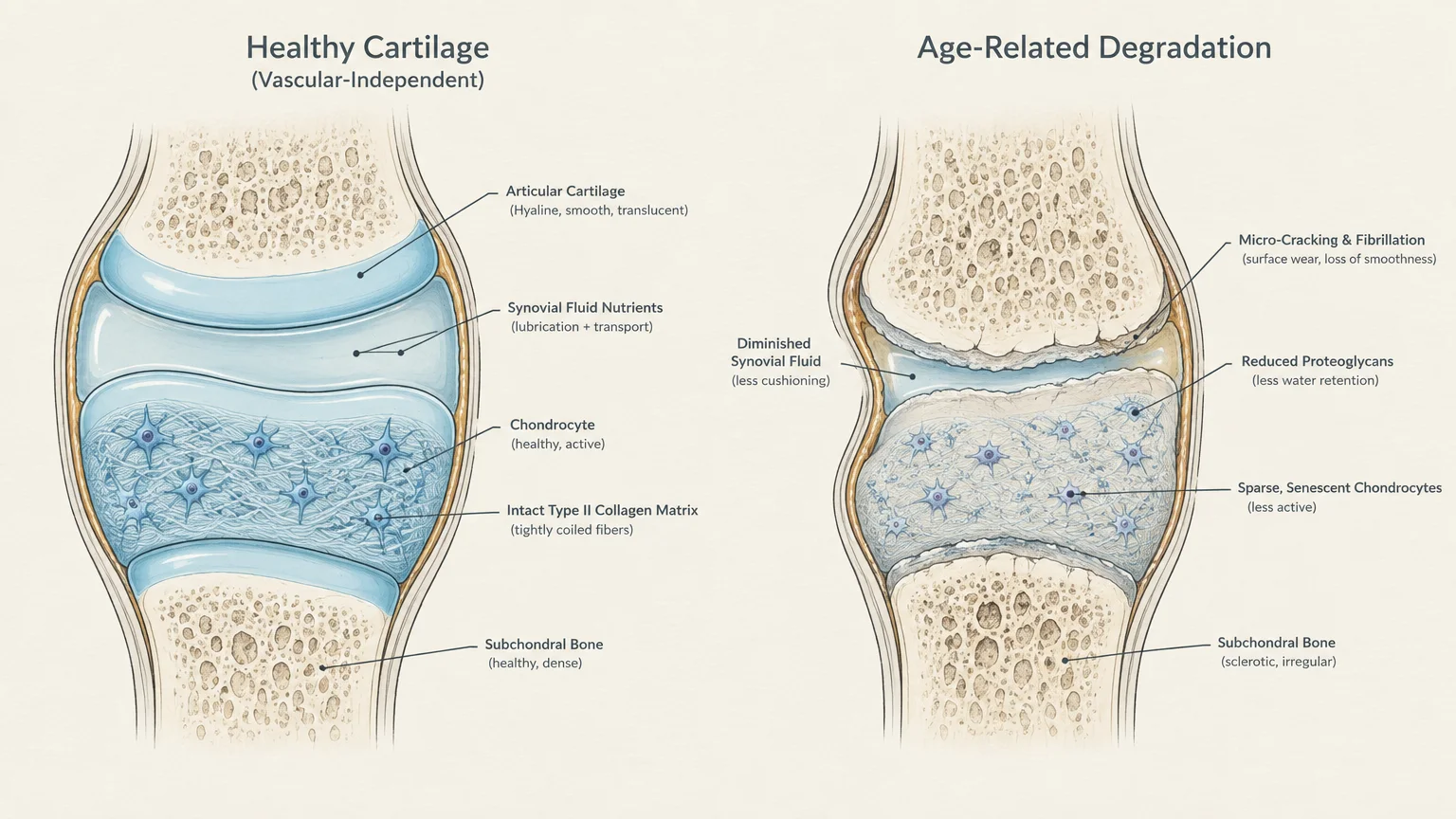
Cartilage functions as a slippery, shock-absorbing cushion at the ends of your bones, enabling fluid movement without friction.
Unlike muscle tissue, articular cartilage lacks a direct blood supply; it depends on surrounding synovial fluid for oxygen and nutrients.
Compressive joint movement pumps vital compounds in and out of the extracellular matrix. Without proper nutrients circulating in that fluid, cartilage cells cannot effectively synthesize fresh structural proteins.
Over time, chondrocytes—the specialized cells responsible for maintaining this matrix—experience cellular senescence and produce fewer lubricating proteoglycans.
As cartilage dehydrates, the collagen scaffolding becomes brittle and prone to micro-cracking during routine mechanical load.
According to federal surveillance data from the Centers for Disease Control and Prevention, over 50% of adults aged 75 and older manage osteoarthritis.
Furthermore, joint damage drives daily physical limitations for over 25 million Americans, illustrating why nutritional protection cannot wait.
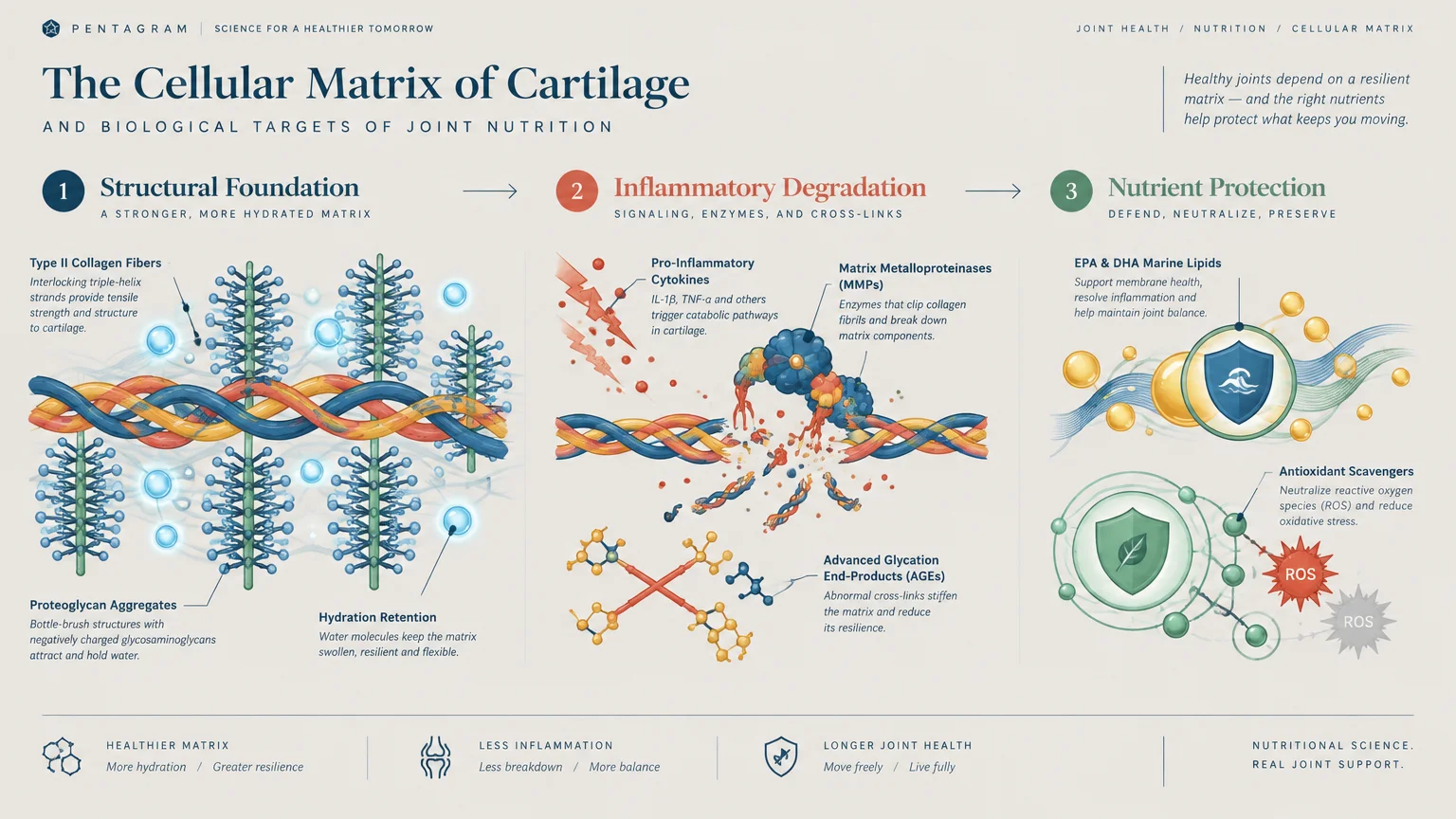
Key Biological Targets: How Nutrients Protect Joints
Cartilage consists primarily of water, type II collagen fibers, and complex proteoglycan molecules that trap hydration under pressure.
As you age, low-grade systemic inflammation accelerates the enzymatic breakdown of this intricate structural framework.
Pro-inflammatory signaling proteins, known as cytokines, trigger enzymes called matrix metalloproteinases that actively degrade collagen scaffolding.
Elevated blood sugar further harms joints by generating advanced glycation end-products, which stiffen cartilage fibrils and accelerate wear.
Antioxidant-rich foods neutralize oxidative stress before reactive oxygen species damage delicate chondrocytes.
By selecting foods rich in anti-inflammatory lipids and collagen-building cofactors, you create a cellular environment that favors tissue resilience.
Targeted nutrients also support the production of synovial fluid, maintaining essential lubrication between articulating bone surfaces.
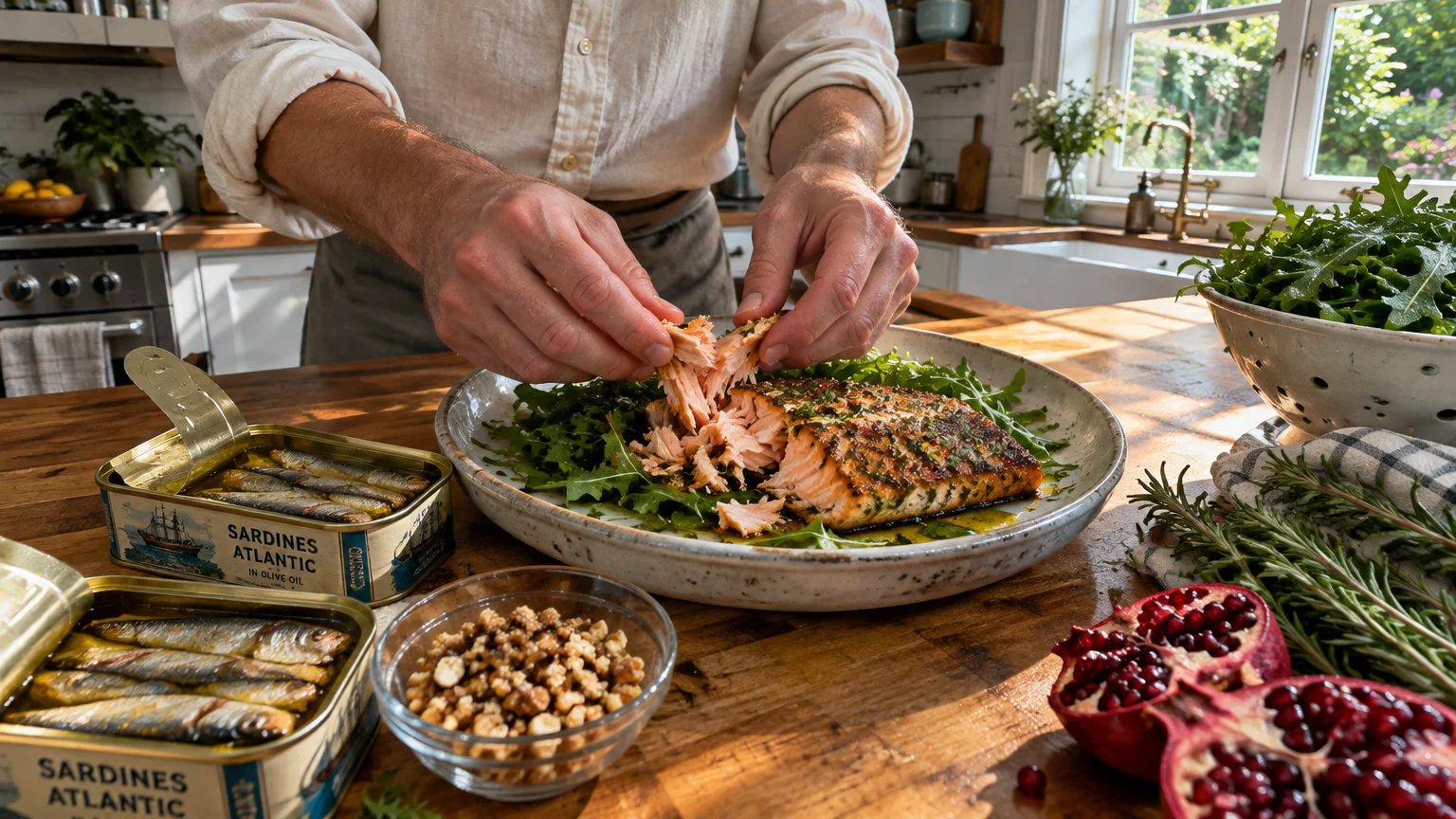
7 Foods That Support Healthy Cartilage as You Age
1. Wild-Caught Cold-Water Fish
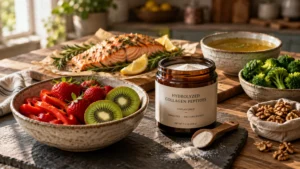
Cold-water fatty fish—such as wild salmon, sardines, and Atlantic mackerel—provide the most potent marine omega-3 fatty acids available.
The Dietary Guidelines for Americans recommends consuming at least 8 ounces of seafood weekly for optimal metabolic and structural health.
This intake delivers an average of 250 mg daily of combined EPA and DHA fatty acids.
These marine lipids directly interfere with the arachidonic acid cascade, reducing the synthesis of inflammatory prostaglandins that degrade cartilage.
EPA and DHA also encourage the production of specialized pro-resolving mediators, which actively resolve joint inflammation.
For budget-friendly convenience, canned sardines or wild pink salmon offer identical nutritional value to fresh fillets.
Try enjoying canned sardines over whole-grain sourdough or baking wild salmon fillets with lemon and fresh herbs.
2. Sweet Bell Peppers and Citrus Fruits
Sweet bell peppers and citrus fruits supply exceptionally high concentrations of bioavailable L-ascorbic acid, commonly known as vitamin C.
The National Academy of Medicine recommends an RDA of 90 mg daily for men and 75 mg for women.
Adults who smoke require an additional 35 mg per day due to heightened internal oxidative stress.
Vitamin C functions as an indispensable enzymatic cofactor for lysyl and prolyl hydroxylase, which stabilize collagen’s triple-helix architecture.
Without sufficient vitamin C, your chondrocytes produce weak, structurally compromised collagen fibers that break down easily under mechanical load.
Bright red and yellow bell peppers actually contain nearly double the vitamin C content of standard oranges per serving.
Chop raw bell peppers into lunch salads, or toss fresh orange slices into morning oats for an instant nutrient upgrade.
3. Wild Blueberries, Blackberries, and Tart Cherries
Deeply pigmented berries contain concentrated levels of anthocyanins, a specific class of flavonoids that exhibit strong antioxidant power.
Peer-reviewed research published in the National Institutes of Health PMC database shows anthocyanins suppress nuclear factor-kappa B activation in human joint tissues.
This biological shutdown reduces the production of inflammatory nitric oxide and destructive tissue enzymes inside the synovial capsule.
Tart Montmorency cherries also offer high levels of chlorogenic acid, which blunts post-exercise joint soreness in active older adults.
Frozen berries retain their complete polyphenol content and provide an affordable option during winter months.
Blend one cup of frozen wild blueberries into a morning smoothie or sip unsweetened tart cherry juice after workouts.
4. Leafy Cruciferous Vegetables
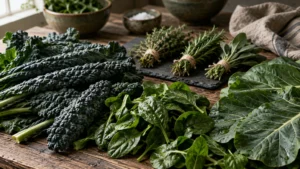
Broccoli, kale, Brussels sprouts, and collard greens deliver an impressive spectrum of protective phytochemicals alongside bioavailable calcium and vitamin K.
Cruciferous plants are uniquely concentrated in glucoraphanin, which enzymatic action converts into the bio-active compound sulforaphane during digestion.
Laboratory studies reveal sulforaphane blocks the inflammatory enzymes that promote cartilage destruction in weight-bearing knee and hip joints.
Furthermore, adequate vitamin K intake promotes normal bone mineralization, preserving the underlying subchondral bone that cushions your joints.
When subchondral bone weakens, overlying cartilage absorbs excessive mechanical impact and degrades prematurely.
Lightly steam broccoli florets or roast Brussels sprouts in olive oil to preserve these heat-sensitive protective sulfur compounds.
5. Slow-Simmered Bone Broth and Gelatinous Cuts
Simmering animal bones and connective tissue extracts natural gelatin, yielding high concentrations of conditionally essential amino acids like glycine and proline.
These specific amino acids serve as the primary raw building blocks your body utilizes to assemble internal collagen proteins.
Glycine also acts as an anti-inflammatory molecule that supports systemic cellular repair and peaceful sleep cycles.
Clinical trials indicate that consuming gelatin alongside vitamin C before movement accelerates tendon and cartilage collagen synthesis.
Slow cooking tough cuts like chuck roast or chicken thighs on the bone provides an economical culinary alternative to pre-packaged broths.
Sip warm, simmered bone broth in a mug, or use it as a savory cooking base for grains and stews.
6. Extra Virgin Olive Oil
Authentic extra virgin olive oil serves as the cornerstone fat of the Mediterranean diet, renowned for longevity and joint protection.
Unrefined olive oil contains oleocanthal, a naturally occurring phenolic compound that shares a distinct pharmacological profile with classical ibuprofen.
Oleocanthal inhibits both COX-1 and COX-2 inflammatory enzymes in a dose-dependent manner without causing gastric mucosal irritation.
This gentle daily enzyme suppression protects your chondrocytes against chronic structural degradation caused by underlying low-grade inflammation.
Olive oil polyphenols also protect synovial membranes from lipid peroxidation, preserving normal joint lubrication.
Drizzle two tablespoons of high-phenolic, cold-pressed olive oil over your vegetables and grain dishes immediately before serving.
7. Walnuts, Flaxseeds, and Chia Seeds
Plant-based sources of alpha-linolenic acid (ALA)—such as English walnuts, chia seeds, and freshly ground flaxseeds—offer plant-forward anti-inflammatory benefits.
While your body converts ALA to EPA at modest rates, ALA independently reduces systemic levels of circulating C-reactive protein.
These nuts and seeds also supply concentrated magnesium, copper, and manganese, essential mineral cofactors for cartilage enzyme synthesis.
Flax and chia additionally provide abundant soluble fiber that feeds gut bacteria, supporting a gut microbiome linked to lower joint inflammation.
Ground flaxseeds release their beneficial lipids far more efficiently during human digestion than whole, intact seeds.
Sprinkle two tablespoons of ground flaxseed or crushed walnuts across your morning oatmeal to establish a steady daily habit.
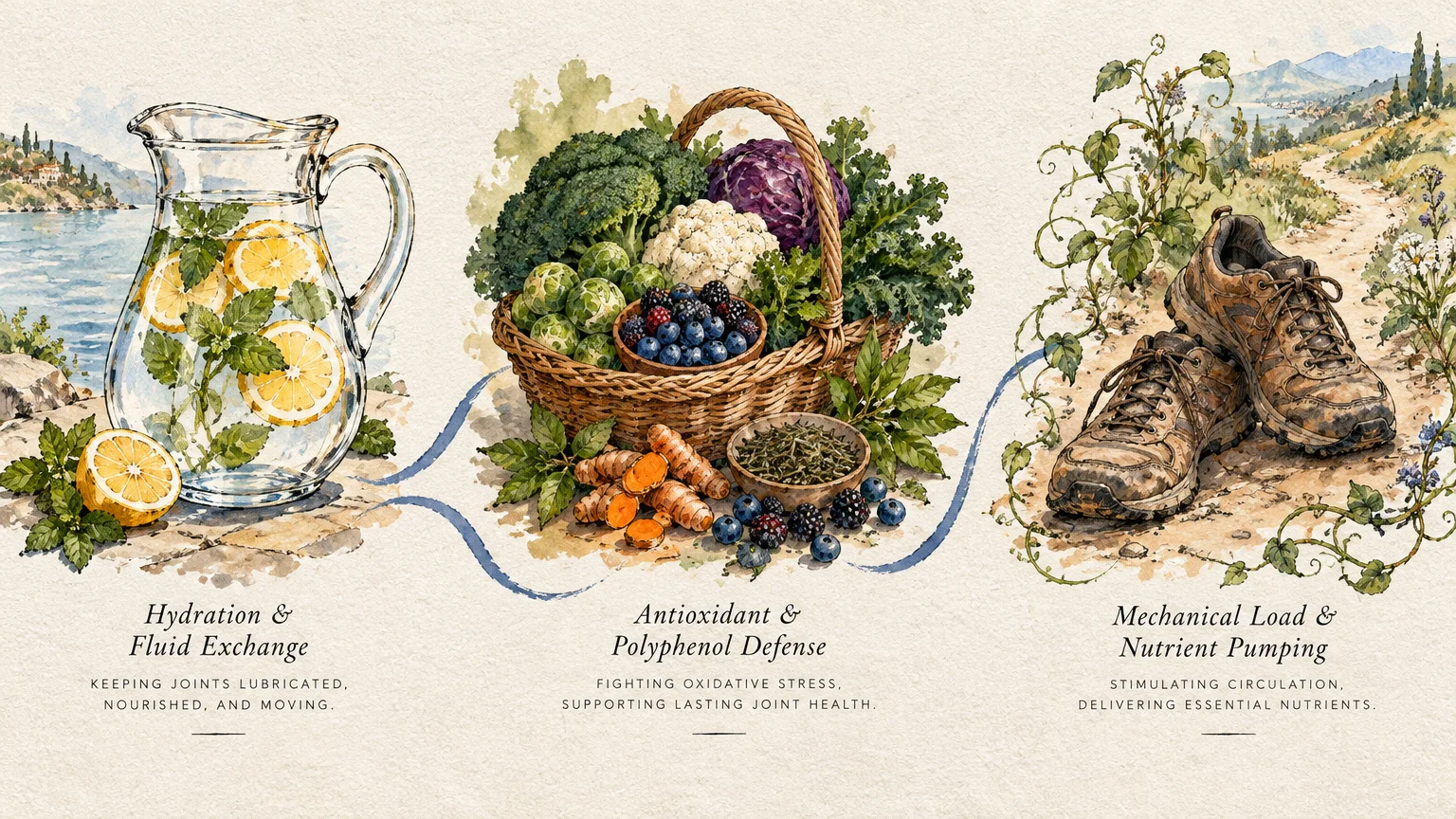
Core Dietary Strategy Pillars for Joint Longevity
Pillar 1: Meal Planning and Nutrient Synergy
Effective cartilage support relies on nutrient synergy rather than isolated, individual superfoods consumed sporadically.
Combine vitamin C-dense vegetables with collagen sources during the same meal window to maximize endogenous tissue rebuilding.
Pair fat-soluble antioxidants—such as lutein and beta-carotene—with extra virgin olive oil to increase intestinal absorption significantly.
Preparing batches of roasted cruciferous vegetables and wild salmon on Sundays simplifies joint-friendly choices throughout busy workweeks.
Structure your weekly grocery cart around vibrant colors, guaranteeing a wide spectrum of natural polyphenols for joint protection.
Pillar 2: Targeted Nutrient Timing and Movement
Because cartilage lacks direct blood vessels, physical movement acts as the primary pump that delivers ingested nutrients into joint spaces.
Plan meals containing amino acids and antioxidants roughly one to two hours before engaging in low-impact walking or cycling.
This rhythmic loading circulates nutrient-rich synovial fluid directly over articular surfaces, nourishing hard-to-reach chondrocytes.
Post-exercise cool-downs also help flush cellular waste products out of joint cavities into the surrounding lymphatic system.
Even twenty minutes of daily brisk walking enhances the cartilage uptake of circulating anti-inflammatory compounds.
Pillar 3: Habit Formation and Daily Consistency
Cartilage turnover happens gradually over months and years, meaning short crash diets deliver minimal structural benefit to aging joints.
Anchor your new food choices to existing daily routines, ensuring sustainable execution without decision fatigue.
For example, pair your morning coffee with a handful of walnuts or a glass of water infused with citrus.
Stock your pantry with canned wild fish and frozen berries so healthy choices remain effortless on demanding days.
Small, consistent dietary choices compound over time into powerful systemic protection against premature cartilage erosion.

Expert Perspectives and Clinical Observations
Registered dietitians working in orthopedic clinics frequently emphasize that dietary intervention provides foundational relief alongside physical therapy.
Clinical guidance published by the Academy of Nutrition and Dietetics highlights that anti-inflammatory dietary patterns noticeably diminish self-reported morning joint stiffness.
Patients often report that their knees feel significantly more pliable during morning descents down stairs after adjusting their dietary fats.
Orthopedic surgeons also observe that well-nourished patients show improved tissue resilience and faster rehabilitation outcomes following joint procedures.
Clinicians consistently note that patients combining aerobic movement with anti-inflammatory nutrition experience the greatest functional mobility improvements.

Safety, Contraindications, and Personalization
Individual metabolic differences, medical conditions, and medication regimens require a personalized approach to these dietary adjustments.
If you take anticoagulant medications like warfarin, consult your doctor before drastically changing your intake of vitamin K-rich leafy greens.
Large doses of supplemental omega-3 fatty acids can also interact with blood thinners, necessitating careful clinical coordination.
Individuals prone to calcium oxalate kidney stones should emphasize low-oxalate cruciferous vegetables like broccoli over high-oxalate spinach.
Always review sweeping dietary overhauls with a registered dietitian or physician to ensure safe compatibility with your health history.
Frequently Asked Questions About Joint Nutrition
Can dietary changes completely regenerate worn-down cartilage?
Whole foods cannot entirely regrow cartilage that has completely worn down to bare bone in advanced, end-stage osteoarthritis.
However, anti-inflammatory nutrition preserves existing structural matrix, strengthens surrounding connective tissues, and dramatically relieves persistent swelling.
Proactive nutritional interventions protect remaining chondrocytes and improve joint fluid quality, allowing smoother, pain-free articulation.
Starting early ensures your cartilage matrix retains sufficient volume and hydration to withstand daily biomechanical stress.
Are collagen supplements better than whole-food protein sources?
Hydrolyzed collagen peptides offer convenient dosing, but whole-food proteins deliver a broader spectrum of essential amino acids and micronutrients.
Foods like bone broth, fish, and legumes provide rich minerals alongside protein that synthetic powders frequently lack.
Consuming dietary collagen or gelatin alongside whole-food vitamin C provides identical amino acid precursors for internal tissue synthesis.
Both approaches support cartilage health, so choose the option that best fits your lifestyle, dietary preferences, and budget.
Should you eliminate nightshade vegetables to protect your joints?
Scientific research shows no broad clinical evidence that nightshades—such as tomatoes, eggplants, and bell peppers—damage human joint tissues.
In fact, bell peppers supply rich concentrations of vitamin C that directly support internal collagen synthesis and repair.
Unless you have a verified personal food intolerance, nightshades provide protective antioxidants that actively defend joint health.
Removing them needlessly eliminates potent carotenoids and anti-inflammatory compounds that benefit overall metabolic and cartilage wellness.
How quickly can you expect to notice reduced joint stiffness?
Most individuals report noticeable reductions in morning stiffness within four to eight weeks of adopting an anti-inflammatory dietary pattern.
While cellular cartilage turnover is slow, inflammatory cytokine suppression begins within days of reducing refined sugars and trans fats.
Noticeable improvements in joint comfort often appear first during daily tasks like standing up from chairs or walking downstairs.
Consistent daily habits yield progressive, long-term improvements in joint comfort and functional physical mobility across your lifespan.
Take Action for Your Joints Today
Healthy joints give you the freedom to walk, climb, garden, and enjoy daily activities without hesitation or discomfort.
Pick one practical adjustment today—such as adding wild blueberries to your breakfast or drizzling olive oil across your dinner.
Commit to that single simple action over the next 24 hours to begin actively nourishing your joint cartilage.