
Adding adequate oleic acid to your meals protects your cardiovascular system and keeps cellular membranes supple. If you eliminate healthy fats, your body displays subtle signs of lipid depletion.
While your liver produces some omega-9 fatty acids, insufficient dietary intake stalls your metabolic efficiency. You might notice nagging changes in your energy, joint comfort, or skin hydration.
Recognizing these early warning signs allows you to fine-tune your fat intake before chronic deficits emerge. Here is what current research reveals about optimizing this crucial monounsaturated fat.
The Science of Omega-9: Oleic Acid and Metabolic Health
Omega-9 fatty acids represent a family of monounsaturated fats, with oleic acid serving as the primary member. Your body relies on oleic acid to construct fluid cellular membranes and regulate systemic blood pressure.
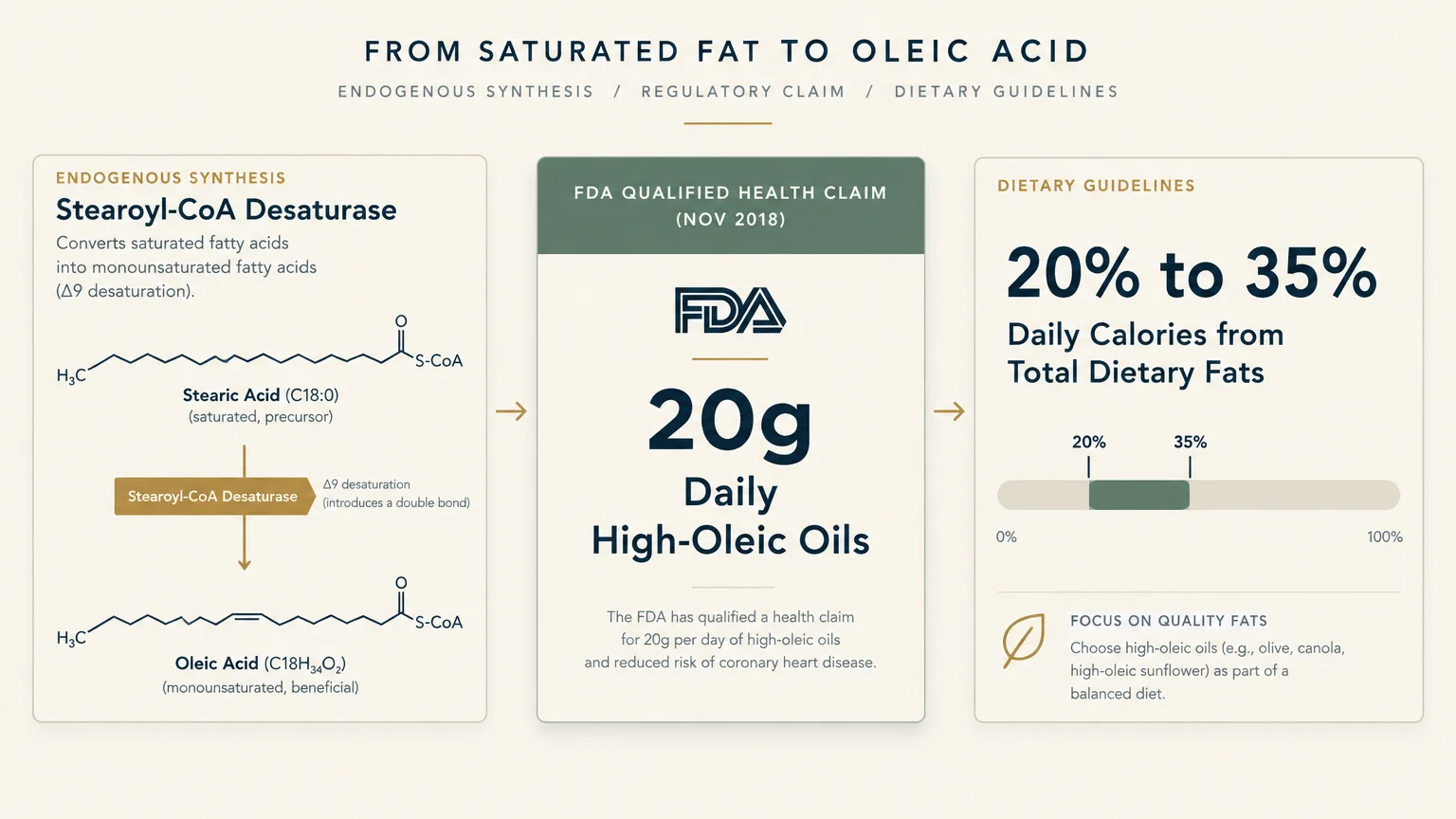
Unlike omega-3 and omega-6 fats, researchers classify omega-9 as a non-essential fatty acid. Your body synthesizes oleic acid endogenously from other fats using the enzyme stearoyl-CoA desaturase.
Because internal synthesis occurs naturally, the National Academies of Sciences, Engineering, and Medicine has established no formal Recommended Dietary Allowance. However, endogenous production alone rarely meets optimal physiological demands.
The Dietary Guidelines for Americans recommends obtaining 20% to 35% of daily calories from total dietary fats. The guidelines emphasize swapping saturated fats for monounsaturated alternatives to protect vascular health.
In November 2018, an official FDA qualified health claim guidance confirmed that consuming 20 grams of high-oleic oils daily reduces coronary heart disease risk. Consuming these fats in place of saturated fats directly improves plasma cholesterol markers.

11 Signs Your Diet Lacks Enough Omega-9 Fatty Acids
1. Persistent Skin Dryness and Flaking
Oleic acid integrates directly into epidermal ceramides, which form your skin’s protective lipid barrier. Without adequate monounsaturated fats, your skin loses water rapidly to the surrounding environment.
You may experience rough patches on your elbows, peeling cuticles, or an uncomfortable tightness after washing. Topical moisturizers provide temporary relief, but your skin requires dietary fatty acids for lasting dermal hydration.
2. Brittle Hair and a Chronically Dry Scalp
Your hair follicles depend on continuous sebum production to lubricate individual shafts and shield keratin fibers. Oleic acid forms a major fraction of human sebum, providing natural suppleness and shine.
When your intake drops, hair strands turn porous, split easily, and lose their natural luster. You might also encounter persistent scalp itching and visible dandruff that resists commercial clarifying shampoos.
3. Lingering Hunger and Frequent Sugar Cravings
Monounsaturated fats slow gastric emptying and trigger the intestinal release of satiety hormones like cholecystokinin. When you omit these fats, your meals digest too rapidly.
You will likely find yourself foraging for snacks within ninety minutes of finishing a full plate. Adding oleic acid stabilizes appetite by stimulating sustained neurochemical fullness signals in your brain.
4. Unfavorable Shifts in Your Lipid Profile
Clinical studies show that oleic acid preserves high-density lipoprotein cholesterol while helping clear low-density lipoprotein particles. Without adequate monounsaturated fats, your circulating cholesterol ratio can deteriorate over time.
The American Heart Association guidance on monounsaturated fats suggests keeping saturated fats below 6% of calories. Replacing those fats with oleic acid helps maintain clear, elastic arterial walls.
5. Blood Sugar Volatility and Afternoon Fatigue
Oleic acid enhances cellular insulin sensitivity by improving the membrane fluidity of glucose transporter proteins. When you consume carbohydrate-rich meals without adequate fats, glucose enters your bloodstream abruptly.
This rapid absorption leads to sharp insulin spikes followed by debilitating mid-afternoon energy crashes. Pairing carbohydrates with monounsaturated fats tempers glycemic responses and maintains sustained vitality.
6. Joint Discomfort and Morning Stiffness
Synovial fluid cushions your joints and reduces mechanical friction during repetitive daily movement. Oleic acid helps maintain the lubricating properties of this fluid while inhibiting inflammatory cytokines.
If your dietary intake falls short, you might sense creaking, tenderness, or tightness in your knees and fingers. Restoring healthy fat levels nourishes connective tissues from within and supports fluid mobility.
7. Cognitive Sluggishness and Reduced Focus
Your brain is nearly 60% fat by weight, requiring structural lipids to maintain myelin sheaths around neurons. Oleic acid supports swift electrical conduction across cerebral pathways.
Insufficient monounsaturated fat intake can manifest as mental fatigue, slower processing speeds, and difficulty concentrating on complex tasks. Feeding your brain rich lipid sources keeps your thinking sharp throughout demanding workdays.
8. Prolonged Soreness Following Physical Exercise
Physical exercise produces micro-tears in muscle fibers that require robust cell membranes to repair efficiently. Oleic acid supports tissue regeneration by modulating local cellular repair pathways.
If you suffer from delayed onset muscle soreness that lingers beyond 72 hours, your lipid intake may be insufficient. Dietary oleic acid accelerates cellular rebuilding so you bounce back faster from workouts.
9. Dry, Irritated Eyes and Screen Sensitivity
The surface of your eye relies on the tear film’s outer lipid layer to prevent rapid moisture evaporation. Meibomian glands along your eyelids need adequate fatty acids to generate this protective oil barrier.
A deficiency in healthy dietary fats often causes gritty sensations, burning, and excessive light sensitivity during screen work. Increasing monounsaturated fat intake strengthens tear film stability and enhances visual comfort.
10. Diminished Immune Resilience and Slow Recovery
Cellular immune defenses require flexible outer membranes to coordinate chemical signaling and neutralize pathogens. National Institutes of Health research demonstrates that oleic acid modulates immune cell activation and inflammatory responses.
When your diet excludes these vital fats, your immune response can become sluggish or dysregulated. Supplying adequate oleic acid ensures your white blood cells communicate efficiently when seasonal bugs strike.
11. Elevated Markers of Systemic Inflammation
Chronic systemic inflammation damages vascular linings and exhausts your endocrine system over time. Oleic acid dampens the expression of pro-inflammatory genes, helping maintain inflammatory balance throughout your body.
If your blood panels display creeping high-sensitivity C-reactive protein levels, evaluating your fat quality is essential. Swapping pro-inflammatory fats for oleic acid delivers powerful, whole-body anti-inflammatory protection.
Three Practical Dietary Strategy Pillars
Pillar 1: Culinary Swaps in Daily Cooking
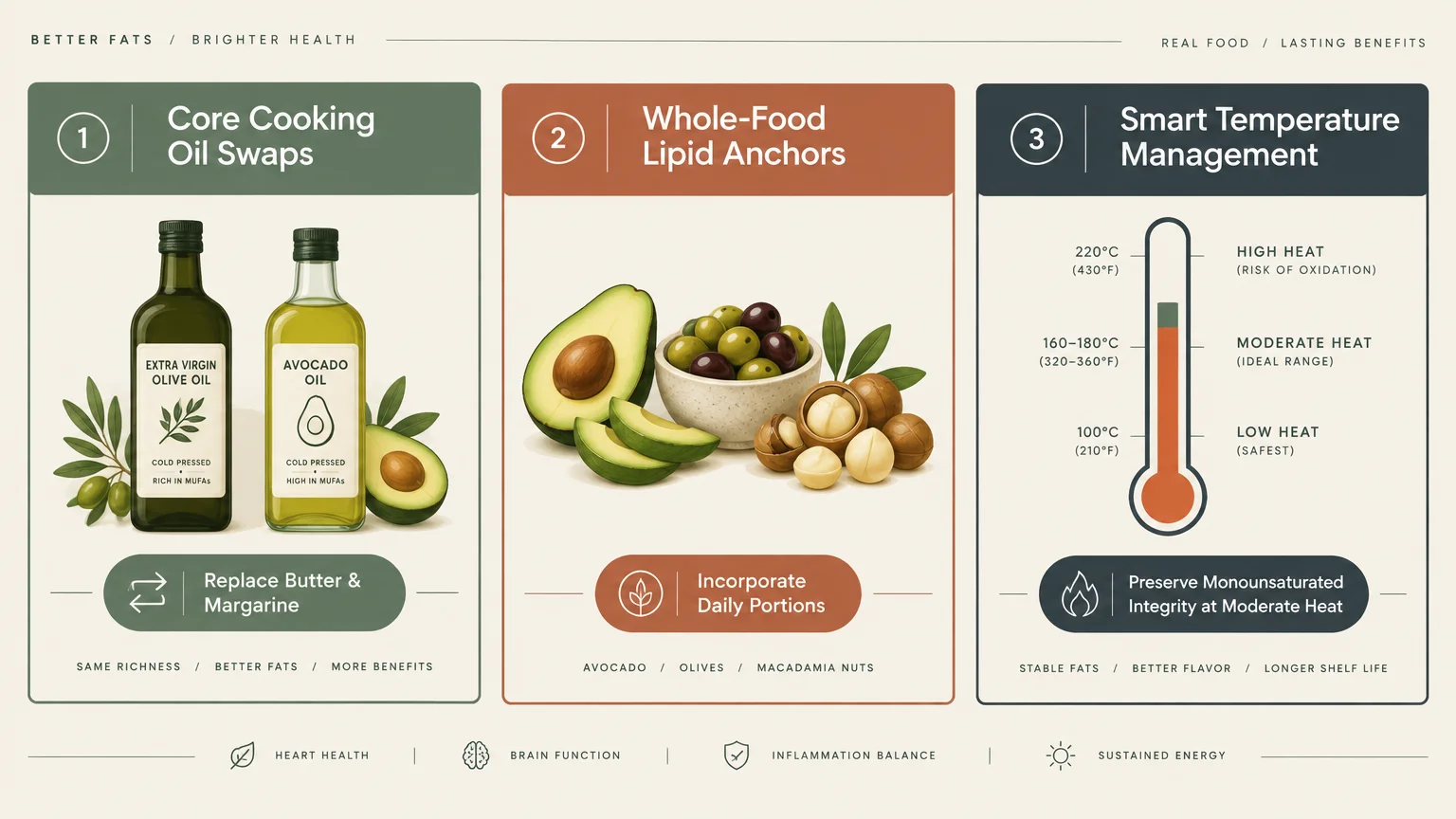
Transform your fat intake by replacing refined seed oils and solid fats with high-oleic cooking oils. Extra virgin olive oil contains 70% to 80% oleic acid by total fat volume.
For high-heat sautéing and roasting, select avocado oil, which offers roughly 60% to 70% oleic acid. High-oleic sunflower and safflower oils also provide 70% to 85% oleic acid while handling high temperatures safely.
Use extra virgin olive oil as a finishing drizzle over soups, roasted vegetables, and grain bowls. This simple culinary habit delivers bioactive polyphenols alongside essential monounsaturated fatty acids.
Pillar 2: Whole-Food Nutrient Stacking
Incorporate whole-food fat sources into every meal to combine oleic acid with dietary fiber and micronutrients. Whole foods slow nutrient transit and maximize intestinal absorption.
Tree nuts provide outstanding amounts of monounsaturated fat, with macadamias, hazelnuts, and almonds delivering 50% to 75% per serving. Add an ounce of almonds to your morning oats or keep hazelnuts at your desk.
Mash fresh avocado onto sprouted sourdough toast, or blend half an avocado into your breakfast smoothie. These accessible choices supply heart-healthy fats, potassium, and fat-soluble vitamin E in a single package.
Pillar 3: Habitual Portion Calibration
The FDA recommends consuming roughly 1½ tablespoons, or 20 grams, of high-oleic oils daily for cardiovascular protection. You must substitute these oils for existing fats rather than adding excess calories to your day.
Measure your cooking oils with a standard tablespoon for one week to calibrate your eye accurately. Accurate portioning ensures you reap protective metabolic rewards without exceeding your daily energy expenditure.
Distribute your fat intake evenly across your three main meals rather than consuming it all at dinner. Consistent dosing keeps your energy steady and optimizes cellular lipid uptake throughout the day.

Expert and Lived Perspectives
Clinical dietitians frequently observe dramatic health improvements when clients transition away from ultra-processed, fat-free dietary patterns. Patients often report better skin radiance, improved satiety, and stable afternoon focus within weeks.
The Academy of Nutrition and Dietetics emphasizes that dietary fats are foundational nutrients, not dietary adversaries. Registered dietitians encourage clients to focus on fat quality rather than rigid fat restriction.
Community members adopting Mediterranean-style diets often remark on how easily these fats integrate into diverse culinary traditions. From Mexican avocado salsas to Middle Eastern tahini dressings, monounsaturated fats enhance flavor while promoting longevity.
Safety and Individualization Considerations
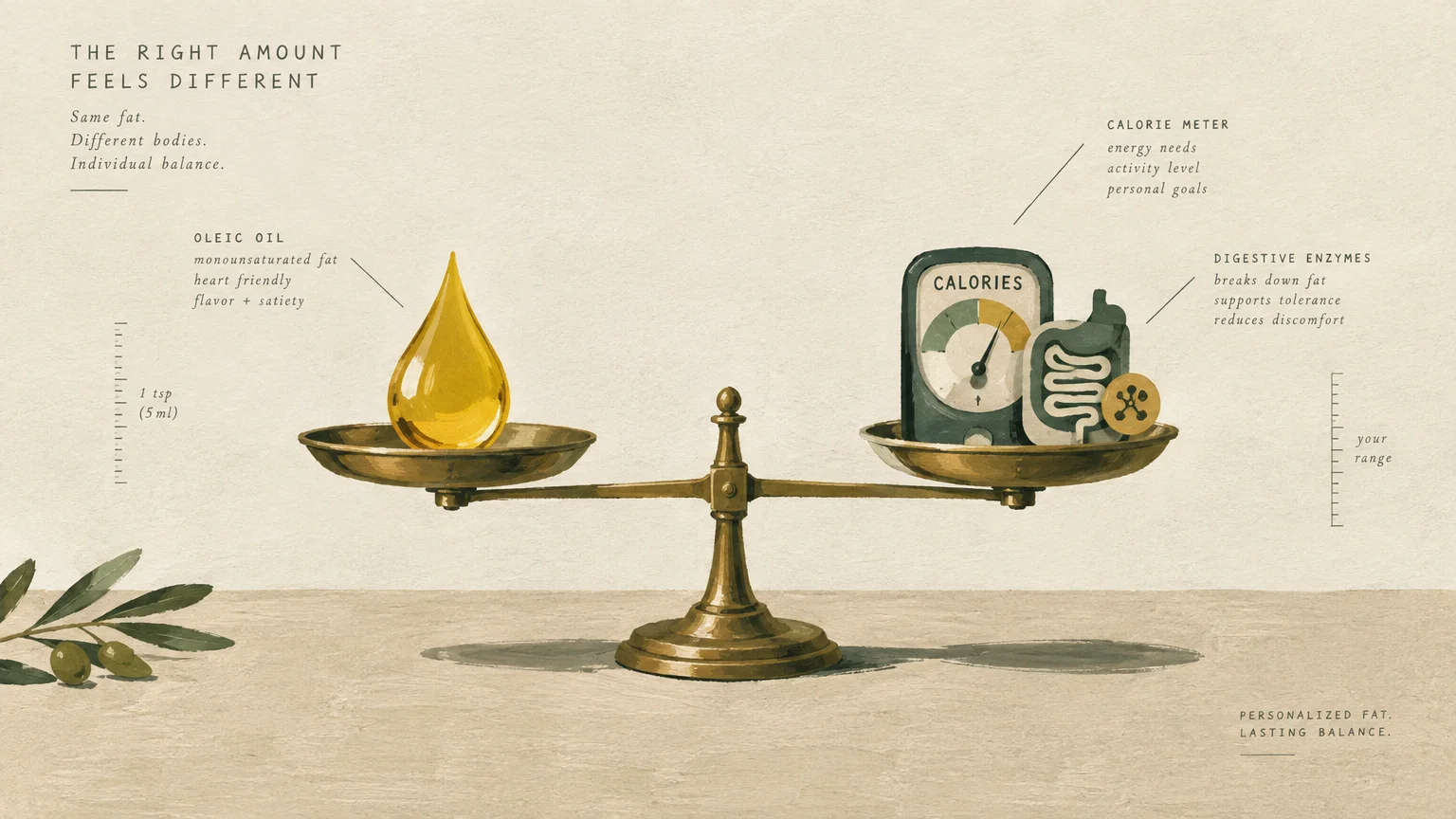
While increasing oleic acid benefits most individuals, you must tailor your intake to personal medical circumstances. Individuals with tree nut allergies must strictly avoid almond, hazelnut, and macadamia sources.
If you manage gallbladder disease or exocrine pancreatic insufficiency, consult your physician before increasing your dietary fat intake. Impaired bile production or enzyme deficiency makes fat digestion uncomfortable without medical supervision.
Check with a registered dietitian to establish target fat ratios if you take anticoagulant medications or manage active gastrointestinal disorders. Personalized clinical guidance guarantees that your dietary modifications remain safe, effective, and sustainable.
Frequently Asked Questions
Can my body make its own omega-9 fatty acids?
Yes, your liver synthesizes oleic acid from other dietary fatty acids using the stearoyl-CoA desaturase enzyme. However, dietary intake guarantees optimal tissue concentrations without placing excess biosynthetic strain on your metabolism.
Is extra virgin olive oil better than standard olive oil for omega-9?
Both oils offer comparable amounts of oleic acid, typically ranging from 70% to 80% of total fat. However, extra virgin olive oil retains significantly higher levels of heat-sensitive antioxidant polyphenols and vitamin E.
How does omega-9 differ from omega-3 and omega-6?
Omega-9 fats contain their first double bond at the ninth carbon position, making them monounsaturated rather than polyunsaturated. Because your body can synthesize omega-9, it carries no formal dietary requirement like omega-3 or omega-6.
Can eating too much omega-9 cause weight gain?
All dietary fats deliver nine calories per gram, meaning excessive overall caloric consumption can cause unwanted weight gain. The key lies in substituting monounsaturated fats for saturated fats and refined starches within your caloric budget.
Take Your Next Step Today
Building a vibrant, resilient body begins with honoring your basic cellular requirements for quality dietary fats. Small, deliberate shifts in your daily pantry staples yield substantial compounding dividends for your heart, skin, and mind.
Take action within the next 24 hours by replacing a refined cooking oil with extra virgin olive oil or avocado oil. Your cellular membranes will thank you for providing the nourishing building blocks they need.