
Targeted nutrition accelerates tissue repair and strengthens fragile new skin after surgical procedures, accidental cuts, or athletic injuries. When you fuel your cellular recovery deliberately, your body generates new microvasculature and closes wounds faster.
Conversely, missing critical dietary compounds stalls collagen deposition and significantly increases your vulnerability to postoperative complications. Clinical research demonstrates that specific vitamins and amino acids stimulate deep cellular regeneration while dampening excessive inflammation.
Harnessing these evidence-backed nutrients empowers you to regain your daily energy, minimize persistent tissue damage, and cultivate resilient, durable scar tissue.
The Science of Biological Tissue Repair
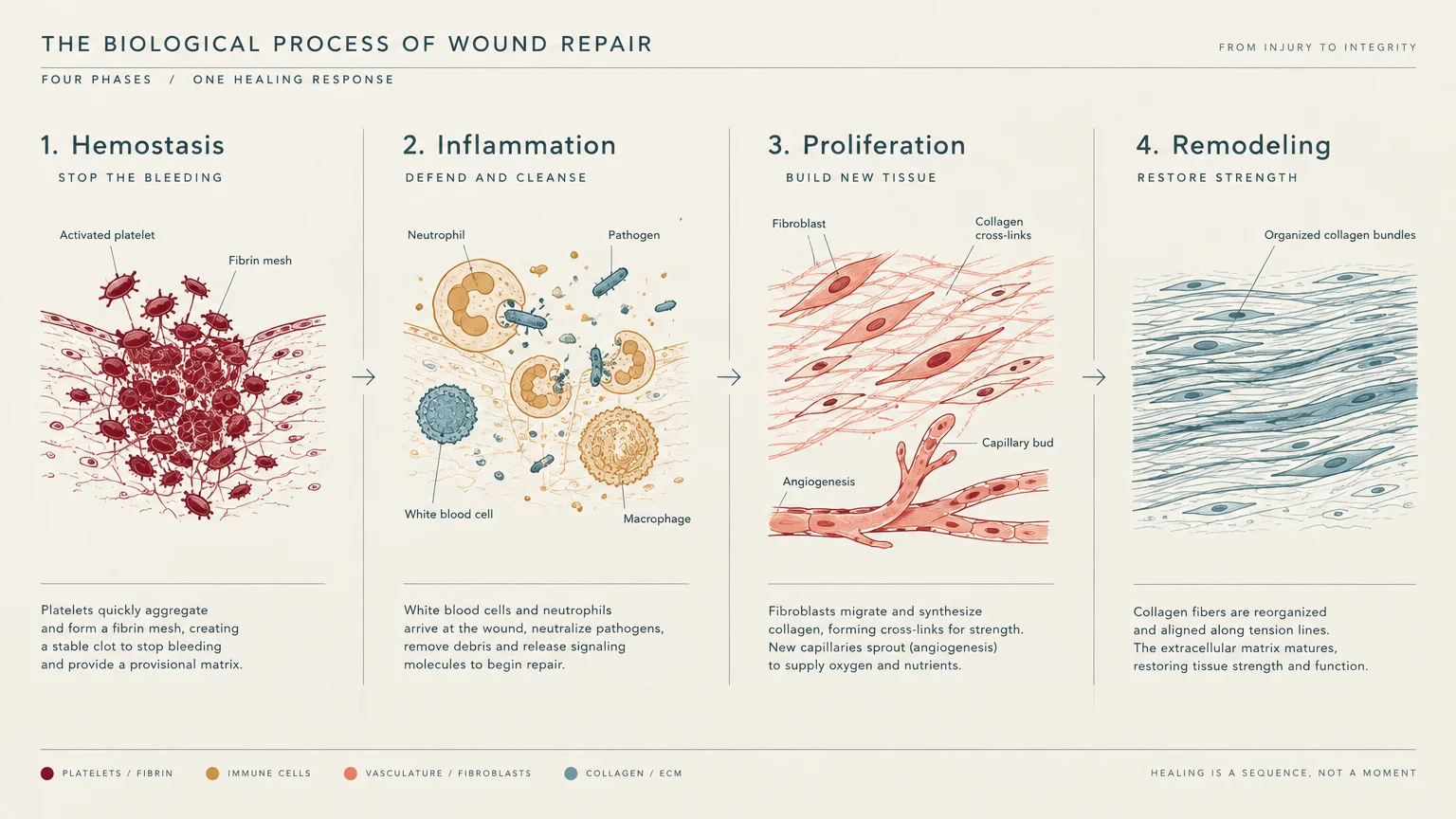
Wound healing functions as a dynamic sequence of overlapping biological phases rather than an isolated, static event. Your body navigates hemostasis, inflammation, proliferation, and tissue remodeling to reconstruct damaged structures.
During the initial inflammatory phase, specialized white blood cells migrate toward the wounded site to neutralize harmful pathogens. This defensive response demands substantial energy reserves, diverting glucose and plasma proteins toward local immune cells.
Next, the proliferative phase initiates rapid cellular division and sprouts new capillary networks through angiogenesis. Fibroblasts arrive in large numbers to weave a fresh extracellular matrix composed primarily of structural collagen.
Finally, the remodeling phase organizes and matures these newly laid fibers over several months. You can explore the complex biological milestones through this National Institutes of Health research on wound repair.
Without continuous metabolic support, these interconnected stages stall prematurely. Supplying concentrated micronutrients prevents prolonged inflammation, encouraging steady progression toward fully functional skin repair.
8 Essential Nutrients for Optimal Wound Recovery
1. Protein and Structural Amino Acids
Protein serves as the foundational architecture for every stage of cutaneous regeneration. When skin integrity breaks, your systemic demand for amino acids surges to synthesize granulating tissue and support cellular division.
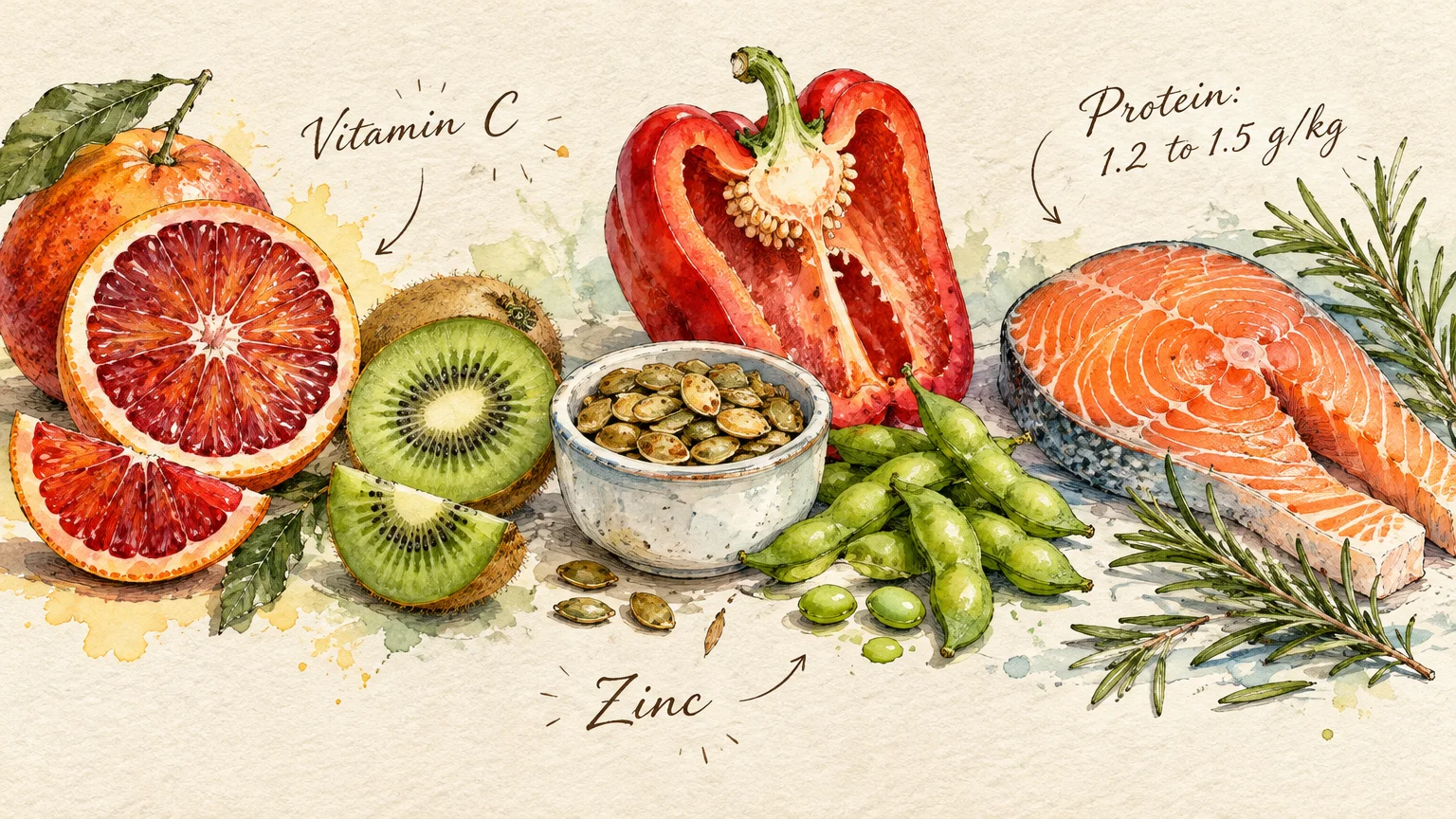
Inadequate protein consumption forces your physiology to catabolize skeletal muscle to sustain vital wound repair. Research highlighted by the Academy of Nutrition and Dietetics guidance recommends elevating daily protein intake to approximately 1.2 to 1.5 grams per kilogram.
You can easily meet these elevated thresholds by integrating diverse animal or plant proteins throughout your day. Excellent whole-food options include skinless poultry, wild-caught salmon, cage-free eggs, firm tofu, edamame, and Greek yogurt.
2. Vitamin C for Collagen Synthesis
Vitamin C operates as an indispensable enzymatic cofactor for synthesizing stable collagen fibrils. Specifically, it activates prolyl and lysyl hydroxylase enzymes, which cross-link collagen triple-helix structures into durable tissue scaffolds.
Beyond architectural duties, ascorbic acid behaves as a potent antioxidant that shields fragile new cells from free radical damage. It also bolsters neutrophil function, enabling your immune system to clear debris and ward off bacterial invasion.
Brightly colored bell peppers, strawberries, kiwi, broccoli, and citrus fruits deliver bioavailable vitamin C in substantial concentrations. Consuming these foods raw or lightly steamed preserves their heat-sensitive micronutrient potency.
3. Zinc for Cellular Proliferation
Zinc plays a non-negotiable role in cellular division, gene expression, and DNA synthesis during physical recovery. Over three hundred distinct enzymatic pathways require zinc ions to assemble proteins and maintain structural integrity.
During tissue injury, your circulation rapidly redistributes zinc reserves directly to the injured site. Multiple peer-reviewed clinical trials on zinc supplementation emphasize that correcting existing deficiencies markedly improves re-epithelialization speed.
You can source optimal amounts of natural zinc from pumpkin seeds, hemp hearts, oysters, lean beef, and chickpeas. Adding toasted pepitas to salads or enjoying chickpea stews provides an easy, budget-friendly zinc boost.
4. Vitamin A for Epithelial Remodeling
Vitamin A directs cellular differentiation and promotes the rapid growth of healthy epithelial layers over open tissue. It also stimulates local macrophage activity, ensuring your immune system eliminates necrotic debris swiftly.
Notably, vitamin A helps counteract the tissue-thinning and healing-delaying effects often caused by therapeutic corticosteroid medications. By preserving healthy cellular turnover, it ensures your cutaneous barrier recovers its protective baseline thickness.
Generous servings of sweet potatoes, carrots, spinach, egg yolks, and butternut squash provide safe, antioxidant-dense nourishment. These dietary sources deliver retinoids and carotenoids that directly support tissue maintenance.
5. L-Arginine for Microvascular Perfusion
L-arginine is a semi-essential amino acid whose demand increases dramatically following surgery, trauma, or severe soft-tissue wounds. Your cells rely on arginine to generate nitric oxide, a compound that dilates blood vessels effectively.
By expanding microvascular passages, nitric oxide increases local blood flow, transporting crucial oxygen and macronutrients straight to hungry fibroblasts. Enhanced circulation also carries away cellular metabolic waste products that would otherwise accumulate.
Rich sources of dietary arginine include pumpkin seeds, roasted turkey breast, peanuts, lentils, and spirulina. Sprinkling nuts and seeds over your morning meals easily enriches your plate with this restorative amino acid.
6. Iron for Oxygen Transport
Iron forms the molecular heart of hemoglobin, the protein responsible for shuttling atmospheric oxygen from your lungs to recovering tissues. Healing wounds consume substantial oxygen volumes to fuel intense cellular respiration and tissue generation.
Tissue hypoxia, or low oxygen availability, severely delays cellular migration and compromises the germ-killing capacity of localized white blood cells. Additionally, iron works synergistically with ascorbic acid as a vital catalyst for cross-linking newly formed collagen.
Incorporate heme iron through lean meats and poultry, or consume non-heme iron via lentils, fortified oats, and blackstrap molasses. Pairing plant iron with vitamin C sources elevates non-heme mineral absorption significantly.
7. Vitamin E for Cellular Protection
Vitamin E represents a family of fat-soluble tocopherols that operate within lipid-rich cellular membranes to halt destructive oxidative cascades. Unchecked lipid peroxidation damages fragile new cell walls, triggering extended inflammatory reactions.
By maintaining cell membrane fluidity, vitamin E shields budding capillaries from oxidative degradation during peak proliferative phases. This stabilization supports balanced scar tissue development without excessive cellular destruction.
Drizzle cold-pressed extra virgin olive oil over grain bowls, or snack on raw almonds, sunflower seeds, and avocados. These nutrient-dense whole foods deliver tocopherols along with heart-healthy monounsaturated fats that foster sustained metabolic vitality.
8. Water for Hemodynamic Flow
Water stands as the most overlooked yet vital recovery nutrient in clinical sports medicine and postsurgical rehabilitation. Dehydration reduces total intravascular volume, diminishing blood perfusion to recovering extremities and surface skin layers.
Proper fluid balance supports lymphatic drainage, which efficiently clears inflammatory byproducts and cellular debris from localized wound beds. It also maintains optimal skin elasticity, reducing mechanical tension around fragile incision margins.
The clinical standards set forth in National Library of Medicine nutrition summaries emphasize that wound drainage increases baseline fluid requirements. Aim for clean filtered water, herbal infusions, and electrolyte-rich broths throughout your recovery timeline.

Three Practical Recovery Pillars for Daily Life
Pillar 1: Structured Meal Distribution
Achieving optimal tissue regeneration requires more than meeting daily nutrient totals; distribution throughout the day matters immensely. Your body cannot store excess amino acids from a single massive dinner for morning tissue construction.
Strive to consume 20 to 30 grams of high-quality protein every three to four hours to maintain a steady amino acid pool. This consistent stream fuels continuous muscle protein synthesis and supports round-the-clock collagen remodeling.
Begin your morning with pasture-raised eggs or a hemp-fortified smoothie rather than carbohydrate-heavy processed pastries. Spacing your protein intake evenly prevents catabolic dips and stabilizes circulating energy during physical recovery.
Pillar 2: Nutrient Synergy and Bioavailability
Certain nutrients perform significantly better when paired intentionally on your plate during mealtime. Combining specific vitamins and minerals unleashes chemical synergies that amplify cellular uptake and physiological utilization.
For example, pair non-heme iron from dark leafy greens or lentils with vitamin C from freshly squeezed lemon juice. Ascorbic acid converts ferric iron into a more soluble ferrous form, quadrupling its digestive absorption.
Similarly, always consume fat-soluble vitamins A and E alongside healthy dietary fats like sliced avocado or cold-pressed olive oil. Dietary lipids trigger bile release, ensuring your digestive tract absorbs these healing vitamins seamlessly.
Pillar 3: Sustained Hydration and Habit Formation
Establishing sustainable daily habits keeps your cellular repair process running without unnecessary mental fatigue. When recovering from an injury, physical exhaustion can easily derail complicated cooking or rigid supplementation routines.
Keep a large, reusable stainless steel water bottle within arm’s reach of your resting area each morning. Adding a pinch of unrefined sea salt or a citrus slice enhances palatability and encourages consistent sipping throughout the day.
Prepare simple snack boxes containing pumpkin seeds, dried apricots, and roasted edamame ahead of time. Having accessible, nutrient-packed foods within reach ensures you meet your elevated metabolic demands even on low-energy recovery days.

Clinical Insights from the Frontlines of Care
Surgical teams and wound care clinicians frequently observe how nutritional status directly dictates clinical outcomes. Patients who enter trauma or elective procedures with balanced micronutrient reserves experience fewer wound dehiscence incidents.
Clinical registered dietitians emphasize that acute wounds elevate resting metabolic rates in proportion to the injury’s overall severity. Major burn injuries or extensive surgeries can boost basal energy expenditure by twenty to fifty percent.
Adhering to public health principles, including the Centers for Disease Control and Prevention surgical recovery guidelines, requires strict infection control combined with metabolic fortification. Real-world recovery thrives when sound clinical hygiene pairs with therapeutic culinary choices.
Community health advocates often note that budget-friendly staples like eggs, frozen spinach, and canned sardines deliver elite clinical nutrition without extravagant spending. Intentional recovery eating remains accessible across diverse cultural kitchens and varied financial budgets.
Safety Protocols, Contraindications, and Clinician Consultation
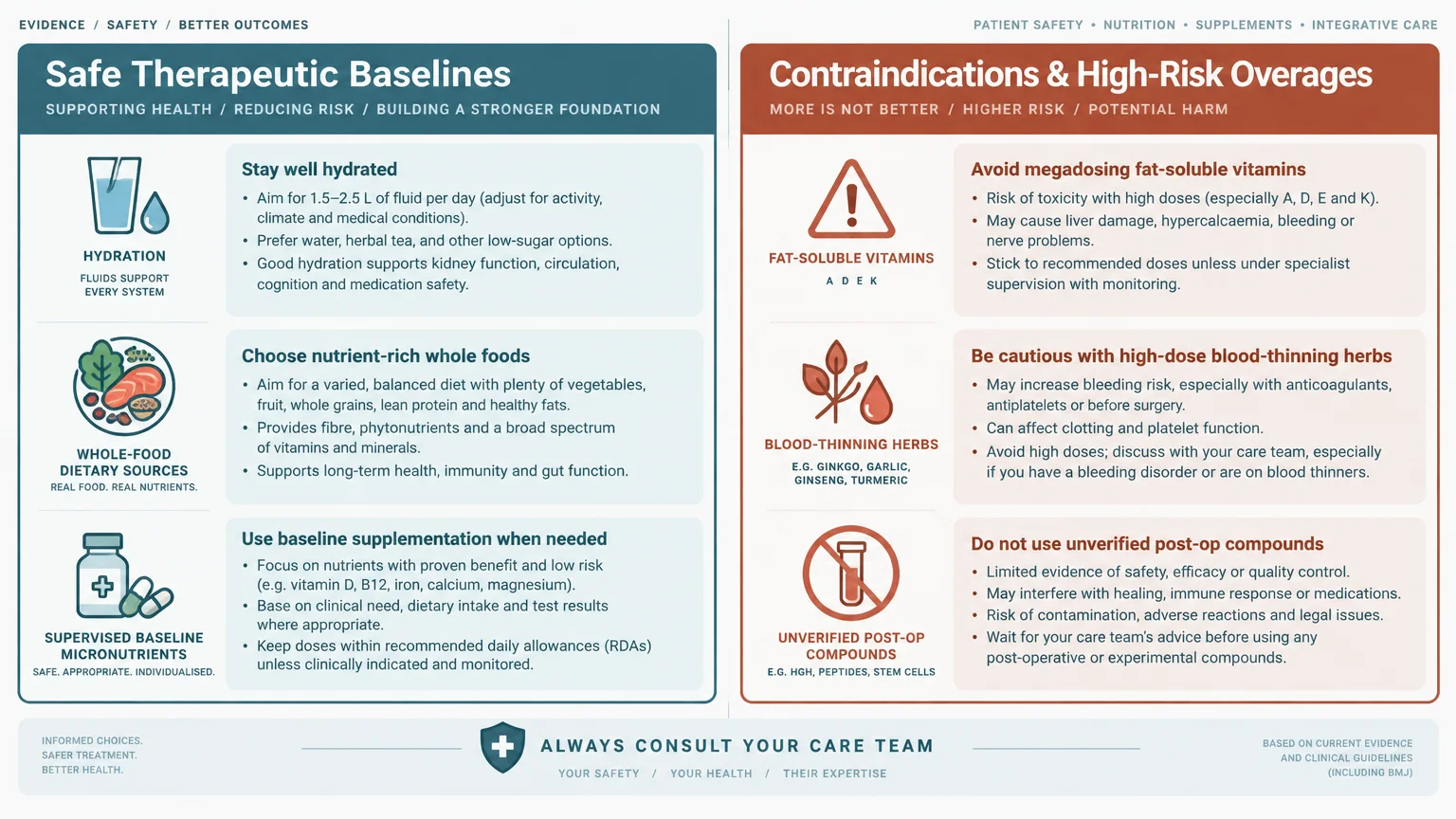
While whole foods offer gentle healing support, aggressive supplementation carries real biological hazards that warrant professional oversight. Mega-dosing fat-soluble vitamins like vitamin A or vitamin E can lead to systemic toxicity or dangerous blood thinning.
For instance, taking high-dose vitamin E supplements prior to or immediately after surgery increases bleeding risks substantially. Always disclose every planned dietary supplement to your surgical team before initiating your post-procedure regimen.
Individuals with chronic renal conditions must exercise extreme caution regarding protein, potassium, and phosphorus intake levels. In these clinical scenarios, elevated dietary protein can overtax compromised kidneys, requiring customized guidance from a specialized dietitian.
Contact your primary healthcare provider promptly if you observe spreading redness, worsening purulent drainage, or unexpected fever spikes around your wound. Nutrition establishes the foundation for cellular healing, but medical complications demand immediate diagnostic intervention.
Frequently Asked Questions About Wound Healing Nutrition
How quickly does proper nutrition affect wound healing?
Nutritional interventions alter cellular physiology within twenty-four to forty-eight hours of consumption. Enhanced amino acid availability and stable hydration stimulate immediate capillary formation and collagen matrix assembly at the wound bed.
Consistent dietary nourishment compounds over weeks, visibly accelerating granulation tissue formation and reducing local swelling. Sustaining this dietary focus throughout the remodeling phase yields stronger, more pliable final scar tissue.
Can I take a multivitamin instead of eating whole foods?
Multivitamins provide a helpful nutritional safety net, but they cannot replace the complex bio-matrix of whole foods. Intact foods contain fiber, trace phytonutrients, and healthy lipids that enhance nutrient bioavailability and support gut microbiota.
Furthermore, isolated supplements lack the substantial caloric density and structural amino acids required to rebuild physical tissue scaffolds. Rely on balanced meals first, utilizing targeted supplements only to correct clinically diagnosed deficiencies.
Does sugar intake affect how my wound heals?
High dietary sugar intake elevates circulating blood glucose levels, which impairs normal white blood cell functioning. Elevated glucose promotes widespread inflammation and impedes localized neutrophils from eradicating invading bacterial threats.
Additionally, prolonged hyperglycemia triggers advanced glycation end-products that stiffen collagen fibers, making new tissue brittle and weak. Choosing low-glycemic complex carbohydrates keeps your immune defenses sharp and supports supple, elastic scar formation.
How much extra protein do I need while recovering?
Most healthy adults require 0.8 grams of protein per kilogram of body weight for basic daily maintenance. During active wound healing, clinical recommendations typically climb to 1.2 to 2.0 grams per kilogram.
For a 150-pound individual, this translates to roughly 80 to 135 grams of daily dietary protein. Tailor your intake to the severity of your wound, consulting your clinical dietitian to confirm your target.
Your Immediate Recovery Roadmap
Rebuilding damaged tissue demands patience, structural cofactors, and deliberate biological nourishment. Every nutrient-dense meal you prepare sends critical raw resources directly to your hard-working fibroblasts and localized immune cells.
Take one simple, decisive step within the next twenty-four hours to supercharge your cellular recovery. Stock your pantry with a rich protein source, a vibrant vitamin C produce item, and a bottle of mineral water.
Focus on consistent, daily progress rather than absolute nutritional perfection as your body knits itself back together. Fuel your recovery with intention today, and give your healing tissues the structural support they truly deserve.