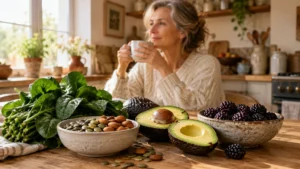
You can prepare nutrient-dense meals every single day and still develop frustrating vitamin or mineral deficiencies. When specific dietary compounds collide in your digestive tract, they actively bind essential micronutrients and block intestinal uptake.
Common daily habits—like drinking black tea alongside your morning oatmeal or using fat-free dressing on a raw salad—can slash nutrient absorption by up to eighty percent.
Strategic food pairing allows your gastrointestinal tract to extract maximum cellular fuel from every bite. Modifying these routines protects your metabolic vitality without requiring expensive dietary supplements.
The Science of Nutrient Bioavailability and Chelation
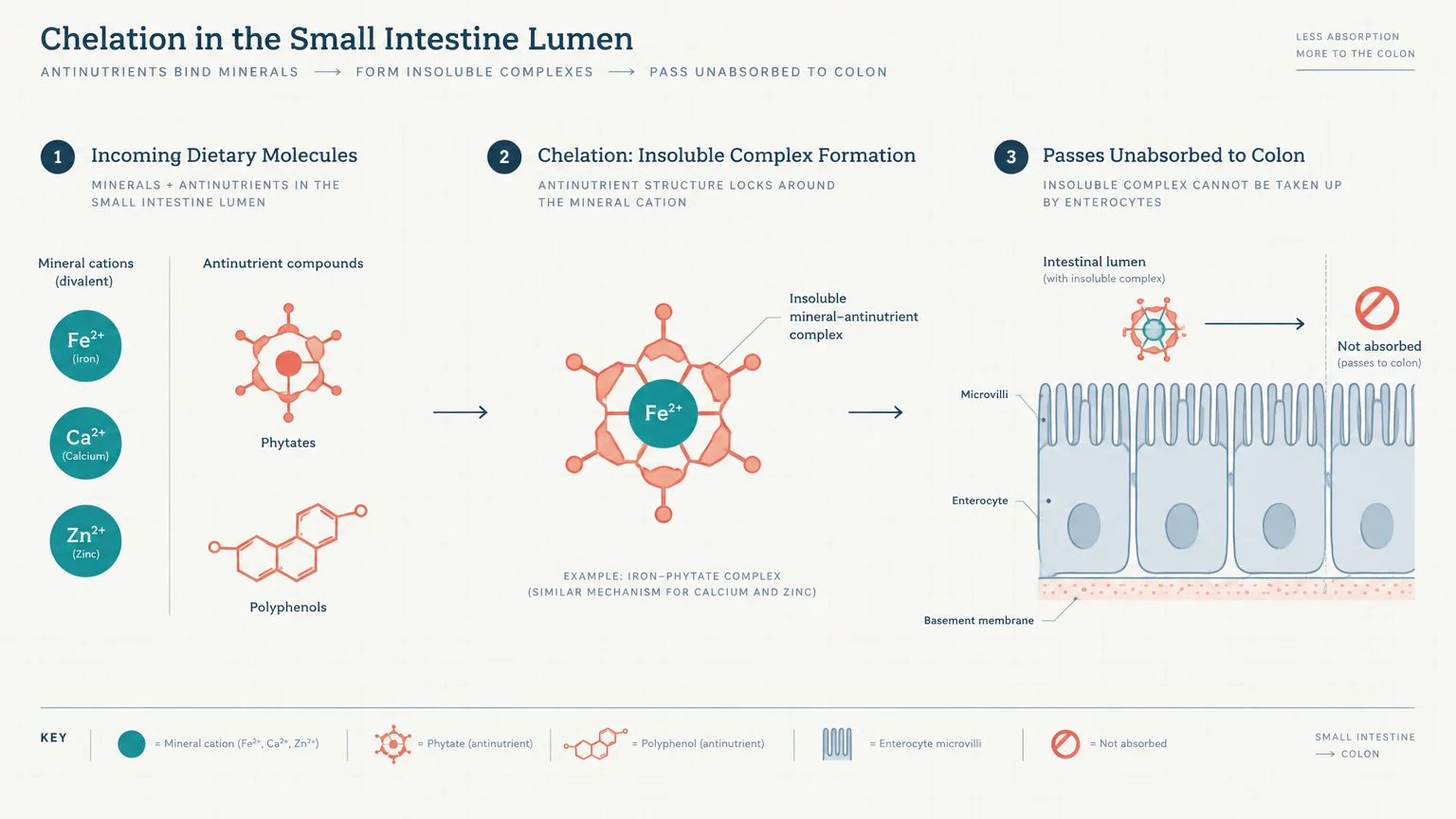
Nutrient bioavailability refers to the actual proportion of a consumed vitamin or mineral that enters your systemic circulation. Digestion involves sophisticated biochemistry; food elements interact constantly within the lumen of your small intestine.
Some plant compounds act as natural defense mechanisms against insects and fungi. In human physiology, researchers at the Harvard T.H. Chan School of Public Health classify these binding agents as antinutrients.
When molecules like phytates or polyphenols encounter divalent cations—such as iron, calcium, and zinc—they trigger a process called chelation. This chemical binding produces an insoluble complex that passes directly into your colon unabsorbed.
Competitive inhibition also occurs when two minerals rely on identical molecular transporters along your intestinal enterocytes. Consuming massive doses of one mineral can crowd out and block the absorption of another.
Fortunately, you do not need to avoid these foods entirely. Understanding these biological dynamics empowers you to structure your plate for peak nutrient assimilation.
6 Food Combinations That Stop Your Body From Absorbing Nutrients
1. Black Tea or Coffee with Plant-Based Iron
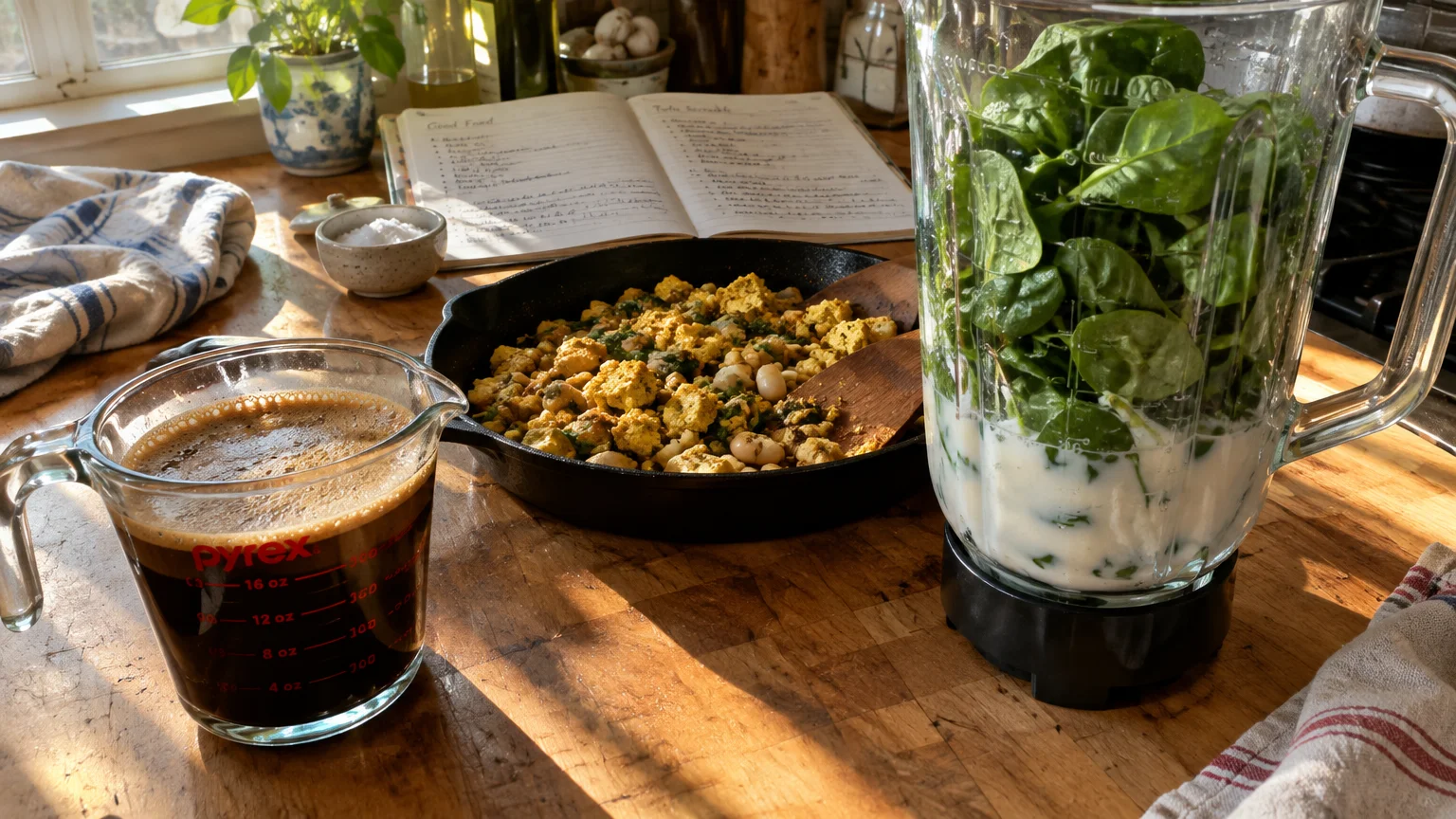
Pairing your morning cup of coffee or English breakfast tea with fortified oatmeal or scrambled tofu creates a major biochemical blockade. Both beverages contain concentrated polyphenols, including chlorogenic acid and tannins.
Tannins bind firmly to non-heme iron within the gastrointestinal tract, forming an insoluble precipitate. According to research published through the National Institutes of Health, this interaction can decrease non-heme iron absorption by fifty to ninety percent.
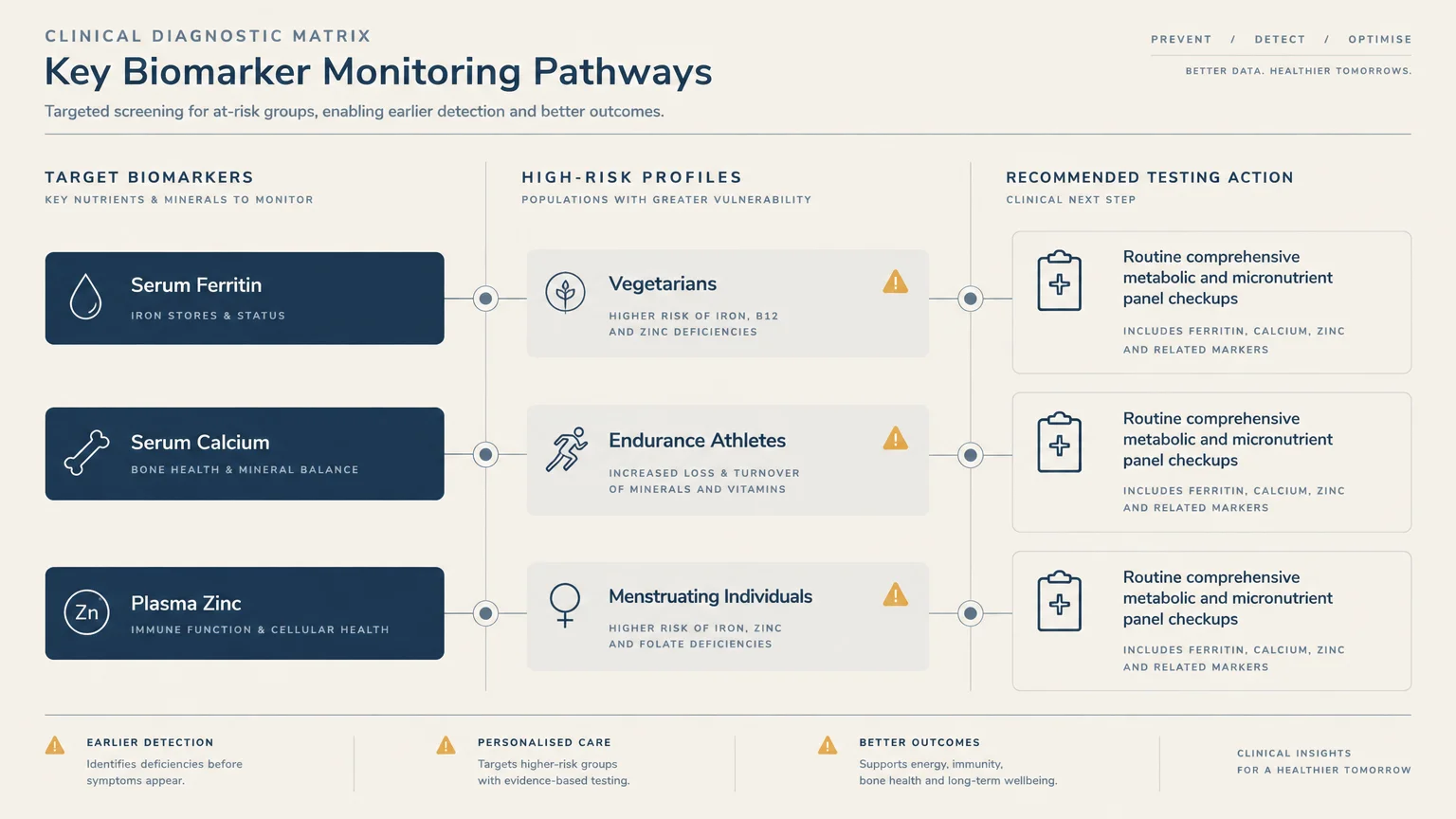
This reduction hits vegetarians, endurance runners, and menstruating individuals especially hard. Over time, combining these items routinely can contribute to chronic fatigue and depleted ferritin stores.
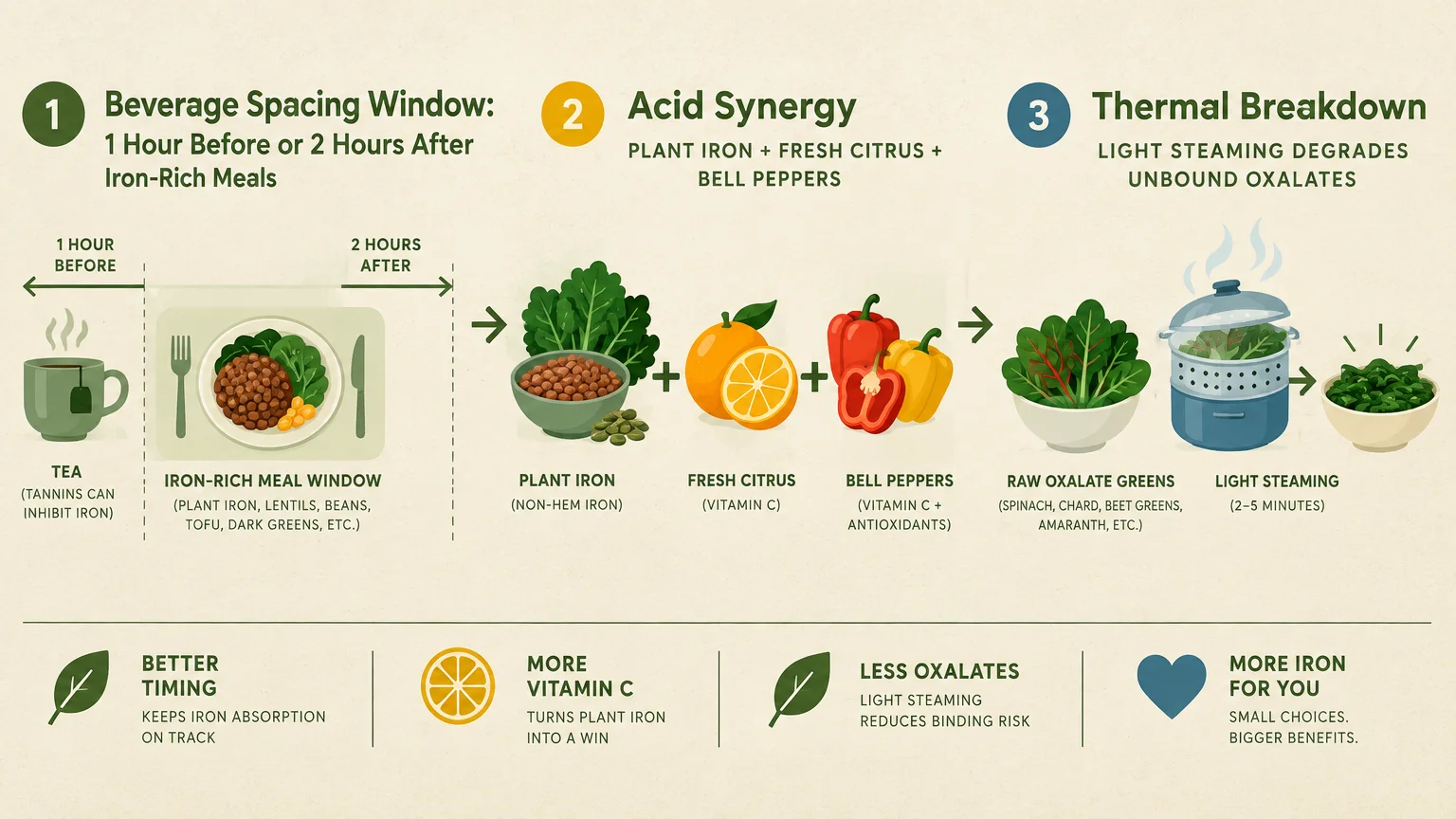
To protect your iron levels, enjoy your caffeinated beverage at least one hour before or two hours after iron-rich meals. Pair your plant iron with fresh citrus slices or bell peppers instead.
2. High-Oxalate Greens with Dietary Calcium
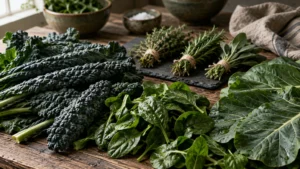
Many people toss raw spinach into their dairy-based protein smoothies, assuming they are doubling their bone-strengthening nutrients. However, spinach, Swiss chard, and beet greens carry high concentrations of oxalic acid.
Oxalic acid binds tightly to calcium ions in your gut, creating insoluble calcium oxalate crystals. As a result, your body absorbs less than five percent of the calcium present in raw spinach.
Furthermore, these insoluble complexes can travel downstream and crystallize in susceptible individuals, raising kidney stone risk. You forfeit both the calcium in the dairy and the mineral content of the greens.
Swap high-oxalate greens for low-oxalate alternatives like Tuscan kale, bok choy, or broccoli when pairing with yogurt, cow milk, or fortified plant milk. Lightly steaming your greens also helps degrade unbound oxalates.
3. Unsoaked Whole Grains and Legumes with Zinc
Whole wheat berries, raw oats, pumpkin seeds, and dried lentils contain high quantities of phytic acid. Plants store phosphorus as phytic acid, which serves as a natural preservative for seeds.
Inside your digestive tract, phytic acid acts as a powerful chelator that locks onto dietary zinc. Zinc is vital for immune function, protein synthesis, and cellular repair across all life stages.
When you eat unsoaked, unsprouted grains alongside zinc-rich foods like hemp seeds or shellfish, you absorb significantly less zinc. Traditional culinary practices historically solved this challenge through ancestral preparation methods.
Soaking, fermenting, or sprouting your grains activates an endogenous enzyme called phytase. Phytase breaks the bonds of phytic acid; this simple step frees zinc and phosphorus for easy intestinal absorption.
4. Dairy Products with Non-Heme Iron Sources
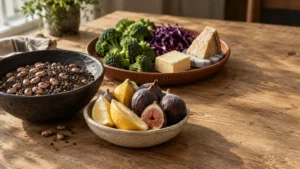
Eating a calcium-rich cheese omelet topped with black beans or drinking cow milk with a lentil bowl causes direct mineral competition. Calcium and non-heme iron both rely on the divalent metal transporter 1 pathway.
Because calcium has a high binding affinity, it temporarily downregulates iron transport across the intestinal brush border. Studies show that doses as small as three hundred milligrams of calcium markedly impair iron retention.
This competitive inhibition creates nutritional vulnerabilities during periods of rapid growth, pregnancy, and athletic recovery. Eating dairy during every meal can subtly compromise systemic oxygen delivery.
Reserve your artisanal cheeses, yogurt dips, and dairy milk for snacks between your primary iron-rich dishes. That strategic gap gives your transporters ample time to clear before processing the next mineral load.
5. Fat-Free Salad Dressings with Carotenoid-Rich Vegetables
Building a giant raw salad filled with shredded carrots, tomatoes, and dark greens represents an admirable nutritional choice. However, dousing that bowl in fat-free vinaigrette undermines the carotenoid delivery entirely.
Beta-carotene, lycopene, lutein, and fat-soluble vitamins A, D, E, and K are strictly lipophilic compounds. They cannot navigate your intestinal lining without the structural presence of dietary triglycerides.
Without dietary fat, your gallbladder does not release bile acids to form mixed micelles. The Office of Dietary Supplements confirms that dietary lipids are indispensable for converting Provitamin A carotenoids into usable retinol.
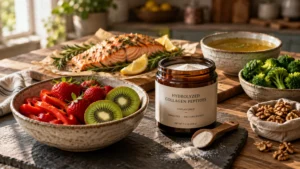
Clinical trials demonstrate that adding just five to ten grams of dietary fat increases carotenoid absorption multifold. Drizzle extra virgin olive oil, add sliced avocado, or toss in toasted walnuts to optimize every bite.
6. Alcohol Paired with Thiamine- and Folate-Rich Meals
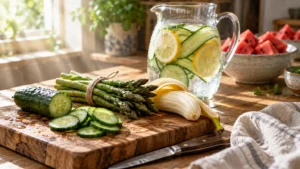
Sipping beer or wine alongside a dinner featuring salmon, asparagus, and brown rice significantly impedes B-vitamin assimilation. Ethanol exerts a direct toxic effect on the delicate microvilli lining your jejunum.
Alcohol downregulates the expression of intestinal thiamine transporters and impairs folate brush-border hydrolase activity. Over time, frequent alcohol consumption during meals can trigger profound thiamine and folate deficits.
Public health reports from the Centers for Disease Control and Prevention emphasize that alcohol also stresses hepatic metabolic pathways. This strain impedes your liver from converting B-vitamins into active coenzymes.
Enjoy your craft cocktails or wine well apart from nutrient-dense, restorative family meals. Hydrate with electrolyte-infused water or iced herbal tea during dinner to prioritize metabolic recovery and gut health.
Three Practical Strategies to Optimize Nutrient Absorption
Pillar 1: Strategic Meal Timing
You do not need to overhaul your entire grocery list to eliminate negative nutrient interactions. Establishing a simple two-hour window between competing compounds solves the majority of chelation and competition problems.
For example, drink your morning espresso sixty to ninety minutes before sitting down to an iron-fortified breakfast. This spacing allows your stomach to empty and prevents polyphenols from interfering with mineral uptake.
Apply the same scheduling logic to mineral supplements and prescription medications that contain calcium, iron, or magnesium. Taking these single-nutrient tablets away from complex meals prevents competitive transporter saturation.
Pillar 2: Culinary Pre-Treatment and Fermentation
Traditional food cultures naturally mitigated antinutrients through ingenious culinary processing techniques. Incorporating gentle heat, acidic soaking, and sourdough fermentation unlocks locked micronutrients efficiently.
Submerging dried legumes in warm water with a splash of apple cider vinegar overnight activates dormant seed enzymes. This simple kitchen ritual deactivates up to sixty percent of insoluble phytic acid.
Similarly, boiling or sautéing dark leafy greens breaks down thermal-labile oxalic acid structures. You retain fiber and vital micronutrients while freeing bound calcium for systemic absorption.
Pillar 3: Synergistic Nutrient Pairing
Nutrient synergy represents the constructive counterpart to nutrient antagonism; certain vitamins dramatically enhance the bioaccessibility of others. Deliberately pairing complementary compounds turns your digestive tract into an efficient nutrient engine.
Ascorbic acid—widely known as vitamin C—acts as a reducing agent that converts ferric iron into highly absorbable ferrous iron. Adding lemon juice to sautéed kale can triple your iron uptake.
Pairing vitamin D with dietary calcium stimulates the synthesis of calcium-binding proteins along your intestinal wall. Incorporating wild sardines or egg yolks with fortified greens ensures robust mineral integration into skeletal tissue.

Expert Insights and Real-World Clinical Experiences
Registered dietitians frequently encounter patients who eat balanced, whole-food diets yet struggle with persistent micronutrient fatigue. Clinical teams at the Academy of Nutrition and Dietetics emphasize evaluating food combinations before prescribing synthetic supplements.
We frequently see active runners with unexplained low ferritin who drink three cups of green tea with breakfast, explains sports dietitian Elena Vance. Separating that tea from their meals often restores their energy levels within eight weeks.
Patients managing plant-based lifestyles also report profound improvements in cognitive clarity when adjusting their food pairings. Maria Chen, an endurance cyclist, resolved mild zinc insufficiency simply by switching to traditional sourdough bread.
These real-world outcomes demonstrate that small, educated shifts produce outsized physiological rewards. You do not need restrictive rules; you simply need intentional culinary awareness.
Safety Guidelines, Contraindications, and When to Test
Before you radically rearrange your eating habits or eliminate entire food groups, consult your healthcare team for objective lab testing. Routine blood panels—including serum ferritin, total iron-binding capacity, and 25-hydroxy vitamin D—establish your baseline status.
Individuals diagnosed with hemochromatosis actually benefit from the inhibitory effects of tea and coffee. For this demographic, pairing tannins with meals helps suppress dangerous iron accumulation in visceral organs.
Conversely, those with inflammatory bowel disease or celiac disease face baseline malabsorption issues and require maximal nutrient availability. Tailoring your food pairings ensures your compromised intestinal brush border extracts every milligram of nutrition.
Always discuss planned adjustments with your primary care provider or a registered dietitian if you take prescription medications. Certain compounds like calcium and phytates can bind thyroid medications and antibiotics as well.
Frequently Asked Questions About Food Pairings
Does cooking remove all antinutrients from vegetables and grains?
Cooking significantly reduces antinutrient content, but it rarely eliminates these compounds completely. Steaming leafy greens reduces oxalic acid by thirty to eighty percent, depending on cooking time.
Combining heat with soaking, rinsing, or fermentation yields the greatest overall antinutrient reduction. This multi-step process makes sensitive micronutrients immediately accessible to your body.
Can I take a multivitamin with my morning coffee?
Swallowing a broad-spectrum multivitamin with coffee is a counterproductive habit. The chlorogenic acids and caffeine speed transit time and blunt the absorption of iron, zinc, and calcium.
Instead, take your daily multivitamin with a mid-morning snack containing healthy fats and a glass of water. This maximizes fat-soluble vitamin uptake without polyphenol interference.
Are antinutrients harmful to healthy adults?
Antinutrients are not harmful toxins; in fact, many offer substantial health benefits when consumed in moderation. Phytates and polyphenols provide potent antioxidant, anticancer, and anti-inflammatory properties throughout the human body.
The biological goal is never total avoidance, but rather intelligent culinary timing. You want to enjoy their disease-fighting benefits without sacrificing your baseline mineral absorption.
How much dietary fat do I need to absorb fat-soluble vitamins?
You only need a modest quantity of lipid molecules to trigger optimal micelle formation and nutrient transport. Research indicates that three to five grams of healthy fat per meal is sufficient.
A single teaspoon of olive oil or a small tablespoon of crushed seeds delivers plenty of fat. You can easily achieve full vitamin absorption without loading your plate with heavy calories.
Your Next Step: Optimize Your Very Next Meal
Reclaiming full nutritional value from your grocery budget does not require restrictive meal plans or radical dietary upheavals. Meaningful metabolic change begins with a single intentional choice at your next dining opportunity.
Select one bad food pairing you routinely practice and swap it over the next twenty-four hours. Move your midday espresso an hour away from your lunch, or add a splash of olive oil to your raw salad.
Observe your daily energy, digestion, and vitality over the coming weeks as your cells absorb the nourishment they deserve. Empower your body by making every nutrient count.