Protecting your cardiovascular system after age 60 requires focused nutritional choices that directly support blood pressure, vascular elasticity, and cholesterol balance. Making strategic dietary adjustments helps you preserve energy, support longevity, and safeguard your arteries against stiffening and arterial plaque buildup. According to federal health data, heart disease remains the primary mortality threat for older adults, making daily food decisions essential for long-term vitality. By swapping out high-sodium products, excess saturated fats, and refined sugars for nutrient-dense whole foods, you shield your heart against common metabolic stress. Understanding which specific items pose the greatest risk empowers you to make confident grocery choices that promote vibrant, active living throughout your senior years.

Understanding Heart Health Changes After Age 60
As your body matures past age 60, arterial walls naturally lose elasticity and stiffen over time, forcing your heart muscle to pump with greater force to circulate blood throughout your tissue network. Epidemiological data from the Centers for Disease Control and Prevention heart disease data shows that cardiovascular disease causes roughly one in three U.S. deaths, totaling nearly 919,000 deaths in 2023. Among adults aged 60 to 79, coronary heart disease affects 22.4% of men and 12.2% of women, illustrating significantly elevated vascular vulnerability during these senior decades.
High blood pressure remains the main preventable risk factor for heart attacks, heart failure, and strokes. According to federal surveys, hypertension impacts 72.8% of men aged 60 to 69 and 72.6% of men aged 70 and older. Among women, hypertension affects 64.8% of those aged 60 to 69 and rises dramatically to 76.6% of those aged 70 and above. Consuming excess sodium, saturated fats, or artificial additives exacerbates arterial strain, elevates low-density lipoprotein cholesterol, and speeds plaque formation within your blood vessels.
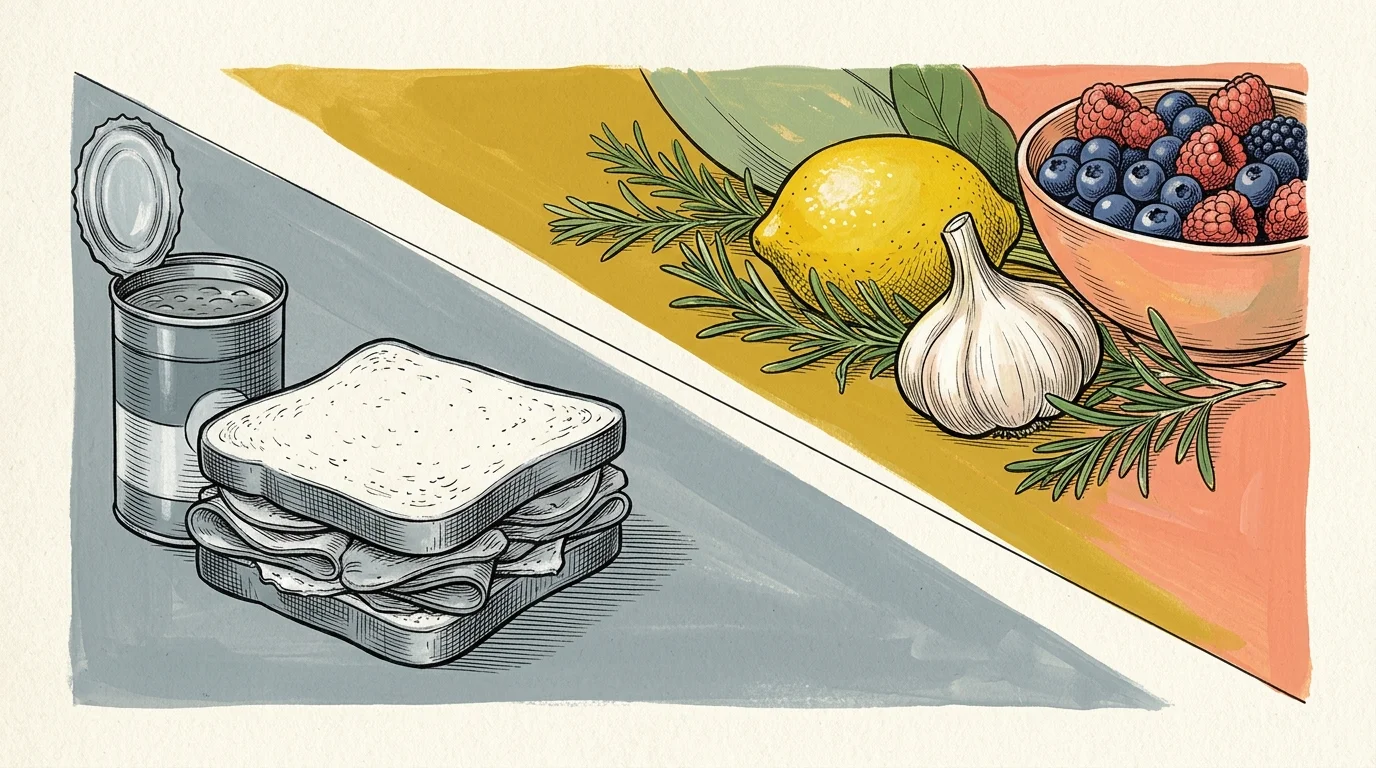
8 Foods Cardiologists Say to Avoid After Age 60
To keep your heart resilient, cardiologists and registered dietitians identify specific foods that strain blood vessels, raise blood pressure, and destabilize lipids. Reducing or eliminating these items yields fast, measurable metabolic benefits for your vascular health.
1. Ultra-Processed Deli Meats and Cured Snacks
Delicatessen meats such as salami, bologna, cured ham, and hot dogs contain excessive sodium alongside chemical preservatives like nitrates and nitrites. A single three-ounce serving of deli turkey delivers over 1,000 milligrams of sodium. According to the American Heart Association sodium guidance, the ideal daily limit for most adults is 1,500 milligrams, with an absolute upper cap of 2,300 milligrams. Excess sodium causes immediate fluid retention, elevating arterial tension and stroke risk while irritating the arterial lining. Swap processed deli slices for home-roasted turkey or chicken breast seasoned with fresh herbs, garlic, and lemon juice.
2. High-Sodium Canned Soups and Prepared Stocks
Commercial canned soups rely on heavy salt doses to preserve shelf life and boost flavor. One cup of traditional canned soup often supplies over 900 milligrams of sodium, representing more than half your recommended daily target. Recognizing this public health risk, the Food and Drug Administration issued voluntary sodium reduction targets in its August 2024 Phase II draft guidance for commercial food manufacturers. Sodium overload forces your kidneys to retain extra water, expanding total blood volume and straining your heart. Protect your blood pressure by making fresh broth with garlic and herbs or choosing store-bought soups explicitly labeled with zero added salt.
3. Commercial Bakery Goods and Packaged Pastries
Packaged pastries, donuts, commercial muffins, and cookies contain refined sugar and solid saturated fats that spark systemic inflammation. Although official Food and Drug Administration trans fat regulations successfully banned artificial trans fats by January 2021, commercial bakeries still rely heavily on palm oil, butter, and refined coconut oil. The American Heart Association dietary fat guidelines advise capping saturated fat at 5% to 6% of daily calories—about 11 to 13 grams for a 2,000-calorie diet. Satisfy your sweet cravings by baking homemade oat muffins prepared with extra virgin olive oil, cinnamon, and unsweetened applesauce.
4. Sugar-Sweetened Beverages and Bottled Sweet Teas
Sodas, sweetened iced teas, energy drinks, and flavored coffee beverages flood your bloodstream with high-fructose corn syrup without providing dietary fiber. Liquid sugar spikes blood glucose rapidly, prompting your liver to produce excess triglycerides and visceral fat. Abdominal visceral fat accumulation triggers vascular inflammation, elevates systemic metabolic stress, and increases insulin resistance, raising long-term coronary risks. Replace sugary drinks with cold-brewed herbal teas, sparkling water infused with fresh berries, or filtered tap water garnished with fresh cucumber slices and mint leaves.
5. Deep-Fried Foods and Heavy Commercial Batter
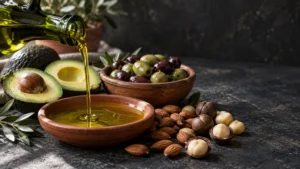
Fried chicken, French fries, onion rings, and fried seafood undergo high-temperature frying that degrades cooking oils into harmful oxidized lipid compounds. Reused commercial frying oil generates advanced glycation end-products and toxic free radicals that damage delicate blood vessel linings. Consuming fried foods regularly raises inflammatory markers like C-reactive protein and elevates dangerous LDL cholesterol while lowering protective HDL levels. Air-fry your favorite proteins or roast vegetables on a baking sheet drizzled with heart-healthy extra virgin olive oil or avocado oil.
6. High-Sodium Frozen Dinners and Pre-Packaged Meals
Frozen pizzas, microwaveable entrees, and instant noodle bowls rely on heavy sodium loads and solid fats to preserve flavor through freeze-thaw cycles. Single frozen entrees frequently supply over 1,200 milligrams of sodium while offering minimal dietary fiber or antioxidant protection. Consistently eating packaged instant meals elevates blood pressure and promotes age-related weight gain. Batch-cook wholesome dinners like lentil chili, vegetable stew, or baked fish on weekends, storing them in glass containers for quick, low-sodium weeknight meals.
7. Full-Fat Dairy Products and Heavy Creams
Whole milk, heavy cream, full-fat butter, and rich cheeses contain dense concentrations of saturated fatty acids that raise circulating LDL cholesterol. Accumulated LDL cholesterol particles oxidize along blood vessel walls, forming hard fatty plaques that restrict arterial blood flow. Federal recommendations in the Dietary Guidelines for Americans advise limiting saturated fat to under 10% of total daily calories to safeguard arterial open pathways. Transition toward low-fat or fat-free fermented options like plain Greek yogurt, unsweetened kefir, or fortified plant-based milks like almond or soy milk.
8. Excessive Alcohol and High-Sugar Mixed Drinks
Heavy alcohol consumption and sugary cocktails strain heart muscle tissue, disrupt natural cardiac rhythms, and elevate baseline blood pressure. Drinking more than one standard drink daily for women or two for men increases your risk of developing atrial fibrillation and weakens heart muscle fibers over time. Pre-made cocktail mixers also add excess empty calories that accelerate abdominal fat gain. Choose refreshing non-alcoholic mocktails made with sparkling water, a splash of 100% tart cherry juice, and fresh lime juice during social gatherings.

Three Practical Pillars for Lasting Heart Health
Transforming your nutrition after age 60 does not require rigid, unpleasant restrictions. Applying three practical pillars—meal planning, targeted nutrient emphasis, and gradual habit formation—builds a lasting heart-protective lifestyle that seamlessly fits your routine.
The first pillar centers on structured meal planning. Stocking your kitchen with whole, nutrient-dense foods prevents impulse purchases of ultra-processed convenience items. Set aside one hour each week to plan meals, build a grocery list, and prep foundational ingredients. Batch-cook whole grain staples like quinoa, farro, or brown rice alongside trays of roasted sweet potatoes, carrots, and steamed broccoli. Keeping cooked whole grains, legumes, and roasted root vegetables ready in your refrigerator allows you to assemble low-sodium meals in minutes.
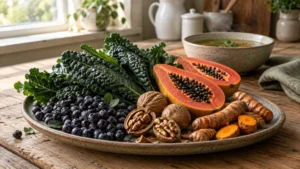
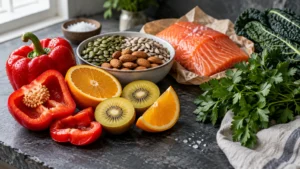
The second pillar emphasizes protective nutrients: dietary fiber, potassium, magnesium, and omega-3 fatty acids. Soluble fiber found in oats, beans, lentils, flaxseeds, and apples binds to cholesterol in your digestive tract, helping your body excrete it before it enters your bloodstream. Potassium-rich foods like spinach, bananas, sweet potatoes, and white beans help your kidneys excrete extra sodium, relaxing arterial walls and lowering blood pressure naturally. Aim to fill half your dinner plate with colorful vegetables, one-quarter with lean protein, and one-quarter with fiber-rich whole grains.
The third pillar focuses on sustainable habit formation. Overnight diet overhauls often trigger frustration and burnout, whereas small incremental changes build momentum over time. Replace one high-sodium or high-fat product each week with a healthy alternative. Swap commercial salad dressings high in saturated oil for extra virgin olive oil and balsamic vinegar. Once that habit feels natural, target another area, such as replacing afternoon sugary processed snacks with a handful of raw walnuts or almonds rich in plant-based omega-3 fatty acids.
Expert Insights and Real-World Application
Cardiologists and registered dietitians stress that heart-healthy eating must remain flexible, culturally inclusive, and budget-friendly. Nutrition strategies succeed best when they honor personal preferences and culinary traditions rather than forcing rigid compliance.
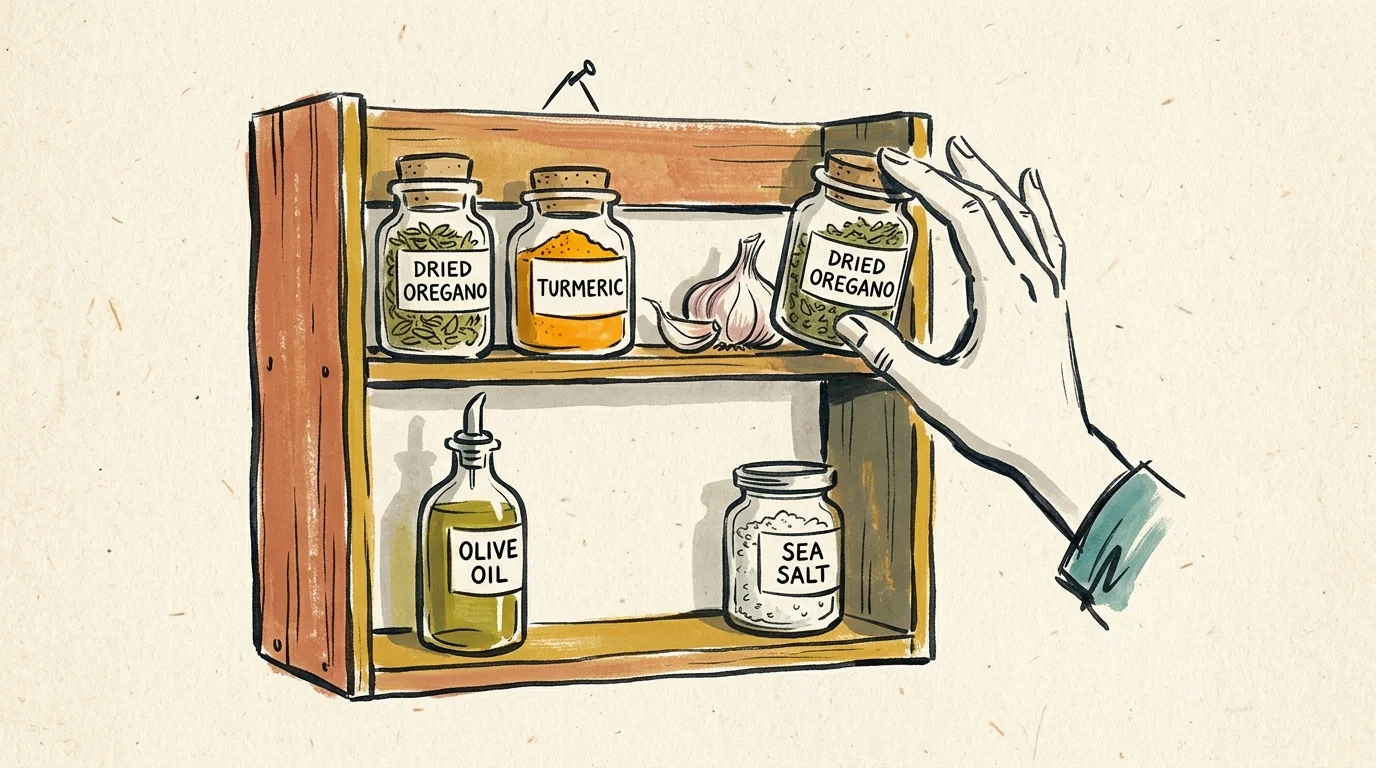
Clinical nutritionists frequently recommend Mediterranean and DASH diet patterns because they emphasize plant-based whole foods, seafood, and healthy fats. You can easily adapt these core principles to diverse cultural cuisines. Enhance flavor without salt by using garlic, ginger, turmeric, cumin, oregano, and fresh citrus zests. Swapping processed cooking fats for cold-pressed extra virgin olive oil preserves traditional cultural flavors while nourishing your blood vessels.
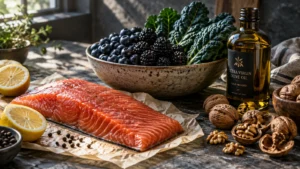
Eating well after age 60 fits easily into a realistic household budget. Frozen plain vegetables, dried lentils, canned low-sodium beans, whole oats, and canned wild salmon supply exceptional nutrients at affordable prices. Purchasing seasonal fresh produce or plain frozen options keeps grocery bills manageable while providing top-tier cardiovascular nutrition for long-term health.

Safety Considerations, Personalization, and Medical Guidance
While general heart-healthy principles apply broadly, your specific health profile requires individualized medical care. Managing cardiovascular health after age 60 often involves prescription medications that interact with specific nutrients and dietary patterns.
If you take blood-thinning medications like warfarin, maintain consistent daily intakes of vitamin K found in green vegetables like kale, spinach, and collard greens, as abrupt intake changes alter medication efficacy. Additionally, individuals managing chronic kidney disease must monitor potassium and phosphorus intake carefully with direct guidance from a clinical dietitian. Always consult your primary care physician or a registered dietitian before making significant dietary changes, altering fluid intake, or starting new nutritional supplements.
Frequently Asked Questions
How quickly can changing my diet lower my blood pressure and cholesterol?
Metabolic improvements occur quickly when you upgrade your daily diet. Lowering daily sodium intake to 1,500 milligrams can produce noticeable blood pressure reductions within two to three weeks. Replacing saturated fats with soluble fiber and monounsaturated fats typically lowers circulating LDL cholesterol levels within four to eight weeks, markedly improving your cardiovascular risk profile.
Is all sodium bad, or does my body still need salt after age 60?
Your body needs approximately 500 milligrams of sodium daily for nerve transmission, muscle contraction, and fluid balance. However, most older adults consume over 3,400 milligrams daily, which damages blood vessels and inflates blood volume. Focusing on low-sodium whole foods keeps your sodium intake comfortably within safe functional levels without straining your heart.
Can I ever enjoy my favorite comfort foods again after making dietary changes?
Yes, absolute perfection is unnecessary for long-term health. Cardiologists emphasize overall dietary patterns rather than complete avoidance of occasional treats. Enjoying a favorite comfort food during social gatherings will not harm vascular health if your daily foundation features whole grains, lean proteins, vegetables, and healthy fats.
How do I read nutrition labels to spot hidden heart hazards?
Examine serving sizes, sodium milligrams, and saturated fat grams on the Nutrition Facts panel. Select packaged items containing under 140 milligrams of sodium per serving (qualifying as low sodium) and ensure saturated fat accounts for less than 5% of the total Daily Value per serving.
Take Action for Your Heart Today
Protecting your heart after age 60 is a powerful investment in your longevity, mobility, and personal independence. Small, consistent food choices deliver major protection for your blood vessels over time. Take one practical action within the next 24 hours: check your pantry, select one high-sodium or heavily processed item, and replace it with a nutrient-rich alternative like fresh fruit, raw nuts, or a vibrant home-cooked vegetable meal.