Unlocking the secrets to a longer, healthier life starts with what you keep off your plate just as much as what you put on it. Global centenarians and modern nutritional science share a strikingly consistent blueprint for vibrant aging: minimizing dietary habits that drive chronic inflammation, metabolic breakdown, and cellular damage. While genetics play a background role, day-to-day eating patterns dictate how your body ages over decades. Recent long-term studies reveal that specific ultra-processed items actively erode metabolic health and shorten lifespan. By identifying these dietary hazards, you can easily reshape your kitchen habits to safeguard your vitality, reduce disease risk, and support sustainable longevity.
The Science of Longevity and Dietary Choices
When researchers examine populations with exceptional longevity—such as centenarians living in the world’s famous Blue Zones like Okinawa, Sardinia, and Ikaria—they discover distinct nutritional patterns. Rather than following restrictive fad diets, these communities instinctively consume unrefined, nutrient-dense foods while avoiding heavily processed items. Epidemiological research confirms that modern ultra-processed dietary patterns undermine these protective mechanisms, accelerating cellular senescence and chronic disease development.
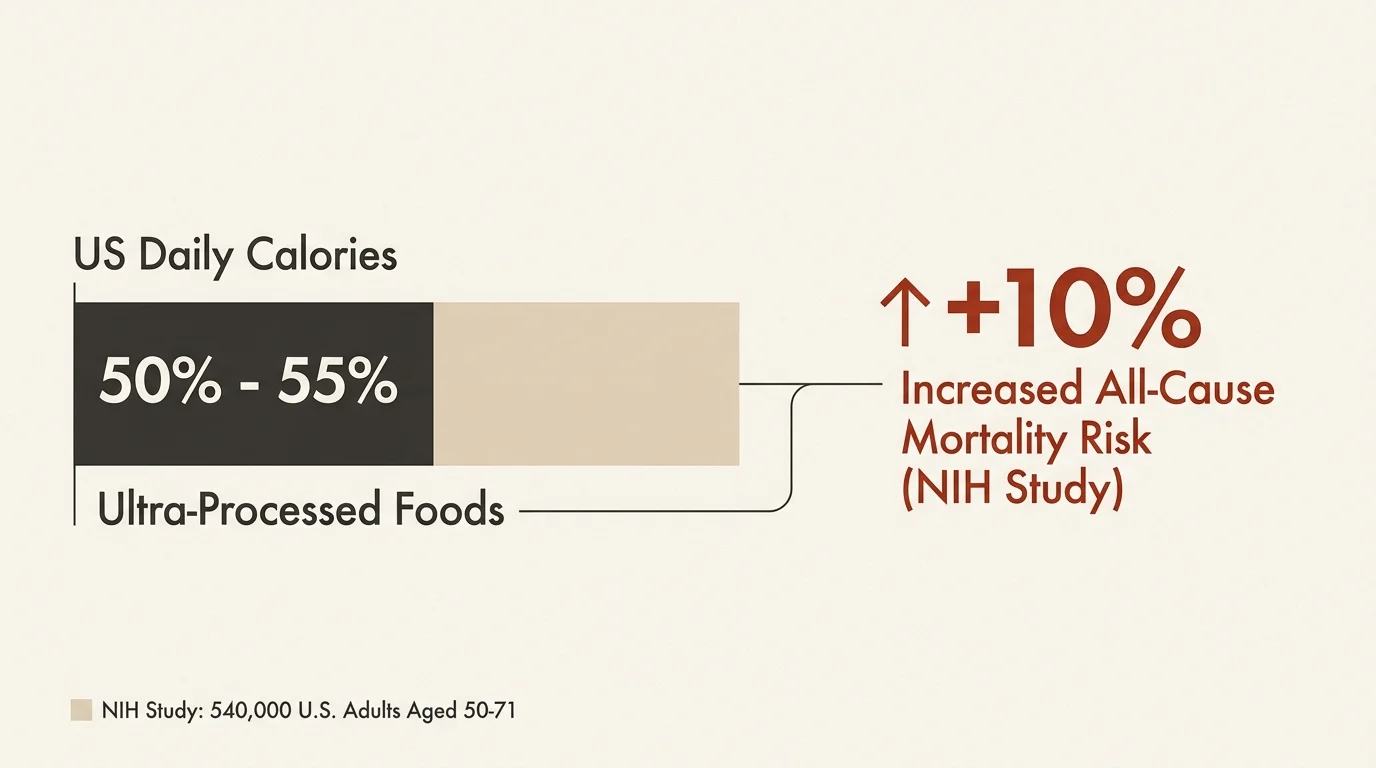
In July 2024, a landmark study presented at the American Society for Nutrition analyzed data from over 540,000 U.S. adults aged 50 to 71 across a median 23-year follow-up period. Conducted through the National Institutes of Health, the study revealed that individuals with the highest intake of ultra-processed foods experienced a 10% higher risk of all-cause mortality compared to those with low intake. Sugar-sweetened drinks and processed meats demonstrated the strongest links to premature death. Despite these clear warnings, data from the Centers for Disease Control and Prevention shows that ultra-processed foods still comprise 50% to 55% of total daily calories for the average American adult.

6 Foods Long-Lived People Consistently Avoid
Centenarians across diverse cultures maintain varied culinary traditions, yet their everyday diets systematically exclude specific factory-processed products. Research led by longevity experts in regions with high concentrations of centenarians shows that four core food groups—sugar-sweetened beverages, salty packaged snacks, packaged sweets, and processed meats—are consistently absent from traditional plates. Eliminating or drastically reducing these items along with other refined products protects your vascular network, maintains gut microbiome diversity, and prevents chronic systemic inflammation.
1. Processed and Cured Meats
Bacon, hot dogs, sausages, and deli cold cuts regularly appear in standard Western diets, yet long-lived populations rarely consume them. In 2015, the World Health Organization International Agency for Research on Cancer officially classified processed meat as a Group 1 human carcinogen. Research shows that consuming just 50 grams of processed meat daily—roughly equivalent to two slices of bacon or one hot dog—increases your relative risk of colorectal cancer by 18%. Processed meats contain high concentrations of sodium, synthetic nitrates, nitrites, and advanced glycation end-products formed during high-heat processing. These compounds trigger oxidative stress, damage arterial linings, and accelerate systemic aging.
2. Sugar-Sweetened Beverages
Sodas, energy drinks, sweetened teas, and commercial fruit juices deliver concentrated doses of liquid fructose without intact fiber to slow absorption. When you consume liquid sugars, your liver rapidly converts the excess energy into fat, driving non-alcoholic fatty liver disease, insulin resistance, and elevated systemic inflammation. Epidemiological surveys in longevity hotspots show that long-lived individuals rely on plain water, herbal infusions, and black coffee. The rapid blood sugar surges caused by sweet drinks accelerate tissue damage through glycation, where sugar molecules permanently bind to collagen and cellular structures.
3. Packaged Sweets and Refined Carbohydrates
Commercial cookies, pastries, white bread, and packaged cakes lack micronutrients, dietary fiber, and healthy fats. Industrial milling strips grains of their outer bran and germ layers, leaving behind easily digestible starches that cause rapid blood glucose spikes. High consumption of refined carbohydrates forces your pancreas to hyper-secrete insulin, fostering chronic metabolic stress and tissue inflammation over time. Centenarians derive their carbohydrates from slow-digesting whole grains, legumes, and tubers that provide stable cellular energy and nourish beneficial gut bacteria.
4. High-Sodium Packaged Snacks
Potato chips, commercial crackers, and pre-packaged savory snacks pair refined starches with excessive sodium and low-quality oils. The U.S. Department of Agriculture Dietary Guidelines for Americans recommends limiting sodium to under 2,300 milligrams per day. However, average U.S. adult intake currently exceeds 3,400 milligrams daily, largely due to packaged convenience foods. Excessive sodium intake damages endothelial health, increases vascular stiffness, and elevates blood pressure. Long-lived individuals naturally enhance flavor using antioxidant-rich herbs, garlic, spices, and extra virgin olive oil instead of commercial sodium mixtures.
5. Industrial Trans Fats and Heavily Hydrogenated Oils
Margarine, vegetable shortenings, and commercial bakery products often contain hydrogenated oils designed to maximize shelf stability. Industrial trans fats represent one of the most hazardous dietary compounds, as they simultaneously raise low-density lipoprotein (LDL) cholesterol and suppress high-density lipoprotein (HDL) cholesterol. This destructive shift accelerates arterial plaque formation, impairs blood vessel elasticity, and triggers systemic inflammatory cytokines. Even as regulations limit trans fats, repeatedly heating frying oils in fast-food settings creates oxidized lipid compounds that similarly harm cellular mitochondria.
6. Excessive Alcohol and Binge-Drinking Patterns
While certain longevity regions incorporate small amounts of polyphenol-rich wine consumed alongside whole-food family meals, heavy drinking and binge drinking remain absent among centenarians. High alcohol consumption acts as a direct cellular toxin, disrupting liver function, elevating cancer risk, causing neuroinflammation, and accelerating telomere shortening—the molecular timer of cellular aging. Furthermore, excess alcohol impairs deep sleep cycles, preventing the vital overnight tissue repair and glymphatic brain clearance necessary for long-term cognitive health.
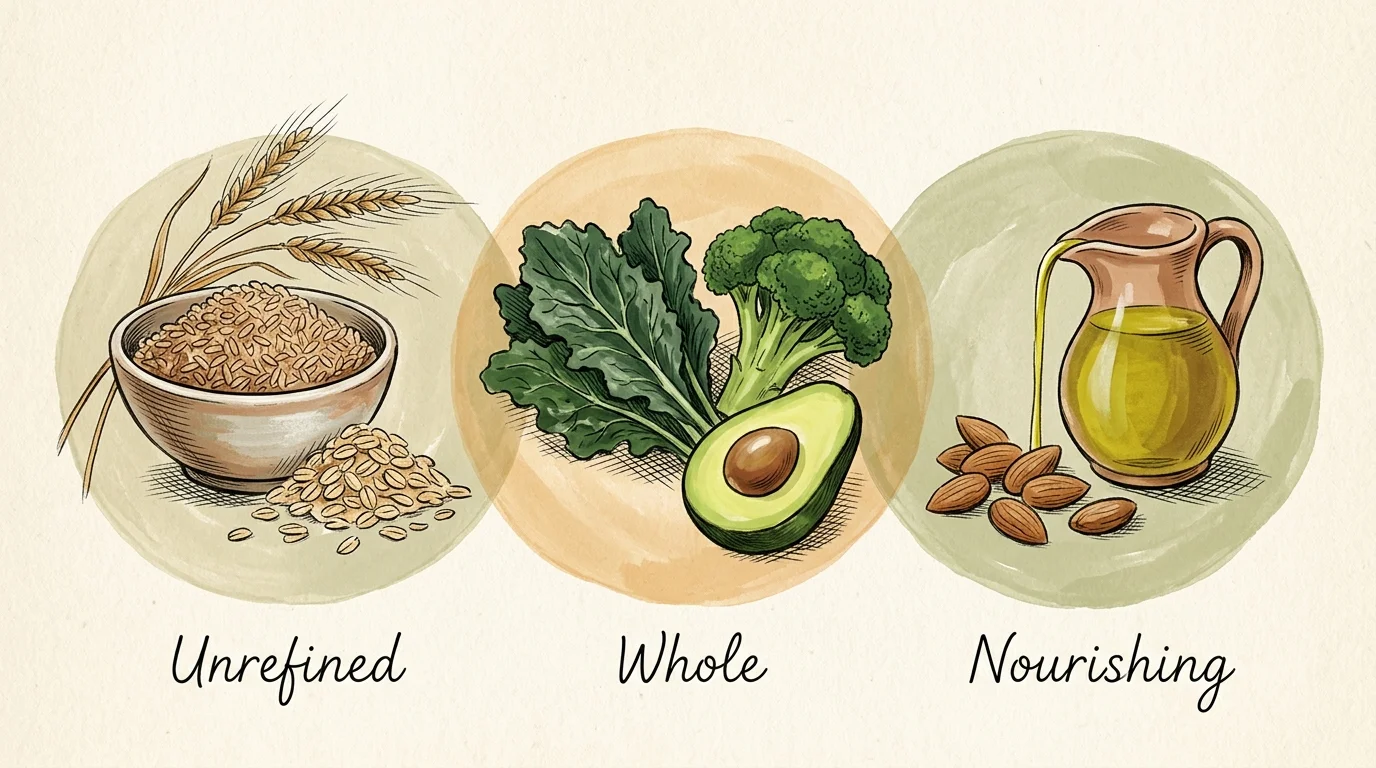
Three Core Pillars for Building a Longevity-Focused Diet
Transitioning away from ultra-processed, age-accelerating foods requires a thoughtful, proactive approach rather than restrictive deprivation. By establishing supportive meal planning routines, focusing on nutrient-dense substitutes, and building simple daily habits, you can construct an eating pattern that seamlessly preserves your health span.
Pillar 1: Meal Planning Centered Around Whole Foods
Designing your home environment serves as your strongest defense against convenient ultra-processed foods. Set aside dedicated time each week to plan lunches and dinners around whole grains, legumes, root vegetables, colorful produce, and clean protein sources. When you cook meals at home using intact ingredients, you maintain total authority over added sugars, excessive sodium, and low-quality cooking fats. Keep pantry shelves stocked with shelf-stable whole foods like canned lentils, black beans, quinoa, rolled oats, and raw seeds so healthy meal assembly remains fast and practical during demanding weekdays.
Pillar 2: Nutrient-Dense Swaps Over Restriction
Depriving yourself of favorite flavors often leads to frustration and eventual dietary relapse. Shift your mindset toward vibrant whole-food swaps that satisfy your appetite while nourishing your tissues. Replace sugar-sweetened sodas with sparkling mineral water flavored with fresh lime or muddled berries. Swap processed deli cold cuts for home-roasted turkey breast, grilled tempeh, or wild-caught canned salmon. Choose authentic whole-grain sourdough or sprouted grain bread instead of refined white bread, and satisfy savory crunch cravings with dry-roasted walnuts, pumpkin seeds, or air-popped popcorn topped with nutritional yeast.
Pillar 3: Sustainable Habit Formation
Centenarians build exceptional health spans through quiet, unforced consistency across decades rather than short-lived, intense cleanses. Focus on embedding one manageable adjustment into your routine at a time, giving your taste buds and daily workflow time to adapt naturally. Link new food practices to existing habits; for instance, prepare a fresh vegetable side dish every time you make dinner, or replace an afternoon packaged sweet snack with a piece of fresh fruit and raw almonds. Over time, these small daily choices compound into significant protection against biological aging.

Expert Insights, Personalization, and Safety Considerations
Leading preventive dietitians and medical researchers emphasize that a longevity-promoting diet should remain flexible, culturally inclusive, and tailored to your unique financial and biological needs. Guidance from the Academy of Nutrition and Dietetics highlights that overall dietary quality matters far more than any single ingredient. Plant-forward eating patterns can easily incorporate localized vegetables, regional spices, and budget-friendly staples like dried beans, whole corn, or oats without requiring expensive specialty products.
When adjusting your diet, carefully account for personal health conditions and metabolic requirements. Rapidly increasing fiber intake from whole grains and legumes can cause temporary digestive bloating if you do not step up intake gradually alongside adequate water consumption. Individuals managing chronic kidney disease, digestive disorders like irritable bowel syndrome, or complex food allergies should consult a registered dietitian or physician to tailor dietary shifts safely. Furthermore, older adults must pay close attention to adequate protein intake to prevent muscle loss and preserve metabolic vigor as they age.
Frequently Asked Questions About Longevity and Diet
Do I need to eliminate ultra-processed foods completely to extend my life?
You do not need absolute perfection to achieve profound longevity benefits. Shifting your overall intake so that whole, minimally processed foods comprise 80% to 90% of your total calories offers powerful protection against chronic disease while allowing room for social events and personal enjoyment.
Are fresh, unprocessed meats as damaging to health as deli meats?
No, fresh lean meats like poultry, grass-fed beef, or fresh pork do not carry the same heavy health risks as cured or processed meats. Processed meats contain added nitrites, industrial preservatives, and extreme sodium levels that damage blood vessels and increase cancer risk. However, long-lived populations still treat fresh meats as occasional side dishes rather than the main focus of daily meals.
How does high sodium harm longevity if my blood pressure is normal?
High sodium intake damages your cardiovascular system even before hypertension appears on a clinical monitor. Excessive sodium stiffens blood vessel walls, impairs endothelial function, promotes systemic oxidative stress, and adversely alters your gut microbiome balance. Reducing sodium from packaged snacks protects your microvascular health long term.
Can drinking coffee or tea support my longevity goals?
Yes, unsweetened coffee and green or black teas are packed with beneficial polyphenols and antioxidants. Extensive population studies link moderate coffee and tea intake with enhanced insulin sensitivity, reduced cardiovascular disease risk, and lower overall mortality rates when enjoyed without added sugars or artificial creamers.
Take Your First Longevity Action Today
Building a longer, healthier life does not require overwhelming lifestyle overhauls or extreme sacrifice. Lasting biological vitality stems from small, deliberate choices that you make every day. Open your pantry or refrigerator right now and identify one item containing processed meats, heavy sodium, or added liquid sugars. Within the next 24 hours, replace that single item with a whole-food alternative—such as swapping a sugary soda for herbal tea or replacing packaged deli meat with roasted chickpeas and greens. By taking this single practical step today, you start building a resilient foundation for decades of vibrant health.