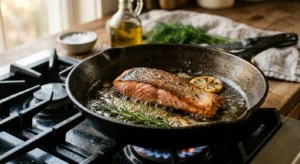
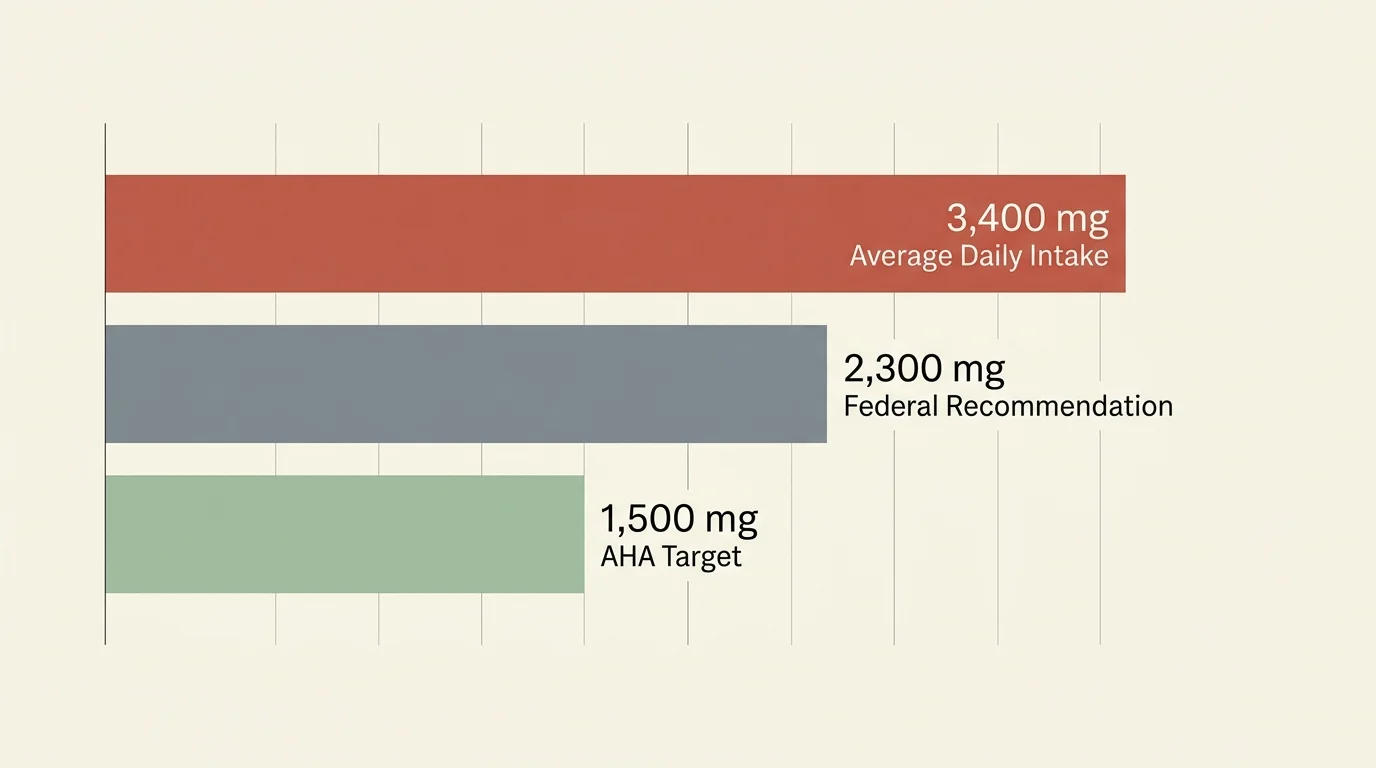
Cutting back on sodium does not mean resigning your meals to blandness; instead, you can unlock vibrant culinary depth by transforming your spice cabinet into your primary flavor toolkit. Most Americans consume around 3,400 milligrams of sodium daily—well above the federal recommendation of less than 2,300 milligrams—which elevates blood pressure and strain on the cardiovascular system. By strategic utilization of potent herbs, aromatic roots, and acidic brighteners, you activate different sensory pathways on your tongue that trick your brain into feeling entirely satisfied without reaching for the saltshaker. You will reclaim control over your long-term heart health while simultaneously discovering dynamic taste profiles that make everyday home-cooked dishes standard-setting delicious.
Understanding Sodium and Your Taste Receptors
Table salt, chemically known as sodium chloride, consists of roughly 40 percent sodium and 60 percent chloride by weight. While sodium plays an essential role in nerve transmission and fluid balance, excess consumption poses serious public health risks. According to the Centers for Disease Control and Prevention, over 70 percent of the average American’s daily sodium intake originates from packaged, processed, and restaurant foods rather than the shaker on your kitchen table. To address this widespread issue, the U.S. Food and Drug Administration issued updated guidance in August 2024 establishing voluntary sodium reduction targets across 163 categories of commercial food products.
When you reduce your sodium intake toward the ideal target of 1,500 milligrams per day recommended by the American Heart Association, your taste buds undergo a fascinating physiological transition. Human taste buds detect five basic tastes: sweet, salty, sour, bitter, and umami. When you lower salt, your tongue initially senses a void; however, up to 80 percent of what you perceive as rich flavor actually comes from olfactory receptors in your nasal cavity. By harnessing aromatic herbs and spices, you stimulate these olfactory pathways, creating a perception of full-bodied flavor without relying on sodium ions to activate your salty taste receptors.
Seven Essential Herbs and Spices That Replace Salt
1. Garlic and Onion Powder
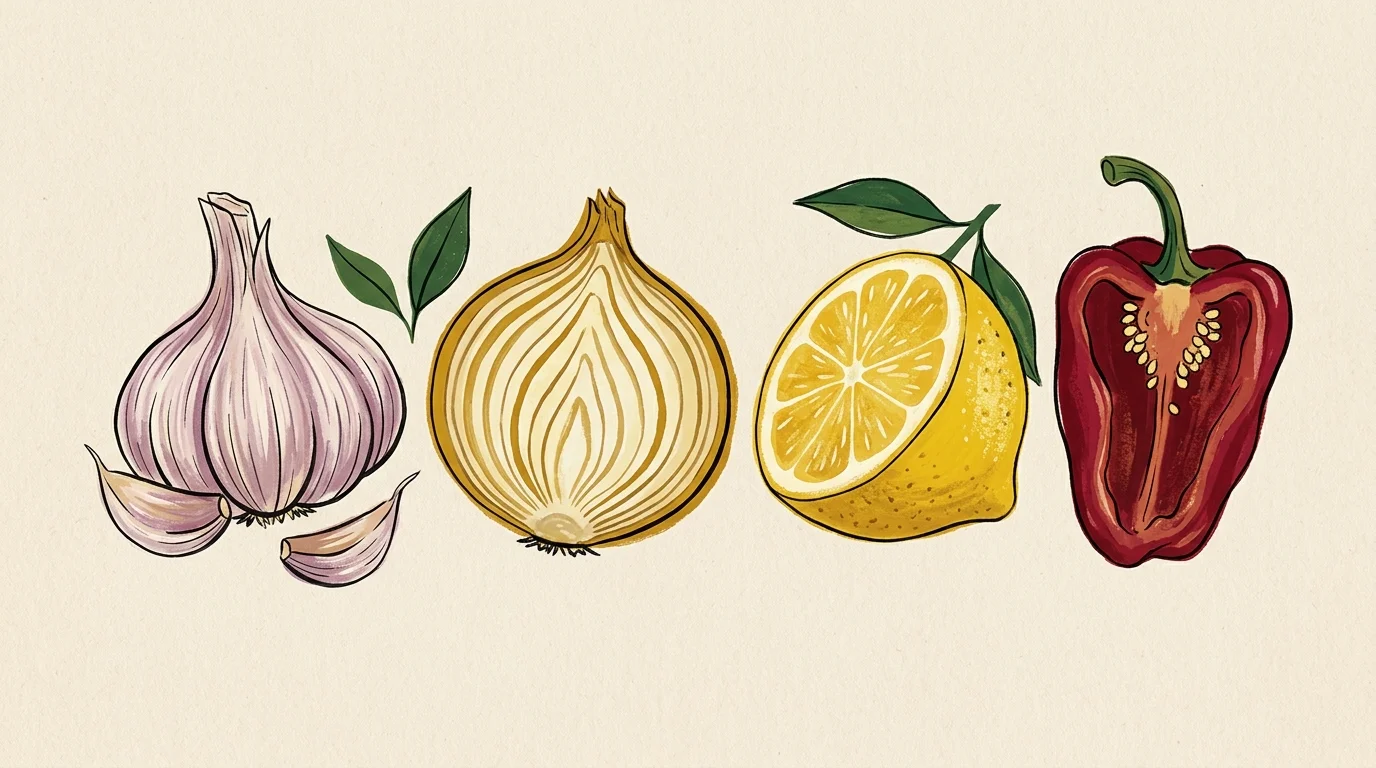
Garlic and onion powder serve as the absolute backbone of low-sodium cooking because they provide dense concentrations of naturally occurring allium sulfur compounds and savory glutamates. When toasted or cooked into dishes, these dehydrated aromatics deliver a deep umami foundation that satisfies your palate in much the same way salt does. You can dust onion and garlic powder over roasted root vegetables, whisk them into salad dressings, or rub them onto lean poultry before grilling to create immediate savory richness.
2. Smoked Paprika
Crafted from slow-roasted capsicum peppers dried over oak fires, smoked paprika imparts a bold, woody intensity that mimics the savory quality of cured meats like bacon or ham. This rich smokiness fools your brain into perceiving a heavier, saltier taste profile than actually exists in the pan. Adding a teaspoon of smoked paprika to lentil soups, braised beans, or sautéed tofu provides an instant rustic depth without adding a single milligram of sodium.
3. Lemon Zest and Sumac
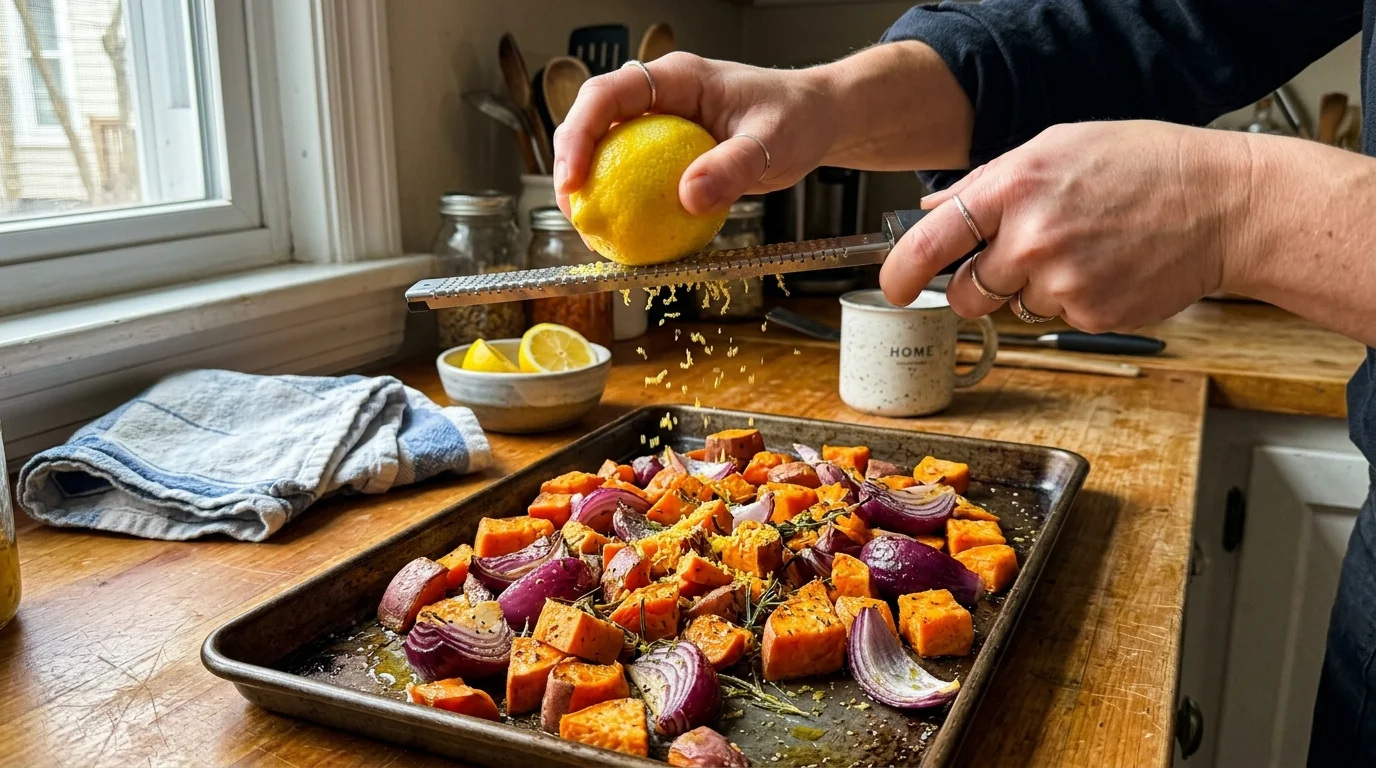
Acidic components act as powerful salt proxies because sourness stimulates your salivary glands, enhancing the overall perception of flavor across your entire tongue. Lemon zest contains essential citrus oils that brighten dark greens and grilled fish, while sumac—a ruby-red spice popular in Middle Eastern cuisine—offers a tart, astringent punch with fruity undertones. According to dietary guidance from the Academy of Nutrition and Dietetics, finishing dishes with fresh acid right before serving delivers a sharp contrast that makes salt virtually unnecessary.
4. Cumin and Coriander
Cumin provides an earthy, warm aroma packed with pyrazine compounds, while coriander contributes a bright, floral, citrusy note. When paired together, these two spices form an intricate aromatic framework that elevates grain bowls, roasted squash, and turkey chili. Gently dry-toasting whole cumin and coriander seeds in a skillet for sixty seconds before grinding unlocks their essential oils, creating a complex sensory experience that distracts your palate from the absence of added salt.
5. Rosemary and Thyme
Woody perennial herbs like rosemary and thyme contain rich concentrations of aromatic polyphenols, including rosmarinic acid and carnosol. These robust herbs infuse dishes with piney, earthy notes that hold up exceptionally well during long simmer times and high-heat roasting. Mincing fresh rosemary with garlic to crust a tenderloin or simmering whole sprigs of thyme in a vegetable stew embeds an earthy flavor profile that leaves zero room for blandness.
6. Cayenne Pepper and Chili Flakes
Spicy seasonings work through a unique neurological mechanism: capsaicin, the active compound in chili peppers, triggers trigeminal nerve fibers on your tongue. This mild heat response increases neural alertness and enhances your mouth’s sensitivity to surrounding subtle flavors. Incorporating a pinch of cayenne pepper or crushed red pepper flakes into pasta sauces, marinades, or scrambled eggs creates a fiery excitement that easily compensates for reduced sodium.
7. Nutritional Yeast
Nutritional yeast consists of inactive dried yeast flakes that offer a nutty, cheesy, and deeply savory profile reminiscent of aged Parmesan cheese. Because it naturally contains free glutamate amino acids, it strongly stimulates your umami taste receptors. You can sprinkle nutritional yeast over air-popped popcorn, stir it into creamy potato soups, or toss it with steamed broccoli to achieve a satisfying cheese-like finish without any added sodium or saturated fat.
Strategic Pillars for Low-Sodium Culinary Success
Pillar 1: Master Strategic Layering and Blooming
To maximize the impact of herbs and spices, you must apply them at specific stages of the cooking process. Blooming ground spices—such as cumin, smoked paprika, and cayenne—in a small amount of warm olive oil or oil-based cooking medium for thirty to sixty seconds dissolves their fat-soluble flavor compounds, dispersing aromatics throughout the entire dish. Conversely, delicate fresh herbs like basil, cilantro, and parsley should enter at the very end of cooking to preserve their bright volatile oils and fresh aromas.
Pillar 2: Leverage Acid and Umami Synergies
Relying on a single spice rarely solves the salt replacement equation; instead, you should combine acid, umami, and spice to create compound flavor structures. Pairing glutamate-rich ingredients like tomato paste or nutritional yeast with acidic brighteners like apple cider vinegar or lime juice triggers multiple taste receptors simultaneously. Research synthesized by the National Institutes of Health confirms that combining umami and acid significantly increases overall flavor pleasantness and perceived saltiness in reduced-sodium foods.
Pillar 3: Retrain Your Palate Through Gradual Adaptation
Your taste buds possess remarkable neuroplasticity, meaning they adapt to lower sodium concentrations over time. Taste receptor cells regenerate rapidly, replacing themselves approximately every ten to fourteen days. If you reduce added salt incrementally while simultaneously stepping up your use of potent herbs and spices, your salt preference threshold will shift downward within two to six weeks. Foods that previously tasted normal will begin to taste overly salty, making your low-sodium habits entirely effortless and enjoyable long-term.
Expert Insights and Real-World Application
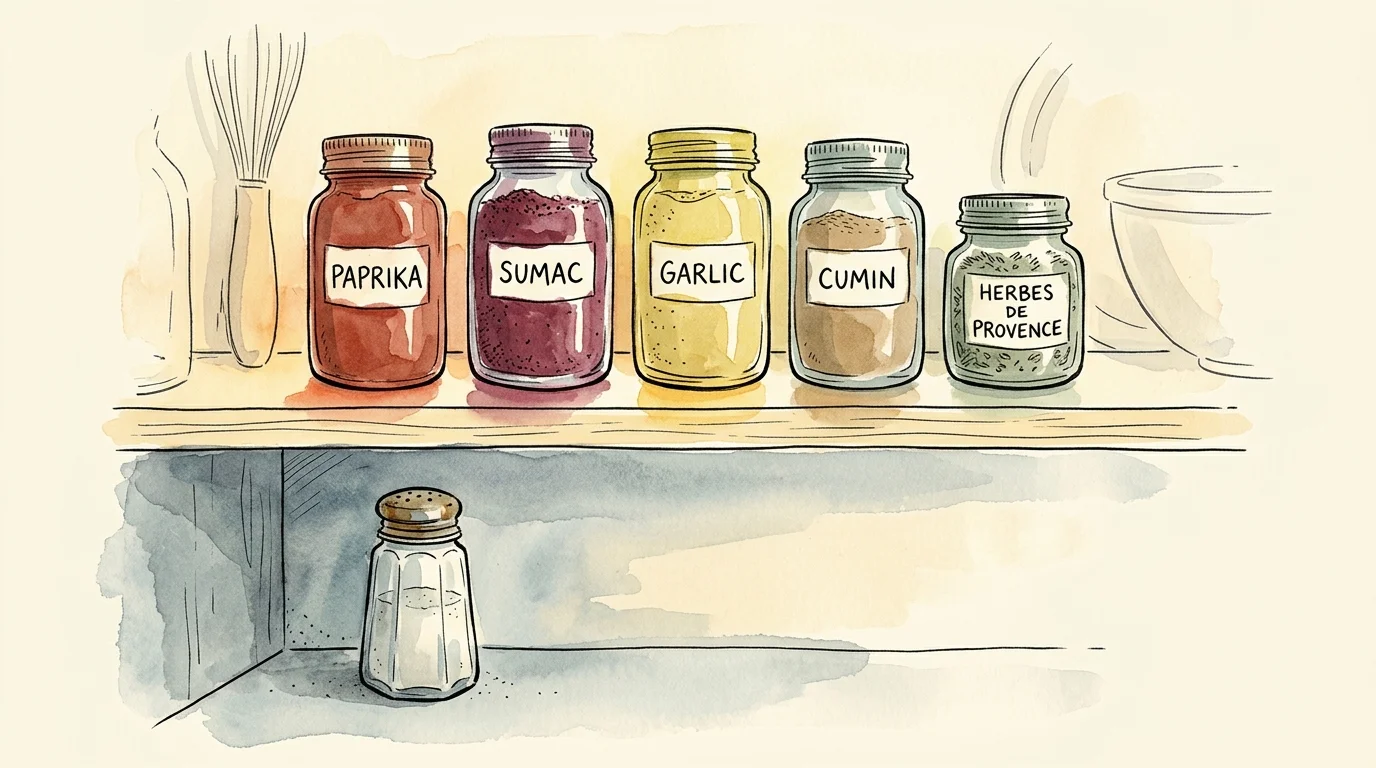
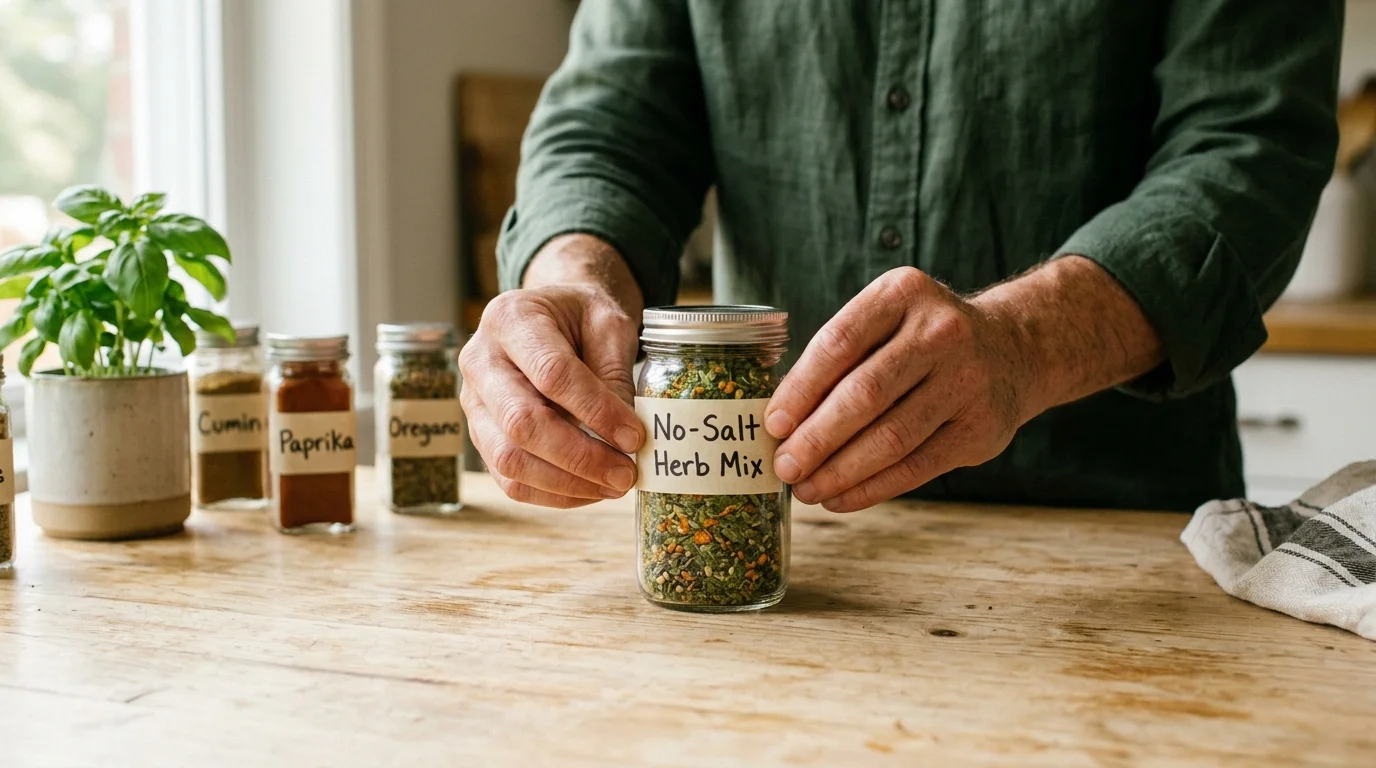
Clinical dietitians and preventive cardiologists emphasizing culinary medicine frequently stress that successful sodium reduction relies on abundance rather than deprivation. Rather than focusing on what you are removing from your plate, you achieve sustainability by focusing on the exciting global flavor profiles you are adding. Dietitians recommend creating homemade sodium-free spice blends in small batches—such as a Mediterranean oregano-garlic rub or a Southwestern cumin-smokey paprika blend—and placing them prominently on your countertop where your saltshaker used to sit. This simple environmental nudge reinforces your healthy daily habits while making meal preparation quick and flavorful.
Safety, Personalization, and Health Considerations
While culinary spices and whole dried herbs are safe and beneficial for virtually everyone, you should exercise caution if you consider commercial salt alternatives that rely on potassium chloride. While potassium chloride provides a salty taste without sodium, elevated potassium levels can prove dangerous for individuals with chronic kidney disease or those taking specific blood pressure medications, such as ACE inhibitors, angiotensin receptor blockers, or potassium-sparing diuretics. Always check with your physician or registered dietitian before introducing potassium-based chemical substitutes. Furthermore, if you take blood-thinning medications like warfarin, maintain consistent intake of green leafy herbs like parsley and cilantro, which contain vitamin K, and discuss any dramatic dietary overhauls with your healthcare team.
Frequently Asked Questions About Salt Substitutes
How long does it take for taste buds to adjust to a low-sodium diet?
Most people experience a noticeable shift in their taste perception within two to four weeks of reducing sodium intake. Because taste bud cells regenerate every ten to fourteen days, your tongue rapidly recalibrates to detect subtle natural flavors in food once high salt concentrations no longer mask them.
Are store-bought salt-free seasoning blends healthy?
Yes, commercially available salt-free seasoning blends are generally very healthy options, provided they contain pure herbs, spices, and dried aromatics without added fillers, sugar, or anti-caking additives. Always check the ingredient label to ensure sodium content reads zero milligrams per serving.
Can I use potassium-based salt substitutes safely at home?
Potassium chloride salt substitutes are safe for many healthy adults, but they can be hazardous for individuals with kidney impairment or those taking heart medications that alter potassium excretion. Whole herbs and botanical spices remain the safest, universally effective alternative for everyone.
How can I make low-sodium meals taste good for family members who love salt?
Focus on building rich culinary depth using umami-rich spices, garlic, citrus, and toasted aromatics while cooking the main meal. You can allow family members who desire extra sodium to add a small pinch of finishing salt or sea salt at the dining table, which uses significantly less sodium than salting during the cooking process.
Your 24-Hour Low-Sodium Action Plan
Transforming your heart health does not require an overwhelming kitchen overhaul all at once. Within the next 24 hours, choose just one meal to prepare entirely without added salt. Head to your pantry, grab garlic powder, smoked paprika, and a fresh lemon, and apply them generously to your protein or roasted vegetables. Take a mindful bite, notice how the vibrant aromatics and bright citrus activate your senses, and take pride in knowing you are taking a decisive, delicious step toward lifelong cardiovascular vitality.