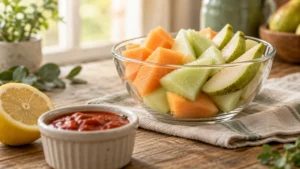
Waking up with puffy eyelids, swollen fingers, or a tight waistband often signals temporary water retention rather than body fat gain. You can restore your body’s fluid balance naturally by eating foods rich in potassium, magnesium, and natural compounds that promote healthy kidney function. Research demonstrates that dietary sodium overconsumption pulls fluid into your tissue spaces, while specific mineral-dense foods encourage your kidneys to release extra fluid through urination. Integrating whole, water-rich fruits and vegetables into your daily routine offers an effective, evidence-based approach to relieve uncomfortable abdominal tightness and tissue puffiness while optimizing overall metabolic health.
Understanding Fluid Balance: Why Your Body Holds Extra Water
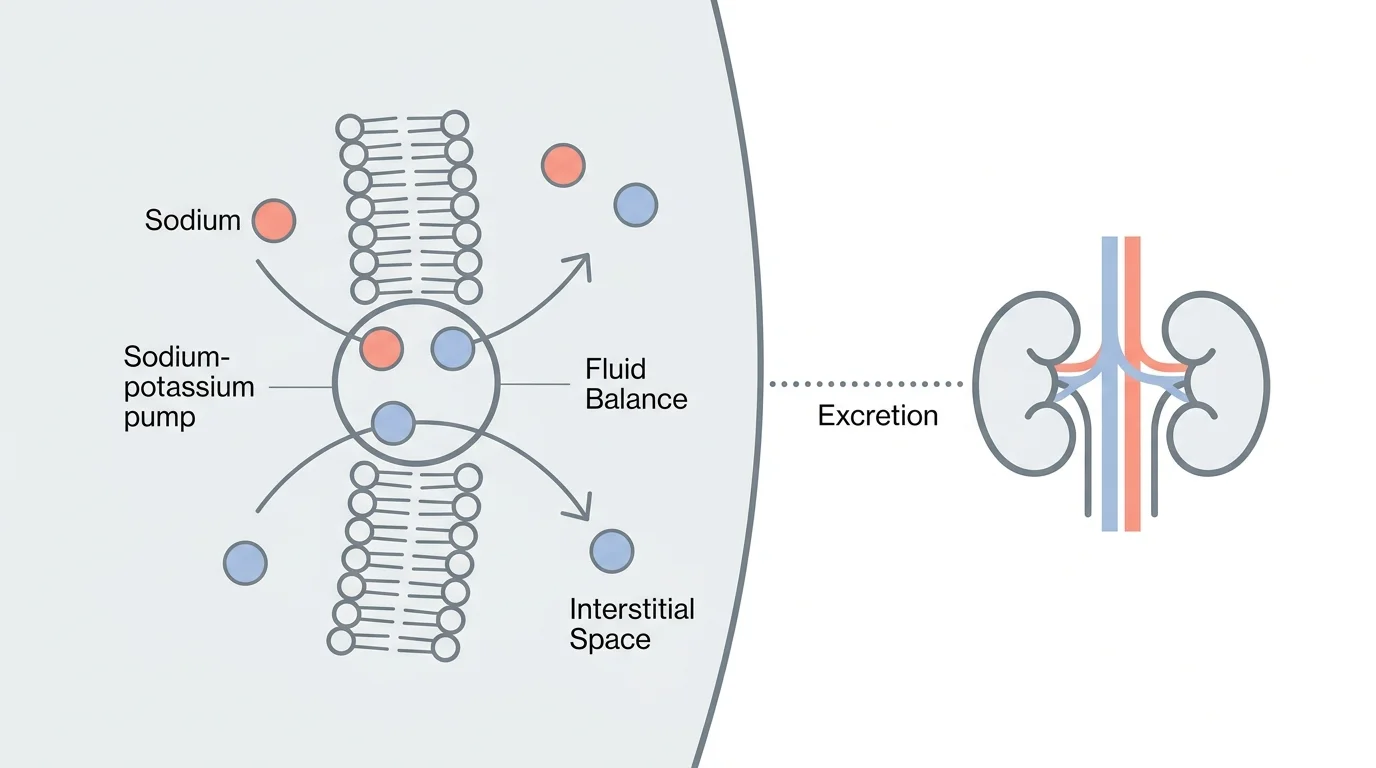
Your circulatory and lymphatic systems constantly regulate body fluid levels; however, daily dietary choices can disrupt this delicate balance. When you consume excess dietary sodium, your body retains water to keep bloodstream salt concentrations within a narrow, safe range. This excess fluid leaks into interstitial tissues—the tiny spaces surrounding your cells—causing noticeable swelling in your hands, feet, ankles, and abdomen.
Conversely, potassium acts as sodium’s natural physiological counterweight. Research from the National Institutes of Health emphasizes that your cells rely on sodium-potassium pumps to maintain hydration and regulate tissue pressure. When potassium intake falls short and sodium spikes, your kidneys retain fluid rather than excreting it through urine. Chronic stress, physical inactivity, and hormonal shifts during menstrual cycles further amplify this fluid holding pattern.
7 Research-Backed Foods That Reduce Water Retention
Targeting natural fluid reduction does not require harsh chemical diuretics or restrictive starvation diets. Instead, you can incorporate specific whole foods that provide natural diuretic properties, balancing minerals, and high water content to flush excess fluid naturally.
1. Cucumbers
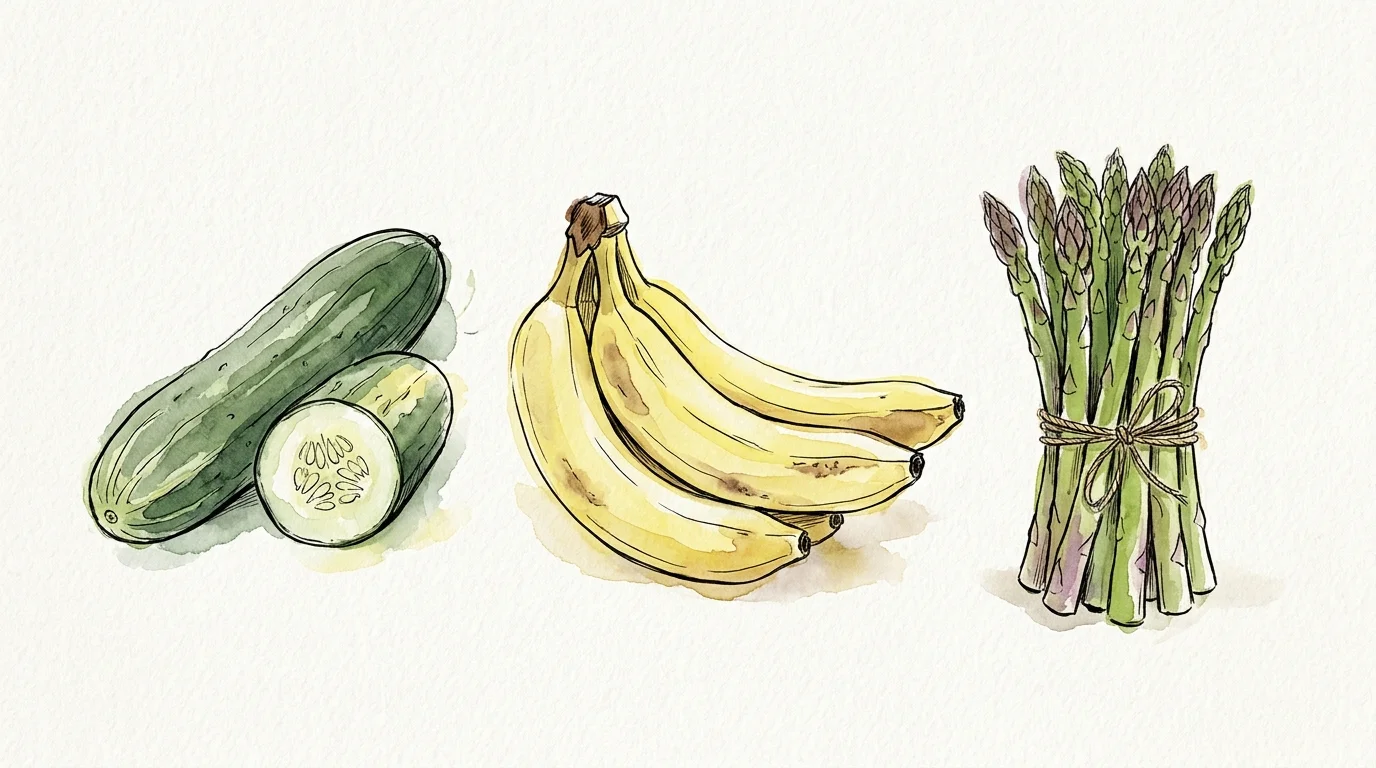
Cucumbers consist of roughly 95 percent water, making them one of the most hydrating vegetables available. Beyond their liquid content, cucumbers contain caffeic acid and silica, two natural compounds that soothe tissue swelling and support kidney filtration. Eating cucumber slices or adding fresh cucumber to water encourages your urinary system to clear lingering metabolic waste and excess sodium, providing fast relief from facial puffiness and abdominal tightness.
2. Bananas
Bananas serve as an outstanding dietary source of potassium, offering approximately 420 milligrams per medium fruit. According to guidance from the Academy of Nutrition and Dietetics, potassium helps your body maintain optimal fluid balance by counteracting high sodium levels. When you eat potassium-rich foods, your kidneys excrete more sodium through urine, which directly reduces systemic water storage. Enjoying a daily banana provides a reliable supply of this crucial mineral.
3. Asparagus
Asparagus contains high levels of asparagine, an amino acid that acts as a natural diuretic by stimulating kidney function. When you consume asparagus, your urinary excretion increases, allowing your body to dump excess fluid and sodium efficiently. Additionally, asparagus delivers prebiotic fiber that feeds beneficial gut bacteria, helping reduce lower abdominal gas and digestive bloating alongside fluid retention. You can roast asparagus spears with olive oil for a simple side dish.
4. Watermelon
Watermelon lives up to its name with a 92 percent water content that promotes healthy urine output while keeping you hydrated. It also delivers substantial amounts of potassium and L-citrulline, an amino acid that supports blood vessel relaxation and improves circulation. Enhanced vascular flow prevents fluid from pooling in your lower extremities during long hours of sitting or standing. Eating fresh watermelon chunks provides a sweet way to encourage natural fluid release.
5. Celery
Celery acts as a natural fluid-balancing agent due to its rich composition of water, potassium, and active plant compounds known as phthalides. Phthalides relax the smooth muscle tissue inside your blood vessel walls, improving blood flow and aiding renal clearance. Celery also boasts a high water-to-sodium ratio that stimulates your kidneys to flush excess extracellular fluid without stripping essential minerals. Incorporating raw celery stalks into your snack routine helps maintain steady fluid balance.
6. Leafy Greens
Leafy greens like spinach, kale, and Swiss chard provide high concentrations of magnesium, a key mineral that regulates fluid shifts across cell membranes. Scientific research indexed by the National Institutes of Health shows that increasing magnesium intake significantly reduces premenstrual water retention and bloating in women. Combining leafy greens with lemon juice creates a nutrient-rich salad that delivers both magnesium and vitamin C to protect vascular health.
7. Avocados
Avocados offer a powerful double punch for fluid regulation because they contain more potassium per serving than bananas alongside high levels of magnesium. Half an avocado provides roughly 485 milligrams of potassium, helping restore electrolyte balance rapidly after high-sodium meals. Furthermore, the monounsaturated fats in avocados support overall cardiovascular health. Slicing avocado onto whole-grain toast or salad gives you a rich source of heart-healthy fats and fluid-balancing minerals.

Three Strategic Pillars for Long-Term Fluid Balance
Incorporate targeted food choices into a sustainable routine using these three evidence-based strategies designed to sustain optimal hydration and minimize recurring fluid retention.
Balancing Your Electrolytes Daily
Focusing on electrolyte balance requires actively balancing your intake of sodium, potassium, and magnesium. While sodium draws water into your tissues, potassium and magnesium work together inside your cells to pump excess fluid back into circulation for kidney excretion. You can optimize this balance by replacing ultra-processed meals—which contain massive quantities of hidden sodium—with fresh whole foods. Aim to pair every meal with a potassium-rich vegetable or fruit to neutralize dietary salt spikes naturally.
Meal Planning Around Low-Sodium Whole Foods
Effective meal planning eliminates high-sodium traps that trigger sudden fluid retention. Prepare meals at home using fresh herbs, garlic, citrus juices, and vinegars rather than commercial sauces, canned soups, or packaged spice blends. According to the Centers for Disease Control and Prevention, over 70 percent of dietary sodium comes from processed foods and restaurant dishes, not the salt shaker on your table. Planning dinners around fresh produce, lean proteins, and intact whole grains protects you from unexpected salt loads.
Movement and Hydration Habits
Counterintuitively, drinking more clean water represents one of the fastest ways to eliminate retained fluid. When you under-hydrate, your body holds onto existing water stores as a survival mechanism. Drinking adequate water signals your kidneys that fluid is abundant, triggering the release of retained liquid. Combine consistent hydration with daily physical movement; walking for 20 minutes activates muscle pumps in your legs, driving fluid out of your lower extremities and back toward your heart for processing.

Expert Insights on Managing Water Retention
Clinical dietitians and medical professionals emphasize that chronic puffiness often stems from simple lifestyle mismatches rather than severe pathology. Nutrition experts note that many individuals unnecessarily resort to aggressive diuretic supplements when whole foods offer a safer, gentler solution. Research published in the Dietary Guidelines for Americans confirms that increasing natural potassium intake to recommended levels—roughly 2,600 to 3,400 milligrams daily—drastically improves systemic electrolyte balance across diverse demographics. By listening to your body’s signals and adjusting your daily menu, you allow your kidneys to fulfill their natural filtration duties without pharmaceutical intervention.
Safety, Personalization, and Medical Precautions
While dietary adjustments provide safe relief for mild fluid retention caused by high sodium intake or hormonal shifts, severe swelling demands professional medical evaluation. Sudden, asymmetrical leg swelling, pitting edema—where pressing your skin leaves an indentation—or swelling accompanied by shortness of breath can indicate underlying cardiovascular, renal, or hepatic disease. Furthermore, individuals diagnosed with chronic kidney disease or those taking potassium-sparing diuretics must exercise caution before increasing potassium intake, as impaired kidneys cannot clear excessive minerals safely. Always consult your primary care physician or a registered dietitian to tailor nutrient targets to your personal medical profile.
Frequently Asked Questions About Water Retention
How quickly can changing my diet reduce water bloating?
You can often notice improvements within 24 to 48 hours of adjusting your diet. Consuming potassium-rich foods, increasing water intake, and cutting out high-sodium processed foods triggers your kidneys to excrete excess retained fluid quickly, resulting in reduced abdominal tightness and less facial puffiness.
Can drinking more water really reduce fluid retention?
Yes, drinking plenty of water directly reduces retention. When your body senses dehydration, it releases antidiuretic hormone, signaling your kidneys to store water. Adequate hydration reassures your physiological systems, allowing your body to dump excess stored liquid safely through regular urination.
Are over-the-counter diuretic pills safer than natural foods?
Over-the-counter diuretic supplements can flush vital minerals like potassium and sodium too rapidly, risking electrolyte imbalances and dehydration. Whole foods provide natural diuretic compounds alongside balancing minerals, offering a safer, sustainable approach without damaging your electrolyte stability.
Why do I retain extra water after high-intensity workouts?
Intense exercise causes microscopic tears in muscle tissue, triggering localized, temporary inflammation. Your body directs extra fluid to these muscle tissues to transport repair nutrients and repair cellular structures. This post-workout fluid retention typically resolves naturally within a few days as recovery progresses.
Take Your First Step Today
Reclaiming comfort and eliminating uncomfortable fluid retention starts with simple daily choices on your plate. You do not need to overhaul your entire lifestyle overnight to feel lighter and more energized. Pick just one fluid-balancing food from this list—such as adding fresh cucumber to your lunch salad or enjoying a ripe banana with breakfast—within the next 24 hours. Small, consistent nutrition habits build a solid foundation for long-term metabolic health and natural fluid balance.