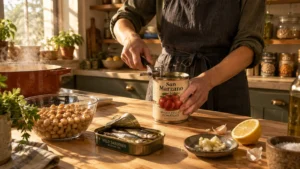
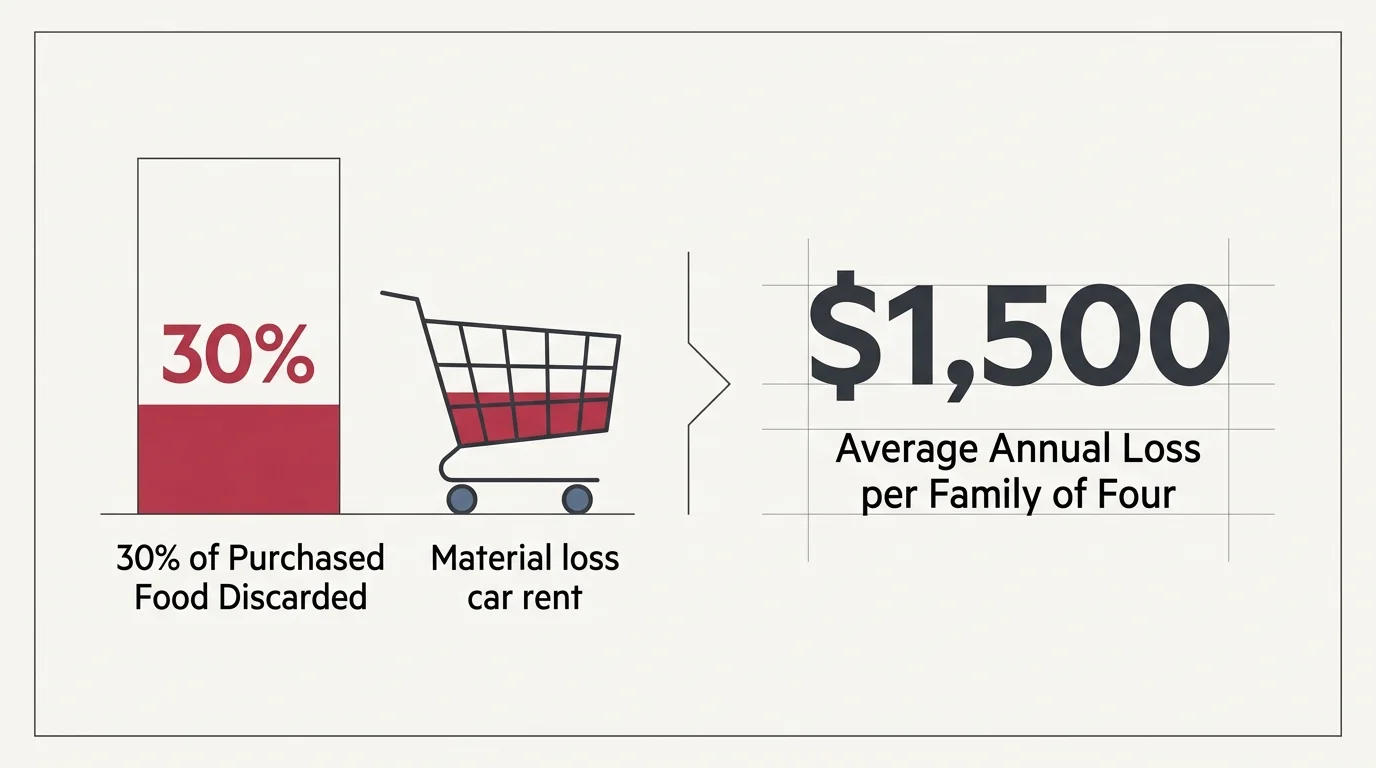
Slashing your weekly grocery bill while trimming hours off your cooking routine relies entirely on strategic grocery purchasing rather than complex culinary skills. Professional meal preppers utilize targeted grocery workflows to prevent costly food waste, preserve nutrient density, and streamline weekday dinner assembly. According to data from environmental and agricultural researchers, the average household discards nearly thirty percent of purchased food simply due to impulse buying and improper storage planning. By mastering a few systematic grocery store habits, you transform chaotic supermarket trips into predictable, high-yield stocking sessions. This research-backed guide reveals the ten grocery store hacks that professional dietitians and preppers use to save time, optimize nutrition, and simplify daily healthy eating.
The Science of Grocery Efficiency and Nutrient Retention
Navigating modern supermarkets without a structured plan triggers impulse purchases and inflates weekly food costs. According to research from the United States Department of Agriculture, an average family of four loses over fifteen hundred dollars annually on uneaten, discarded food. Store layouts deliberately place high-margin, processed products at eye level while housing whole foods along the outer perimeter, making spontaneous purchasing remarkably easy.
Furthermore, behavioral research shows that decision fatigue accumulates rapidly as you parse through thousands of supermarket options. Making dozens of food choices while tired or hungry leads to reactive choices that compromise dietary quality. Evidence published by the Academy of Nutrition and Dietetics shows that systematic grocery planning significantly increases consumption of whole grains, lean proteins, and fiber while reducing intake of refined sugars and excessive sodium.
Core Strategy Pillars: Planning, Nutrition, and Habits
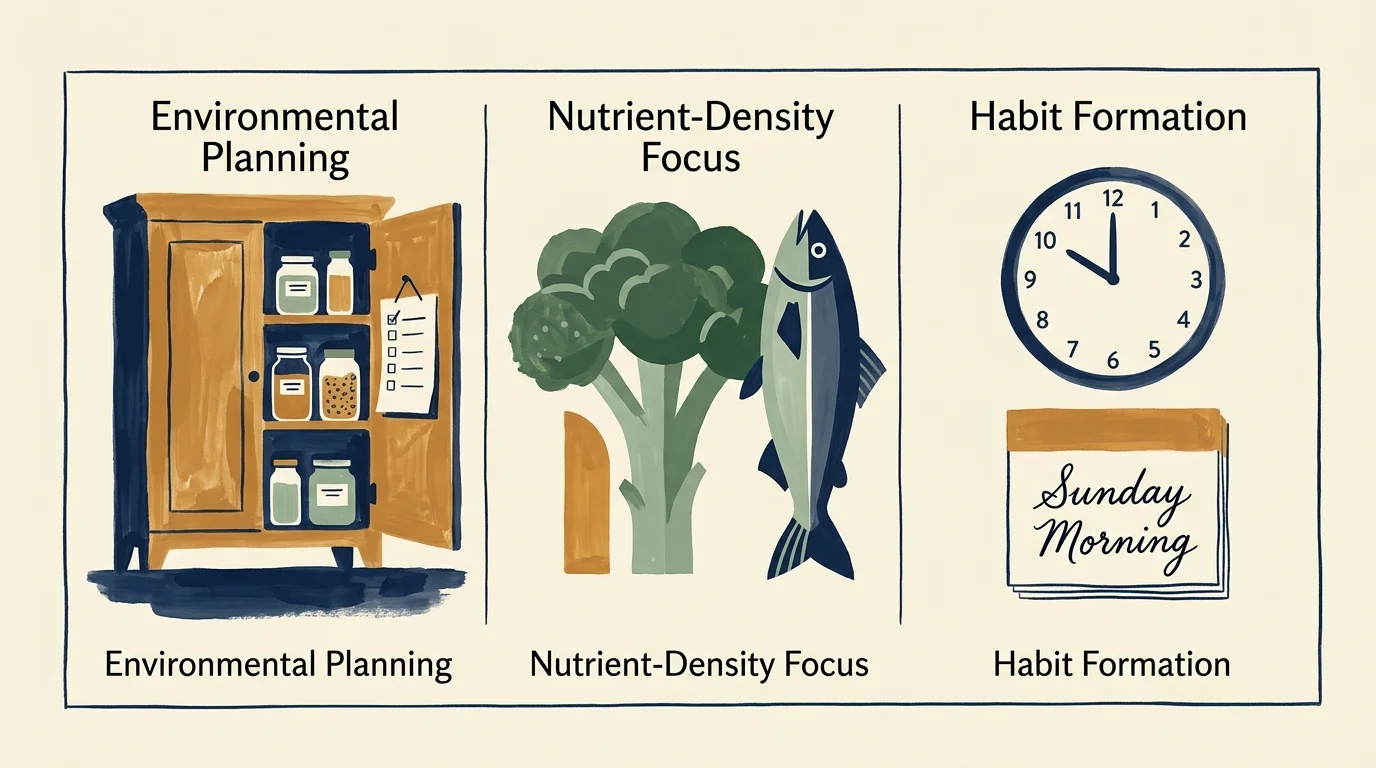
Professional preppers rely on repeatable systems built around three core pillars: environmental planning, nutrient-density focus, and deliberate habit formation. Environmental planning means organizing your kitchen inventory before creating a list, ensuring your refrigerator and pantry work in unison. Aligning your purchases with existing home stock removes unnecessary friction from mid-week cooking.
The second pillar focus targets foundational items offering maximum nutritional value per dollar. Instead of buying niche ingredients for single recipes, focus on versatile whole foods that deliver complete proteins, complex carbohydrates, and micronutrients across varied meals. Finally, behavioral habit formation anchors these shopping routines to fixed weekly times; conducting a ten-minute pantry check every Sunday morning turns complex nutrition management into an effortless, sustainable habit.
10 Grocery Hacks Professional Meal Preppers Swear By
1. Perform a Reverse Pantry Audit Before Shopping
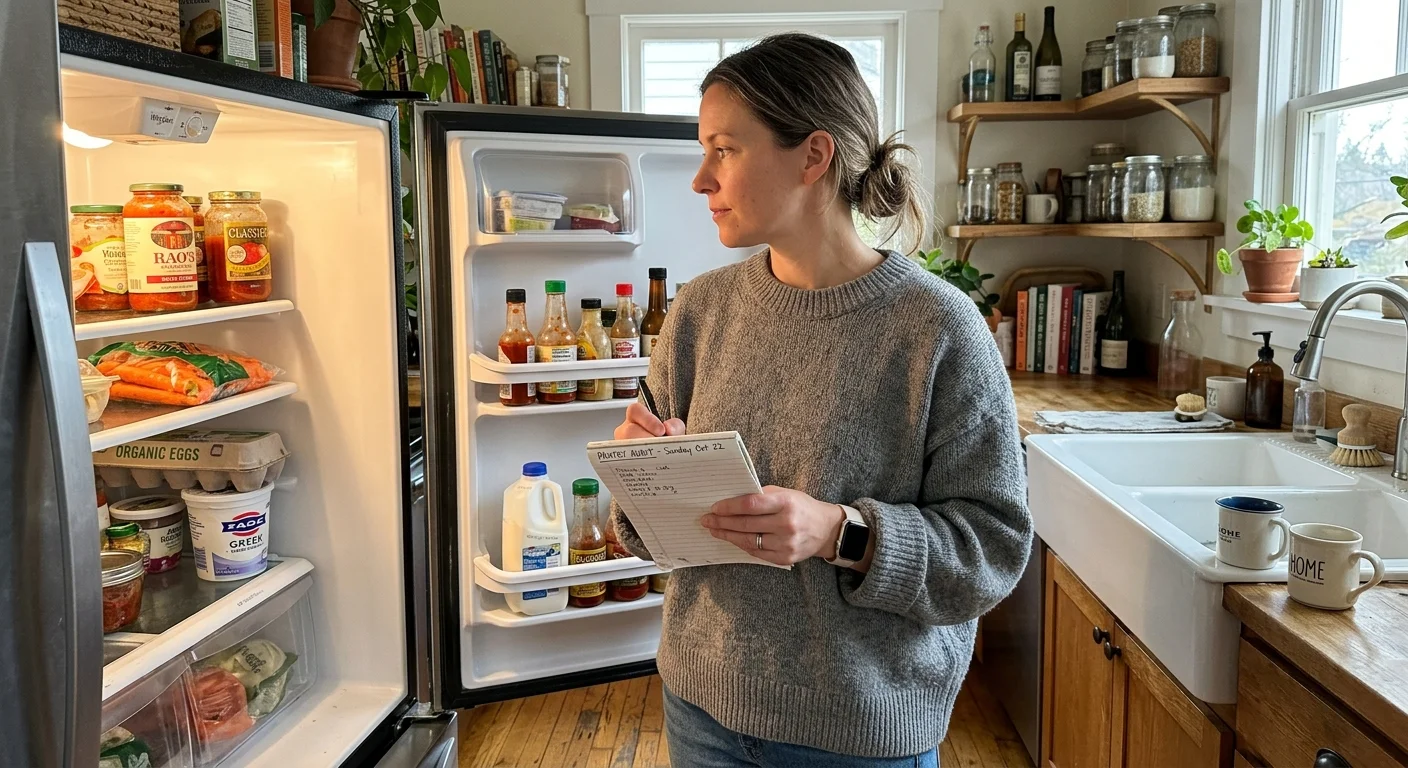
Most shoppers write grocery lists based on new recipes, causing duplicate purchases and forgotten ingredients that spoil. Professional preppers perform a quick reverse audit of their refrigerator, freezer, and dry pantry first. Identify ingredients requiring immediate use—like half a bag of carrots or open black beans—and build upcoming meals around those items. This simple workflow prevents food waste, saves money, and clears shelf space.
2. Organize Your List by Store Zone Layout
Crisscrossing supermarket aisles increases physical fatigue and multiplies opportunities for impulse buying. Group your shopping list into clear store layout zones: fresh produce, bakery, fresh proteins, dairy, cold plant foods, and center dry goods. Moving through the store in one continuous loop minimizes shopping time, preserves your mental focus, and keeps you strictly on budget.
3. Implement the Dual-Format Produce Strategy
Fresh produce often spoils before you finish it, driving up food costs. Professional preppers buy produce in dual formats based on shelf life. Purchase sturdy fresh produce like cabbage, sweet potatoes, and apples for early-week meals. Simultaneously, purchase commercially frozen items like broccoli, berries, and spinach for late-week cooking. Peer-reviewed studies archived by the National Institutes of Health confirm that flash-frozen produce retains nutrient levels comparable to fresh options.
3. Stock Multi-Duty Cross-Over Proteins
Buying distinct protein sources for every meal inflates grocery spending and lengthens kitchen prep. Instead, select versatile, multi-duty proteins that adapt to varied flavor profiles. A batch of seasoned lean chicken, braised firm tofu, or cooked lentils easily converts into a Mediterranean grain bowl on Monday, tacos on Tuesday, and a vegetable stir-fry on Wednesday, streamlining your protein prep.
5. Standardize Your Essential Flavor Anchors
Eating prepped meals becomes tedious when every dish tastes identical, yet purchasing complex bottled sauces adds unnecessary cost. Keep basic, unseasoned core components and rely on standardized pantry flavor anchors. Stock your shelves with citrus, vinegars, low-sodium soy sauce, tahini, and dried herbs. Adding different dressings to identical base ingredients creates vibrant culinary variety without requiring extra cooking time.
6. Calculate Unit Pricing Over Shelf Sticker Tags
Price tags highlight total package cost, but the smaller unit price—cost per ounce or gram—reveals true economic value. Preppers review unit prices to determine whether bulk items genuinely offer savings. Purchasing bulk oats, brown rice, dry beans, and raw nuts slashes markups significantly compared to pre-packaged box versions, freeing funds for high-quality fresh foods.
7. Strategic Use of Convenience Prep Anchors
While prepping whole foods saves money, intense fatigue often leads to expensive takeout orders. Dietitians recommend allocating part of your budget to convenience prep anchors like pre-washed greens, peeled garlic, or pre-diced onions. Paying slightly more for labor-intensive prep eliminates major weeknight cooking hurdles, ensuring you prepare healthy meals consistently at home.
8. Build Weekly Menus Around Store Circular Sales
Rather than picking meals in isolation, align your weekly meal plan with store circular discounts and sales cycles. Supermarkets regularly discount lean meats, seafood, and seasonal produce on predictable weekly rotations. Building menus around discounted whole foods allows you to enjoy premium proteins at lower prices while keeping your final register total predictably low.
9. Wash and Store Produce Immediately Post-Shopping
Proper storage immediately after unpacking extends produce shelf life dramatically and removes mid-week prep friction. Rinse fresh berries in a mild vinegar bath and dry thoroughly to inhibit mold growth. Store leafy greens in glass containers lined with paper towels to absorb moisture. Ready-to-eat produce sitting visibly in your refrigerator makes healthy choices effortless.
10. Adopt a Modular Component System Over Rigid Recipes
Preparing complex individual recipes for meal prep often causes soggy textures and heavy kitchen cleanup. Preppers shop for modular components: two protein bases, two complex carbohydrates, three vegetable choices, and two flavorful dressings. Cooking components separately allows you to assemble customized meals daily, preventing flavor fatigue and maintaining optimal food texture throughout the week.

Expert Insights and Real-World Application
Culinary dietitians stress that effective meal prepping is an adaptable habit rather than a rigid set of rules. Clinical nutrition specialists report that individuals who utilize component shopping rather than strict recipe prep show significantly higher long-term adherence to balanced eating patterns. Viewing your refrigerator as an assembly station removes the sensory monotony that often sabotages healthy lifestyle goals.
Experienced community preppers emphasize that practical efficiency beats perfection every time. Incorporating pre-cooked canned legumes, frozen whole-grain blends, or pre-cooked rotisserie chickens into your shopping workflow does not reduce nutritional value; instead, it creates a resilient, sustainable routine that fits demanding work schedules and family responsibilities effortlessly.

Food Safety Guidelines, Storage Rules, and Personalization
Food safety is essential when shopping, prepping, and storing meals in advance. According to food safety guidance from the Centers for Disease Control and Prevention, perishable items must be refrigerated within two hours of purchase or cooking. Keep your refrigerator temperature at or below forty degrees Fahrenheit to prevent foodborne pathogens from multiplying. Store cooked meal prep portions in airtight glass containers, and consume or freeze cooked poultry and meats within three to four days.
Tailoring these grocery strategies to your personal medical needs, allergies, or cultural preferences ensures lasting success. If you manage gastrointestinal conditions like irritable bowel syndrome, select low-FODMAP produce like zucchini, spinach, and carrots. For plant-based or gluten-free diets, stock bulk bins with lentils, quinoa, certified gluten-free oats, and seeds to maintain optimal nutrition economically. Always consult a registered dietitian before making significant dietary modifications.
Frequently Asked Questions
How do I prevent meal prep boredom without spending extra money?
Prevent flavor fatigue by using component prep and varying your seasonings rather than purchasing entirely different base foods. Prepare plain roasted proteins and vegetables, then store distinct sauces separately. Pair your prepped components with a peanut sauce one day and a lemon-herb vinaigrette the next to transform your meal’s taste profile instantly without extra spending.
Is frozen produce as nutritious as fresh produce?
Yes, frozen produce is equally nutritious and sometimes superior in micronutrient density. Produce chosen for freezing is harvested at peak ripeness and flash-frozen immediately, locking in vital vitamins. Fresh produce loses delicate nutrients during long transport and store storage. Research in agricultural and food chemistry journals confirms frozen produce provides full nutritional benefits at lower costs.
How long can I safely store prepped meals in the refrigerator?
Most prepped meals containing cooked meats, grains, and roasted vegetables remain safe for three to four days when stored in airtight containers at or below forty degrees Fahrenheit. If you prep on Sunday for the full workweek, place Thursday and Friday portions directly into the freezer, moving them to the refrigerator twenty-four hours before eating to thaw safely.
How do I adapt meal prep grocery hacks for a single-person household?
Single-person households benefit from dual-format produce purchasing and single-serve freezer storage. Purchase modest quantities of delicate fresh produce for immediate consumption, relying on frozen vegetables for late-week dishes. Utilize supermarket bulk bins to purchase precise amounts of dry grains, nuts, and spices without paying extra packaging fees or accumulating excess inventory.
Your Next Step: Start Small Today
Transforming your grocery routine does not require an immediate, complete overhaul of your kitchen habits. Choose just one practical hack from this guide to implement during your next grocery store trip—such as conducting a five-minute reverse pantry audit or building a store-zone shopping list. By taking one actionable step today, you build a sustainable grocery strategy that saves time, optimizes your budget, and effortlessly supports your long-term health.